Art on the Blockchain | An Entwined Market - Right Click Save
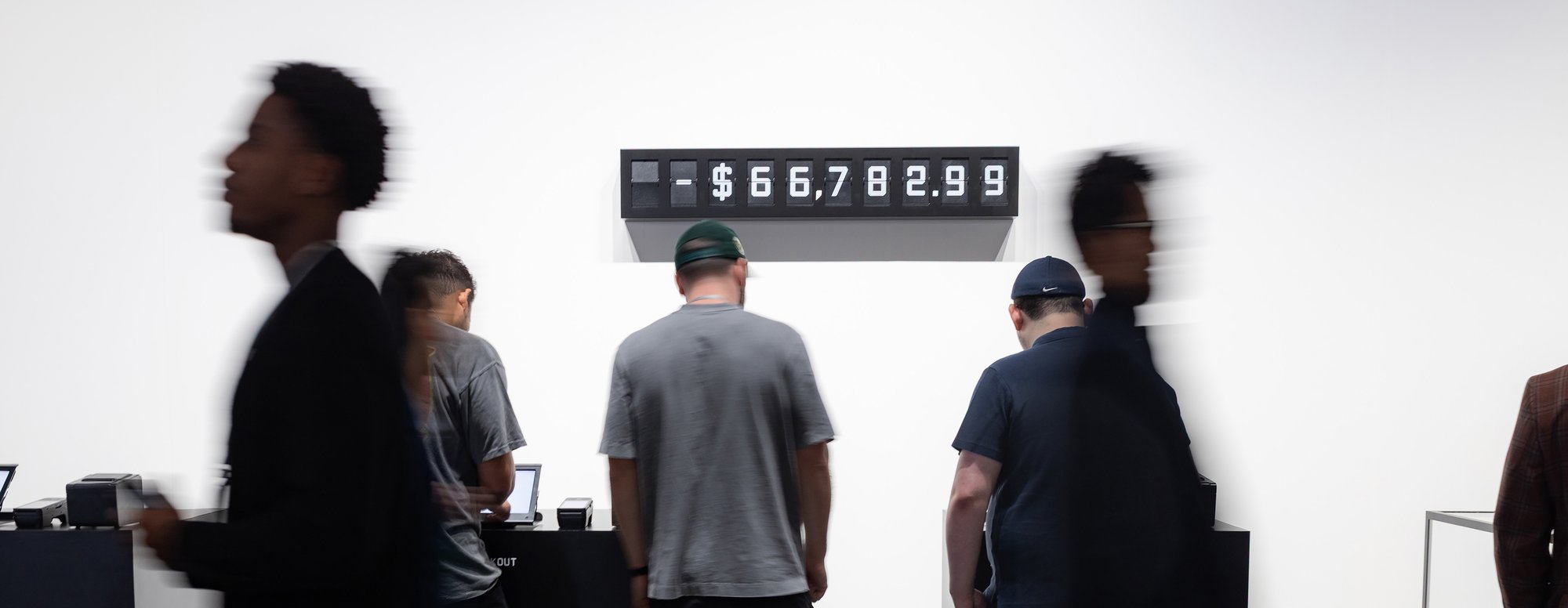
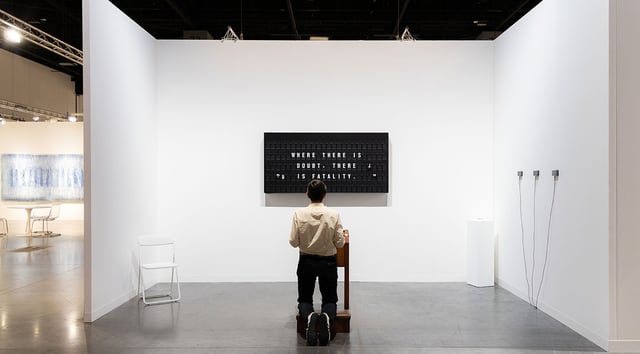
Jack Butcher, Self Checkout (2025). Zero 10, Art Basel Miami Beach. Butcher's piece leans into the critique that “An NFT is just a receipt” by making the receipt the artwork. Courtesy of the artist . Photography courtesy of Art Basel
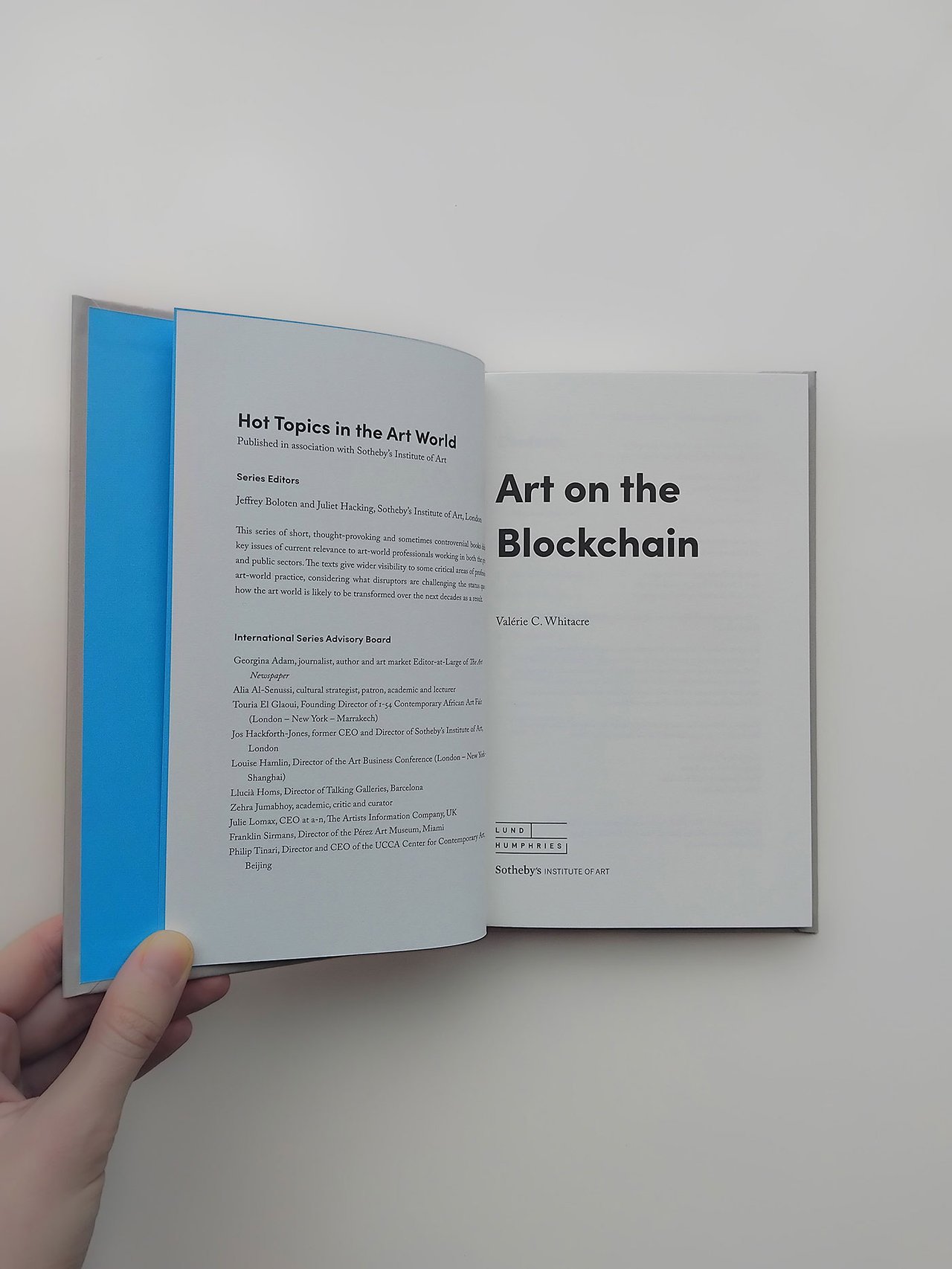
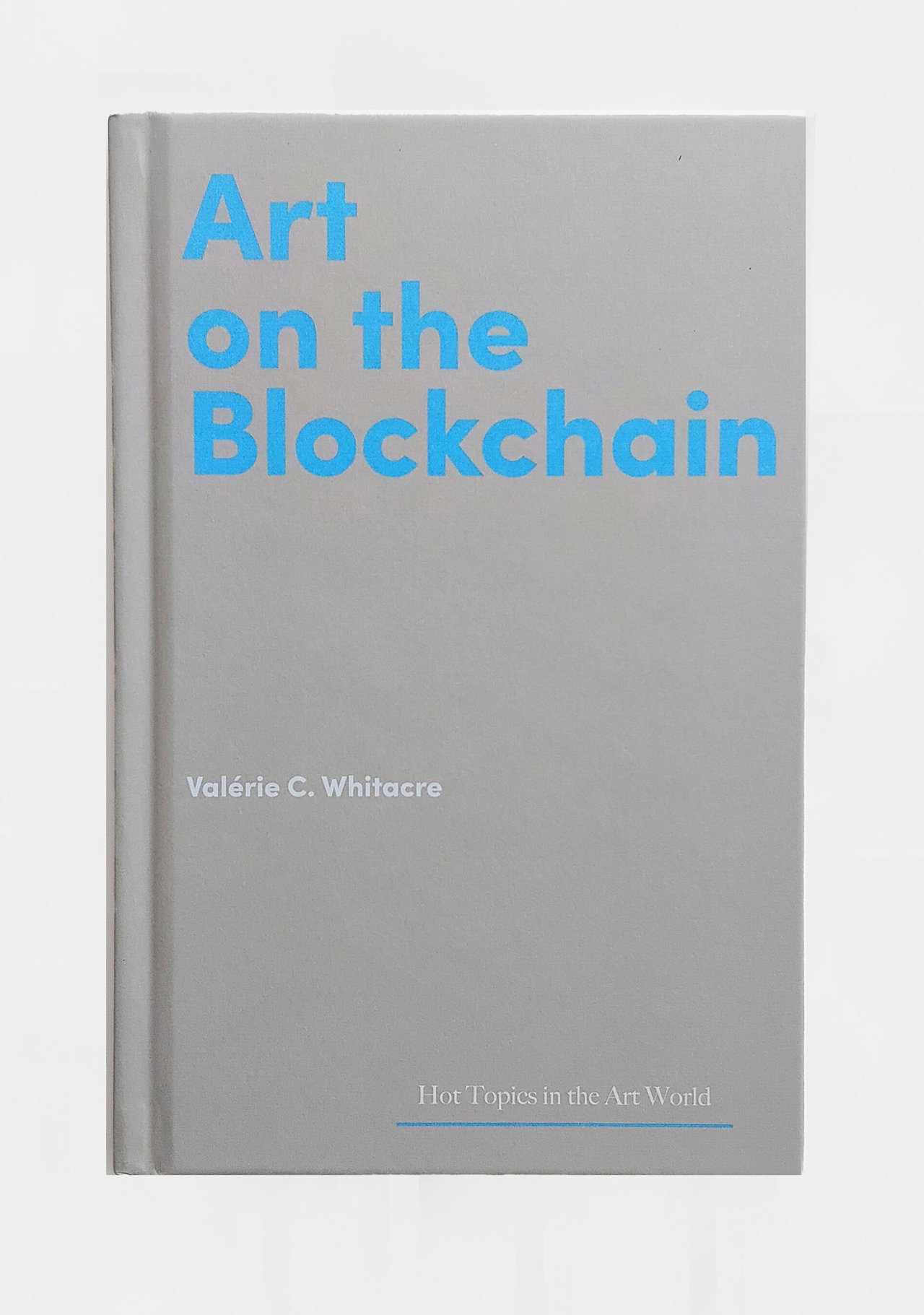
Valérie C. Whitacre, Art on the Blockchain (2026), is published by Lund Humphries, in association with Sotheby’s Institute of Art
The 2021 NFT boom left many critical authorities from the traditional art world feeling momentarily illiterate and, as a result, stubbornly anti-NFT — not that most people actually understood what a non-fungible token was.
I was not immune to this collective reaction: initial shock gave way to confusion quietly punctuated by an embarrassment about how little I understood about this apparently spontaneous movement. Almost by chance, I found myself within a community occupying the space between this emerging market and the old. Its members were curious and engaged, though clearly behind those already entrenched in Web3.
The text that follows is an edited version of the introduction to my Art on the Blockchain, a work from that in-between position. My voice is only one among many, grounded in the belief that blockchain-based art and the traditional art market are not oppositional, but necessarily — and productively — entwined.
Art on the Blockchain, 2026. Title page. Courtesy of Lund Humphries
Art on the Blockchain | An Introduction
Although the first “non-fungible token” (NFT) was created in 2014, it was not until early 2021, amid the uncertainty of the Covid-19 pandemic and the growing prevalence of a predominantly digital way of life, that the wider world took notice of the acronym NFT.¹ Perhaps ironically, those least attuned to the rise of NFTs and digital assets were players from the traditional art market, by which I mean the established network of galleries, auction houses, museums, collectors, e-commerce platforms and institutions that have facilitated the sale, exhibition and validation of art across the last two centuries. Rarer still within this network was any real understanding of the underlying infrastructure supporting these digital assets: the blockchain.
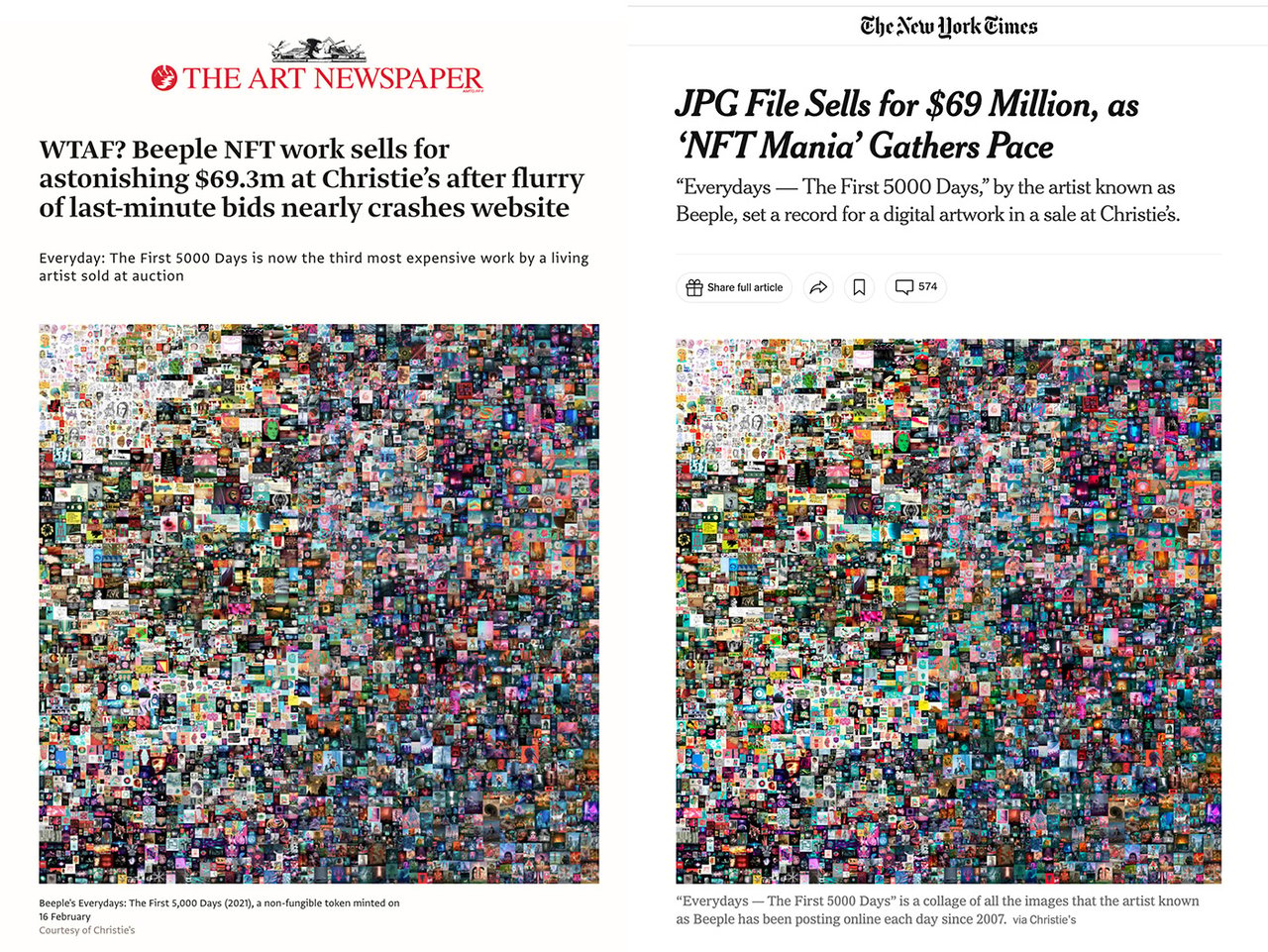
This all changed on 11 March 2021 when Christie’s hosted a sale dedicated solely to Beeple’s digital collage Everydays: The First 5000 Days, and the hammer came down at an astonishing $69 million,² positioning the work as the third most expensive by a living artist sold at auction.³
Artists, sellers and collectors alike were thrown into disarray as the previously unheard-of NFT and its blockchain infrastructure intercepted the market they thought they knew.
How The Art Newspaper (left) and The New York Times reported the sale of Beeple's Everydays — The First 5000 Days on March 11, 2021
Soon after the sale, New Yorker staff writer Kyle Chayka captured the bewilderment rippling through the art world, asking: “Could such vulgar Internet kitsch really be worth as much as masterpieces that have been carefully anointed by critics and curators?”⁴ Mid-pandemic, in an art world filled with Zoom meetings, three-dimensional virtual galleries and art sales that were dipping across the board, dealers and artists wondered what they had missed to be so blindsided by such a record-breaking result. More importantly, who was Beeple, and what the hell was an NFT?
The Christie’s sale unleashed an avalanche of tech jargon from every corner of the internet: NFTs, meme coins, drops, mints, apes, cats, frogs, pixels, punks and more.⁵ Inspired either by the desire to capitalise on rampant speculation or out of perplexity-driven curiosity, those who ventured more deeply into the market for NFTs found an entirely new world that had been evolving and thriving behind the scenes. More critically, they encountered a model fundamentally at odds with established, traditional art-market values of “elitism and purchasing power”.⁶
Even the most respected art-market tastemakers were left struggling to reaffirm their understanding of what constituted “art” from an aesthetic perspective and what might constitute “ownable art” in general.
How could image files, which anyone can save to their computer from the internet, be worth anything, much less the price of a superyacht?
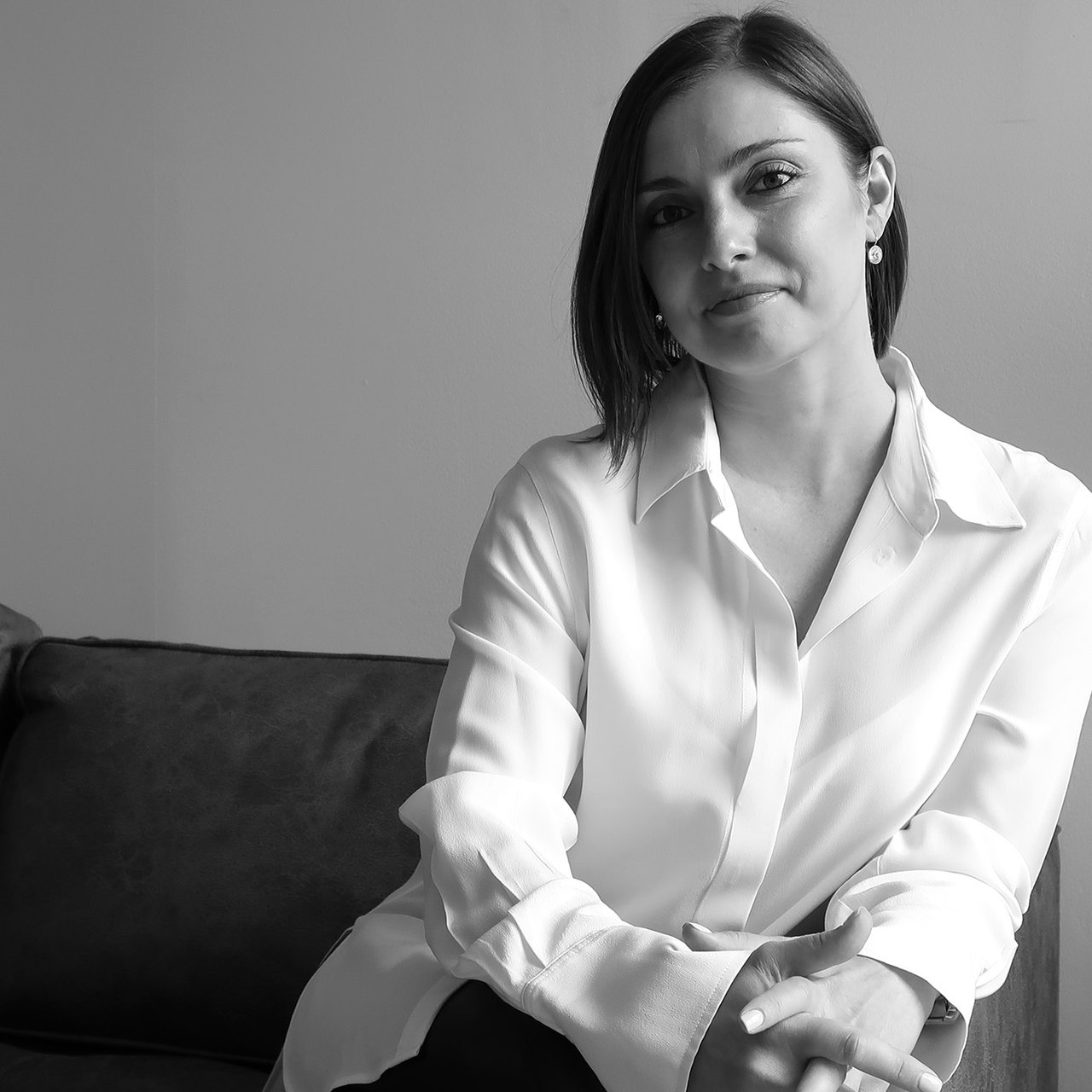
Valérie C. Whitacre. The author of Art on the Blockchain worked in the traditional art market before entering the world of blockchain and crypto art. Courtesy of the author
Divergent Markets
Long upheld by elite dealer-collector networks, the traditional art market has historically rested on paradigms of opacity, discretion and gatekeeping. However, since the dawn of the information age, digital technologies have gradually ushered in a culture of transparency, visibility and accessibility that persistently challenges these foundations. Consequently, sellers have typically approached digital tools with caution.⁷ The Covid-19 pandemic marked a pivotal turning point. According to the Fine Art Group’s September 2020 Market Update, “While historically resistant to the technological ‘disruption’ so common in other industries, the art market has found the inclination this year to be a little more experimental … In this alone, 2020 may have delivered a meaningful transformation for the industry.”⁸ Still, steps into e-commerce and social networks, which the article describes, were a far cry from the transparent and inclusive market for NFTs which confronted art sellers in 2021.
The gulf between the traditional art market and the market for art on the blockchain was widened by the latter’s technical complexity, unfamiliar terminology and uncertain potential. Beyond the alien aesthetics of then-popular NFTs, which broadly resembled memes more than conventional artwork, the incomparable speed with which the craze was unfolding was paralysing.
Writing for Vanity Fair soon after the Beeple sale, journalist Nick Bilton described the experience as follows: “If it feels to you like culture is collapsing in on itself and nothing makes sense, that’s because the speed with which these changes are taking place is exacerbating. It’s almost like we’re living in a simulation that has sped up and no one knows where the pause button is.”⁹
Valérie C. Whitacre, Art on the Blockchain, 2026. Cover. Courtesy of Lund Humphries
This feeling was intensified by big business promoting crypto projects that were less about art or artists, and more about capitalising on consumers’ attention. As much as the Beeple auction sent sales volumes and prices of NFTs soaring, it also disrupted the reverie among many early adopters of blockchain technology that the market for art on the blockchain could be an alternative, anti-establishment utopia. The meeting of these vastly different art worlds was messy, imperfect and volatile.
Three distinct histories preceded the 2021 NFT boom, each with its own compelling narratives and milestones: namely that of the post-war art market, the invention of blockchain technology and the commercialisation of imagery on the internet.
I attempt in the book to unpack and explore these histories and their intersecting dynamics, with a view to providing a broader context of the current market for art on the blockchain. It is not a comprehensive chronology, forensic analysis or diagnostic tool. The text avoids overtechnical explanations that would be counterproductive to establishing broader literacy.
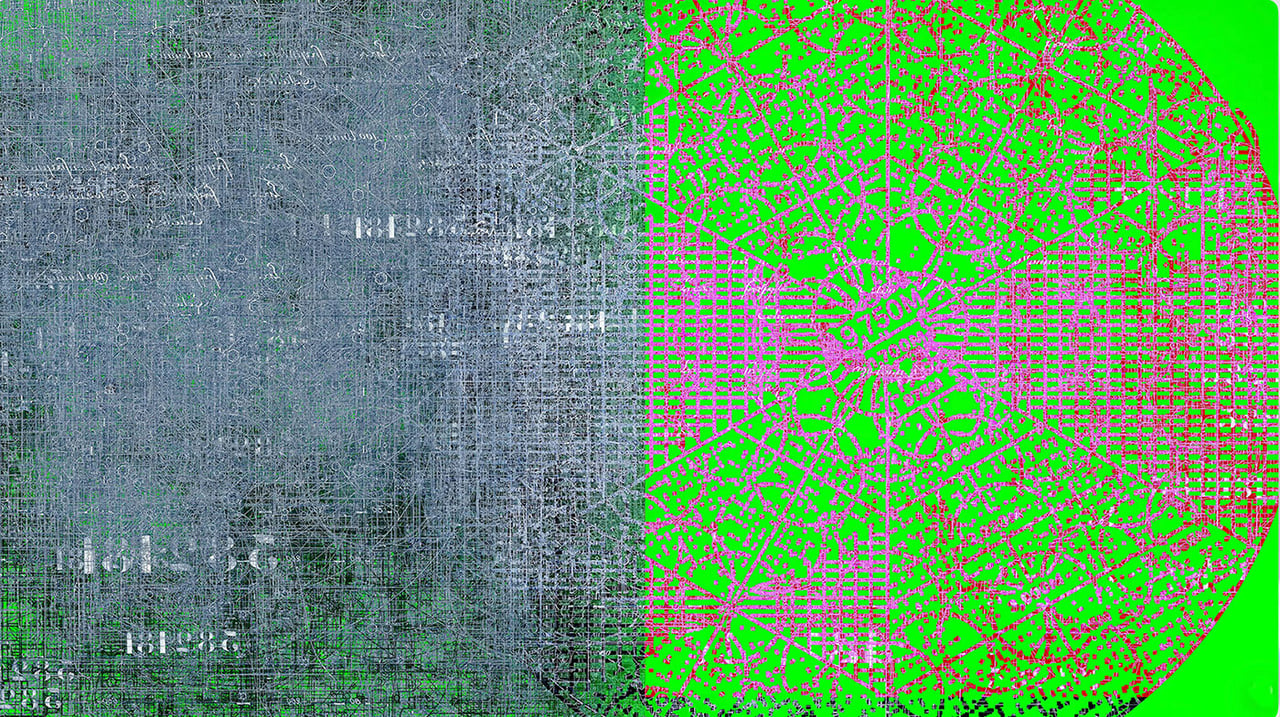
Robert Alice, 382181_Garden City. Lightbox & NFT, 2023. The work entered the National Collection of France by formal financial acquisition in March 2025. Copyright Centre Pompidou
Beginning with the evolution of the art market, it takes a narrative approach to illustrate how systems of ownership, value and collecting have shaped the trade of art over time.
It touches on the rise of computer and digital art, as well as the emergence of internet-based art practices, which, while increasingly recognised by institutions, have lacked a robust infrastructure to support their market.
It explains the importance of blockchain technology as a foundational layer for these and other genres and as a tool for the global creator economy. It explains what a blockchain is in the simplest terms, while emphasising new forms of value and ownership which the technology enables for art made and traded upon it. The book also traces key moments in the history of NFTs, unpacking core concepts relevant to their trade, the tools required to engage with them and their commercial and cultural adoption. Finally, it highlights specific artworks that illustrate how creators, collectors and institutions have used and continue to use blockchain technology in unique and pioneering ways.
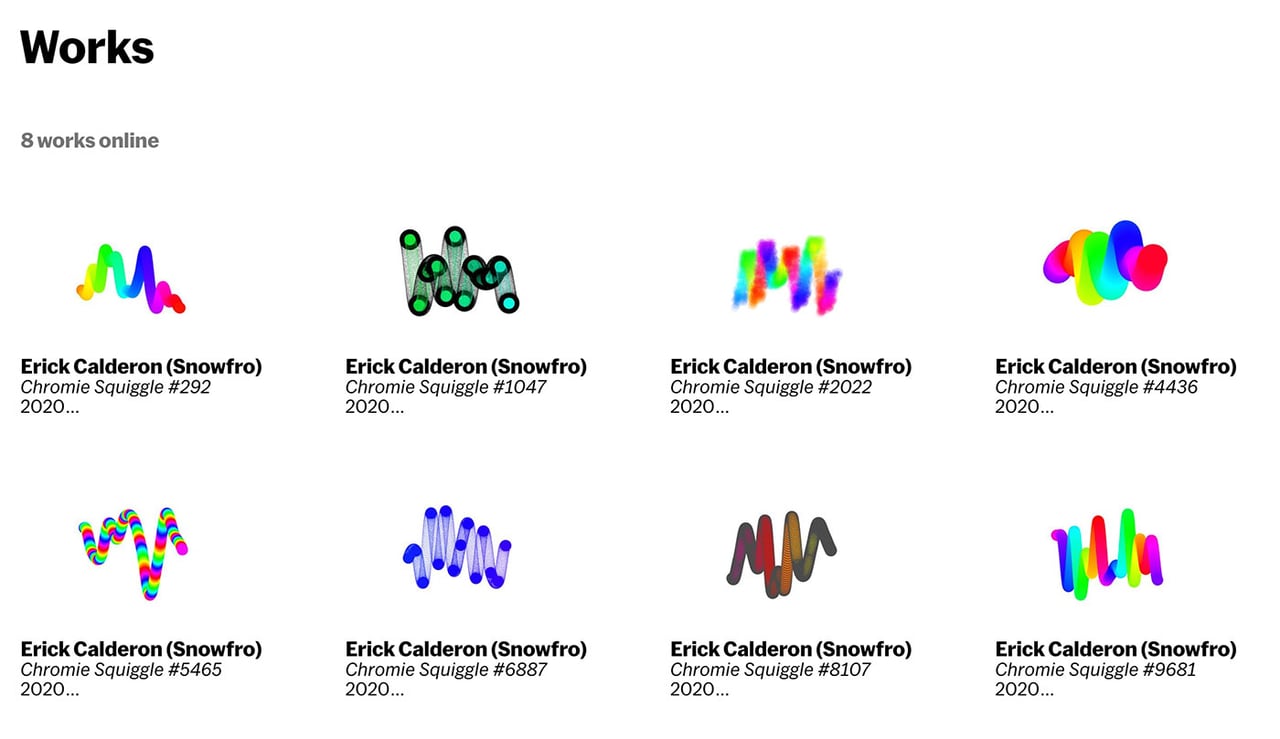
Erick Calderon (Snowfro), Chromie Squiggles, 2020. The eight works donated to MoMA in 2025 form a complete set of all eight types of Squiggle. Courtesy of the artist and MoMA
The term “art” expands and contracts throughout the book. Whilst it includes traditional genres of Fine Art (e.g. painting, sculpture, photography), it takes a liberal view of art as an umbrella term for creative outputs at large (e.g. music, dance, film, poetry), particularly as blockchain technology has enabled works from these genres to be collected. The terms NFT and Crypto Art also overlap in the text, depending on the specific context of the tooling, genre of artworks or markets being discussed. Distinct from Crypto Art, NFTs are identifiers which can refer to many discrete digital and physical assets. The term is also frequently used to refer to visually distinctive collections, often characterised by trading-card aesthetics, many of which are intended primarily for community-building and speculation.
The book uses the term NFT to refer both to the technology and to the widely used, if imprecise, sense of the word to describe the images themselves.
By contrast, the term Crypto Art is used to refer to work that engages critically with the history of art, adopts recognisable or referential aesthetics and/or treats the blockchain itself as a medium or conceptual framework for artistic expression.
The terms NFT, Crypto Art, “art on the blockchain” and digital assets are used interchangeably when referring to the wider uses of blockchain technology in the art market, especially regarding common tooling, platforms and processes.
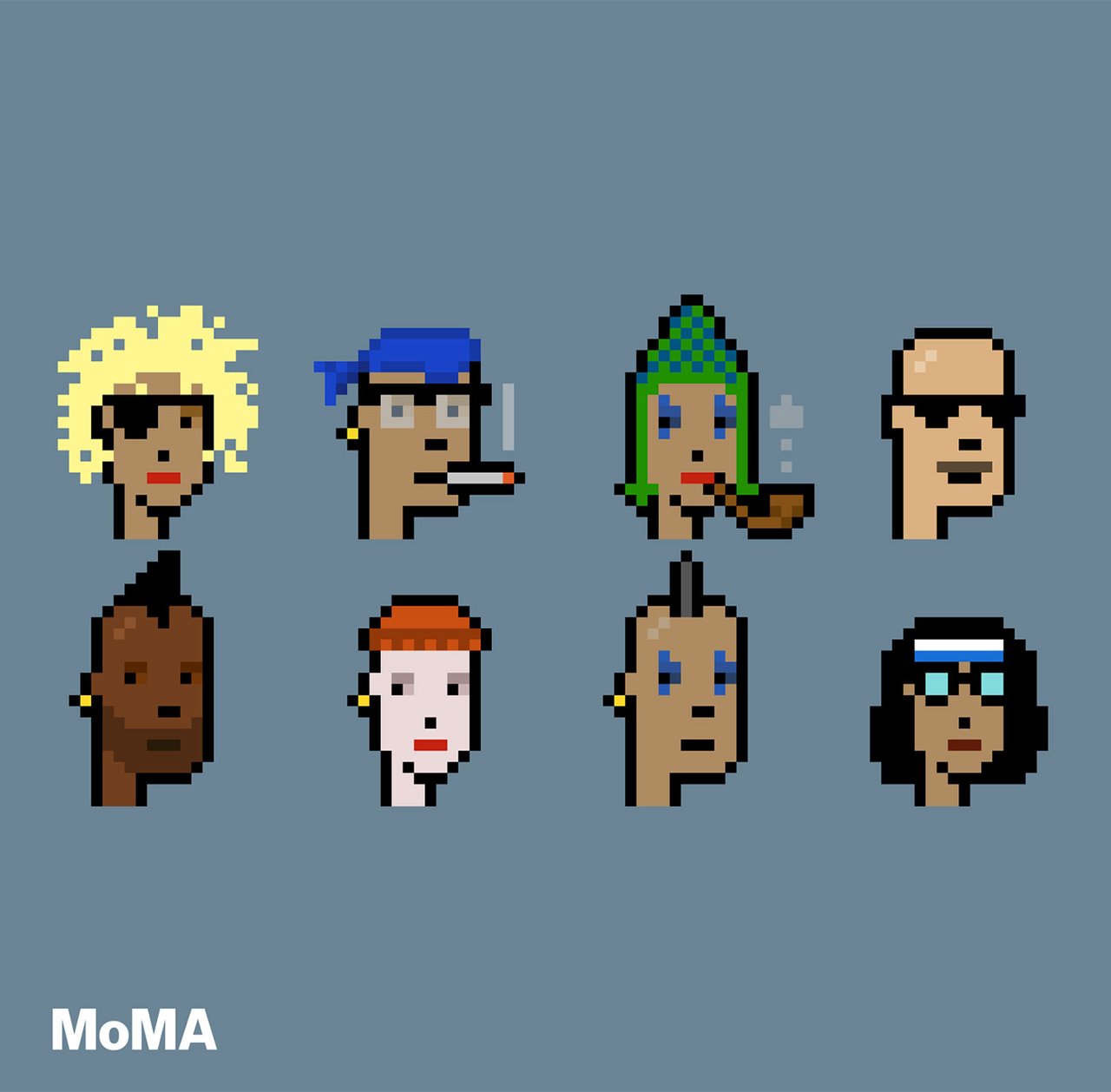
Larva Labs, CryptoPunks, 2017. The eight CryptoPunks acquired by the Museum of Modern Art, New York, in December 2025. via x.com/cryptopunks. Courtesy of the artists and MoMA
Crypto Art
Students of art history recognise several historic movements defined by creatives upsetting what critics, curators, sellers and collectors believed could be considered “art”. Indeed, artists have historically been at the forefront of testing and establishing its conventional definition and limitations. They do so by engaging with history, while speaking more urgently to the present and to possible futures, integrating social, economic and political conditions into their aesthetic practices. Accordingly, in a world where, for better or worse, technology — especially digital technology — defines much of the quotidian experience, is it such a surprise that artists should not only respond to it, but also harness and transform it?
Blockchain technology not only powers the market for Crypto Art but also serves as its subject and substrate, incorporating some existing art-market dynamics and dissolving others.
Meanwhile, the problematic nature of elitist, siloed, art-market systems ensured that the market for art on the blockchain did not just develop outside of these systems, but often in conscious opposition to them.
Celebrating the global inclusivity which characterises much of the Crypto Art market, I nevertheless chose to foreground institutionally recognisable actors, to offer points of familiarity for uninitiated readers and to situate the field within a broader cultural milieu. It cannot do justice to the rich diversity, regional specificity and varied perspectives that have shaped what is a thriving, global landscape of artists, collectors and builders. Many of the figures and artworks highlighted in the book reflect those which most influenced my own journey, rather than offering a definitive or exhaustive account. Still, I trust it will equip readers with greater literacy and curiosity to explore the spectrum of cultures, perspectives, languages and creative ideas that defines the wider Crypto Art market.
Having worked as an art dealer from 2009 to 2022, with little to no knowledge of the tech industry, it was by chance that I encountered blockchain technology as an infrastructure. It was months later, with great surprise and admitted confusion, that I discovered the volume and quality of international talent creating and trading art upon it.
The radical inclusivity I encountered felt completely paradoxical, and it took time before I came to grasp the reality of a decentralised, transparent art market.
Understanding that most readers may not have the opportunity to learn through such an immersion, I aimed to offer a clear, grounded introduction as well as a testament to the fact that, while the hype-cycle around NFTs may have ended, Crypto Art is most certainly not dead.
Valérie C. Whitacre is an art dealer with a passion for building businesses, networks, and projects that are more than the sum of their parts. She started her career in management consulting, but found her home in the global photography community. In 2022, she pivoted to leading global Web3 initiatives for a blockchain ecosystem. The experience inspired her to integrate her unique knowledge of the art market, photography, tech and strategy in a way that supports and creates more refined projects, in direct alignment with clients. In 2014 she founded Black Etc, a strategic art advisory and management services company. Valérie is also the COO and Co-Founder of Encountr — an experiential company bringing together networks across wine, dining, luxury, and art.
⁷ Payal Arora and Filip Vermeylen, “Art Markets”, in Ruth Towse and Christian Handke (eds), Handbook on the Digital Creative Economy (Cheltenham: Edward Elgar Publishing, 2013, 324.
⁸ The Fine Art Group, “Market Update: How the Market Joined the Digital Age”, https://www.fineartgroup.com/art-market-update-how-the-art-market joined-the-digital-age. Accessed April 26, 2025.