Jehan Chu on the Collective Stewardship of Blue-Chip Art
The collector announces that he and Pablo Rodríguez-Fraile have co-owned Beeple’s HUMAN ONE with Ryan Zurrer since late 2022
The collector announces that he and Pablo Rodríguez-Fraile have co-owned Beeple’s HUMAN ONE with Ryan Zurrer since late 2022
Jehan Chu, Founder of Kenetic, an early blockchain venture capital firm based in Puerto Rico and Hong Kong, has been active in collecting modern and contemporary art for twenty years. In 2006, he had a front-row seat for the boom in contemporary art in Hong Kong as Head of Client Development for Sotheby's in Asia. Two years later, he started Vermillion Art Collections as an art advisory firm building collections for ultra-high-net-worth individuals.
Chu and his wife Jeannie Vu have amassed a collection of more than 500 works, including digital art, with 70 per cent made up of traditional work.
Chu and Vu are also co-founders of the Digital Leaders group at the Los Angeles County Museum of Art (LACMA). A former art adviser, Chu has offered art market counsel and support to some of the leading digital artists working today, including Robert Alice, Refik Anadol, and Beeple (Mike Winkelmann), and facilitated the Serpentine Artistic Director Hans Ulrich Obrist's 2018 interview with Vitalik Buterin, founder of Ethereum.
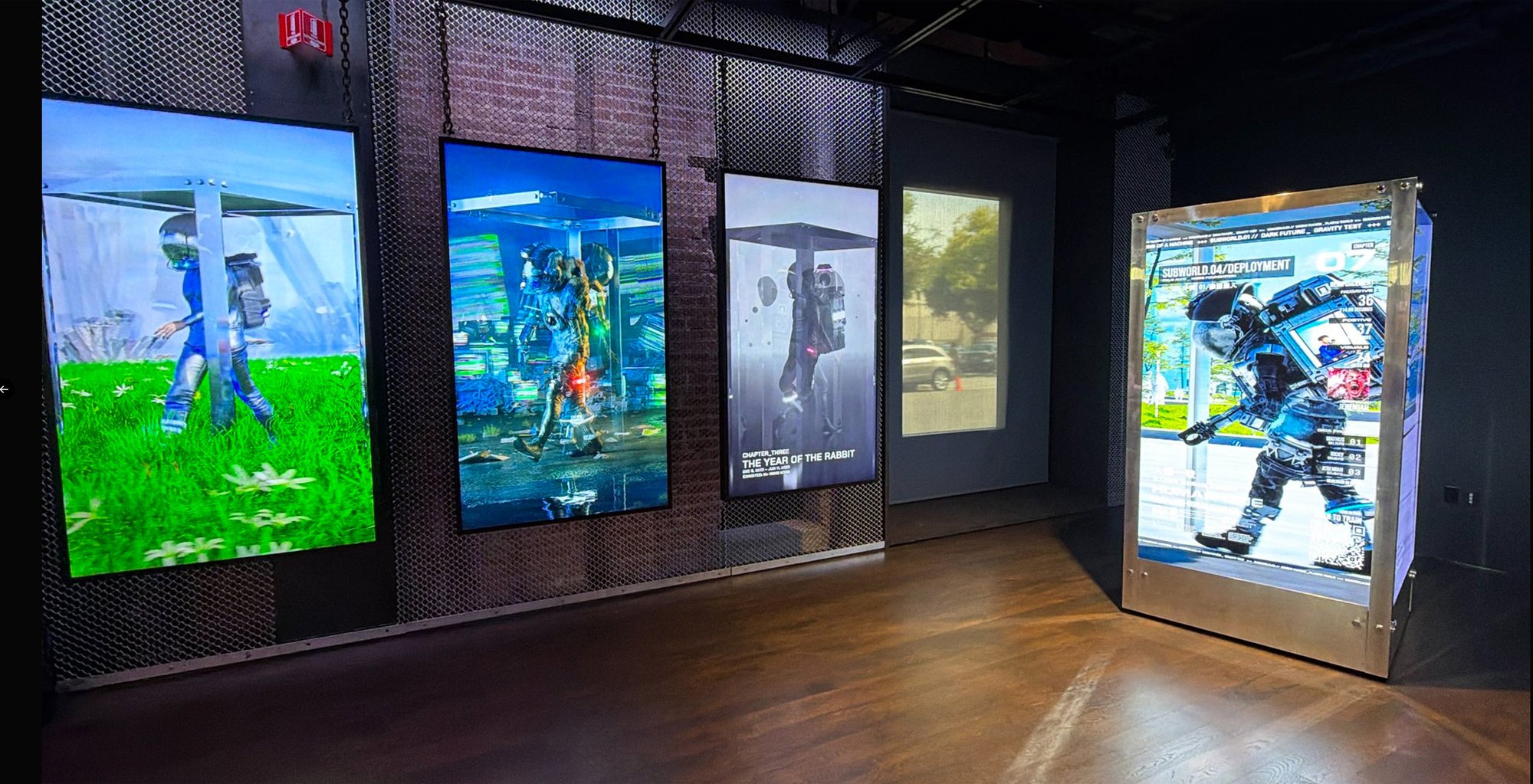
On April 18, 2026, Chu and Vu announced that, in late 2022, they, along with the collector Pablo Rodríguez-Fraile, became meaningful co-owners of Beeple's digital sculpture HUMAN ONE (2021–present), joining Ryan Zurrer, founder of Dialectic, who originally purchased the work at Christie's New York for $29 million in November 2021. Subsequently, Zurrer's fund 1OF1, with the investor Rhydon Lee, joined the ownership group in 2024.
The announcement of the co-ownership took place at the opening of Beeple's mid-career retrospective at NODE in Palo Alto. “The message that we want to put across,” Chu tells Right Click Save, “is that there continues to be significant commitment and resources and interest in digital art, especially on-chain art. There is leadership at the blue-chip levels for digital art.”
“Just because prices in the NFT markets are down, we don’t look at markets to dictate how we think about long-term collecting. We don't look at NFT prices to try and strategize the future of art history. We look at the fundamentals, we look at the artists, we look at the criticality, we look at the context. We commit to things that we think, brick by brick, build the future of art history, including digital art. And this is a keystone in what we hope will be the bridge for digital art to be fully recognized and appreciated to the point where it's no longer called digital art, it's just art.”
“And that's really what this announcement is all about: to continue the celebration and elevation of digital art.” (Jehan Chu)
“It takes a community to raise a human,” Zurrer wrote in a post on X. “I’d like to highlight @jehanchu, Co-Chair of @LACMA's Digital Leaders, who came in as a meaningful co-owner of HUMAN ONE to partner with me in championing this work some years ago. @pablorfraile of the @rfcollection1 collection also joined us at that time along with the @1OF1_art Collective — co-lead by @Rhyd0n & @patpos. I’d like to sincerely thank each of these co-owners in stewarding HUMAN ONE — each of you have brought so much of your vision & commitment to this project.”
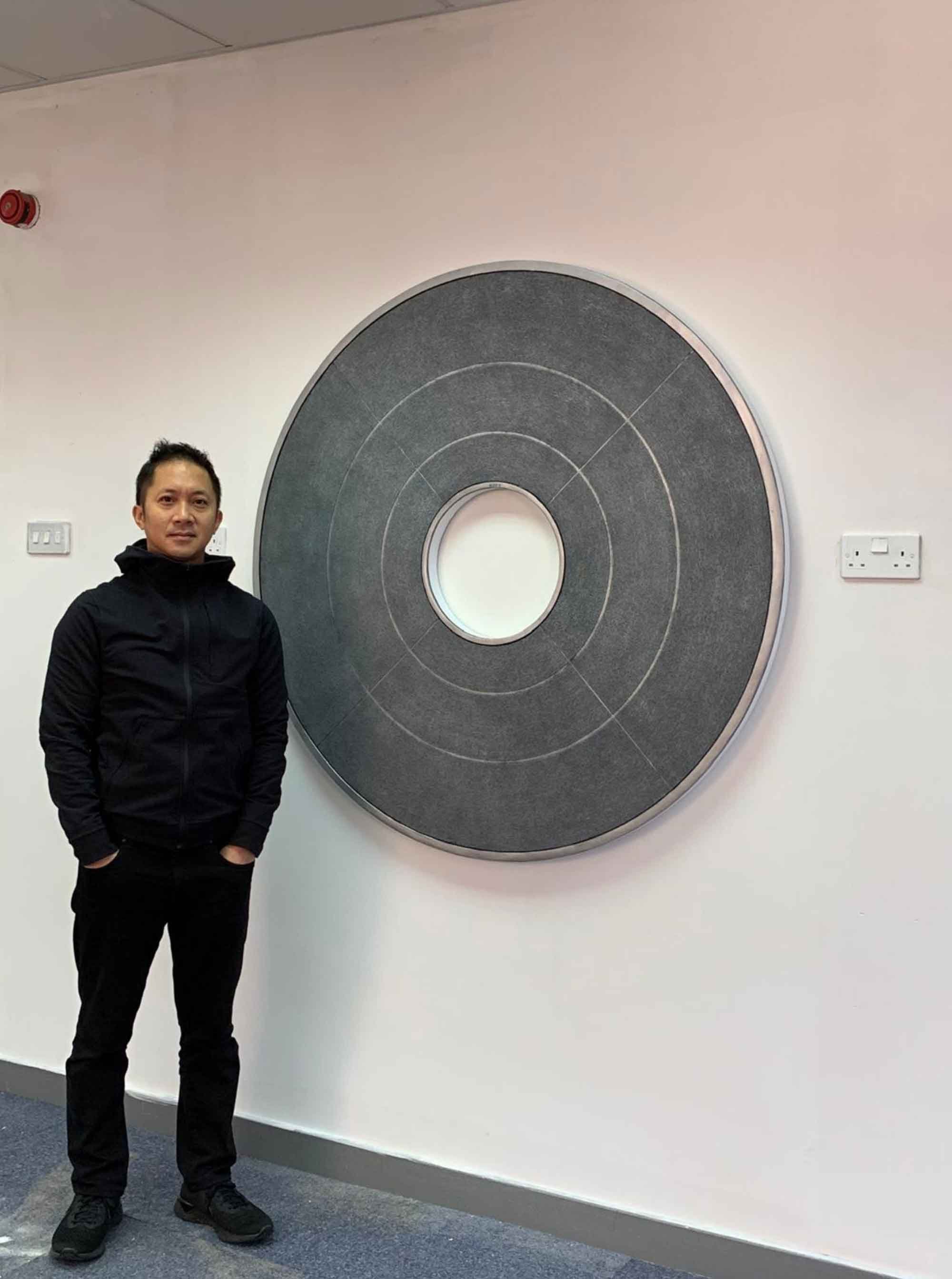
Chu thinks about this “collective collectorship” and stewardship of HUMAN ONE “from the context of institutional support, and how and why institutions are so important in advancing education and the understanding of digital art”.
“Ryan has been a magnificent champion for HUMAN ONE, securing its presence in some of the most celebrated global institutions,” Chu says. “And now, as a group, we are stepping out from the background to continue the conversation about how we safeguard works. There's no way an institution could have bought HUMAN ONE in 2021. But maybe there are ways for institutions to engage with it beyond exhibition."
"We're interested in pushing the boundaries of how digital art can be exhibited, shared, and collectively collected. Collective ownership is very interesting for us, and we hope to be part of the vanguard of these ideas.” (Jehan Chu)
Right Click Save: How did you get into collecting and what was your first acquisition?
Jehan Chu: I started off as an amateur photographer in high school and college. That was really my first introduction to art, although I used to collect comic books for many years. Visually and thematically, that gave me a background in creativity. But I really started collecting in 2006.
At that point, I had been working for Sotheby's auction house in New York. In 2006, I moved to Hong Kong to become Head of Client Development for the Asia-Pacific region. That put me in the front seat of the Asian contemporary art boom, which was a major shift in the market. During that time I started collecting Asian contemporary art, and was appointed to the board of Para-Site Art Space, an influential non-profit based out of Hong Kong.
I was on the board of Para-Site for about 12 years, which gave me a deep understanding of both grassroots and institutional practice, balancing my commercial knowledge from being in the auction world.
I left Sotheby's and became an art adviser from 2008 to 2016, starting Vermillion Art Collections — building collections for ultra-high-net-worth individuals and family offices, as well as doing a lot of education and events. I also became involved in the nonprofit art scene in Asia, backing two nonprofits: Things That Can Happen, a multidisciplinary space in Hong Kong, and Neptune Space.
So I had the benefit of being in the commercial world, wheeling and dealing blue-chip art and understanding the art market. But I also had an incredible education, and mentorship, from some of my friends: Tobias Berger and Cosmin Costinas, both former heads of Para-Site, and Chantal Wong, now director of Afield, who was working at Asia Art Archive at the time. I was very fortunate to have both of those.
I then got into Bitcoin in 2013 and started the Ethereum community in Asia in 2014. I was a community builder — I ran the first Ethereum meetup in Asia, and I hosted Vitalik Buterin probably 15 times. He used to stay at my apartment when he would come to Hong Kong. In those days, he was based in Asia, so he was in Hong Kong quite a lot.
That, again, put me at the front seat of an enormous wave of activity — this time in technology, not art. I left the art world professionally in 2016 so that I could focus solely on crypto, and founded Kenetic, my family office, to invest in the space.

RCS: What characterizes your approach to collecting?
JC: I’m very much into the critical side of art. I never really went down the path of collectibles, so I never really got into PFPs, for better or for worse — I’m a bit of an art snob. I don’t own any Punks. I invested in Yuga Labs, so I do own an Ape, but that’s it.
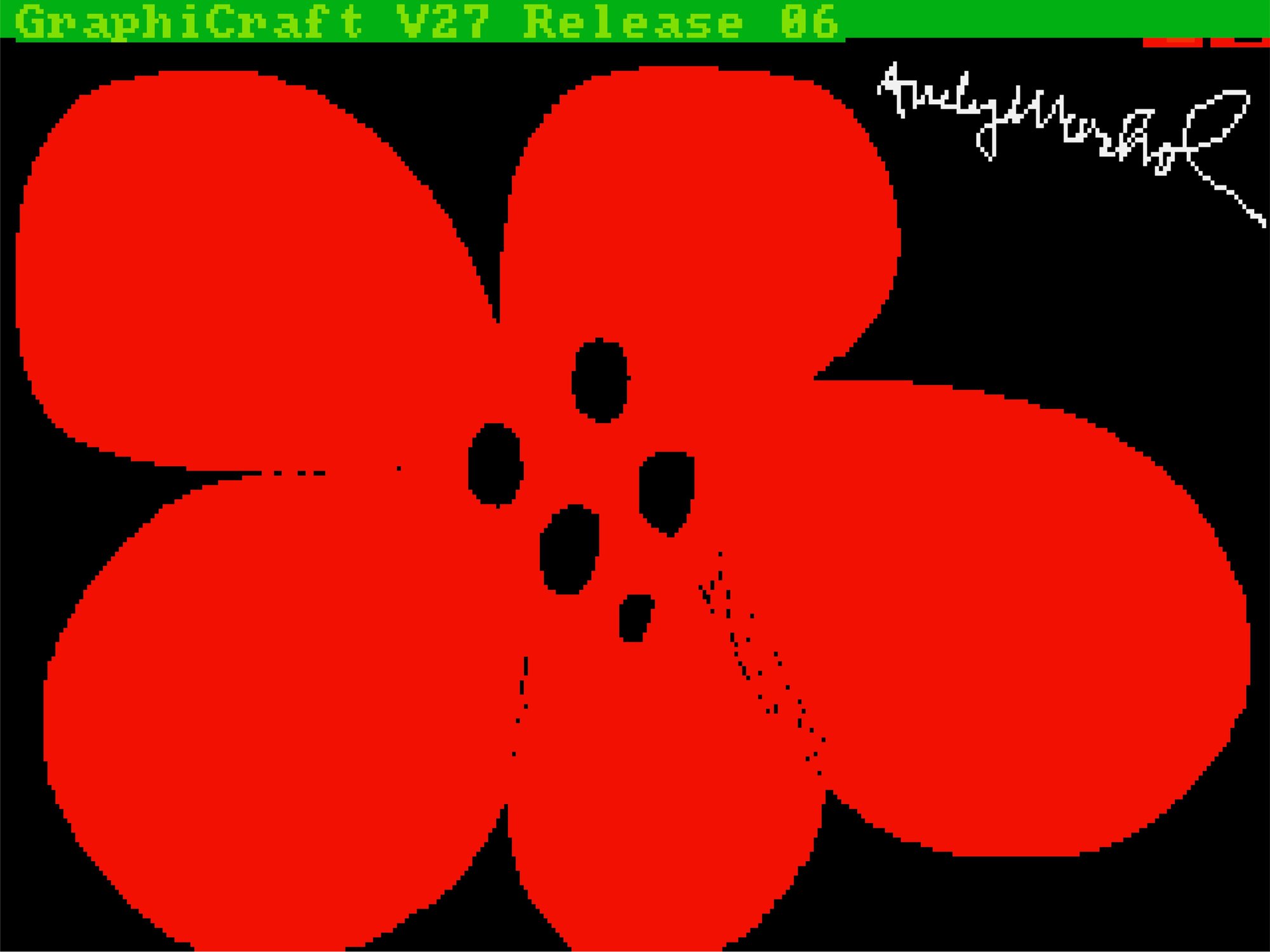
I own a lot of Urs Fischer’s CHAOS (2022) series, work by Katharina Grosse, one of the five Andy Warhol NFTs, and all five of the Keith Haring NFTs. In 2021, I bought Refik Anadol’s first immersive room; so I really take a fine art approach to collecting regardless of medium.
As for NFTs, I met the artist Robert Alice in 2019. “I’ve got the biggest piece of Bitcoin artwork ever,” Alice said. And I said, “I have no idea what that means.” But I looked at the painting and it was actually quite beautiful. I visited him in his studio in London and was blown away. I bought a couple of the works, and then helped him place pieces strategically with crypto industry leaders such as CZ and Matt Roszak.
Alice was already talking to Christie’s, but I helped him get placed in the Christie’s New York day sale, telling the auction house, “You’re going to have an incredibly robust new market of people — very rich people, who are all Bitcoiners and crypto people, and you could get new clients,” and it worked. One of Alice’s Portrait of a Mind series sold in October 2020 for $131,250 at more than seven times its high estimate of $18,000. It was the first time an NFT had been transacted through a major auction house.
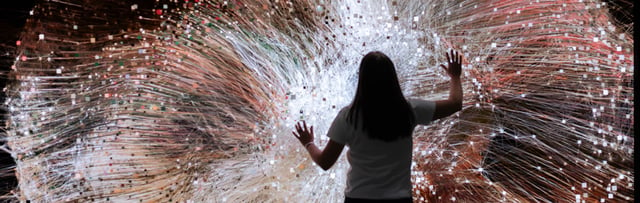
Christie’s then got in touch with Beeple for their next sale, but Beeple reached out to me in December of 2020 to chat and I signed up to advise him on his career. The next crypto work that made headlines was, as the whole world knows, Beeple’s $69.3 million Everydays: The First 5000 Days (2007–21), in March 2021. I also got in touch with Refik Anadol — I love Refik’s work and became his adviser as well; so from 2021 to 2023, I was adviser to these guys, helping them place works and navigate.
I introduced Beeple to Hans Ulrich Obrist at Serpentine Galleries as well as to Ryan Zurrer, so I guess I was always trying to bridge the crypto and traditional art worlds.
RCS: How did you come to be part owners of Beeple’s HUMAN ONE?
JC: Ryan Zurrer bought HUMAN ONE in November 2021. I was advising Mike at the time, and had been getting people, including Ryan, to bid on it. After he won the work, we continued talking about art. I introduced Ryan to Hans Ulrich Obrist, and to other curators and art dealers such as Loïc Gouzer, who ended up putting together Mike’s first gallery show at Jack Hanley. Ryan and I remained good friends, and kept talking about the HUMAN ONE work. A while later, after seeing all the great work Ryan was doing with it, and really considering what the work could represent to history, I decided to put a sizeable stake in and join up with him to steward it. Pablo Rodríguez-Fraile also joined as a smaller but equally passionate shareholder.
I was already very deep in Beeple’s market. I own a number of his Everydays, and remain a big supporter of his. I think his work is seminal.
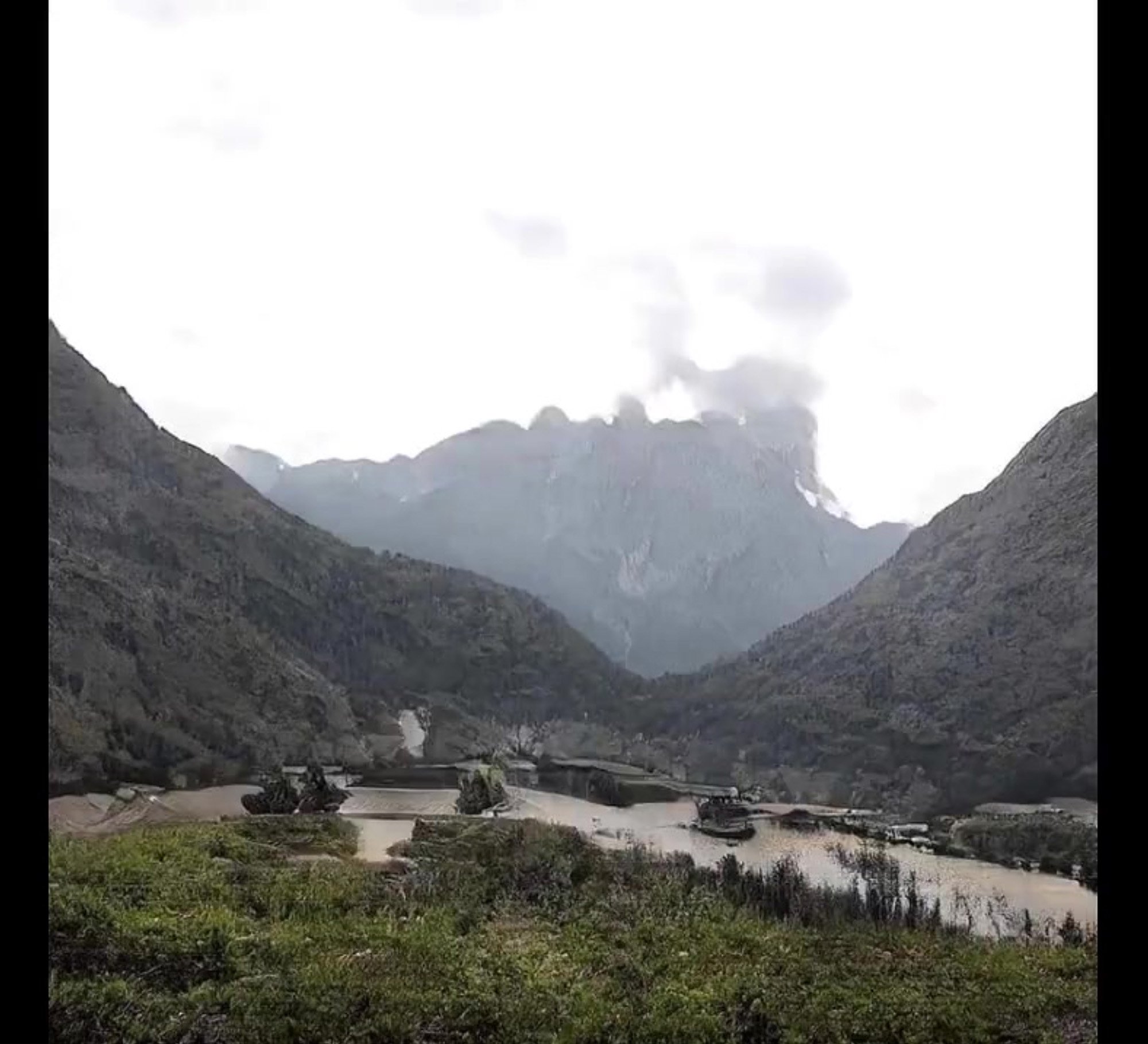
At the time, I described HUMAN ONE as the most important work of this generation, because no other work was really commenting on the intersection between physical and digital in a way that reflected the penetration of technology into our everyday lives — mediated by physical devices.
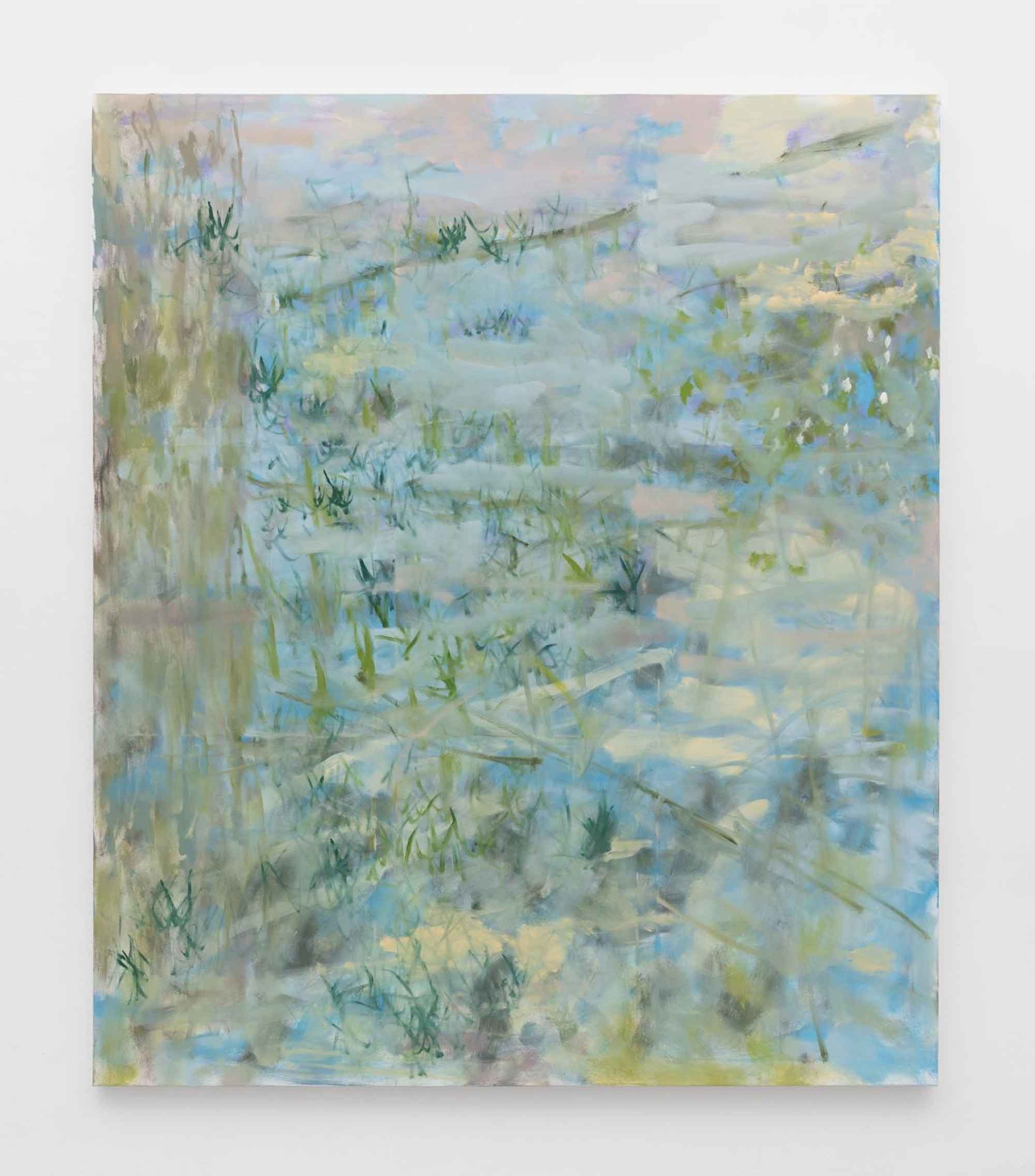
HUMAN ONE changes its perspective. It adapts. That’s the beauty of the work. I think people don’t yet realize how significant it is to be able to embody that premise, and that methodology of making art. I think that HUMAN ONE is still ahead of its time, but we will look back in 30 or 40 years and recognize that it’s at the level of Picasso’s Guernica (1937). It’s at the level of a Duchamp urinal. It’s of its time, and it changes the way art is constructed and viewed. Eventually, people will get over the hangover of NFTs and why they don’t like them, and then they’ll actually start to view this the way it should be viewed.
That’s why we became co-owners; to really safeguard it. Because it is such an important work. Not only is it unique and important in and of itself, it’s also emblematic of this moment in time, not of NFTs, or the NFT boom per se, but of how technology, and digital technology specifically, has found a place.
HUMAN ONE is a museum piece, and we’ve been helping support in the background while it was being shown in places such as M+, Hong Kong (2022–23), Crystal Bridges Museum (2023–24), and the Mori Art Museum (2025), and we will continue to do that. I think that this is one of the most institutionally exhibited pieces of digital art in the last 20 years. We have the commitment, belief, and passion to continue elevating it and educating audiences about it. It’s unique in that people engage with it and are educated by it wherever it goes because Mike does another chapter, and there’s programming around that. You can’t really say that about other works.
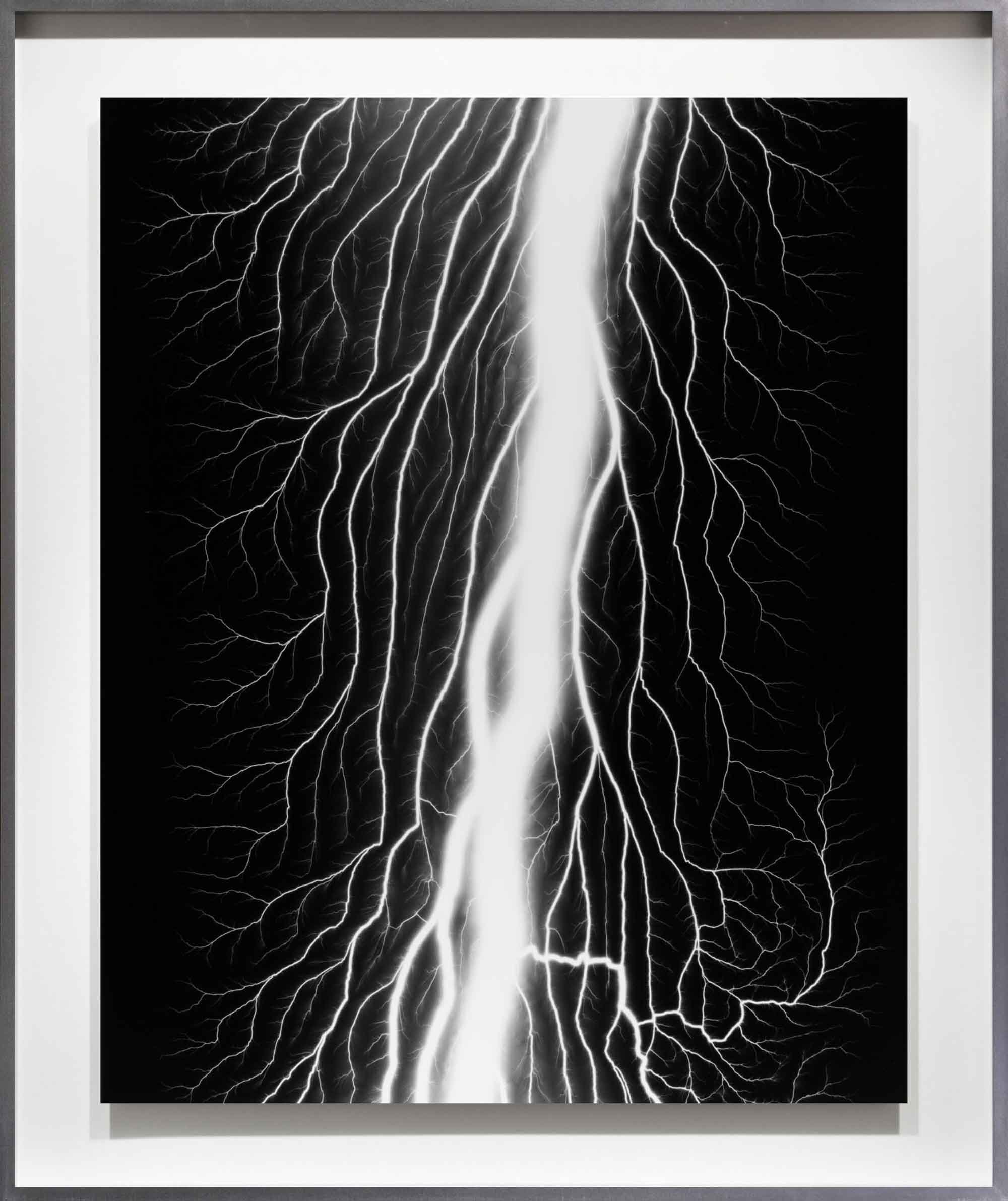
I also believe that HUMAN ONE is an intergenerational work. Youth may feel more comfortable looking at HUMAN ONE than they would looking at a Picasso. They can relate to it. It has a glow. It’s kinetic. It twitches and responds, for better or worse, to the dopamine era, which is very much a dominant dynamic of society today. So it’s responding biologically to how people understand the world today. That nuance is very important, as is the social media aspect of it, because it also responds to Mike’s updates, and to what’s happening in the world, as he does. I think it’s an incredibly significant and valuable work, and we’re just proud to be co-owners and co-stewards.
Really, the announcement is about the fact that we think this is a new way of thinking about supporting and stewarding high-level art. We think that the distribution of ownership, the decentralization of ownership opens up doors, even in small ways.
To be public about it and to talk about it is meaningful, and potentially a model for how people can think about collectorship and stewardship of significant digital works, and significant artworks generally. It doesn’t have to just be Steve Cohen, Ronald Lauder, or Ken Griffin hoovering up nine-figure works. There are new modalities, new ways of ownership that are slightly more distributed and slightly more open.
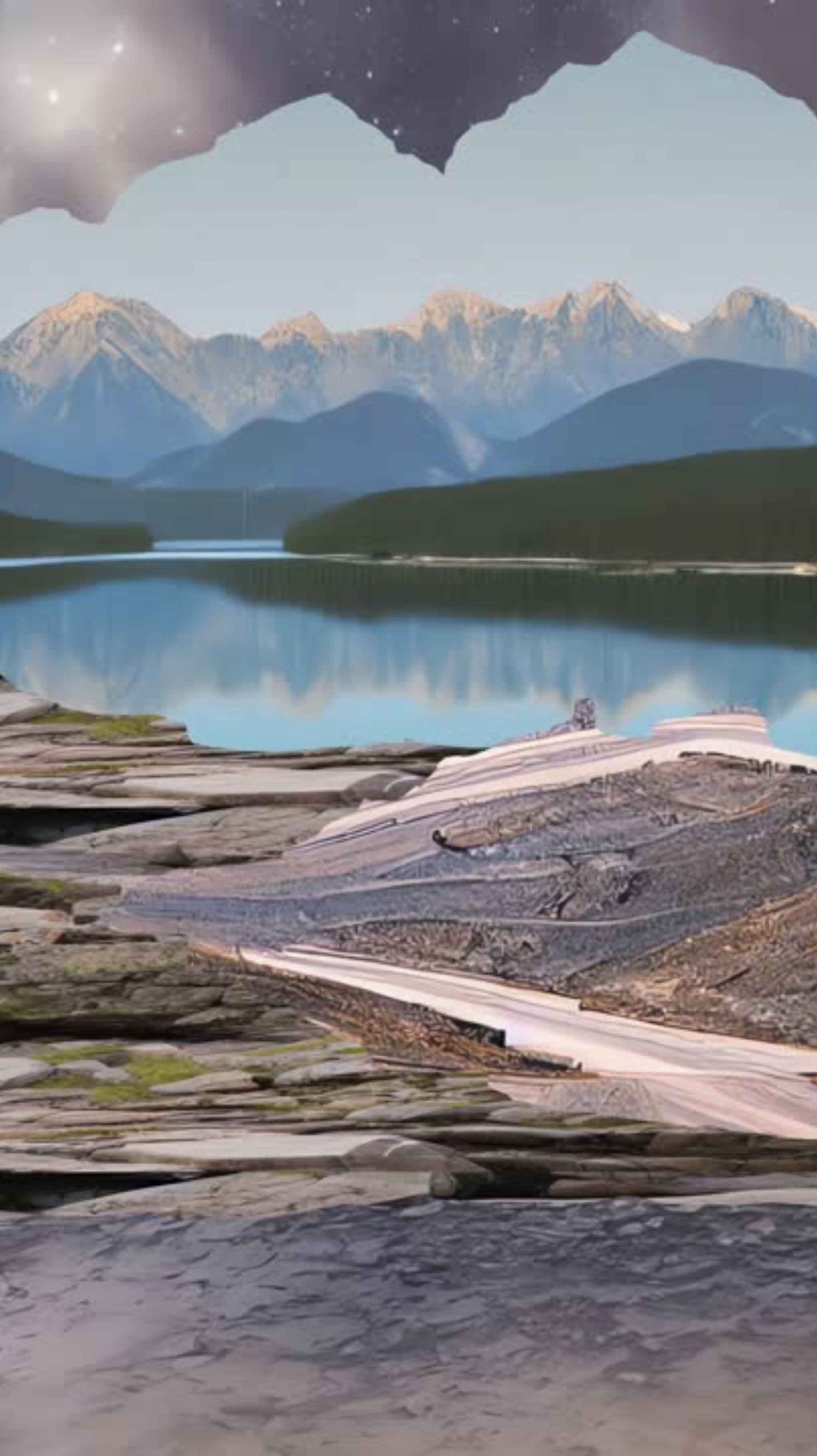
RCS: Can you tell us about your support for institutional collections in recent years, and in particular the LACMA Digital Leaders group.
JC: My wife, Jeannie, and I started a digital-art-focused patrons group, the Digital Leaders, at the Los Angeles County Museum of Art. We’re honored to have members from across both the crypto sphere and the Web2 sphere, such as James Higa, who was Steve Jobs’s right-hand man; Mike Figge, the new CEO of Yuga Labs; and Sebastien Borget, Founder of Sandbox and ArtVerse. We host symposiums, dinners, and actively collect for LACMA.
We think the world of LACMA’s CEO, Michael Govan. He has been incredibly supportive of our group specifically — he gives us so much attention, mentorship, and guidance that I truly feel we are starting to move the needle on digital art globally. We have some pretty big announcements coming in June about new directions for the patrons group.
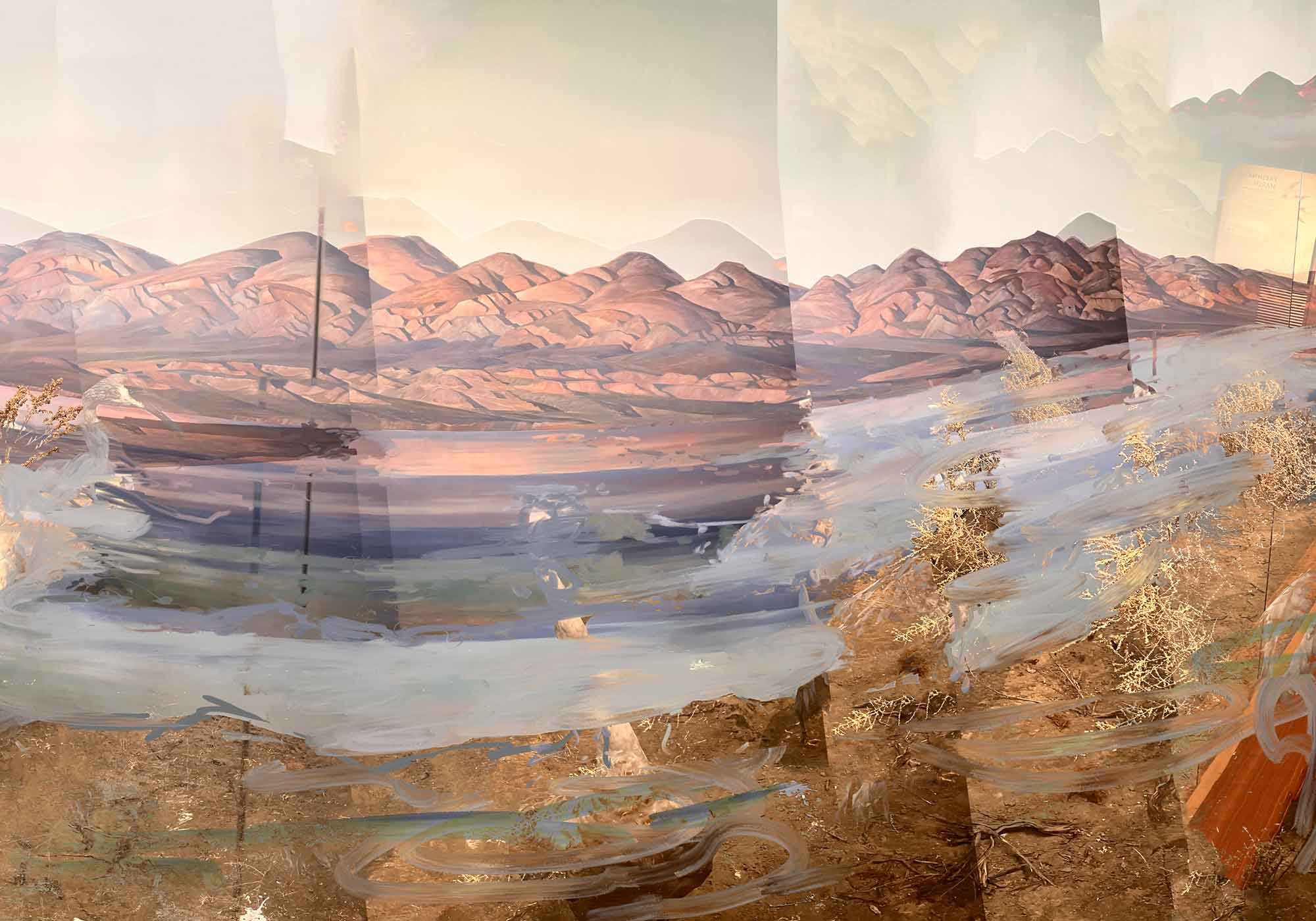
RCS: Which artists do you see as the most undervalued both within and beyond the digital art ecosystem?
JC: I think that all artists in the digital space are undervalued at the moment. Digital art in general is undervalued because there are only a couple of handfuls of people collecting it.
But now is actually the golden age — the golden window — of collecting digital art, because you have such high-quality work, and so much of it is being overlooked.
You have a few handfuls of crypto collectors who are still collecting NFTs. You have a smaller fraction of those who are collecting what I would term fine-art NFTs. And then you have basically no collectors in the traditional art world who are collecting NFTs and on-chain digital art. So everything is undervalued.
In terms of significance, I do think Urs Fischer’s digital sculpture and NFT series CHAOS #1–#500 (2022) is tragically undervalued. I also think that Frank Stella’s NFT series Geometry (2021) is undervalued.
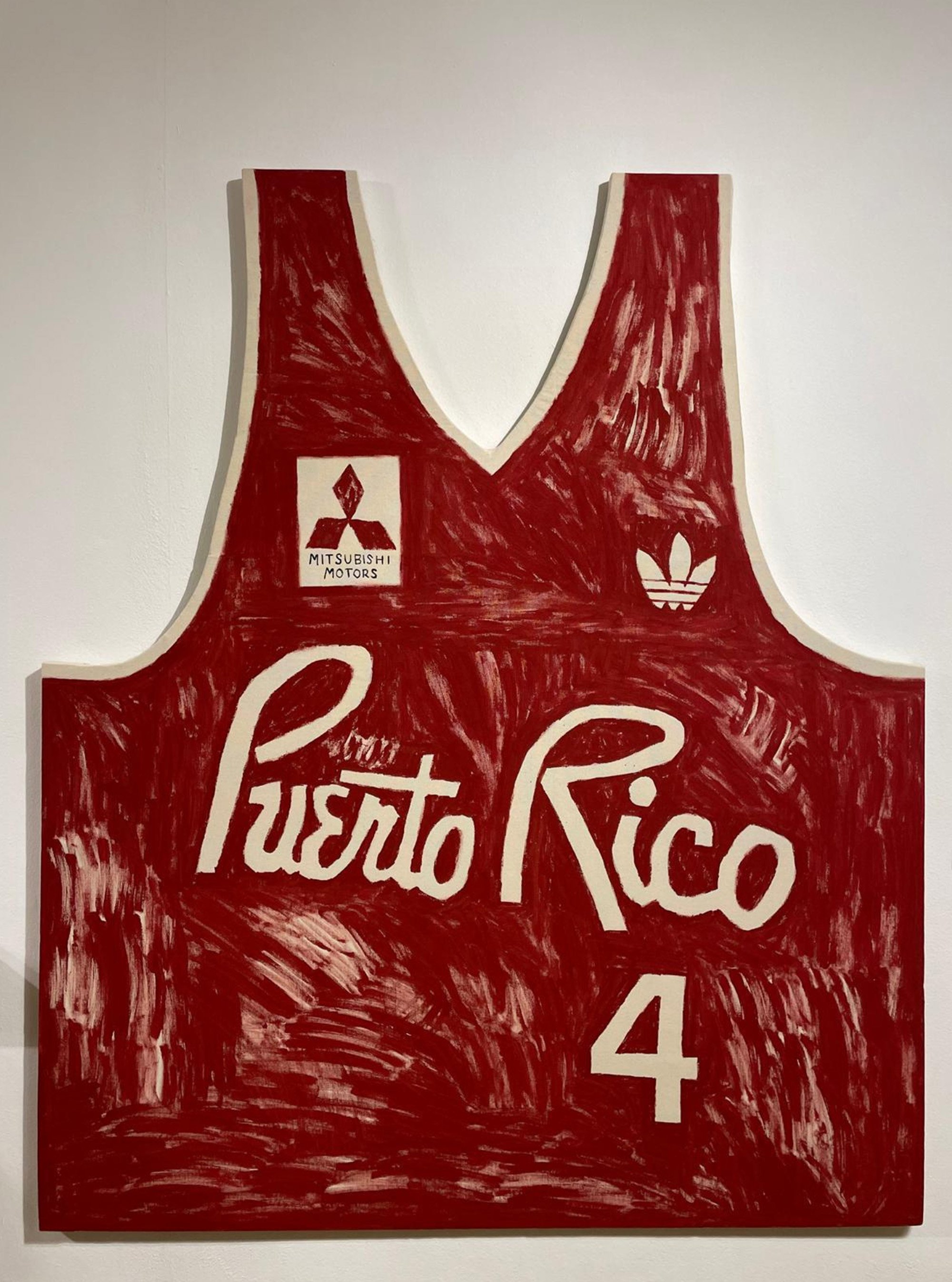
More recently, we’ve been collecting a lot of different work. We're very interested in Ana Maria Caballero and Maya Man. We’ve been collecting Petra Cortright as well, and we’ve been looking at the work of Wendi Yan and Carla Chan. It’s not necessarily on-chain art — we spend a lot of time collecting traditional art and, since we live in Puerto Rico, a lot of Puerto Rican art including young artists such as Joshua Nazario; so it’s not just about digital.
RCS: Are there any acquisitions you’re particularly proud of and any that you are disappointed to have missed out on?
JC: Being a part of HUMAN ONE, and owning two of Refik Anadol’s immersive rooms. Both of those, we're extremely proud to own. At the same time, we understand that we’re just “placeholders” for these works before, for the most part, they enter institutions.
I’m also proud to be a major collector of the Hong Kong street artist Tsang Tsou-Choi. He’s arguably the first graffiti writer in the world — he started writing Chinese calligraphy in the streets of Hong Kong in the 1950s. I produced a book about him, The King of Kowloon (2013), the first major monograph, with a foreword by Hans Ulrich Obrist.
RCS: If you could own a work of art, in any format and from any collection in the world, which would it be, and why?
JC: Olafur Eliasson’s The Weather Project (2003). One of the most impactful works I’ve ever seen. I saw it in person in the Turbine Hall at Tate Modern — I happened to be in London at the time, and visited multiple times. I can see it clear as day. It’s just sublime. It doesn’t even make sense for me to own it; it’s enough that it exists. I just wish I had somehow been a part of it.
Jehan Chu is Founder of Kenetic, an early blockchain/crypto venture capital firm based in Puerto Rico and Hong Kong. A former front-end developer, he started investing in cryptocurrency in 2013, co-founded the Bitcoin Association of HK and founded the Ethereum HK community in 2014, and has invested in over 300 blockchain companies and funds. Jehan holds a BA from Johns Hopkins University and an MA in Cultural Enterprise from Hong Kong University / Central St Martin's. Jehan is a Kauffman Fellow, a Trustee of Westtown School, co-chair of the Los Angeles County Museum of Art Digital Leaders committee, and was formerly Vice Chairman of Para-Site Art Space.
Louis Jebb is Managing Editor at Right Click Save.
No comments yet. Be the first to share your thoughts.
Mentioned in this article
People: Beeple, Jeannie Vu, Jehan Chu, Andy Warhol, Hans Ulrich Obrist, Joshua Nazario, Keith Haring, Maya Man|Works: HUMAN ONE|Organizations: Right Click Save|