·News
Museum Opens Portals to the Past with Minecraft
Sir John Soane’s Museum, London, uses best-selling video game as educational route to Classical past
Sir John Soane’s Museum, London, uses best-selling video game as educational route to Classical past
Sir John Soane’s Museum, a small but inimitable institution in Lincoln’s Inn Fields, central London, home to an extraordinary collection of paintings, sculpture, and archaeological remains assembled by the British architect Soane and largely untouched since his death in 1837, has joined forces with the educational arm of Minecraft, the best-selling video game of all time.
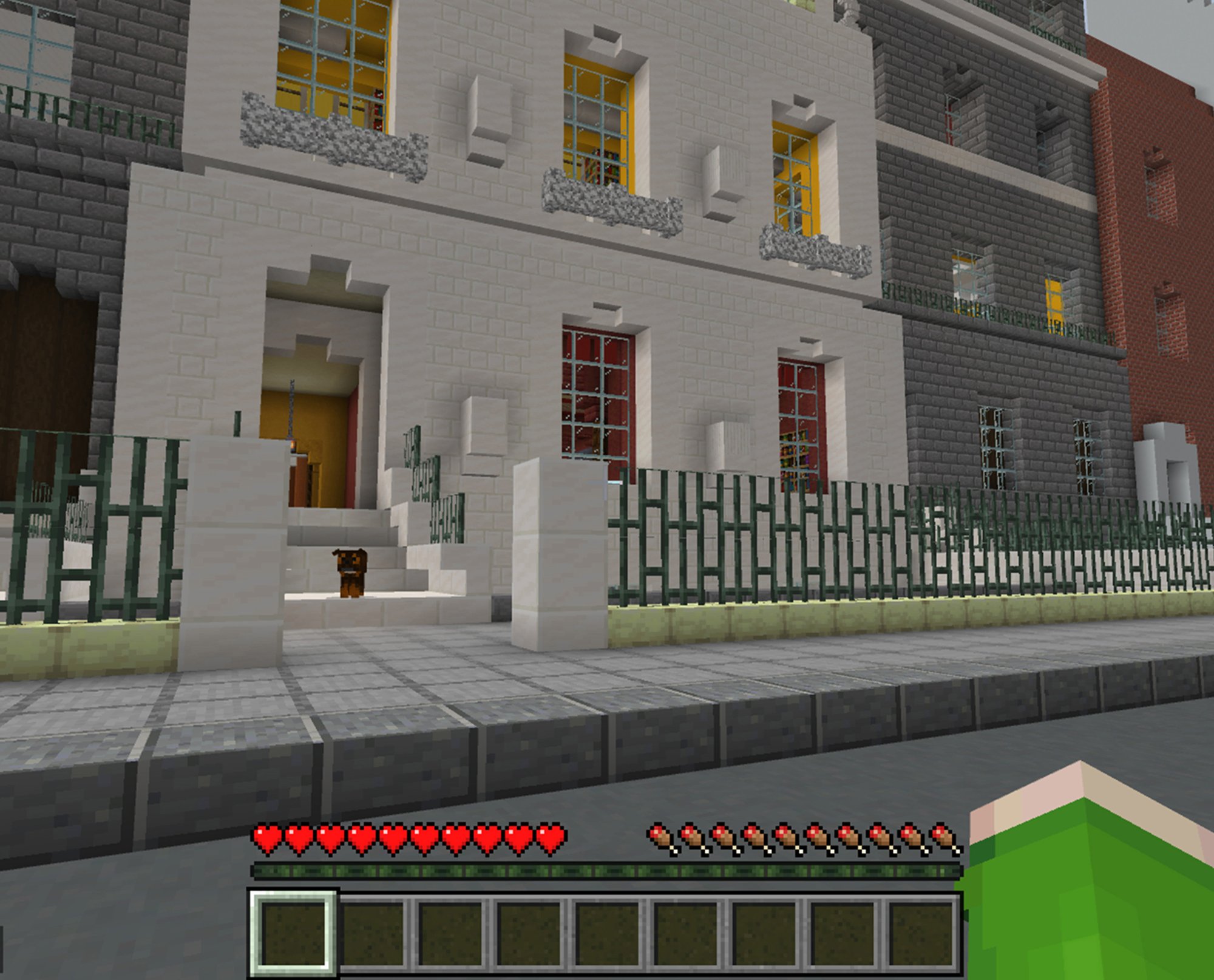
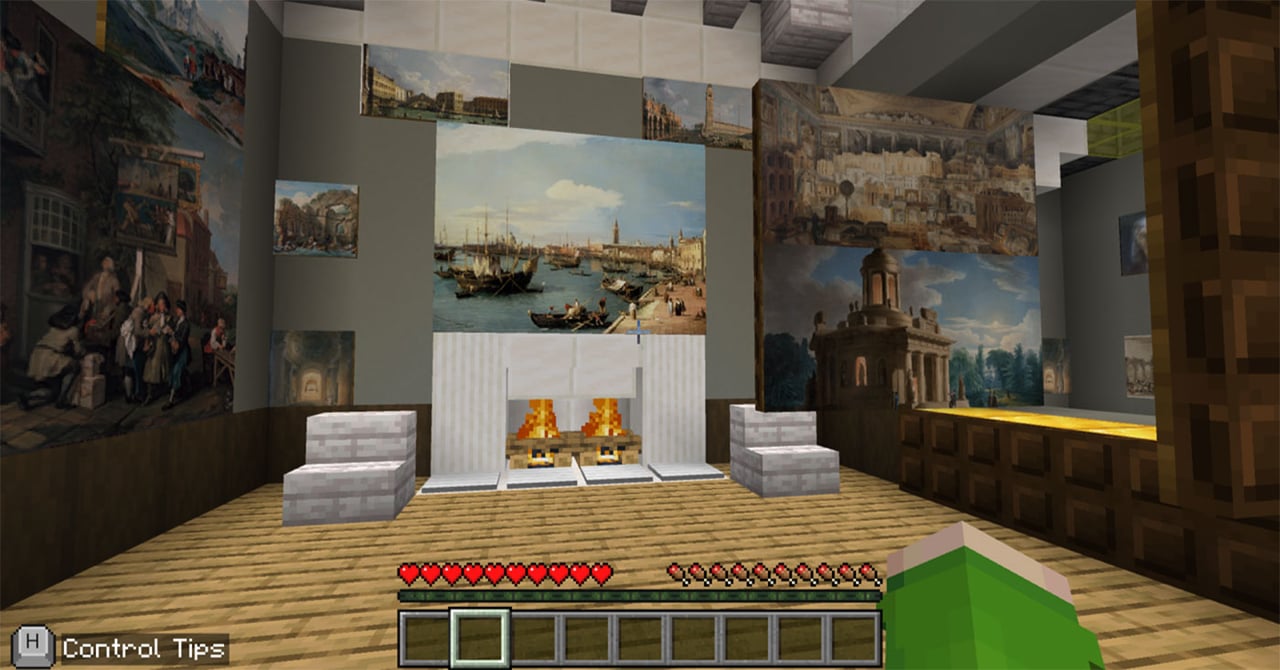
Soane’s Portals to the Past, a new game created by BlockBuilders, a UK-based third-party developer, and launched by Minecraft Education on January 21, 2026, is available to pupils in 40,000 school systems across 140 countries. It gives game-based virtual access to the archival breadth and richness of the Soane collection, which includes the Sarcophagus of the Egyptian pharaoh Seti I as well as masterpiece paintings such as William Hogarth’s satirical sequence The Rake’s Progress (c. 1734) and one of Canaletto’s most striking, and humane, views of Venice. Players interact with avatars of Soane, his wife, Eliza, as well as their dog Fan, and time travel to the Classical sources that fed Soane’s architectural designs as much as his voracious collecting habit.
Minecraft, a world-building game where players collect materials and build structures using cuboid blocks assembled in uniform 3D voxel grids — making it simple to assemble and take down structures in-game — was launched in 2011 by Mojang Studios, and has sold more than 350 million copies. Mojang and the intellectual property to Minecraft were bought by the software giant Microsoft in 2014 for US$2.5 billion. Portals to the Past forms part of the educational package made available to teachers and pupils with a Microsoft 365 subscription.
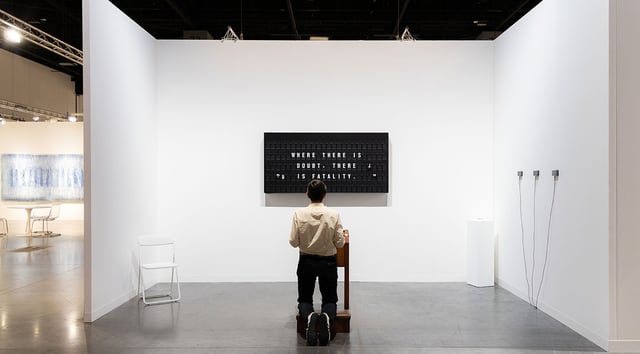
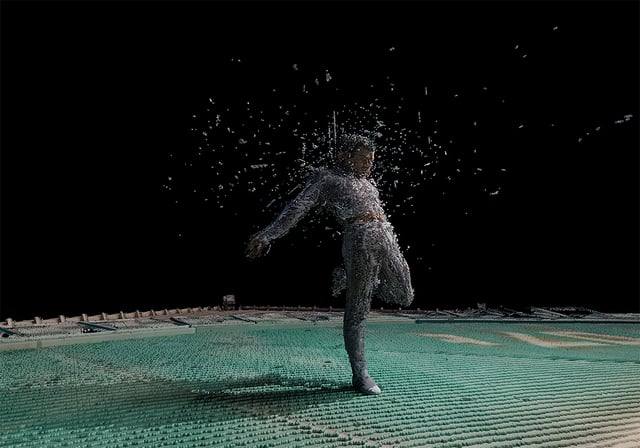
The announcement of the collaboration between Soane and Minecraft comes at a time when digital artists such as Mitchell F. Chan, Snowfro (Erick Calderon), Gabriel Massan, and Danielle Brathwaite-Taylor are developing game environments that align with a digital culture where increasing numbers of daily transactions are gamified. We live in an era when, as Calderon told Right Click Save in 2025, gaming “might be what it takes for future generations to participate and feel a connection to institutions to support them financially”.
“This whole collection, this whole house, this museum, is all about understanding the past so we can figure out the future,” Will Gompertz, the Soane’s director since 2023, says. “It’s a place of inspiration.”
When Gompertz asked some colleagues how to get the museum out into the world, they all answered “Minecraft”. The launch of Soane’s Portals to the Past, a project overseen for the museum by Tallulah Smart, its Learning Officer, comes just nine months after the first meeting with Justin Edwards, Director of Learning Experiences at Minecraft Education, and following six months of development work by the team at BlockBuilders.
“One of the fundamental ideas behind the project was finding a way to take the Soane Museum out into the world,” Gompertz tells Right Click Save. “The Museum’s mission is just that, to increase knowledge, understanding and appreciation of architecture and the collection here at the Soane, but with record-breaking visitor numbers the museum is very busy, and we can’t really get more people in.”
“Going digital enables us to connect the Soane, the collection and Soane’s philosophy and story, which is a rags to riches story in its own right, with a global audience in a flick of a switch.”
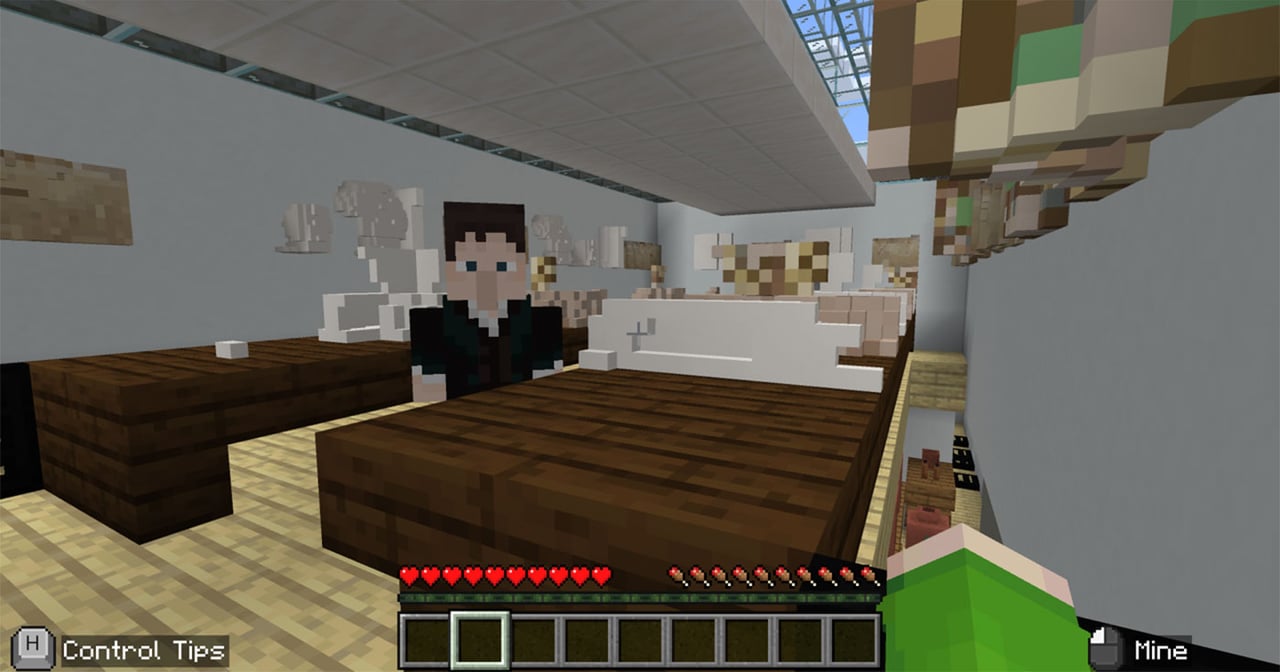
Players of the game are led by the dog Fan into the museum, made up of three terraced Georgian houses formed into one building, where they are met by Soane himself, who takes the player around the museum, to explore the objects and three in particular that act as portals to sites of Classical or pre-Classical civilization.
Part of the magic of the real-life museum is in experiencing the well-ordered labyrinth of rooms, corridors, lobbies, and mirror panels, devised by Soane and rendered in exquisite woodwork and inlays. This M.C. Escher-meets-Jorge-Luis-Borges visual voyage of discovery is well matched to a video game based on exploration, creativity, and time travel with an aesthetic rich in the technostalgia of the pixel-adjacent block-based objects and figures; in a game whose building-bricks-like structure carries echoes of the high Minimalism of a work like Sol LeWitt’s Corner Piece #1 (1976).
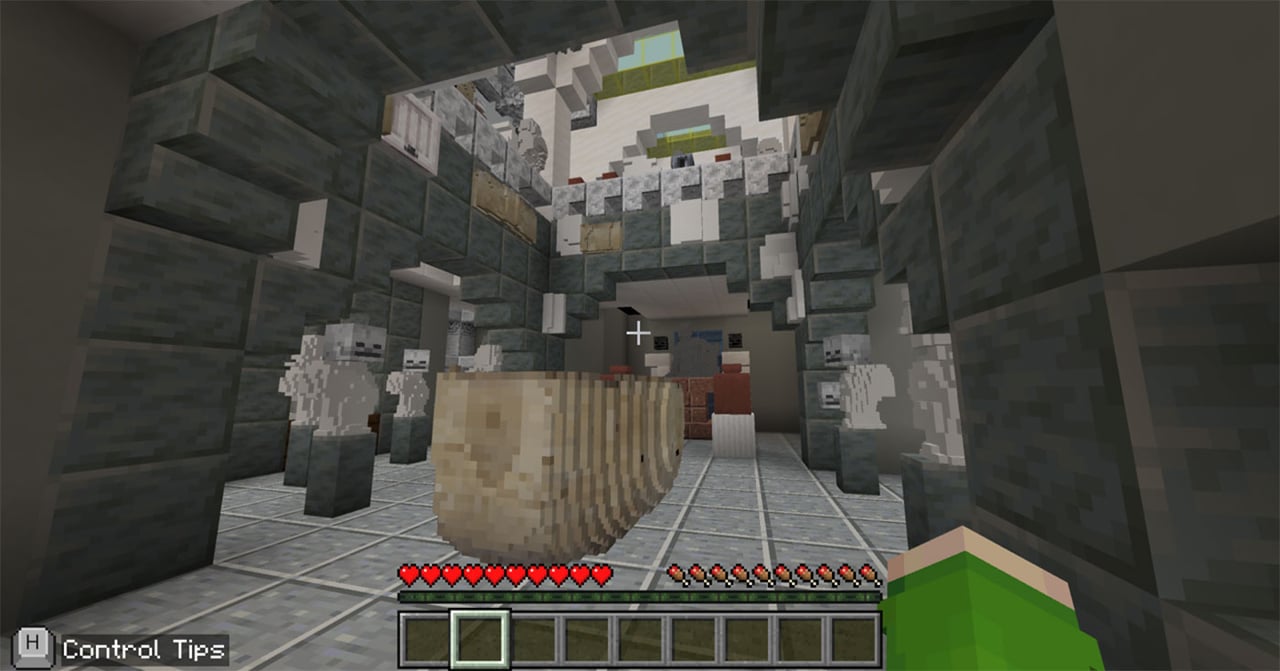
The game’s three portal objects are the Cawdor Vase, the Sarcophagus of Seti I, and the model of the Apollo Belvedere. Interacting in the game with a voxel-block model of the Cawdor Vase, a huge late 4th-century BC red-figure krater, or two-handled vessel, decorated with scenes showing the mythological origins of the Olympic Games, takes the player to the Temple of Zeus at Olympia. An encounter with the Sarcophagus of Seti opens a portal to the Hypostyle Hall (around 1290-1224 BC) in the temple complex at Karnak, near Luxor, in Egypt.
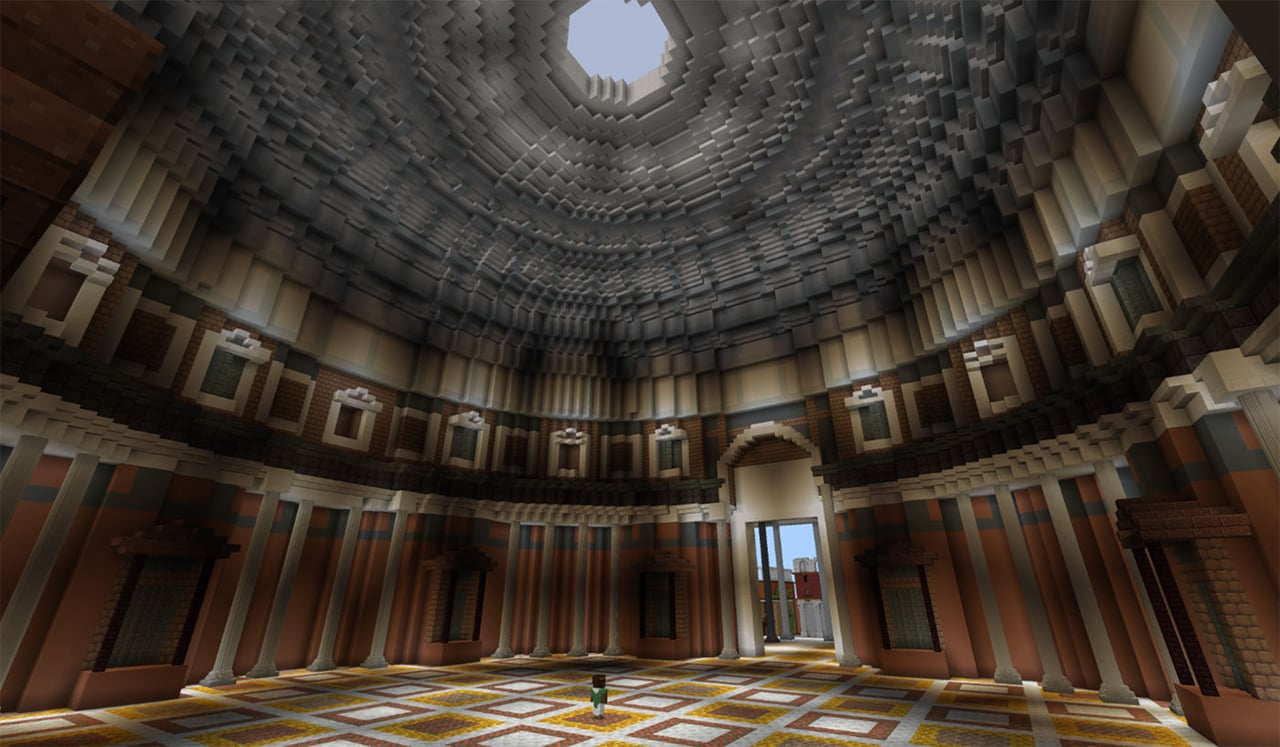
The model of the Apollo Belvedere (c. 120–140 AD), a freestanding figure in Roman marble from the Vatican Museums collection, acts as an interface to the vast domed space of the Pantheon (completed c. 125 AD), one of the structural miracles of Imperial Rome.
After exploring these ancient sites, and having learnt from these encounters and from Soane’s introduction to his museum, players are able to create a build of their own in a rendering of the Model Room of the Soane, where players work with a scaled-up version of the museum’s cork model of Pompeii as a backdrop to designing their own structure.
“One of the great advantages of the Minecraft game is that at its core it is about digital literacy,” Gompertz says. “It’s a fun, informal, interactive way for young people to start to build their technical skills. So the fact that you can go into these ancient worlds and you can start to understand their architecture and learn about how those cultures expressed themselves, and then you can come back out and start to create your own building using what you’ve learned, but also thinking about how you want to express yourself, is a wonderfully positive experience for a young person with a computer.”
“It’s not a passive experience. It’s an active creative experience where the computer is assisting them in triggering their imagination.”
Soane loved new technology, Gompertz says. He installed one of the first interior baths in Britain, and was one of the first people to put central heating into a house. He would have loved the fact, Gompertz says, that the Minecraft game is for education. “This museum is about education, it’s an academy of the arts and I can’t think of a better way of bringing this academy of the arts up to date than with Minecraft.”
Louis Jebb is Managing Editor at Right Click Save.
No comments yet. Be the first to share your thoughts.
Mentioned in this article
People: Will Gompertz|Works: Soane’s Portals to the Past, Apollo Belvedere, Minecraft Education|Organizations: Sir John Soane’s Museum, Right Click Save|