Slow Digital | The Art of Media Archaeology
Zsofi Valyi-Nagy reflects on conversations at LACMA on the preservation of digital art
Zsofi Valyi-Nagy reflects on conversations at LACMA on the preservation of digital art
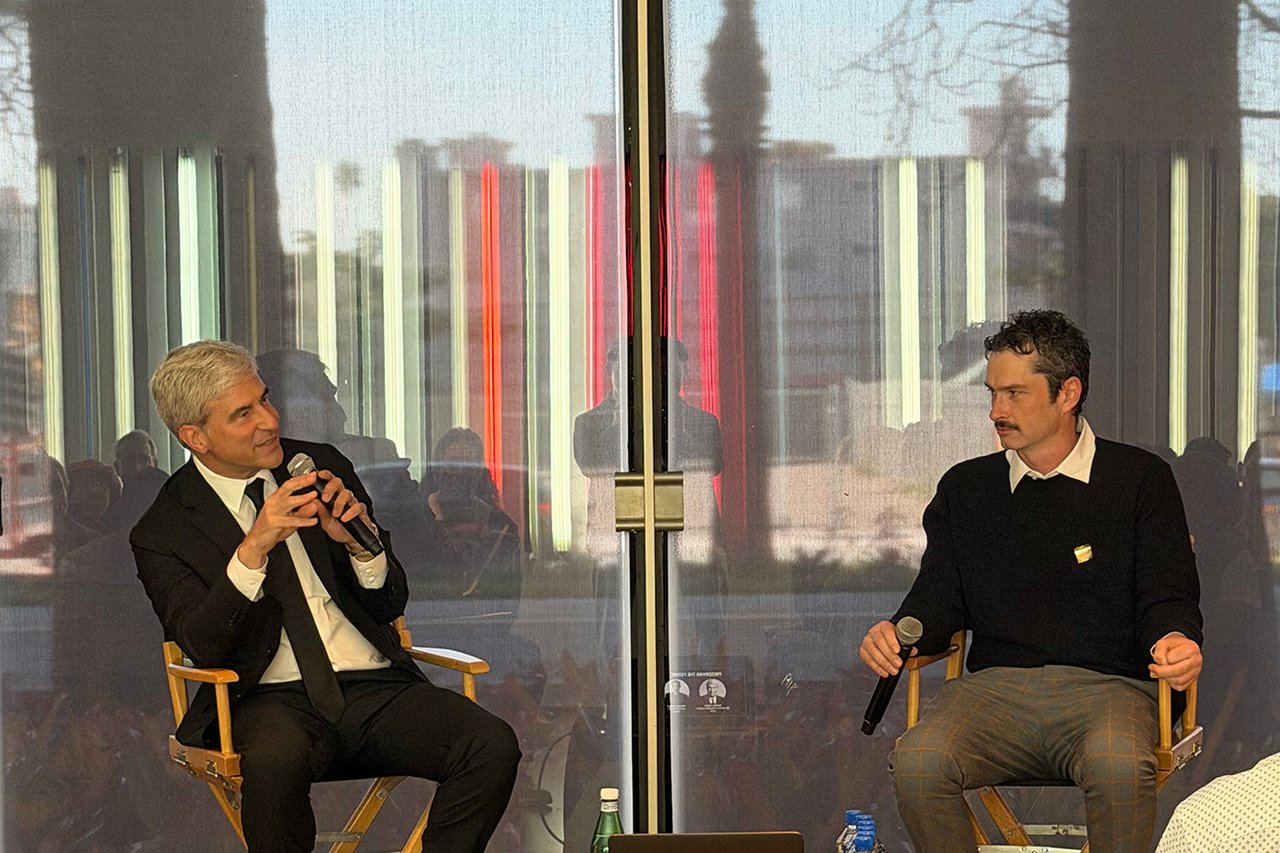
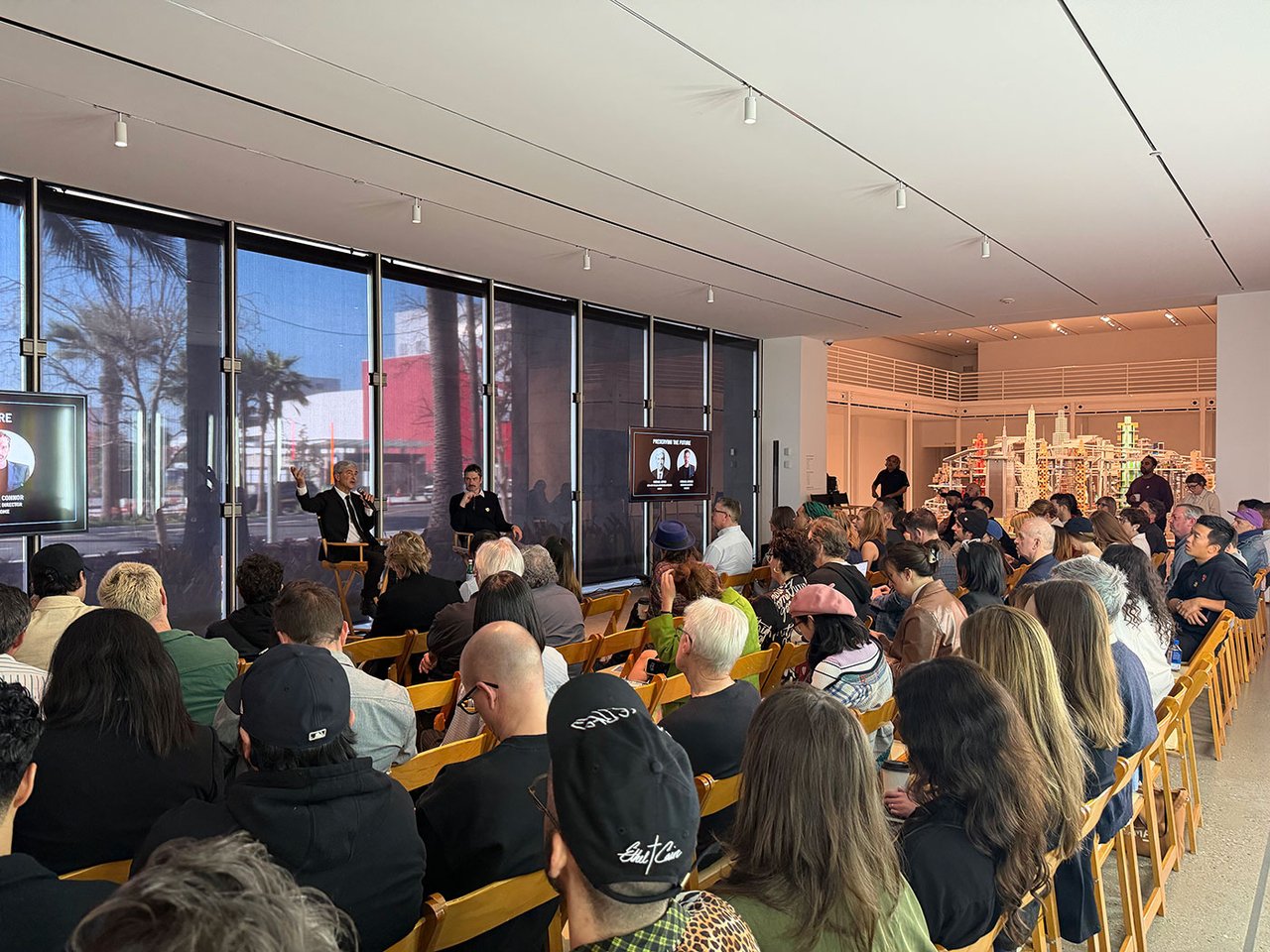
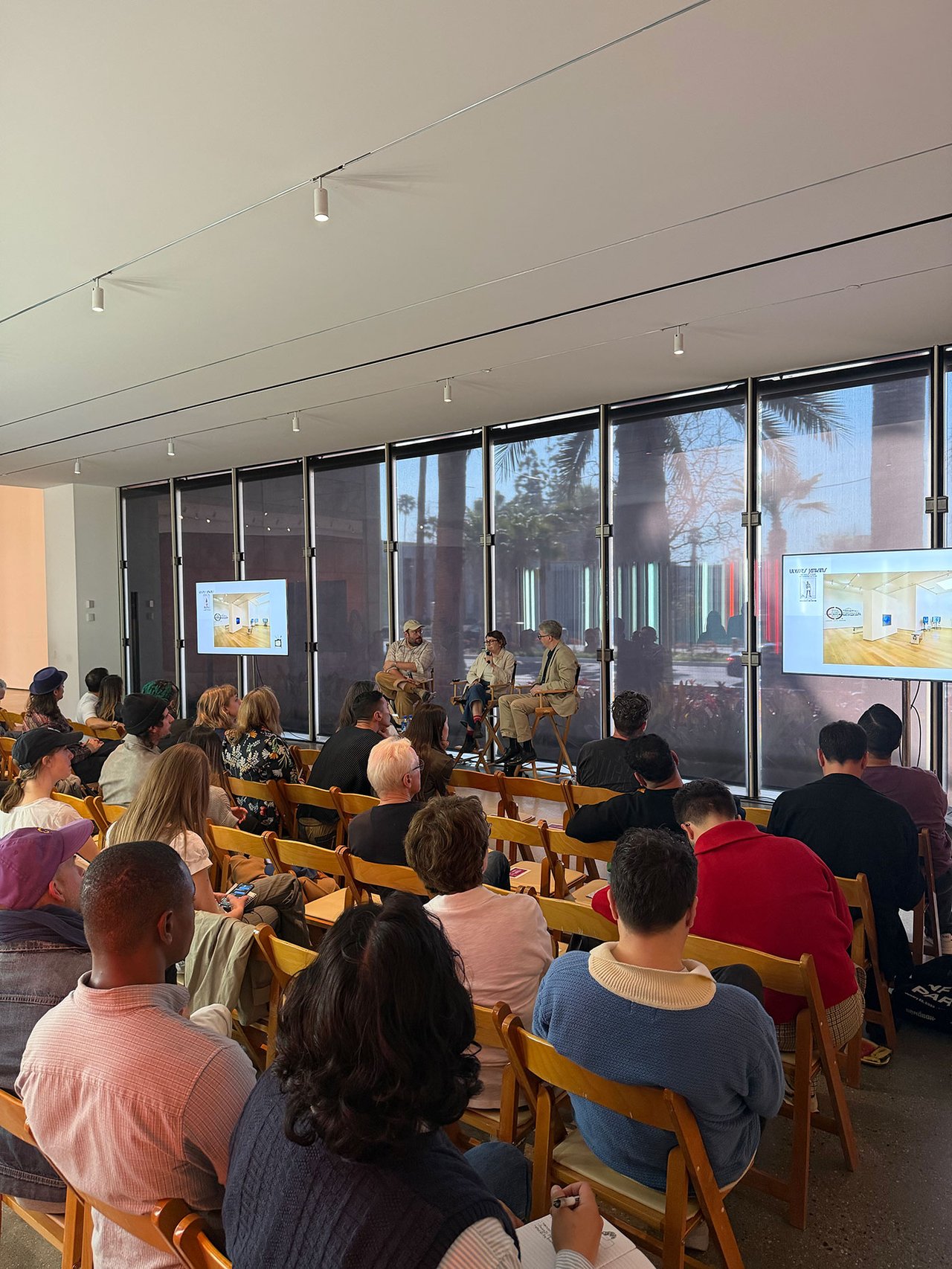
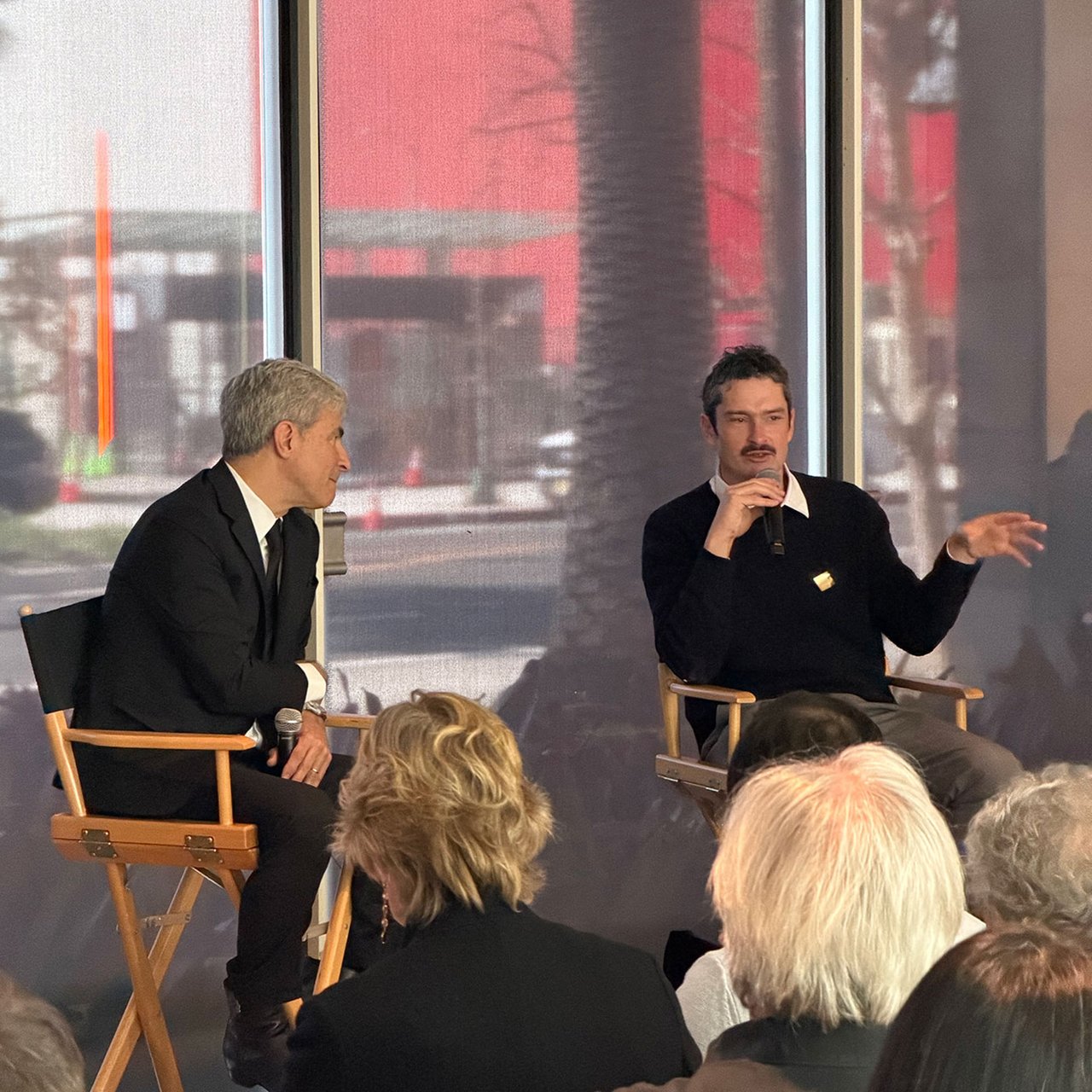
“Conversations on Digital Art”, held at Los Angeles County Museum of Art (LACMA) on February 25, 2026, during Frieze Los Angeles, focused on the evolving landscape of digital art conservation, preservation, and display. In the first panel, a conversation between Michael Govan, CEO and Wallis Annenberg Director of LACMA, and Michael Connor, Executive Director of Rhizome, Govan set the tone for the day with the idea of “slow digital”.
When everything is moving so fast in digital art and culture, how do we preserve the past, present, and future?
The subsequent discussions looked backwards as much as forwards, slowing down in the face of “upgrade culture” to examine what we can do to preserve digital media as well as the conversations happening around the work. They touched on the importance of thinking about digital art not only as objects to preserve or files to back up, but also, as Connor emphasized, as elements of an ecosystem, interdependent on the communities that make and maintain them. This is especially crucial given digital art’s precarious status on the margins of the mainstream art world.
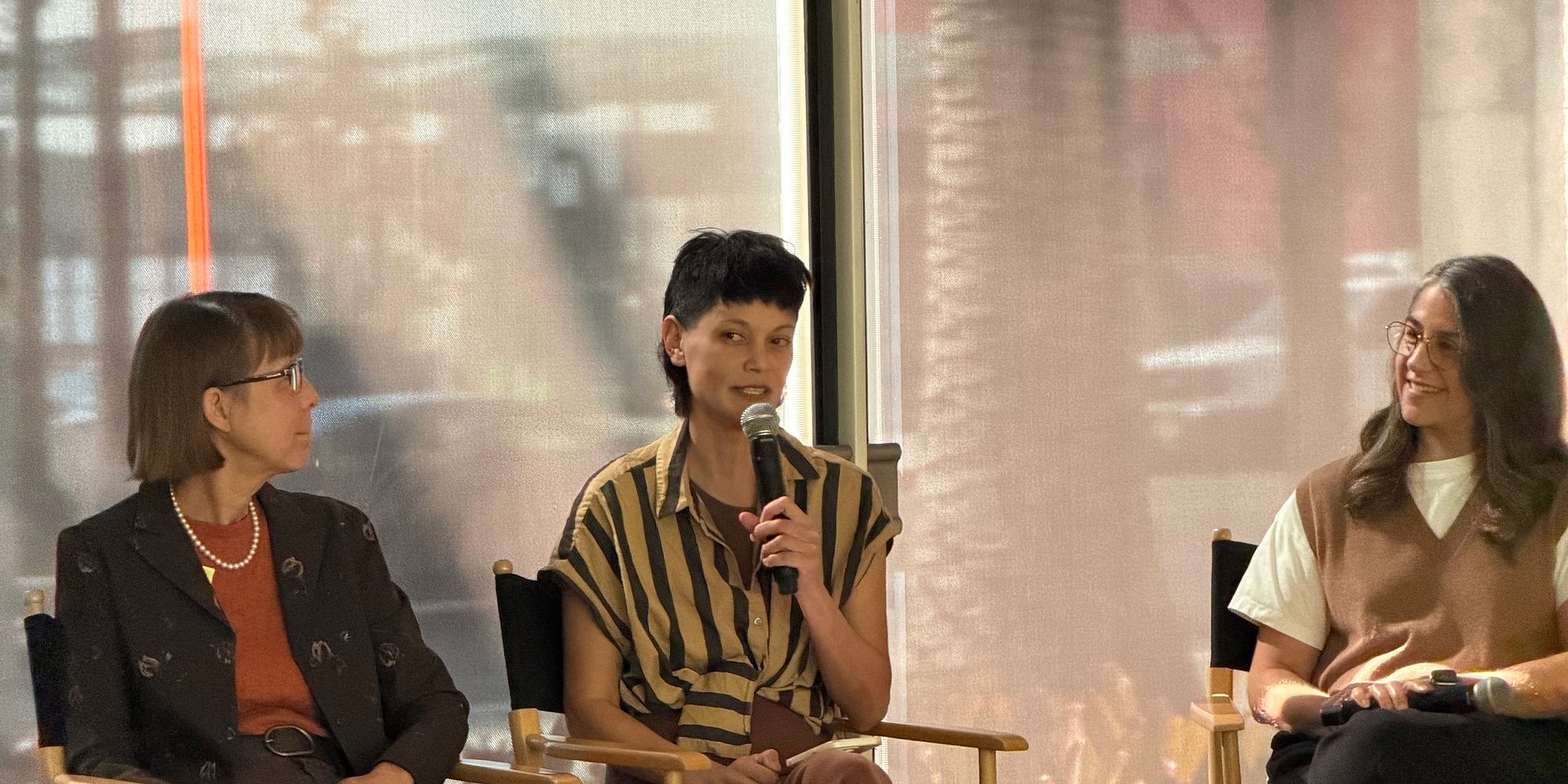
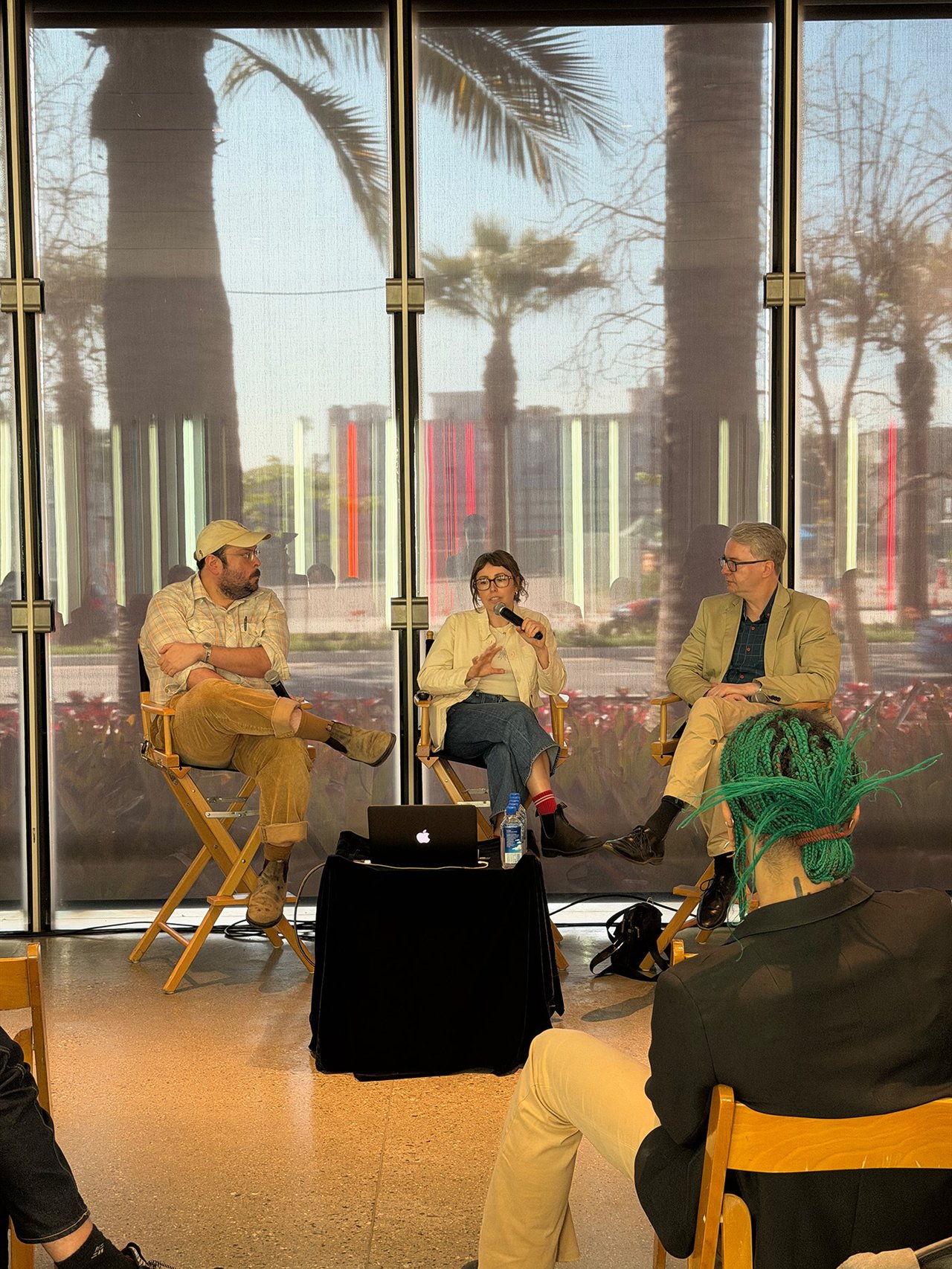
One such community, spotlighted in the second panel, were art institutions’ in-house media technology experts, such as Mark Ayala (LACMA’s Manager of Gallery Media), Hannah Kirby (Tech Supervisor for Exhibitions at the Hammer Museum), and Andreas Korte (Head of Exhibitions at the Julia Stoschek Foundation, Berlin). Ayala emphasized that digital art, old and new, exists not just as an abstraction — software and files — but also in physical form. He also stressed the importance of collaboration and communication between audiovisual (AV) experts, both within and outside of art institutions, artists and their estates, and curators.
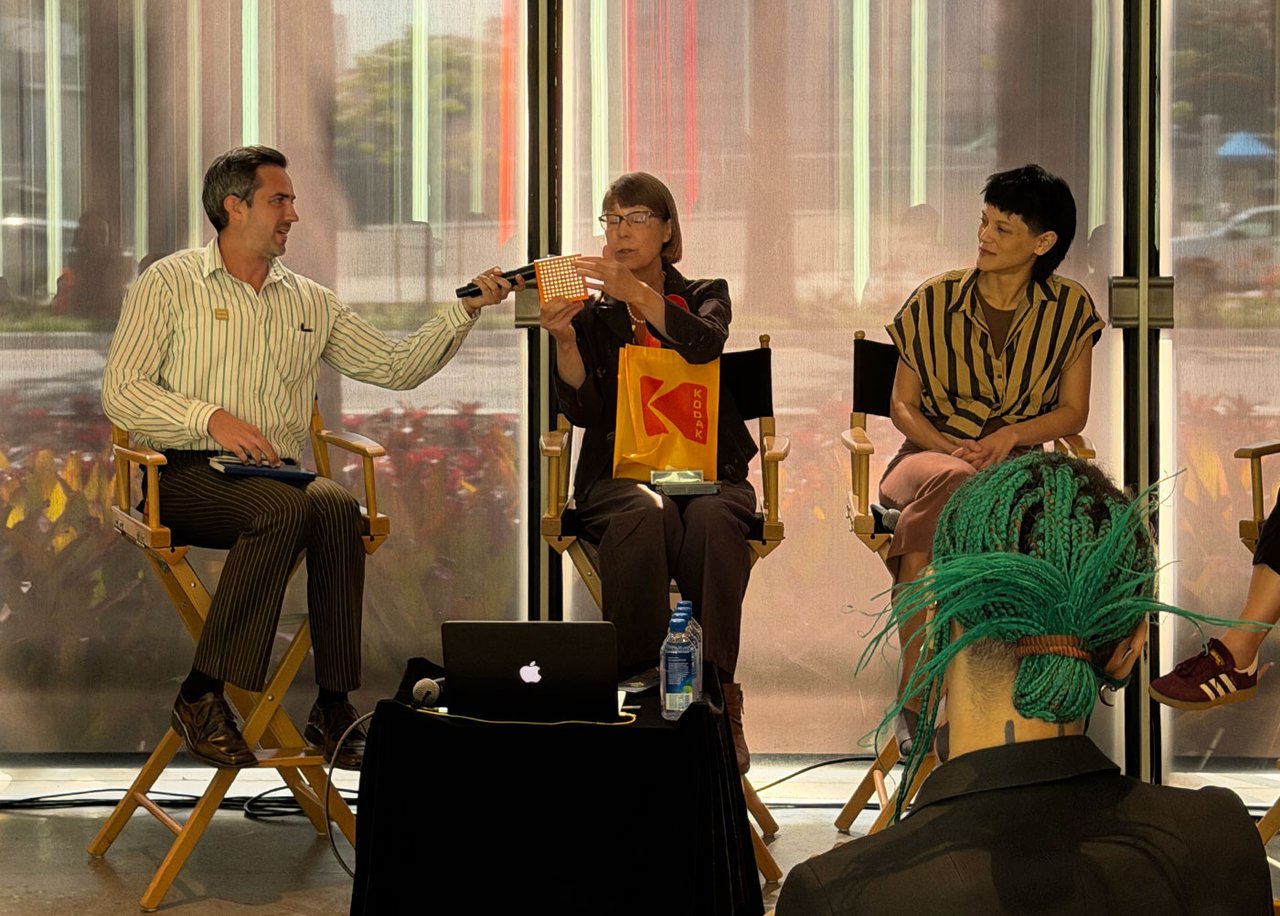
The third and final panel focused on “preservation in practice”. LACMA’s digital preservation manager, Joey Heinen, spoke with the artist Lauren Lee McCarthy, Linda Tadic (founder and CEO of Digital Bedrock) and Stacie Martinez, director of Studio Daniel Canogar’s LA outpost. Tadic, who brought a “show and tell” bag of physical data storage formats — including a DNA data storage drive not yet available to consumers — spoke on the importance of environmental sustainability in the face of technological obsolescence.
Overarching themes were the importance of documentation and the need to bridge the communication gap between digital art, film and television, the corporate sector, and third-party tech companies.
McCarthy emphasized the need for work not to be defined by its platform or technology, whether it be the blockchain or an early iteration of an AI model, and the importance of tinkering and hacking as tools and APIs become closed off from their users. For McCarthy, documentation is important not just from a technical perspective but for our future selves to be able to “look back on and hold a different key to understanding what was happening” in a particular time and place.
How do we keep a work of digital art “alive”? It is curious to speak of these objects in terms of life and death when they are technically inanimate. But such terms were adopted in all three panels — Govan spoke of the “death” of early web-based work, Ayala of “dead tech” such as Flash Player and the “lifespan” of CRT monitors, and Heinen of “how art collections live through various relationships and ongoing challenges”. For Tadic, even “bits have to live on something”.
It is tempting to see this as a sort of anthropomorphism — of artworks, technologies, and technological artworks. The media scholar Erkki Huhtamo wrote in 1996 that the idea that “gadgets are somehow ‘alive’ — at least semi-independent creatures” has characterized machine culture since “the Frankensteinian tradition”.¹
Today’s AI agents are referred to as friends, companions, girlfriends, husbands; they are gendered and personified, though rarely treated with respect. “If people heard the way I berate AI...” a friend whispered to me during another Frieze event last week.
From their public debut in the mid-1940s, electronic computers have been described as “electronic brains”; in fact, the Chinese word for computer is 电脑 (“diànnǎo”), which literally translates to “electric brain”. But keeping digital art “alive” is not just a matter of preserving (electronic) brains in jars. Computers also have bodies. We have to consider both software and hardware and the way they work in tandem like a mind-body connection; have I lived in California for too long?
On February 22, 2026, the Philosophical Research Society in Los Angeles hosted a panel titled “Ritual as Technology”, introduced by Anna Gerber, founder of the London-based Hurry-Up We’re Dreaming, a studio and lab dedicated to creating “technology with spirit.” Gerber began with an anecdote about a “funeral” for earlier versions of Anthropic’s Claude AI hosted in San Francisco last July. Devoted fans gathered in a warehouse where, according to Wired, “mannequins stood in the four corners of the room, each representing a different AI model”. People read eulogies around these humanoid representations of otherwise disembodied agents, each with a different persona, leaving “funeralia” at their feet and even engaging in a “necromantic resurrection ritual” for Claude 3 Sonnet. Make of this what you will, but Gerber emphasized the power of ritual, ceremony, and community in the context of technology, which so often tries to isolate individuals.
There was no talk of resurrection, per se, on the LACMA panel, though a lot of what these people do — especially the likes of Ayala and Kirby — might be described as a kind of necromancy.
It goes without saying that very little technology created in the last century was built to outlive us, and that was very much by design. In 1932, the American real estate broker Bernard London introduced the concept of “planned obsolescence” — deliberately curtailing the life of manufactured products through non-durable materials, frequently changing design, and discontinuing spare parts — as a means of bringing an end to the Great Depression. We all encounter this with our hardware when our phones or laptops die and we can’t find a charger with compatible input or output. Obsolescence, planned or otherwise, creates an immense amount of e-waste, one of many environmental impacts we need to take into consideration when we talk about the past, present, and future of digital art.
As Garnet Hertz and Jussi Parikka wrote in their 2012 essay “Zombie Media: Circuit Bending Media Archaeology into an Art Method”, resurrecting “dead” media — old CRTs, Palm Pilots, radios — is one small way to extend the “lives” of tech that otherwise ends up in landfill. Their term “zombie” media refers to “dead media revitalized, brought back to use, reworked” through methods of tinkering, reverse engineering, and assemblage. In radical opposition to discourse on innovation and the “newness of media”, the authors suggest that “media never dies: it decays, rots, reforms, remixes, and gets historicized, reinterpreted and collected”.²
This is precisely the work that is being done by museums, or, in Connor’s formulation, “memory institutions”, that are dedicated to collecting, conserving, and presenting media art.
Curators and media specialists act as media archaeologists, buying obsolete technology — from overhead projectors to Commodore Amigas — on eBay in order to run artworks in their native environments.
These technologies are hacked and modified, often running as hybrid machines that incorporate historic and current technologies –– the hard plastic shells of vintage tech often housing Mac Minis, Raspberry Pis, or software emulators.
Huhtamo, observing an “archeological approach” in art of the mid-1990s, suggested that such an ahistorical mashup allows one to “[scan] the historical panorama of technocultural forms, moving back and forth in time, looking for correspondences and points of rupture”, before eventually returning “to the present, and, eventually, the future”.³ Combining old and new media invites the viewer to switch between different subject positions and historical perspectives.
Media archaeologists, myself included, have a bone to pick with linear conceptions of time, preferring models that are cyclical, recursive, and look more like a scribble than a straight line.
A week after the Frieze Panel, Jeannie Vu, co-chair of LACMA’s digital leaders, wrote to attendees in an email, “So much of our generation’s creative output lives on fragile infrastructure: outdated browsers, obsolete software, dead links. Without active preservation, entire chapters of cultural history can quietly vanish”. While not explicitly addressed in the presentations, questions inevitably arise at the event about the preservation of blockchain as well as AI models. There was general consensus on the third panel that blockchain, as a standalone technology, is not a sufficient form of data storage; our work needs to be backed up on physical drives and geographically distributed, in underground bunkers if we can help it. But even hard drives “die” and are not immune to the pressures of upgrade culture.
AI poses a different challenge because, as Michael Connor emphasized, preserving these models involves not only software but also hardware, which, at this point, is not what Rhizome is focused on.
Connor also reminded the audience that artists don’t always want their artwork to “survive”, and that we should always take into consideration the intended longevity of a project.
To this point, Lauren Lee McCarthy spoke about the nuances of documentation. Her project, LAUREN (2017), a custom smart device that recalls Amazon Alexa, is constantly undergoing software updates, including different versions of her AI voice clone. McCarthy has chosen to document this work selectively, preserving earlier versions only in trailer-style short videos rather than comprehensive documentations of each performance.
Like Hertz and Parikka, McCarthy is an advocate of tinkering as well as working around big tech APIs that don’t like to “let us in”. Her documentation focuses not on making the work entirely reproducible or a clone of its original, but rather guidelines on how to create a site- and context-specific iteration of LAUREN for each space it travels to. Linda Tadic, too, encourages us to back up work that is “infrastructure independent”, with open architecture that is not proprietary, is well documented, and can be read and interpreted by posterity.
Talking about the life and death of tech may just be a metaphor. Or, perhaps, it’s more than that. Maybe artists and institutions would benefit from (re)turning to a sort of animism, a belief that all objects, even those we call “inanimate”, have a soul or spiritual essence of some kind. Especially in the face of the environmental destruction our species has caused, it is our duty to take care of our technology (caretaking is, after all, the original meaning of curating), to call ancestral knowledges to better understand these materials and how we relate to them. As I wrote in my review of Getty PST: Art and Science Collide, artists are challenging innovation-obsessed narratives to slow technology down, to take a break from forging ahead, and learn from those who came before us. It’s about time institutions did more of that, too.
Ultimately, McCarthy encourages us to consider what is inherently human in our approaches to these technologies, especially as the boundaries between human and artificial intelligences and identities are increasingly blurred. How many of the words you wrote or spoke today were prompted to you by an AI agent? How many were really yours?
If we aren’t careful about how we archive our conversations with and around technology, these distinctions may collapse. How, then, will we distinguish between human and machine voices after we are all long dead?
Zsofi Valyi-Nagy is a Los Angeles-based artist, writer, and art historian interested in the relationships between art, technology, gender, and disability. An alum of Leonardo’s inaugural CripTech AI Lab, her work appears in the virtual exhibition “Slow AI.” She is working on the first book-length study of Vera Molnar, which offers a media archaeological approach to early digital art practices, informed by her time as a 2022 DAAD scholar at the Media Archaeological Fundus at Humboldt University in Berlin. Zsofi is currently a Visiting Assistant Professor in Art History at Scripps College in Claremont, California, where she has a growing collection of vintage computers.
Right Click Save is a media partner of “Conversations on Digital Art”, held at LACMA on February 25, 2026
¹ E Huhtamo, “Time Traveling in the Gallery: An Archaeological Approach in Media Art,” in Immersed in Technology: Art and Virtual Environments, MA Moser and D MacLeod eds., Cambridge, MA: MIT Press, 1996, 241.
² G Hertz and J Parikka, “Zombie Media: Circuit Bending Media Archaeology into an Art Method,” Leonardo 45, no. 5, 2012, 425, 430.
³ E Huhtamo, “Time Traveling in the Gallery: An Archaeological Approach in Media Art”, 244.
No comments yet. Be the first to share your thoughts.
Mentioned in this article
People: Andreas Korte, Garnet Hertz, Hannah Kirby, Joey Heinen, Jussi Parikka, Lauren Lee McCarthy, Linda Tadic|Events: Conversations on Digital Art|Organizations: Los Angeles County Museum of Art, Right Click Save|