This article is produced by Right Click Save in partnership with 100 collectors. It is the first in a series in which 100 collectors, the global network for digital art collectors, contributes collector-focused perspectives, conversations, and editorial formats to the magazine.
Following the shutdown of several NFT platforms, questions surrounding the preservation of blockchain art have become increasingly urgent. When platforms disappear or stop maintaining storage infrastructures, NFTs can in effectbreak: metadata becomes inaccessible, media files disappear, and artworks can no longer circulate properly across marketplaces and display platforms.
Although NFTs are often associated with ideas of permanence — immutable, decentralized, eternal — most works still depend on fragile external infrastructures. In practice, the token usually points to metadata, which then points to media files stored on an InterPlanetary File System (IPFS), the permissionless hard drive Arweave, centralized servers, or, more rarely, fully on-chain. If either the metadata or the media disappears, the NFT in effect breaks, even if ownership remains verifiable on-chain.
This fragility often remains invisible because platforms may continue displaying cached versions of artworks long after the original files have disappeared. Many collectors may already own broken NFTs without realizing it.
Despite previous initiatives such as ClubNFT attempting to raise awareness around independent archiving and preservation, the issue remains widely underestimated across the ecosystem.
We spoke with EDOUARD — collector, artist, art historian, and creator of NFTimeless, a platform that audits NFT preservation risks — about storage infrastructures, preservation, and digital art collecting.
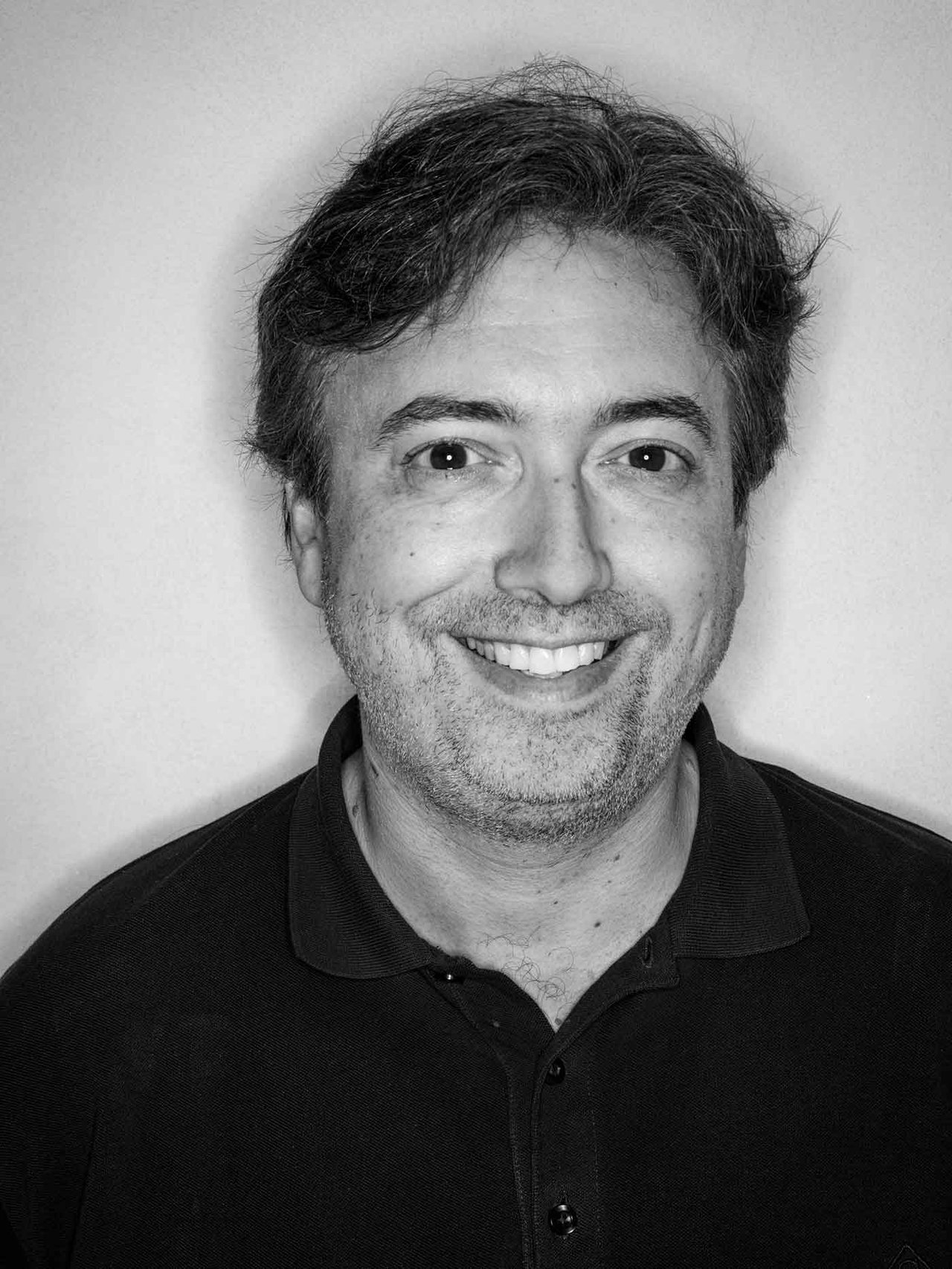
EDOUARD. Photography by Rainer Hosch
Eleonora Brizi: What work changed the way you looked at digital art, and how did you first begin collecting blockchain-based art?
EDOUARD: It’s difficult to isolate one specific work because every artist slightly changed my understanding of digital art. Before NFTs, I was already immersed in digital culture through music production, photography, and virtual environments.
One of my earliest memories of digital ownership dates back to the early 2000s, when I bought a virtual pair of Levi’s jeans for an avatar inside a metaverse platform called There. Even though I knew it was ultimately just a database entry, it still carried identity, rarity, and social value.
The real shift happened later, when I became deeply interested in blockchain infrastructures and visited NFT Factory in Paris. Seeing digital artworks physically displayed, curated, and collected like contemporary art completely changed my perception. I remember specifically collecting a work by Louis Paul Caron and realizing that this no longer felt like a digital product, but an artwork. The immediacy of discovering and collecting art directly through a QR code also felt radically new to me.
Initially, I didn’t think of myself as a collector. It was more of an impulse than an identity, and I actually imagined myself minting NFTs rather than collecting them. But over time, the collection itself changed my position within the ecosystem. As it grew, I started feeling a responsibility toward it. On Crypto Twitter, most people around you are artists hoping to be collected, and eventually you become positioned as a collector whether you intended it or not.
Louis-Paul Caron, Day 366 — THESEE & CALYPSO, 2022. Courtesy of the artist and Edouard
EB: Do distinctions between “digital art” and “contemporary art” still feel meaningful to you as a collector?
E: Historically, the NFT ecosystem developed somewhat outside the traditional art market because many artists were not represented by galleries or institutions, and many early collectors came from crypto rather than the contemporary art world. Today, digital art is increasingly entering traditional art circuits through institutions such as Centre Pompidou or LACMA. A collector ultimately hopes digital art receives the same historical and cultural recognition as works circulating through Art Basel or major museums.
Physical spaces still remain essential because they create legitimacy, curation, and trust. But at the same time, the digital art ecosystem still lacks stable infrastructures comparable to those surrounding traditional art, and nowhere is that fragility more visible than in NFT storage.
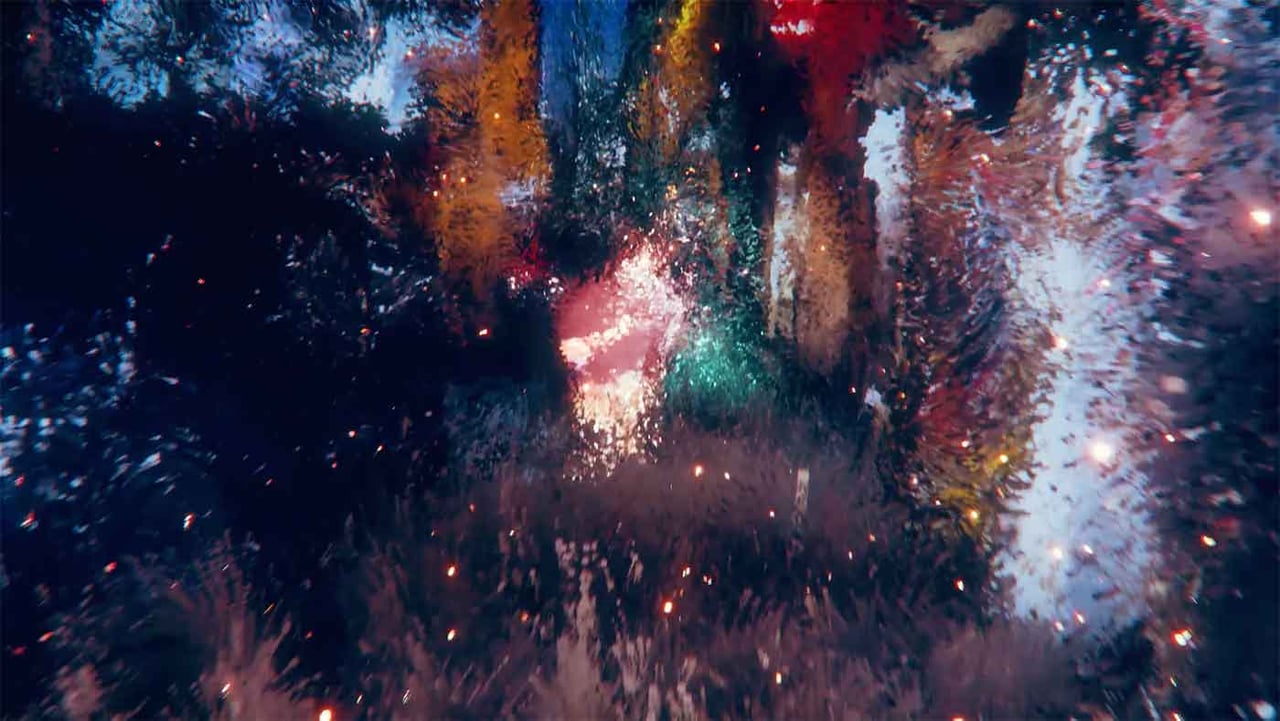
Agoria in collaboration with Johan Lescure, {Σ LUMINA} — The Convergence of Breath #4, 2024. Courtesy of the artist and EDOUARD
EB: What led you to create NFTimeless, and why does NFT preservation matter today?
E: NFTimeless came from a very personal frustration. Once you understand how NFT storage actually works, you realize how fragile most collections really are. One of the biggest misconceptions in the space is that people think the artwork itself is stored on the blockchain, when in reality the token usually only points to metadata, which then points to media files stored elsewhere.
As a computer science engineer, I started manually preserving my collection myself. For every NFT, I had to find the smart contract, retrieve the metadata CID, open the JSON file, extract the media CID, then pin everything myself through IPFS Desktop on my Mac. Sometimes the CID was already inaccessible, sometimes the metadata existed but not the image, sometimes the image existed but the metadata was broken.
What disturbed me most was realizing that most collectors had absolutely no idea this fragility even existed underneath the interface.
The real issue with IPFS is that failures are silent and individual, and collectors often don’t realize anything is wrong. You don’t wake up one morning and suddenly see the whole platform disappear. Instead, a metadata file quietly disappears because nobody is paying for pinning anymore, and the NFT in effect breaks.
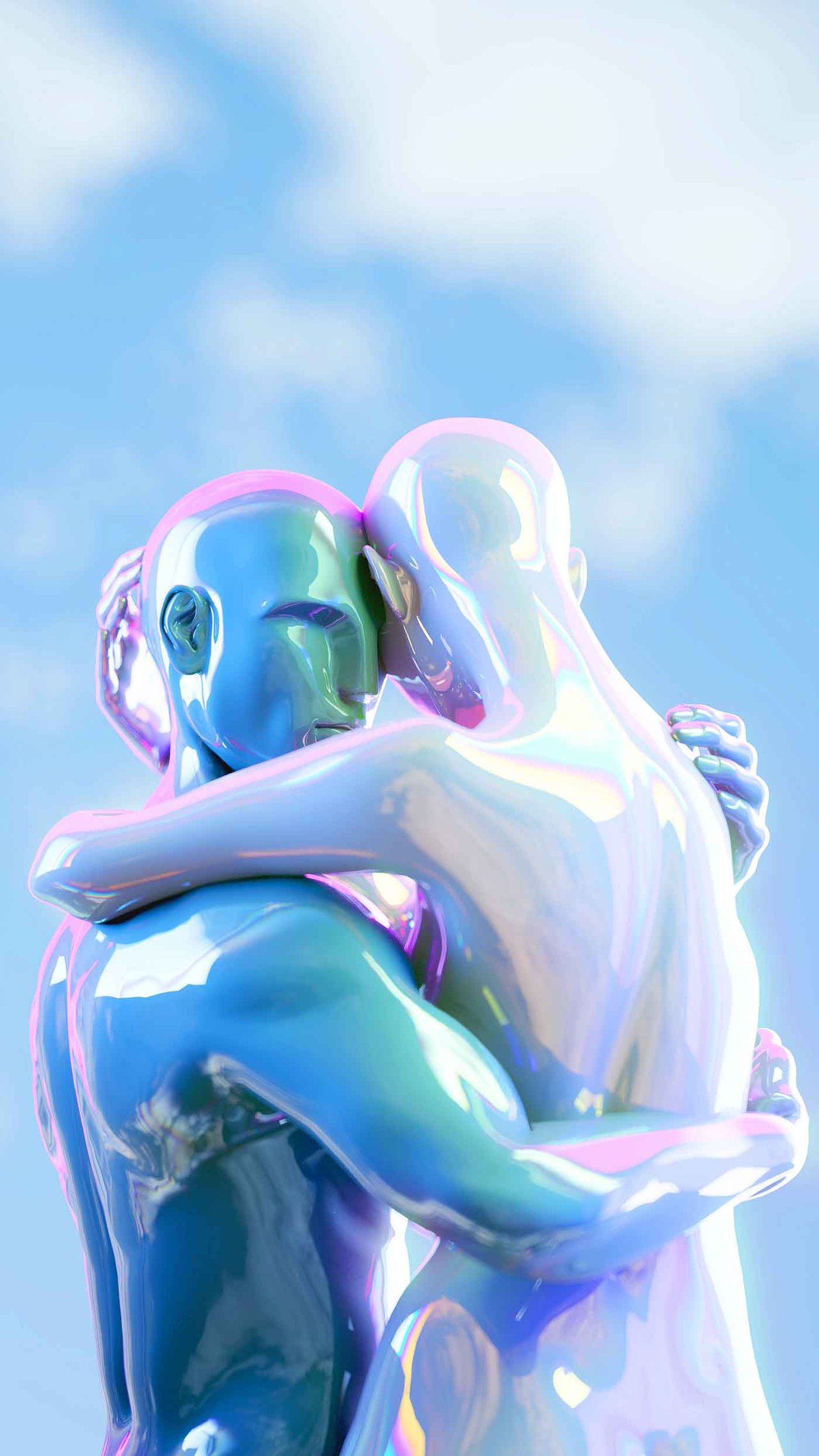
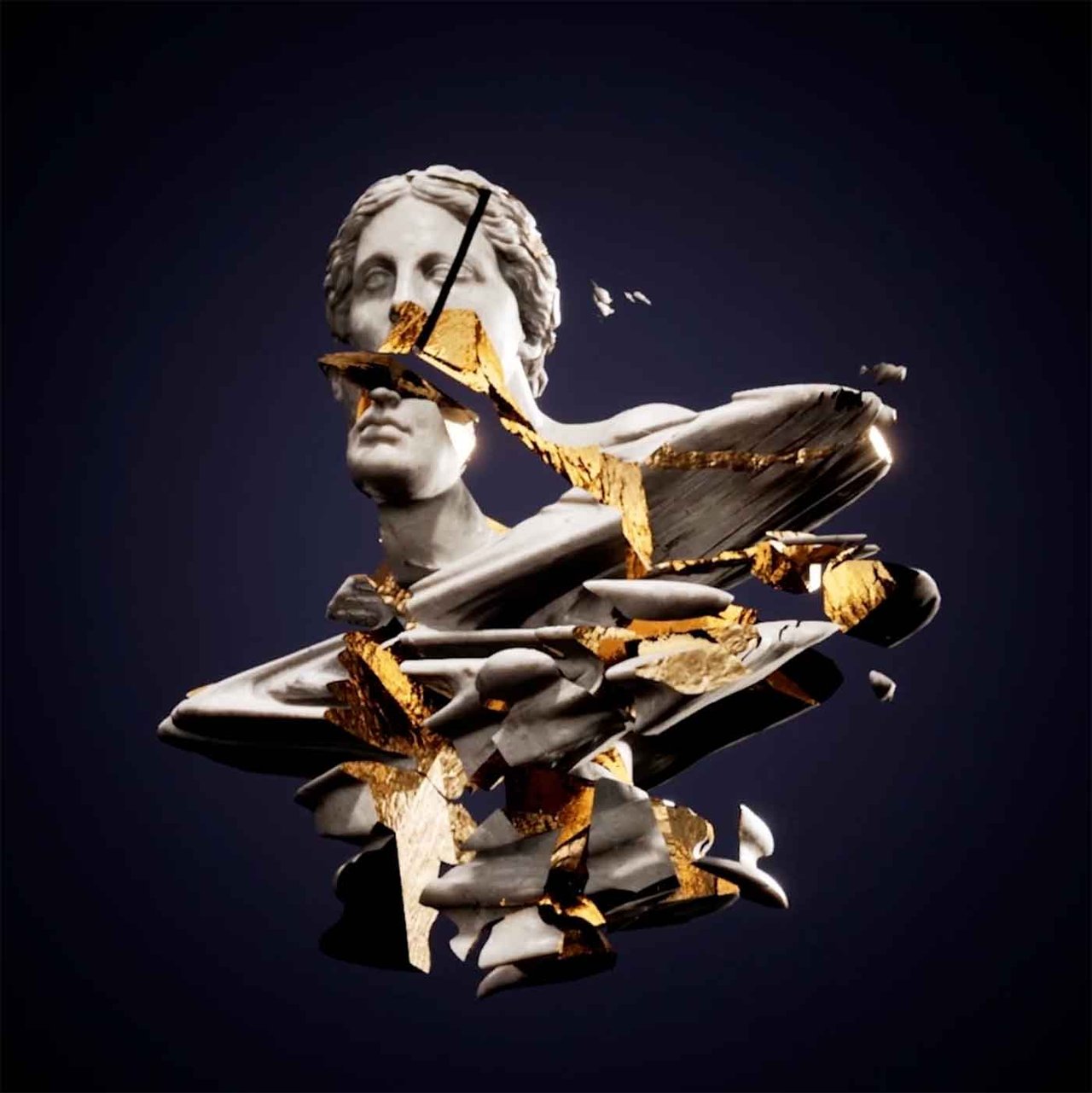
Léo Caillard, Fragmentation of the Venus Wave, 2024. Courtesy of the artist and EDOUARD
Everything changed when I discovered ClubNFT because, for the first time, I felt relief. I could automate preservation, archive the files, download backups regularly, and stop constantly worrying about losing artworks. But when ClubNFT itself shut down, the fragility of the ecosystem suddenly became impossible to ignore.
That experience led me to create NFTimeless, a technical audit tool evaluating NFTs according to storage durability, smart contract transparency, and infrastructural risk.
EB: What exactly does NFTimeless analyze?
E: NFTimeless primarily focuses on asset durability. One of the things the platform does is calculate the probability of an NFT still functioning 40 years into the future. The highest score possible today is 86% because permanence does not really exist. The score focuses on the weakest point in the storage chain: even if the media is fully on-chain, metadata depending on a centralized website still creates a vulnerability.
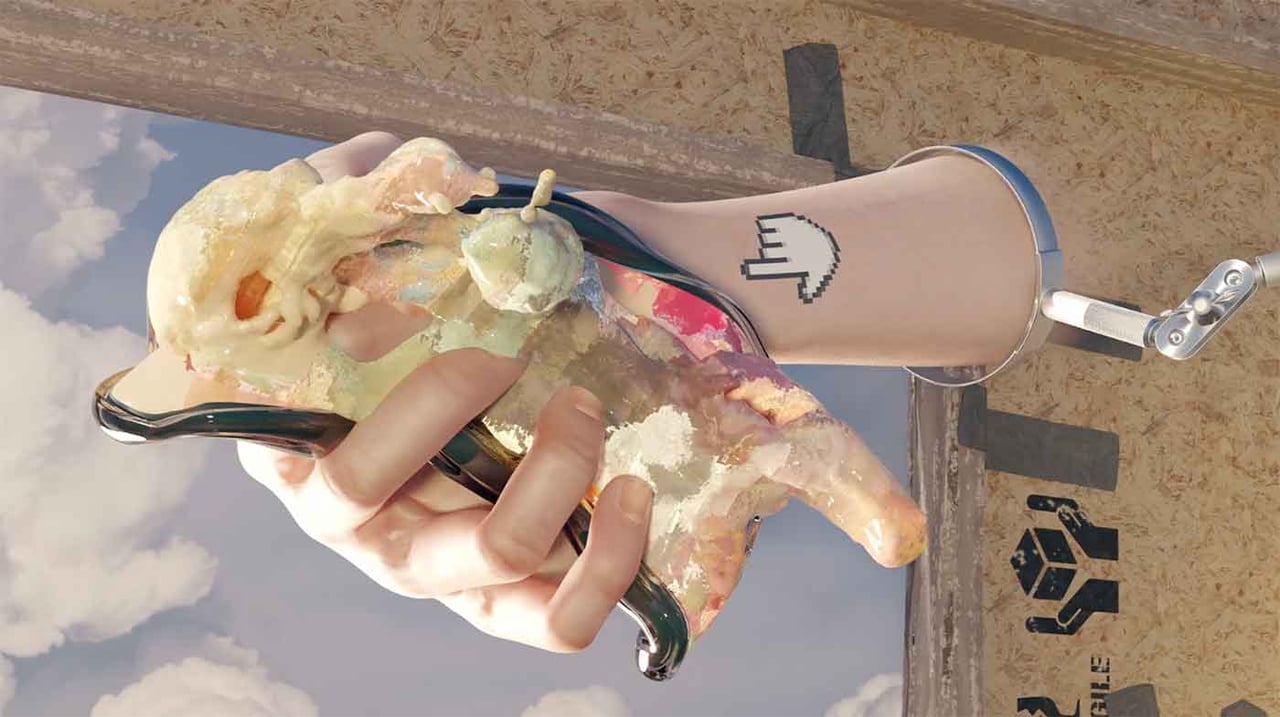
Baron Lanteigne, Manipulation6, 2021. Courtesy of the artist and EDOUARD
During this research, I also became increasingly interested in vulnerabilities embedded in NFT smart contracts. People often think NFT ownership works like Bitcoin ownership, but it doesn’t. With Bitcoin, your wallet directly owns the asset. With NFTs, ownership is often just a variable inside a smart contract, and the contract itself has to play fair.
This led me to investigate older OpenSea Shared Storefront contracts after a specialist involved in writing the ERC-721 standard mentioned a potential backdoor. I reproduced the experiment on a testnet and confirmed that, under certain conditions, the admin could theoretically reclaim ownership.
For me, the issue is less about malicious intent than opacity. If the source code is private, you cannot fully know what the contract allows, which is why NFTimeless penalizes NFTs with unverifiable or hidden smart contracts.
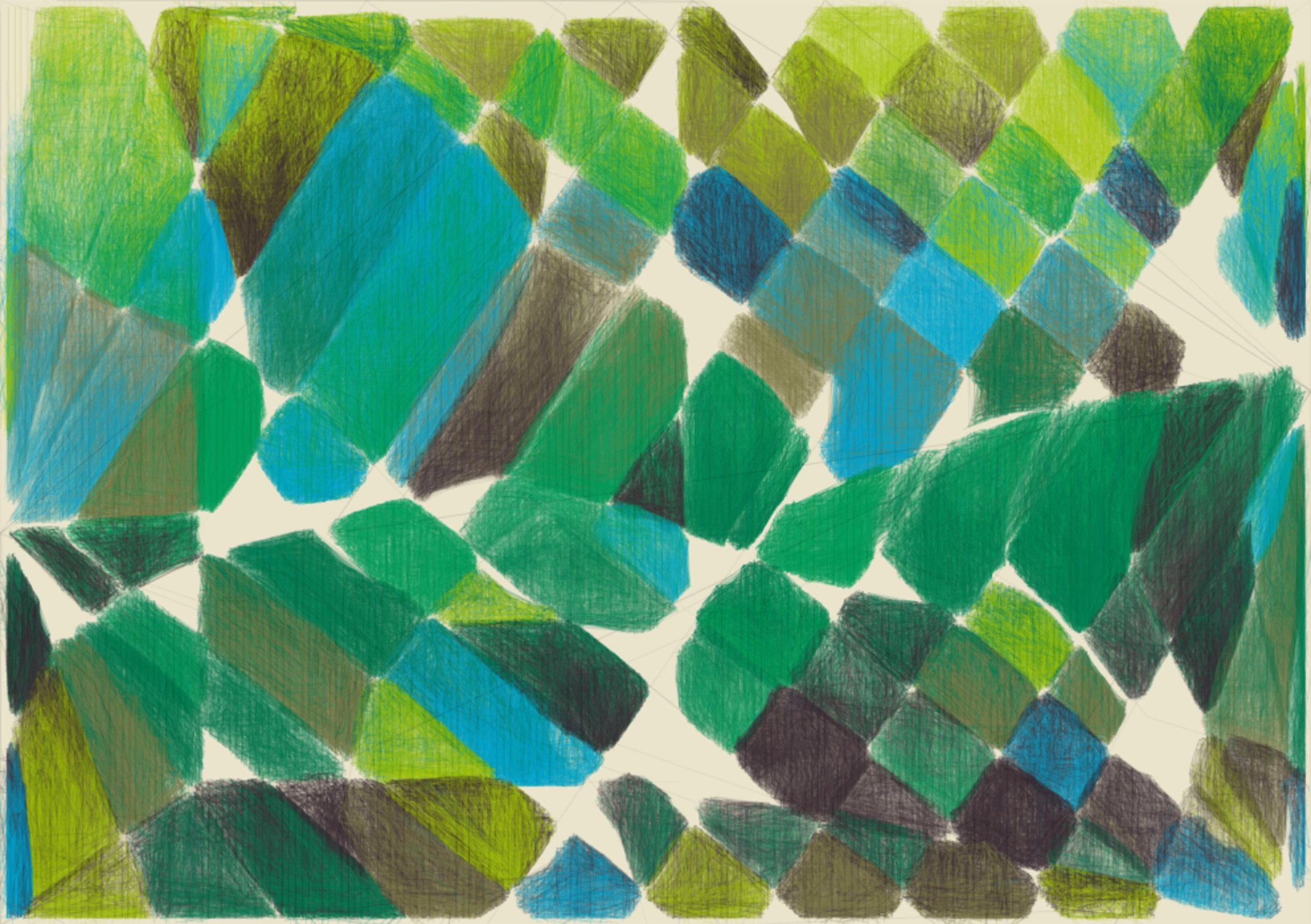
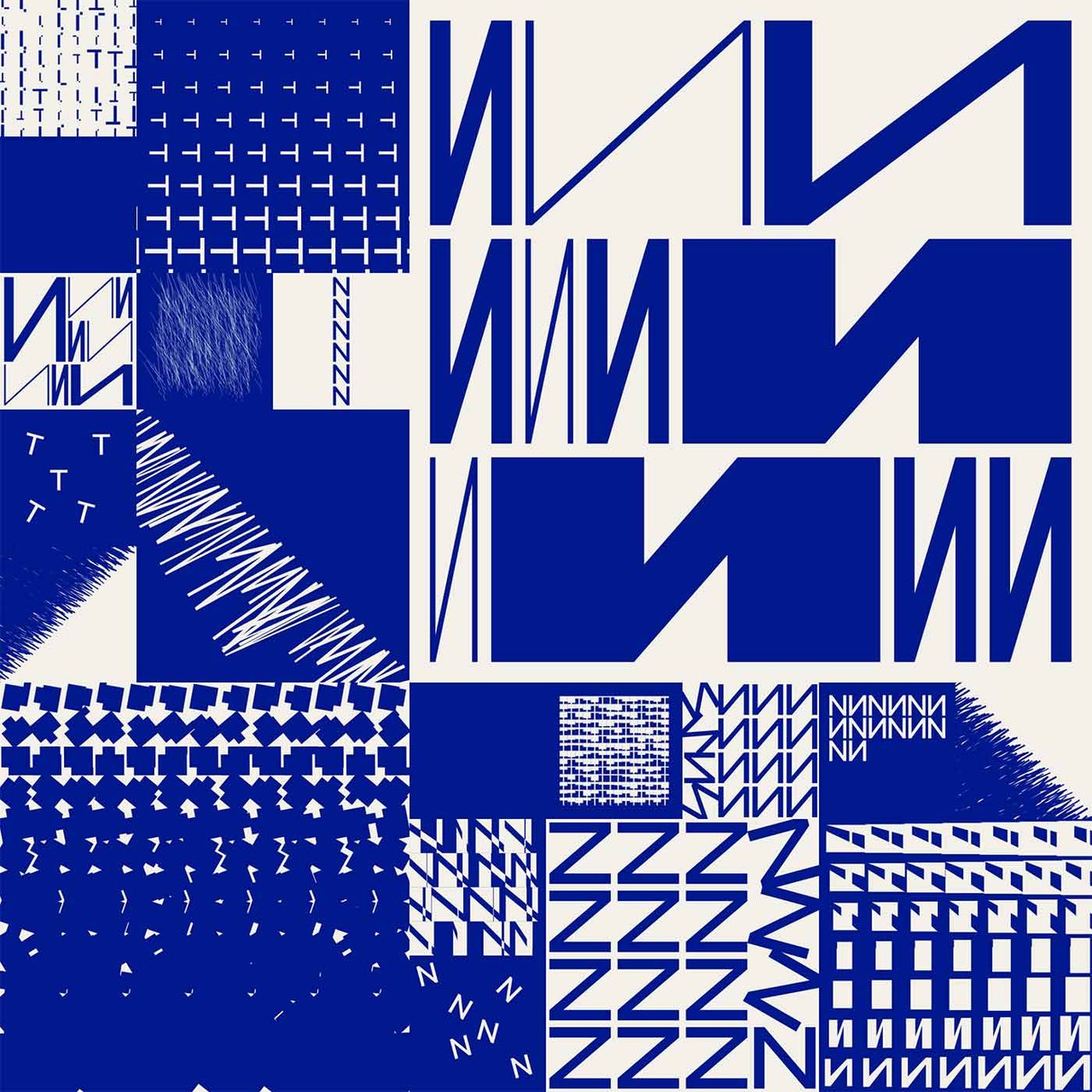
Vera Molnar in collaboration with Martin Grasser, Themes and Variations #234, 2023. Courtesy of the artists and EDOUARD
EB: You mentioned the fragility of NFT storage infrastructures. How does IPFS actually work, and how is it different from Arweave?
E: This is actually a very important distinction because people often speak about IPFS and Arweave as if they were simply two storage options, but they function very differently.
IPFS is not really a storage protocol in the strict sense, but more a routing protocol. The CID identifies the file, but somebody still needs to actively host and pin it. If nobody keeps the file online anymore, IPFS has nothing to retrieve. This creates what I call a responsibility problem: nobody fully knows who is supposed to preserve the work over time — the artist, the platform, the collector, or a third-party service.
Arweave works differently because it was designed around long-term persistence. Instead of relying on continuous pinning, it uses an upfront payment system intended to incentivize long-term storage directly within the protocol itself.
If you buy a painting and forget to pay €30 one month, the painting does not burn. But with IPFS, if nobody continues paying for pinning and nobody else has the exact same file, the NFT can in effect break forever. Even finding another copy of the image later is not enough because it has to be the exact same file corresponding to the original CID.
That is why I generally consider Arweave safer for larger files when fully on-chain storage is not possible. Fully on-chain remains the strongest preservation model, especially for generative art, but for larger media files, Arweave offers a more coherent long-term preservation structure than IPFS. In the end, no storage solution is completely permanent. Every system requires some form of maintenance, economic incentive, or community participation over time.
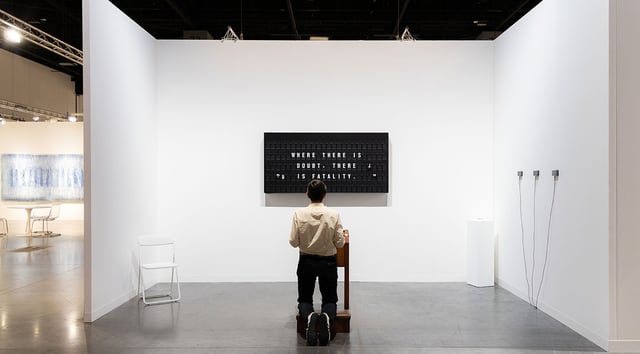
Florian Zumbrunn, Doubts#2, 2024. Courtesy of the artist and EDOUARD
EB: Are collectors taking preservation seriously enough today?
E: Honestly, not really. Even when collectors know about the problem, many still prefer not to think about it because the NFT ecosystem developed around speculation, speed, and constant novelty, while preservation feels slow and administrative. But if digital art is going to survive historically, preservation becomes unavoidable.
With physical art, there is already a culture of stewardship: collectors insure works, document provenance, track restoration histories, and preserve context. Digital art still lacks most of that culture, even though preserving digital works is often much easier and cheaper than preserving physical artworks.
I think many people entered NFTs through financial speculation rather than long-term collecting habits. But if blockchain-based art is going to survive historically, collectors eventually need to think less like traders and more like custodians.
That also became one of the reasons why I started developing LogArt alongside NFTimeless. In digital art, many collectors still manage everything through wallets and screenshots, which is not sustainable long-term. With LogArt, the idea was to create a collection management platform where physical and digital works can coexist, preserving not only the files themselves, but also their context, provenance, metadata, and exhibition histories over time.
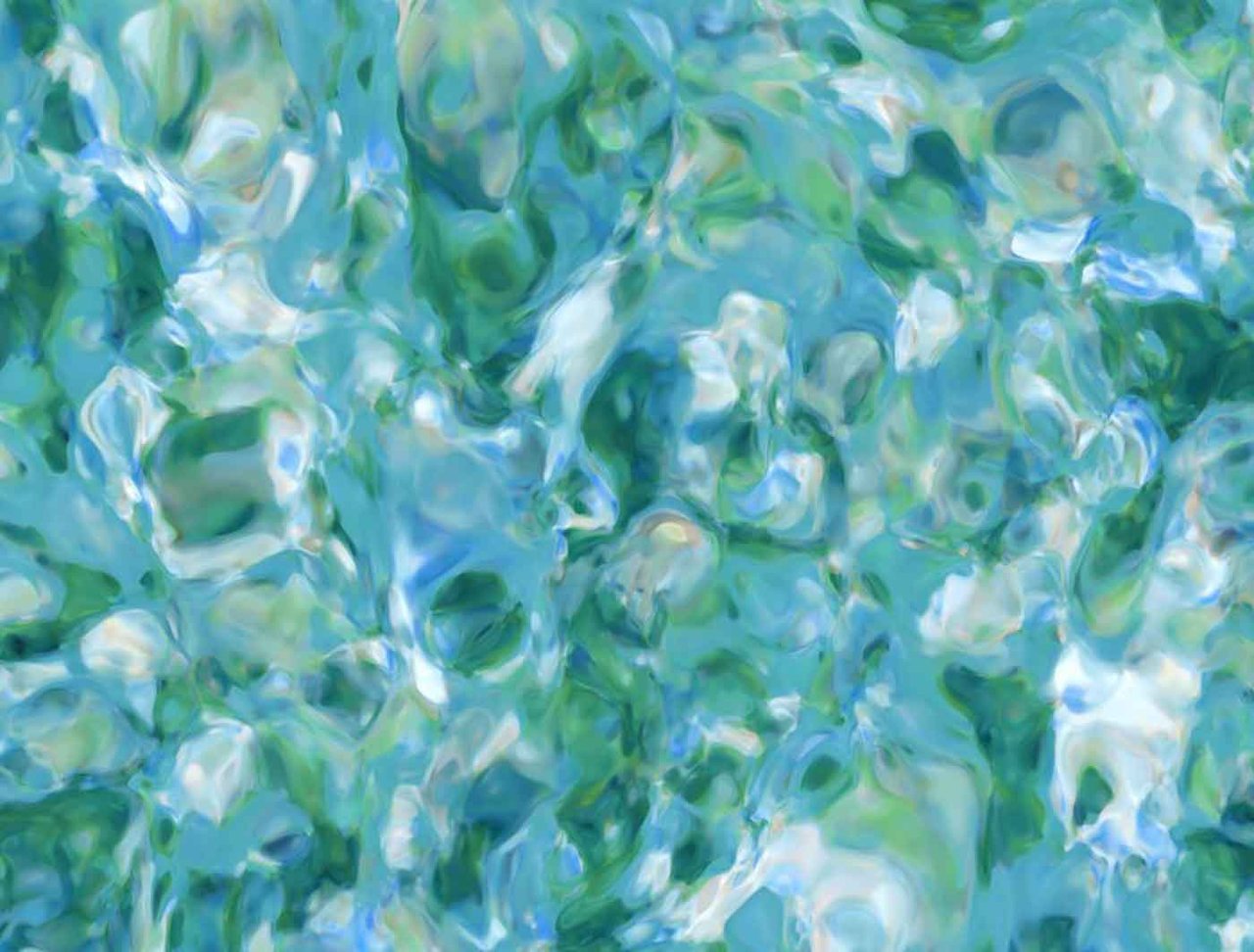
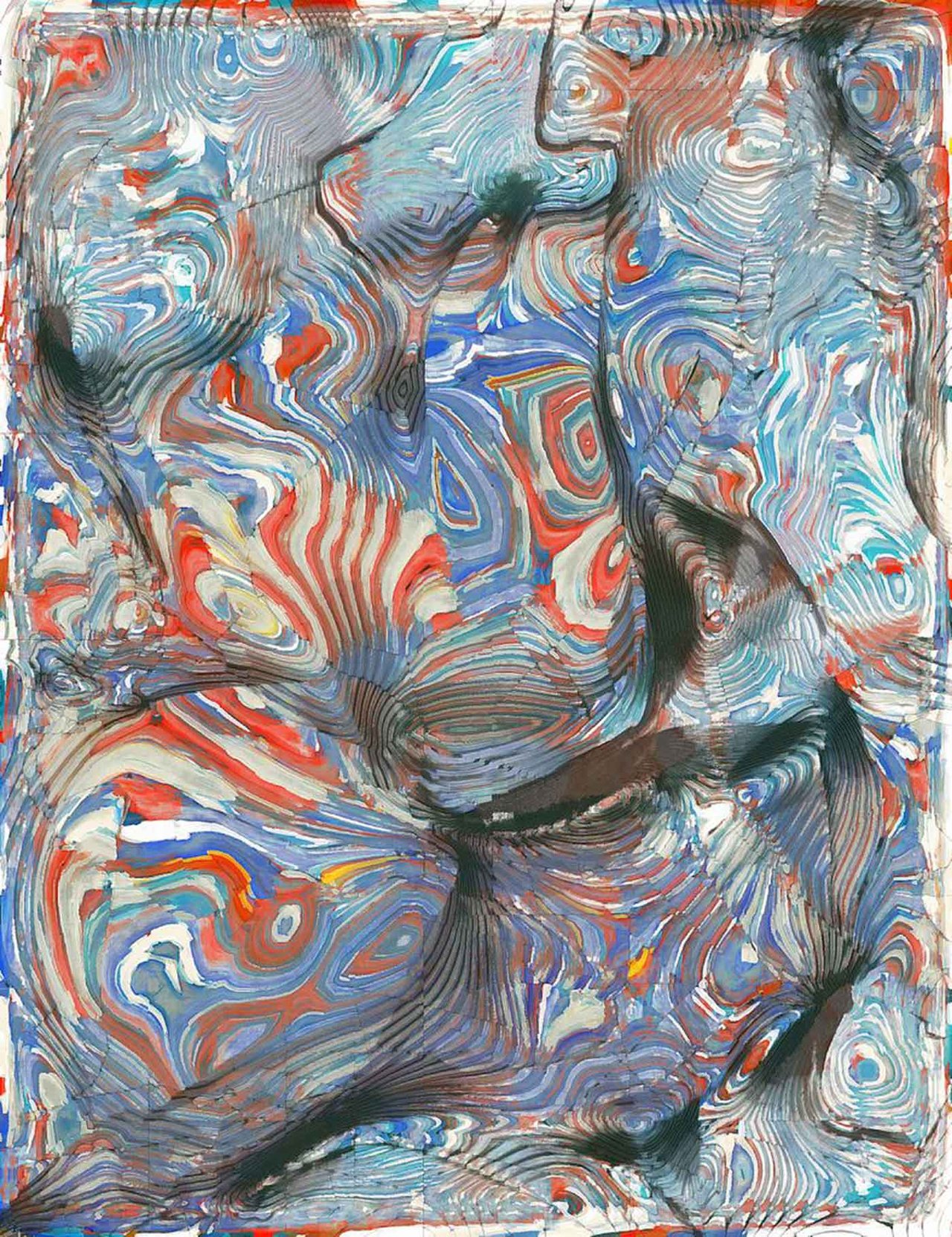
Benjamin Bardou, Simulation#2. Courtesy of the artist and EDOUARD
EB: What do these preservation challenges ultimately reveal about NFTs and decentralization?
E: We hear words like immutable or decentralized and assume everything will survive automatically, but most NFT projects still depend on servers, storage systems, interfaces, subscriptions, and people actively maintaining infrastructures over time.
I still think blockchain introduced something extremely important for digital art, especially around provenance and ownership. But preservation is much more complex than initially imagined.
And the problem is not only about individual works. If you own a 1/1 that belongs to a larger series, what happens if the rest of the collection disappears because nobody maintains the files anymore? The work may technically survive, but its larger context can become fragmented or partially lost.
One of the biggest unresolved questions is still responsibility itself. Who is actually responsible for preserving the artwork over time? The artist? The platform? The collector? Nobody really knows. Collectors often assume platforms are preserving the works, platforms may assume artists are doing it, artists may assume collectors are archiving them independently, but in reality responsibility often remains undefined.
Ultimately, preservation still depends on people maintaining infrastructures over time. Decentralization does not remove responsibility. If anything, it distributes that responsibility across the entire ecosystem: artists, collectors, platforms, institutions, and communities.
EDOUARD is a French multidisciplinary artist who has exhibited at NFT Factory, IHAM Gallery, NFC Lisbon, ArtVerse, Fondation Cherqui, and Avant Galerie Vossen. His work is part of the collection at the Francisco Carolinum museum in Linz. His current practice focuses on digitally crafted imagery, his Pixel Field concept, employing techniques such as pixel drawing and color cycling, manual artefact extraction, and algorithmic processes. He has curated several physical exhibitions, served as curator of digital art for ten thousand public billboards across fifteen countries, and launched the French Artists on Chain initiative. Active as an artist and as an artist committee director, he brings curatorial and traditional art‑world insight to his exploration of digital art and regularly speaks on the challenges, opportunities, and paradigm shifts that digital art brings to artists, collectors, galleries, and cultural institutions. He’s also the creator of the NFTimeless digital art durability audit service and the log.art collection management tool.
Eleonora Brizi is adigital art curator, specializing in blockchain art, while also focusing on generative AI. She is currently pursuing a PHDat Université Paris2Panthéon-Assas, focusing on “Blockchain as ArtisticMedium: Exploring Decentralized Systems and Governance Through Art”. Brizi is co-founder of100 collectors,the global network for digital art collectors; founder of Breezy Art,a curatorial and research practice focused on art and technology; and collaborator at the MEET Digital Culture Center of Milan. She graduated in contemporary Chinese art and worked for several years in Beijingwith artist AiWeiwei. In 2018, she relocated to New Yorkand shifted her focus to developments in the field of art and technology. As one of the first curating presences in Web3, she spearheaded many of the earliest Cryptoart projects. Today, she continues tocurate and lead blockchain and digital artinitiatives. She is currently based in China, where she follows developments in art and technology while fostering dialogue between local and international communities.