On Collecting | From Pascal Boyart to Vera Molnar
Giannis Sourdis discusses his love of early generative art and supporting artists whose values he shares
Giannis Sourdis discusses his love of early generative art and supporting artists whose values he shares
Giannis Sourdis, better known as Greekdx in Web3, has been collecting art for the past seven years, focusing primarily on digital art and NFTs. Based in Greece, he has been an active participant in the crypto space, investing and trading since 2016-17. He co-founded Couch Heroes, a gaming start-up, in 2022, and is now fundraising for a digital art project located in Athens.
His collection is genre-agnostic spanning from AI art to conceptual art to Avant NFTs but he is especially passionate about the long history of generative art. He has supported hundreds of artists and collects with the long view in mind. Here, he shares the story of his collection with Right Click Save.
Right Click Save: How did you get into collecting and what was your first acquisition?
Giannis Sourdis: From a young age, I visited galleries and museums with my family at home in Athens and while travelling in the US or in Italy. However, until 2019 I had never collected art myself, or gone deeper than casually appreciating it. After joining the crypto space in 2016, moving to my own apartment in 2018 following mandatory military service, I found myself looking for things that represented who I am and what I believed in. For me that was Bitcoin and crypto.
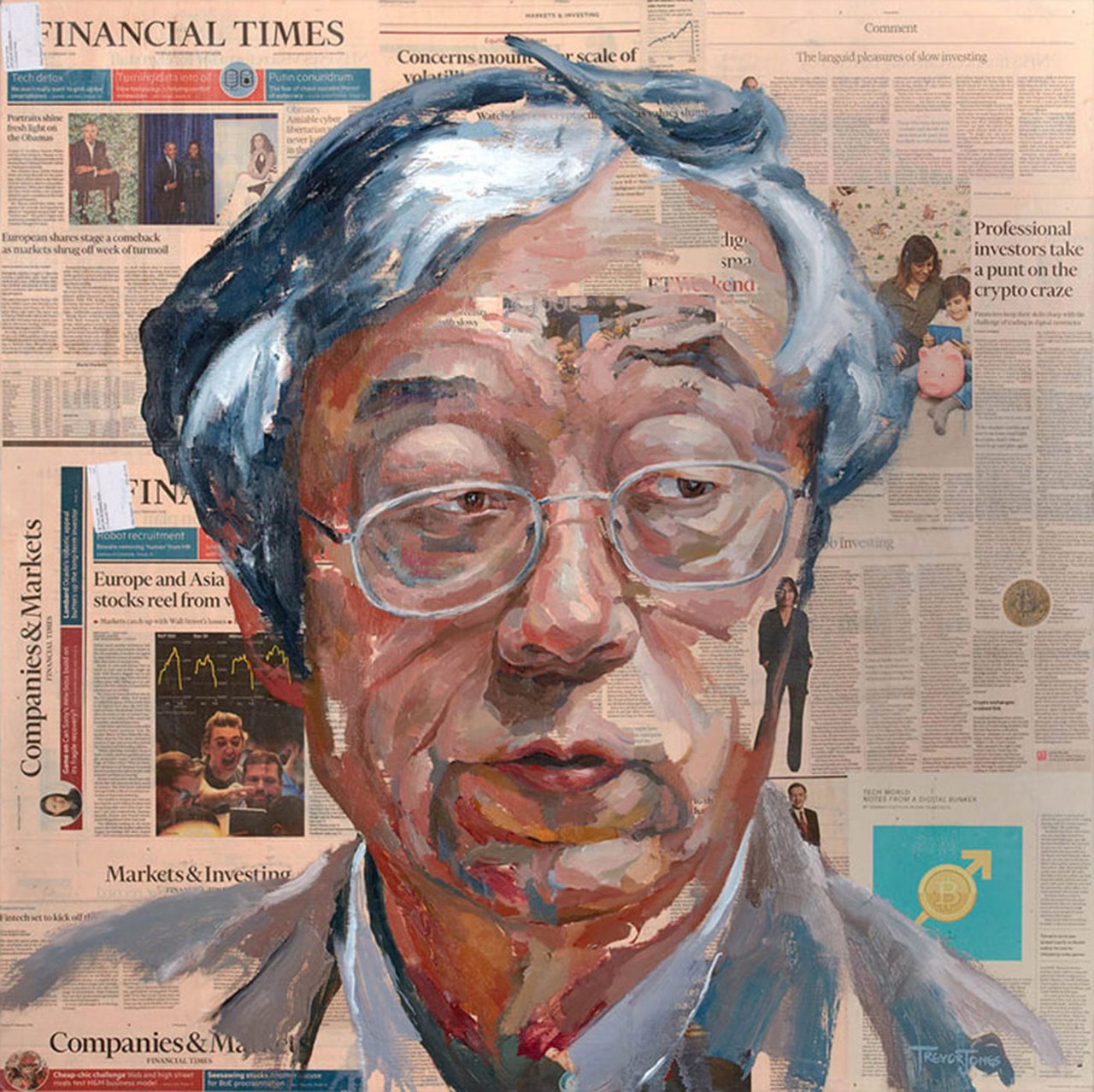
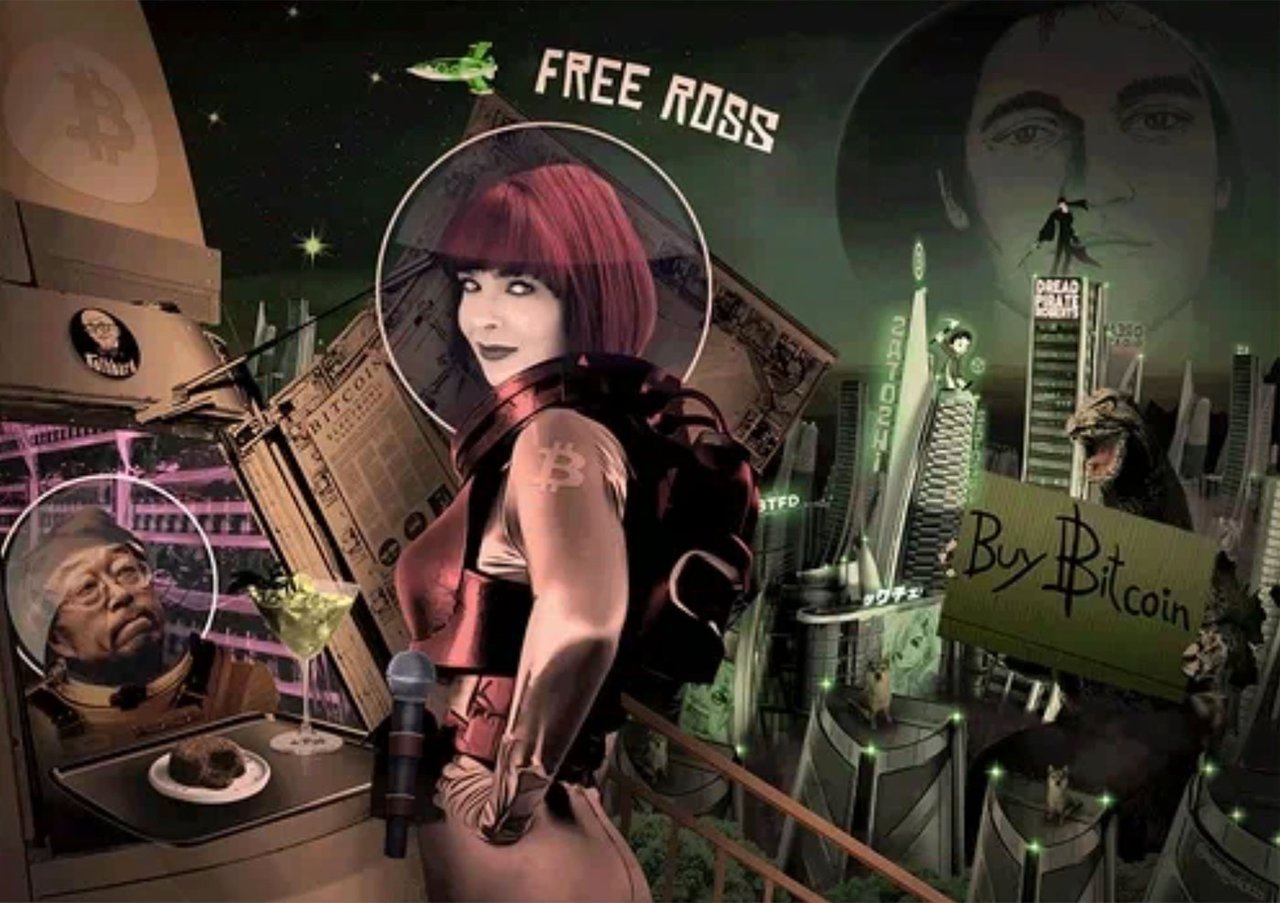
I found two artists that resonated with me and had linked their physical art to the crypto space, and I collected three prints in total: Pascal Boyart’s The Times 3/jan/2009 and The Times 3/jan/2019 (2019), and Trevor Jones’s The Architect “Satoshi Nakamoto" (2018).
I did not collect much after that until the summer of 2020, when I started my NFT art/digital art collecting journey through Rarible. After investing in $RARI, the platform’s native token, and realizing some profits, I decided to reinvest part of that back into the ecosystem. It started with casual collecting: crypto art, meme art and trash art, and quickly expanded into collecting on other platforms, acquiring physical pieces and slowly educating myself about the world of digital art.
RCS: How would you describe your approach to collecting?
GS: My collecting initially began quite casually but quickly evolved as I expanded to other platforms and marketplaces such as SuperRare, Known Origin, MakersPlace, and Async Art.
As this shift happened, I started looking into the history of blockchain and art, which led me to seek out work by artists and pieces that were present in the early stages of the space: XCOPY, Matt Kane, Alotta Money, Rare Pepes, and Robness.
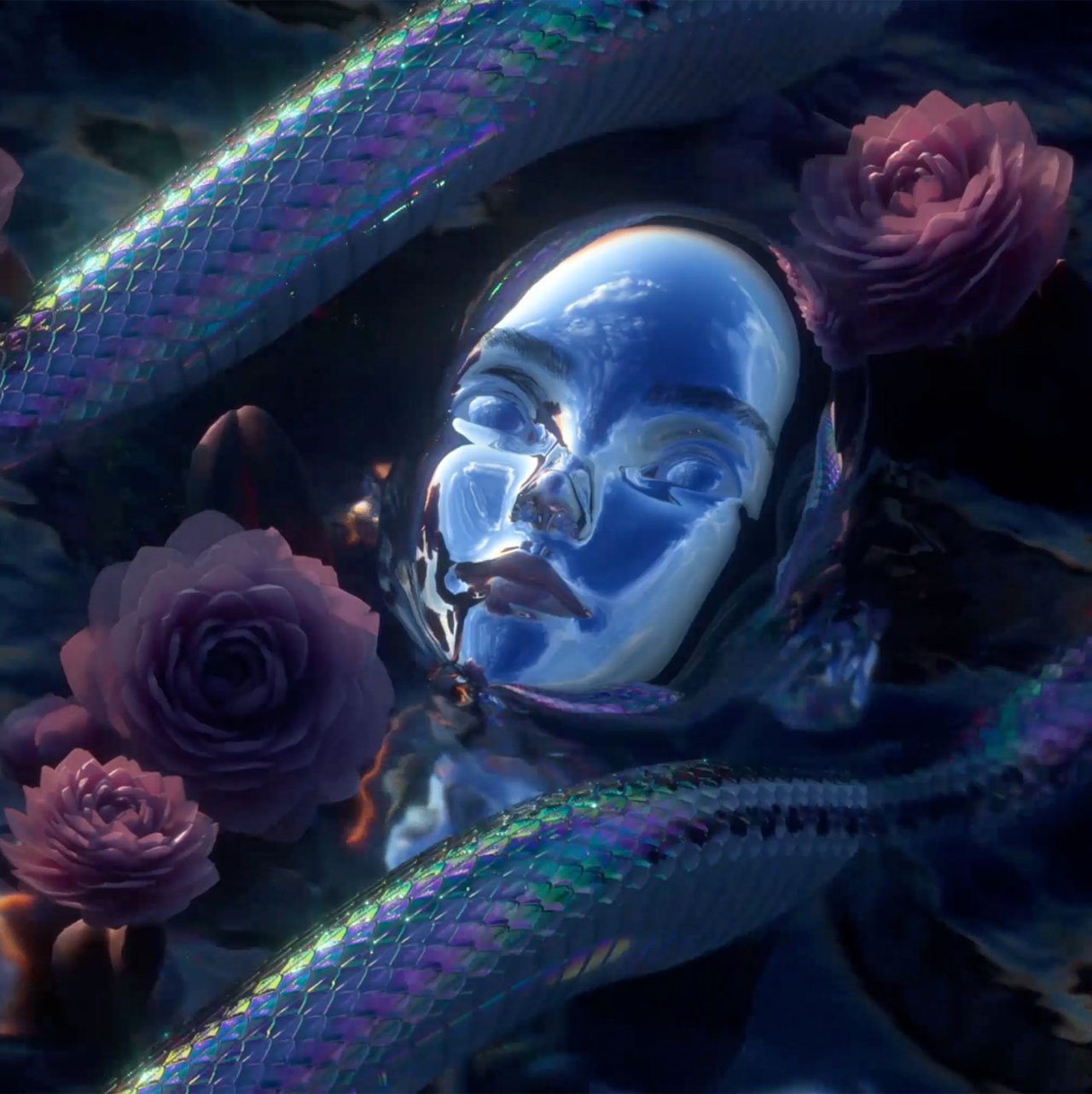
At the same time, I was deeply interested in supporting artists who were just beginning their journeys in NFTs. One pivotal moment that truly “unlocked” my approach to collecting and encouraged me to collect at a larger scale was my acquisition of Rejuvenate// (2020), FVCKRENDER’s genesis piece on SuperRare.
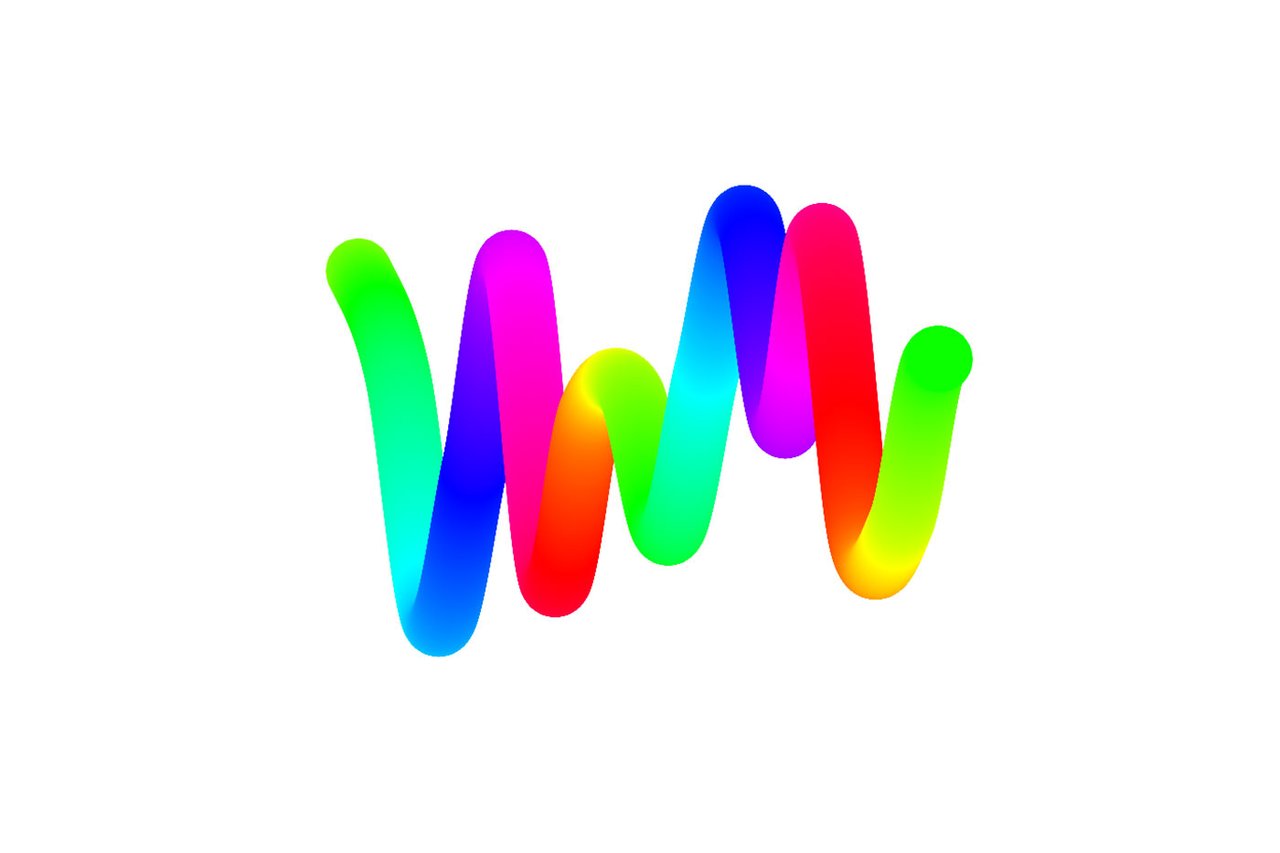
Shortly after, I discovered what would become one of my greatest passions: generative art. This began with minting Chromie Squiggles by Snowfro on Art Blocks, in the fall of 2020.
That experience deepened my understanding of the role blockchain plays in digital art, while also prompting me to research the broader origins of digital and computer art.
After roughly six years of collecting I would say my approach has changed, but ultimately it boils down to two categories. If an artwork is reasonably priced to me, I will collect it in order to support an artist whose work might resonate with me. Supporting artists I believe in is essential, not only to help them continue what they do, but also because I care about getting behind artists whose values I respect. When an artwork is relatively expensive (to me) I will put additional thought into evaluating it based on aesthetics, cultural importance, technological innovation, and conceptual depth.
RCS: Which works are you most proud of acquiring and which are you most disappointed to have missed out on?
GS: I try to not answer such questions directly. I don’t think in terms of favorites, as I value all artists and artworks in my collection. That said, I do have a soft spot for some, each for different reasons.
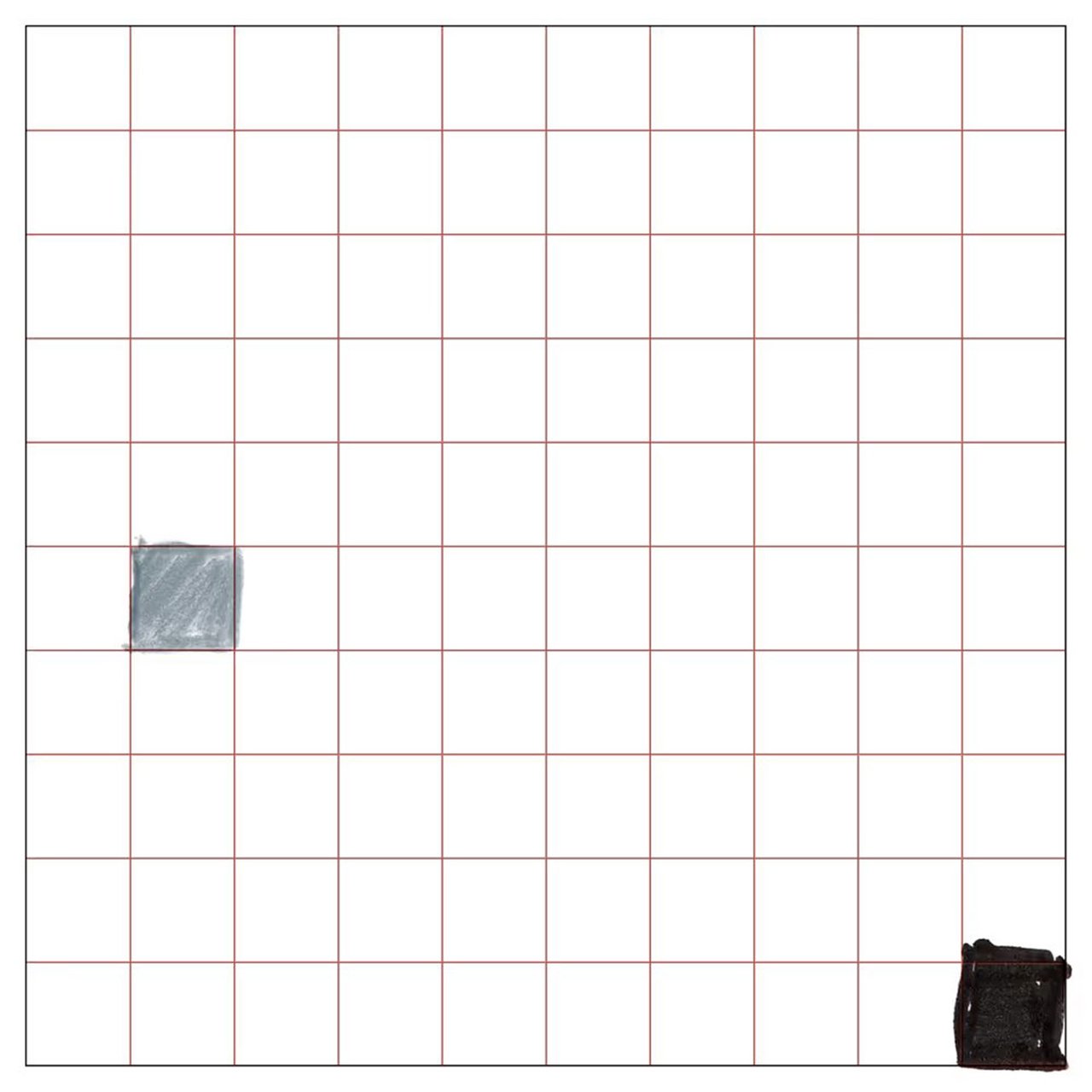
One of the most meaningful moments in my collecting journey was the acquisition of 2% of disorder in co-operation #14 (2022)by Vera Molnar, one of the few “unique” pieces she released as an NFT. Vera is undoubtedly one of the few artists I feel deeply connected to.
Another piece is Divine (2020) by Defaced (Kane Tallowin), which was his genesis piece minted on Rarible. Following Kane’s practice closely, getting to know him, and being part of his artistic journey has been incredibly rewarding. One of the aspects that makes collecting so meaningful to me is supporting artists as they work toward realizing their creative ambitions.
As for pieces I missed out on, there are too many to list. One notable example is being heavily outbid on several works by Joe Pease during his Everything vs Nothing release (2024) with Glitch Marfa. Over the years, I’ve been outbid countless times, missed drops because of travel or liquidity constraints, and even lost out because of platform issues. Eventually, I came to understand that this is simply part of the process.
There is almost always another moment (another work, another opportunity) by the same artist. In the NFT space, patience is consistently rewarded.
RCS: Which artists do you see as the most undervalued?
GS: There are too many to name, but I’ll give it a shot. One of the most undervalued artists in the space is Auriea Harvey. Her talent, experience, education, and multimedia practice, as well as her inarguable status as a pioneer of net art, make me believe that one day, the recognition she already receives from institutions will extend to the rest of the space. Her experimentation extends to hardware and software, and she has created art in the form of video games together with her husband, Michaël Samyn, as well as digital sculpture.
In my opinion, other artists who are still undervalued include Qubibi, an extremely talented Japanese generative artist; Kim Asendorf, whose brilliance most people still underestimate despite his success in the NFT space; Zancan, another brilliant generative artist from France; and Lorna Mills, who uses viral GIFs to create satirical pieces and collages.
RCS: If you could own a work of art in any medium and from any collection in the world, which would it be, and why?
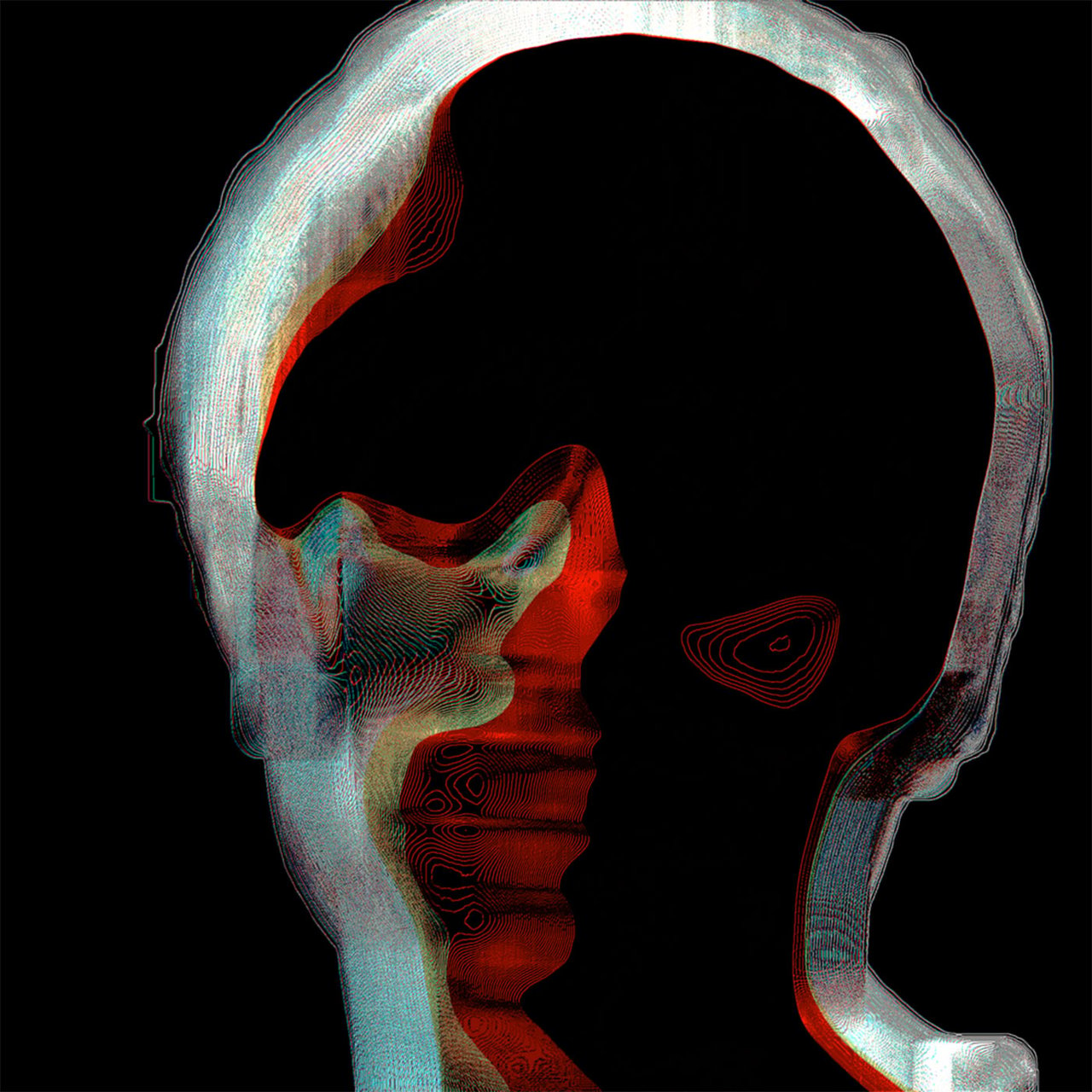
GS: I would love to own a piece from Vera Molnar’s series “Lettre De Ma Mère” (1990). It stayed with me from the moment I read about it. It’s a small look into the relationship of Vera with her mother: the letters they exchanged while she was away from home, and how as time went by her writing went from elegant to nervous and hysterical. In this series, she replicated these letters after her mother’s death through the use of the computer and a plotter.
An artist whose work I would love to add to my collection is Hiroshi Kawano, another pioneer of computer art, from Japan. His works are nearly impossible to find, with the very few (and rare) exceptions of editions. I would like to give a shout out to Robert from RCM Galerie who helped me acquire an edition of the Art Ex Machina Portfolio (1972) of six serigraphs that includes a piece by Kawano.
Giannis Sourdis is a Greece-based collector and active participant in the crypto space since 2017. He is the co-founder of Couch Heroes and is currently building a digital art start-up. He studied at the University of Kent and Cass Business School.
No comments yet. Be the first to share your thoughts.
Mentioned in this article
People: Giannis Sourdis, Alotta Money, Erick Calderon (Snowfro), FVCKRENDER, Kazumasa Teshigawara, Pascal Boyart, Trevor Jones, Vera Molnár|Works: 2% of disorder in co-operation #14, Divine|