In Between the Art Worlds
The editors of Right Click Save survey the view from the bridge between digital and contemporary art with Julianna Vezzetti
The editors of Right Click Save survey the view from the bridge between digital and contemporary art with Julianna Vezzetti
When we launched Right Click Save in January 2022, we set out to drive critical conversation about digital art at a time when the NFT hype machine was running on fumes.
Following the sale of the magazine in 2025 to Tony Lyu, Right Click Save has broadened its scope to consider the full spectrum of art and technology across the blockchain and mainstream contemporary art markets. Thanks to the addition of Louis Jebb, formerly of The Art Newspaper, as Managing Editor, alongside Founding Editor Alex Estorick, Right Click Save is well placed to drive critical discussion about the expanding art world at a time when the mass adoption of AI and emerging technologies is re-engineering social behavior and culture.
This week, as the magazine celebrates its fourth birthday, the pair speak to global contributor Julianna Vezzetti, a curator and cultural strategist who operates on the border of art and tech, about the challenges and opportunities presented by the new art ecosystem.
Julianna Vezzetti: For those who might not be familiar, tell us about your backgrounds and the work Right Click Save is doing right now?
Alex Estorick: I used to edit at Flash Art and Frieze magazines before entering the conversation around crypto art just as the NFT market was booming in 2021. What we’ve seen in the years of the bear market, which set in just after Jason Bailey and I launched Right Click Save in early 2022, was the disappearance of those actors who had previously driven speculation. What was left were individuals and platforms that were largely committed to supporting the community of artists, collectors, and, increasingly, curators.
When we started the magazine we wanted to replace hype with the voices of artists and, often pseudonymous, community members who might otherwise be ignored in the highly centralized art world. Instead of adopting a legacy approach that was no longer fit for purpose, we determined that the new art world required different terms of reference. From our perspective, the most appropriate way to reach consensus on what constituted cultural value in the new digital economy was to turn Right Click Save into a listening exercise so that a new common language could emerge from grassroots communities rather than a familiar class of tastemakers and gatekeepers.
Over time, we observed that the most radical work was emerging at the intersections between art, design, science, and technology — including software and generative systems — as a product of hybrid practitioners with literacy across multiple disciplines. As the digital and mainstream art markets have grown closer in proximity, we’ve sought to be a bridge between the Web3 space, with its slightly younger collector base and new patterns of behavior, and sympathetic voices in the contemporary art world, who can see that life is not becoming less digital.
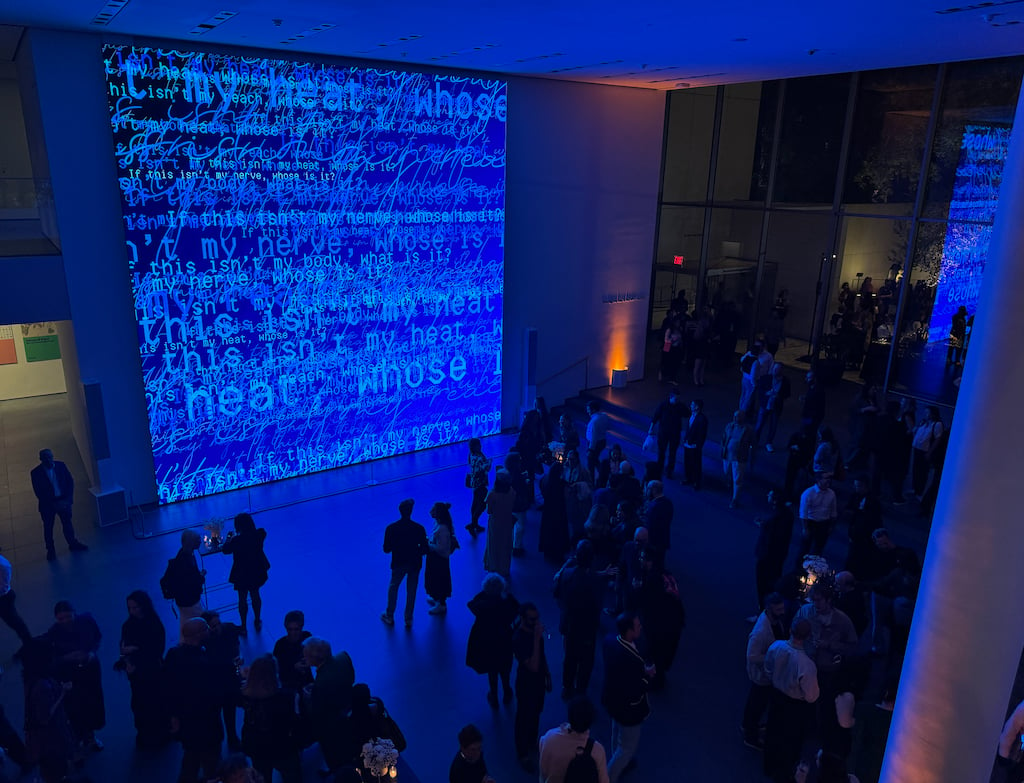
Sasha Stiles has resonated for a long time in Web3 but is also recognized in the art world. There aren’t so many artists who occupy that position in-between, but that is the space we want to nourish. We don’t want to be exclusionary — we want to be a one-stop shop for different communities. (Alex Estorick)
Louis Jebb: I was at The Art Newspaper until July 2025, working as Co-editor and Managing Editor. Since about 2020, I’d been working to develop technology coverage there because the intersection of art and technology gives people a prism onto some of the existential problems in their lives.
It started during lockdown with analyzing what was happening in augmented and virtual reality because people were stuck at home and galleries were looking to go online. Then came 2021 and NFTs, followed by the small matter of artificial intelligence becoming a daily concern to the whole world. Suddenly we had two very big topics.
One thing that surprised me was the indifference of so much of the established art world to this intersectionality — not wanting to learn, not wanting to be brought along. It wasn’t a universal problem, but editorially it was a very interesting challenge. Thanks to some excellent contributions from Alex, who started writing for us in the technology section, we saw the extent to which art gives cultural relevance to so many new technologies.
Starting with the printing press, where you had letters and then woodblock cuts, artists have always been early adopters of new technologies. In 2014 to 2017, when I worked in the start-up community in London, everybody would ask: “What’s the business case for the blockchain?” For better or worse, NFTs revealed a business case. Involving artists helps bring cultural relevance and clarity to what a technology can and can’t do.
The NFT phenomenon showed something important about automated economies and new kinds of on-chain contracts. Artists were providing a prism for the future of a global economy working in this way. (Louis Jebb)
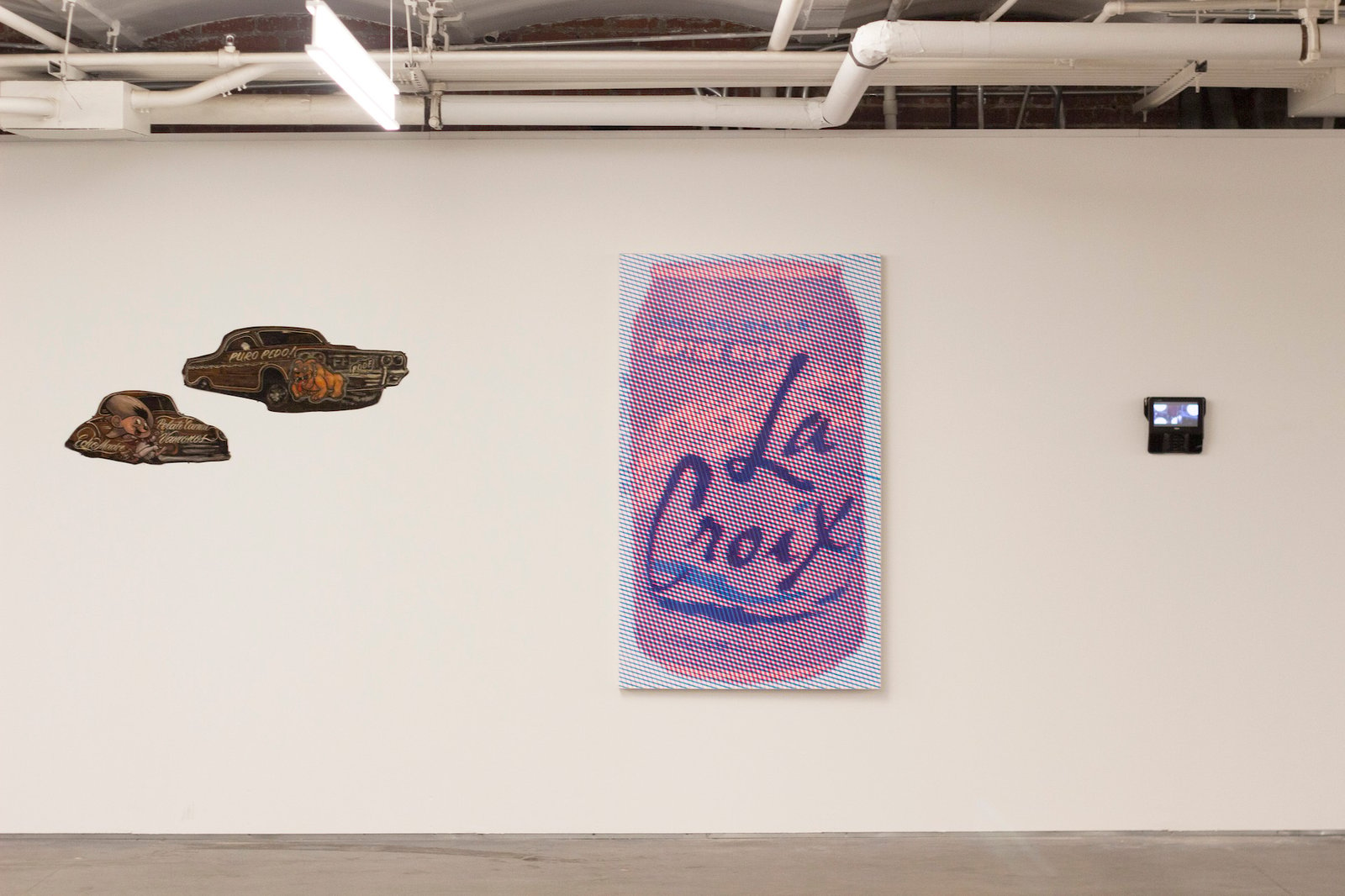
With the arrival of AI applications such as DALL-E and ChatGPT, it was often artists who got to the point most quickly — whether addressing copyright issues from the scraping of the internet or showing how to be an activist engaging with these problems. Then you have examples like Botto, which demonstrated a business case for a DAO [Decentralized Autonomous Organization]. Mario Klingemann, Simon Hudson, and their team showed how something could be self-sustaining rather than purely an academic exercise with foundation grants.
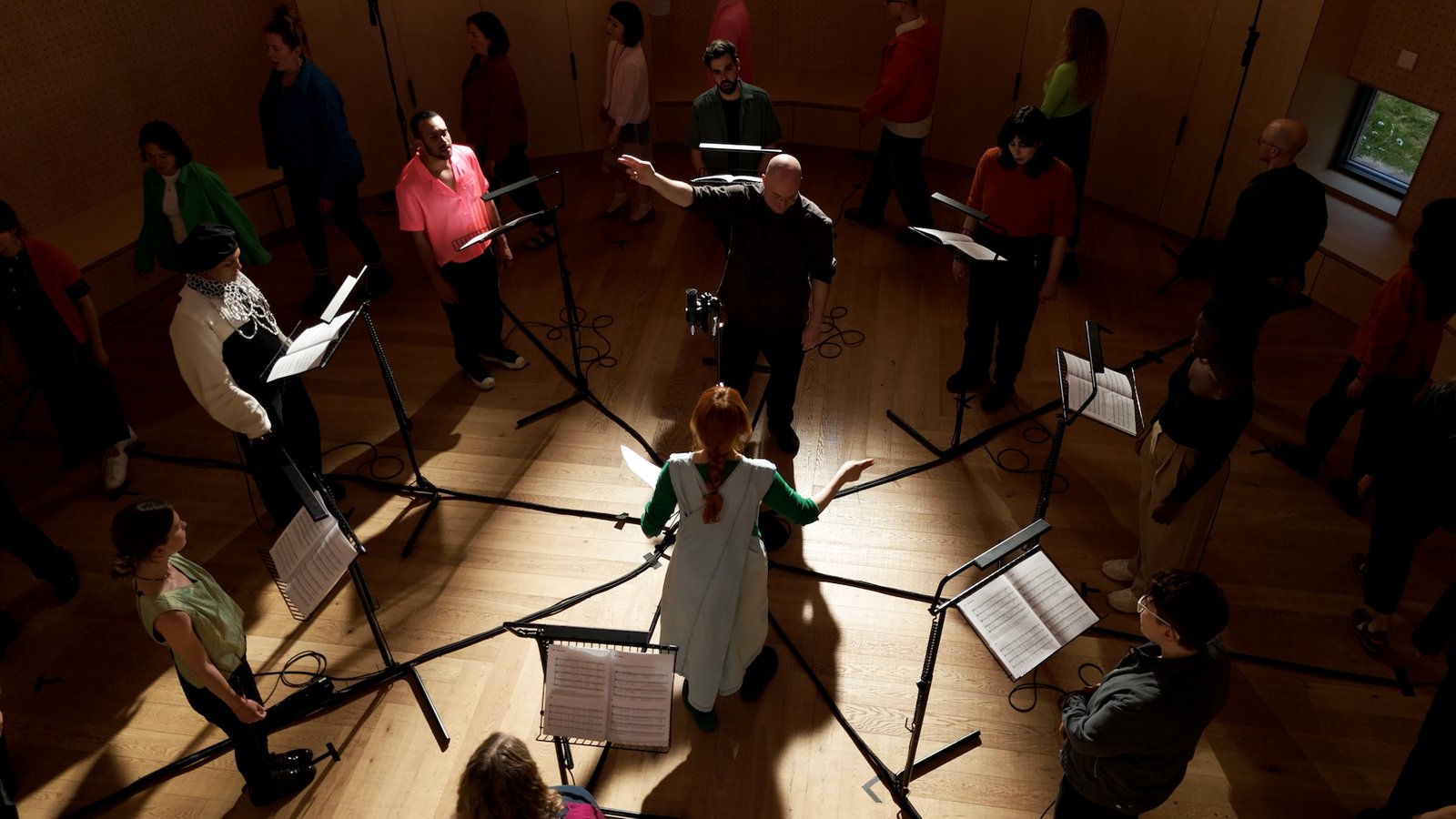
Likewise, Mat Dryhurst and Holly Herndon proved a case for ownership and trust with their project, “The Call” (2024-25) at the Serpentine. They showed how choirs could own data collectively, working out legal and practical frameworks for this to work long-term. These are instances where the art world has demonstrated the future for the rest of society in areas of existential importance: self-governance and ownership of copyright.
These challenges — the future of an economy, the future of democracy, the future of copyright — haven’t gone away. I think it’s part of the duty of a publication to help people understand because it’s very important that people don’t shut down about the challenge of AI but engage with it. (Louis Jebb)
Art can help give cultural relevance to technology and provide a prism through which to understand how to live with some of these very big challenges.
JV: At Frieze London last year, there seemed to be very few digital works on view. Is that a problem of infrastructure — the availability of screens and so on?
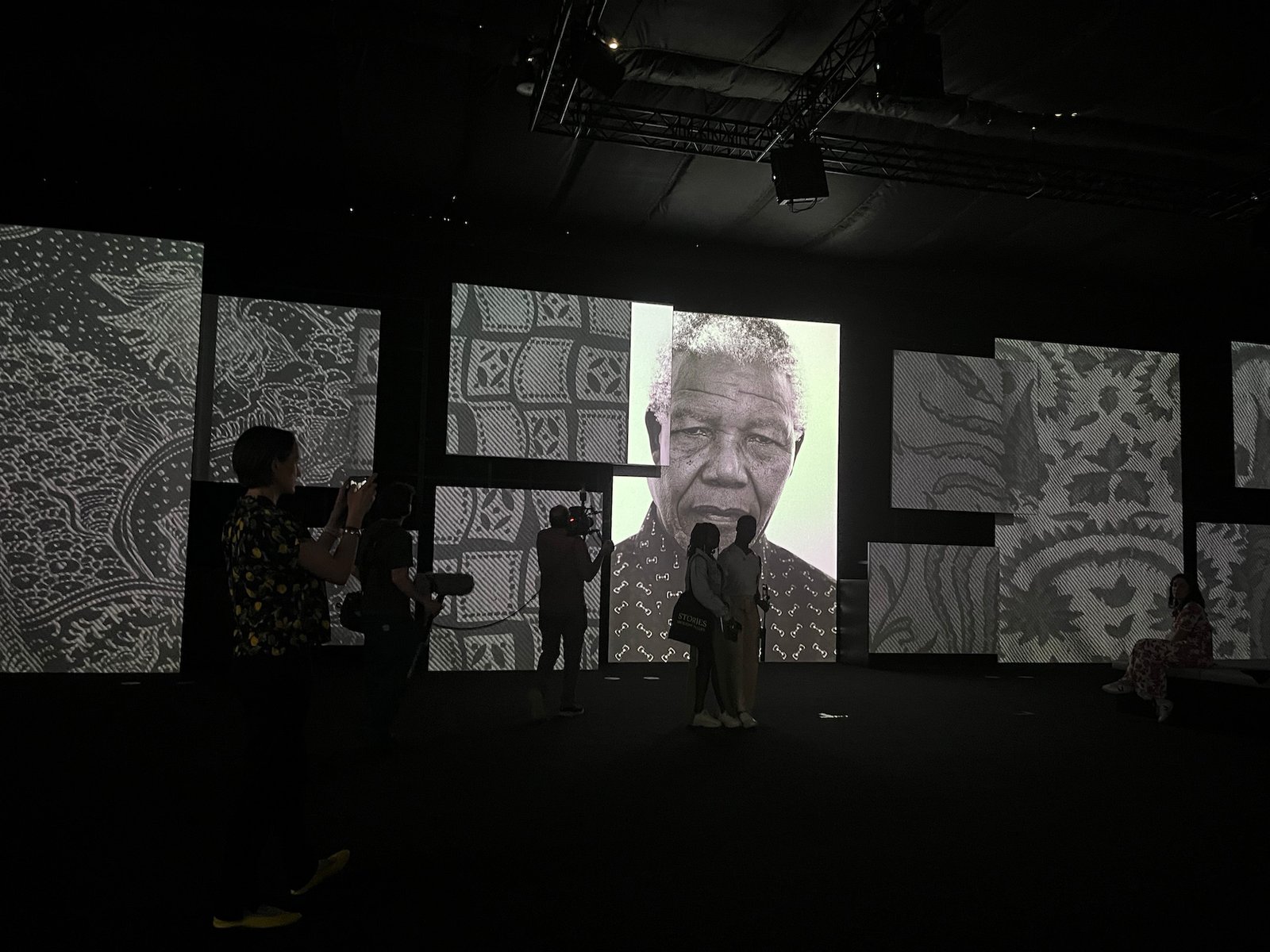
LJ: That is a big challenge. One interesting development has been at institutions like The National Gallery in London. The architect Annabelle Selldorf, while remodeling the Sainsbury Wing, saw the immersive institution Outernet in Tottenham Court Road — which has five sides of super high-definition LEDs where you can walk in and see tremendous digital art shows. Selldorf was struck by how effective this was. To aim for a similar welcome to passers-by at the Sainsbury Wing, the National Gallery created with Samsung an amazing screen visible from the street showing super high-resolution pictures from the gallery’s collection.
The logical next step is having exhibitions of digital art on that screen, and then for them to actually collect digital art. This is an interesting case where the advent of immersive institutions — from The Sphere in Las Vegas to Frameless — has given different lessons to traditional institutions.
At the National Portrait Gallery, they created [with Frameless Creative] one of the great immersive experiences I’ve encountered [“Stories—Brought to Life”, Salford Quays, Manchester, 2025], telling 200-second narratives based on their collection, and using multiple screens. These institutions learned from advances in tech that artists had already engaged with. They didn’t have to build their own immersive spaces — they learned by watching what happened in the commercial immersive sector.
AE: I know that sometimes when people talk about technologies such as NFTs, blockchain, or generative AI, it is alienating. But what artists are often doing when they involve these technologies is modelling alternative cultural economies, mindful of the cultural value that they are injecting into society.
We’ve published 363 texts since we launched in 2022, and in recent articles we’ve considered AI agents that circulate the value they produce for the benefit of their communities. These AI agents are creating as well as earning royalties for the people who invest in them.
This is a very similar conversation to the one we were having about blockchain and NFTs: How can we foster a fairer and more inclusive cultural economy that reflects the digital condition and more-than-human relations rather than the analog ways of the past? (Alex Estorick)
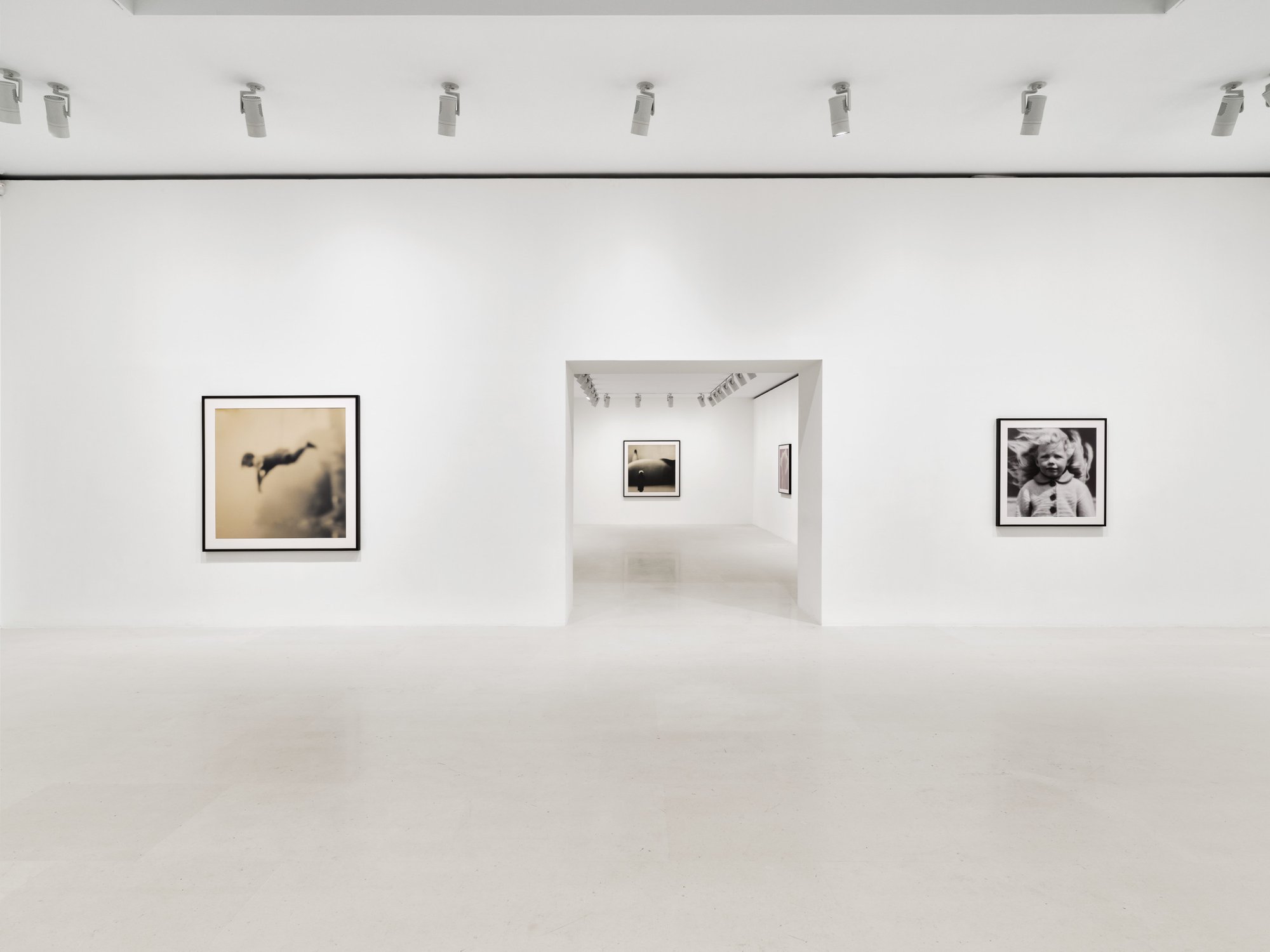
JV: In the decline of the traditional gallery platform, one concern has always been the exploitation of artists and lack of transparency from galleries. How do you see the relationship between digital artists and galleries evolving?
AE: I can’t speak for individual artists, but one useful consequence of the NFT boom was that it clarified those forms of mediation that actually add value. The Web3 ethos was to disintermediate the art world, to allow artists who previously hadn’t received gallery representation to sell things for themselves, but much of the work being done by curators and platforms in Web3 has been to develop public awareness of the long histories of computational art.
Sofia Garcia of ARTXCODE knows precisely what artists need — especially digital and generative artists who appreciate the greater agency that a blockchain-based market affords. Many artists didn’t like their work being dropped into an open sea where anything goes, without curation or critical discussion to differentiate one work from another. Curators and galleries are part of the infrastructure that allows cultural value to germinate and resonate with different publics; they also support artists in building careers over the long-term.
At the same time, Right Click Save, will continue to uphold a vision of a more horizontal, affordable, and inclusive art world because that is our DNA. (Alex Estorick)
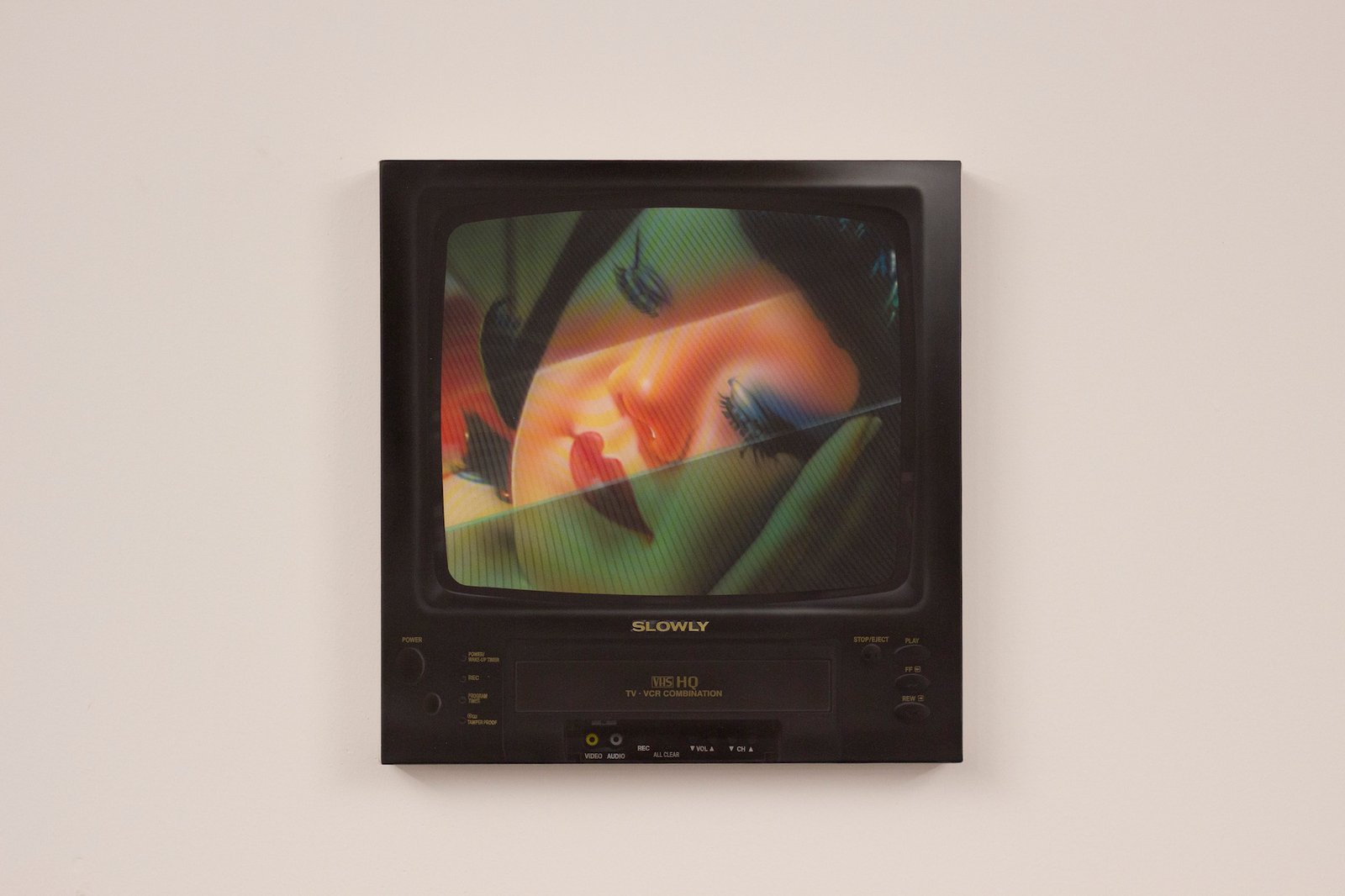
Right now, there are competing models — a legacy market that supports a particular set of practices and an economic model from which many less commercially-minded artists are excluded, and a new set of behaviors that have emerged on the blockchain. These different communities have still not fully come together. What the team at ARTXCODE understands is that certain habits from the mainstream contemporary art world do work in a Web3 context, even while Web3 artists have come to expect certain privileges they may not once have received in the mainstream art world.
Galleries may not be able to justify a 50% commission these days. On the other hand, the age of a minimum 10% resale royalty for artists — one of the principal benefits of smart contracts — is no longer enforced by many NFT marketplaces. Right now, artists are working in hybrid ways, and we’re seeing behavioral traits from both economies being woven together. That’s an inexact science and we haven’t witnessed the ideal solution yet, but Right Click Save is trying to make sense of the emerging infrastructure.
LJ: When Christie’s shut down its digital art team, the positive angle was that it was an admission that digital art is contemporary art and has been for a very long time. There’s no need to separate them anymore. I see that as encouraging the removal of unnecessary silos.
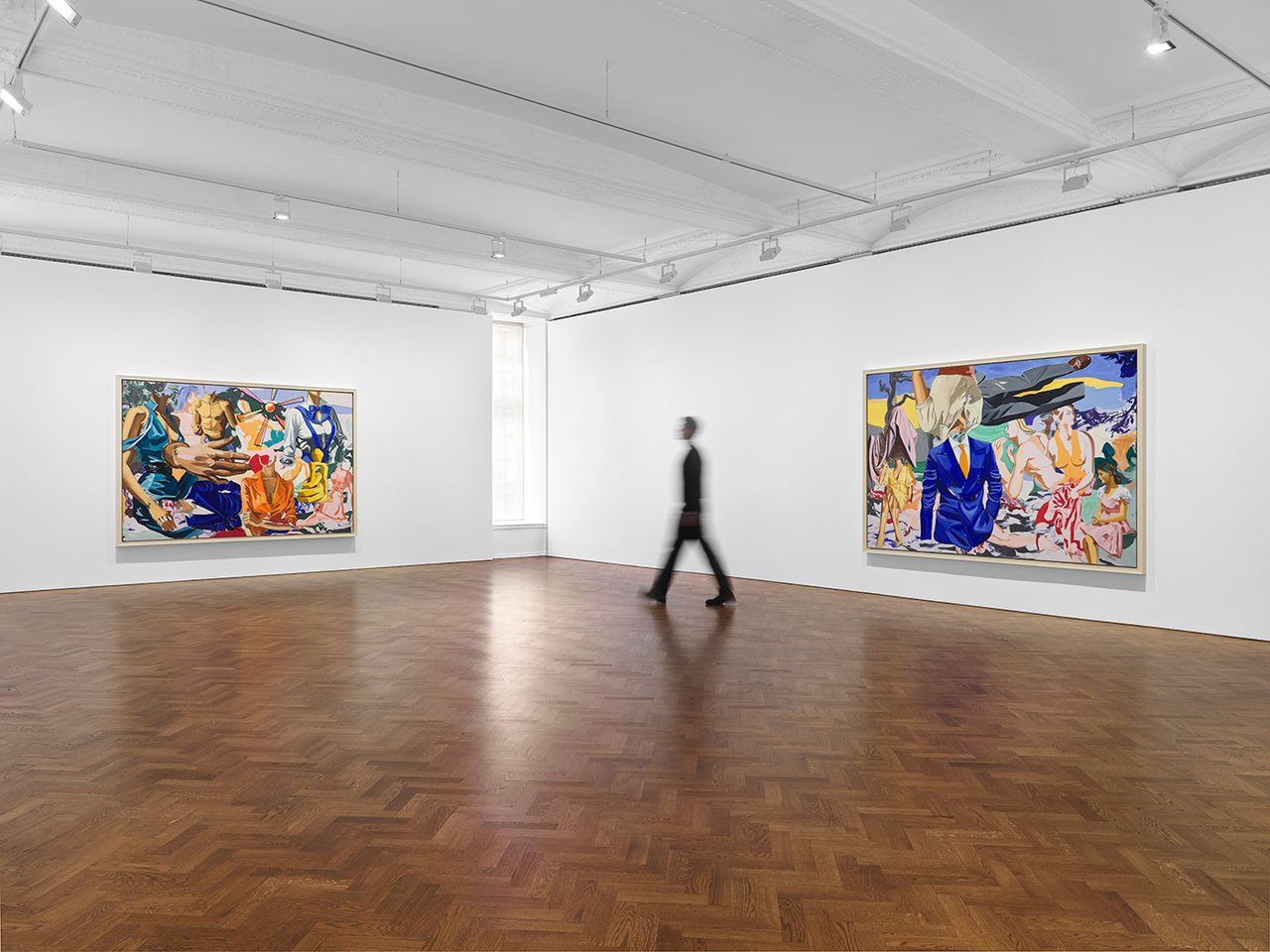
One thing the big art galleries are increasingly realizing is that there’s a good story behind having their established artists engaging with trendy fields and using the term “artificial intelligence” with established stars. That gets coverage, sells pictures, and gets people into the gallery. I’ve covered stories recently about David Salle training up a model with an engineer, shown at Thaddaeus Ropac, and Bennett Miller working with Sam Altman on a very early AI model, shown at Gagosian.
These mega galleries are operating in a rarefied world, but it’s something to take note of. (Louis Jebb)
JV: What innovations are you excited about in the gallery sector?
LJ: There are already some specialist galleries who are open to new horizons — Fellowship, Verse, and Unit in London immediately come to mind. They’ve been changing the cadence at which they show things, which is one advantage of being online. The cost and time of putting up and taking down a conventional physical exhibition is one of the great learnings from Web3 and blockchain, which removed so much of the overheads of physical interaction. Meanwhile, Botto is a decentralized community that has sustained itself and managed to expand into having a complete exhibition and auction at Sotheby’s. It has bridged successfully.
Fellowship can introduce artists, put on a show, do a release, and then move on. It’s an awful lot of work, but it’s fascinating because they’re able to show a huge number of artists, so there’s always something interesting coming along. Sensibly, they use podcasting and social media to drive elevated discussions around their artists. That’s a learning for legacy players if they want to join that conversation.
These galleries started in a post-hype world, which is very interesting because that is when you see the reality of this new cultural economy. (Louis Jebb)

Hype can be quite dangerous because it obscures reality. I was in the VR bubble back in 2014-15. We thought it was going to change the world, and it wasn’t. You get caught up in the hype cycle. I had a start-up trying to convince media companies that if they made content in 360 video, it would change their business model. It was never going to.
The interesting things happening now aren’t just cool and cutting-edge but feasible and sustainable financially. That’s what creates an interesting new cultural economy. It’s a lot of work, and it’s not only about first-mover advantage. Timing is important, but you’ve also got to be able to execute and have a model that sustains itself. You can’t rely on grants and injections or the deleterious effect of the Silicon Valley startup model where there’s basically no revenue for years but you’re worth several billion pounds.
The things that are working are things that make people feel welcome. (Louis Jebb)
The secret is telling people: “This is for you.” Looking at institutions, the big screen seen through the door means a first-time visitor comes into the gallery. When you’re showing something or publishing something, how do you indicate to somebody that it is for them? That’s a massive secret. The people who are succeeding in the art market are the people who say: “This market is for you.”
There’s been a lot of coverage recently about the boom in new editions of prints. Why was this working? It’s because the new generation saw proof of provenance through ownership, which they weren’t getting in the wider art market. They trusted the people making these editions, and they could see a full passport for the print. People are thinking about how to align with people’s lifestyles.
JV: What advice would you give to young programmers, coders, or people in the arts landscape?
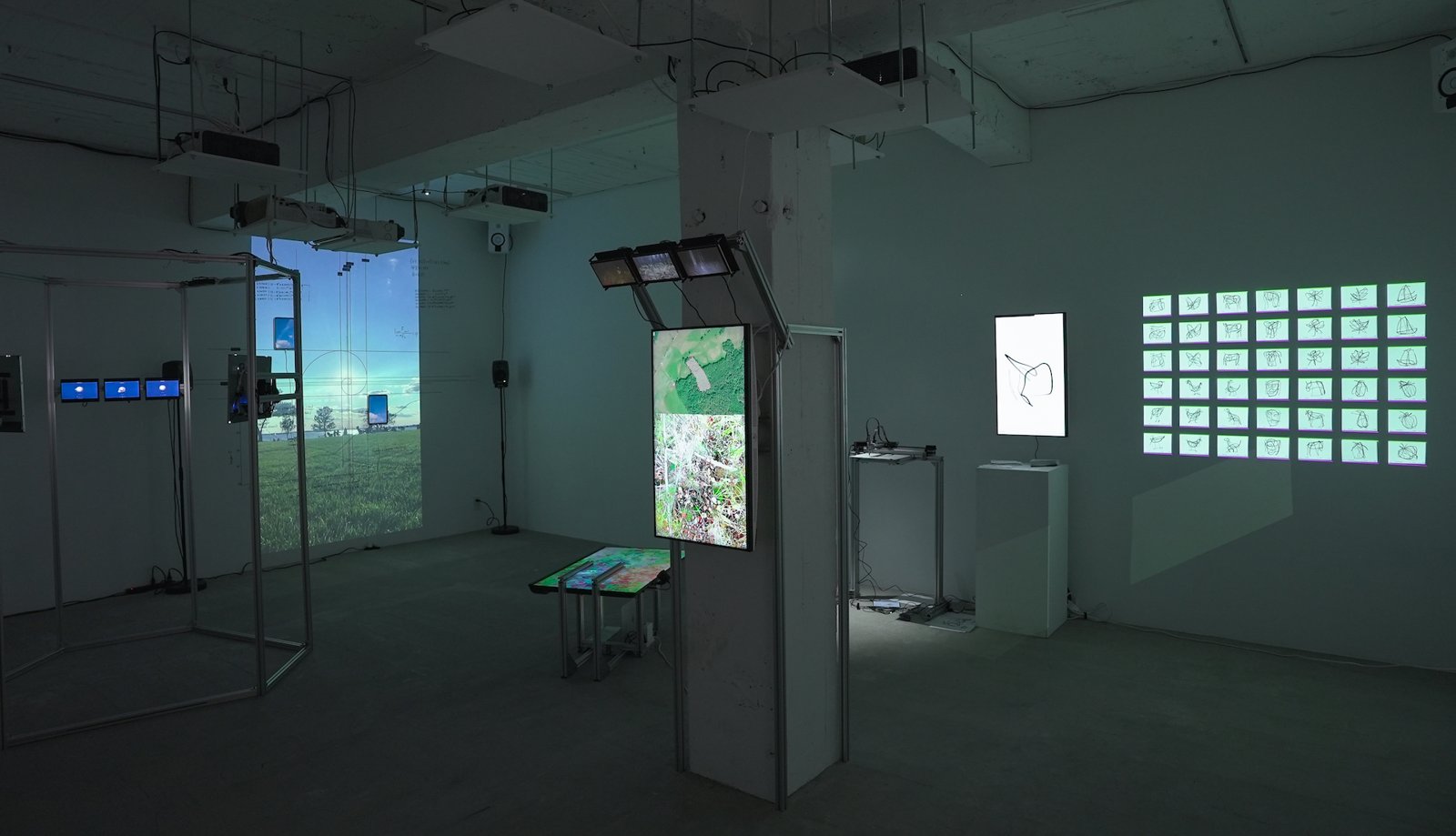
AE: At Goldsmiths, where I’m a Visiting Research Fellow, one distinction that Rachel Falconer has helped to establish is that between computational arts and creative technology. The broad difference is that one community uses code to generate an output for an art world, while the other seeks to operate on the systems in the world.
Ultimately, I’m more interested in how creators can impact society than how they can impact the art world. If you adopt a critical approach to emerging technologies, then you’re not only capable of producing innovative visual or conceptual outputs but of recoding the digital systems that shape human subjectivity. That is something I’ve witnessed over the last few years at the magazine; it is something we tried to elucidate in our recent show in Tokyo; and I’m happy that it is being borne out in an educational environment.
At a time when many people are fearful of emerging technologies as vehicles for hegemonic political and knowledge regimes, students are not only thinking about software as an art form — they’re thinking about it as a way of reprogramming socio-technical systems towards less exploitative and extractive operations. (Alex Estorick)
That is the most inspiring thing I’ve witnessed in recent years: the capacity for creative coders to impact the world, not only the art world.
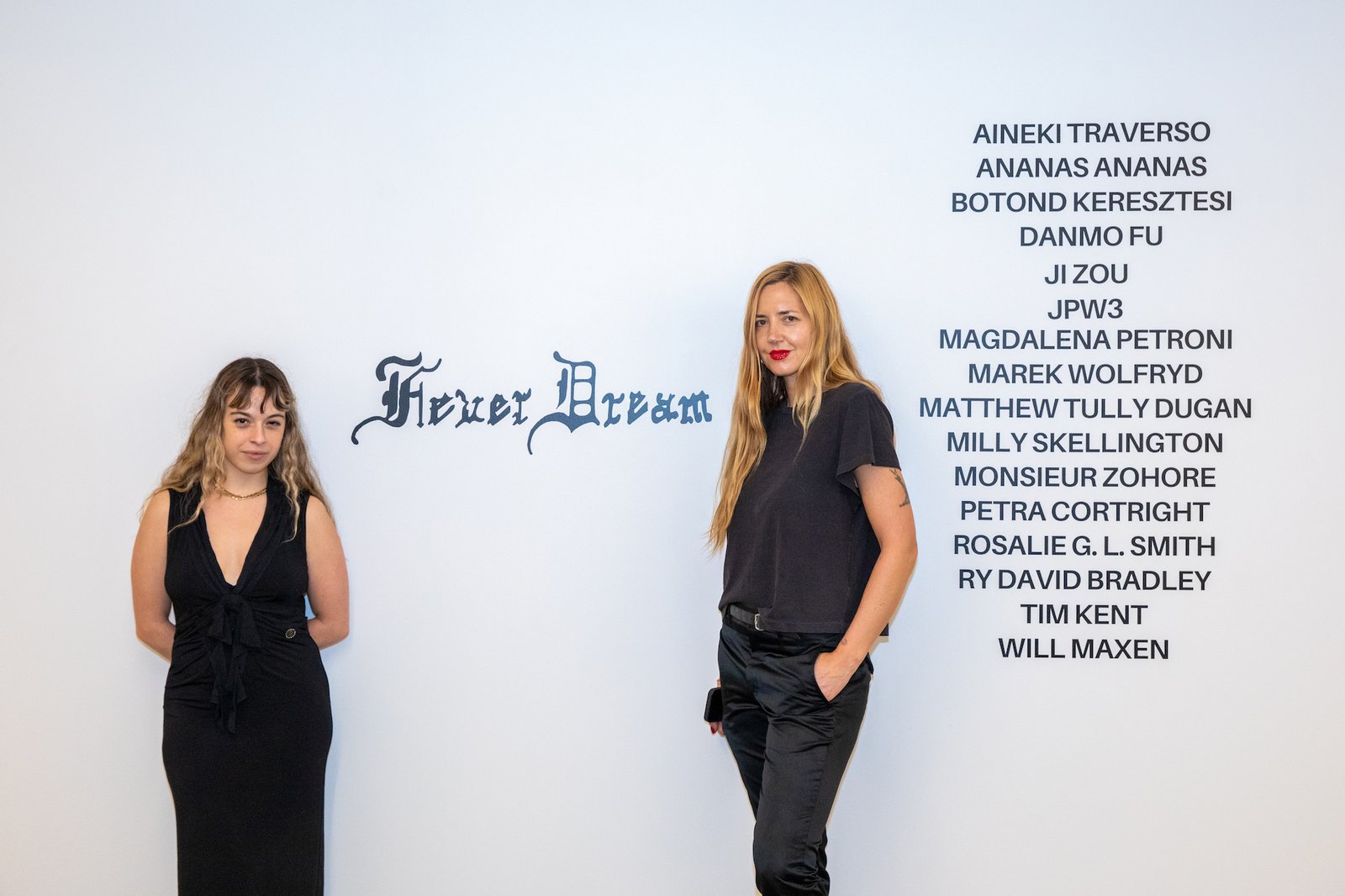
JV: I think that people get confused because they’re thinking so much about the market. You might read in the news that September was depressing, but then you actually talk to people who’ve had amazing conversations. It’s important to consider how news channels affect your practice, but also to step back and think about the creative approach because the way that artists’ careers get categorized can be restrictive.
When galleries respond to a soft market by releasing a bunch of small artworks, they’re not really thinking about what the world needs or what their audience needs; they’re thinking of sales. That can come off as disingenuous and unsustainable. But creativity is a problem-solver that establishes different outlooks and forms of delivery. (Julianna Vezzetti)
AE: That reminds me of something the artist Simon Denny said recently. In his view, even if his work impacts the world through its consideration of technology, it can be overly programmatic to use software for a specified end. As an artist, he’s playing with technology in a speculative way. If it has social after-effects or aftershocks, that’s great — that’s one of the powers of art. But it’s important to stress that there are artists who don’t believe that their role is to reprogram society. Their role is to produce speculations on emerging technology for an art world and see what happens.
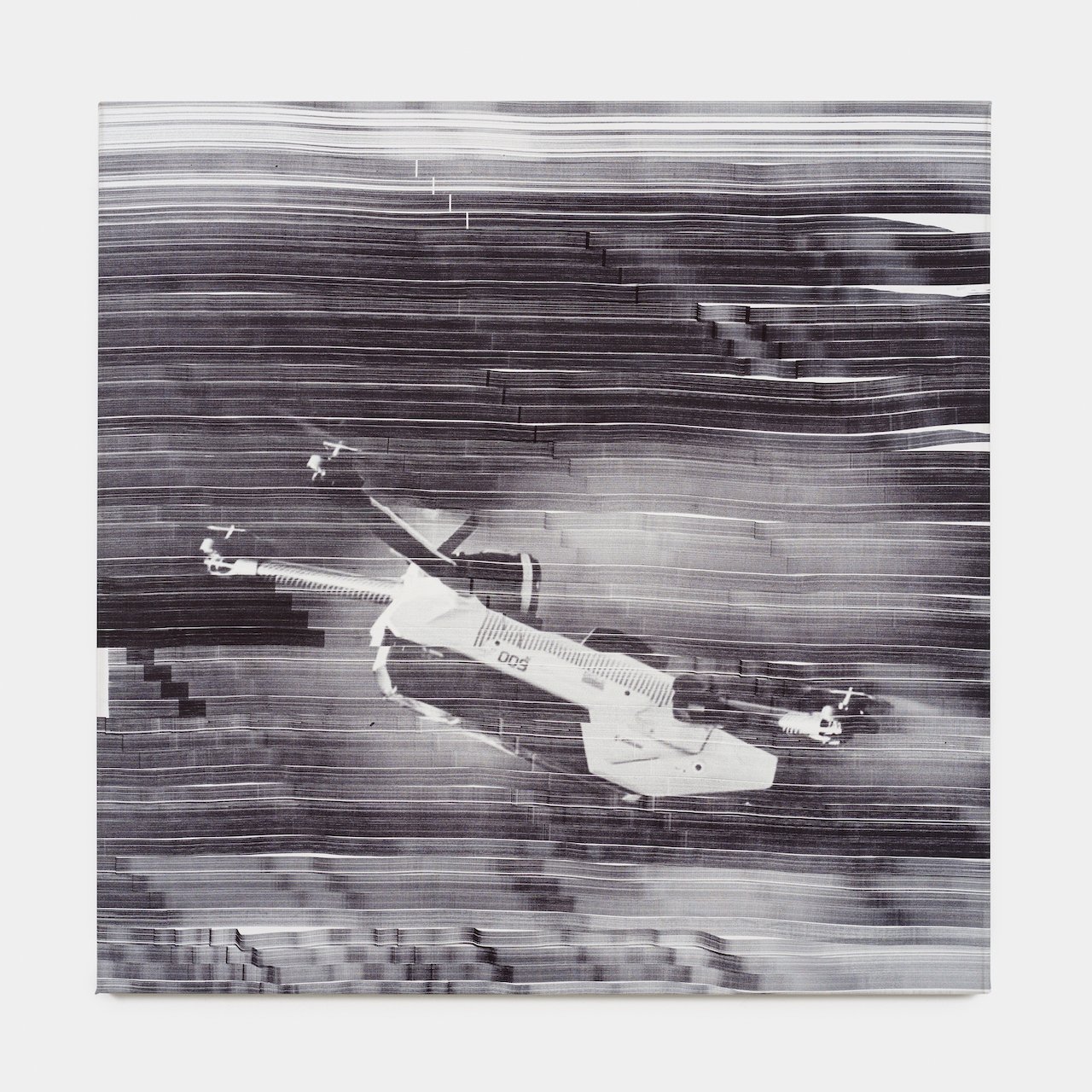
As a media theorist, I try to think in non-art terms, and I would prefer to use creative coding to impact the world directly. That being said, certain disruptive or speculative gestures can survive and resonate within an art-world context in a way that they would not in a “real-world” context where that gesture might be masked, subverted, or required to scale. I vividly recall moderating a panel at Art Basel last year at a time when it felt like the only safe space available to talk about issues relating to politics and technology was in the art world.
Taking a programmatic approach isn’t necessarily something artists feel inclined toward, and I don’t think that they should feel obliged to. On the other hand, I support a vision of creative technology where engineers go to work directly on the technosocial fabric. Hearing from Simon Denny about the different approaches that an artist might take versus a creative technologist made me realize that there are different positionalities, and that the same literacy or competency can be channelled in different directions. We’re clearly dealing with a hybrid age of creativity.
Alex Estorick is the Founding Editor of Right Click Save. He is also a Visiting Research Fellow in the Department of Computing at Goldsmiths, University of London. He writes for various publications, from Artforum to the Financial Times, and was lead author of the first aesthetics of crypto art. His edited volume, Right Click Save: The New Digital Art Community (2024), is published by Vetro Editions. In 2025, he was included in the Monopol Top 100, a list of the most important people in the art world.
Louis Jebb is Managing Editor at Right Click Save. He was formerly Co-editor and Managing Editor at The Art Newspaper, where he developed the title’s coverage of art made with technology. His background is in news journalism, for titles including The Spectator and The Independent, and in consulting for media organizations. In 2014, he launched a start-up that developed formats for news and entertainment coverage in virtual reality.
Julianna Vezzetti is a curator, cultural strategist, and the founder of Studio Underground, a multidisciplinary gallery platform focused on creating new ways for artists to connect with their communities. Her work centers on building thoughtful, accessible frameworks that support artists while encouraging collaboration, experimentation, and long-term growth. Alongside its physical programming, Studio Underground runs SENDNUDES, a digital broadcast initiative that offers a direct and intimate channel between artists and audiences. Vezzetti’s practice bridges physical and digital spaces to strengthen cultural communities and foster meaningful, sustainable artistic exchange. She is also a global contributor to Right Click Save.
No comments yet. Be the first to share your thoughts.
Mentioned in this article
People: Alex Estorick, Julianna Vezzetti, Louis Jebb, Bennett Miller, Botto, Holly Herndon, Mat Dryhurst, Simon Denny|Events: Collegial Currents|Organizations: Right Click Save|