Swirls of Fortune | The Art of Clowns
Lene Vollhardt’s film tells how working with circus performers has inspired the art collective The Sphere
Lene Vollhardt’s film tells how working with circus performers has inspired the art collective The Sphere
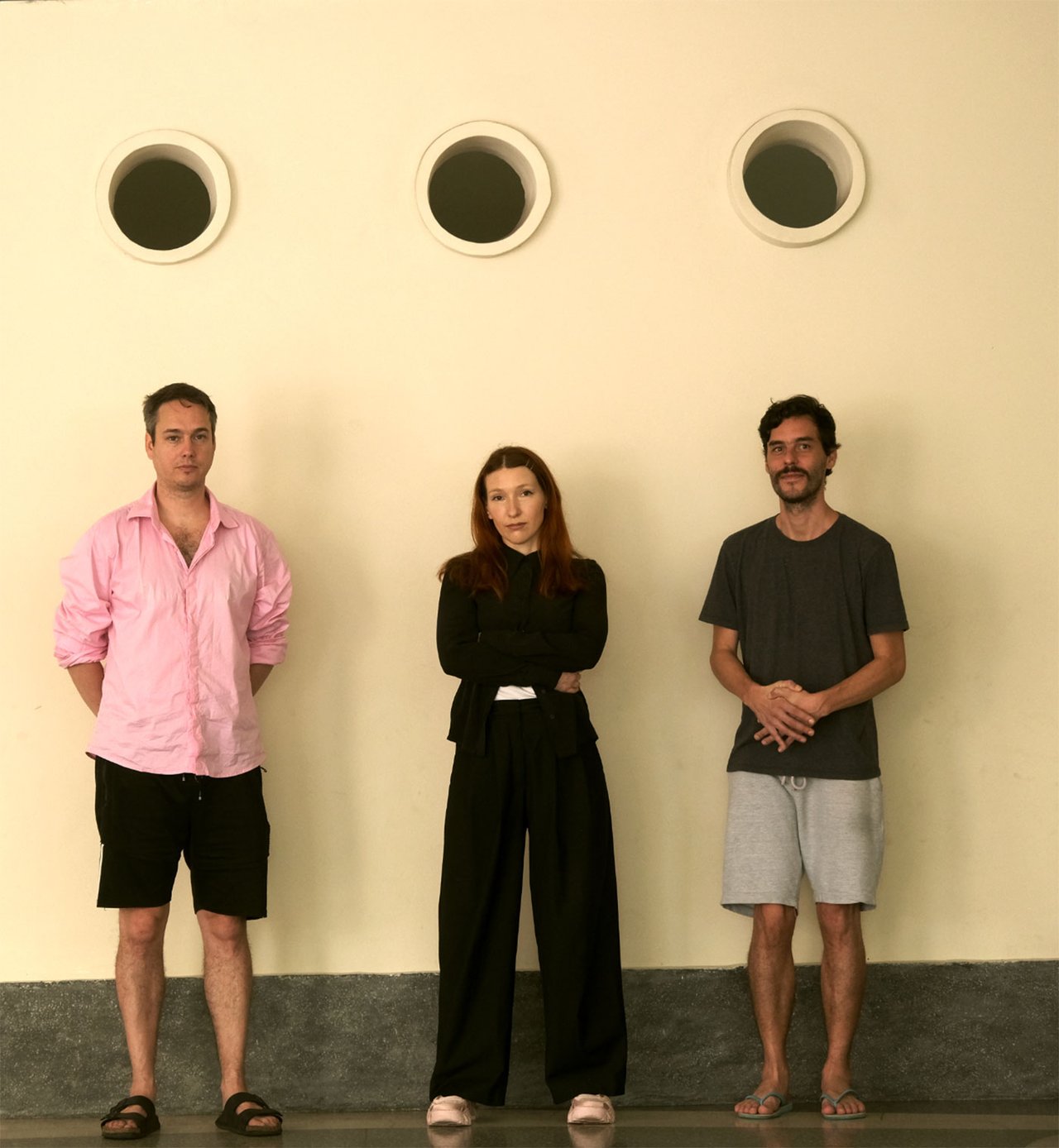
The Sphere is an art collective with a radical intent: to reimagine what a decentralized art organization can be, collectively governed and communally owned. It was co-founded in 2018 by the media theorist Erik Bordeleau, then a researcher with the Economic Space Agency (ECSA), a group dedicated to developing new economic ecologies, and Saloranta & DeVylder, a Swedish circus company. Lene Vollhardt, a performance and moving-image artist who had been exploring the choreographic relationship between bodies, code, and more-than-human assemblages through scores, instructions, and live art, joined shortly after. In 2021 they were joined by Pedro Victor Brandão, an artist, developer and academic with deep roots in the crypto art ecosystem.
From 2022, Bordeleau, Vollhardt and Brandão became co-directors of The Sphere, combining their experience in economic and political theory, Web3 systems and performance art to explore and develop new means, or “ecologies”, of funding and co-ownership for the performing arts. The focus of their research study was to bring clowns and other circus performers into contact with the world of Web3 and the crypto community’s faith in principles of distributed networks and ownership. To devise new rules, or protocols, from that interaction that might serve, Vollhardt says, as “prototypes for social interaction” in the future.
In the process, The Sphere has developed a form of what has become known as protocol art, where the rules and systems developed are as important as, or more important than, the work itself.
This purpose aligns The Sphere’s work with contemporaneous explorations of democracy and collective ownership such as BottoDAO and its governance of the autonomous AI artist Botto, in operation since 2021; or Mat Dryhurst and Holly Herndon’s The Call, an experiment in collective ownership of choral datasets through a data trust which required the development of new legal structures developed in partnership with the Arts Technologies team at Serpentine Galleries, London, in 2024-25.
The Sphere developed as a Distributed Autonomous Organization (DAO) after receiving research funding from Creative Europe, the European Commission's flagship programme to support the arts. They came to work with the Arts Technologies team at Serpentine, and RadicalxChange, a non-profit foundation that supports research into democratic innovation. In a 2024 residency in Rio de Janeiro, supported by a grant from RadicalxChange and Serpentine to encourage study of the role of art and culture in reconfiguring the concept of ownership, the Sphere developed its Anarchiving Game. This decentralized application, designed for the collective discovery of economic value, was presented at RadicalxChange’s San Francisco gathering in March 2025.
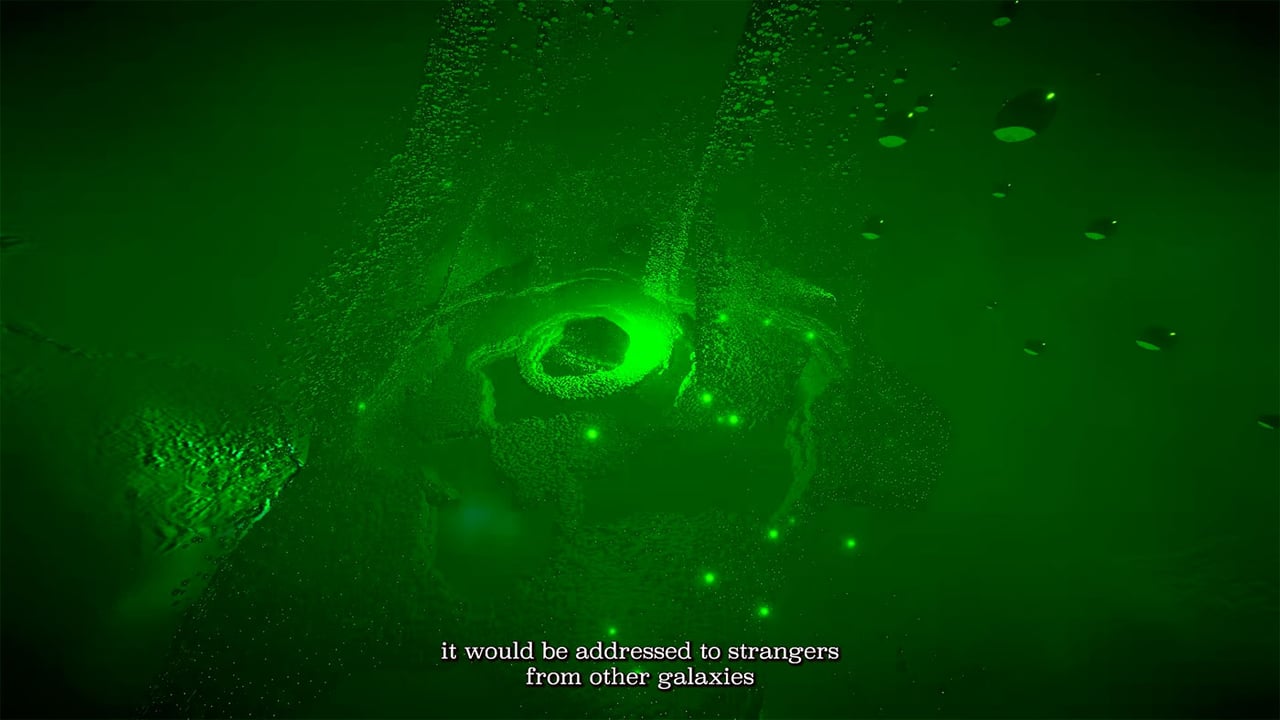
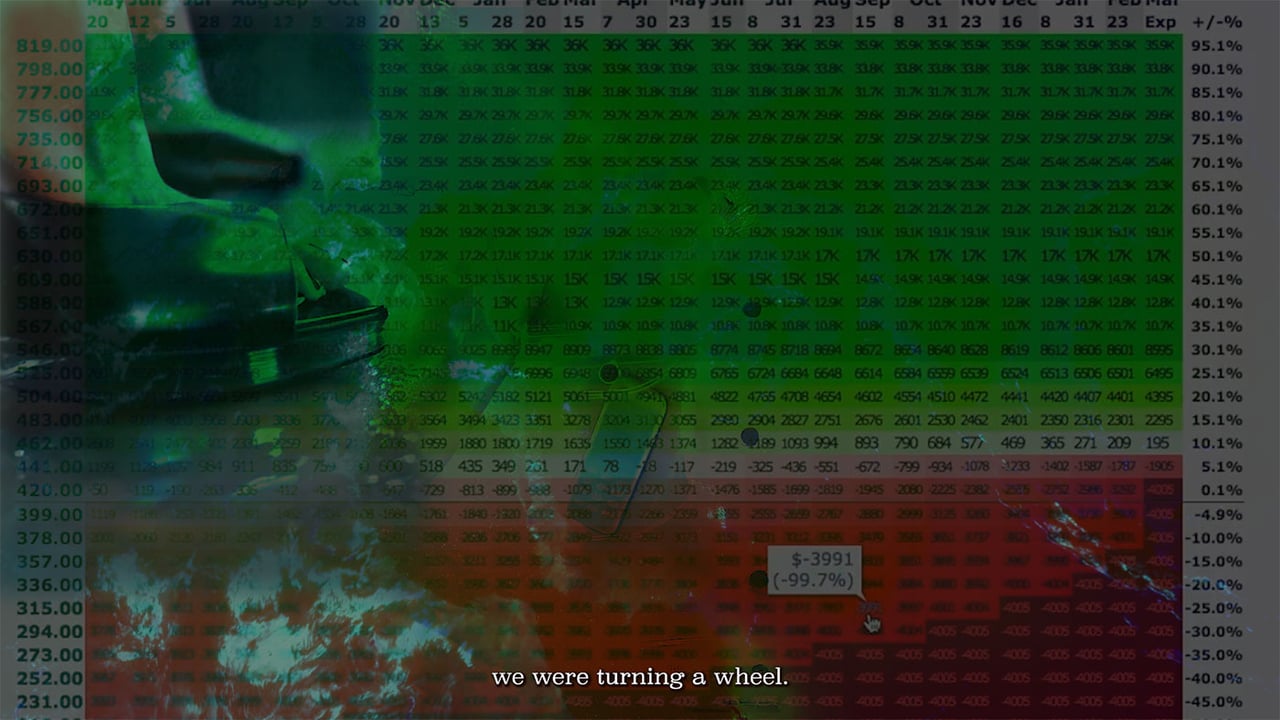
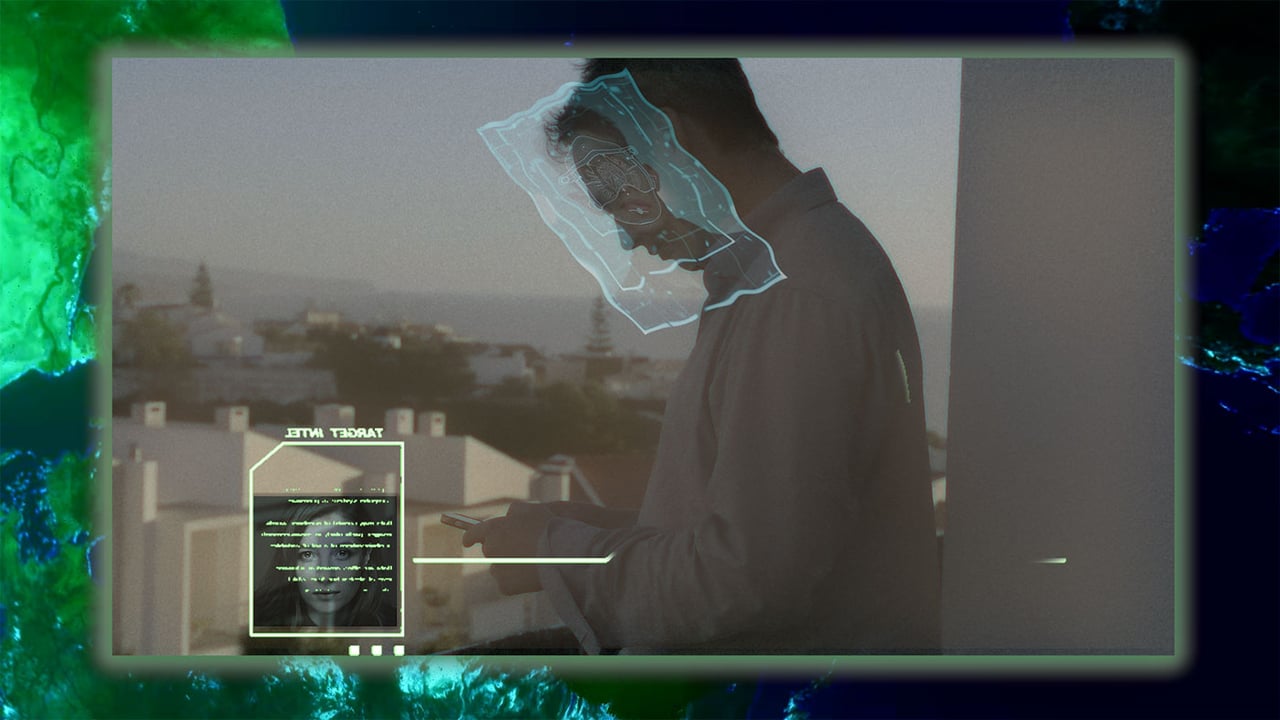
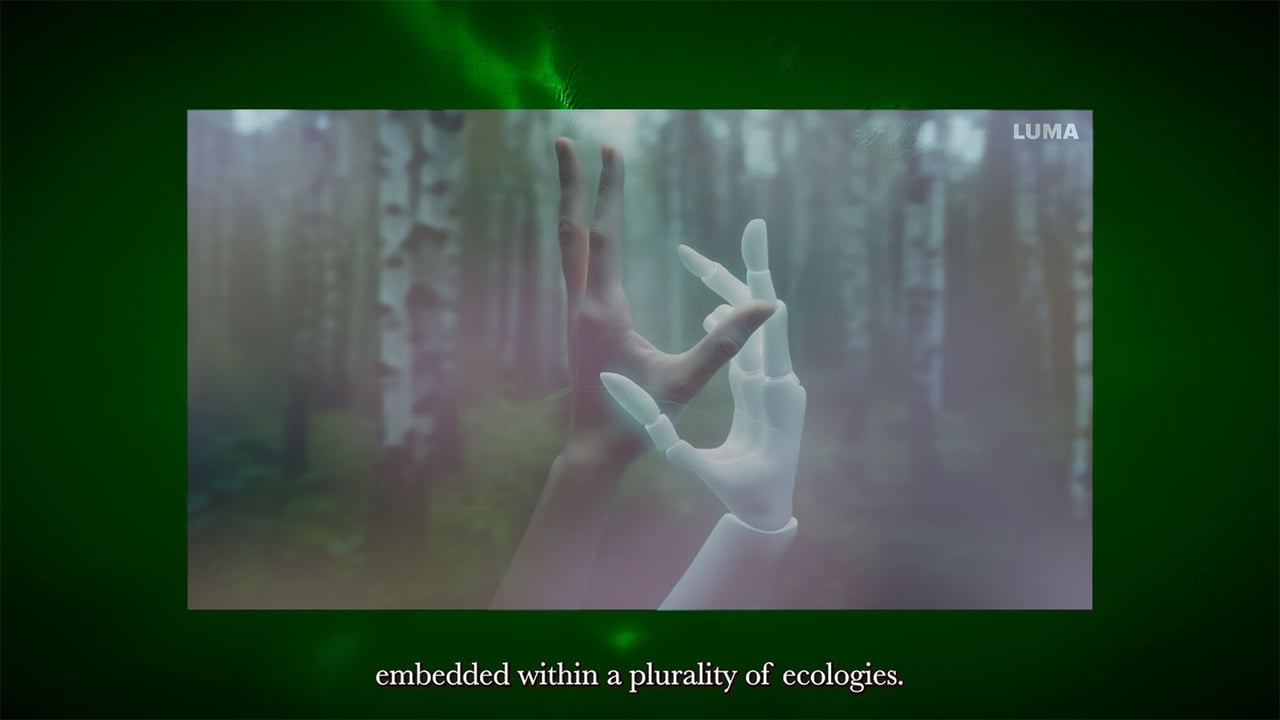
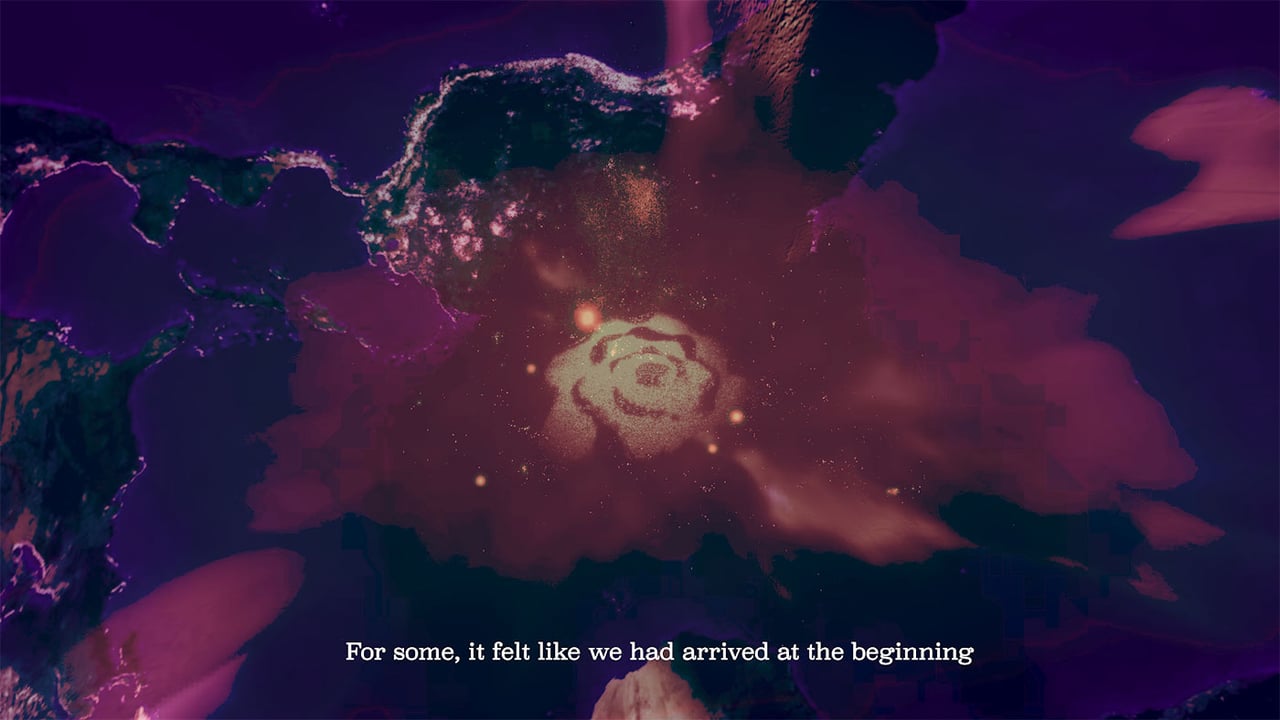
Vollhardt has now made Swirls of Fortune (2025), a 13-minute speculative short film that channels The Sphere’s journey into what Bordeleau describes as “a series of interconnected vignettes populated by cybernetic clowns, NPC choreographies, financial meltdowns, and electronic dreamscapes where the boundaries between bodies and codes dissolve, revealing new kinetic forms of organizing”.
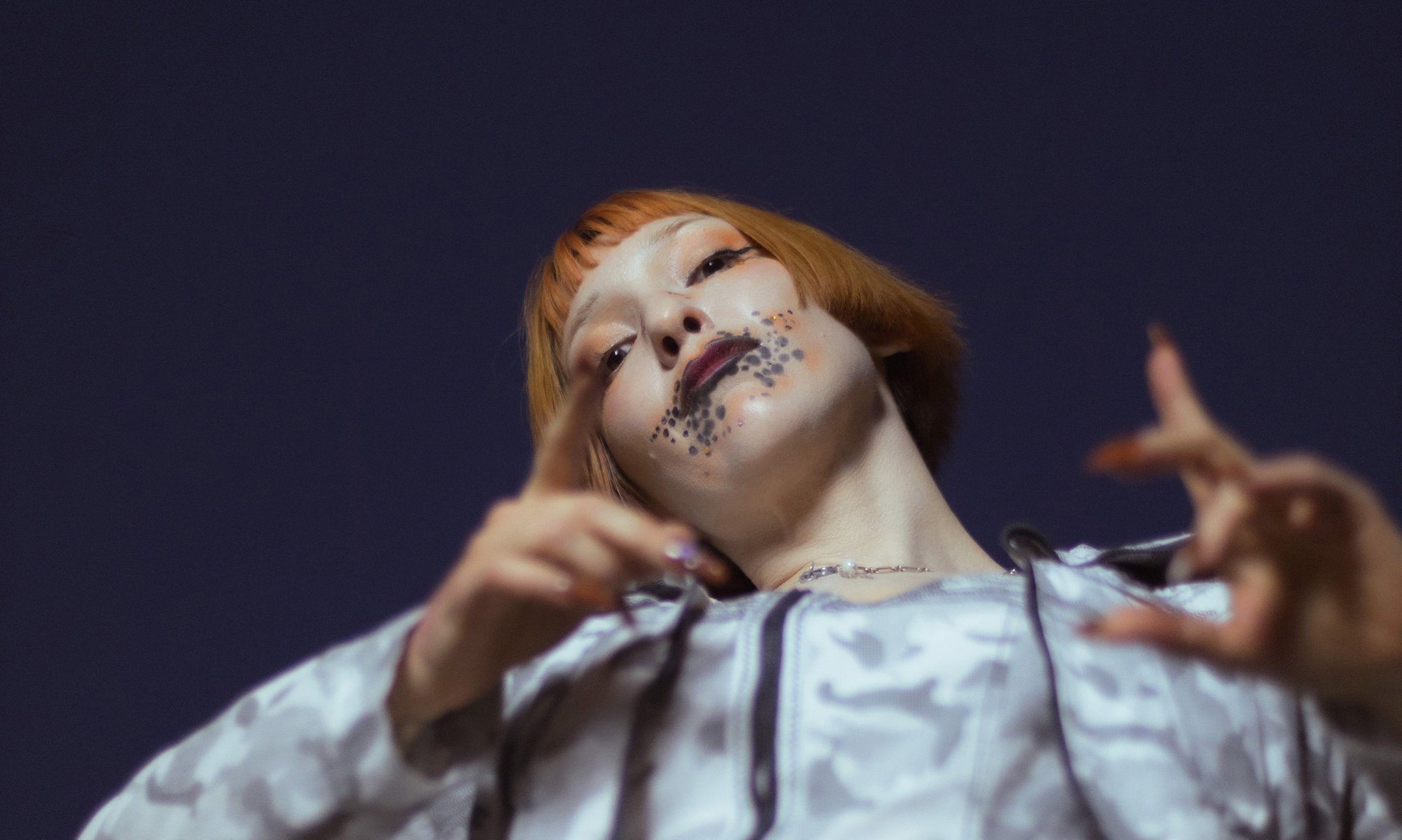
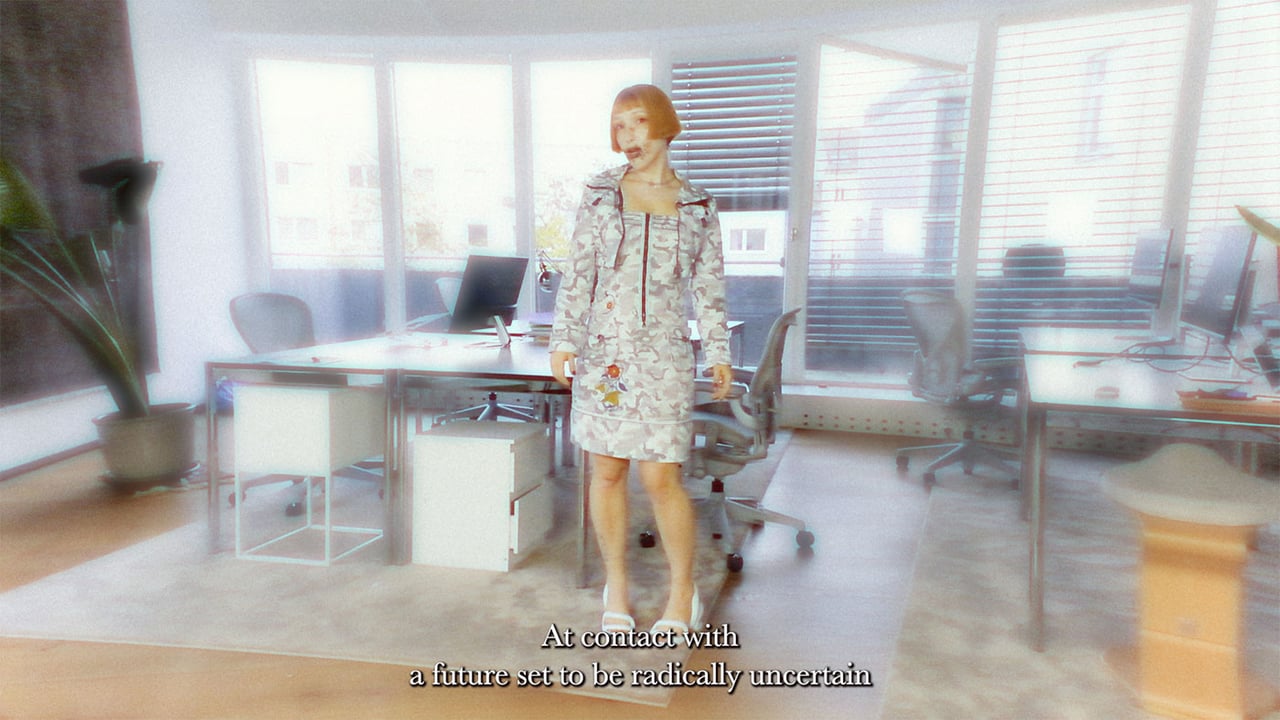
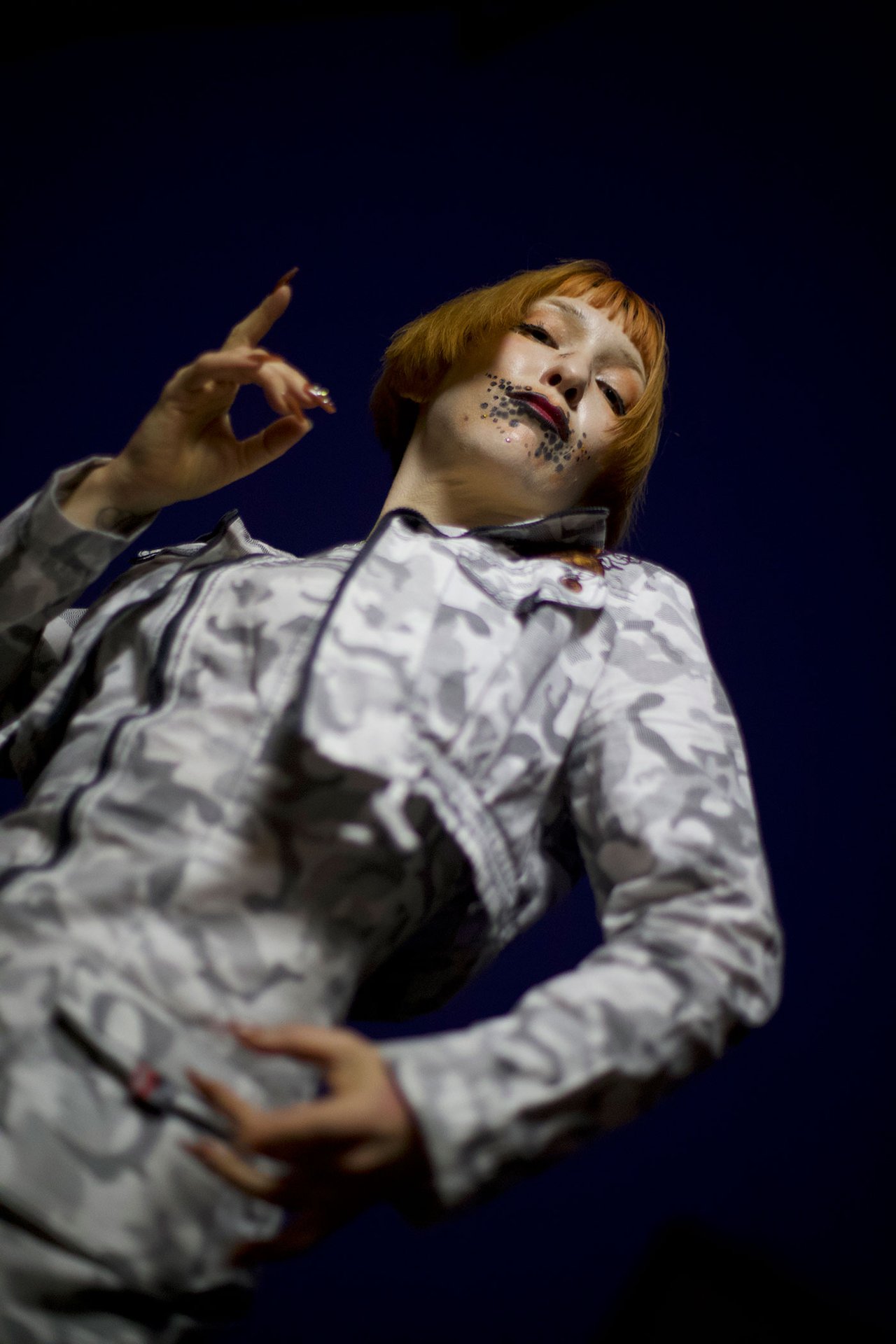
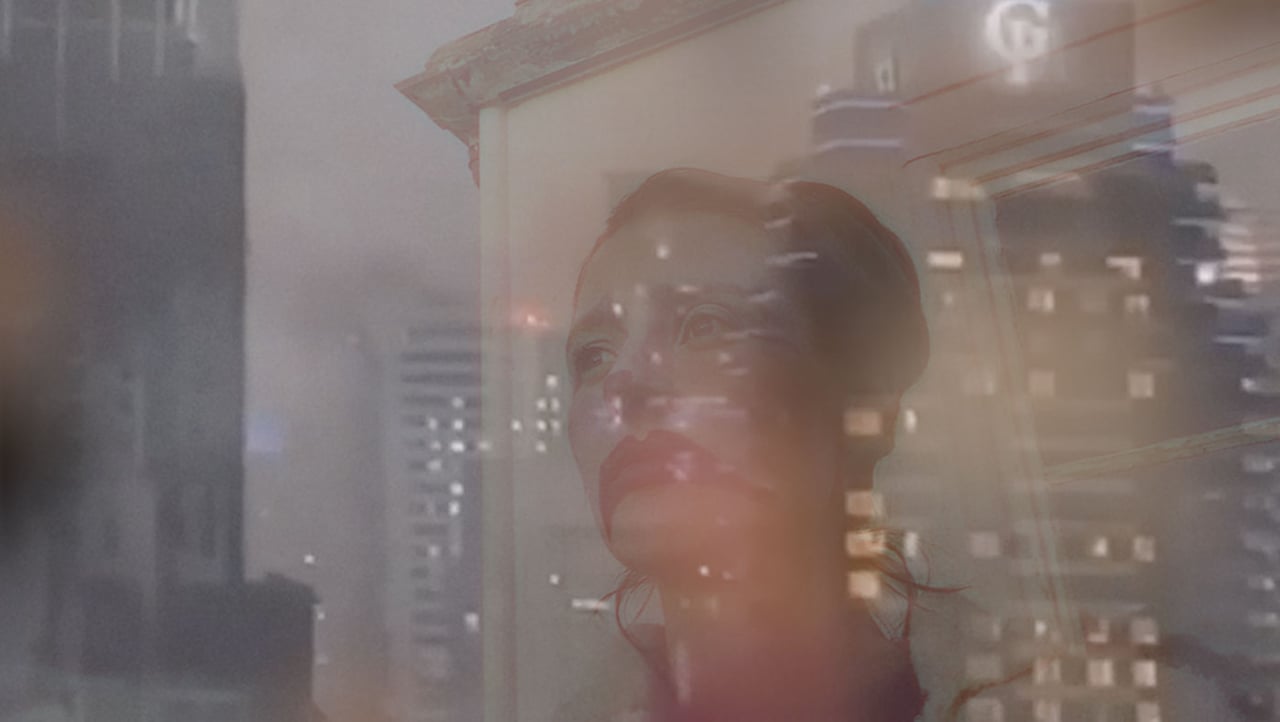
At its center are two figures: Swirl, a trickster “goddexx”, rendered as a spiral entity whose body vibrates to the words it speaks; and the Network Clown, embodied by Vollhardt herself, a contemporary descendent of the commedia dell’arte character Pierrot, the melancholic white-faced fool perpetually out of sync with the mechanical world.
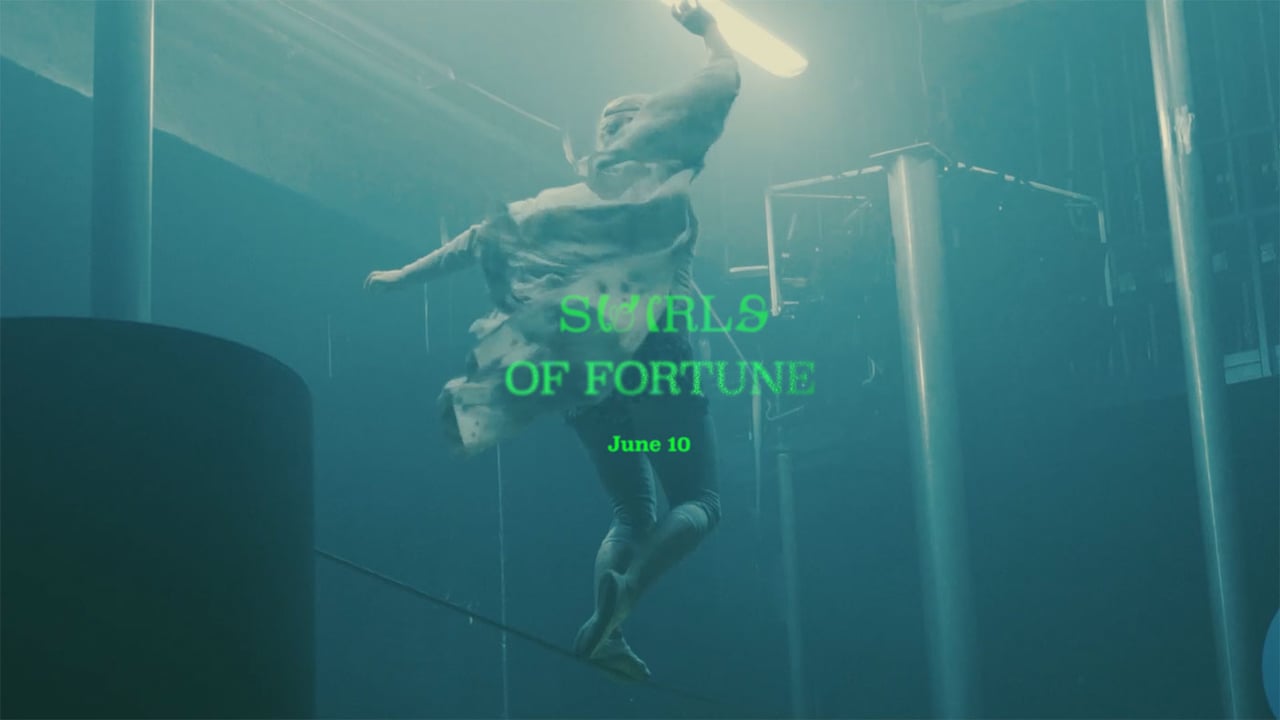
Where the historical Pierrot was analog emotion against industrial modernity, the Network Clown is embodied feeling trapped inside gamified finance: moving mechanically, mouth darkened, gestures reprogrammed by algorithmic logic, at once surveilled by and collaborating with the dominant system, while quietly building resilient structures underneath.
Around them move circus clowns and computer-game-like non-playing characters in what Bordeleau describes as “productive tension” between “automation and agency, programmed behavior and emergent improvisation”.
Swirls of Fortune went on public release in February 2026 after receiving showings at a blockchain conference, Funding The Commons, in Berlin in summer 2025; and then, in December 2025, in Rio de Janeiro at at casa ngira and at the University of the Arts Hamburg (HFBK) at the invitation of the artist Simon Denny. The film has been minted and is streaming on The Sphere’s platform Karmetplace, developed by uint studio, a web development cooperative. It can be viewed and collected alongside the five performance NFTs produced through The Sphere’s Karmic Funding Cycle.
Vollhardt spoke to Right Click Save about Swirls of Fortune, The Sphere, and how the group addresses its professed engagement with the concept of protocol art, where, in an age of machine learning, real power is seen to lie at the level of the protocols, or rules, that govern a creative body.
Louis Jebb: I wondered whether we could start with the genesis story of Swirls of Fortune?
Lene Vollhardt: Swirls of Fortune came into being at the end of the first funding cycle of The Sphere, an organization that explores new systems, or ecologies, for funding live arts, which I run with Erik Bordeleau and Pedro Victor Brandão. The three of us have co-directed The Sphere since 2022, with a Creative Europe research-creation cycle involving groups in eight other countries.
The Sphere generated many research workshops addressing different dimensions and challenges of building an alternative digital ecosystem for collectively funding and producing live art. We also produced two major outputs: the Karmic Funding Cycle, where the volatility, the risks and the possibilities of making art are shared within a network; and the Anarchiving Game, built on top of the blockchain-hyperstructure Zora, designed as a tool for the collective discovery of value that departs from The Sphere’s journey and invites participants to iterate within their own journeys
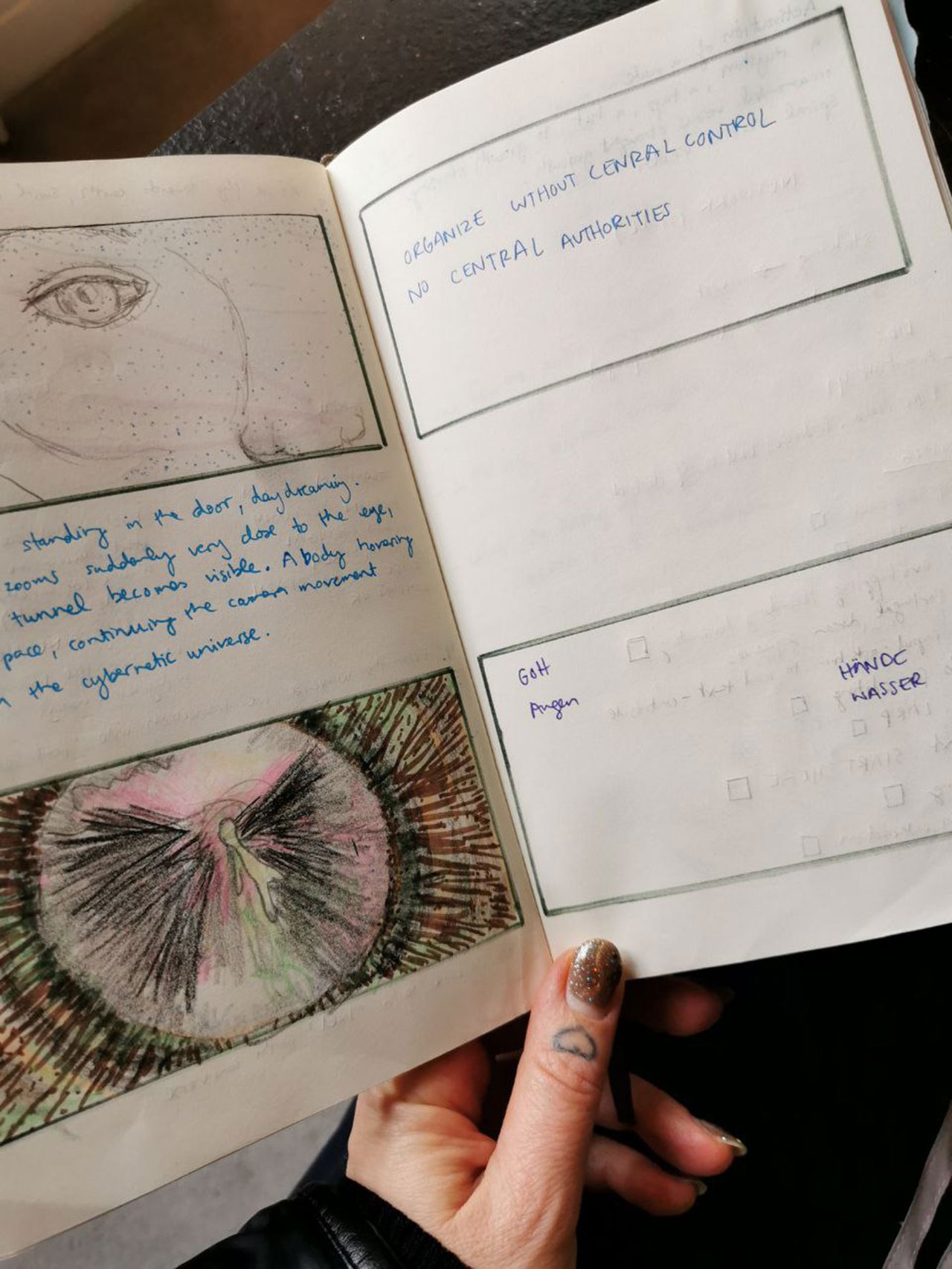
We wanted to collect our story, to create a decentralized memory of our own development; of having produced games and mechanisms that involve the creation of governance mechanisms and sets of protocols, or rules.
I was commissioned by The Sphere to create a film to tell the genesis story of the group using the documentation that I’ve assembled over four years: using footage covering the process of discussions, of workshops, in which we organized our research, and discussed the fundamental questions that led to us creating new protocols. The footage also, of course, covers a lot of failures in our attempts at collaborating across different disciplines.
The starting point of this whole endeavor was bringing circus clowns into the economy, or bringing clowns into a system in which they can reimagine an economy that supports their own ways of interacting with society and producing art. To that end, we were really interested in bringing principles inherent within the culture of circus clowns into new protocols of ownership. It was a process that brought about shift and change. Our starting questions have been reformulated many times along the way.
We worked in co-evolution with Web3 technology itself. The whole blockchain world itself has changed drastically between the first boom of 2019, with NFTs coming to the fore. To the point where much of the excitement around DAOs has disintegrated a bit.
The film is intended as an artefact, an origin story that would connect all the different threads and all the different languages that we speak to in the Sphere.
LJ: What role does language play for The Sphere and in Swirls of Fortune?
LV: When I first entered the blockchain space in 2018 I was fascinated by the alienation I experienced when people were talking about crypto, because I didn’t understand a word. With The Sphere, we have made people talk to one another who would usually not do so. Circus artists are embodied people and they typically couldn’t care less about computers.
There was this very ambitious aim to bring circus artists into crypto and the principles of distributed networks and distributed autonomy. It did not work out quite the way we thought it would. We did however successfully raise ~12 ETH in the context of our funding mechanism called the Karmic Funding Campaign, which matched the EU grant to fund the works of five artists in total, in the role of both seed and derivative artists within that gamified model of regenerative finance. The Sphere remains a laboratory to develop tools for people to interact in post-capitalist ways that encompass Web3 networks and tools. With the film, I was trying to speak many different languages; to allow many different languages for the different actors in that narrative.
LJ: What do you hope audiences will take away from viewing Swirls of Fortune?
LV: That people from different backgrounds are able to connect with what they see on screen. That there is some kind of resonance with their current experience of life, dominated by digital infrastructure, by governmental or private funding schemes, different ways of navigating digital cultures. And I hope people will relate to that through the film, regardless of whether they know about programmable currencies, or not.
There are “degen” aesthetics in the film, memes and expressions that are infected by the whole “degen” culture of high-risk speculation in crypto. The Sphere is a part of this ecosystem, even though it does not develop protocols for speculation with currency and has never participated in NFT hype.
We weren’t interested in building something financially lucrative but disposable. We wanted to understand what happens when you design protocols for people who actually have to be in a room together; bodies, risk, trust, all of it. The blockchain world tends to abstract that away. We went in the other direction: how do you encode the kind of indeterminacy that live performance depends on? The not-knowing-what-happens-next that you actually owe each other in any real collaboration? What we’ve built are prototypes for social interaction, mechanisms for passing value on rather than extracting it — and I believe they’ll outlast the hype cycles.
LJ: Can you talk about your work with RadicalxChange Foundation and Serpentine in developing The Sphere?
LV: Serpentine Gallery invited us to work with RadicalxChange Foundation, an interesting think tank based in San Francisco. It is run by Matt Prewitt and founded by Glen Weyl. They are behind things like quadratic funding, a mechanism that allows for more sensitive allocation of votes in a democratic process so that broad-based support counts for more than concentrated wealth.
What interested us was that they are essentially doing protocol design for democracy itself: asking how you build rules that make collective decision-making more plural and more resilient. Which is exactly what we were trying to do for live art.
LJ: You have talked about The Sphere being a protocol art organization. Can you elucidate what that means to you?
LV: To create protocols, or systems, that decenter the idea of individual genius and the financial implications that come with that. Interestingly, the artist and legal scholar Primavera De Filippi reached out to me recently, asking the same question. Which was amazing as she has been one of our main inspirations with her blockchain-based life form Plantoid (2018). And we had a conversation about where art sits in a protocol art organization because, for us, art and the so-called intellectual property, or the claiming of an artwork, is not the focus.
I came to protocol art as a dancer by training. My earliest artistic education was in ballet, which I studied seriously until about the age of 15, before becoming more drawn to non-Western forms of dance. Because of this, I tend to understand protocols, or systems, choreographically: as scores for bodies, not just scripts for machines.
A protocol defines a frame, a rhythm, a set of allowable moves, but each performance is a negotiation in real time between the score, the bodies present, and the situation. Protocol art, for me, operates in a similar way: it sets conditions, but the actual “work” only appears at the moment of execution.
That is why every “run” of a protocol is an artwork in its own right. The protocol is repeatable, but each execution is singular. The structure may repeat and may define a frame, but each execution produces a specific configuration of gestures, decisions, and relations; a singular choreography that still carries the artist’s (or the code’s) conceptual fingerprint. I see protocol art is a way to make legible what hasn’t been legible before, countable what wasn’t counted before. It reveals potentials that dominant systems keep in suspension, concealed behind their own pernicious stasis.
Protocol art prioritizes dynamic systems over fixed objects. Rather than producing fixed objects, protocol art composes dynamic systems: situations, scripts, and roles that did not exist before.
In the course of its creation, via code, it often involves the act of giving something a name that has not been named before, and establishing roles according to an invented set of reasons. To me these amount to proto-legal acts.
LJ: What led you, as an artist, to join The Sphere?
LV: One of the main impetuses behind the foundation of The Sphere was the inequality of the art world, which is also the reason I came to the blockchain community in the first place. After my art education, my first art diploma, I realized that I did not like the established “art world” as a place.
This was strange because I enjoyed, and thrived in, my studies. I had an elite scholarship in a small art school, the Staatliche Hochschule für Gestaltung in Karlsruhe, Germany, part of the ZKM. For me it was a very important place because of its connection to moving image and digital art. And Isaac Julien was my professor [of media art]. It was a wonderful time. We lived in a quite secluded environment, in the Black Forest. Sometimes art superstars would fly in and take us on a trip for a few days. It was a bit of a dreamland in South Germany.
And then when I got into the real “art world”, I didn’t really understand it. It just felt ungraspable, and very impersonal; where contemporary art was an overwhelmingly static experience in a world where a few figures in power got to decide what an artist’s legacy should be.
I came into this world from my student life in Karlsruhe where everything had been almost monk-like. I became aware of inequalities in the wider art world, with much emphasis on a “genius” artist rather than a network of artists. Because of that, I found my way to art on the blockchain.
LJ: Do you see the crypto art community, and The Sphere, as grassroots groups?
LV: That is a very interesting question because my first pull towards the crypto scene was defined by a lot of doubts. I had started working with crypto people after meeting some of the radical economists involved with the Economic Space Agency. At the time I first engaged with crypto I was also involved with groups of witches, first in the Black Forest, and then in Portugal, both online and in person, who were examining new modes of ownership. The Portuguese group has created a very concrete matriarchal gift economy, rooted in nature and ancient, but non-Satanic, acts of initiation. So I was moving between work connected to nature and work embedded in technology.
At the same time in the crypto art world I encountered some megalomaniacal groupings; people who had become involved with crypto trading and saw things at a nation-state scale. But I was intrigued; I did not want to cut myself off from what they were doing. I had developed a soft spot for megalomania in artists so long as I could stand at a distance, to study their language and their intentions.
I had had the good fortune to work as a camera operator, guided by the cinematographer Juergen Juerges, on the final weeks of filming for DAU (2014), an impossibly ambitious, now near-mythic, immersive work set in an alternative, Big Brother-like, Orwellian world.
LJ: You talk about non-player character (NPC) choreography. Where does your interest in non-player characters come from and how has it shaped Swirls of Fortune?
LV: I think we already live in a gamified financial system. And I think we all are already either actors within that or non-actors. So we all have a certain role, but one that can change. And that mutability is central to how The Sphere has developed protocols. At The Sphere, and In Swirls of Fortune, I have tried to develop ideas around being an NPC, but with the potential to “glitch” into other roles, other “clowns”.
One of the surprising effects that we have observed was that circus artists have a loose attachment to their artwork. And that has to do with circus art as a discipline with a traditional craft, where they reiterate the classics constantly.
They draw on a very rich history that they make their own. They create iterations but you still are very indebted to an historic culture with its own particular protocols or rules.
At The Sphere we wanted to create a system in which artists can decide what they want to preserve from their art, so that it stays alive and doesn't become something static to be locked away in a museum, and we wanted to give that into the hands of a community.
So we developed a protocol, or governance system, where artists wrote love letters to each other to decide on an artwork that they would remake. In which the whole community becomes involved.
We also wanted to make sure that in future artists will be able to create their own work within these confines, or protocols, by investing in ethical creative practices, what we call a “lineage” of artworks, rather than the idea of intellectual property.
Lene Vollhardt is a German-American performance and moving-image artist working on the relationship between bodies and code. Through film, choreography, and protocol design, she explores how digital infrastructures inscribe themselves into flesh, and how embodied practices can rewrite those scripts. Her work moves between plural voice, fractured timelines, and governance-as-choreography, treating attention as material and healing as transfer rather than transaction. Vollhardt co-directs The Sphere, a Web3-based arts ecosystem developing infrastructures for live art and cultural memory. She is a PhD candidate and Research Fellow at the Law & Theory Lab, University of Westminster, where Swirls of Fortune anchors her doctoral research. She trained at the Staatliche Hochschule für Gestaltung Karlsruhe (HfG/ZKM) under Isaac Julien and is a graduate of the Royal Academy of Arts Schools, London. Her work has been supported by Serpentine Arts Technologies, RadicalxChange, Chisenhale Dance Space, and the Studienstiftung des Deutschen Volkes, and presented internationally at venues including the Royal Academy of Arts, Sharjah Art Foundation, Vitra Museum, and Berlin Art Week.
Louis Jebb is Managing Editor at Right Click Save.
No comments yet. Be the first to share your thoughts.
Mentioned in this article
People: Lene Vollhardt, Erik Bordeleau, Isaac Julien, Louis Jebb, Pedro Victor Brandão|Works: Swirls of Fortune, Anarchiving Game, Network Clown|Events: Funding the Commons|Organizations: Creative Europe|