The annual summit of the World Economic Forum (WEF), attended by global business and political leaders, and featuring a full arts and culture program, takes place in Davos, Switzerland, from 19 to 23 January, 2026. The summit’s theme is “A Spirit of Dialogue”.
Artists focusing on the relation of technology to the environment, and with the health of the world’s forests in mind, are at the heart of this year’s arts and culture program at the WEF’s annual Davos summit.
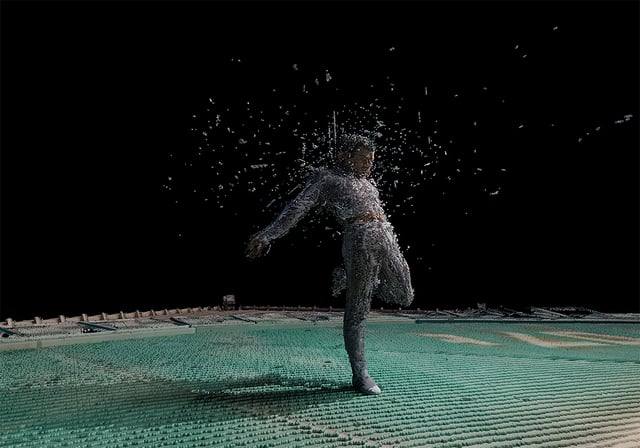
For the event’s opening concert, featuring the Mahler Chamber Orchestra and the violinist Renaud Capuçon, the technologist and interdisciplinary artist Ronen Tanchum will present a large-scale, AI-powered installation, Human Atmospheres, that reacts to the musicians’ live performance, transforming it into dynamic, evolving imagery. The work, commissioned by Joseph Fowler, Head of Arts & Culture at WEF, draws on both sound and movement in the concert and live real-time weather data from Davos, to generate a live digital landscape of mountains, clouds, and the presence of humans.
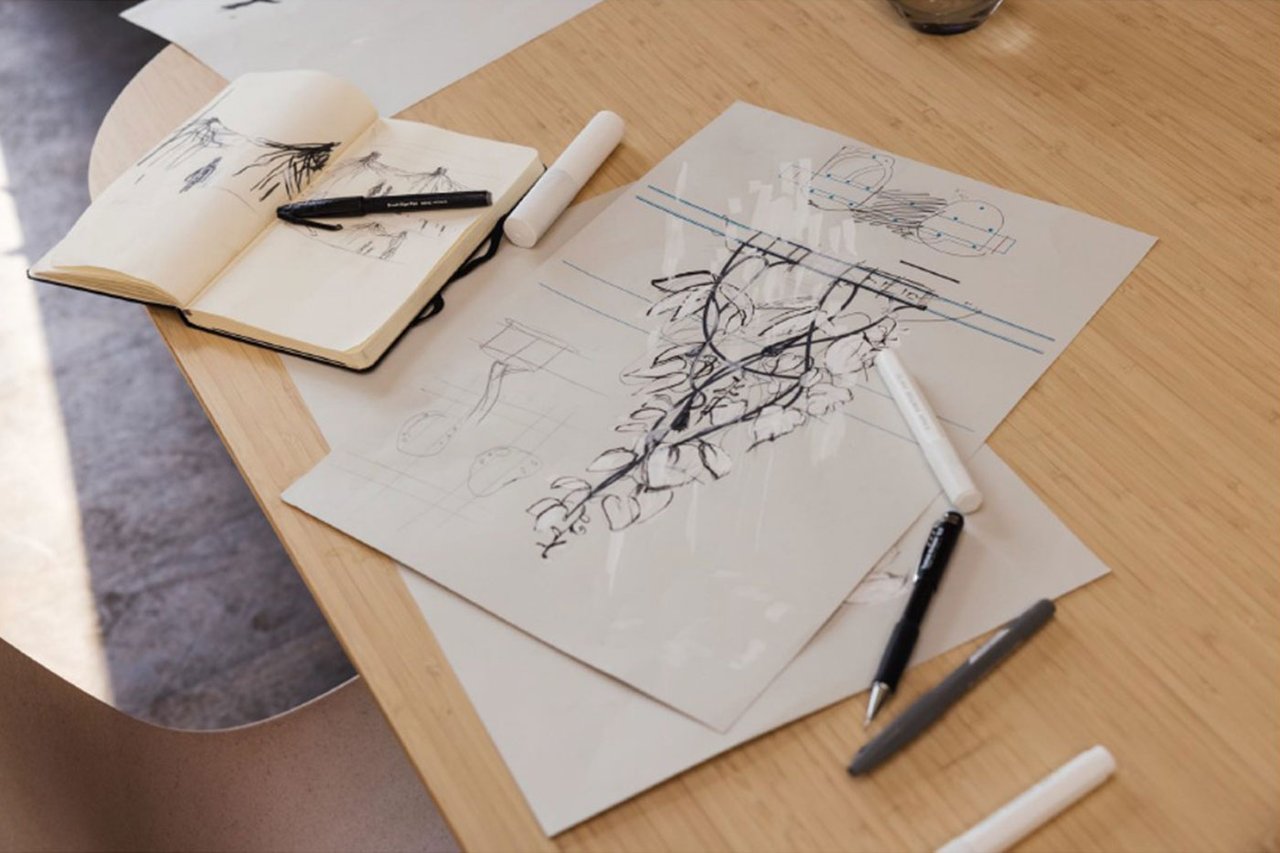
Thijs Biersteker, Forestate, 2026. Working drawing. Courtesy of the artist and World Economic Forum
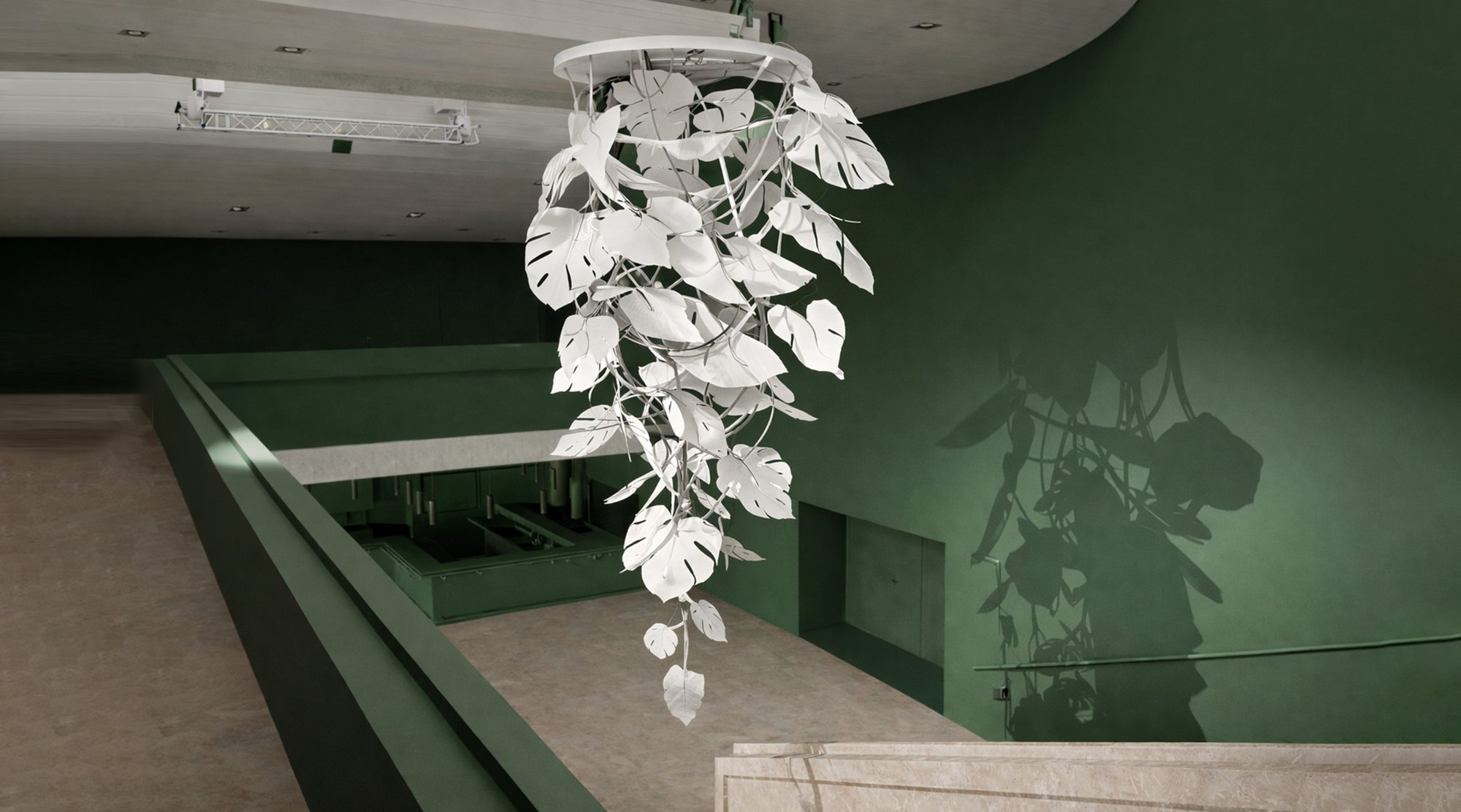
In another WEF Arts & Culture commission, Forestate, the ecological artist Thijs Biersteker will present a five-meter-high art installation that reacts to real-time forestry data to “disappear and reappear” in response to live data on global deforestation and reforestation.
Tanchum and Biersteker’s work, presented at a time of technological change and global climate crisis, serves as a continuum to a series of interactive, environmentally focused, data sculptures presented at three previous Davos summits by the Los Angeles-based media artist Refik Anadol. In 2023 Anadol’s subject was the fate of the world’s coral; in 2024 rainforests and their flora and fauna; and in 2025 the fate of the world’s glaciers — specifically those in Antarctica.
The AM26 Arts & Culture program, organized by Fowler, has three main pillars: Human Presence in the Digital Age, Tradition and Innovation, and Connection and Collaboration. The WEF’s annual meeting, Fowler said in a statement, “is a space to reflect on the challenges and opportunities that shape our shared future. Central to this reflection is the recognition that the decisions we make, and the perspectives we hold, are influenced not only by data and policy but also by culture, creativity, and imagination.
This year [...] we are proud to feature pioneering works by Ronen Tanchum and Thijs Biersteker that embody the intersection of technology, art, and environmental awareness.” (Joseph Fowler)
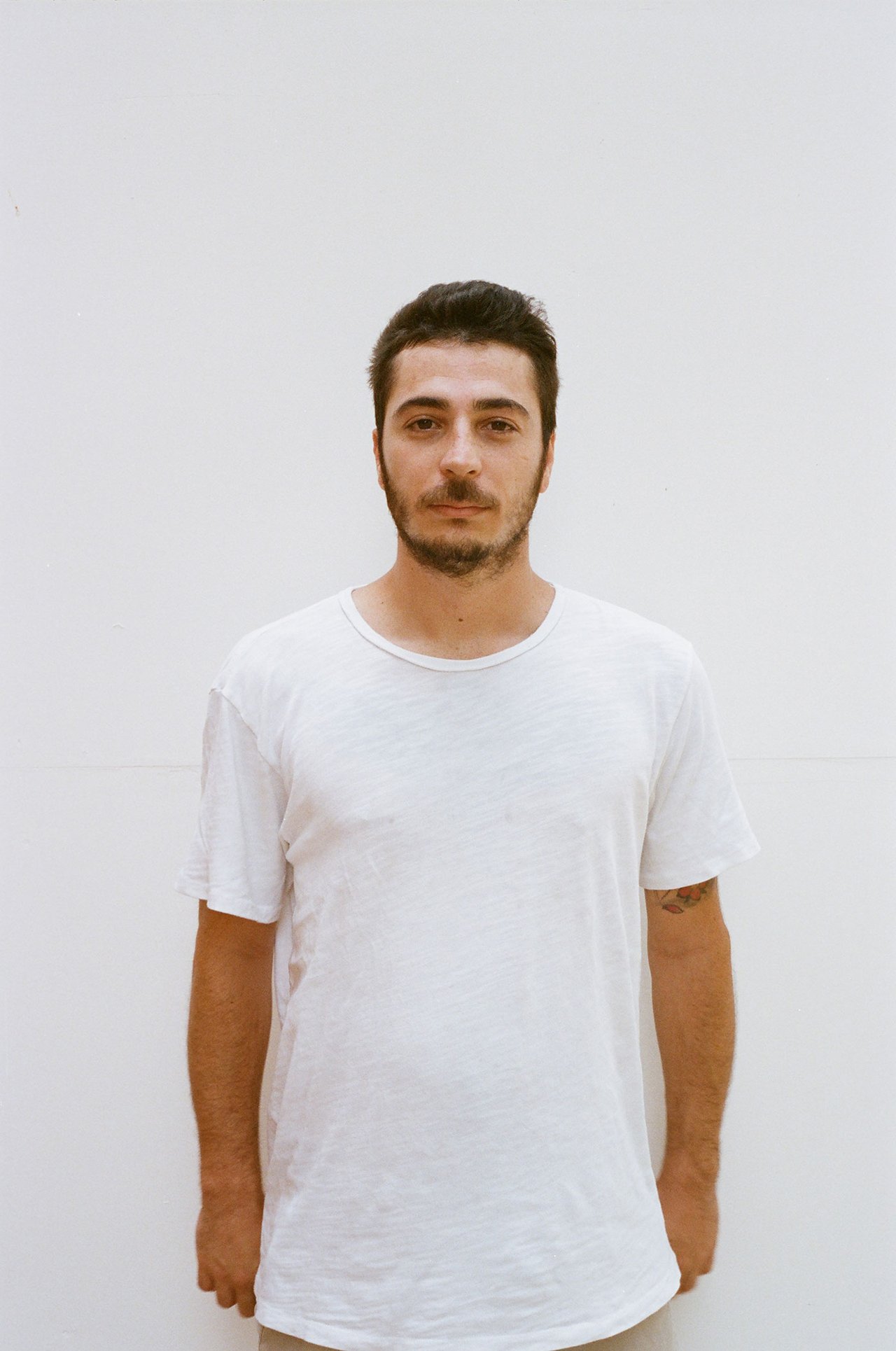
Ronen Tanchum. Courtesy of the artist and World Economic Forum
“These works exemplify the critical role of artists in global discourse,” Fowler says. “Artists like Ronen and Thijs are not only interpreters of data and observers of society, they are also catalysts for reflection, dialogue, and action. By fusing art, science, and technology, they provide experiences that resonate on both intellectual and emotional levels, inspiring the global community to consider the consequences of our choices and the potential for a sustainable, shared future.”
The Tokyo-based multidisciplinary artist, Emi Kusano, who explores technology, retrofuturism, and nostalgia for past Japanese subcultures, using AI to create an “enchanting blend where reality blurs with fiction”, will be a WEF Cultural Leader at the Davos meeting. Kusano will be speaking in the session “Flexing Asia’s Creative Muscles” on January 23.
Other artists appearing in Davos include the artist and composer Jon Batiste, the photographer and filmmaker JR, and the celebrated performance artist Marina Abramović. Abramović will present The Bus, a mobile installation that invites audiences to slow down intentionally.
Abramović offers a space to pause, breathe and return to presence,” WEF said in a statement. “She reminds us that reflection is not the enemy of progress but one of its essential foundations.”
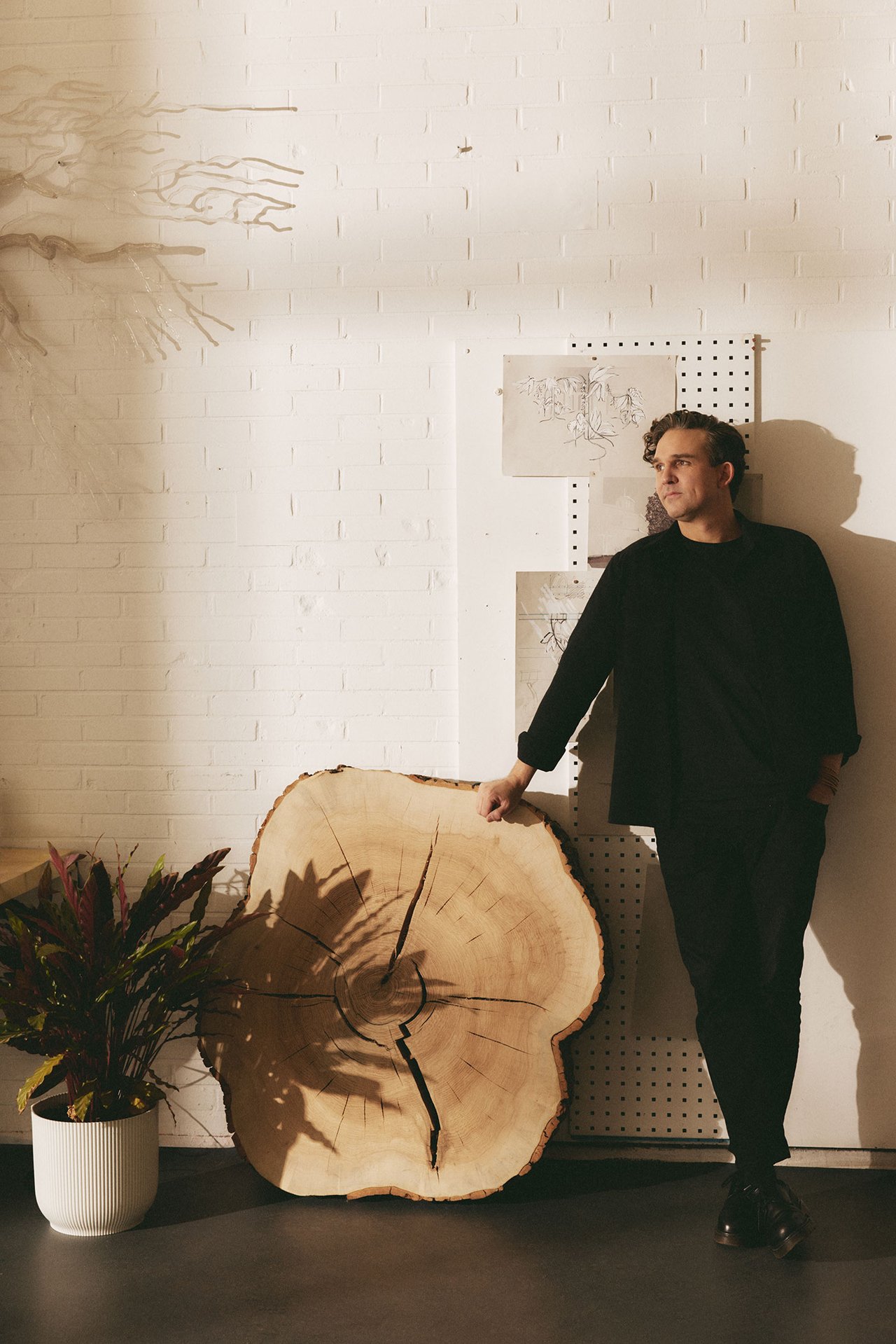
Thijs Biersteker. Photography by Alice Jacquemin. Courtesy of the artist and World Economic Forum
Both Tanchum, Founder and Creative Director of Phenomena Labs, and Biersteker, founder of Woven Studio and the Woven Foundation, presented installations at the WEF’s Annual Meeting of the New Champions, in Tianjin, China, in June 2025, part of an annual WEF arts and culture program also represented by a series of Cultural Tables, held annually at Davos, and in London, New York, and Paris. The Paris event, held in October 2025 to coincide with Art Basel Paris, was the first Cultural Table to be held in collaboration with the J Paul Getty Trust and the first event of its kind to be co-presented by Getty and the WEF.
Biersteker’s Forestate, developed in collaboration with Unesco, turns live Global Forest Watch (GFW) data from satellites, on the state of the planet’s forests, into an artistic experience; with elements of the installation disappearing and reappearing to present its audience of world leaders with the fact of forests around the globe vanishing and, slowly, regenerating. Each disappearing leaf in the installation represents 100 square meters of forest lost right now; each returning leaf marks the same amount gained.
Louis Jebb is Managing Editor at Right Click Save.