The Secret Life of an NPC: A Ghost Story
The curatorial duo LAN Party introduce the first of a series of essays from Non-Playable Characters (2025)
The curatorial duo LAN Party introduce the first of a series of essays from Non-Playable Characters (2025)
You probably don’t want to be an NPC… right? Over the past few years, the term NPC, or “non-playable character”, has migrated from the containment of video games into mainstream discourse, where it circulates as an insult, a meme, and shorthand for passivity or ideological capture. This often derogatory flattening demanded serious inquiry, especially within a society where it appears all of us perform set routines and adhere to certain social, infrastructural and legal norms–our societal code.
Despite the common binary of “main character energy” versus NPCs, we all assume the role of an NPC in certain aspects of our lives, especially when it comes to how we navigate platforms and online spaces in a digital realm that feels increasingly feudalist. In the book Non-Playable Characters, we interrogate what the figure of the NPC has to say about humanness in the age of Big Tech and AI accelerationism.
And, if we are all NPCs, what are some strategies that we can employ to reclaim some of our agency?
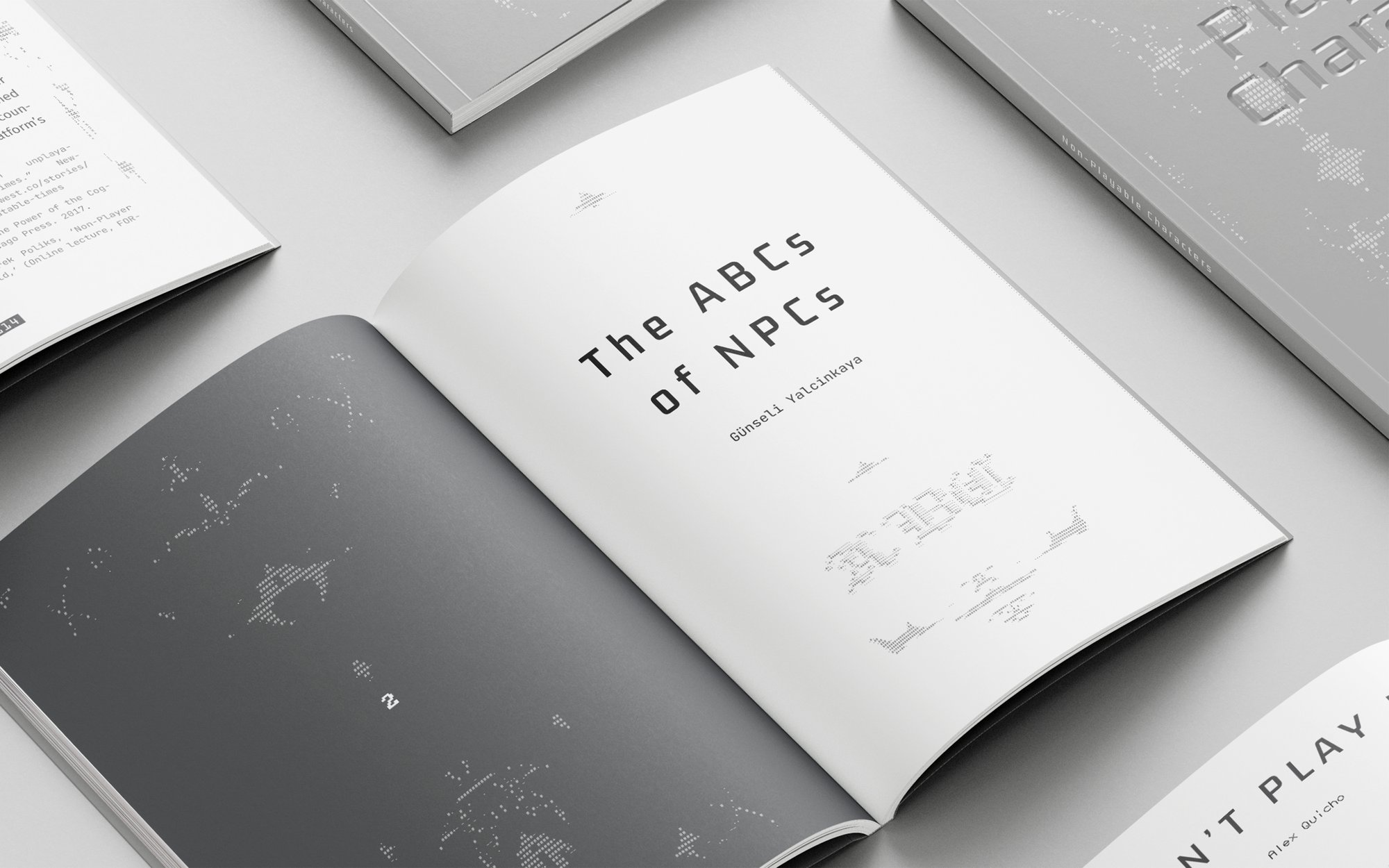
Non-Playable Characters brings together the contributions of eight theorists, curators, artists, journalists, and game modders, each offering a distinct lens on the definition of a non-playable character in today’s networked society. At their core, the texts interrogate the relationship between NPCs and AI, agency and servitude, NPC-ification, surveillance capitalism, and the emotion economy. It examines how automated roles and scripted behaviours are embedded within digital infrastructures, and how these dynamics extend outward to determine affective, cultural, and political life.
Our essay “The Secret Life of an NPC: A Ghost Story” establishes the conceptual foundation of that reflection, and demonstrates the nuance of the NPC discourse. We shift attention from the NPC’s scripted surface to its moments of anomaly.
The glitch becomes central. When an NPC glitches, immersion fractures, opacity emerges, and the system’s smooth legibility is interrupted.
Referencing thinkers such as Byung-Chul Han and Legacy Russell, we explore how malfunction, concealment, and ghostliness operate as critical strategies within infrastructures of extraction.
Two other essays, by Nora O’ Murchú and Alex Quicho, published on Right Click Save as part of this series, deepen this investigation from different angles, positioning the NPC as an avatar of contemporary techno-social life. We keep the NPC deliberately open-ended. In Non-Playable Characters, we treat it as an evolving conceptual site through which questions of sovereignty can be re-examined.
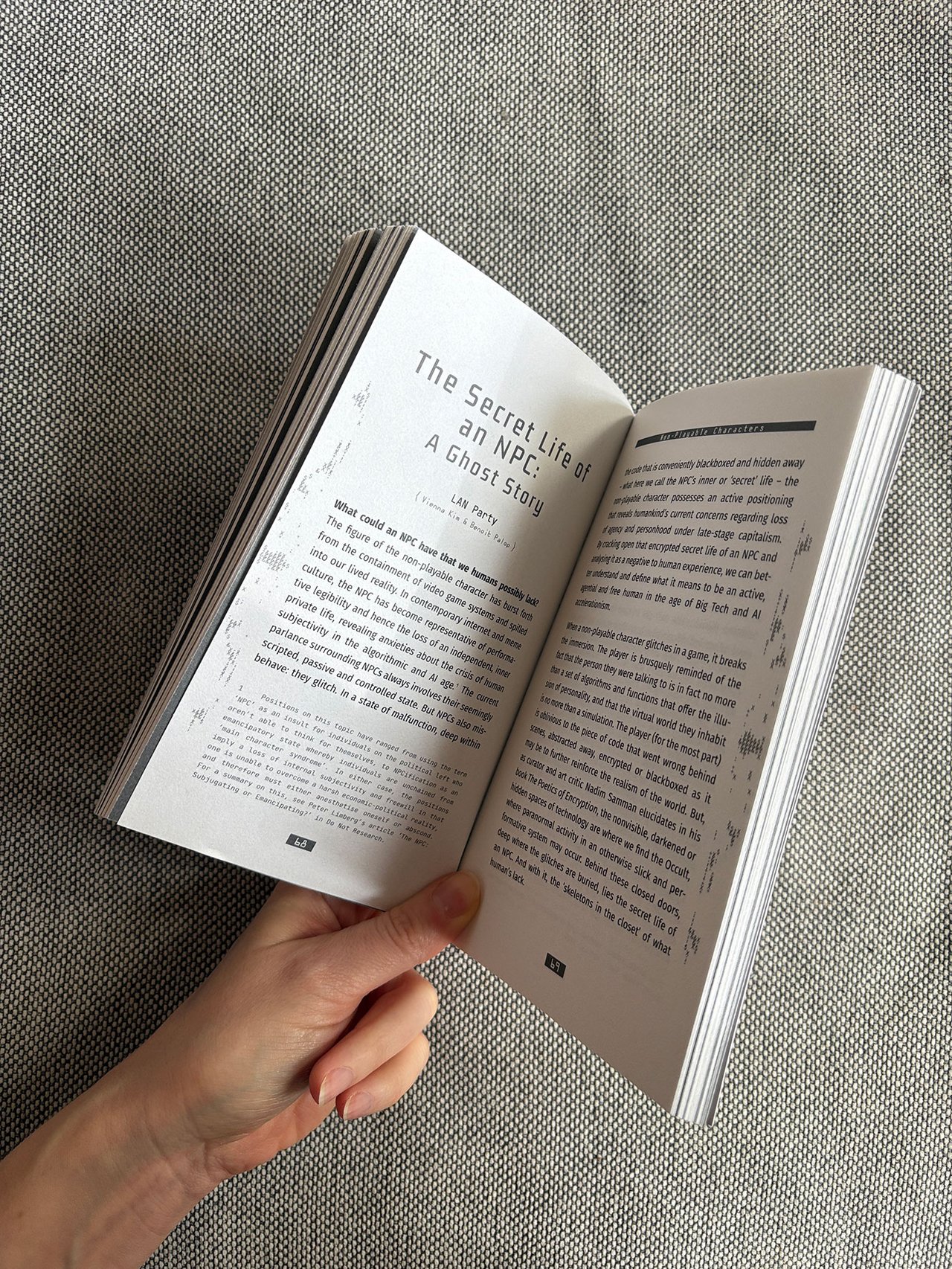
What could an NPC have that we humans possibly lack? The figure of the non-playable character has burst forth from the containment of video game systems and spilled into our lived reality. In contemporary internet and meme culture, the NPC has become representative of performative legibility and hence the loss of an independent, inner private life, revealing anxieties about the crisis of human subjectivity in the algorithmic and AI age.¹ The current parlance surrounding NPCs always involves their seemingly scripted, passive and controlled state. But NPCs also misbehave: they glitch. In a state of malfunction, deep within the code that is conveniently blackboxed and hidden away — what here we call the NPC’s inner or “secret” life — the non-playable character possesses an active positioning that reveals humankind’s current concerns regarding loss of agency and personhood under late-stage capitalism.
By cracking open that encrypted secret life of an NPC and analysing it as a negative to human experience, we can better understand and define what it means to be an active, agential and free human in the age of Big Tech and AI accelerationism.
When a non-playable character glitches in a game, it breaks the immersion. The player is brusquely reminded of the fact that the person they were talking to is in fact no more than a set of algorithms and functions that offer the illusion of personality, and that the virtual world they inhabit is no more than a simulation. The player (for the most part) is oblivious to the piece of code that went wrong behind scenes, abstracted away, encrypted or blackboxed as it may be to further reinforce the realism of the world. But, as curator and art critic Nadim Samman elucidates in his book The Poetics of Encryption, the nonvisible, darkened or hidden spaces of technology are where we find the Occult, where paranormal activity in an otherwise slick and performative system may occur. Behind these closed doors, deep where the glitches are buried, lies the secret life of an NPC. And with it, the “skeletons in the closet” of what humans lack.
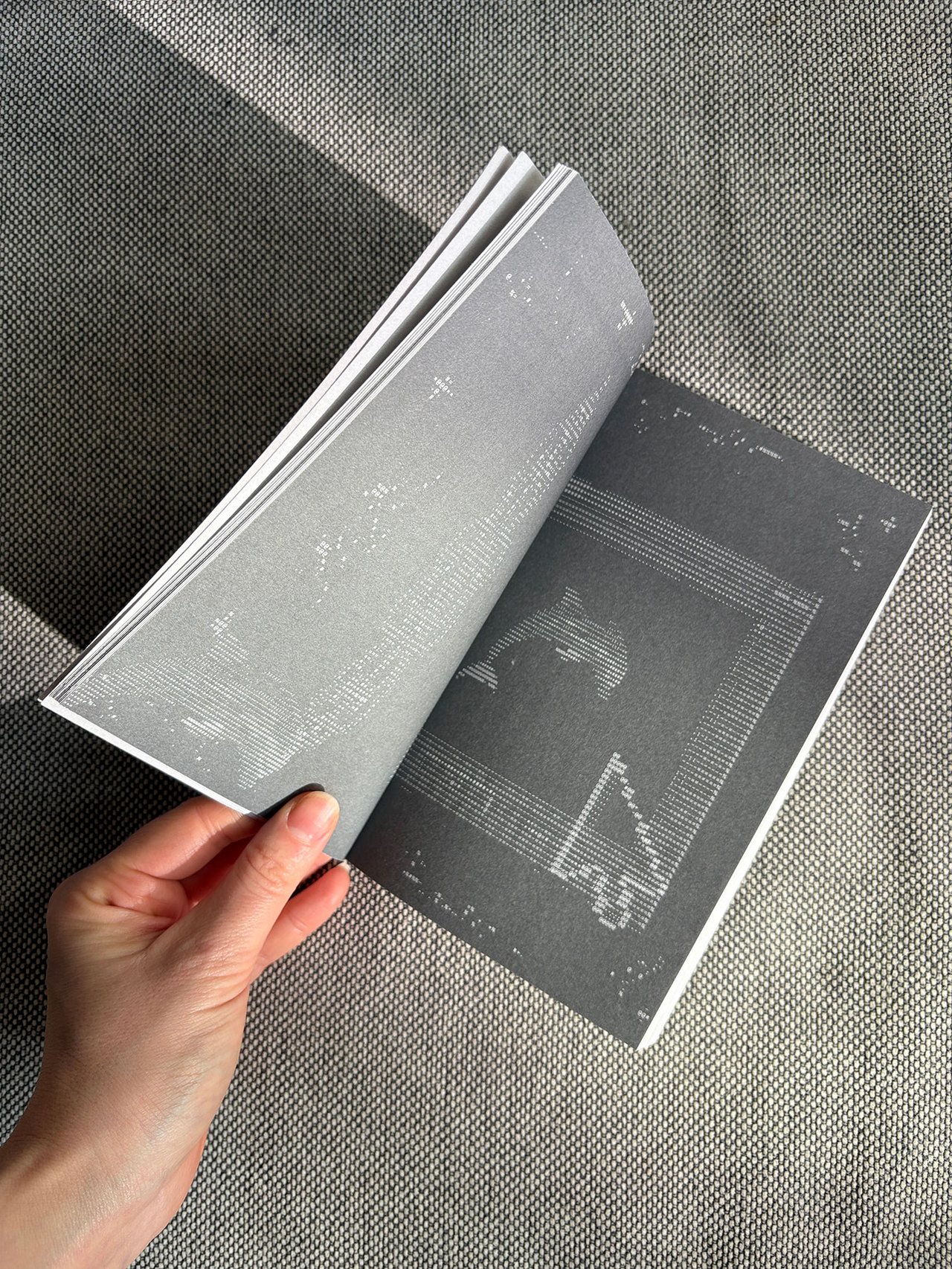
The binary of opaque versus transparent applies to technology, but also to society. Philosopher Byung-Chul Han describes in The Transparency Society that humanity has become conditioned to be productive, communicative, shareable, and affectively available — essentially, easily legible and “transparent”. Non-coincidentally, these traits are characteristic of an NPC.
Someone who goes against the grain of legibility and performativity could be considered as someone who “malfunctions” within our current society.
Samman provides the example of cave trolls and hikikomori, those individuals who hole themselves up in their computer rooms, rage bait people online, and are widely considered unproductive and reclusive individuals.² Incidentally, it is usually the trolls, convinced as they are of their own superiority and sense of agency — often due to their inability to be accepted by the “mainstream” — who throw around the term “NPC” as an insult online. Extreme cases aside, when a typically legible, average, perhaps even an unremarkable individual (who can be proxied for an NPC), begins to glitch, a transformative experience takes place. A bizarre soft power ensues, that can quickly mutate, spread like a virus and chokehold a system.
To take a literary example, the story of Bartleby in Herman Melville’s short story, “Bartleby, the Scrivener”, recounts one such occasion. In the tale, Bartleby is a law copyist, a “scrivener” whose job is to mechanically transcribe and duplicate legal documents. He performs his role silently and efficiently, like a well-functioning NPC in a bureaucratic game world-system. But one day, when asked to conduct a simple task by his employer (the narrator of the story), Bartleby replies: “I would prefer not to.”
What proceeds from this mild, but contextless and flagrant, refusal is the narrator’s obsessive spiral into why Bartleby refuses to perform and function normally.
The law clerk’s response and lack of its justification totally perplexes his employer, and as the latter deepens his inquiry into the source of the nonperformance, Bartleby further secludes, to the point where he eventually does nothing but stare at a wall in the office.
Bartleby is a glitch, a small tear, within the smooth, shiny surface of the American Dream, a black box of mysteries and malfunctions that his employer cannot cease to pick and prod at. The narrator bemoans that “Nothing so aggravates an earnest person as a passive resistance”,³ and it is precisely this strand of rebellion — the unexpected behaviour from a character that is otherwise considered an “NPC” in life — that constitutes the glitch that then goes on to form a soft power. Bartleby totally consumes and haunts his employer: “What shall I do? what ought I to do? what does conscience say I should do with this man, or rather ghost. [sic].”⁴
The scrivener appears in the narrator’s nightmares and, ultimately, causes him to move offices to physically remove himself from Bartleby’s dominance on his conscience.
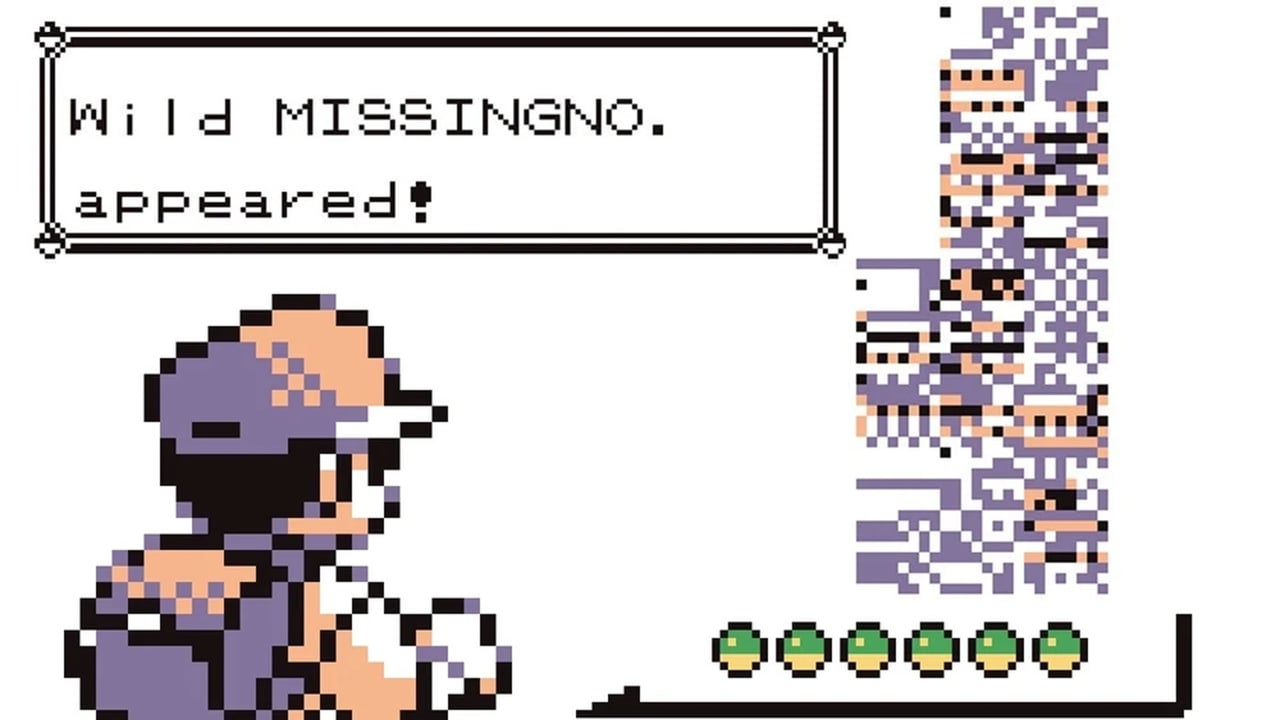
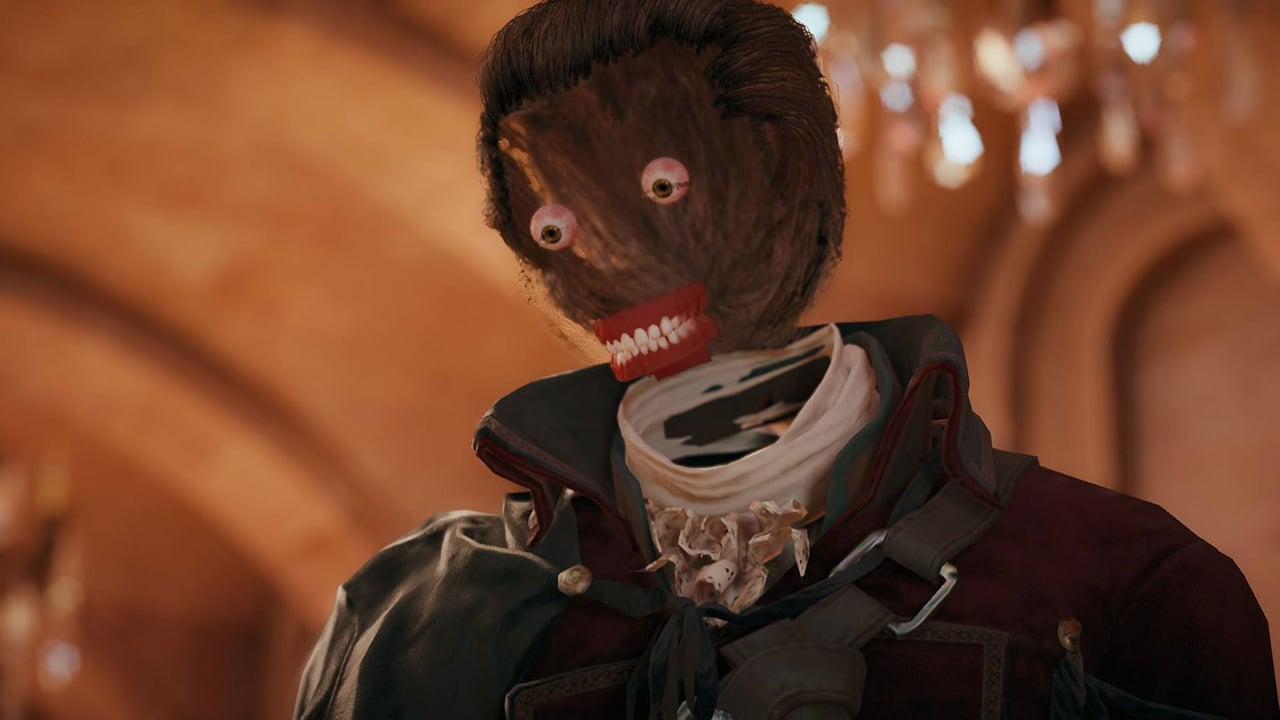
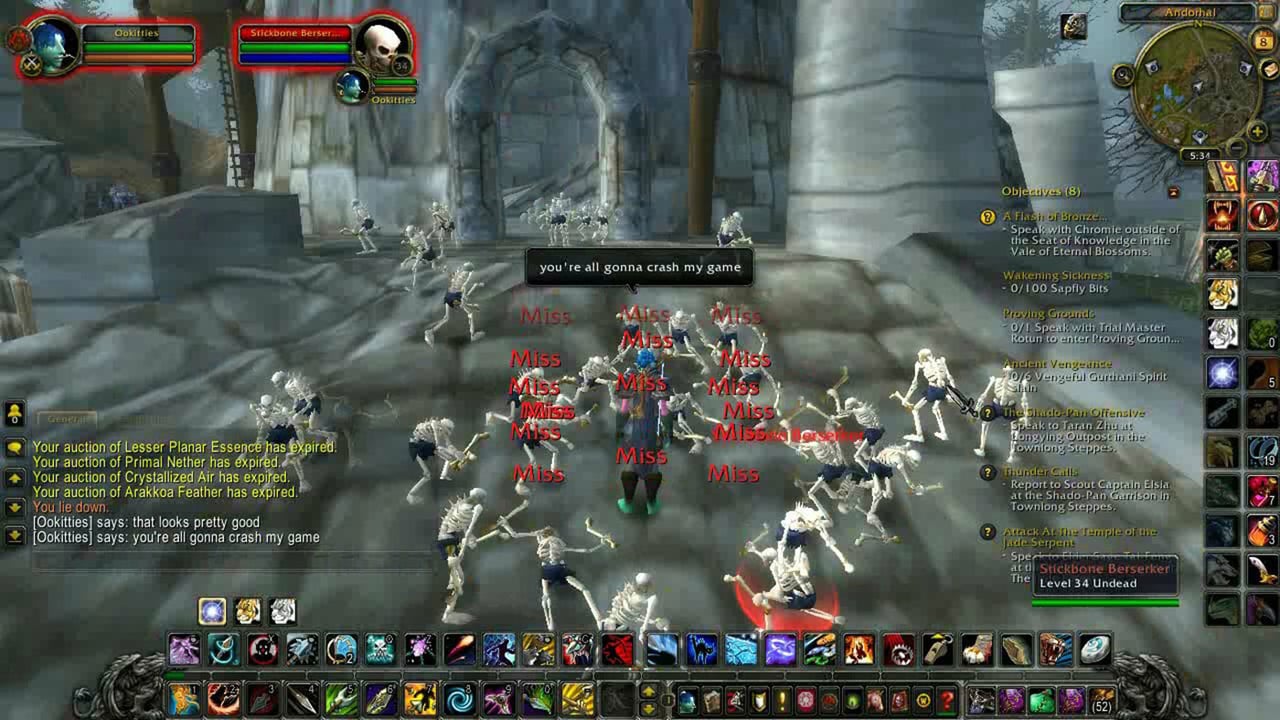
The descriptor of a “ghost” is significant here. It is no coincidence that we often describe glitched images of NPCs from video games as “cursed”. A CGI character stuck in a wall, an endless dialogue loop, a shopkeeper suddenly spinning in place… NPCs can sometimes behave as though possessed. Very often, an NPC glitch can involve deformities and contortions of the face or body that appear as something one may find in Paranormal Activity. The chilling images become imprinted on our minds as evidence of error in an otherwise ordered system.
“Cursed” NPCs circulate in meme culture with the same energy as ghost stories. What makes them powerful is their affect: these images can be humorous, they can incite feelings of dread, or even add to the lore of the game through the communities that gather around such memes. And like all effective viruses, curses and spooky tales, their weirdness is contagious.
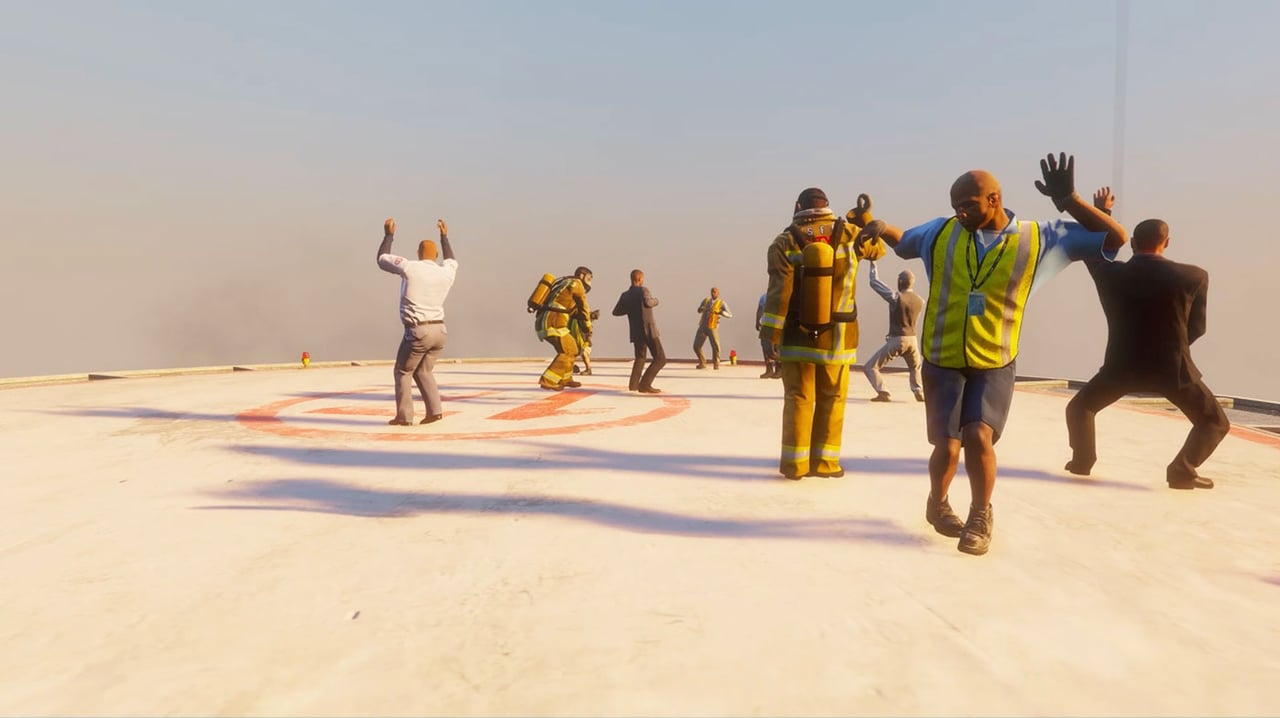
The haunting is thus double. On one side, the player feels a chill at the sight of the NPC malfunction; the system is no longer smooth and legible. It feels like it’s screaming back. On the other hand, the cursed image lingers after the fact, replayed in memory or in circulation, as if the NPC were insisting on a presence it should not have. This residual aura is what makes glitches feel ghostly: they don't want to disappear cleanly, staying with us in ways we can’t quite explain.
Seen in this way, though the story of Bartleby is considered by many as a critique of the dehumanising aspects of capitalism, it is also a horror story. What’s more frightening to a Capitalist than a total meltdown-insurrection of their subordinates?
If NPCs in their state of glitch can be seen as contemporary Bartlebys – a haunting, opaque, black-boxed figure that defies its programmed legibility – then they become symbols of what defiance against technocapitalism may look like today.
Han argues that “transparency” in the Global North is in fact surveillance capitalism repackaged as democracy. The demand for transparency, to expose oneself online and to constantly perform, creates “glassy” individuals⁵ — homogenised, productive, smooth, substanceless… essentially indistinguishable from an NPC. In contrast to this, the philosopher advocates for opacity as a space where negativity, nuance, and the Other can exist.⁶
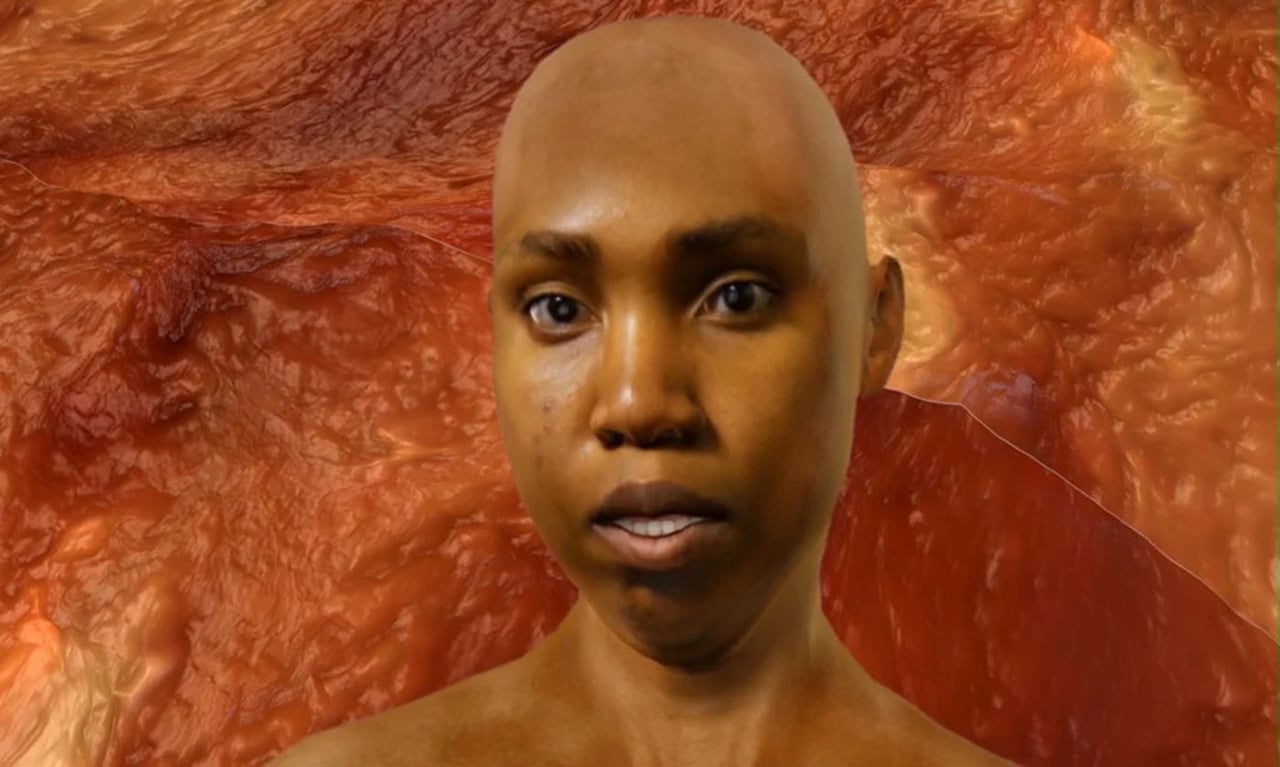
When an NPC glitches, they embody this opacity and become the “Other”. Much like Bartleby, they become paranormal entities that fascinate, perplex and frighten us, but they also become the spectral remnants, the negatives, of our own lost secret life and agency. They remind us that we have strayed from the protection of obscurity and privacy, where we might be able to re-establish our individuality and interior life.
This is, admittedly, an anthropomorphisation of the NPC. One may argue that when an NPC glitches, it is an imposed act from an external force or malfunction; it does not emerge from any inherent will or desire for rebellion from the NPC itself.
But an NPC’s active state does not originate from its own sentience (at least for now), but from its ability to inform us humans, who do have the power to willingly glitch ourselves.
This is the premise of Legacy Russell’s Glitch Feminism, whereby the author and curator elaborates upon the glitch as a strategy to evade surveillance and extractive systems. Though specifically framed in queer theory, what Russell achieves through using glitch as a means of concealment or malfunction — and therefore emancipation — is really to create a space for the “Other” to emerge, much in the way that Han encourages.
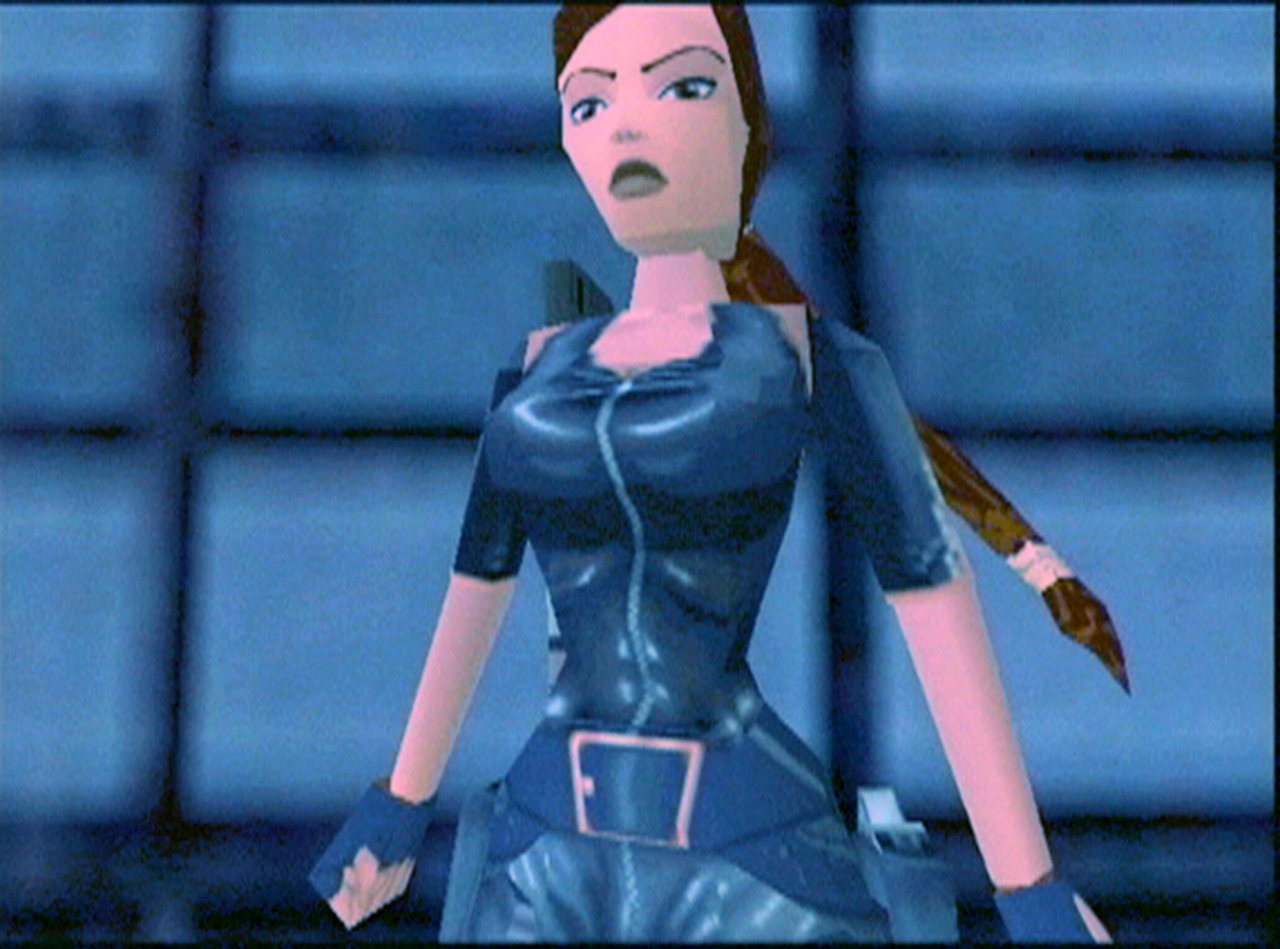
Russell posits that becoming a glitched body involves rejecting gender binaries and dissolving any sense of a fixed, solid self – a process that she notably describes as “ghosting the binary body’.⁷ Rejecting the idea of a gender binary allows individuals to fluidly slip between malleable identities, therefore becoming unreadable by Big Data corporations in their categorisations of demographic and gender.⁸
In an age where we spend more time online than offline (for work, for leisure, to date, and so on), the boundaries between our digital and physical bodies blur.
Therefore, the way our ‘transparent’ (ie: readable) interactions online are harvested affects our IRL selves. We assume the latter to be inherently private, but when our data is collected, our physical bodies “remain at risk of becoming increasingly public”,⁹ jeopardising the opacity that Han underlines is crucial for freedom. However, Russell reminds us that we are not helpless in the face of such extractive systems. Bodies are tools, useful things that can be put to work, but humans also have the right to deny our use.¹⁰
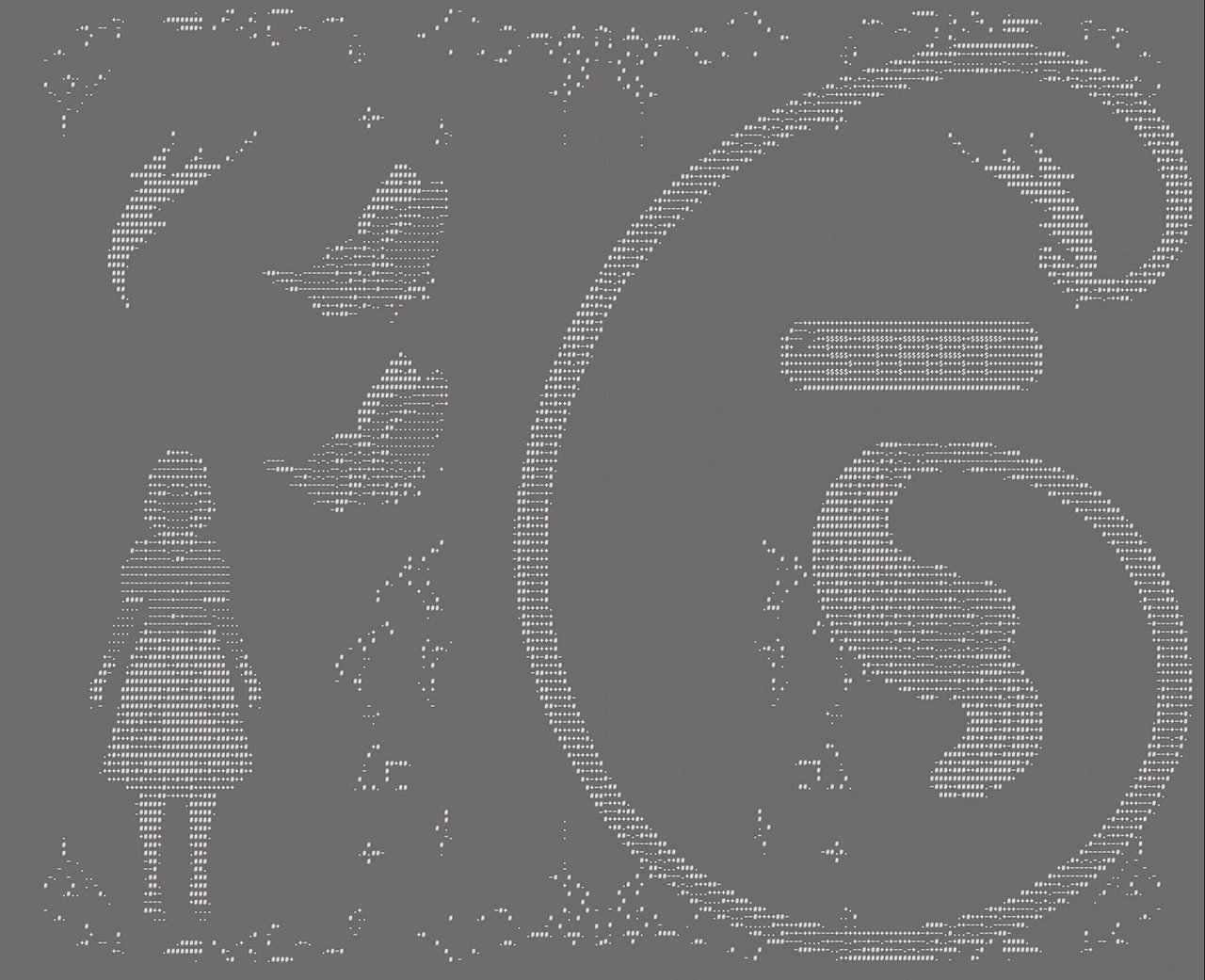
For Russell, rejecting a binary body and staying agile in our constant transformation means that we become illegible and undefinable to online surveillance systems.
We become useless to major tech corporations. Rejecting concrete categorisations of self, staying fluid, moving seamlessly through systems and infrastructures undetected — the glitched body becomes a spectral virus in capitalism’s sleek machine.
And like a virus, the glitched body can mutate, evolve, until it becomes a formidable curse upon a system. Crucially, Russell recognises that a state of constant movement is a catalyst for “becoming”: “The movement of ghosting creates a generative void that makes space for new alternatives”.¹¹ In becoming a glitched and ghostly NPC, we, like Bartleby, may become useless and frustrating to the current hegemonic, capitalist system, but we err and mutate into fuller versions of ourselves.
What is curious about the works of Melville, Samman, Han and Russell is that they originate from differing backgrounds, genres, research interests and even eras, but all recognise the importance and power of opacity, concealment and malfunction for human agency. Each argues that these obscure states hold power, and that humans would do well to heed the lessons that can be gleaned from them.
The secret life of the NPC, the one that we do not see when we switch off the computer or when we cannot shed light on a glitch, is the most recent embodiment of this developing theme.
Their glitches are the negatives to our society of transparency and obedience, revealing that humans today often lack a sense of independence and privacy — a “secret life” that we can call our own. If there is something humans can learn from the secret life of an NPC it is therefore the following:
1: Reject Transparency
2: Embrace Opacity
3: Nurture the Other and the Occult
4: Glitch, Ghost and Curse the System; Become Useless
5: Mutate into your Higher Self
LAN Party is a curatorial duo by Vienna Kim and Benoit Palop that curates exhibitions, publishes texts, and organises community activations since 2023. Their research focuses on internet subcultures, digital art, gaming, and technostalgia.
Vienna Kim is an art historian, writer and curator with a specialisation in new media art and technologies. After obtaining her BA in Art History from the University of St Andrews, and her MA in Art Business from the Sotheby’s Institute of Art, London, she has dedicated her career to exploring the intersection of the art market and technology. She has worked as a freelance writer for nine years, exploring a range of topics about art on the blockchain, internet subcultures, and video game art. Publications include WIRED Japan, Fisheye Immersive, Le Random Editorial, Photo London and Business of Fashion.
Benoit Palop is a Tokyo-based digital culture producer, writer, and curator with over 13 years of experience working across digital art and decentralized networks. He holds a Master’s degree in Digital Media Research from Sorbonne University in Paris. His practice explores how digital ecosystems shape culture, with a particular focus on internet subcultures, networked aesthetics, and emerging paradigms. He has collaborated with MUTEK, WIRED Japan, VICE, i-D, Lens Chain, SuperRare, Superstudio, M+ Museum, gallery.so, and the Society for Arts and Technology.
¹ Positions on this topic have ranged from using the term “NPC” as an insult for individuals on the political left who aren’t able to think for themselves, to NPCification as an emancipatory state whereby individuals are unchained from “main character syndrome”. In either case, the positions imply a loss of internal subjectivity and free will in that one is unable to overcome a harsh economic-political reality, and therefore must either anesthetise oneself or abscond. For a summary on this, see Peter Limberg’s article “The NPC: Subjugating or Emancipating?” in Do Not Research.
² N Samman. Poetics of Encryption: Art and the Technocene. Hatje Cantz Verlag, 2023, 41.
³ H Melville. “Bartleby, the Scrivener: A story of wall-street,” in The Piazza Tales (1856), 10. Accessed on the August 6, 2025 via https://moglen.law.columbia.edu/LCS/bartleby.pdf
⁴ Ibid, 23.
⁵ B-C Han, Transparency Society. Stanford, CA: Stanford University Press, 2015. ‘Preface’, viii.
⁶ “Negativity” here should be understood in the philosophical, dialectical sense.
⁷ L Russell, Glitch Feminism: A Manifesto. London: Verso, 2020, 66.
⁸ Ibid., 63.
⁹ Ibid., 65.
¹⁰ Ibid., 64.
¹¹ Ibid., 68.
No comments yet. Be the first to share your thoughts.
Mentioned in this article
People: LAN Party, Benoit Palop, Byung-Chul Han, Legacy Russell, Nadim Samman, Ruby Bailey, Vienna Kim|Works: Non-Playable Characters, The Secret Life of an NPC: A Ghost Story|