·News
Established Galleries Go Digital at Art Basel
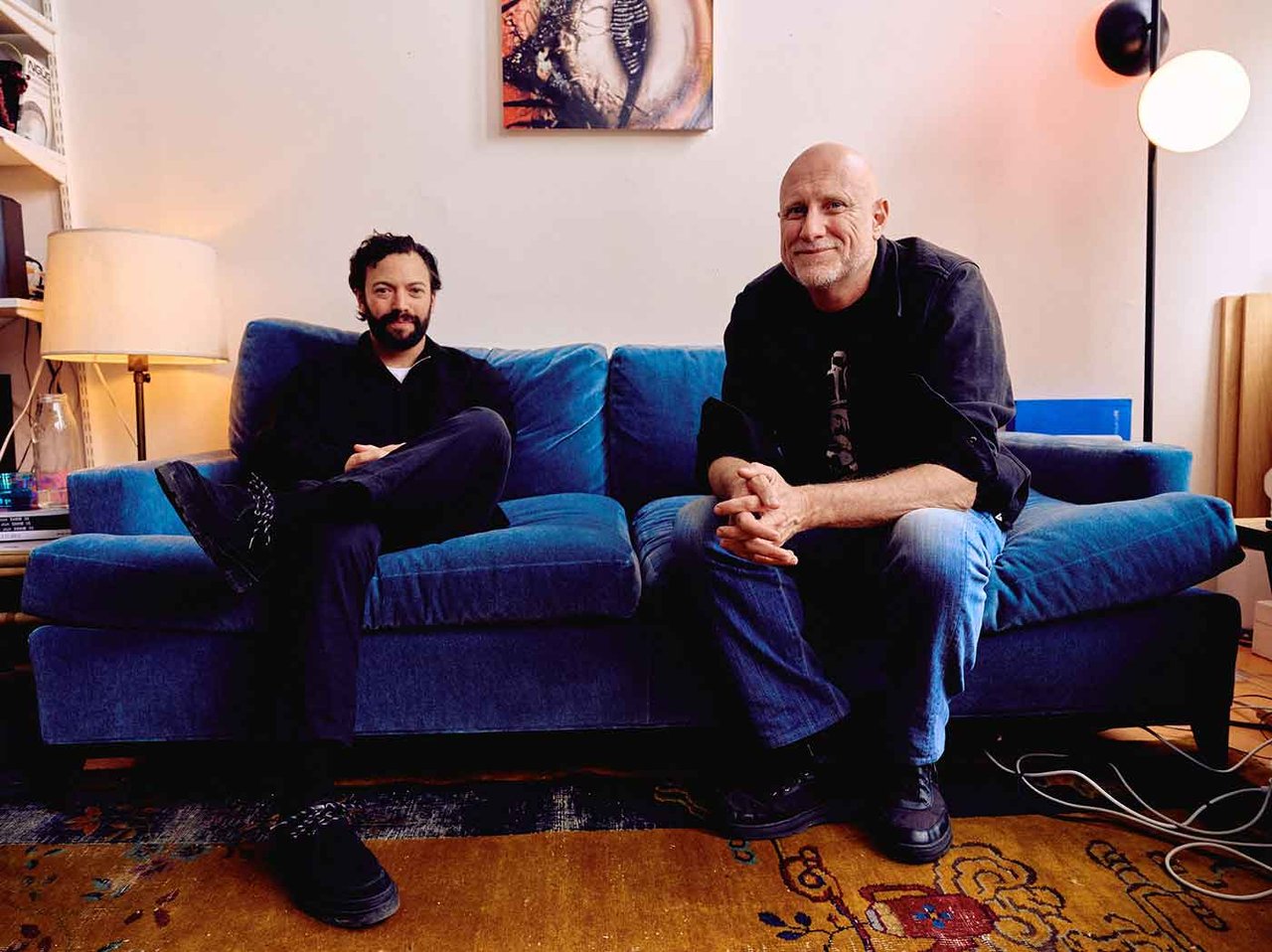
The artist Trevor Paglen joins Eli Scheinman as co-curator of Zero 10 digital art initiative
The artist Trevor Paglen joins Eli Scheinman as co-curator of Zero 10 digital art initiative
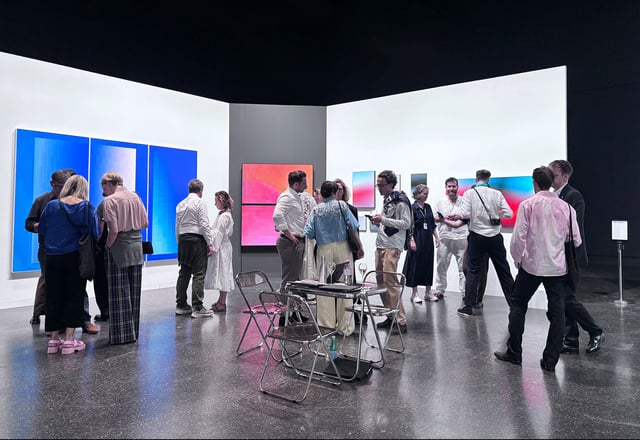
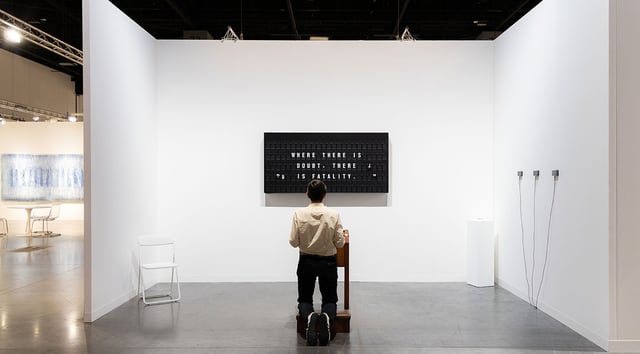
Art Basel has announced the largest iteration to date of its Zero 10 initiative dedicated to art of the digital era, to run at the art fair’s flagship event in Switzerland from June 16 to 21, 2026. The artist Trevor Paglen joins the digital art strategist Eli Scheinman as co-curator, presenting displays by 20 exhibitors under the curatorial theme “The Condition” — a reference to a world saturated by digital imagery, computational systems, and artificial intelligence.
The exhibitors include seven long-established Art Basel galleries, among them the international houses Hauser & Wirth and Marian Goodman, who are showing alongside leading exhibitors with dedicated digital art programs. Six of the latter have previously shown at Zero 10 at either Art Basel Miami Beach 2025 or Art Basel Hong Kong 2026.
“The breadth of participation,” Art Basel said in a press statement, “reflects the growing place of digital practices in the contemporary art market.”
The seven established Art Basel galleries joining Zero 10 for the first time are Hauser & Wirth (with galleries in Zurich, New York, London, Paris, Los Angeles, West Hollywood, Somerset, St Moritz, Gstaad, Basel, Menorca, Chillida Leku, Monaco, and Hong Kong), Marian Goodman (New York, Paris, Los Angeles), Andrew Kreps Gallery (New York), Max Estrella (Madrid), Almine Rech (Brussels, Paris, New York, Shanghai, Monaco, Gstaad), Esther Schipper (Paris, Berlin, Seoul), and Sprüth Magers (Berlin, London, Los Angeles, New York).
These mainstream players are showing alongside leading digital art entities: ArtMeta, Art Blocks, Asprey Studio (Kent, UK), bitforms gallery (New York), eastcontemporary (Milan), Fellowship (London, Marrakech, Porto Cervo, Los Angeles), Gazelli Art House (London), Interface Gallery (Breda), OFFICE IMPART (Berlin), Galerie Oniris (Rennes), Upstream Gallery (Amsterdam), and Nguyen Wahed (New York, London). The Basel-based research institution HEK (House of Electronic Arts) will participate in Zero 10 for the first time.
The presence of Marian Goodman gallery at Zero 10 is a poignant reminder of the contribution that the gallery’s eponymous late founder made to the creation of today’s expanded art world with her support of the Belgian poet turned artist Marcel Broodthaers in a landmark 1977 exhibition in New York.
The importance of that show was captured, by extension, in Rosalind Krauss’s seminal essay “A Voyage on the North Sea: Art in the Age of the Post-Medium Condition” (1999), which identified the “post-medium age”, the era that has carried through to the hybrid practices celebrated at Zero 10, at the junction of the digital and the physical; the human and the non-human.
“The art market is expanding, and the audiences driving that expansion are digitally native, globally connected, and looking for platforms that speak their language,” Noah Horowitz, CEO of Art Basel, said in a press statement. “Zero 10 at our Swiss flagship is our most ambitious answer to that challenge yet — a clear signal of our commitment to digital art as a cornerstone of our go-forward strategy — not a trend to observe, but a direction to lead.
“We are particularly honored to inaugurate Zero 10 in Basel hand-in-hand with Trevor Paglen, a pioneering artist trusted equally by the institutional art world and digital communities.” (Noah Horowitz)
Through the theme of “The Condition”, Paglen tells Right Click Save, he and Scheinman are addressing the facts of our digital environment, and “what kinds of art not only emerge from that condition, but also speak to it.” It is a curatorial philosophy, he says, that derives from taking seriously the fact that there are “many thousands of times more transistors in the world than there are insects”.
“There’s twice as many digital cameras as there are human eyeballs,” Paglen says. “We are completely cyborgified, to the point where we don’t even make a distinction between ourselves, the digital devices that we use, and the digital information that we're taking in.”
Asked what had convinced so many established Art Basel galleries to join Zero 10, Scheinman tells Right Click Save that Zero 10 has been intended from the beginning “to respond to the local considerations and each region in very different ways. Miami had its own texture that was maybe about spectacle. Hong Kong had a different feel and different type of nuance across the space. In Basel [...] there is in the region an institutional rigor and ameliorating [of] artificial delineations” between art mediums. “That context, I think, was very attractive to some of those galleries”.
Scheinman says that Paglen’s role and that of Vincenzo de Bellis, Chief Artistic Officer and Global Director of Fairs at Art Basel, were “critical in building those bridges and working with those gallerists”. It was both a collective effort, he says, and a question of the region being “well suited for this blending of galleries”.
Art Basel and the curators have announced details of a number of the exhibitions that will be mounted at Zero 10, Art Basel, made up of 16 single and four shared-booth installations.
The New York digital art gallery bitforms, which is celebrating its 25th anniversary this year, will join Max Estrella to show Rafael Lozano-Hemmer’s Panoptic Chiasma (2026), made up of interactive installations that examine perception mediated by computation, AI, and surveillance technologies. William Mapan will be showing with the generative art platform Art Blocks while Gazelli Art House will be presenting work by the computer art pioneer Harold Cohen.
Hauser & Wirth will be presenting Avery Singer’s Shit Coin Maxi (2025), a composite layered image that draws on the artist’s recent work examining finance, gambling, and the speculative culture surrounding cryptocurrency, and which depicts two digital wallets discovered on X.
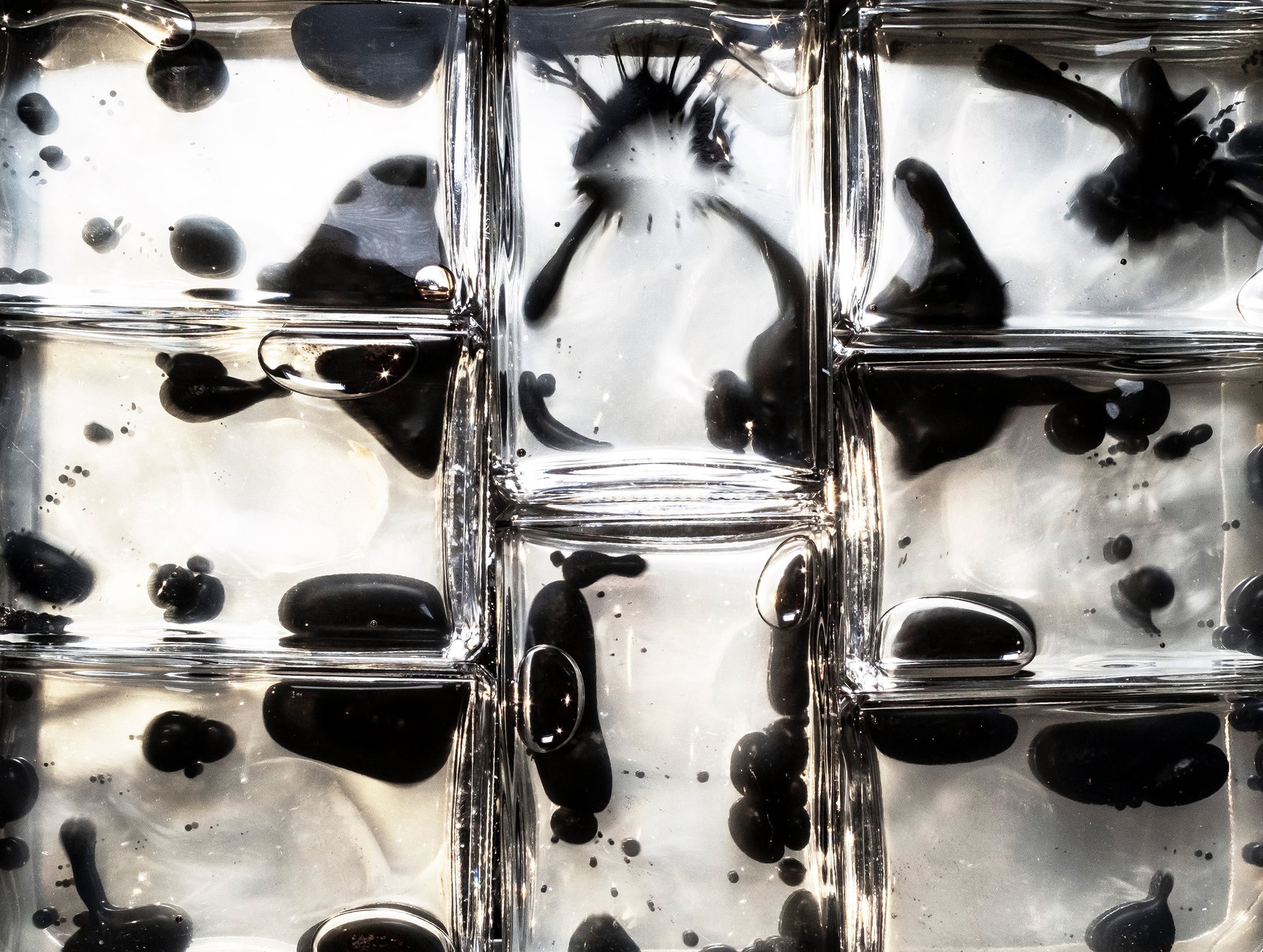
Marian Goodman is showing the work of Agnieszka Kurant in a mix of the artist’s sculptures made from compacted, pulverized materials and installation pieces digitally controlled in an electromagnetic field.
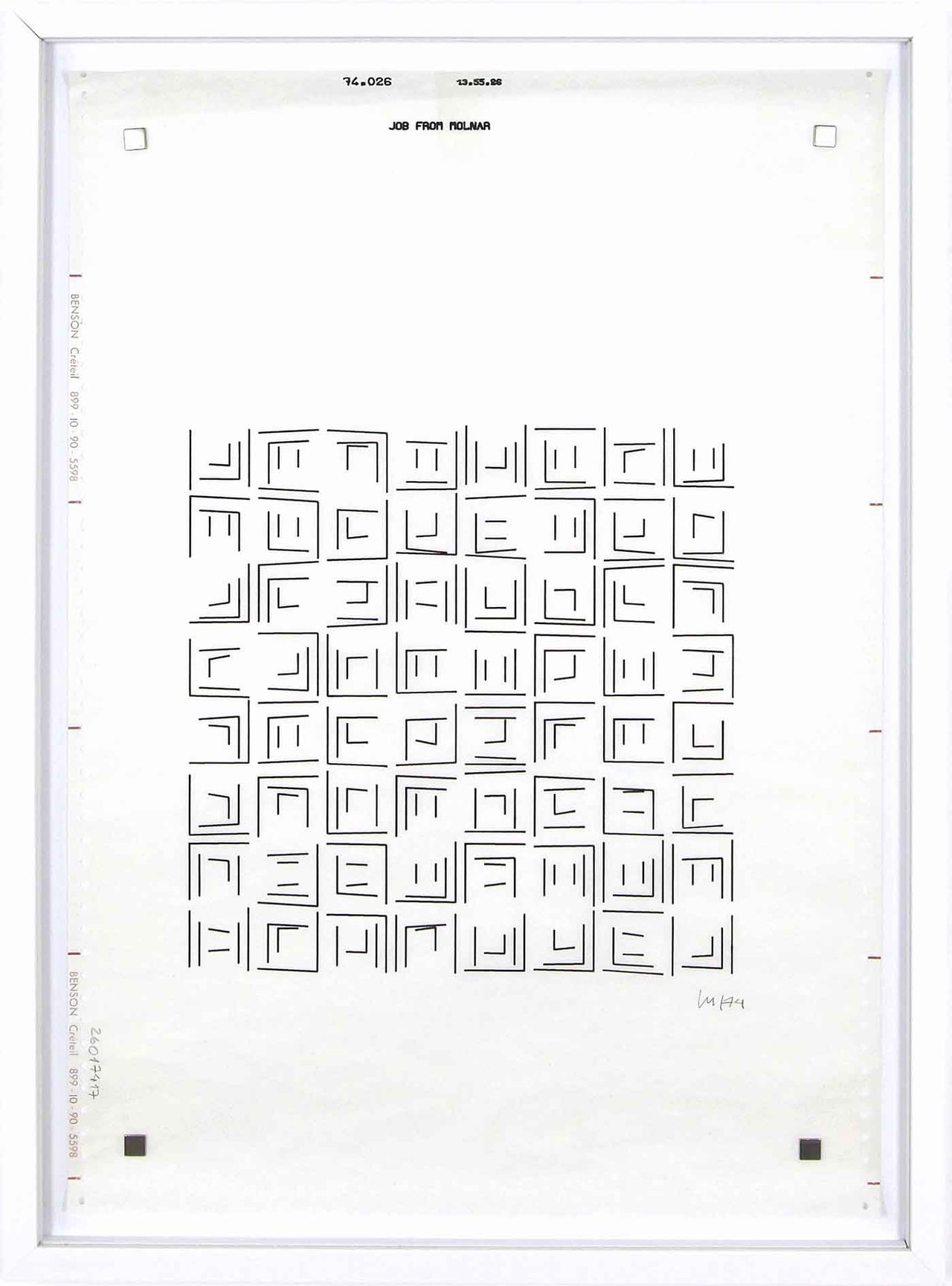
Oniris.art and Interface Gallery are collaborating to show “When Algorithms Draw: The Vision of Vera Molnar”, covering the role of coding in the practice of the abstract painter and pioneer of generative art. Molnar is also the subject of an exhibition at Kunstmuseum Basel, “Vera Molnar. Possibilities” (until July 27, 2026), focused on her printmaking. Another Basel institution, HEK, the center for the study of art and technology, is putting on a non-selling exhibition at Zero 10, dedicated to education and the evolution of web-based artistic practices.
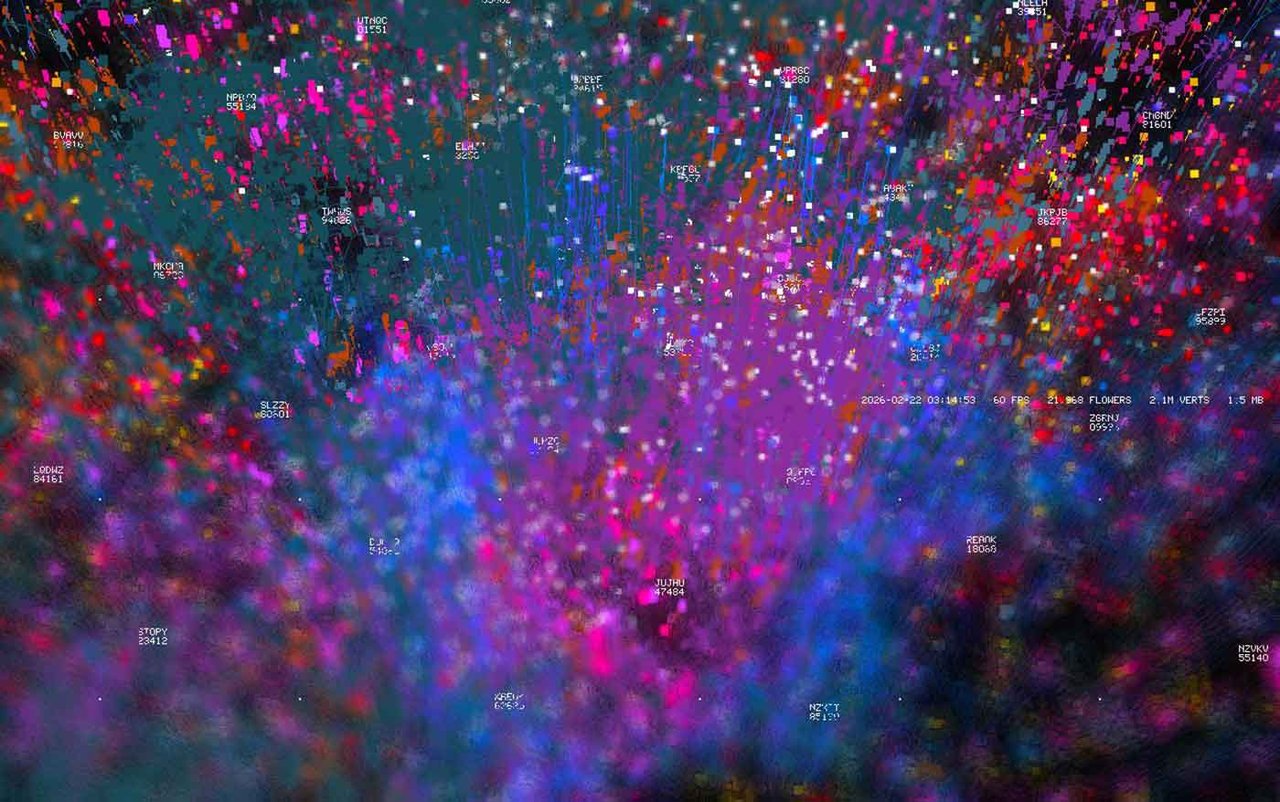
The digital art galleries Fellowship and Nguyen Wahed will be showing, like bitforms and Asprey Studio, at their third successive iteration of Zero 10. Nguyen Wahed will be exhibiting Infinite Garden (2025), by Leander Herzog, where the artist invites collectors to a blockchain-based ecosystem to assemble and share ever-changing digital flora, and Meltdown (2023–26), where Andreas Gysin presents the programming of code as a visual language.
Fellowship is showing John Gerrard’s triptych STANDARD (2023), three real-time simulations in perpetual motion depicting environmental crisis, systems of power, and fossil fuel extraction. On the Asprey Studio stand, the artist and engineer 0xDEAFBEEF will be presenting Matter and Signal (2026), a multimedia project examining generative systems that is centered on the interactive sculpture Glitchbox, which records participant-generated outputs on the blockchain.
Esther Schipper and Andrew Kreps will collaborate on a joint stand presenting Hito Steyerl’s Green Screen (2023), an installation featuring an LED wall made up of recycled glass bottles, AI-generated imagery, and bioelectrial connections to living plants. Almine Rech is showing the composer and visual artist Ryoji Ikeda’s work data.gram (2022), with computer displays running translations of scientific data into immersive audiovisual compositions.
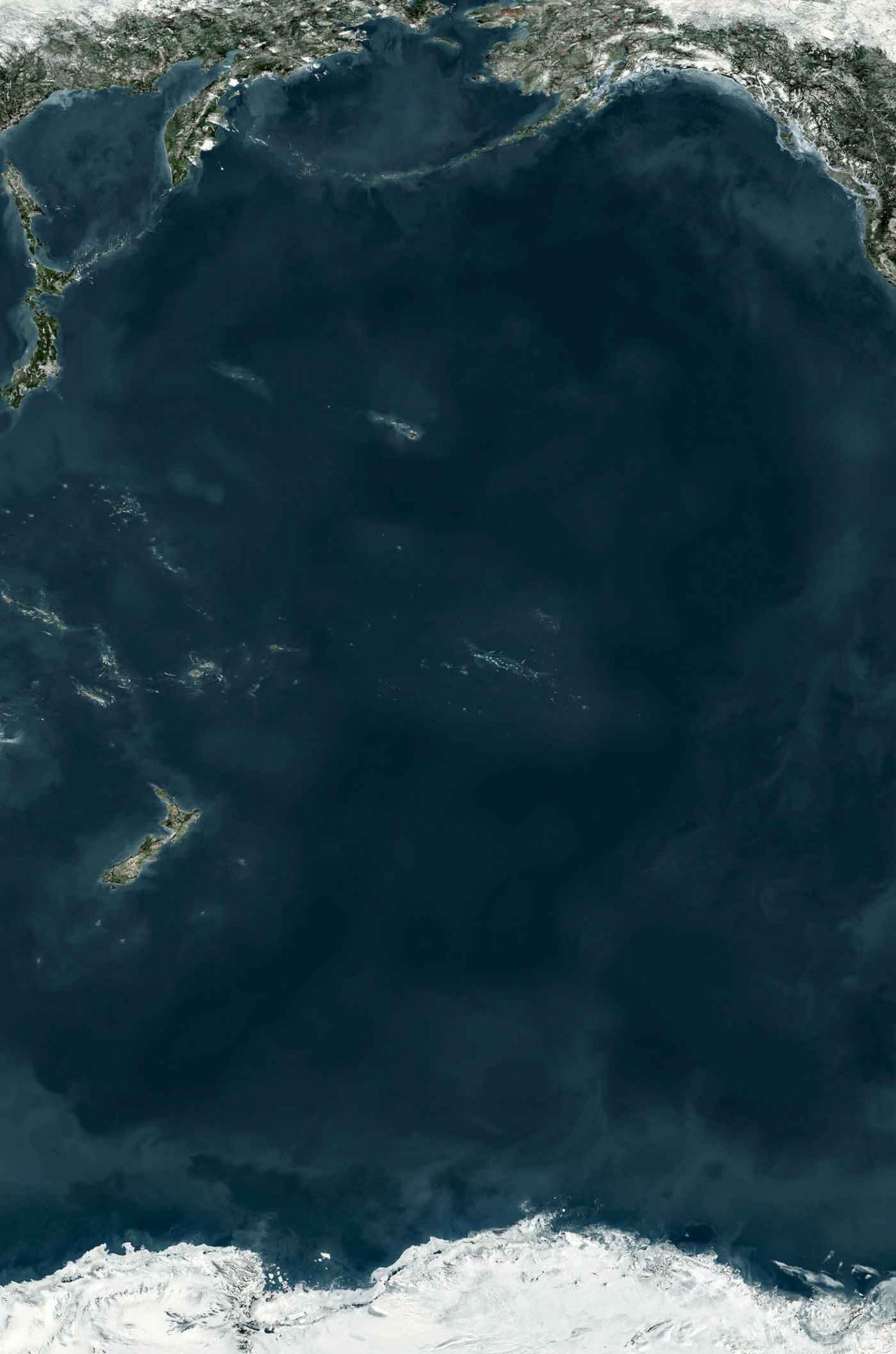
At Sprüth Magers, Andreas Gursky is showing Ocean V (2010), one of the artist’s giant composite deep-blue oceanscapes, derived from satellite imagery. Aziza Kadyri’s A Borrowed Hand (2026), free-standing textile and metal installations drawing on suzani embroidery traditions from Central Asia and exploring the intersection of cultural memory and artificial intelligence, will be shown by eastcontemporary gallery.
Asked about the year of new or renovated institutions addressing digital art — NODE, Palo Alto; the revived New Museum, New York; the Stephen A Schwarzman Centre at Oxford University; the upcoming Canyon in lower Manhattan — and what it means for the presentation of digital art, Paglen says that the curation of Zero 10 explicitly acknowledges that “our lives are natively digital now”.
“It makes sense that our works are natively digital because that's the stuff that the world is made out of at this point.” (Trevor Paglen)
Paglen feels that institutions are grappling with similar sets of questions.
“If you have whole cohorts of artists working natively, digitally, how do you show that we’re not in the postwar era where it was painting and sculpture. It still is that as well. But artists are simply working in different ways. So it makes sense that institutions who want to look at art are thinking about how to respond to the moment.” (Trevor Paglen)
Asked what he hopes visitors to Zero 10 in Basel will take away, Paglen responds: “the idea that there’s nothing weird about digital art; that art is basically digital art at this point. And to be able to see the juxtapositions that we’re setting up between older artists and younger artists and blue-chip artists and up-and-coming artists, and to see that continuum and to see it on a much longer timescale maybe than people would have imagined it before.”
Scheinman mentions one particular example of that continuum, and those juxtapositions, in the presentation Mapan will make at Art Blocks. It is, he says “very much in dialogue physically with this solo presentation of Vera Molnar.”
"To have William [Mapan] and Vera [Molnar] in dialogue within the space is representative of what we’ve tried to do across the whole of the space”. (Eli Scheinman)
As a complement to the art displays, and in common with previous iterations of Zero 10, Scheinman and Paglen will curate a series of panel discussions as part of Art Basel’s broader “Conversations” program. It will feature contributions from Auriea Harvey, Rafael Lozano-Hemmer, and 0xDEAFBEEF discussing “How’re You Supposed to Pay the Rent These Days?”; Erick Calderon (Snowfro), Natasha Degen, and Tina Rivers Ryan debating “Barbarians at the Gates! Let Them In!(?)”; and Aris Dean, Josh Kline, and Hari Kunzu addressing “Art Without Artists, Texts Without Authors, Goddamn Algorithms Everywhere”.
Louis Jebb is Managing Editor at Right Click Save.
No comments yet. Be the first to share your thoughts.
Mentioned in this article
People: Eli Scheinman, Trevor Paglen, 0xDEAFBEEF, Agnieszka Kurant, Andreas Gursky, Andreas Gysin, Harold Cohen, Leander Herzog|Events: Art Basel, Zero 10|