Painter of Machines | Miltos Manetas
The artist and provocateur discusses contemporary art’s changing attitude to technology with app sculptor Damjanski
Damjanski
The artist and provocateur discusses contemporary art’s changing attitude to technology with app sculptor Damjanski
“You two have the same fascination with the internet, you should meet!” was the opening message I received from a friend of mine, Eva Franch i Gilabert, in 2018. The other person in that group chat was Miltos Manetas, whom Eva had met at a castle outside Rome where he was living at the time. After a couple of fun phone calls, Miltos and I lost touch until he messaged me years later from Bogotá, Colombia, where he now resides. I promptly flew out to visit him, staying in his studio at Las Torres del Parque — an historic residential complex designed by the Colombian-French architect and collaborator of Le Corbusier, Rogelio Salmona.
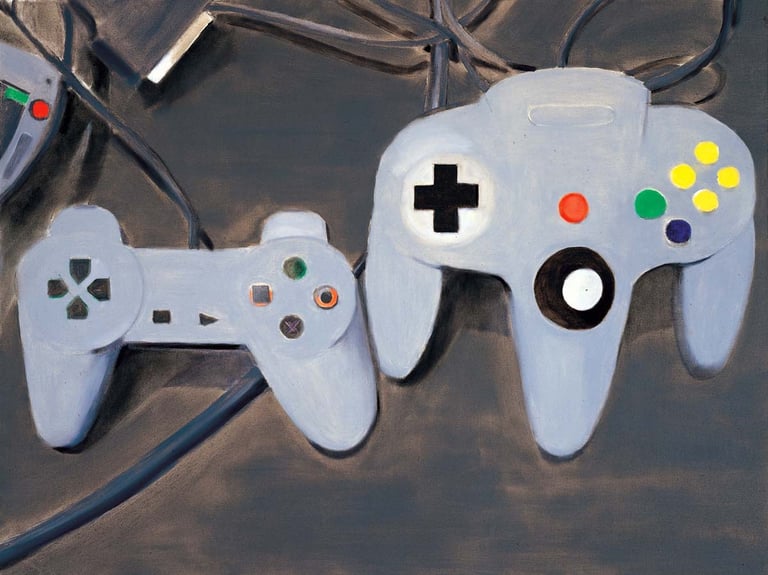
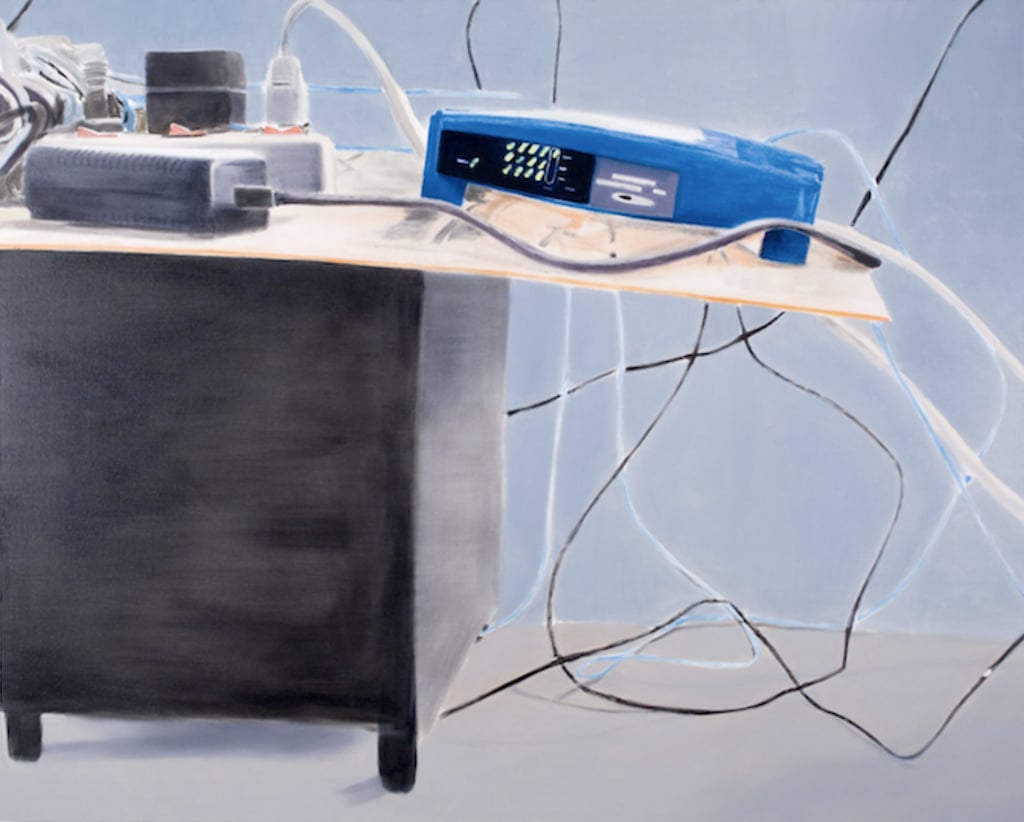
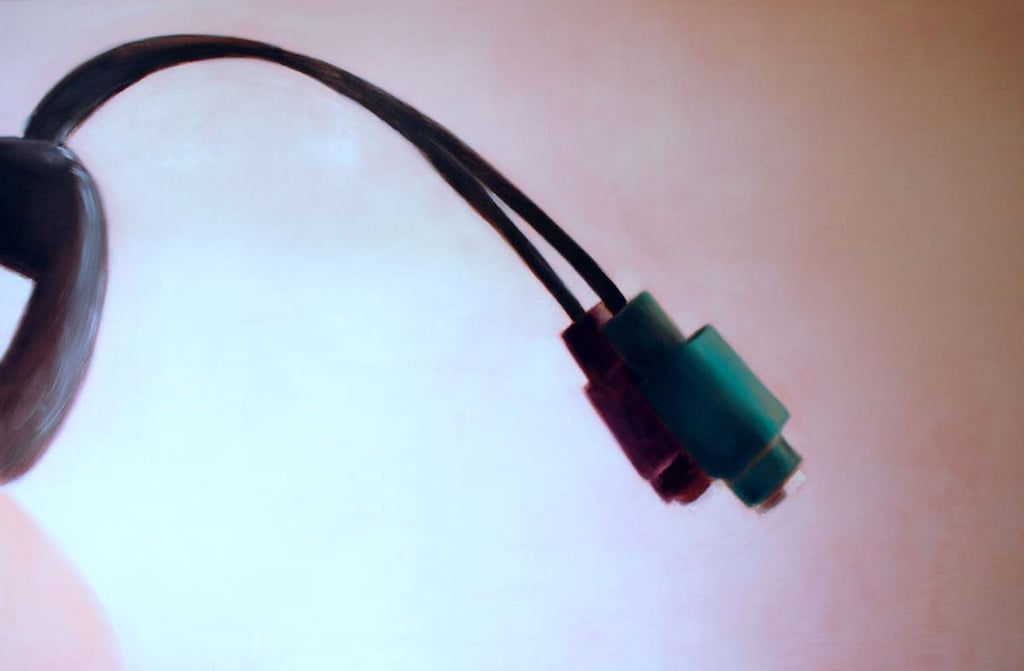
It is easy to be fascinated by Miltos, who made his name as an artist in the 1990s producing oil paintings of contemporary hardware: computers, video-game consoles, as well as the clunky wiring of the early internet. His inclusion as part of “Traffic” (1996), Nicolas Bourriaud’s seminal group exposition of relational aesthetics at CAPC in Bordeaux, reinforced his importance to contemporary art at the time.
As a provocateur who is inclined to shape the realities around him, he has often leveraged his nodal position in contemporary art circles to make bold conceptual gestures. In 2000, together with Mai Ueda he founded a new art movement, Neen, at Gagosian Gallery in New York as a poetic response to a world of emerging technologies. He subsequently developed The Internet Pavilion at the Venice Biennale of Art in 2009, a project that has continued at every subsequent edition. Ahead of his attendance in Venice in 2026, at which Miltos is using AI to bring St Francis back to life, we sat down to reflect on how the internet has changed contemporary art over the last 30 years.
Damjanski: Where are you from, Miltos, and where did you study art?
Miltos Manetas: I was born in Greece, and I tried to study art there, but they told me I had no talent — no ability to paint. I generated that talent for myself later.
I became a good painter, only I did not know it yet because the art school I went to was conceptual. It was the Accademia di Brera in Milan.
D: Who else was part of the school at that time?
MM: Luciano Fabro and Diego Esposito were the professors, and all of the other important artists of that generation, Arte Povera figures, were floating in and out. At that time we were all conceptual artists; nobody was painting. But I started visiting museums and seeing “RRR” (Raphael, Rembrandt, Rubens) and “TTT” (Titian, Tintoretto, Tiepolo) — all ghosts that I wished I would one day paint like. I never did, because I didn’t know how to start.
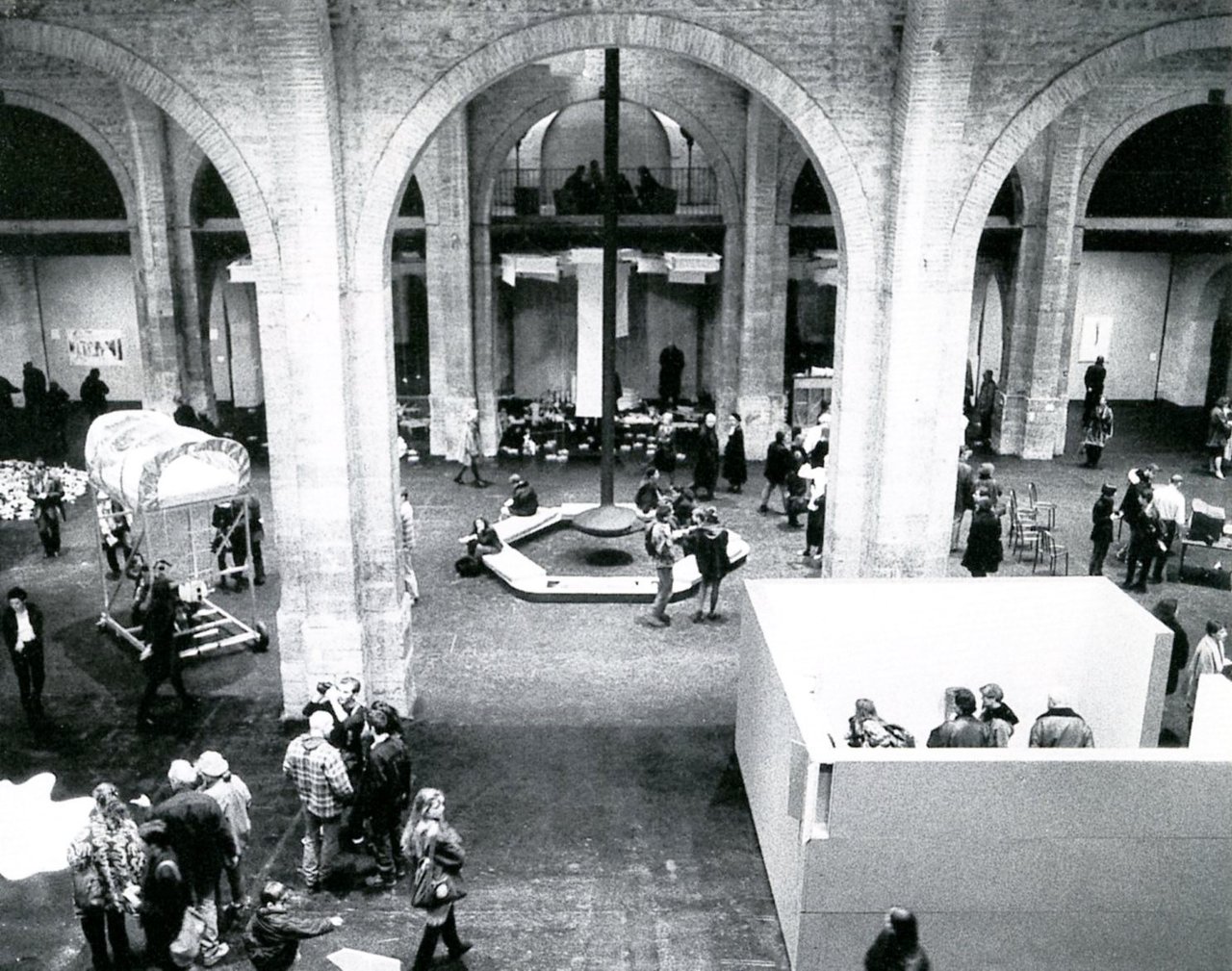
In the meantime I became a post-conceptual artist, and at some point a curator, Nicolas Bourriaud, picked our generation, made an exhibition “Traffic” at CAPC in Bordeaux, and gave this art tendency the name “relational aesthetics”.
D: Who else was part of that show?
MM: [Practically] all of today’s stars — Maurizio Cattelan, Pierre Huyghe, Xavier Veilhan, Douglas Gordon, Vanessa Beecroft, Carsten Höller — everybody who counted at that time. There were British people too: Henry Bond, Gillian Wearing. It was a remarkable list.
Bourriaud picked people who represented something within relational aesthetics: the idea that form doesn’t matter [but] what matters is the production of relationships. You could do it by cooking (Rirkrit Tiravanija), or by putting people together to talk (Liam Gillick), or with psychedelia (Carsten Höller), or the body (Vanessa Beecroft).
I was picked for the computer, which I had discovered two years earlier and had started doing performances, working with voice, what you would call “net art” though we didn’t know it had a name. The museum actually bought me a Macintosh PowerBook. Everyone else asked for different things: Jason Rhoades got a car; some of the Americans asked for down payments on their houses; I asked for computers.
Everybody was waiting for me to do a work with the computer. But when I received the invitation, I felt that this list was too perfect — it was clear that we were all going to become famous the day after.
I thought: “Are you ready, Miltos, to become famous as a relational aesthetics guy?” I was not. My dream was actually what I didn’t know how to do, which was painting — just making a picture of something that looked like a Tintoretto or Raphael version 1996.
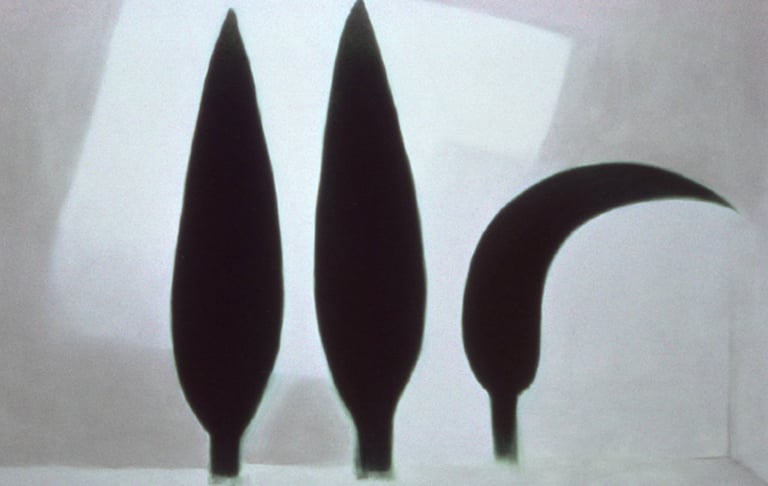
I called a friend and asked him how to paint like this? He gave me instructions over the phone: ten things you need to know to become a great painter. I ordered four big canvases and painted the same image on all of them — three trees, two strong and straight, as if to say “yes”, and one that curves, as if to say “no, not yet.” The painting is called The Sad Tree [SAD TREE (Caserta) (1995)]. It was my philosophical position toward immediate success: “I accept; I’m not ready, I don’t accept.”
My friends complained enormously: “What is Miltos doing — is he crazy?” They essentially obliged me to do the computer performance I had promised; so I hired a young student to perform it while I stood next to my painting. Vanessa [Beecroft], who was my girlfriend at the time, picked out clothes for him and bought him glasses like mine. The guy really looked like me. He became part of the official documentation of “Traffic”.
D: How did you get from there to the cable paintings?
MM: I exhibited The Sad Tree, and my friends hated it. Bourriaud told them: “it’s not a painting, it’s a performance — the sad tree is performing.” That helped slightly. But museum people liked it, and they asked me to do a solo show at Le Consortium in Dijon. They asked for paintings.
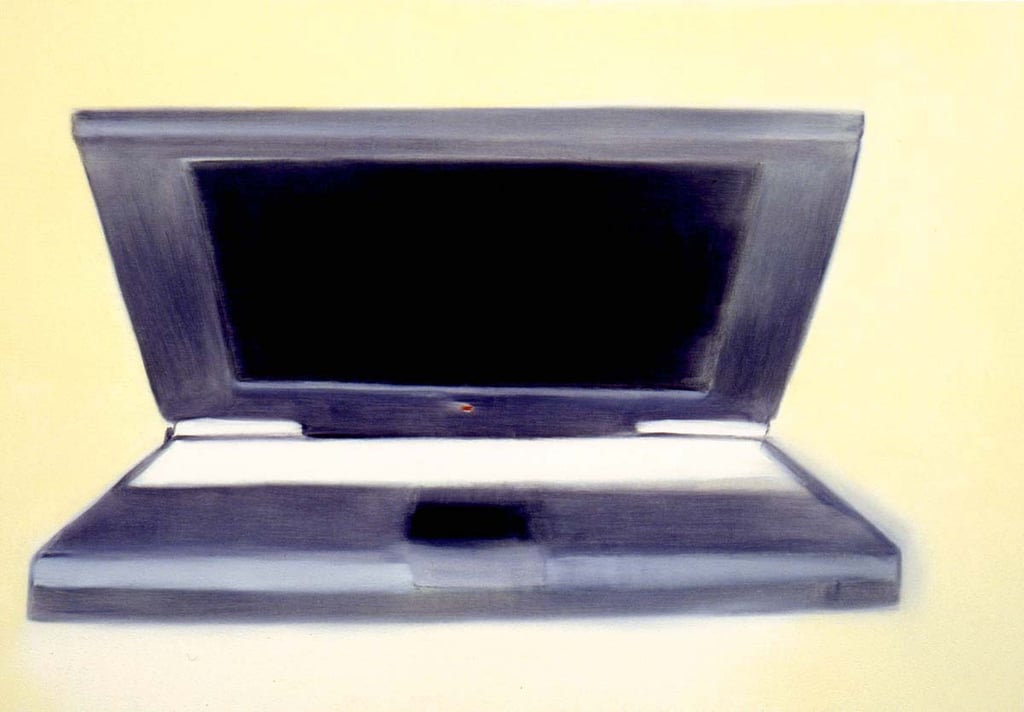
I asked Vanessa: “what shall I paint now?” And she said: “Andy Warhol asked the same question of his friends: ‘what do you love most?’” I said: my “computer. My laptop. My PowerBook.”
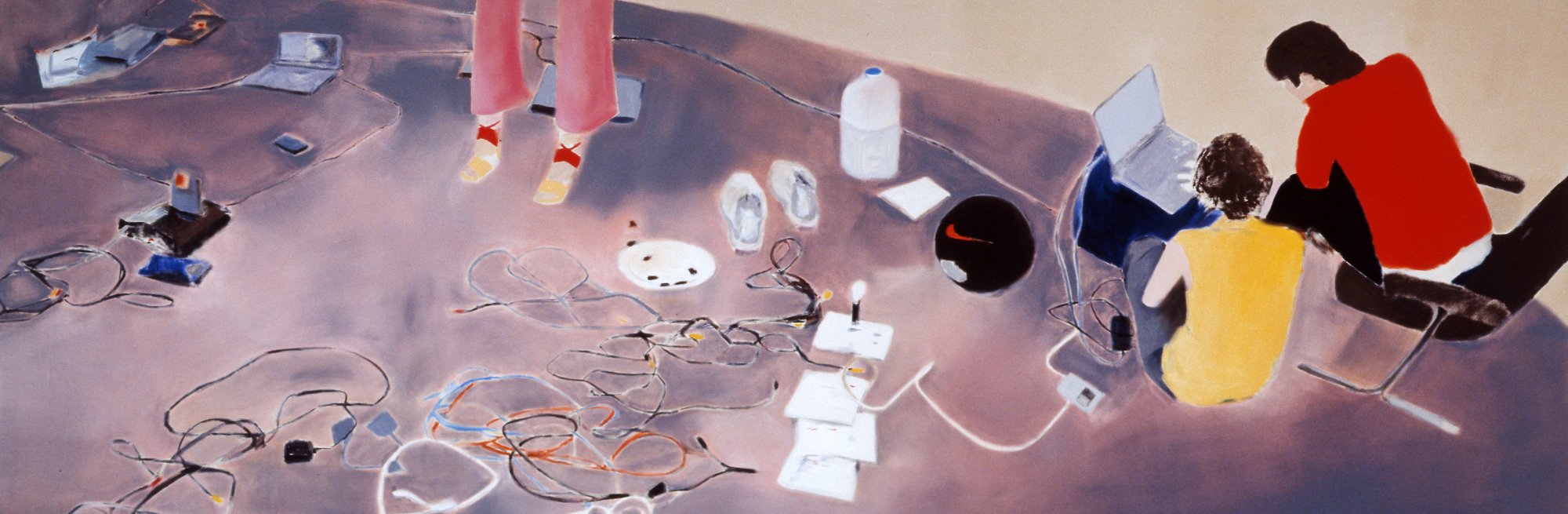
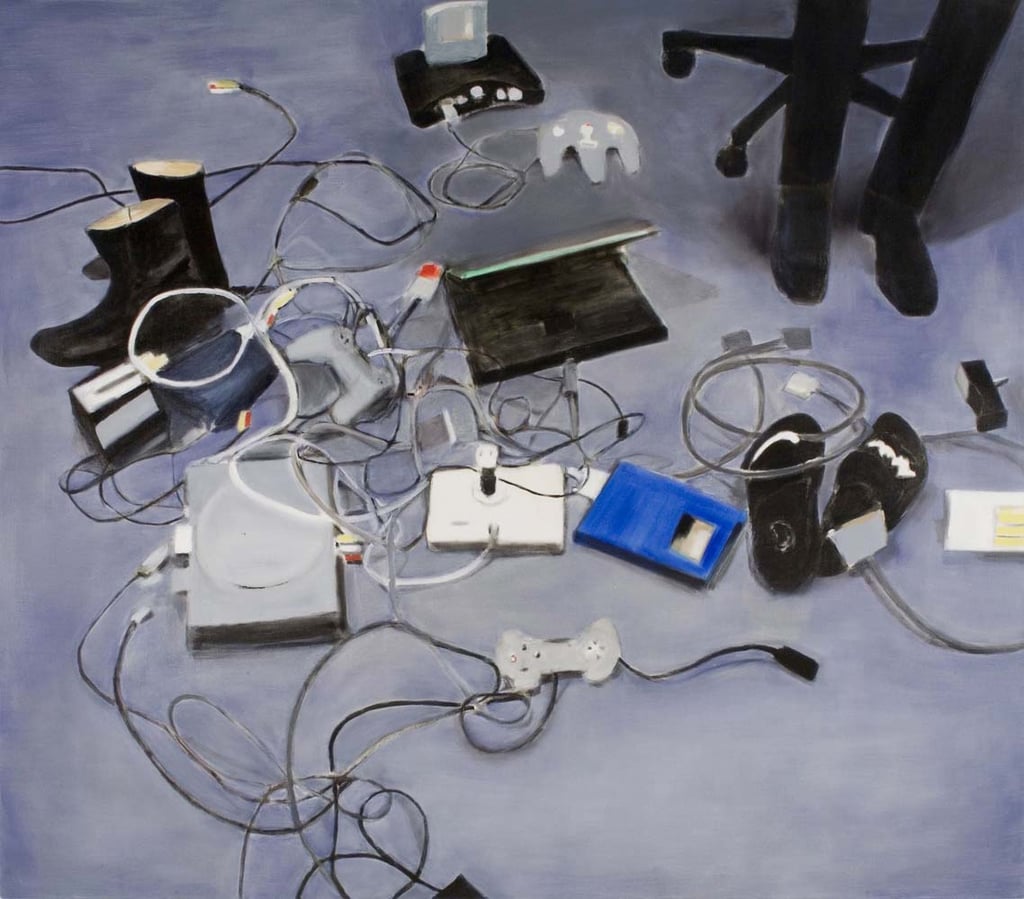
So I painted the PowerBook. Then I painted the first digital camera Apple made, the Apple QuickTake, which could take six black-and-white photographs of very low quality. Then I made a very large painting in the proportions of a beautiful Tintoretto, with the computer and digital camera together. There I was: already an old master.
D: Once you’d had that show and that success, you moved to New York.
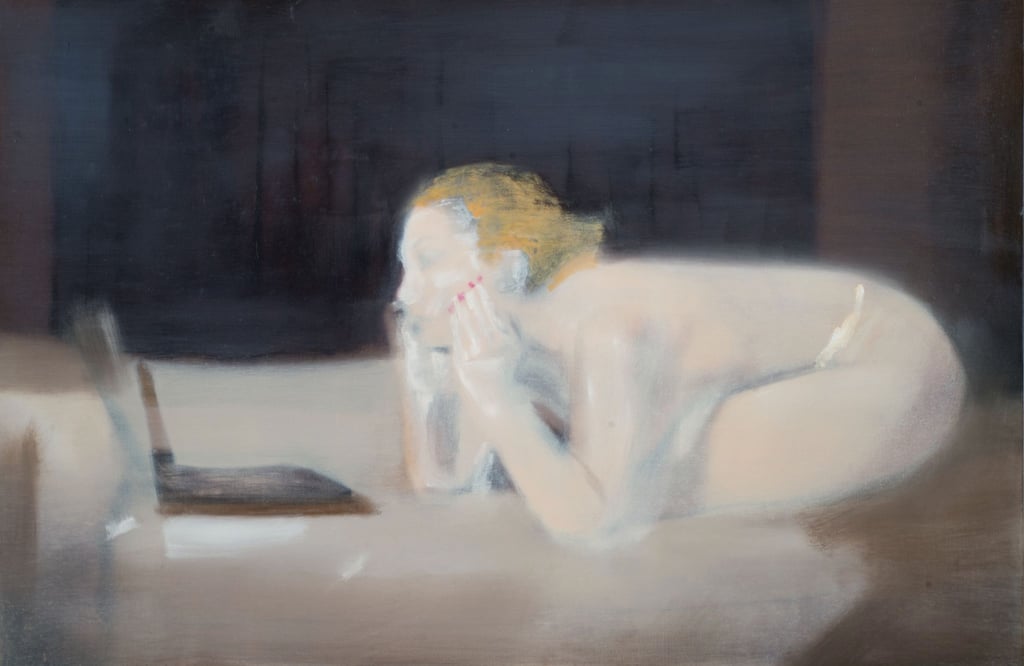
MM: I opened [at] Postmasters Gallery in Chelsea in 1998. With the architect Andreas Angelidakis we made the first metaverse for art and architecture, a simulation of Chelsea with galleries that would open and artists’ studios. I made a floating studio for myself with my paintings installed directly in the sky. I spent a lot of time up there mostly alone analyzing my paintings and the hardware and software they pictured.
Having started as a painter, I then became something else: an analyst of these machines. I had painted them from the outside, but of course [when] I went inside I became an expert on computers — I learned how to use them and started listening to their story. It was a self-portrait of an informatic creature, [and] for me, anything you could do with a computer was a signal about this creature.
Now it’s clear: it was AI. Why? Because the whole planet was doing it. You had a network — a telepathic network of millions of brains doing the same motions. Things were happening [that were] very similar to what AI is today.
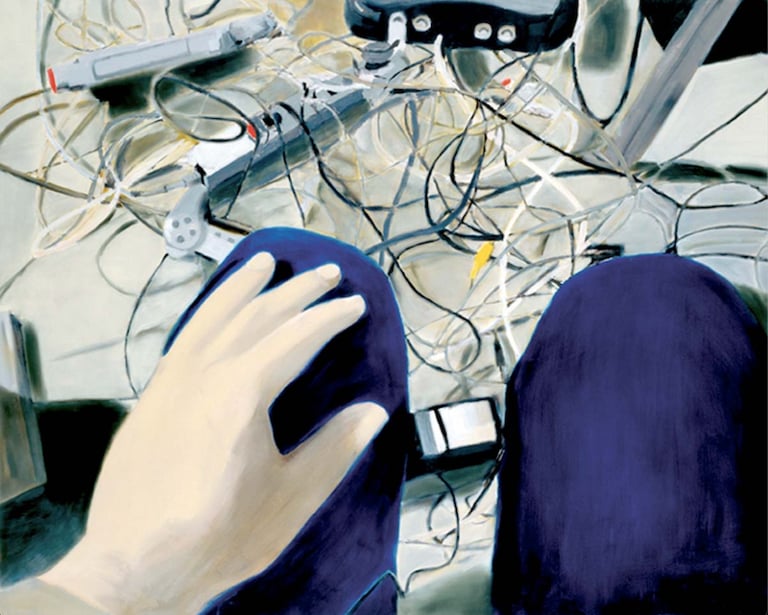
I was in New York listening to and psychoanalyzing the machines. I also discovered first-person video games.
From that vantage point I started observing digital reality and real reality. And what did I see? A lot of boredom. The people trying to make art with the computer were very serious, very academic. The early net art — today it has acquired a new patina and is more curious — but back then it was: “give me back my Super Mario”.
I found beautiful, strange things instead. There was a boy called James Briggs — not an artist, just a boy — who made software where you could move a cursor and his eyes would follow it. Today this looks like nothing, but in 1996 it was “wow, what is that?”
I started asking Bourriaud and others to come up with a name, but they were busy building careers. They had relational aesthetics; they were preparing exhibitions at MoMA. I was like: “I want this other thing”; so I left New York and went to Los Angeles — people thought I was going for the beach — because I wanted to find a name for these beautiful things. I wanted more of them so I could paint them. My only concern was painting: how to see something strange and paint it.
D: How did the name Neen come about?
MM: I was on a plane, and there was an article in Wired magazine about Lexicon — the company that creates product names. They named the BlackBerry and Intel’s Pentium processor. The article said that these names cost $100,000 to produce.
In January 2000, at the height of the dot-com boom, we called Lexicon. They said they were too busy but we went anyway and gave them a presentation of contemporary art. I told them that the word I wanted shouldn’t have anything to do with that kind of art and I repeated for them many times the word “screen”, computer “screen”. Five months later, a fax arrived with a list of beautiful names — Telic, Olo (like 0 1 0), Neen — palindromes, all kinds of things.
I had a collaborator at the time — a young, very talented Japanese woman called Mai Ueda. I told her: “The name you want from this list will be the name of the art movement. She said: “I want NEEN.” I said: “What!?” She said: “I want to be a NEENstar.” Like a youngster, a gangster. And that was it. We took NEEN.
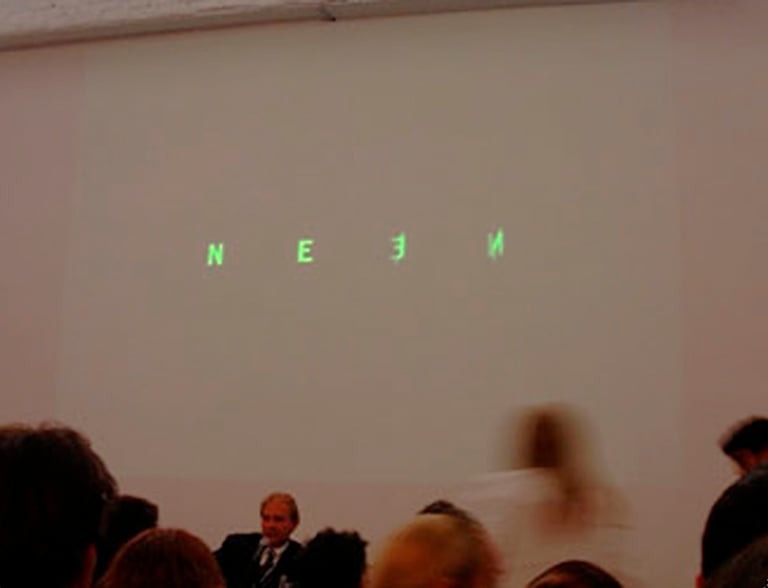
My producer Yvonne Force Villareal of Art Production Fund wanted to announce it at Gagosian. I said: “trust the internet, let’s just send around an email.” She said: “We’re doing an exhibition at Gagosian”; so we made the announcement there with no alcohol, only Evian water, Andy Warhol paintings on the walls for decoration, and the most important linguist in America, Steven Pinker, as an expert guest. Pinker said that the word I had chosen would have no success, but Joseph Kosuth sent us a video from Rome, like the pope giving us his conceptual authorization to go further.
Something very strange happened: every projection we did came out greenish. [These were] the best projectors in New York, and they were all inexplicably green, as if the computer wanted to say something.
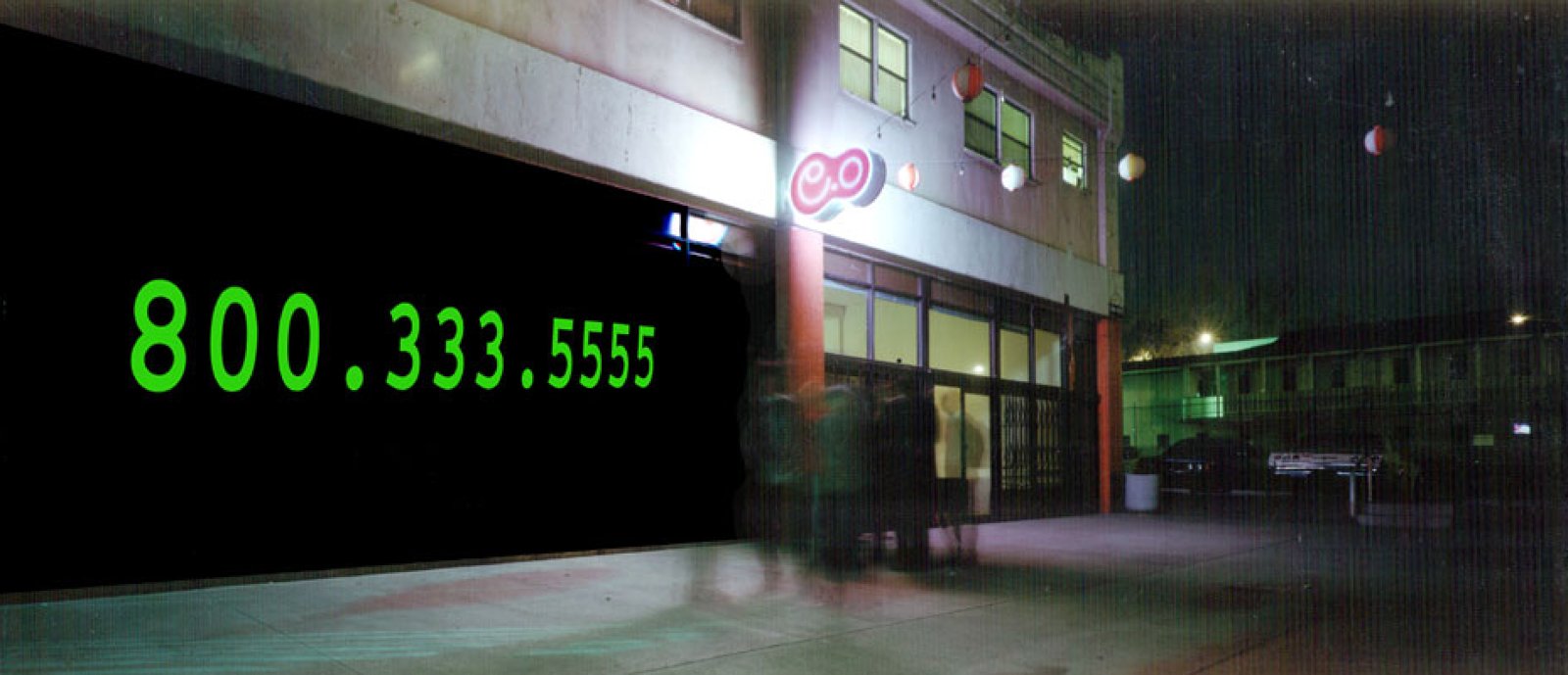
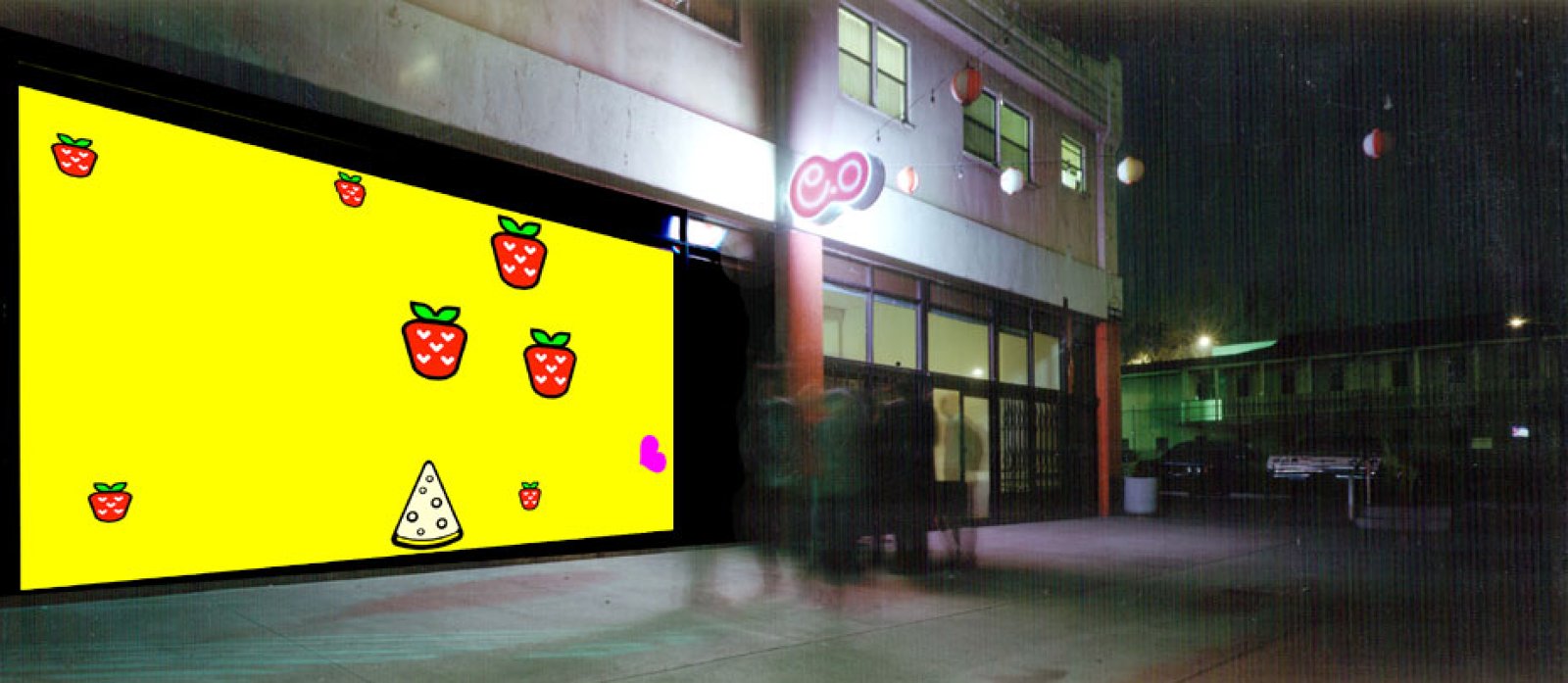
So we had a name but we didn’t know what NEEN was; so we went to Los Angeles, rented a place in Chinatown, put up a sign that said “The Electronic Orphanage”, started hiring young geniuses, telling them: “If you make art or design, you lose your job.” I paid them to do nothing but play video games and look at computer screens. And when Mai and I would pass by, we’d see on the projection what they were doing.
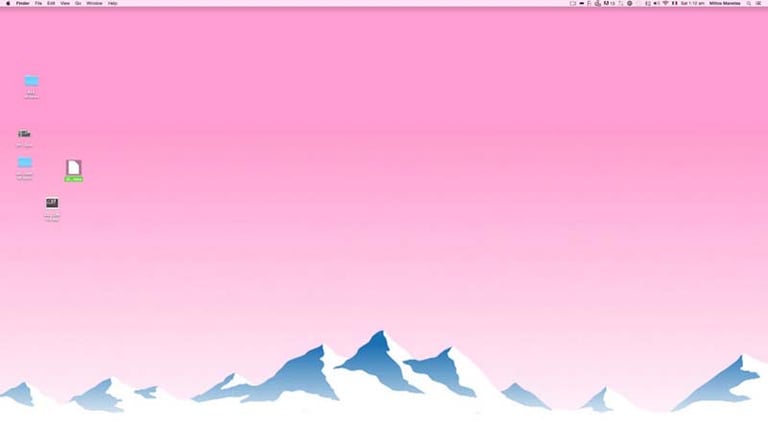
One of them [Mike Calvert] came in one day with the Evian mountains logo — he’d removed the word “Evian” and was using the landscape image as a desktop background. And I said: “this is NEEN.” Mai said: “Oh, that’s very NEEN.” And the guy said: “what is NEEN?” And we said: “that is NEEN.” And he said: “It’s very NEEN.” And that’s how NEEN was born.
Then I told him: “Now go on the internet and find another NEEN person.” He found a young, recently graduated genius called Rafaël Rozendaal who had made a Flash animation where you could put a moustache on his face with a nice sound. We brought him in.
D: And the idea of making websites as artworks — how did that start?
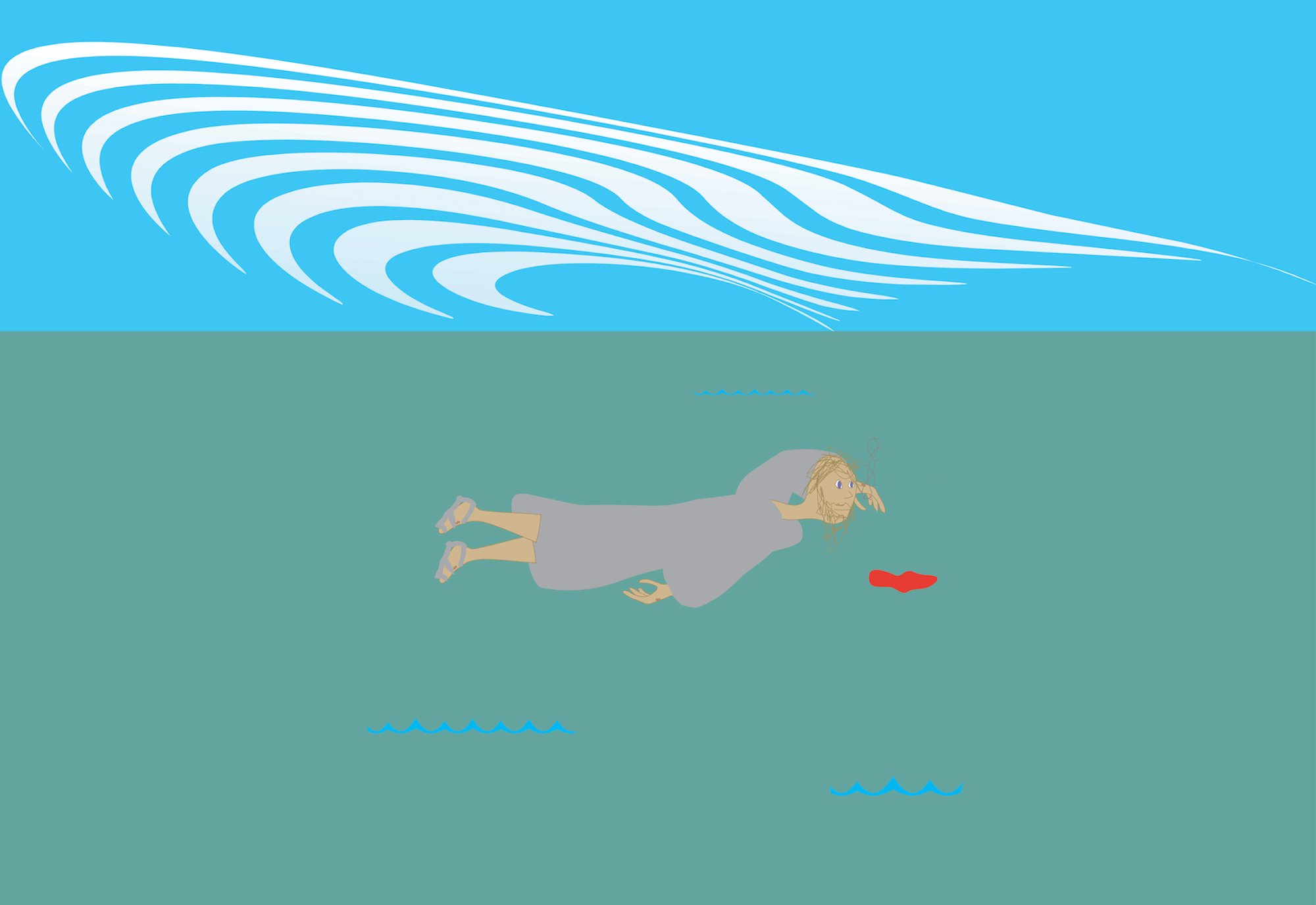
MM: One day, I woke up and said: “Jesus swimming.” And Mai said: “.com.” I called up Joel Fox and asked him to make an animation of a swimming Jesus, and approached the British composer Mark Tranmer to prepare some accompanying music. The combination became jesusswimming.com. After that, it became a modus operandi [and] everyone in NEEN started making websites as artworks.
NEEN is the grandfather of the NFT because we were doing something unique through the registration of a website. If you buy jesusswimming.com, you are the only person who can own it; two people cannot own one domain. If the same material is on jesusswimming.org, that’s not the artwork because the artist has signed jesusswimming.com.
D: If I remember correctly, Rafaël Rozendaal worked with a lawyer to set up a contract that any artist could use — what I call an “unsmart contract” — which was an analog version of what blockchain smart contracts would later do.
MM: The idea of the contract as the work of art is a modus operandi from the 1970s. Conceptual artists had always sold performances, as well as dance, air, and “invisible” sculptures, by taking a piece of paper and making a certificate of authenticity. The [idea of the] contract as the artwork comes from conceptual art.
D: What happened to Neen?
MM: NEEN lasted from the year 2000 to about 2002. Two important things happened: one was September 11, 2001. I was in New York; I saw the towers collapse. The question a journalist asked me was: “Is this NEEN? I said: it’s black NEEN, dark NEEN.” In the beginning, NEEN was very angelic, very beautiful with good purpose, like the computer was giving us the best of itself. Then September 11 came and terrified the whole global reality. The second important thing was that the computer became part of the body.
When you have the computer outside your body, it’s like a book. But when you have a [computer in your] phone, you are looking at your hand. Suddenly the internet is all around you — you don’t look at it, you look through it. That’s when the story of postinternet begins and why I created the Internet Pavilion, because the internet had become a country.
NEEN was not an artist movement, it was a movement of young magicians built around Flash animation. Most of us weren’t programmers, but you needed that desire. Then they killed Flash and some of [the members of NEEN] got scared and didn’t want to be magicians anymore; they wanted to move into conceptual art, do regular exhibitions, and get paid for their work.
My purpose with NEEN had been revolution, but I was not a revolutionary myself; I was more like Lenin who was invited to leave the library in Geneva and go to Moscow to organize the revolution. So, at that point, I became a bit dictatorial, and that first little NEEN army broke apart because people said: “Fuck you, Miltos, I want to be an artist, and you can’t tell me what to do.”
Right before NEEN ended though, in 2002, we did whitneybiennial.com. I had just registered the web domain of the exhibition and I went to the Whitney to inform Lawrence R. Rinder that I was planning an online show that would shake the ground under his exhibition. I asked him to collaborate with me against his own show.
Talking with him, an idea was born: why not rent 24 U-Haul trucks and convert them into monitors that would display the 55 animations of whitneybiennial.com. What happened next is a long story and became an urban myth: the U-Haul trucks never arrived but some people “saw them” anyway. The whole operation was dedicated to the famous italian artist Gino De Dominicis, who worked with invisibility. There’s a nice story about all that on Rhizome.
D: Tell us about the Internet Pavilion.
MM: After September 11, 2001, I felt uncomfortable living in the US. I soon realized that there was nothing for me there, and so after the whitneybiennial.com I stopped living there permanently and I started living in Paris and then later in London. Meanwhile, the postinternet generation arrived — kids who had heard about NEEN and net art at university.
Most of them didn’t care to have a bigger picture; they just wanted to sit at the table with other artists and make exhibitions. That’s where Petra Cortright comes into the picture — she was the best of them because in her work there was still a NEEN relationship with the computer. There were a few other talented postinternet artists, including Jon Rafman, Amalia Ulman, AIDS-3D.
In 2008, the architect Jean Nouvel brought me to a talk by Paul Virilio about the desert of computer screens. For the first time in my life, I felt that I was too deep in the screens. I didn’t want computers anymore, not in that form. On a drive from New York to California, I ended up getting lost between LA and San Francisco, somehow meeting the pioneering computer scientist Leonard Kleinrock. I asked him if he was happy with the internet and he told me what I memorized as the Three Kleinrock Complaints:
We should be able to connect from any place on earth
We should be able to connect with any device
The device should be invisible
I came out of our meeting thinking that “we must change the internet!” Instead of being about computer screens, it should become a layer of reality.
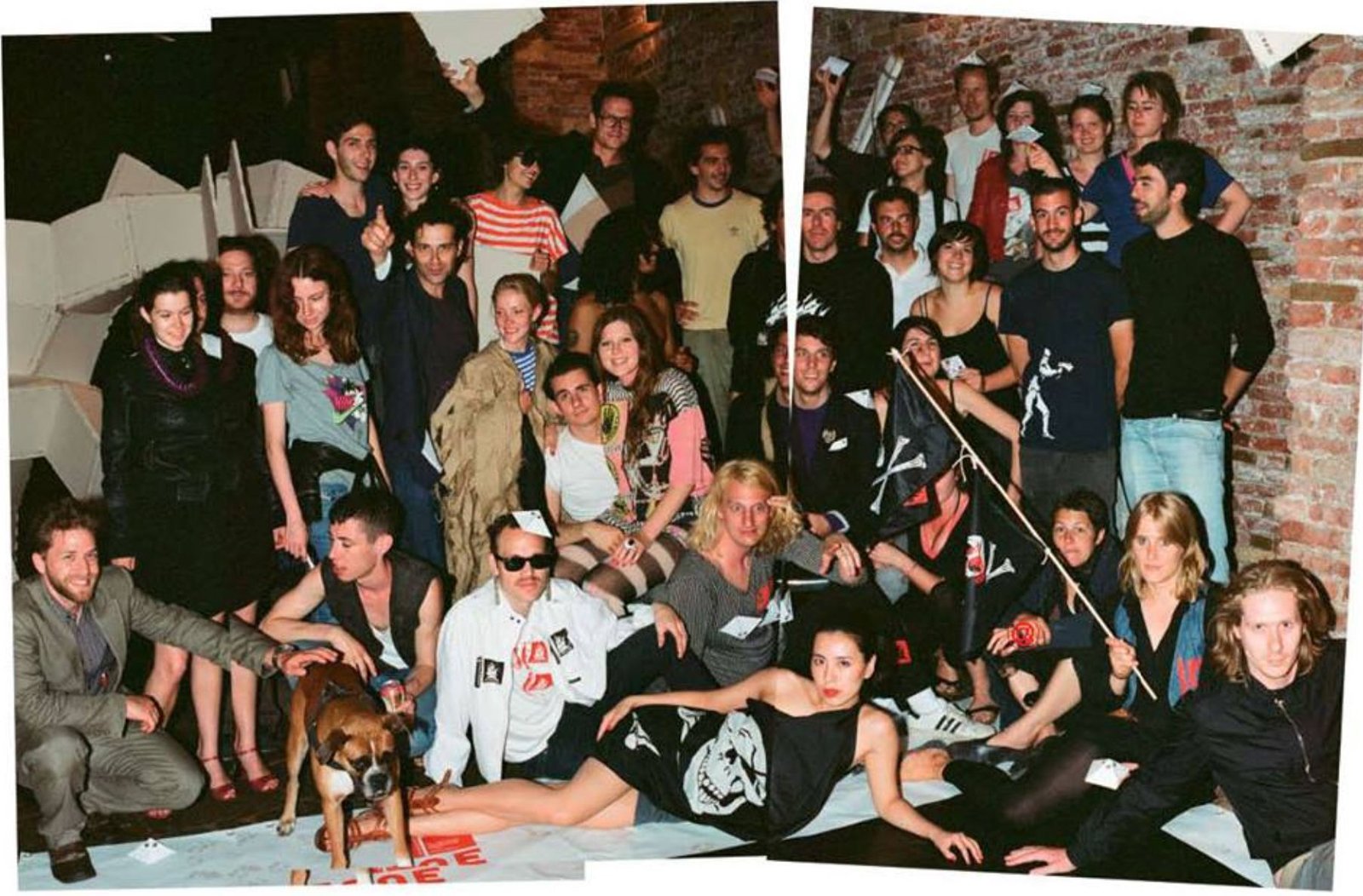
I invited The Pirate Bay (TPB) to participate in the Internet Pavilion at the 53rd Venice Biennale in 2009, but the Italian government stepped in and forbade their participation. I signed a paper saying that they would not attend. But the pirates came anyway, connecting with anarchists, taking boats around Venice, and creating a lot of hassle. The art world was a bit annoyed. Officially, I had set up an exhibition of postinternet art, largely comprising a new generation: Rafaël [Rozendaal] was there from NEEN alongside Petra [Cortright], Oliver Laric, and others.
They all teamed up together: pirates, postinternet artists, and anarchists.
The Internet Pavilion has happened at every art biennale since. The second edition was taken over by Rafaël, occupying the island of San Servolo, while the third, curated by Francesco Urbano Ragazzi, occupied a deconsecrated church, the Oratorio di San Ludovico, and was dedicated to “The Unconnected”. You attended the ninth Internet Pavilion in 2025, its first architecture edition, conceived by the architect Despoina Damaskou, whose entrance and exit were in Bogotá despite occupying the Rialto Bridge. Prompted by Despoina, I painted fresh AI Polaroids for all three episodes of the edition.
D: What are you doing at the Internet Pavilion this year?
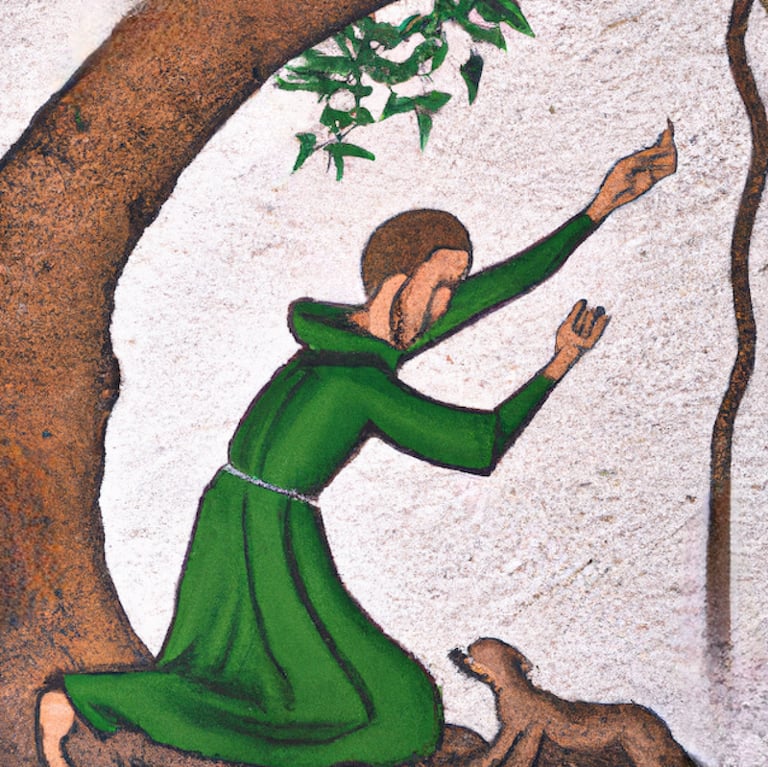
MM: For eight years now I have been working with St Francis of Assisi — an 800-year-old holy man of the church — who was constantly doing relational art. I work a lot with AI these days and I am like a large language model myself so I decided to bring him back. What is St Francis, or anyone, really, if not a data persona founded on stories: autographs, paintings, and testimonials?
This year, for the tenth edition of the Internet Pavilion at the Venice Biennale, I am bringing St Francis back to Venice through AI. I pass everything through one AI, then another, then another, creating an errant NEEN monastery. I am doing instant churches and improvising “monks”.
I am taking over the whole city, presenting St Francis and holding conversations. I met Joseph Kosuth at his exhibition, for instance, and introduced him to St Francis. Joseph said: “Hi, St Francis,” who replied, “I like your work very much, Joseph.” After all, St Francis can tell us things: “What shall we do now? Shall we burn everything? Shall we shut up and make money?” We use him as a consultant.
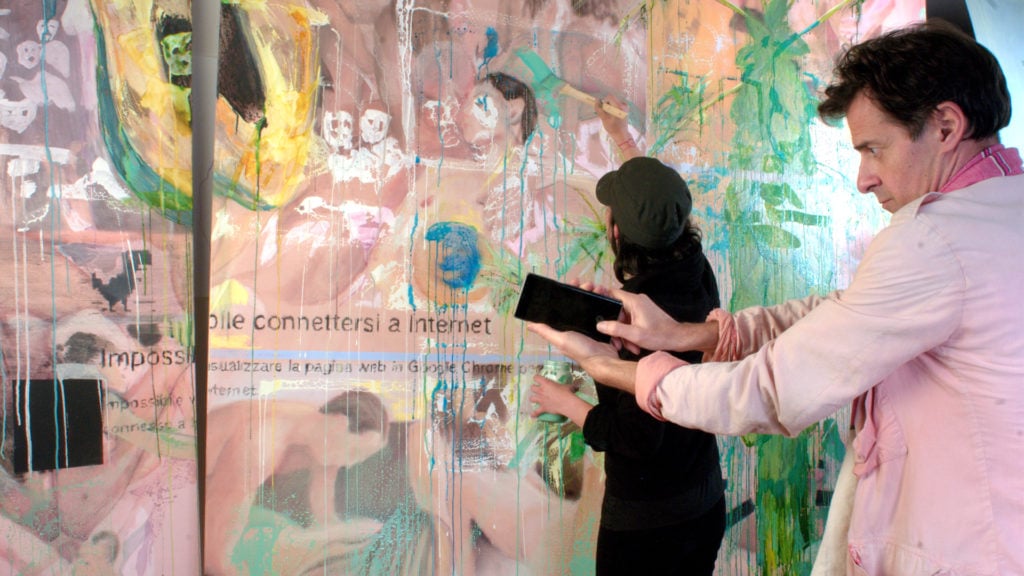
I also create artifacts — paintings, objects. Wherever I am, my operational mode is to create, [and] to work with [the place], sometimes painting directly on walls, sometimes using sound, sometimes performance. It all disappears. I transformed an apartment in Rome into a church for visitors. Then, it was gone. Now I am building another one there.
D: What is it that still excites you?
MM: It’s always the same thing. I like anything digital; anything that moves. But I’m not under the influence. I am interested and I observe.
The world is divided between people who are doing something well and people who don’t really know what they’re doing. I am interested in the second group rather than specialists. If I meet a painter who has it perfect and knows what he wants I don’t relate. But if I see someone lost in space, taken by a dream — a “wannabe”, as they say pejoratively in America — I get them immediately. I was always like that. I care for the wannabes. Kosuth is still, at his age, in a wheelchair, a wonderfully active “wannabe”.
D: Let’s finish with your pink elephant story.
MM: As an artist, you are in a dark room with a flashlight looking for a tiger. But when you move around with the flashlight, the tiger runs away — it’s scared of the light.
The only thing to do is keep the light pointed in one direction and hope the tiger walks into it. But sometimes a pink elephant shows up instead, and you have to be okay with that.
You don’t know what will come out. All you can do is keep doing what you really love. I am so grateful you reminded me. This is quite a manifesto.
Miltos Manetas is a Greek-born painter, conceptual artist, and theorist whose work explores the representation and aesthetics of the information society. Manetas is the Founder of NEEN (the first art movement of the 21st century), a pioneer of art-after-videogames (Machinima) and an instigator of postinternet and NFT. In 2009, he was invited by the Venice Biennial to create its first Internet Pavilion. In 2014, Following an invitation from the Swiss Institute in Rome, Manetas introduced the concept of Ñewpressionism, which he continued to develop on social media using techniques of “Overeality” and “Metascreen”.
Manetas used documenta 14 to reinforce his concept of MedioSud, presenting his NeoUmile approach at MACRO in Rome. In 2018, the MAXXI realized Manetas’s “Internet Paintings” through a three-month performative exhibition. According to Lev Manovich, Manetas’s art can be situated within a well-established tradition of modern painting (representing modern people in their particular modern settings). While, for Nicolas Bourriaud, Manetas’s work belongs to the domain of relational aesthetics and post-production.
Damjanski is an app sculptor. The app Never Not There, commissioned by the Centre Pompidou and ZKM in Karlsruhe, transformed each museum into a dystopian server room while the LongARcat app creates long cats in augmented reality. The Bye Bye Camera is the camera for the posthuman era: every picture automatically removes any person. The artist recently launched a new internet sculpture, WHERE.OBJ.
In 2018, Damjanski co-founded MoMAR, an augmented reality (AR) gallery app aimed at democratizing physical exhibition spaces, art institutions, and curatorial processes at the Museum of Modern Art, New York. In 2024, he launched Still Here, a site-specific and permanent AR sculpture of himself floating above the entire island of Manhattan. His work has appeared internationally, including at Centre Pompidou and Photo Elysée, Paris; ZKM Karlsruhe, MAMM, Moscow; NRW-Forum, Dusseldorf; Roehrs & Boetsch and Kunsthalle Zürich; Rhizome, Pioneer Works, and Postmasters Gallery, New York; Office Impart and König Galerie, Berlin; NEORT++, Tokyo; Goethe-Institut Argentinien, Buenos Aires. Damjanski currently resides in New York.
On the occasion of its 10th anniversary at the Venice Biennale, The Internet Pavilion is bringing Saint Francis to Venice. Miltos Manetas invites you to follow @according_to_manetas on Instagram, the online studio of the Pavilion for 2026.
No comments yet. Be the first to share your thoughts.
Mentioned in this article
People: Miltos Manetas, Andy Warhol, Carsten Höller, Damjanski, Joseph Kosuth, Liam Gillick, Mai Ueda, Mike Calvert, Nicolas Bourriaud|Events: The Internet Pavilion|