Serpentine Names First Cohort of Fellows Researching AI’s Effects on Society - Right Click Save
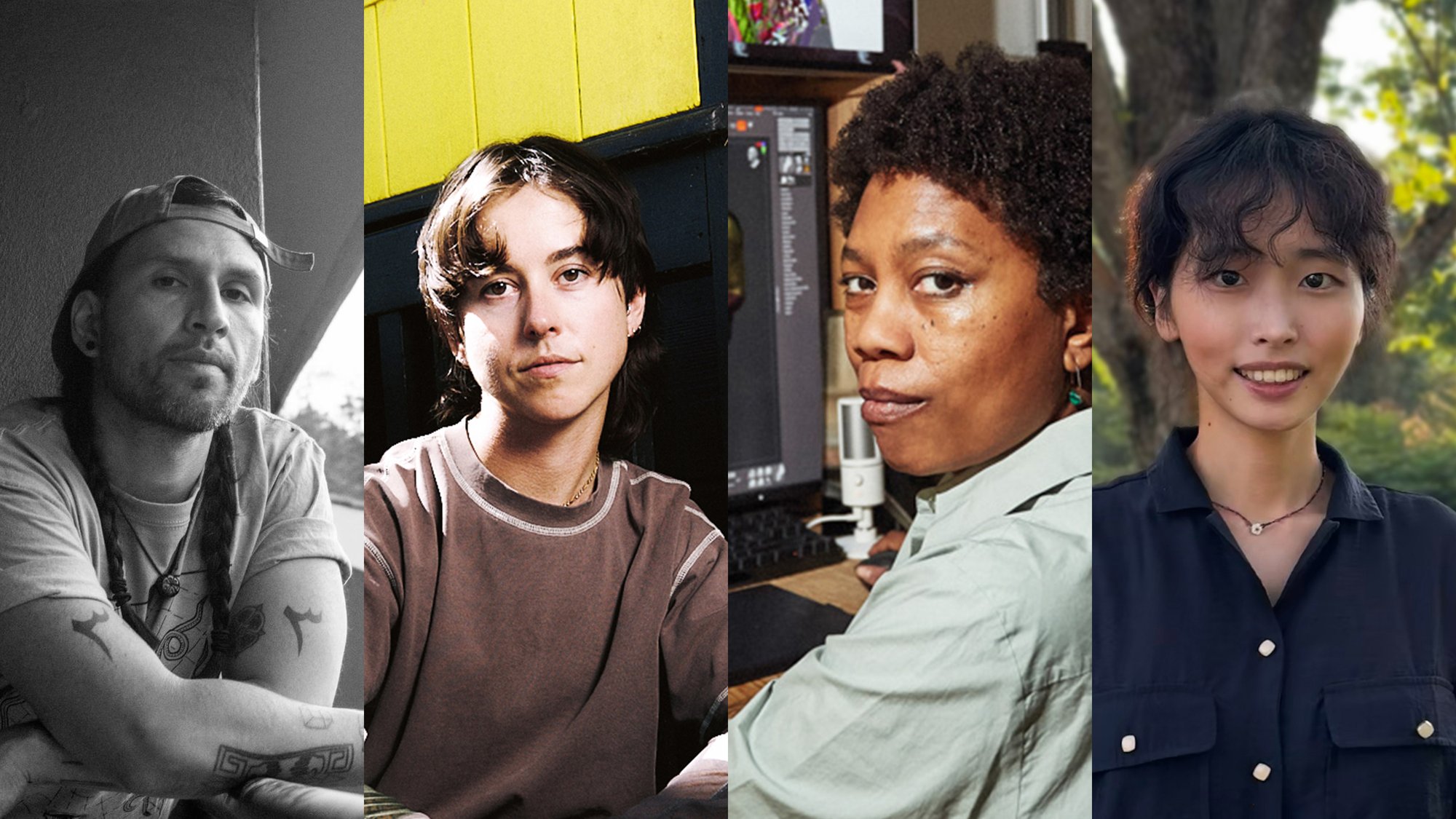
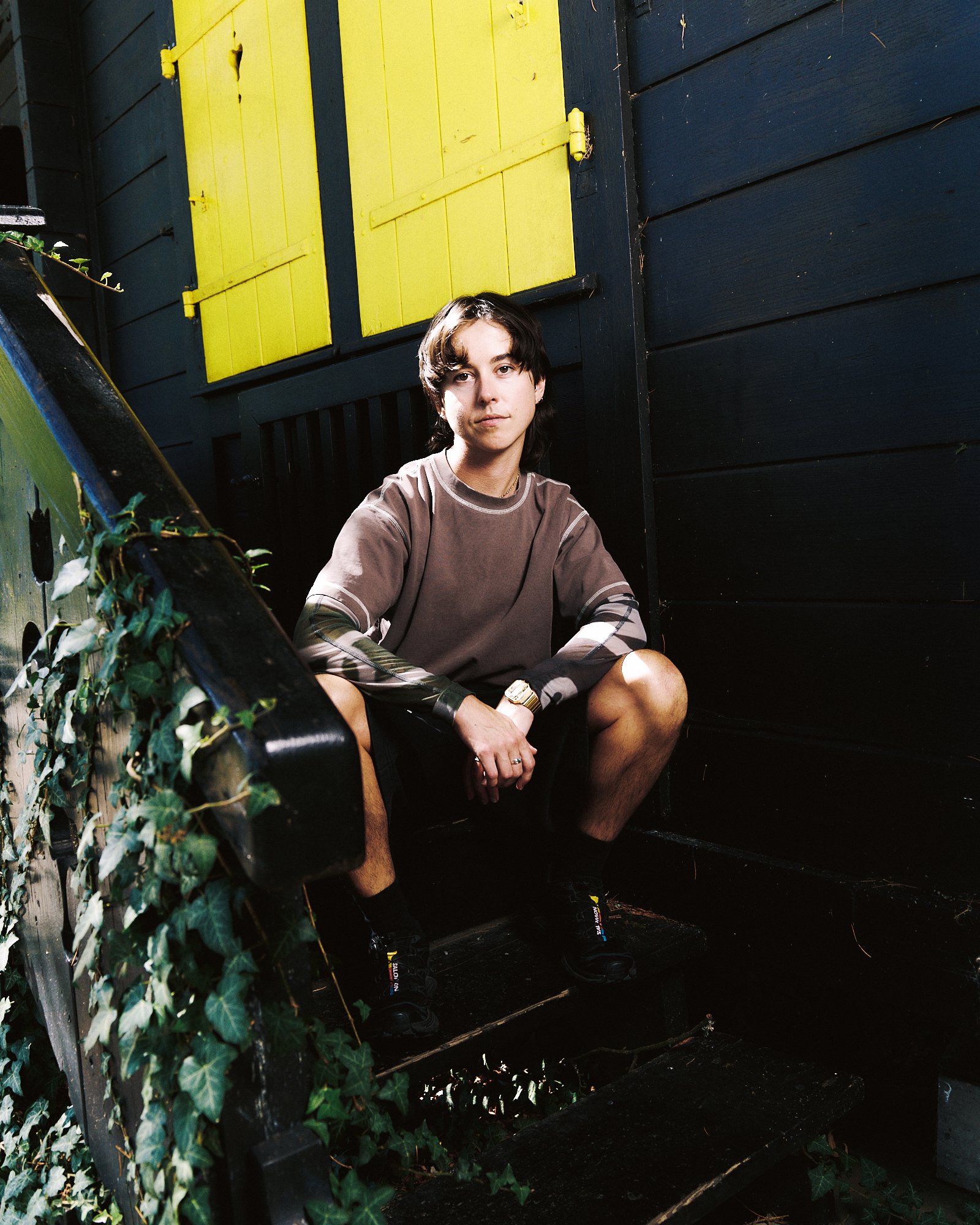
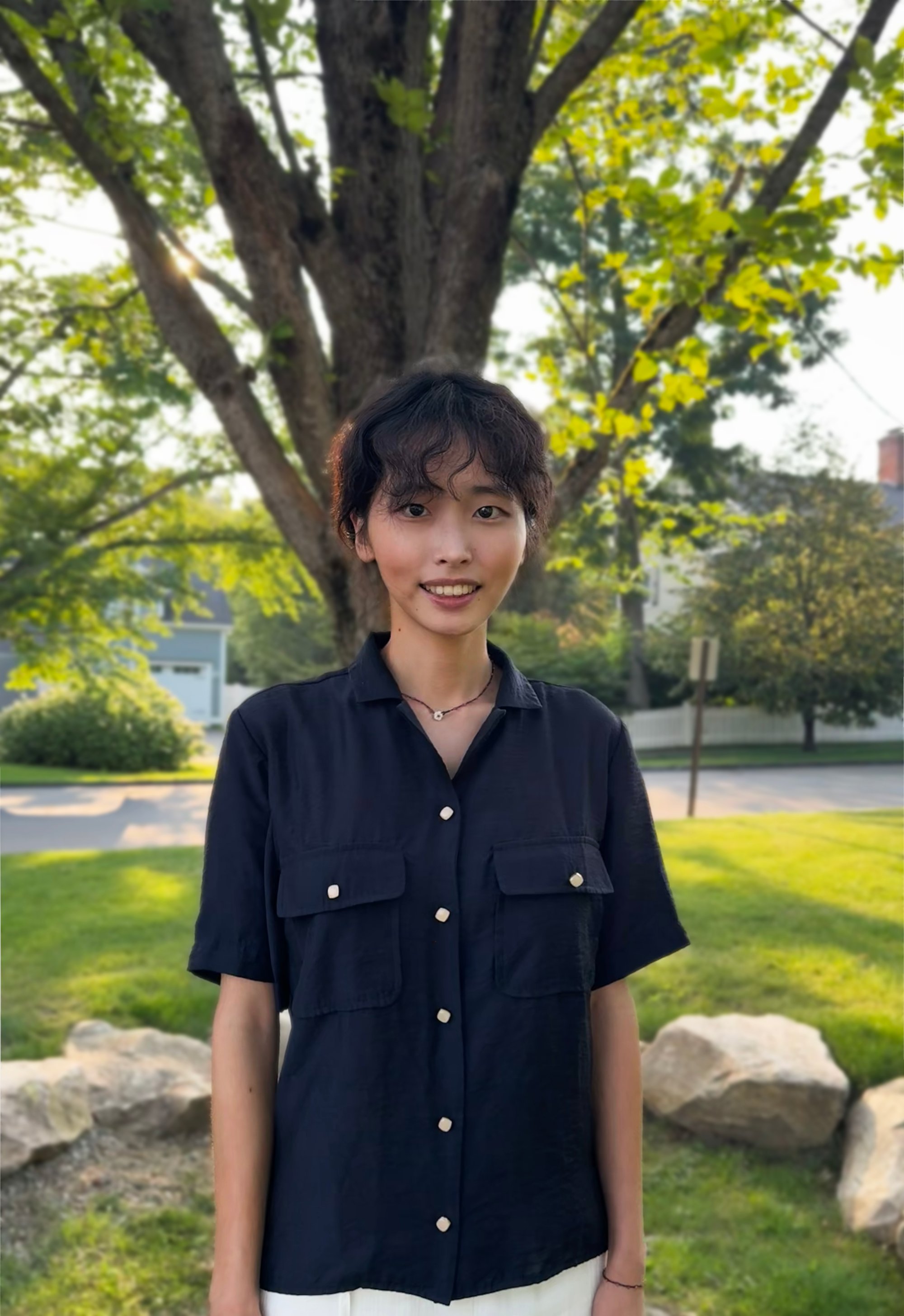
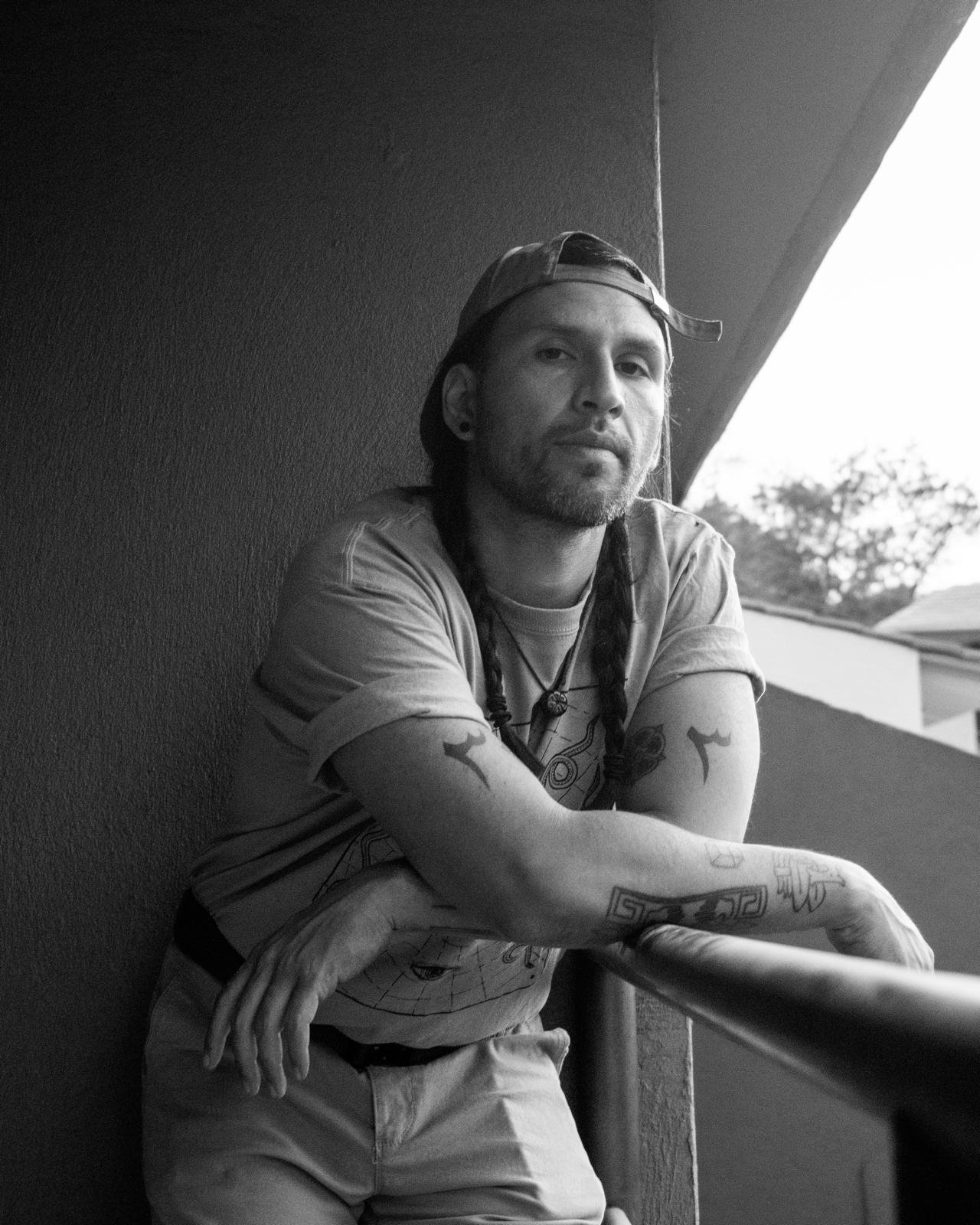
The inaugural Serpentine Future Art Ecosystems R&D Fellows (from left): Alfredo Salazar-Caro, Alice Bucknell, Auriea Harvey, and Reina Mun. Courtesy of the artists
Serpentine gallery, London, has announced its inaugural cohort of Future Art Ecosystems R&D Fellows. The artists Auriea Harvey, Alice Bucknell, and Alfredo Salazar-Caro, and the researcher Reina Mun, have each received a bursary to explore, under a six-month-long program, how advances in artificial intelligence (AI) are reshaping culture, institutions, and public life. The fellowship involves mentorship from the Serpentine team, including a period of research work spent in London.
Bettina Korek, CEO of Serpentine, and Hans Ulrich Obrist, its Artistic Director, said in a statement that the fellowship “creates space for innovation, pragmatic interventions and new ways of thinking about the relationship between technology, society and culture”.
The fellowship, Korek and Obrist said, “reflects Serpentine’s wider approach to working with artists, from research and development, through exhibition, and now into new formats, contexts and audiences.”
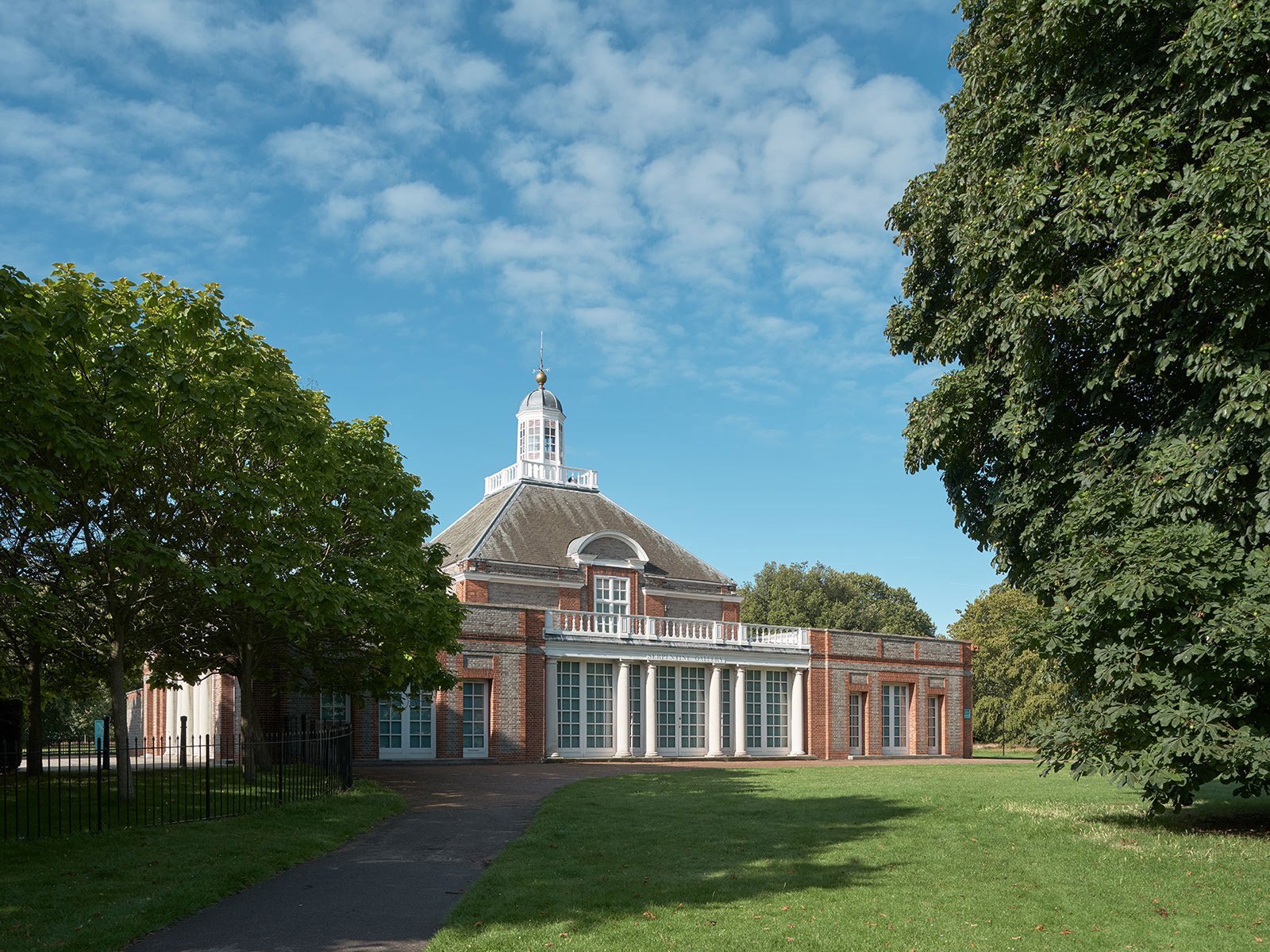
The fellowships are the latest strand in Serpentine’s engagement with art made with technology, which dates back to 2014. The gallery’s Arts Technologies team has commissioned and shown work that touches on pressing questions around the effect of AI on society. Recent exhibitions focused on AI include Refik Anadol’s “Echoes Of The Earth: Living Archive” (2024), dedicated to showing the artist’s process in creating ethical AI models; and Holly Herndon and Mat Dryhurst, in The Call (2024-25), a piece that examined community ownership of vocal datasets created from recordings made by community choirs. The gallery has also published, since 2019, under the Future Art Ecosystems (FAE) program, a series of reports, on Advanced Technologies (2020), The Metaverse (2021), Decentralised Tech (2022), Public AI (2024), and Creative R&D (2025).
The Future Art Ecosystems R&D Fellows were selected from an international open call that attracted over 1,000 applicants. The fellowship is supported by Glass Castle Foundation, a philanthropic organisation which backs long-term projects for artists and audiences. It forms part of a three-year research and commissioning partnership between Serpentine and Glass Castle, which also includes a contribution to one major gallery commission a year.
Suneil Setiya, Chair of Glass Castle, said the foundation “is delighted to be able to support Serpentine to extend its groundbreaking FAE programme and to enable extraordinary artists to R&D new work with expert support over the next three years and explore the frontiers of how we are living together”.
Glass Castle is turning the Wapping Hydraulic Power Station, east London, into a new destination for experimental arts, where it is hosting “3 Nights”, a celebration of the 10th anniversary of Somerset House Studios, London, another organization known for nurturing young artists and championing art made with technology, on October 16-18, 2026.
The jury selecting the fellows was made up of Suneil Setiya; the artists Anadol, Herndon, and Cao Fei; Lila Ibrahim, the Chief AI Readiness Officer, Google DeepMind; the economist Mariana Mazzucato; the writer and consultant Venkatesh Rao; and Evan Spiegel, Co-Founder and CEO, Snap Inc.
The fellowship’s focus on offering an artist’s prism on AI’s place in society is part of a growing corpus of collaborative work on the subject between artists, and art and educational institutions, at a time when public interest in AI around global ecology, sustainability, intellectual property and the health of society, grows more urgent by the day.
Anadol and Herndon, both of whom are Serpentine artists and fellowship jury members, took part in one such collaboration at the Schwarzman Centre for the Humanities, Oxford University, on May 28, 2026, when they discussed “AI, Creativity and Ethics” with Professor Raphaël Millière, of the Institute for Ethics in AI, Oxford University, and Dr Kathryn Eccles, of the Oxford Internet Institute, with the conversation moderated by Samira Ahmed, the presenter of the BBC radio arts program Front Row.
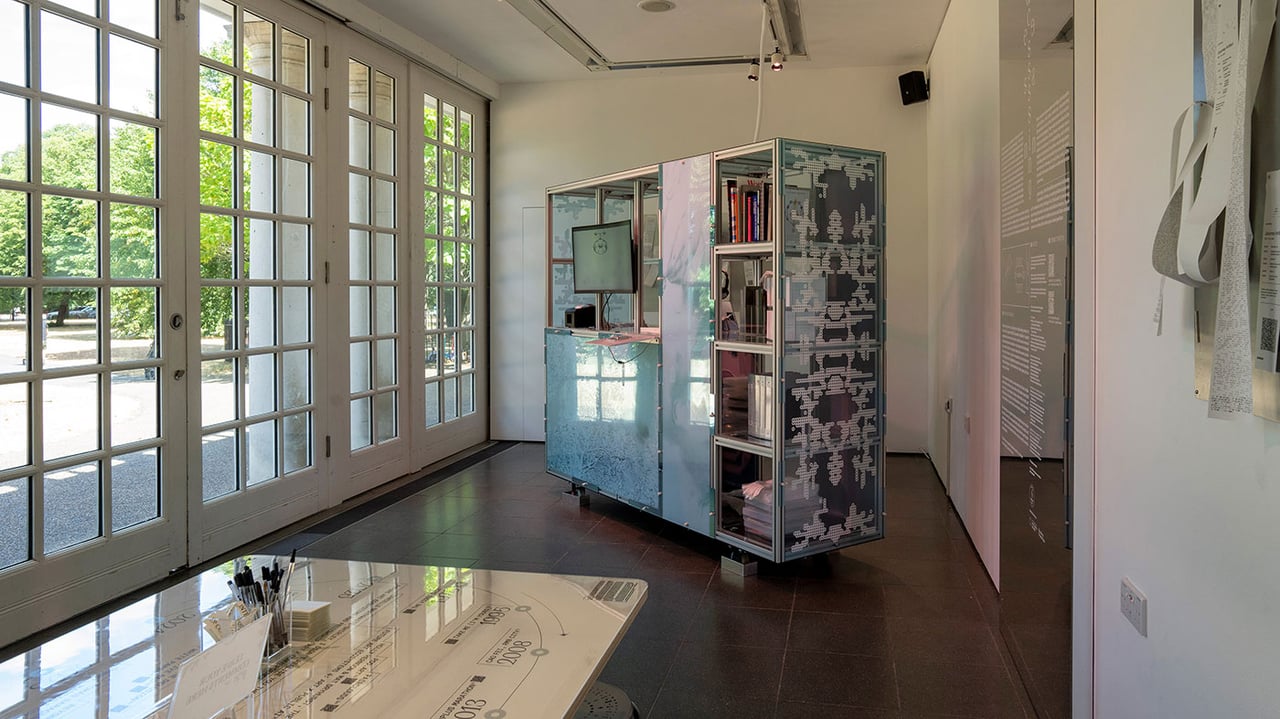
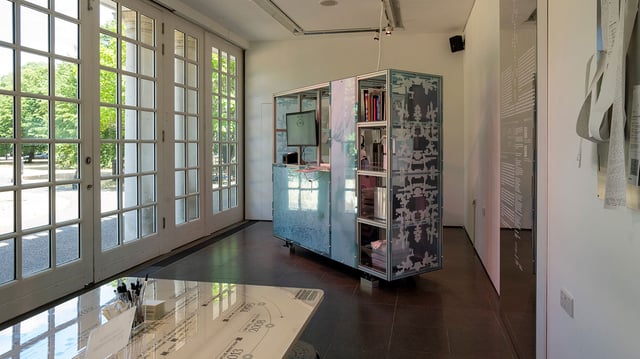
Serpentine’s work with art and technology is also at the heart of the exhibition “processing… Art and Advanced Technologies” dedicated to the gallery’s archive, and in particular the work of the Arts Technologies team, at Serpentine South, London, until September 6, 2026. The exhibition is the opening public event of a new project, Activating Serpentine’s Archive.
The Future Art Ecosystems R&D Fellows
Auriea Harvey. Courtesy of the artist
Auriea Harvey
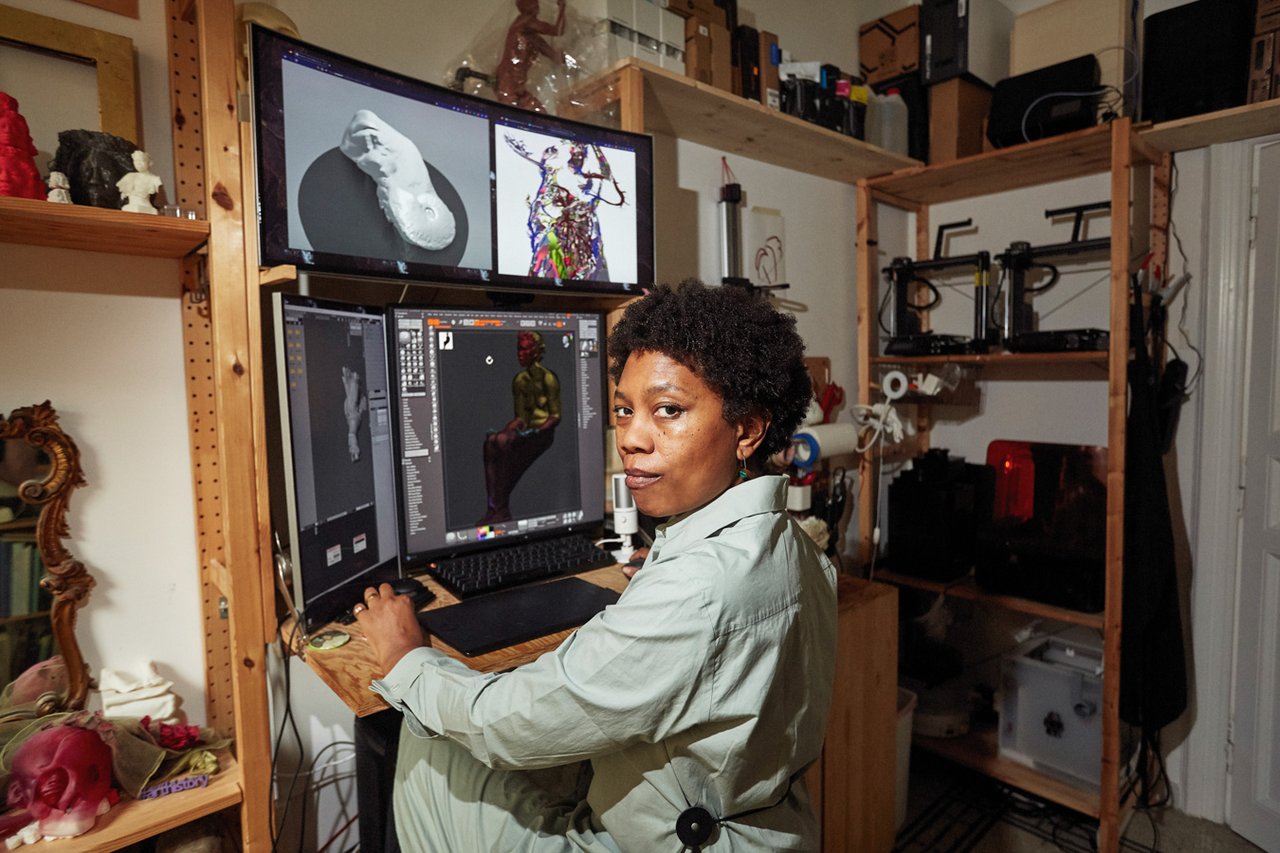
The Rome-based digital artist and sculptor Auriea Harvey has made a name in multiple fields: as a net artist, as a maker of video games as artworks, as a sculptor working with 3D software and its fabricated outputs, and for “bringing 3D” into the world of NFTs in 2021.
Harvey is using her fellowship to explore “what happens to the figure when it exists in a permanent state of becoming”. Her research will examine how a piece created using digital tools and AI systems is realised physically in different forms, depending on the environment in which it is generated physically.
Harvey, the Serpentine says in a launch statement, will use the project to examine “broader questions of craft, authorship and artistic agency in an era of increasingly distributed and algorithmic production”.
Harvey has had work shown or collected by numerous institutions around the world, including HeK Basel; Rhizome, The Whitney Museum of American Art, and the Museum of the Moving Image, New York; and ZKM Karlsruhe.
Her latest gallery show, “Ready to Die”, with Heft Gallery, New York, opens on September 9, 2026. The exhibition focuses on the artist’s recent work with her own likeness in combinations of the self-portrait and the “mythic double”, and offers collectors Harvey’s The Amulets, a group of sculptural artifacts and vitrines, each of which has a digital companion.
Alice Bucknell. Courtesy of the artist
Alice Bucknell
The Los Angeles-based artist, writer, and educator Alice Bucknell will use their fellowship to develop Medium Sized World, a research project that investigates world models: AI systems that “simulate environments and predict future outcomes”. These systems are applicable to robotics, video games, and climate forecasting. The research will go towards a new multiplayer video game that the artist has under development.
At the 2025 Munch Triennale, Oslo, Bucknell presented a newly commissioned video, Earth Engine: Ground Truthing (2025), with accompanying video game, that addressed, in the artist’s words, “the fantasy of a world that can be measured and controlled through predictive technologies”, and offered a contemporary art critique of the era of big, extractive data.
Bucknell is a Visiting Professor at UC Davis, and their work has been shown at Biennale Gherdëina, Italy; Centre Pompidou, Paris; Counterpublic Triennial, St Louis; the National Taiwan Museum of Fine Arts, Taichung; and the V&A, London.
Reina Mun. Courtesy of the artist
Reina Mun
Reina Mun, a doctoral researcher at Harvard University, is using her fellowship research to examine the role of AI in enhancement of daily life, especially in the fields of wellbeing, creativity and productivity, with a focus on “the gap between perceived benefits and measurable outcomes”.
“As generative and agentic AI systems increasingly shape everyday life,” Serpentine said in a launch statement, Mun’s project “asks what enhancement means, who defines it and how its effects can be meaningfully evaluated”.
Mun, who trained in architecture and has previously worked at Massachusetts General Hospital and Microsoft, addresses “multimodal closed-loop control for ambient intelligence systems” in her work at Harvard. She focuses on how people come to work with emergent technologies and, Serpentine said, will use her fellowship to “explore how intelligent systems can be designed, assessed and governed with humans actively in the loop”.
Alfredo Salazar-Caro. Courtesy of the artist
Alfredo Salazar-Caro
The Mexico City-based artist and world-builder Alfredo Salazar-Caro is using his research fellowship to explore the potential for bringing ancestral knowledge systems and emerging technologies together to create post-digital architectures that “rethink dwelling, ecological stewardship and regenerative futures”.
Salazar-Caro, the co-creator and Creative Director of DiMoDA (The Digital Museum of Digital Art), a VR institution founded in 2015, includes social sculpture and biocompatible architecture in his practice.
Under the R&D fellowship, Salazar-Caro will use computational design, XR, and robotic earth construction to investigate how Indigenous knowledge and vernacular building traditions can be used to inform the development of hybrid physical and virtual environments.
Salazar-Caro’s work has been shown around the world, including at HeK, Basel; at Tribeca Film Festival; and at Whitney Museum of American Art, New York.