The Factory of Dreams | Onassis ONX
Jazia Hammoudi, Program Director, on moving the art and tech hub to a new space in New York
“Techne Homecoming” is at Onassis ONX, 390 Broadway, New York, until January 18, 2026.
Jazia Hammoudi, Program Director, on moving the art and tech hub to a new space in New York
“Techne Homecoming” is at Onassis ONX, 390 Broadway, New York, until January 18, 2026.
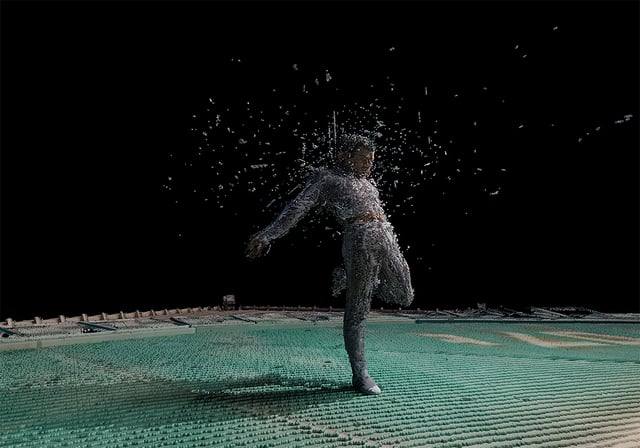
Onassis ONX, the Onassis Foundation’s platform for art and technology, is holding its first show after moving its New York headquarters from Midtown Manhattan to Tribeca. The new 6,000 square-foot studio, at 390 Broadway, features production and exhibition spaces purpose-built for immersive art-making with advanced technologies, including a large motion-capture stage, a projection room able to show museum-scale institutions, and a server array to support AI and generative media.
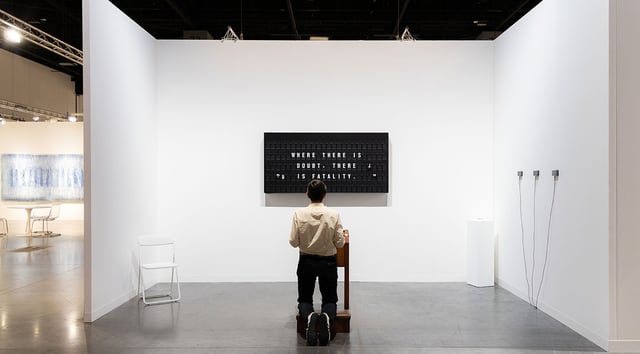
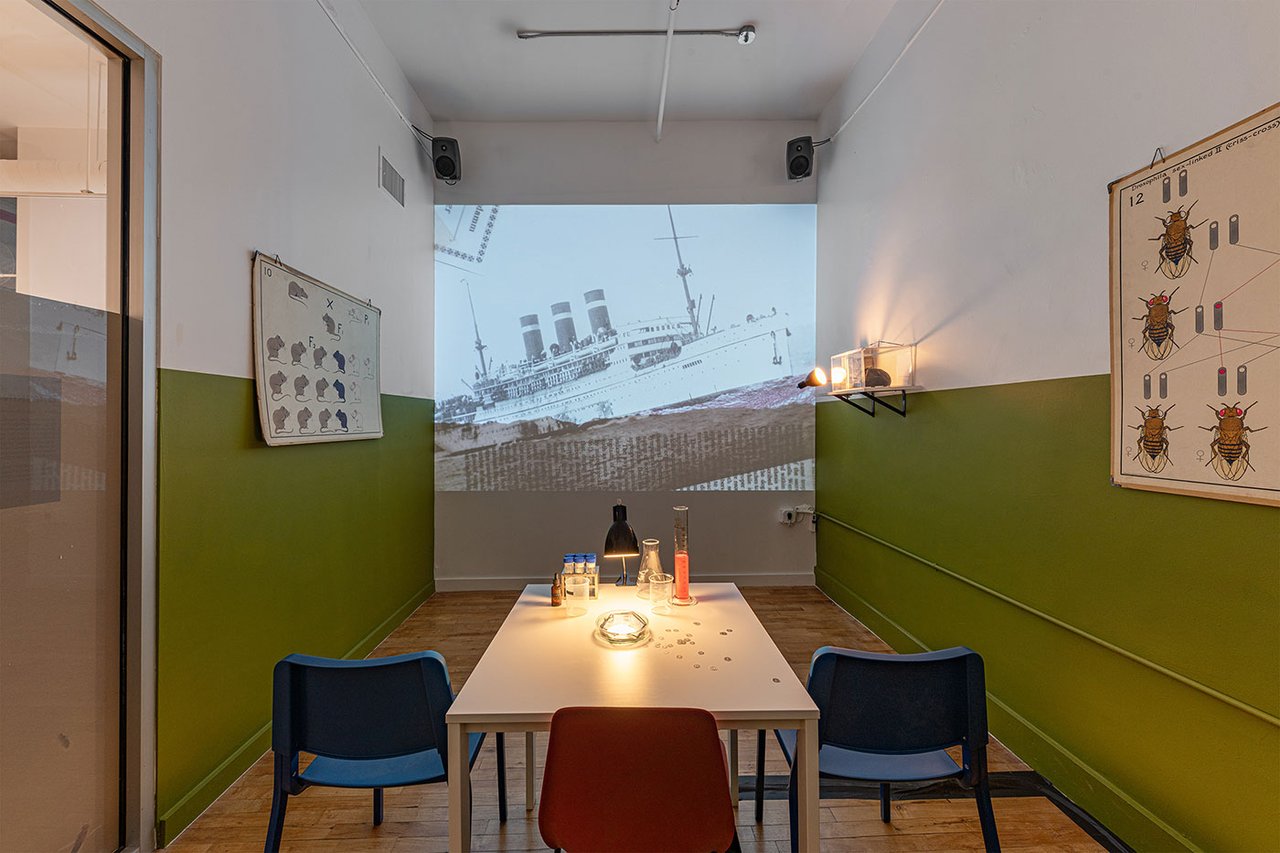
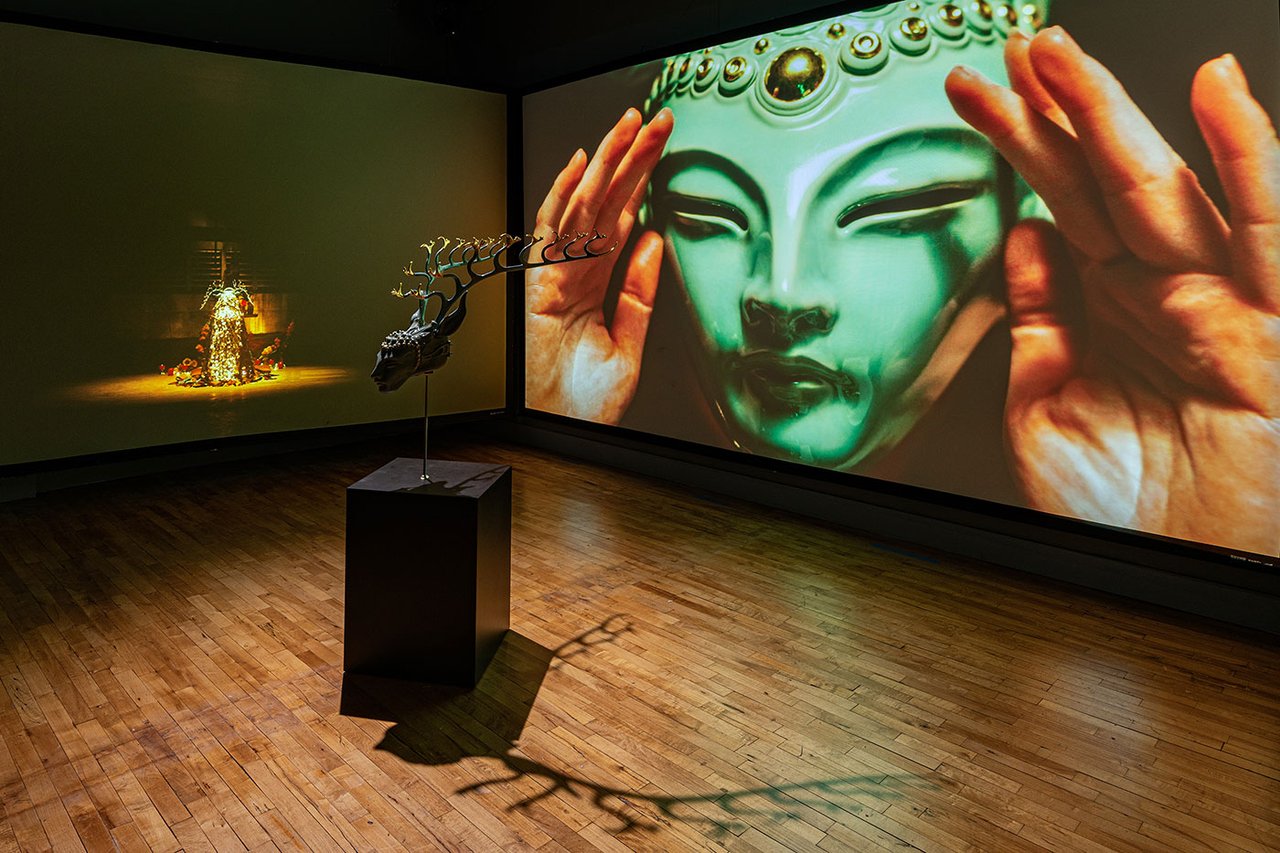
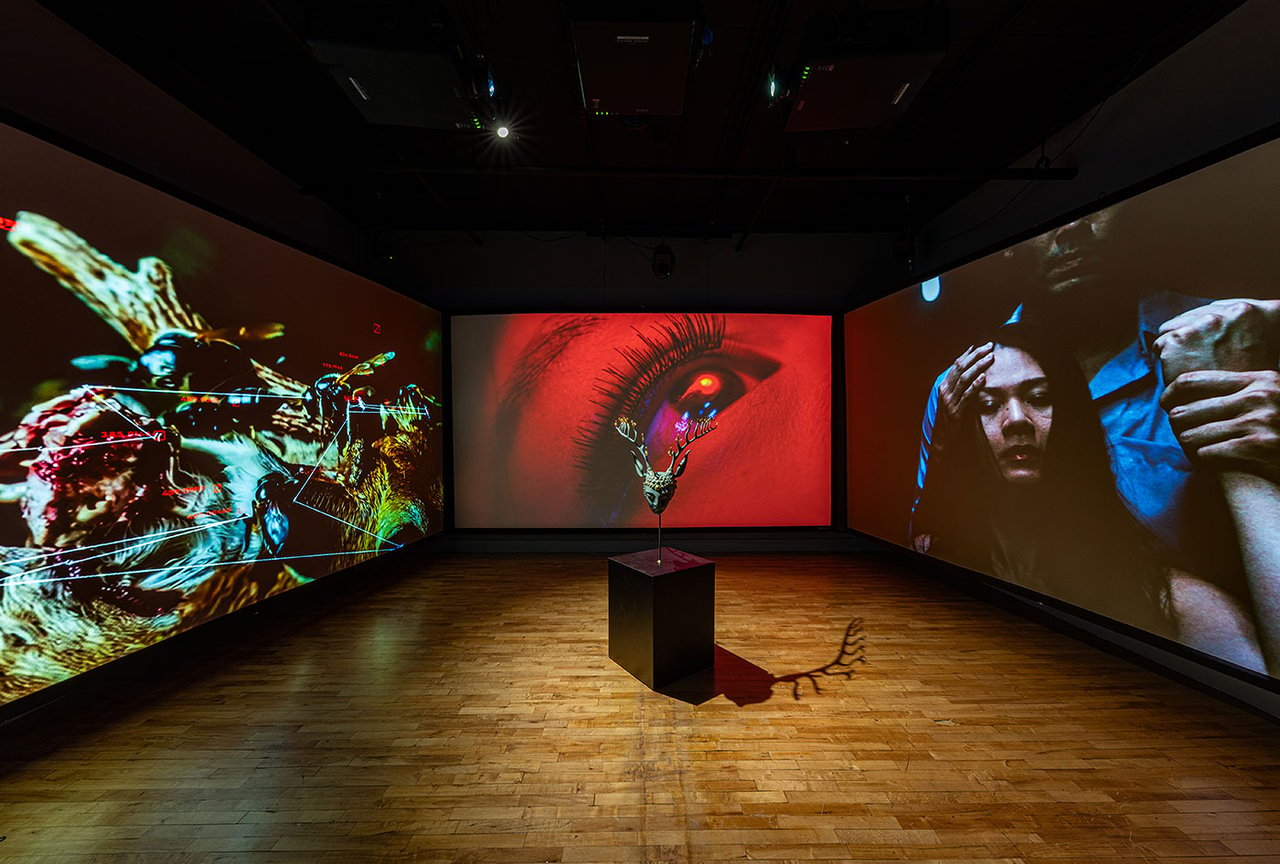
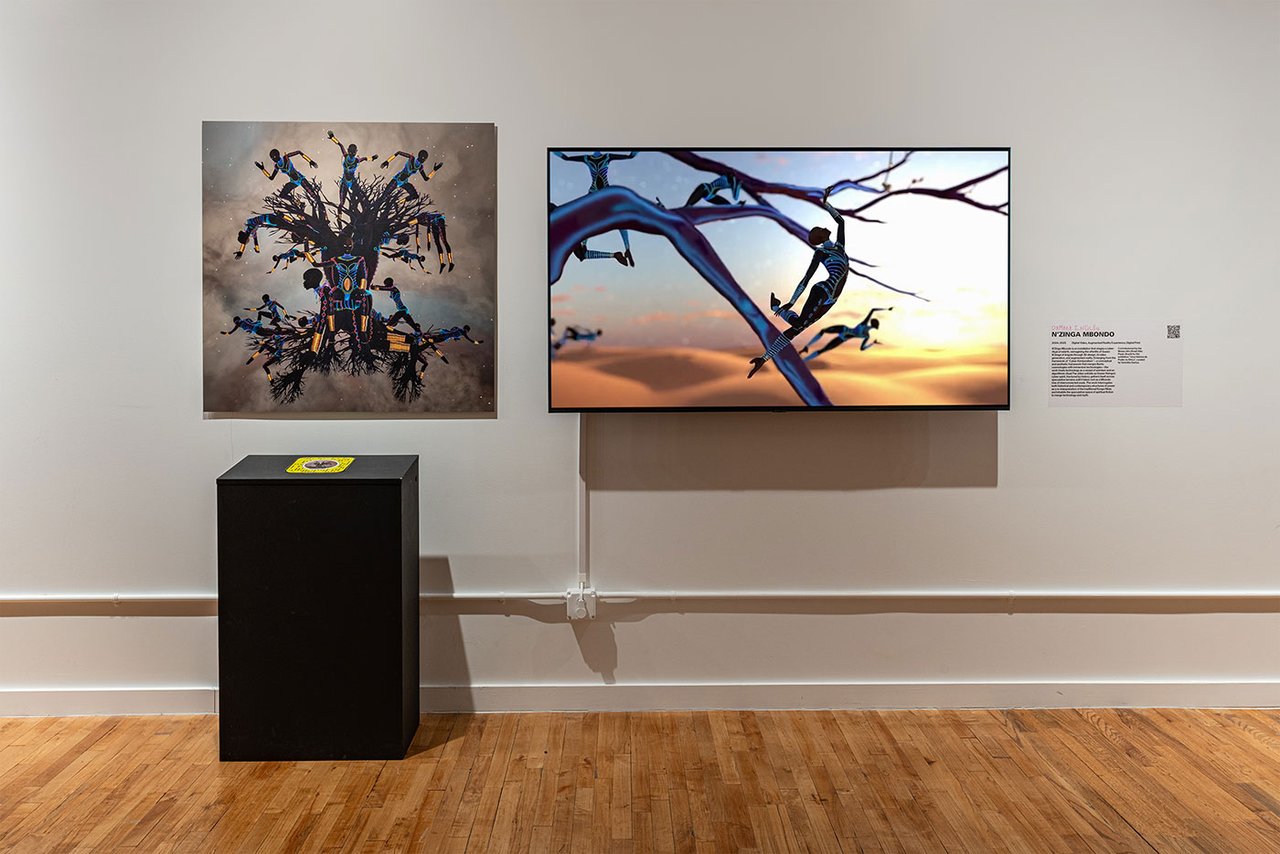
The first show in the new space, “Techne Homecoming”, which marks the New York hub’s fifth anniversary and is part of the city’s Under the Radar Festival, includes immersive installations by six artists exploring biological, mythological, and digital kinships: Andrew Thomas Huang, Miriam Simun, sister sylvester, Tamiko Thiel, Damara Inglês, and Natalia Manta & Aias Kokkalis. In addition, three performances will be presented as part of Under the Radar: two new works by Onassis ONX — We Have No Need of Other Worlds (We Need Mirrors), by Graham Sack, and ¡Harken!, by Modesto Flako Jimenez — and MAMI, conceived and directed by Mario Banushi, and commissioned and produced by Onassis Stegi contemporary art center in Athens.
Onassis ONX’s move to a larger space in New York comes three months after the opening of Onassis Ready as the Athens hub for Onassis ONX, an international program backed by the Onassis Foundation to support artists working with emerging technologies. Onassis Ready made its debut in October 2025 with a survey of the work of the photographer Juergen Teller.
Afroditi Panagiotakou, Artistic Director of the Onassis Foundation, recently explained to Frieze Magazine her vision for how cultural institutions can shape the digital future.
Panagiotakou described the foundation’s approach as building “factories of dreams”, and the investment in expanding Onassis ONX’s capacity as an investment in what she calls “infrastructures of imagination”.
Jazia Hammoudi, Program Director at Onassis ONX, tells Right Click Save why she sees “Techne Homecoming” as a statement of intent and vision for the organization, as well as a vital node in the expanding art world. She spoke to Alex Estorick.
Jazia Hammoudi: I feel that we’re entering into an inflection point, especially for media arts in New York. It’s been rumbling for a couple of years. We’ve seen the digital art program at the Museum of the Moving Image becoming more sophisticated, especially under Regina Harsanyi. The New Museum is finally reopening in March with a show that has a major digital component. That has at least doubled its exhibition space.
We are still in an explanatory phase when it comes to digital and media arts. Many of us in the field have felt that to be the case for a long time, but we are still a young community and our art history is still being written and worked out. Increasing literacy about the field and contextualization of the work is one of the most critical roles that institutional leaders, including curators and journalists, share.
Something we work on a lot with our artists at ONX is writing about the work itself first, and then about how the work was made. Language that reaches out to all audiences begins with story — that’s the access point. Even for someone like me who’s fascinated by process, ultimately I’m moved by story, aesthetic, and meaning. It’s part of the larger question of the underdevelopment of our vocabulary in media arts.
The professional jargon has not yet been effectively translated. The metaphors around the work that we do are underdeveloped, and people often understand things through metaphors.
That is why, when thinking about how ONX can be a more meaningful resource for the field at large, we have just launched a writing fellowship to support the members and artists we work with and to be transformative for the team itself. [...] Our first writing fellow is Shanti Escalante De Mattei, who has a regular column in The Art Newspaper and is also in the midst of a PhD concerned with art, AI, and labor, which she positions as an anthropological inquiry. I’m really trying to think about the other elements or nodes of this bigger field of media and digital art that would be meaningful to contribute for everyone’s benefit.
We’ve been reflecting on our mission and about how we can continue to evolve and grow and also be responsive to need. We started out as a free production space for a small host of artists we call “members” who mostly came out of the NEW INC incubation program. We have now evolved into a platform that serves artists, partners, and publics as a field-builder.
To artists, the offer is still two free production spaces, one in New York, one in Athens; seed funding for the creative community that we work with; exhibition opportunities, both internally and with partners; and then, importantly, consultation and support from the internal team.
Our goal is to support residency fellowship and exhibition efforts where other institutions have a gap that we can fill meaningfully. That was something that was really beautiful about, for example, partnering with the Lincoln Center on the Collider Fellowship that they launched last year for performance and technology. They don’t have production space, so we came in as their production and technology partner, which has become a really meaningful relationship for both of us.
As far as the larger field-building perspective is concerned, we’re thinking about how we nourish our internal community of artists as well as what we’re putting out into the world that’s supportive of media arts. My dream is to build out these fellowships to include a curatorial fellowship, because I think that emerging curators of all ages in media arts could use a home to expand their thinking.
There’s a dearth of residencies for curators outside of a university context where you get to do more professional formation. I would also like to start a fellowship for young DIY arts organizations, including small groups of artists who need a home umbrella.
Alex Estorick: I’m interested in the language of “Techne Homecoming”. Technē is a Classical Greek word meaning “craft” that is often used when considering the set of principles by which media texts are crafted today, though one tends not to hear it in a contemporary art context. Thinking about ONX five years on, was this exhibition about looking back in order to look forward in some way?
JH: It absolutely was. “Techne” is a series that we initiated last year, and, as you say, the word has strong associations with art, craft, technique, and technology. That’s really what we’re pulling upon, trying to think about the world or ecosystem that we aspire to inhabit and support at ONX.
AE: Does techne also reflect an expanding field of hybrid practices?
JH: That’s a keystone idea. “Techne Homecoming” was really about thinking about this five-year inflection point, and this move from Midtown to Tribeca was an enormous part of that.
We loved being in Midtown, but we have outgrown our initial proposition physically, intellectually, programmatically, and in terms of our mission.
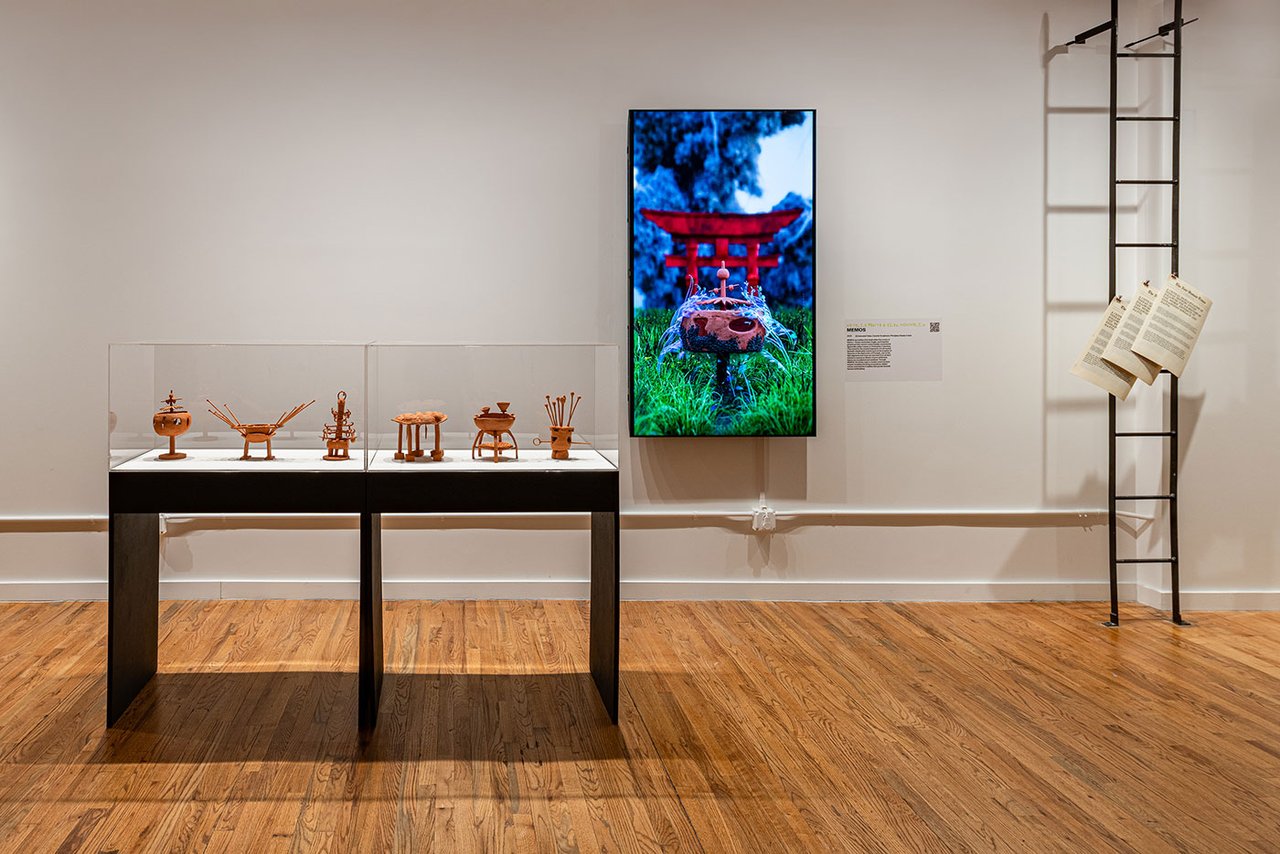
We needed to have a lot more production space to accommodate and serve our growing community of artists and to join the creative communities of New York.
It felt very important to be close to the gallery networks in Downtown New York; to be close to artist studios; to be an easy commute from Bushwick; to think about where the art world lives in the city and how we can become part of that more seamlessly to be more accessible.
We’re thinking more and more about what art and creativity are in the 21st century and how to be an organization that serves that. Increasingly, we’re seeing technology as both a tool and a subject, and that the artists that we work with, who inhabit the contemporary space are pretty genre agnostic, while the taxonomies of the 20th century feel less relevant. This show looks at that.
sister sylvester was primarily a theater maker, but is turning to thinking about what automated performance or automatic theater could look like, or what theater in a box could look like. She has begun to do these really brave experiments in installation work, thinking about how the audience becomes a performer, but outside of conventional thinking about what interactivity is in technology-based art.
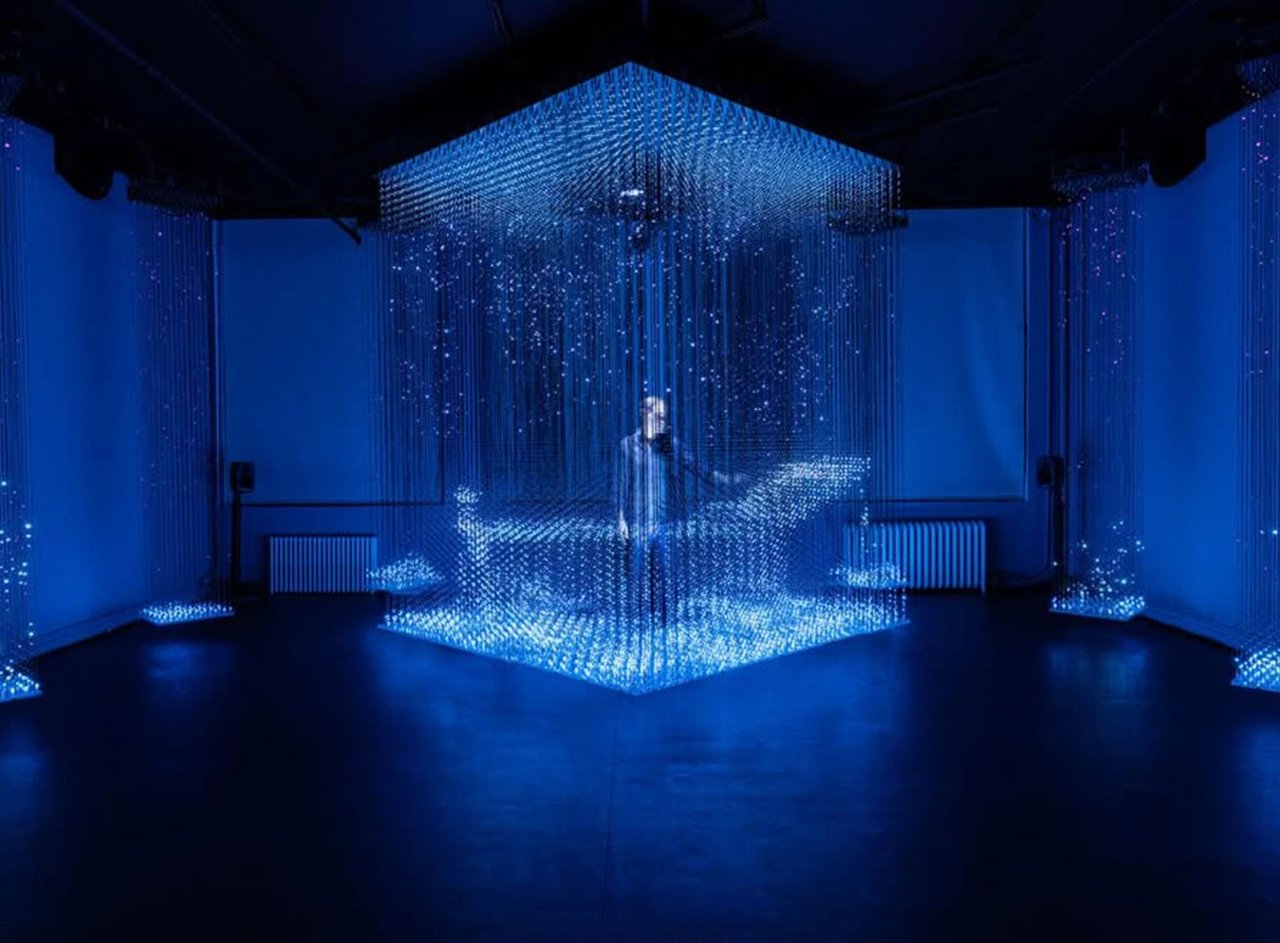
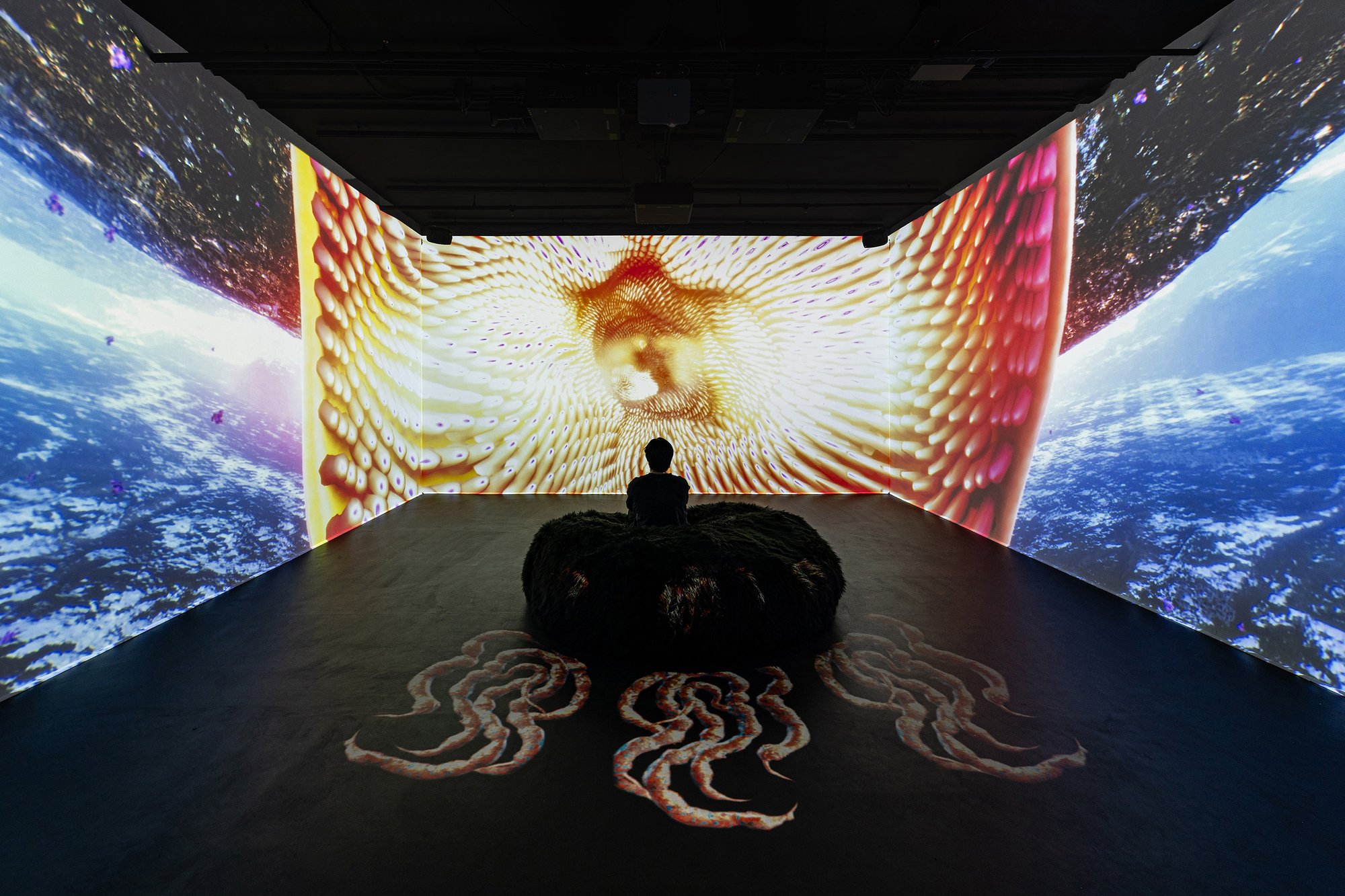
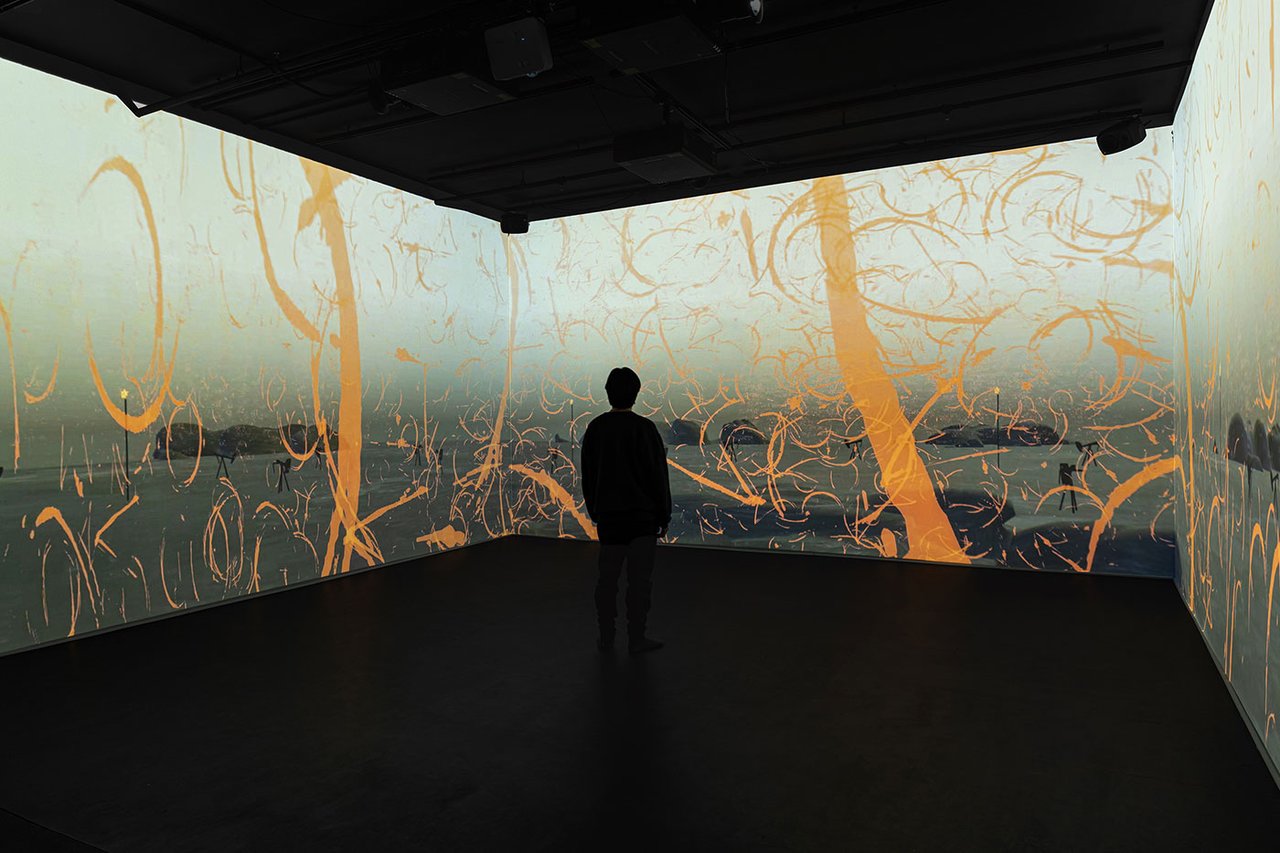
We have Tamiko Thiel, who has been working very seriously in this field since the 1990s, presenting her work Atmos Sphaerae about the atomic history of the earth in the form of a three-wall projection, exhibited primarily as a VR piece. We’re really looking at a bleeding of physical and digital space, problematizing performance and liveness; thinking about cinema and generative and living ecosystems in different ways.
AE: What is the relation between the core works in the show and the other performance artists involved as part of Under the Radar Festival, including Modesto Flako Jimenez, Graham Sack, and Mario Banushi?
JH: Under the Radar is this wonderful festival for avant-garde theater that takes place every January in New York with a really precious program that we don’t have many of in the United States. It is a program of both main-stage and work-in-progress theater works, dramaturgical works, and performances.
“Techne Homecoming” is part of Under the Radar because one of our missions is to question the kinds of taxonomies, genre definitions, and separations of the 20th century.
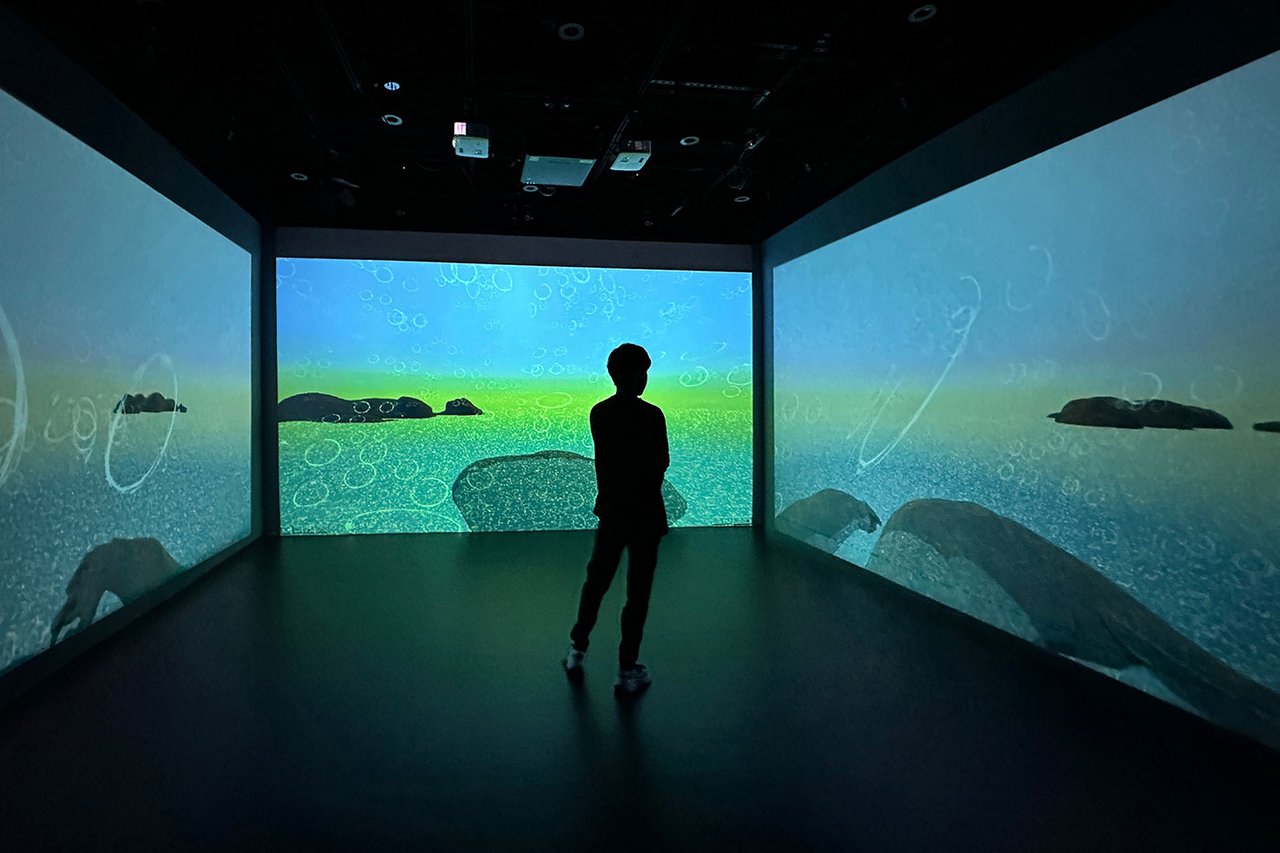
Live arts and cultural venues that make theater are perfect places for time-based media; so we’ve been working a lot with theatrical venues and large cultural institutions to think about how your black box can become a setting for a large-scale, multi-channel interactive work, and how you can invite play and different kinds of visuality that don’t necessarily involve a full live cast.
The fact that Under the Radar was willing to put an exhibition into their program shows that they’re thinking about that too. Media and technology are becoming a huge part of theater making and dramaturgy. It’s our third year participating in Under the Radar.
Both Graham Sack and Flako are ONX members [...] who have worked deeply with technology for a long time. Mario Banushi is an incredible wunderkind thinker whose work has been incubated at Onassis Stegi in Athens.
He is not yet part of the ONX ecosystem but we are trying to initiate something with him because he’s a brilliant storyteller. His work, MAMI, is a main-stage production for Under the Radar that comes out of Onassis Stegi’s vast cultural production ecosystem that includes a major residency program as well as publications.
ONX is a five-year story that was initiated by the Onassis Foundation. But ONX started in New York, and works really hard to close the gap between our branches in New York and Athens. We are becoming deeply integrated with Onassis Stegi as an ecosystem of which we are one part.
Jazia Hammoudi is the Program Director of Onassis ONX New York, the Onassis Foundation’s platform for New Media art and digital cultures. As lead for Onassis ONX New York’s curatorial programs, she has developed exhibitions such as “Group Hug” (WSA, 2024), “Techne” (BAM 2025), “Tribeca Immersive: In Search of Us” (2025), and “Techne Homecoming” (2026). Alongside programming, Jazia focuses on strategic partnerships and talent acquisition to nurture the Onassis creative ecosystem and build sustainable pipelines for the production, presentation, and distribution of transmedia projects. She is also a member of PACT (Planetary Art Culture Technology), a new collective that partners with global institutions to address planetary questions through culture, innovation, and community.
Before joining Onassis ONX, Jazia served as studio manager for Jakob Kudsk Steensen, with whom she brought projects to SXSW, the Venice Biennale, and the Serpentine Galleries. On the side, Jazia leads art and architecture tours in her native Morocco, as part of a larger effort to bring exposure to North African artists.
Alex Estorick is Editor-in-Chief at Right Click Save.
No comments yet. Be the first to share your thoughts.
Mentioned in this article
People: Mikhail Mishin, Afroditi Panagiotakou, Alex Estorick, Andrew Thomas Huang, Damara Inglês, Graham Sack, Jazia Hammoudi, Mario Banushi|Events: Techne Homecoming|Organizations: Onassis ONX|