The artist Jazmin Morris, who has created an interactive three-level video game Northern Passage: A Quest To Hopian, 2026, for AND Festival, using locations across her local town Barnsley and nearby Doncaster. Courtesy of the artist
The Roving Digital Arts Festival Holding its 10th Edition | Abandon Normal Devices
A celebration of new cinema and media art, based in the north of England, AND Festival offers a focus in 2026 on music, sound art, AI, and civic response to the use of technology
The Roving Digital Arts Festival Holding its 10th Edition | Abandon Normal Devices - Right Click Save
In 1975, the artist Peter Schmidt and the musician Brian Eno created a deck of cards called Oblique Strategies to tackle cases of creative block. Designed to be drawn at random whenever a lack of inspiration takes hold, the cards each contain a short, cryptic suggestion, statement or observation. “Honour thy error as a hidden intention,” reads one card. “What would your closest friend do?” asks another.
One of the UK’s most enduring digital arts festivals takes its name from one such prompt. Abandon Normal Devices Festival (AND Festival) is modelled on the Oblique Strategies card that reads: “Abandon normal instruments”. That the festival was inspired by such a free- and forward-thinking tool for improvisation befits a roving event that incubates new art, cinema and sound, with a focus on cutting-edge technology and science.
This year, the event is celebrating its 10th edition having commissioned and supported hundreds of artists including Gillian Wearing, Apichatpong Weerasethakul, UBERMORGEN, Julian Oliver and Rafael Lozano-Hemmer.
The AND Festival premiered in Liverpool in 2009 as an event for new cinema and media art with “an eclectic array of screenings, installations, online projects, public-realm interventions, workshops and live events, with a distinctive emphasis on ideas and discussion”, according to the AND website. It was devised by a group of arts organisations in the north of England: the art, film and new media centre FACT in Liverpool; the independent cinema, theater and gallery HOME in Manchester (which at the time was named Corner House); and a now defunct organisation in Lancaster called Folly, which specialised in interactive digital arts projects.
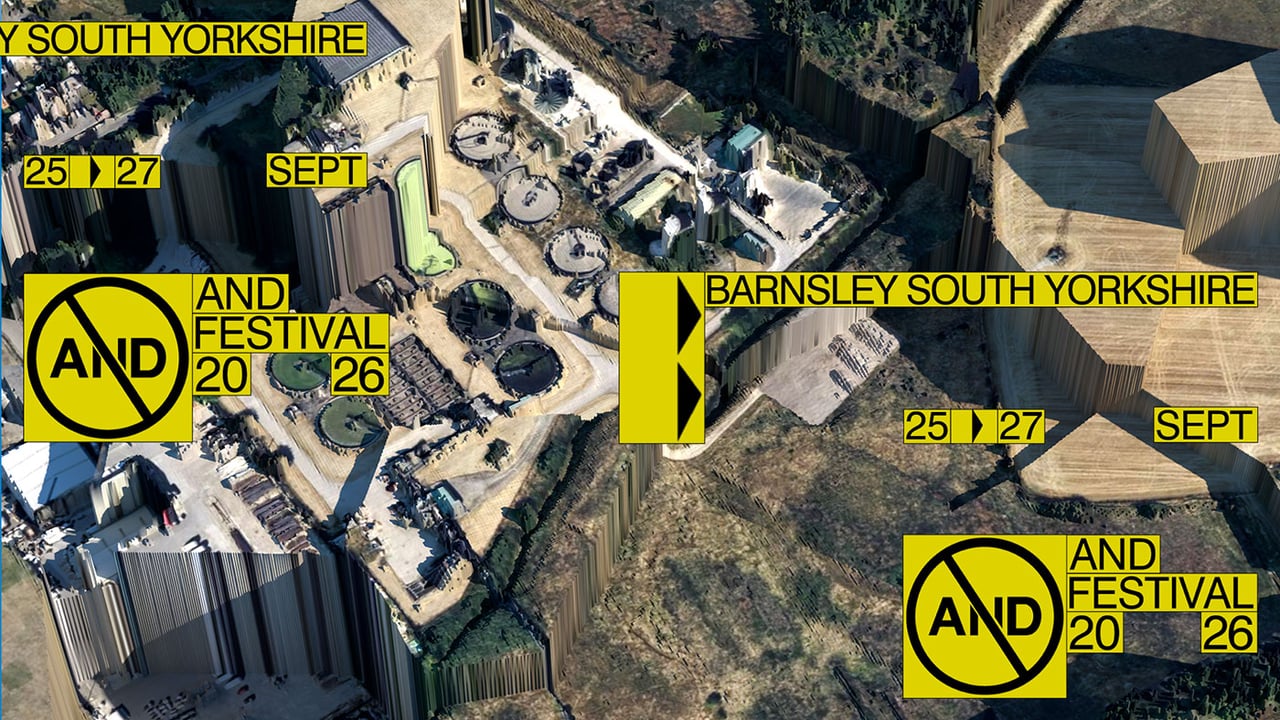
The 2026 edition of AND Festival is at multiple locations across Barnsley, South Yorkshire. Courtesy of AND Festival
“It started as an initiative to test new models of audience engagement outside of their venues and a springboard for research and development,” Tadeo Lopez-Sendon, AND Festival’s chief executive, tells Right Click Save.
The initiative was a success and became an annual event (in fact, there were two in 2010), with AND becoming registered as an independent charity in 2015. Since then, the organisation has consolidated and its festival has been less regular, with editions in 2015 and 2017 and, most recently, a Covid-affected edition in 2021. In between festivals, AND has focused on partnerships, fellowships and annual talent development programmes. After the upcoming 2026 festival, the team plans for the festival to take place regularly every three years.
AND has become increasingly multidisciplinary over the years, with the programming naturally growing to reflect the leadership of each iteration. For example, Lopez-Sendon’s background in music technology (he was formerly a co-director of Music Hackspace, a London platform for experimenting and interacting with sound and technology), has brought more musical elements to the festival programme. Today, visitors to the AND Festival can expect to see a wide range of digital arts practices from artists that use emergent technologies, from VR headsets and spatial sound, to 360-degree screens and AI.
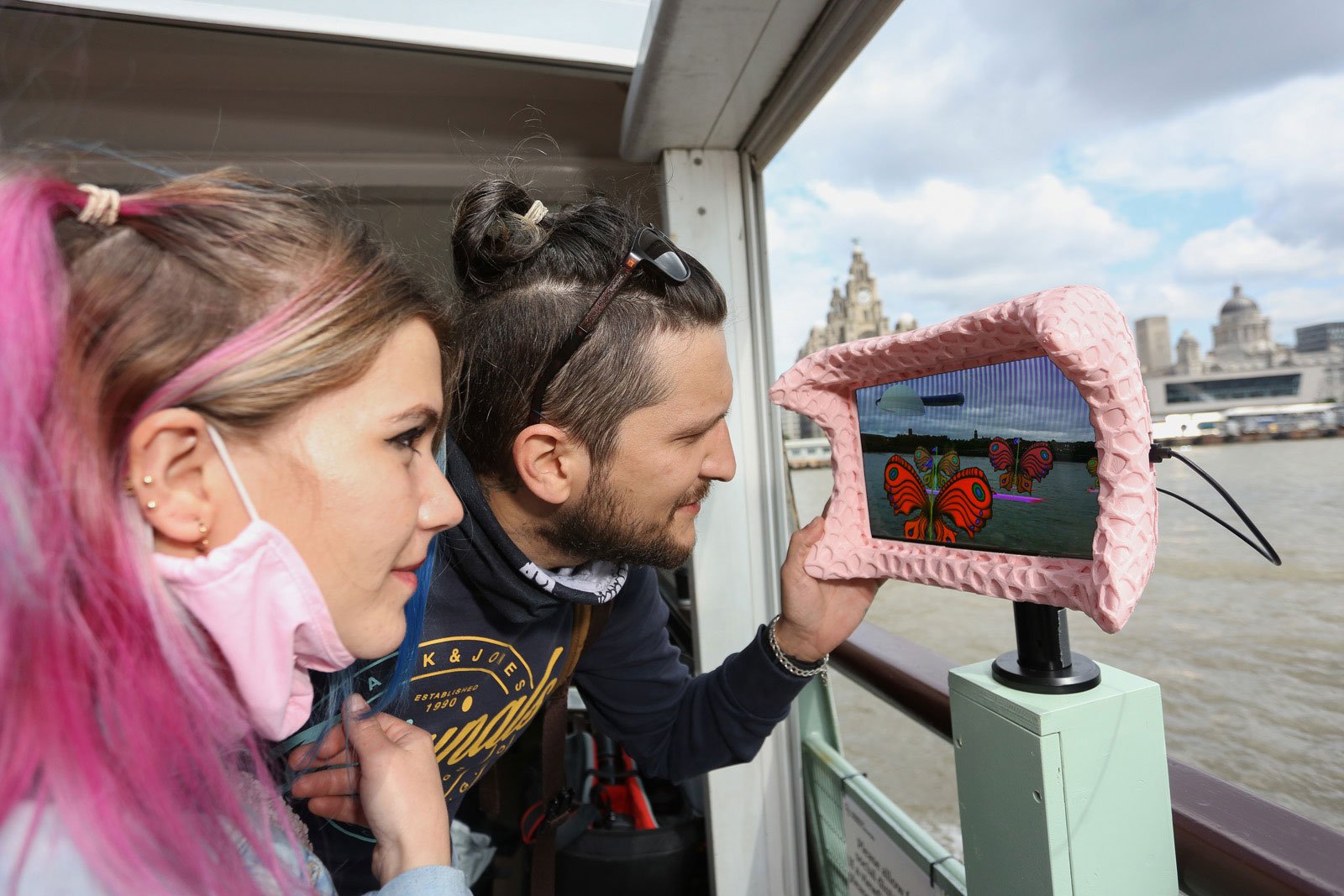
Anita Fontaine The Blue Violet River, 2021, on board Mersey Ferries for the 2021 AND Festival. Courtesy of the artist and AND Festival. Photography by Chris Foster
While the festival has stayed true to its northern roots over the past 17 years, it has taken place in various locations beyond its origin cities of Liverpool and Manchester, to include smaller towns and districts including Knowsley, Preston, and Egremont, and rural landscapes such as the Peak District and Grizedale Forest. The team works closely with local authorities to scope out potential host locations and keeps in mind the national development agency Arts Council England’s (ACE) “priority places” — areas of the country that it has identified as having historic underinvestment in terms of art and culture (there are at present54 places, 15 of which are in the north of England).
This year’s AND Festival will be held in Barnsley, a market town in South Yorkshire, which was designated the UK’s first government-backed Tech Town in February 2026. According to the UK government’s website, this means that “local schools and colleges, businesses, NHS and more [will get] bespoke government support to unleash opportunities of AI”. However, this apparently was not the driving decision in the choice of Barnsley to host the AND Festival.
“We were interested in the town’s historical links to coal mining, fossil-fuel extraction, and agriculture. Those were starting points for this festival, which have now evolved and iterated into the themes that we’ve landed on, which are infrastructures and liminal spaces as lived environments and cultural conditions.” (Tadeo Lopez-Sendon)
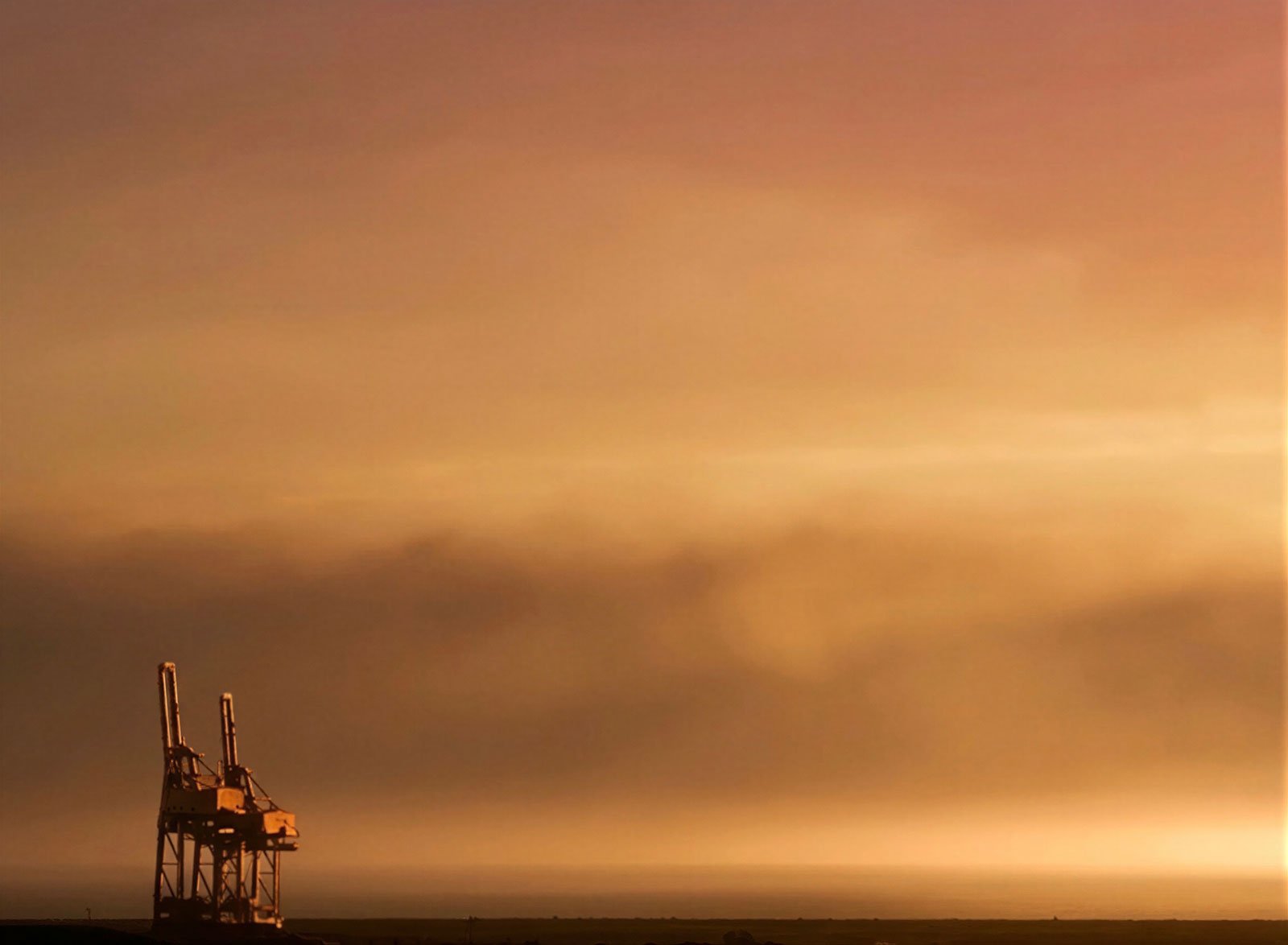
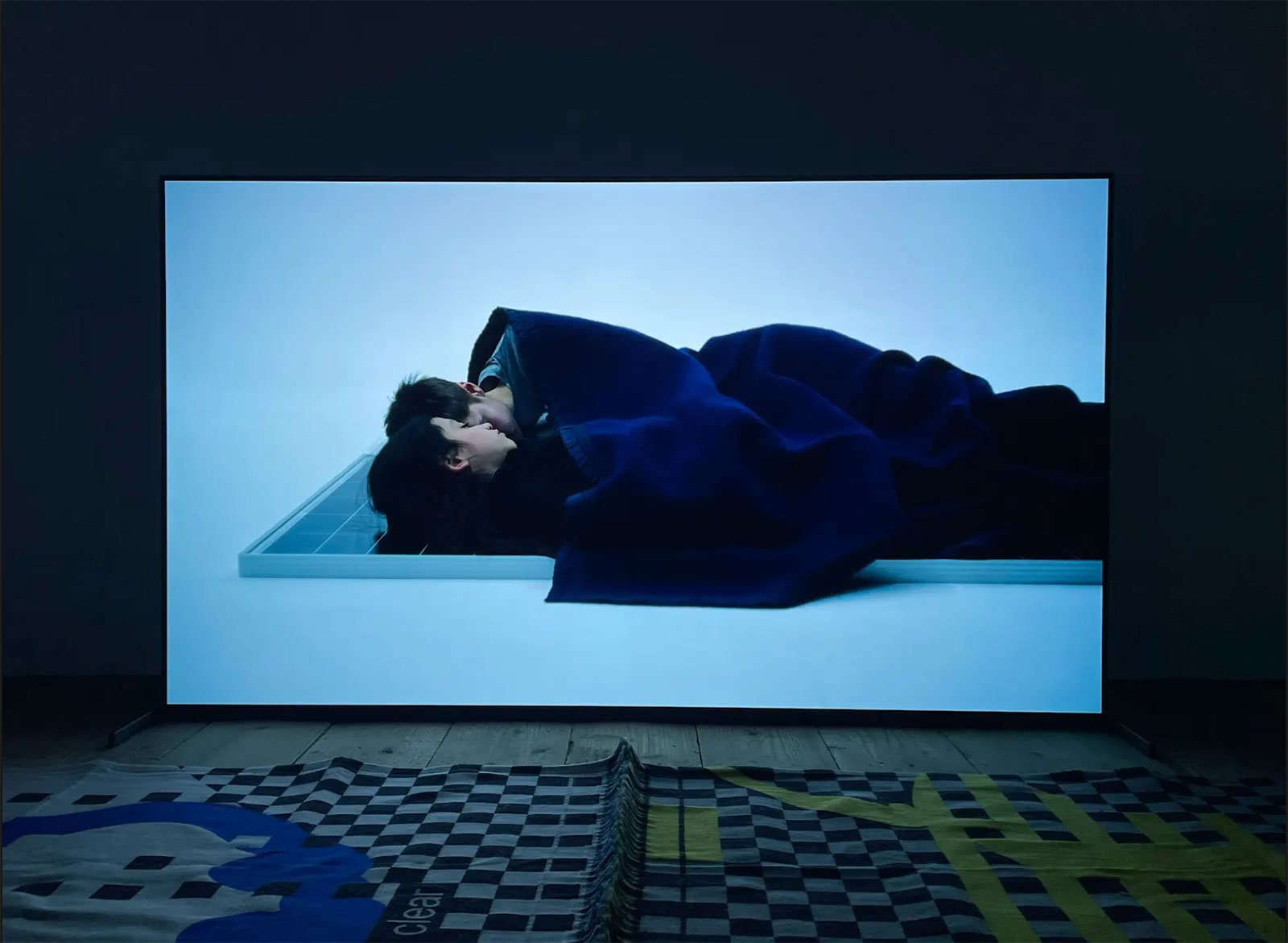
Dian Joy, (still from ) Krumville, 2026. The multi-screen film made using AI image generation will be shown in a never-used escalator space at the back of Barnsley Civic theatre. Courtesy of Dian Joy
Besides its tech-focus and out-of-London location, the free-to-enter AND Festival stands out mostly for its roving, site-specific, nature. In each place, the organisers seek out unusual sites to install works that bring to life the local context. The team scout locations with a “journalistic approach”, Lopez-Sendon says, “finding hidden stories and landmark locations where the juxtaposition between digital arts practice, digital world building, and the post-industrial realities of the north of England can be explored”. The potential sites, once they have been mapped, help to inform plans for commissions and events. Previous locations have included abandoned collieries and factories, docklands and car parks.
One of the unusual sites for this year’s festival is out of sight in the Barnsley Civic theatre: the building, which has had many uses since it was built in 1877, has an escalator at the back that leads nowhere.
“It looks like a Heathrow airport escalator put in a heritage theatre. It’s so out of place and it was never used. It’s that kind of strange liminality, that in-between space: it’s a never-to-be object that we are now repurposing into something.” (Tadeo Lopez-Sendon)
The British-Nigerian filmmaker Dian Joy will take over the space with a multi-screen film depicting a fictional town called Krumville, built using AI image generation.
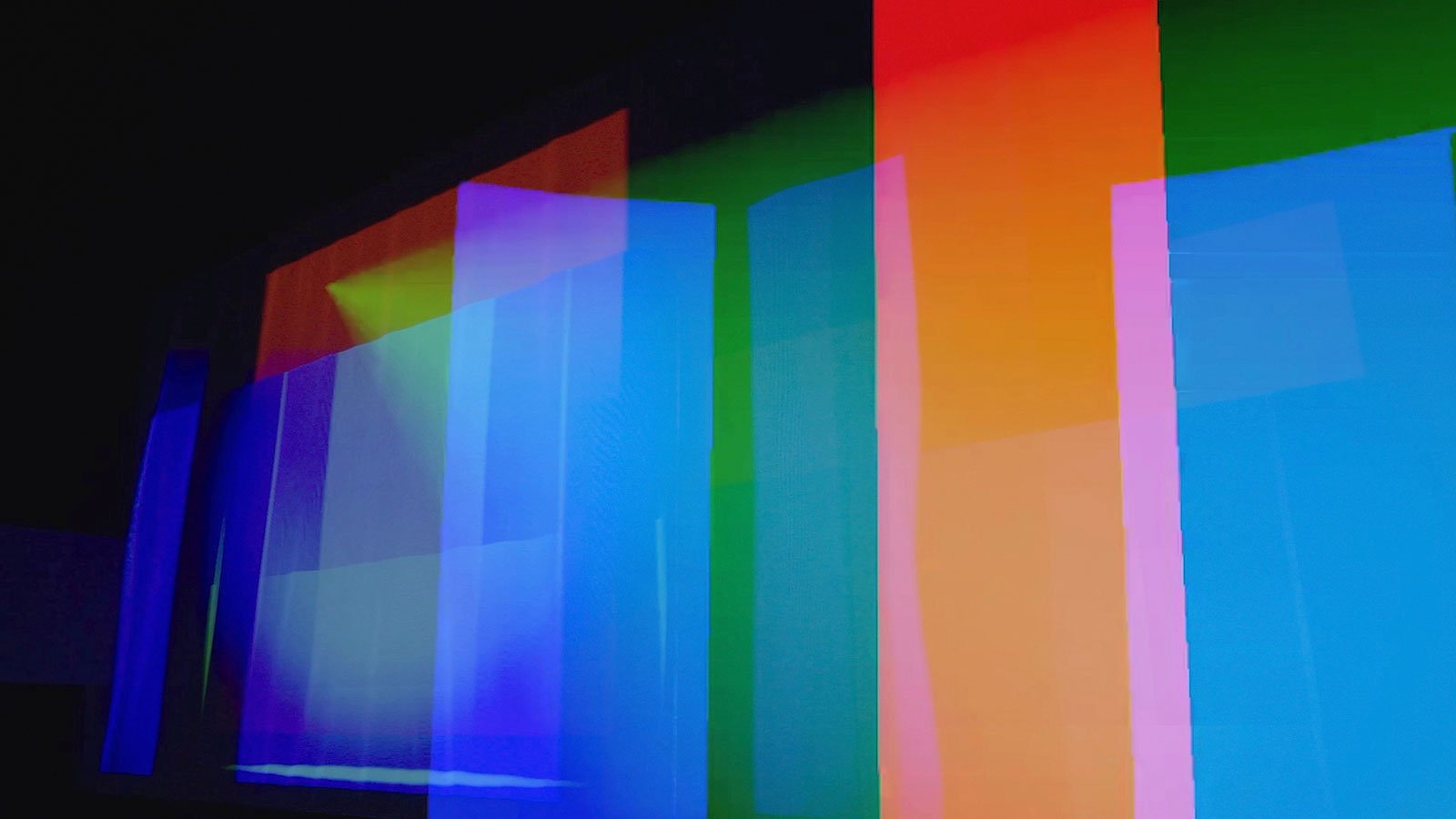
Sally Golding and Matt Spendlove, Parallax. Golding and Spendlove will put on a durational performance in the Parkway Cinema, Barnsley. Courtesy of the artists
Another site is the independent Parkway Cinema, a more traditional venue but one that will be used in a slightly unconventional way Instead of being employed to show screen-based works, it will be activated as “a living instrument” for a durational performance by the artists Sally Golding and Matt Spendlove, according to AND Festival’s press release.
Commissions are at the centre of AND, making up around 90% of what the organisation does, Lopez-Sendon says. AND often partners with other organisations to co-commission works, which then travel to other venues and events not only in the UK but to countries including Germany, China, Indonesia, the US, Italy and Australia. One such example is Taut Line by the electronic artist Beatrice Dillon: co-commissioned with Somerset House Studios, the multi-channel sound installation was launched inside the cave Peak Cavern during the 2017 AND Festival before being re-staged in London later that year.
While the festival has had creative directors in the past, this year the team has worked collaboratively to select the participating artists. For each edition, there is an effort to include local artists and makers — this year’s representation comes from the artist and educator Jazmin Morris who grew up in nearby West Yorkshire.
“My mother and her family are all from Barnsley. My great-grandfather died in a mining accident there, my uncle runs a market stall in the town centre, and my grandfather was a well-known jester/musician in the town and its surrounding villages.” (Jazmin Morris)
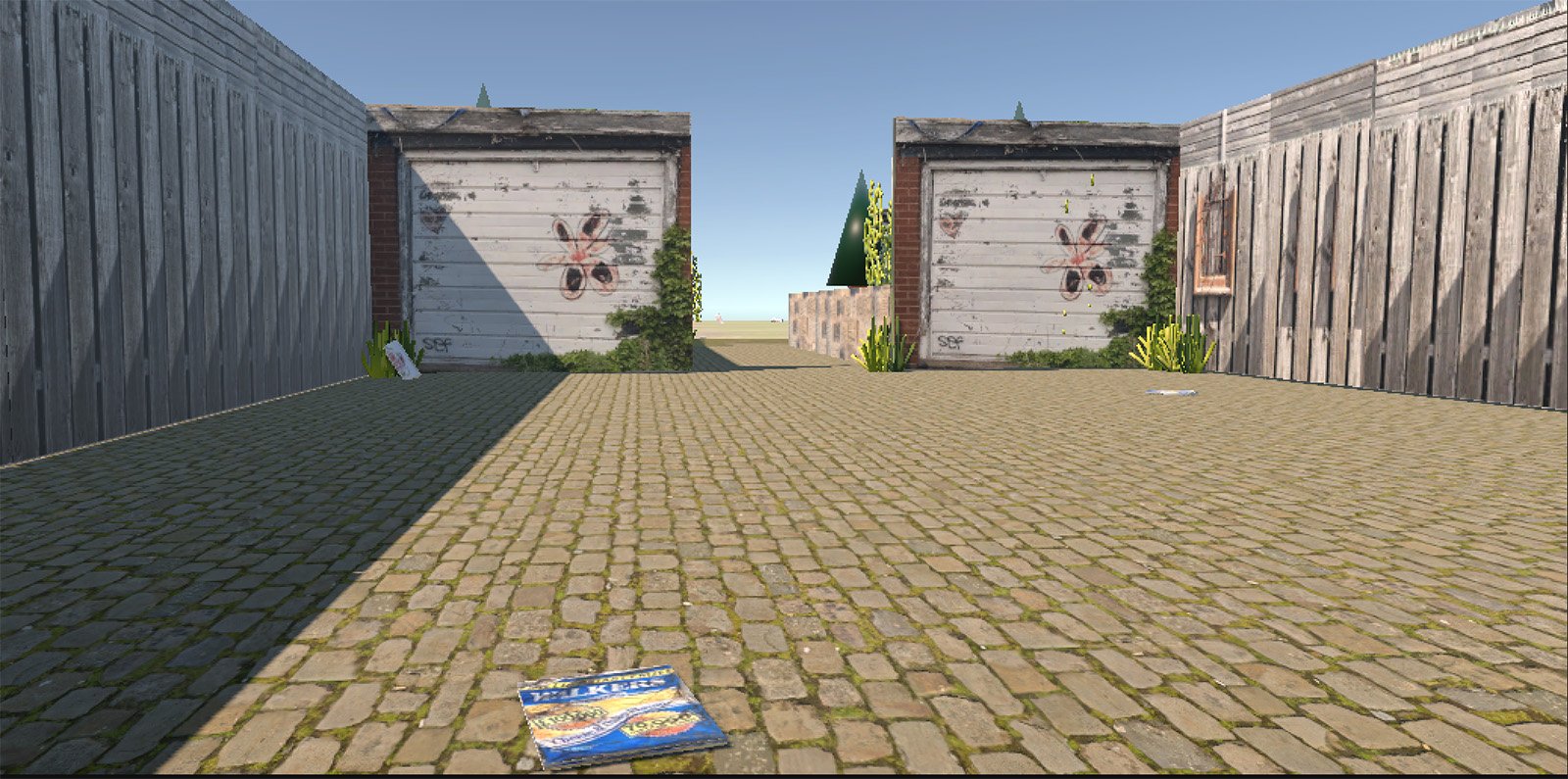
Jazmin Morris, (still from) Northern Passage: A Quest To Hopian, 2026. The work has been commissioned by AND Festival and will be shown in the foyer of Barnsley Indoor Market. Courtesy of Jazmin Morris
For the AND Festival, Morris has created Northern Passage: A Quest To Hopian, an interactive three-level video game built from 3D scans she has taken of real locations across Barnsley and nearby Doncaster. It will be presented in the foyer of Barnsley Indoor Market where visitors will be able to play the game on bespoke controllers. The installation “draw[s] connections between digital play, social infrastructure and the lived realities of working-class towns across the UK”, AND Festival’s press release says.
The commission has been an important career moment for Morris, who says the ambitious work has helped her learn new skills, reach new audiences and formalise her practice. “I am excited to bring quality, contemporary digital art to the often overlooked town,” Morris tells Right Click Save.
“As well as having positive family connections to [Barnsley], I have also faced a lot of racism, and I am aware of the political tension in South Yorkshire. I am not sure that voices like mine are often centered or welcomed so it means a lot that AND chose to commission me for this particular festival.” (Jazmin Morris)
AND’s role as a testing ground for ambitious long-term projects has become well established. For example, the artist Aura Satz was commissioned by AND in 2021 and, in collaboration with the electroacoustic composer Sarah Davachi, made a film titled The Grief Interval (2021) in a decommissioned coal-fired power station known as Fiddler’s Ferry. The work later fed into Satz’s first feature film, Preemptive Listening (2024), which premiered at Tate Modern. “It became an important chapter of my feature film and as such represented a huge learning curve,” Satz tells Right Click Save. “It was also a useful pilot for my funding and working method, which ended up being modular, with smaller commissions building up to the feature-length project.”
Metahaven, Chaos Theory, 2021. The audiovisual poem will be shown at Elsecar Heritage Centre, Barnsley. Courtesy of the artists
Beyond this year’s programme, the AND team are starting to think about their next two editions, taking them to 2032, and discussing future funding options. According to its online accounts, for the past four years the majority of AND funding has come from ACE. In 2025 it received an ACE grant of £137,480 and reported a total income of £218,920, marking a step towards more diversified income streams.
Lopez-Sendon says other funding has come from touring partnerships, local authority support, embassies, trusts and foundations. AND hopes to build on this in the coming years. “Competition for funds could not be tougher and 15 years of funding freezes from national bodies have taken their toll,” John Herring, the chair of the board of trustees at AND, writes in the charity’s most recent financial statements.
“It's all in flux at the moment. There’s a lot of change happening at the political, economical and technological level, nationally and internationally. We’re at the forefront of new digital culture and hopefully that can help our business model, allowing us to rapidly adapt to new opportunities.” (Tadeo Lopez-Sendon)
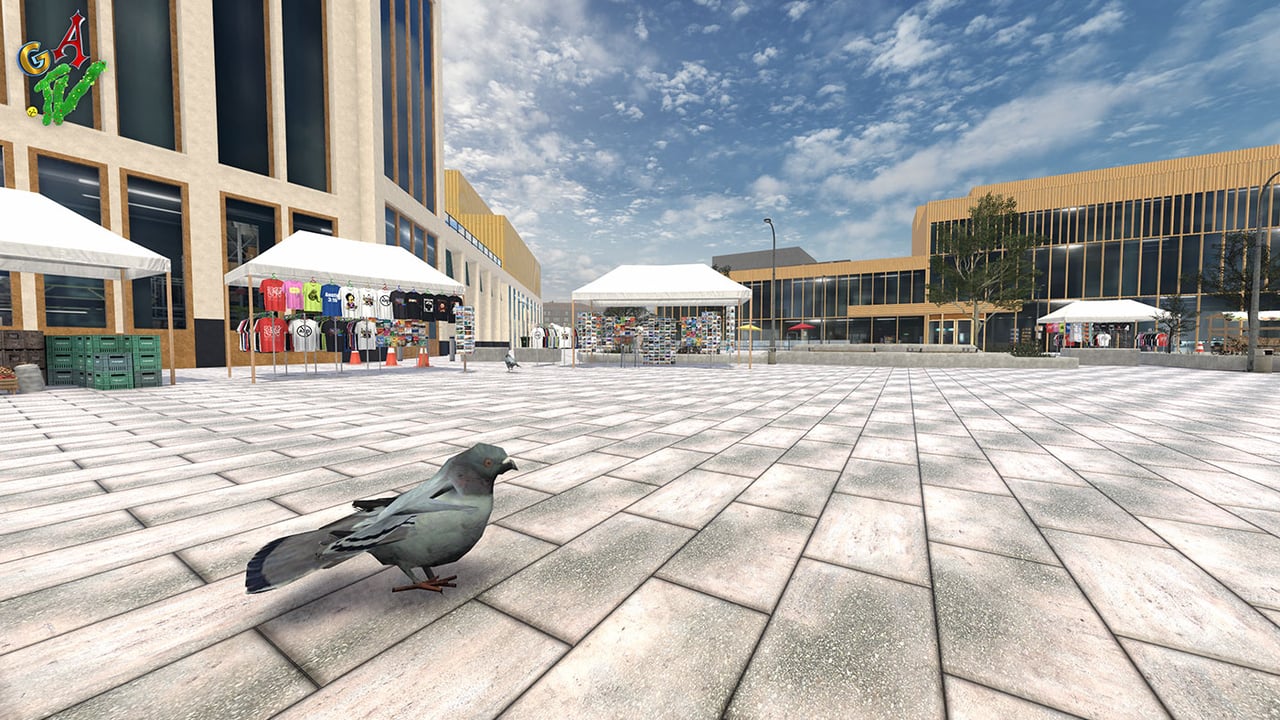
Going Away.tv, SERVER, 2026. SERVER is a continuous, seven-hour, artist-led festival film channel that will play in the Barnsley Civic theatre. Courtesy of Going Away.tv
Despite the funding challenges, Lopez-Sendon feels that the future is bright for AND, and the field of digital art. “I think it is playing a more important function across sectors than other arts disciplines,” he argues. “It’s a testing ground where you can model economies, infrastructures and speculative futures.”
“Digital art is uniquely equipped to touch on very relevant and pressing issues right now, issues that a lot of people are asking: What is the future of the workforce when things are more automated?” (Tadeo Lopez-Sendon )
“How do we socialise amidst all the dangers of social media? What is regulation?” Lopez-Sendon says. “Ultimately — what is our civic response to using technology?”
Aimee Dawson is a British art writer and editor. Among her areas of specialty are social media, the digital sphere and art and culture in the Middle East. She is a Contributing Digital Editor at The Art Newspaper, for which she writes the monthly column Insta’gratification about how the art world and social media collide and also co-produces the A Brush With… podcast. Her writing has appeared in Apollo, Artnet, Artsy, V&A Magazine, and Cultured Magazine, among others, and she was a contributing writer to the book African Artists (Phaidon, 2022). She is also a Guest Lecturer at SOAS, University of London.