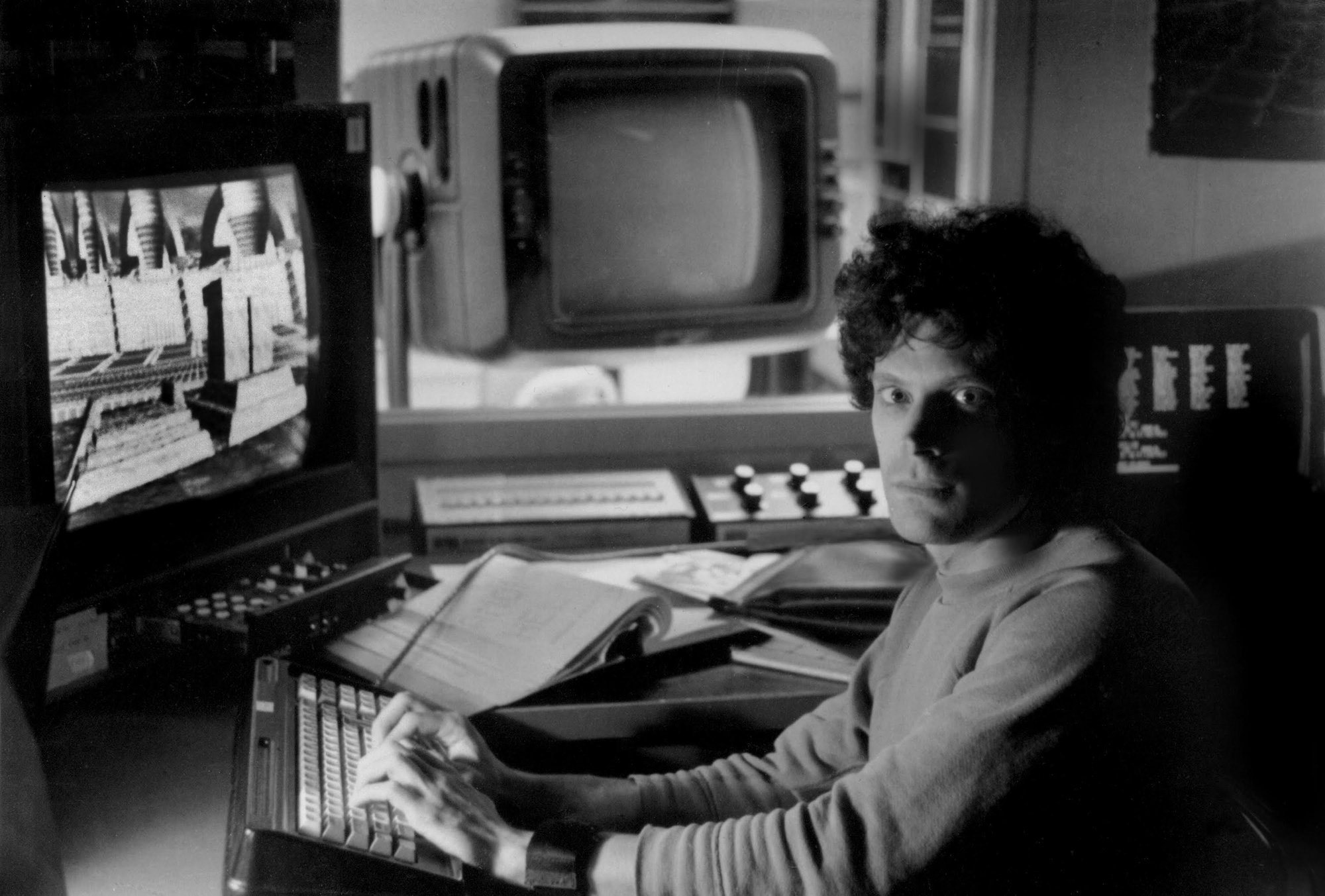
In the mid-1970s, long before Photoshop, NFTs, or generative AI, a small number of artists began working with computers not as calculating machines but as image-making instruments. Among them was David Em, who gained early access to some of the most advanced research environments of the period, including Xerox Palo Alto Research Center (PARC) and NASA’s Jet Propulsion Laboratory (JPL). Surrounded by engineers, computer scientists, planetary data, and experimental frame buffers, it was in these institutions that Em forged a new visual language for the digital age.
In the following conversation with Georg Bak, Em discusses the atmosphere of those early computer labs, shedding light on the remarkable Frame Buffer Show (1981) at SIGGRAPH, and why today’s generative AI feels less like a rupture than the continuation of a dream he first imagined nearly fifty years ago.
Georg Bak: You began working as an artist before digital image-making was available to artists. What was your background, and how did you arrive at the computer as a medium?
David Em: I came to it completely from an art vector. I started making art seriously when I was about 14. I was drawing, and by the time I was 16 or 17 I was already starting to show in small galleries. In my teens, I lived near New York, so I spent a lot of time in museums and galleries. The whole art community was available to me: downtown, uptown, midtown. There was painting, poetry, experimental film, music. I was very young, but I was accepted into that world.
I studied painting seriously, but quite early I became interested in light sculpture. When I moved to San Francisco, I set up a studio where I was building light environments that people could walk into. Eventually, I began to think that the light itself was more important than the objects. I thought perhaps film would be the next step, and I started looking at experimental filmmakers like John Whitney Sr. and Jordan Belson.
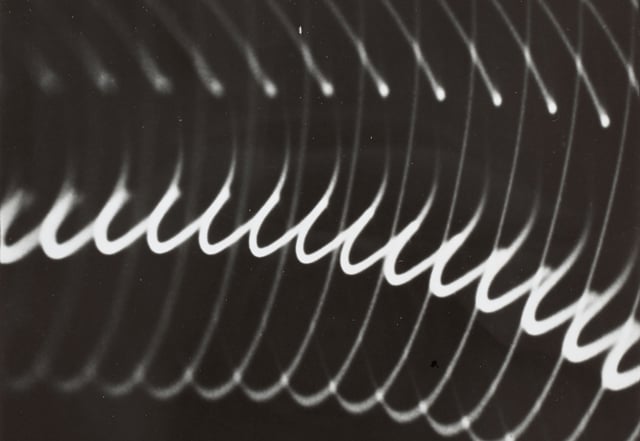
Then, someone said to me, “Have you ever thought about using video?” A friend lent me some equipment for an afternoon [and] the minute I turned it on, I thought: “this is it”. It was happening in real time. I could see the image on the screen as I made it.
I threw all the film stuff away. It had to be electronic. That was the future of art.
I met an engineer in San Francisco who had designed and miniaturized a video system for the local PBS station. He was interested in seeing artists use those tools, so he gave me access to a complete production studio. That got me very deep into creating abstract imagery in real time.
GB: What did you encounter when you first arrived at Xerox PARC?
DE: The first time I walked into Xerox PARC was the first time I had ever been in a room with a computer. I had heard of Fortran because you could take programming classes at the local college but, to me, that was business. The idea that an artist could work with a computer was completely alien.
Through a strange chain of events I got on the phone with someone at PARC, who said, “I don’t do that, but the person in the next cubicle over does. His name is Alvy Ray Smith.”
So I cold-called Alvy. He said, “Oh, you’re an artist? We’re building a paint system down here. How soon can you get down?” A week later I was there.
I met Alvy, Dick Shoup, who had built the frame buffer and created the original SuperPaint system, and David DiFrancesco. Alvy sat me down and showed me the system. In 20 minutes, I made my first picture.
GB: How sophisticated was that first paint system?
DE: By today’s standards it may sound primitive, but conceptually all the pieces were there. You could make brushes, you could draw, you could interact directly with the image. I remember that first night we stayed up until five in the morning, just jamming.
At one point I asked Alvy, “could we make an airbrush?” He said, “I don’t know,” and we started talking through it. Another time, I asked Dick Shoup whether we could make a transparency effect, like watercolor.
He would sit down and begin coding, and 20 or 40 minutes later this thing that had just been an idea would exist on the screen. That was eye-opening. It showed me that this was a malleable medium. It was not like buying a tube of paint. You could invent the tool itself.
GB: You later worked at NASA’s Jet Propulsion Laboratory. What was that environment like?
DE: JPL was extraordinary, especially around 1979, when the Voyager flybys were happening.
Images were coming back from Jupiter, and later Saturn. These were images no human eye had ever seen before.
By then I had gone through PARC in 1975, Triple-I in 1976, and JPL was up and running for me by 1977. By 1978 and 1979, I felt in control of the medium. I wasn’t thinking, “How do I do this?” anymore. I was just doing it.
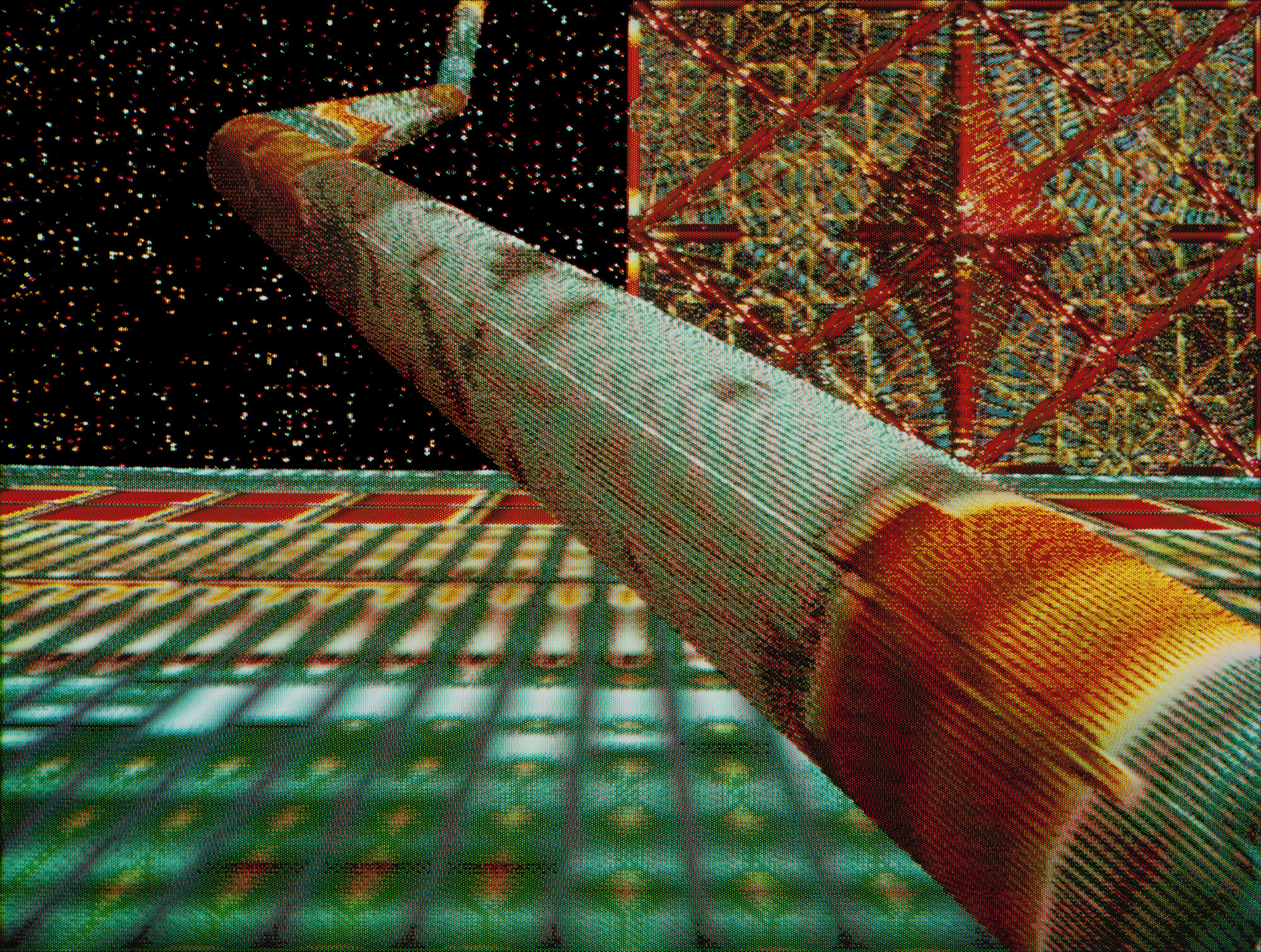
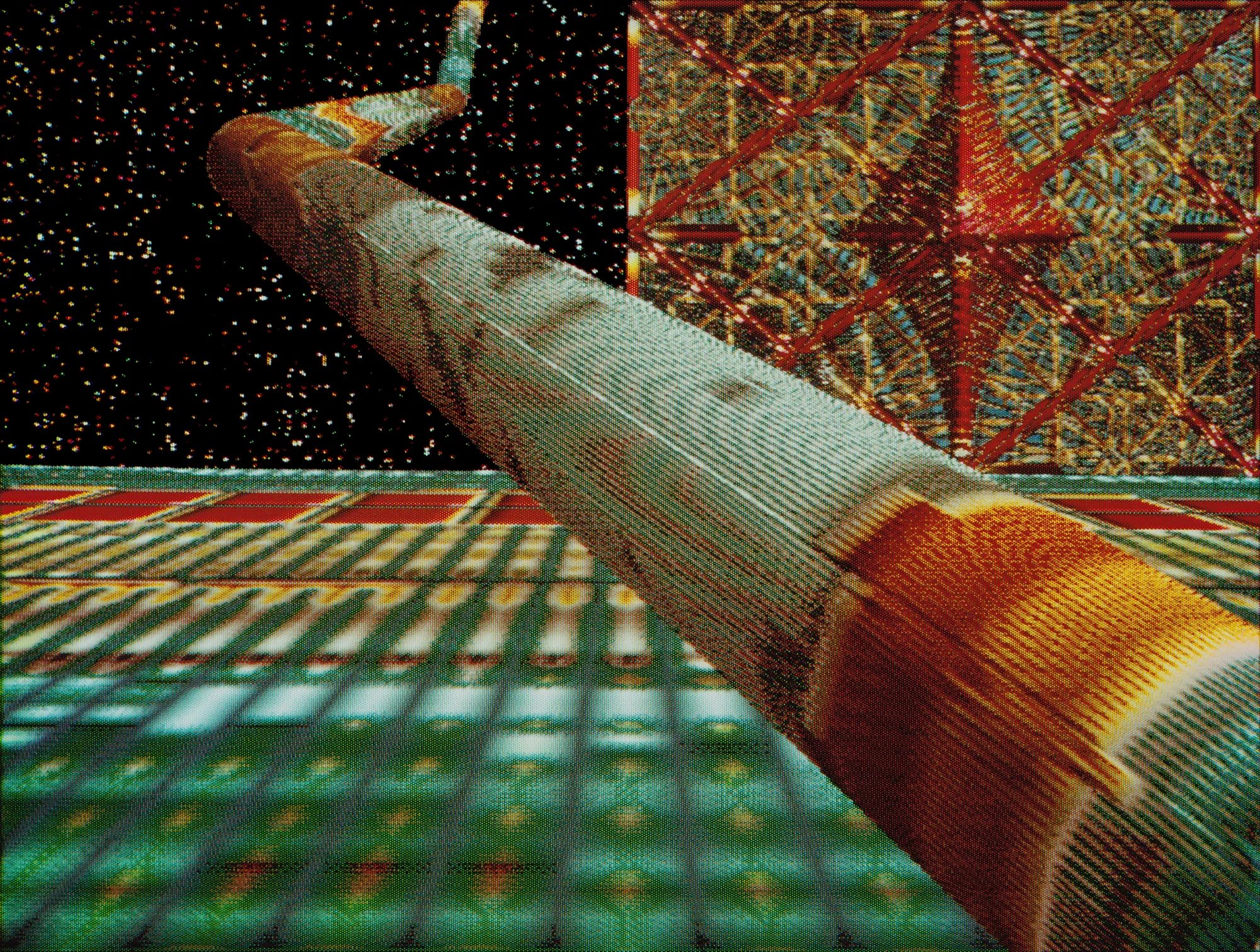
GB: Your image Transjovian Pipeline became one of the emblematic works from that period. How did it emerge?
DE: Transjovian Pipeline was made in 1979, which was a very productive year. I did not know at the time that it would have the impact it did. Because of the Voyager flybys, international media came to JPL from all over the world. The official presentation was about Voyager and the computer graphics lab. Then at the end they would say: “And then there’s this artist.” No one had seen anything like it before. TIME, Newsweek, The New York Times, PBS — everybody wanted to run stories. Tranjovian Pipeline became the flagship image.
GB: Was there already a community of digital artists at that time?
DE: There was a scene, but it was oddly distributed.
Digital art happened in tiny pockets around the world: a few places in the United States, some in Europe, some in Japan. SIGGRAPH became the place where everyone came together for one week a year.
It became the nerve network. You had artists like Lillian Schwartz and Chuck Csuri. You had people like Alvy Ray Smith and Ed Catmull, who were deeply interested in film, animation, and enabling new kinds of image-making.
GB: Was there a market for digital art in those years?
DE: In the beginning there was no market. It was extremely difficult to survive as an artist working with computers. What really supported me for many years was image licensing. Magazines, books, television, and other publications wanted to reproduce the work. Companies like Polaroid, Canon, Kodak, and later printing companies also supported artists because they understood that digital imaging was the future.
DE: The art world was the last to get on board. To many people, the computer was associated with dehumanization and bureaucracy. The idea that you could be creative with it was not in their heads. The photography world was much more open.
Photography departments often collected the work because the physical object was photographic —Cibachrome, Polaroid, film prints — even though conceptually it was digital art.
GB: How have you preserved your early work?
DE: Almost all the early work up to around 1984 exists on Kodachrome film. Later, when archival pigment-based digital printing came of age, that became very important. Today the work exists in different forms: film, prints, digital files, SSDs [solid state drives], cloud storage. But preservation remains complicated because the early systems were undocumented and incompatible.
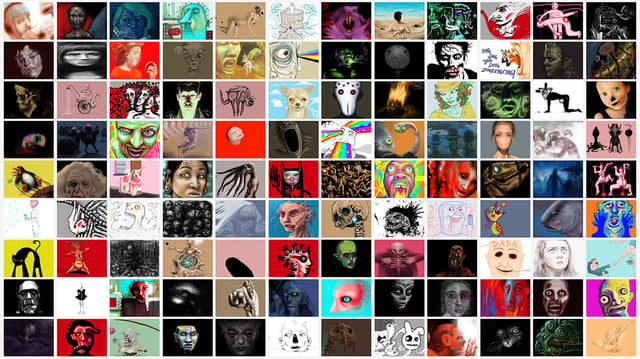
DE: I started working with neural networks around 2016, and then it really took off for me around September 2023. Since then I haven’t looked back. In a way, it feels like the early days again. Every few weeks there is a new capability.
GB: Many people say prompting is easy. How do you approach AI as an artist?
For me, AI is a partnership. I am directing it, but it suggests things. Together we evolve the work. The speed is unbelievable. There were years when I made ten pictures I was willing to put my name on. This year alone I have made hundreds. That changes the artistic process.
In the past, the work was all about making the image. Now a huge part of it is self-curation.
GB: Looking back, what feels most misunderstood about those early years?
DE: People often don’t understand how undocumented and improvised everything was.
There were no manuals. There were no standards. You had to talk to people, learn from them, persuade them, survive socially inside institutions, and somehow turn that into art.
Today everything is mediated through pixels. But at the time it felt like the Wild West. For me, though, it was never dystopian. It was a way to make worlds.
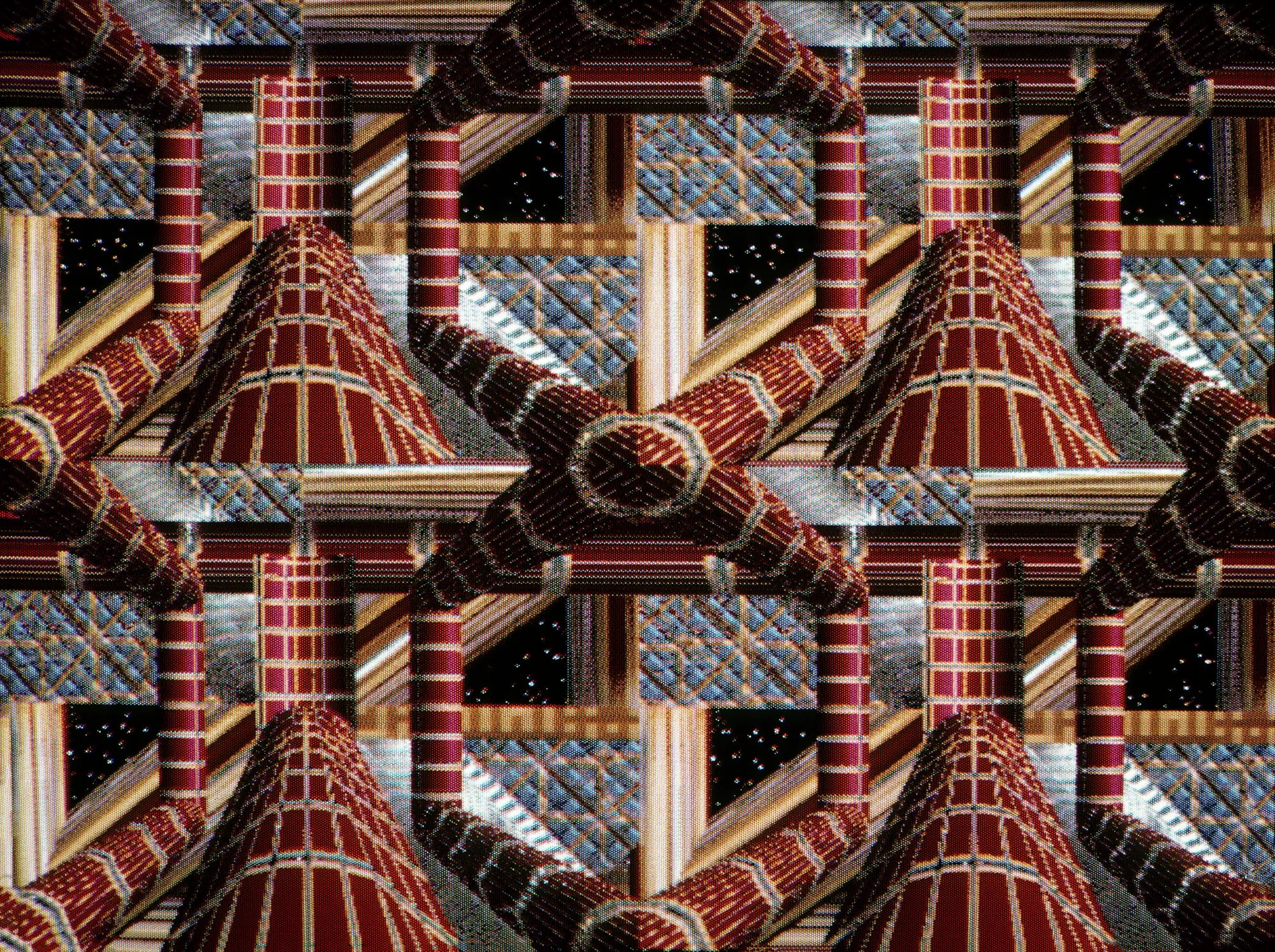
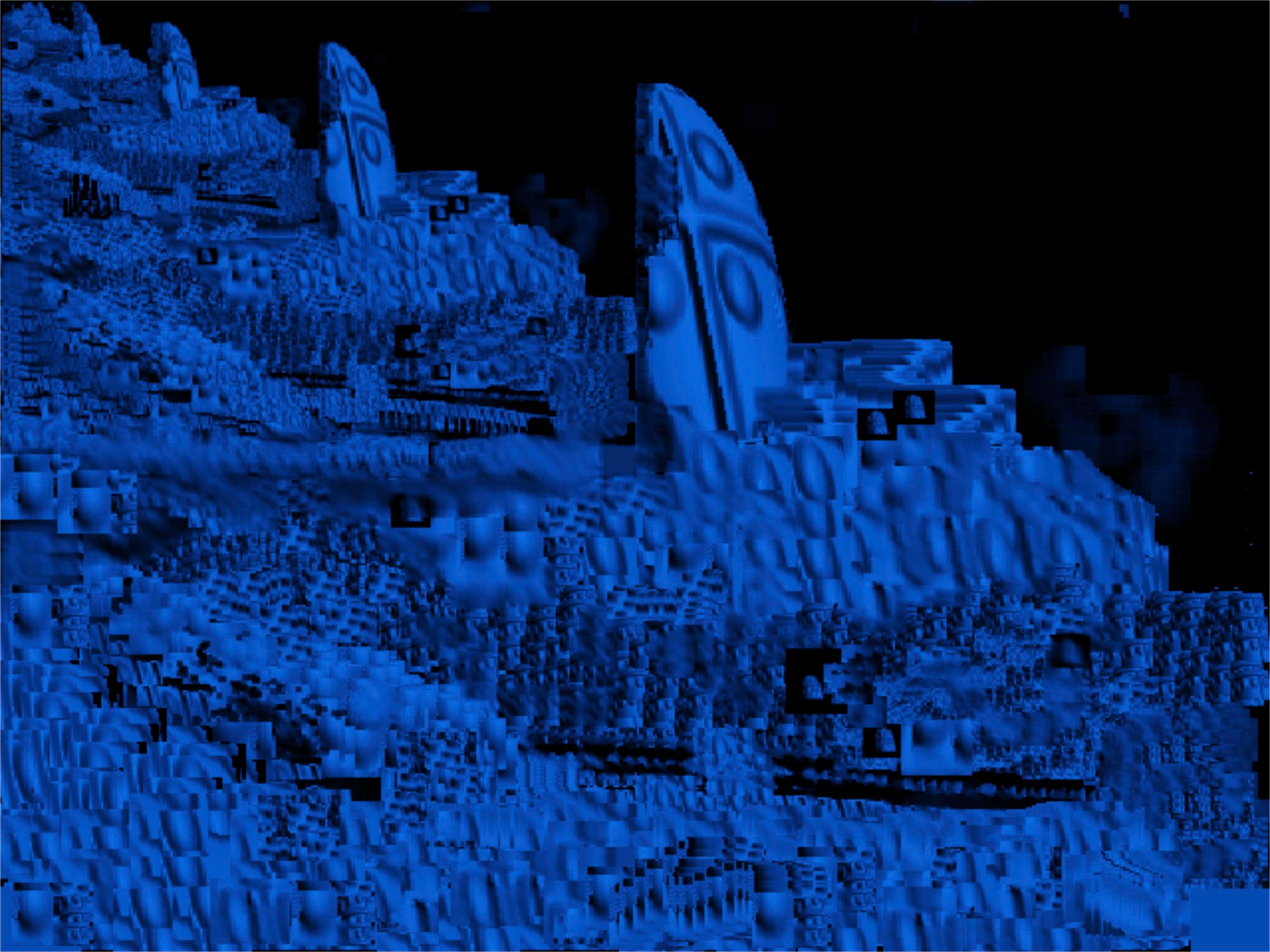
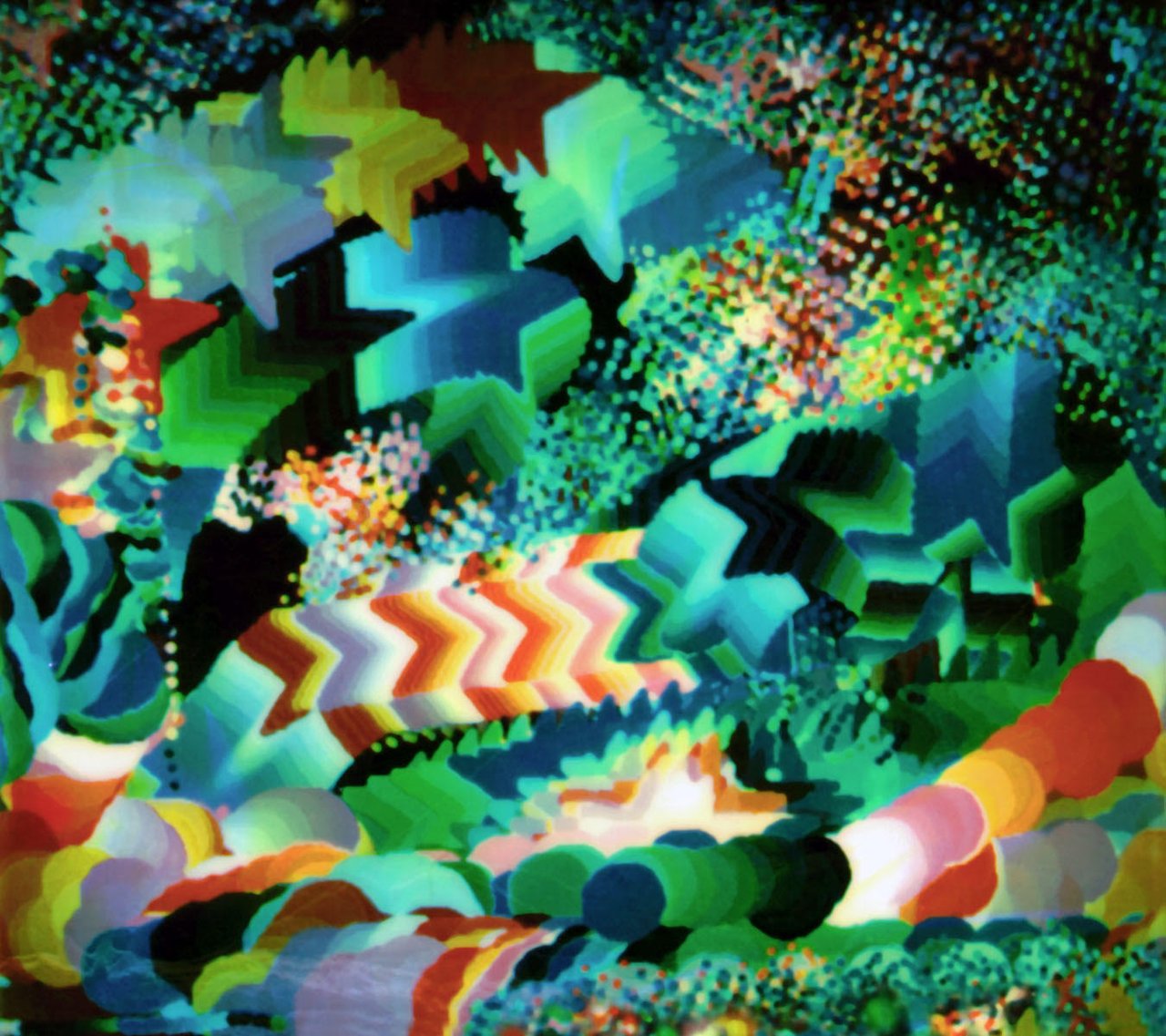
David Em moved with his family from Los Angeles to South America in 1953, when he was one year old. He attended high school on the East Coast of the United States, where he started to draw seriously. In 1972, Em returned to California to set up his first art studio in San Francisco, where he started to work with analog video synthesizers. In 1974, he heard the word “digital” for the first time and, in the following year, created his first digital artworks at the Xerox Palo Alto Research Center (PARC). In 1976, by which time he was completely immersed in experimental digital art, Em built articulated 3D creatures with mainframe computers at Information International Incorporated (Triple-I). Between 1977 and 1988, he was the Artist in Residence at NASA’s Jet Propulsion Laboratory (JPL) and at the California Institute of Technology, where he produced generative artworks and virtual worlds. While at JPL, he co-produced the 1981 SIGGRAPH Frame Buffer Show show in Dallas, where 3D pixel images, including Escher (1979), were exhibited electronically for the first time. In 1991, Em worked with personal computers at Apple’s Advanced Technology Group (ATG) — his first contact with commercial imaging software — creating images that were radically different from those at JPL. In 1995, he built a network of personal computers to push the frontiers of digital art independently in his own studio. Today, in images such as Kurie (2024), Em manifests the infinite potential of the digital medium with generative AI, an evolutionary development that he predicted in 1977 would fundamentally transform the future of art.
Georg Bak is a Swiss-based digital art advisor and curator who worked in senior positions at Hauser & Wirth and as an art advisor for LGT Bank in Switzerland before running his own digital art gallery Scheublein + Bak. He curated the landmark “Sealed Cryptopunks” sale at Sotheby’s and the exhibition “Ex Machina. A History of Generative Art” at Phillips in London having been the first to exhibit CryptoPunks in an art exhibition in 2018. Bak has served on advisory and curatorial boards for institutions including HeK Basel, MoCDA (Museum of Contemporary Digital Art), CADAF, Rare Art Festival New York, and Le Random. He co-founded NFT ART DAY Zurich and The Digital Art Mile, and is a partner at ArtMeta.