From Code to Canon | The Chapters of Digital Art
A new show of digital masterpieces at Art Basel Zero 10 is introducing collectors to 70 years of overlooked history
A new show of digital masterpieces at Art Basel Zero 10 is introducing collectors to 70 years of overlooked history
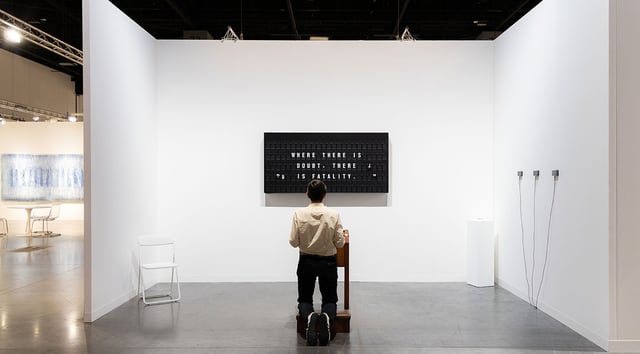
Next week sees the launch of a new exhibition “Digital Masterpieces: From Code to Canon” that traces a 70-year history of digital art as part of Art Basel’s Zero 10 initiative. A quarter of the 100 total artworks in the show will be visible in physical space at the ArtMeta booth, offering Art Basel’s community of collectors and art-world insiders a chance to explore a different set of practices to those they are accustomed to. All of the works will be viewable online as part of a detailed survey, which has been divided according to a range of different genres.
Ahead of the exhibition, Right Click Save asked the show’s curator Georg Bak to illuminate the different sections and to explain what makes a masterpiece when it comes to digital art.
Right Click Save: What prompted you to develop a grand display of 100 “Digital Masterpieces”?
Georg Bak: Our ambition is that the show not be encyclopedic but rather canonical, presenting works that shaped the history of digital art and continue to define how we understand code, systems, networks, artificial intelligence, and digital ownership today.
We advance the premise that the history of digital art has always been closely linked to technological developments. Bell Labs, the Hochschule für Technik Stuttgart, MIT, NYIT, Xerox PARC, Google, NVIDIA, and blockchain infrastructure are not merely backdrops to this story, they are among the protagonists and often the roles of engineers and artists were fluid and interchangeable.
Digital art emerged wherever artists, engineers, mathematicians, film-makers, photographers, and programmers crossed into one another’s territories.
RCS: How have you structured the exhibition?
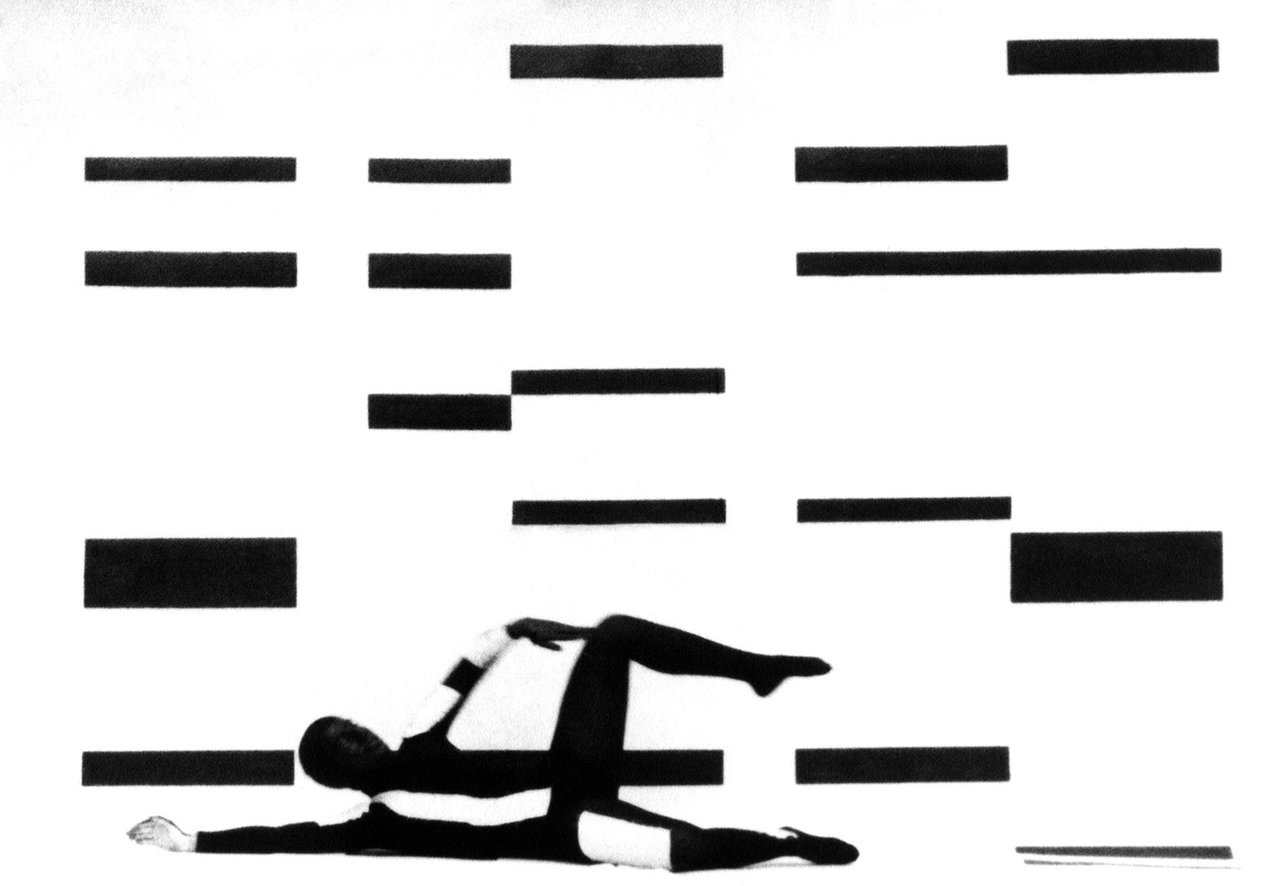
GB: The exhibition is told in seven chapters: SIGNAL, SYSTEM, GRAPHIC, NETWORK, GENERATIVE, INTELLIGENCE and PROTOCOL, moving from the first electronic images of the 1950s to contemporary AI and blockchain-based works.
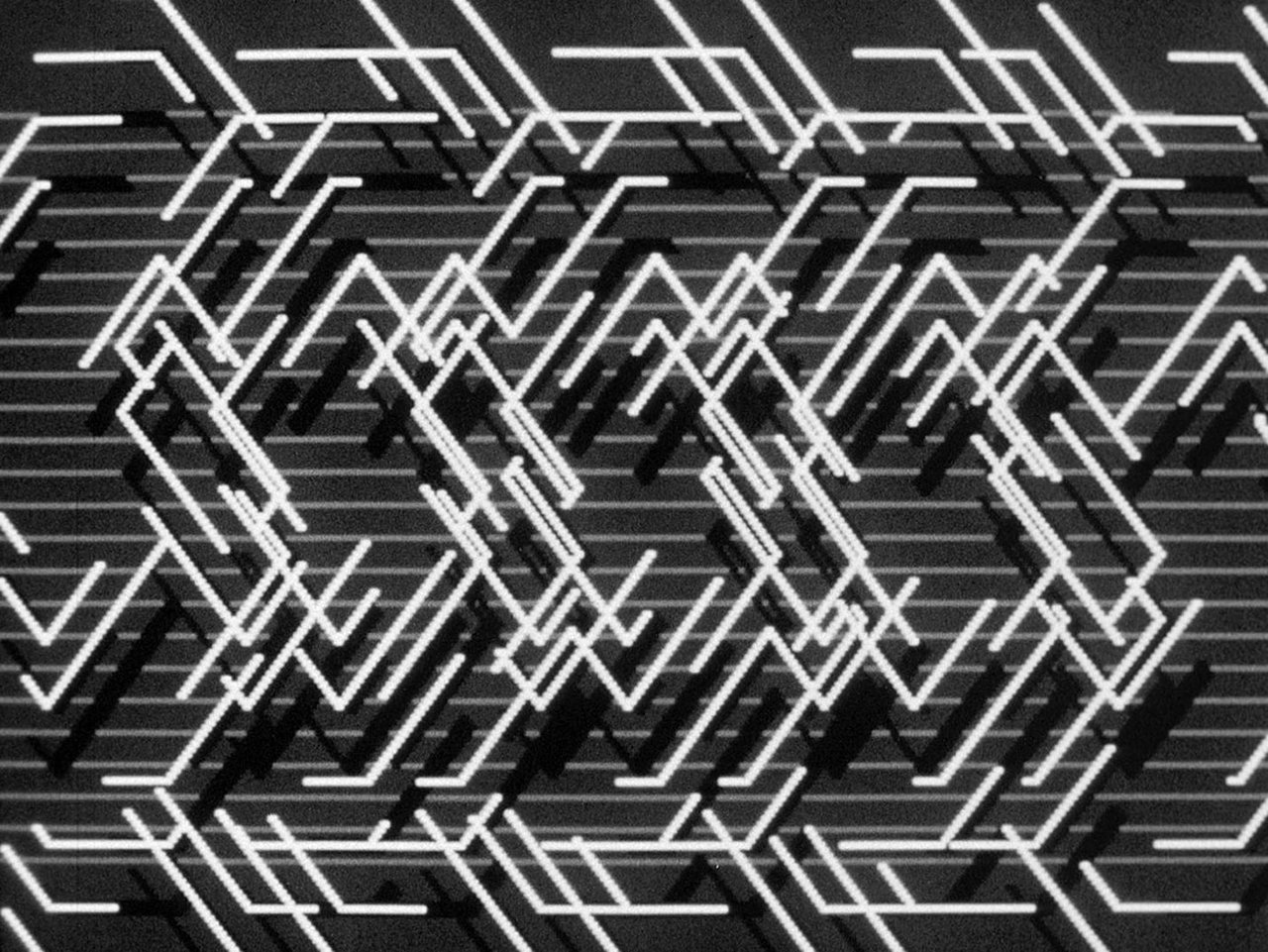
SIGNAL begins with the prehistory of digital art: Ben Laposky’s Oscillons and Mary Ellen Bute’s oscilloscope imagery, which she created for films such as Abstronic (1952) — works that existed first as transient electronic figurations on cathode-ray screens before being captured through photography and film.
These works remind us that the digital image did not begin as a file but as a signal.
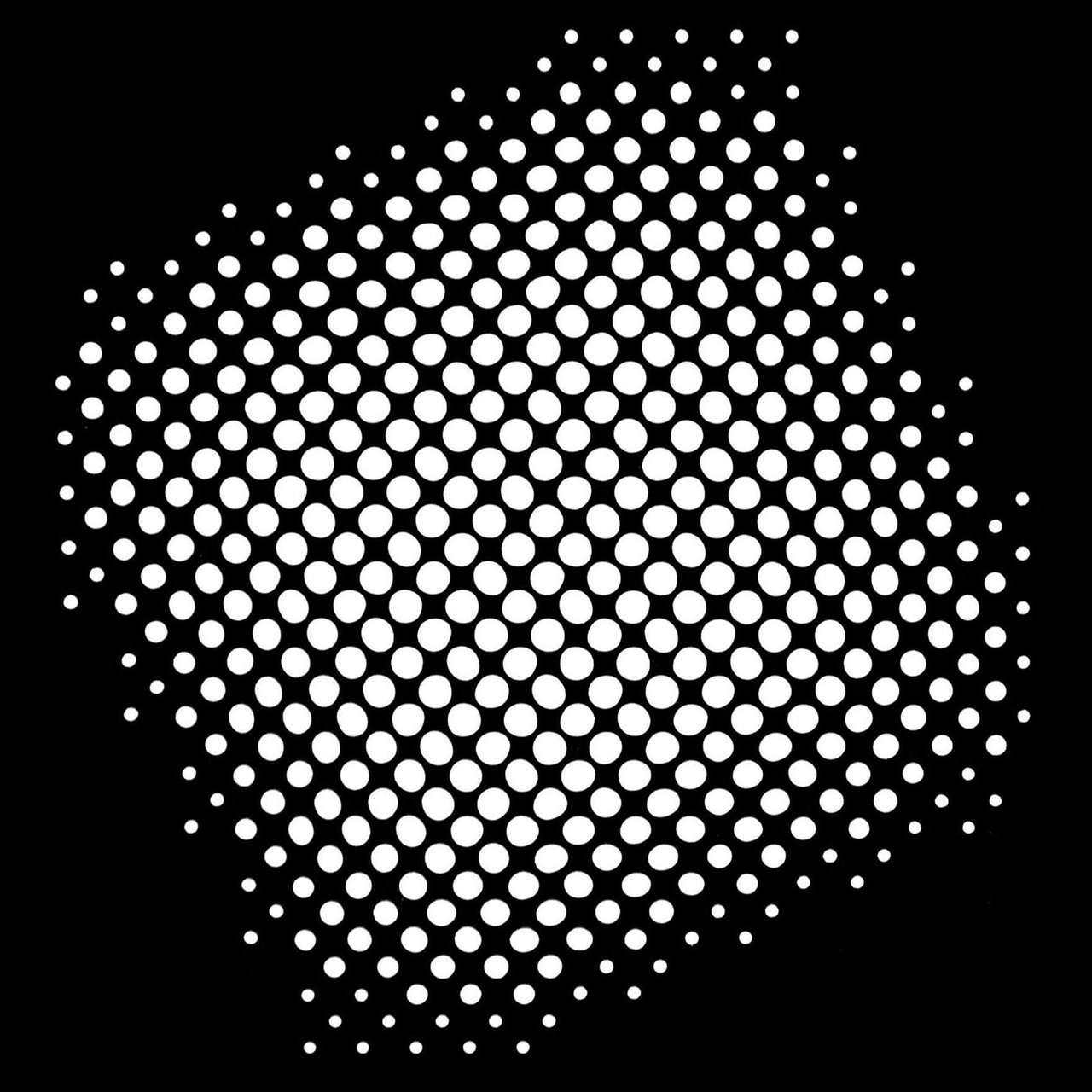
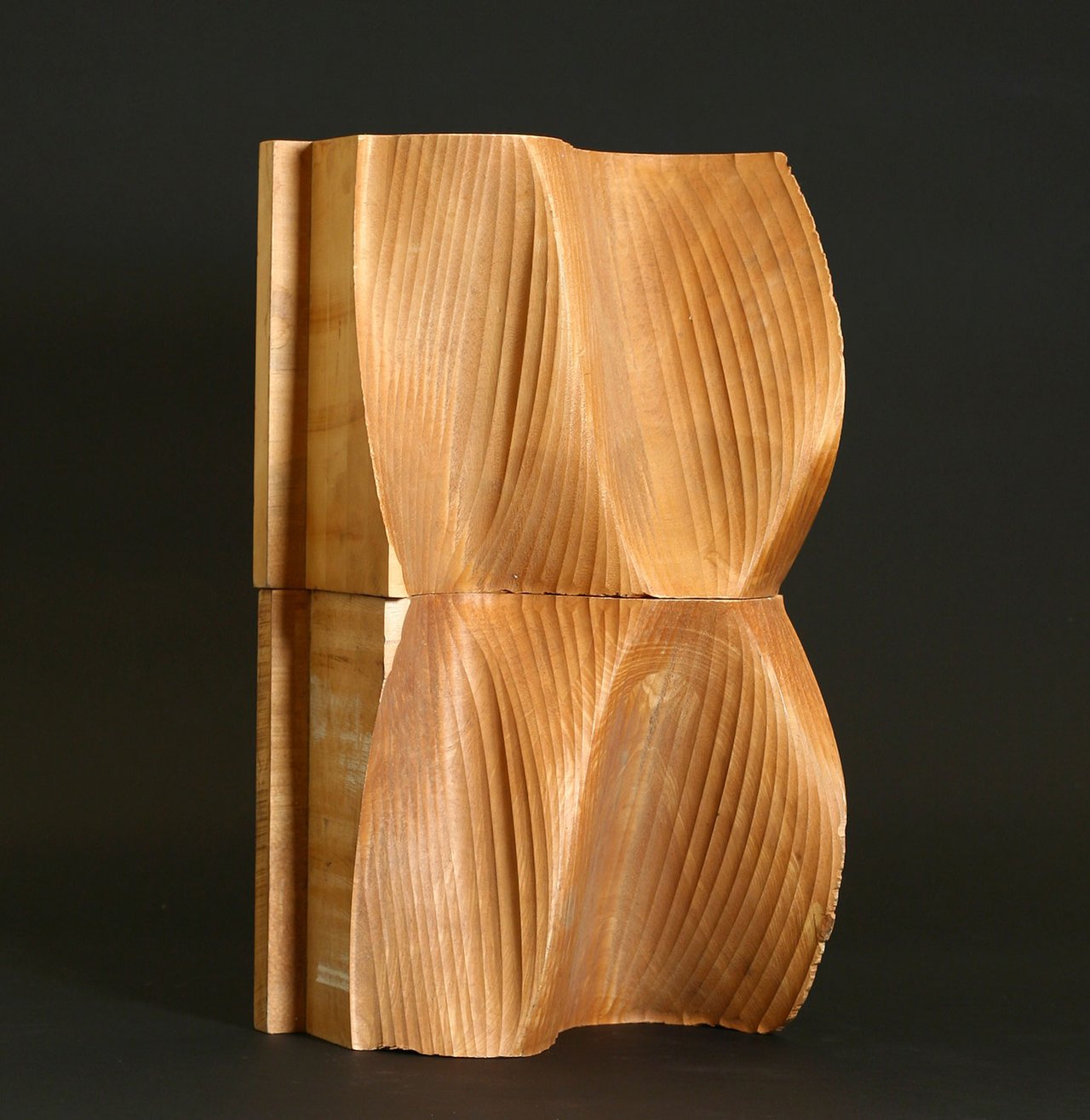
SYSTEM follows the emergence of computer art in the 1960s, when artists gained access to mainframes, punched cards, plotters, and research laboratories. Among the highlights are Desmond Paul Henry’s Homage to Idols (1962), produced with a drawing machine built from an analog bombsight from the Second World War; Ken Knowlton and Leon Harmon’s Computer Nude (1967) gained instant fame when it was reproduced on the cover of The New York Times, becoming one of the most iconic works of computer art; while Charles Csuri’s Numeric Milling (1968) is widely recognized as the first 3D computer-generated sculpture.
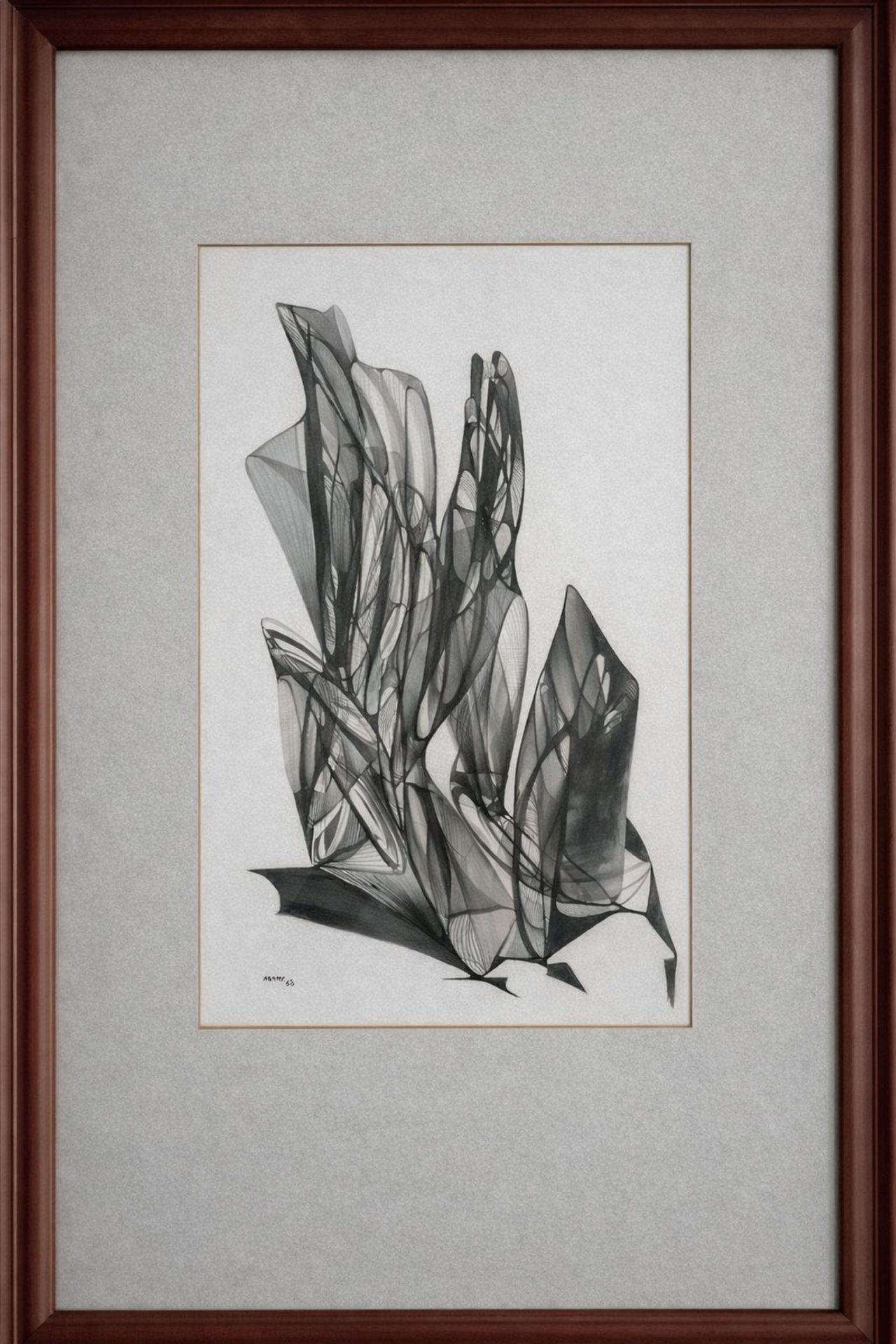
Csuri manipulated a numeric milling machine using a Bessel programming function to carve wood mechanically. That function allowed him to mimic an organic structure programmatically. The sculpture has also a remarkable exhibition history, having been included in “Cybernetic Serendipity” (1968) at the ICA, London, as well as “The Machine as Seen at the End of the Mechanical Age” (1968-69) at MoMA, New York, and “New Tendencies IV” in Zagreb in 1969. Frieder Nake’s 13/9/65 Nr. 2 (“Homage to Paul Klee”) (1965); and Gottfried Jäger’s “Pinhole Structures” are among many other noteworthy artworks in the exhibition, heralding from the moment when computation first shaped artistic form as rule, procedure, and system.
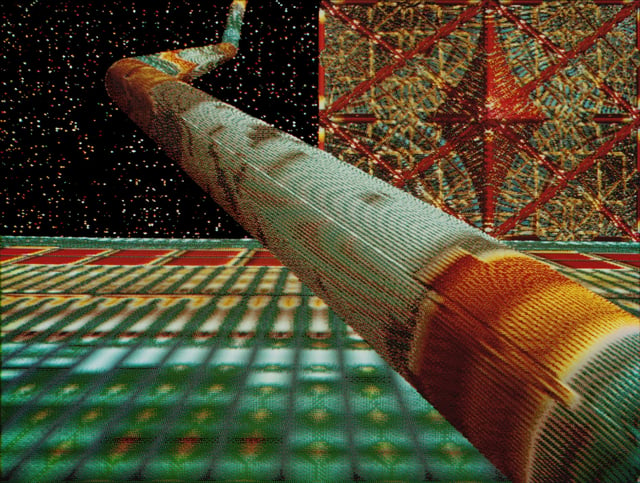
GRAPHIC turns to the screen-based image culture of the 1970s and ’80s, with works by artists including Rebecca Allen, Larry Cuba, Yoichiro Kawaguchi, and William Latham. I
In this section, the computer becomes not only a calculating machine, but a space of synthetic worlds, artificial growth, animation, and virtual movement.
Only a handful of artists had access to the early graphical systems at NASA’s Jet Propulsion Laboratory (JPL), Convac computers at TIME, as well as the Quantel Paintbox, which revolutionized graphic imagery at a moment when computer graphics were mainly used in art broadcasting, film, and by graphic studios before the personal computer and software such as Adobe Photoshop became widely accessible.
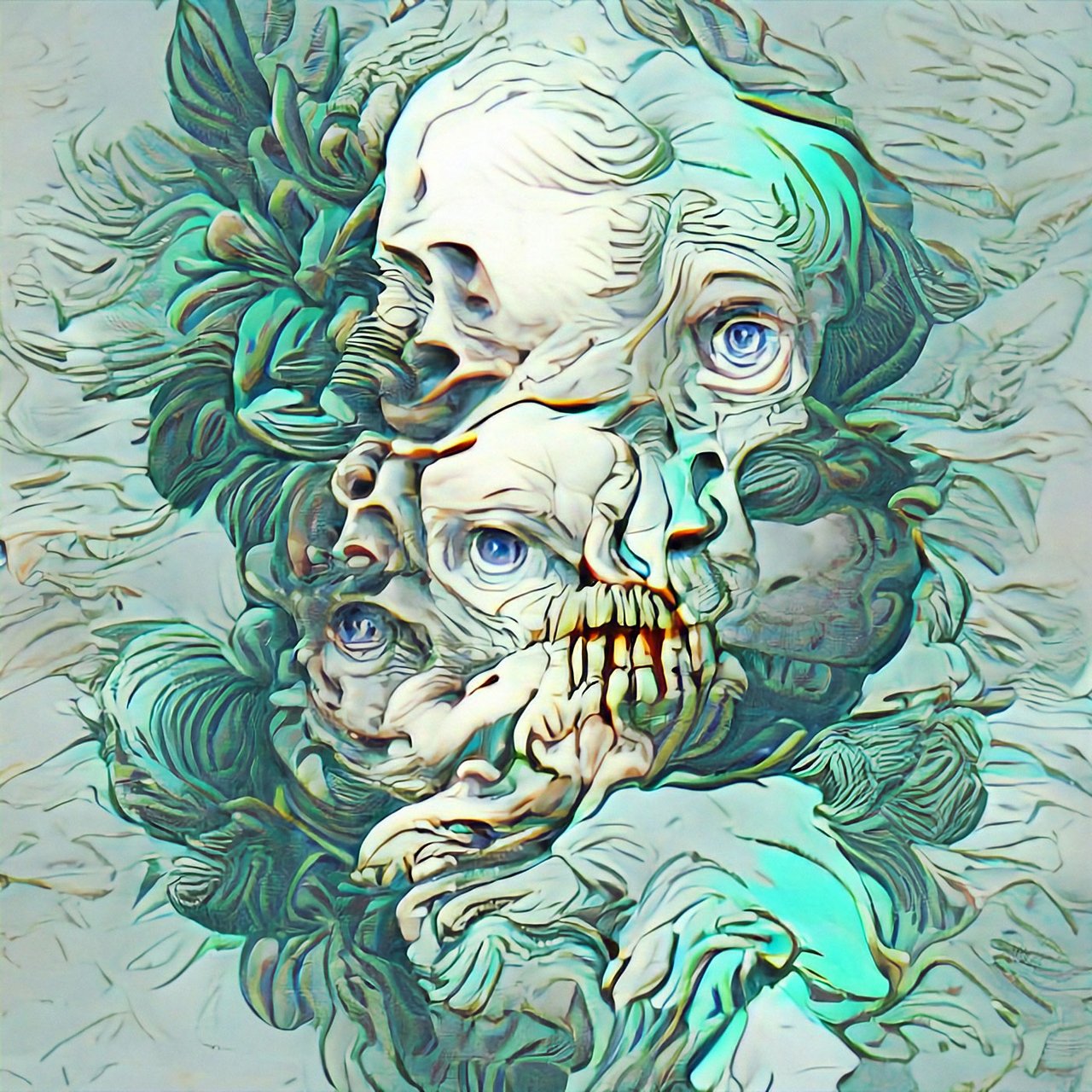
NETWORK traces the shift from single machines to connected systems. Eduardo Kac’s early Minitel works, Hervé Graumann’s Raoul Pictor cherche son style… (1993), and George Legrady’s Equivalents II (1993) show how language, interface, software, and participation began to reshape authorship.
Legrady’s work is especially resonant today for its use of text inputs to generate cloud-like images, making it a striking precursor to prompt-based image culture.
GENERATIVE follows the return of code as an artistic medium, from the Algorists to John Maeda, Processing, and on-chain generative art. Works such as Maeda’s Morisawa 1 (1996/2024) and later blockchain-based generative systems demonstrate how the algorithm became not only a tool but a cultural language.
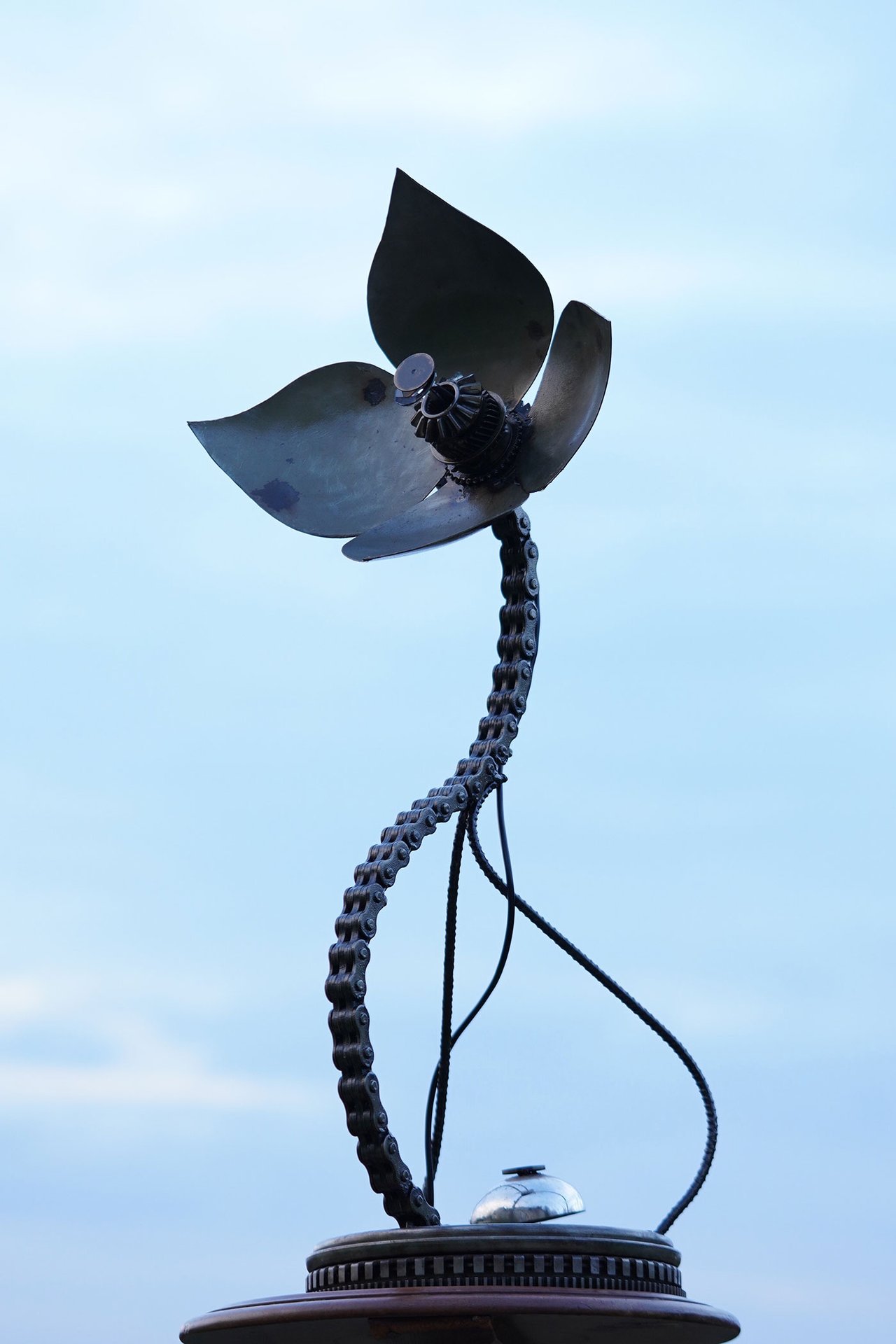
INTELLIGENCE addresses the rise of machine learning and AI art, from early text-to-image systems such as Elman Mansimov’s alignDRAW (2015) to Nancy Burson’s morphing technologies, Botto’s decentralized autonomous authorship, and contemporary AI works by Memo Akten and Katie Hofstadter. The section considers how authorship changes when the artist no longer writes every rule but instead shapes datasets, prompts, models, systems, and forms of human-machine feedback.
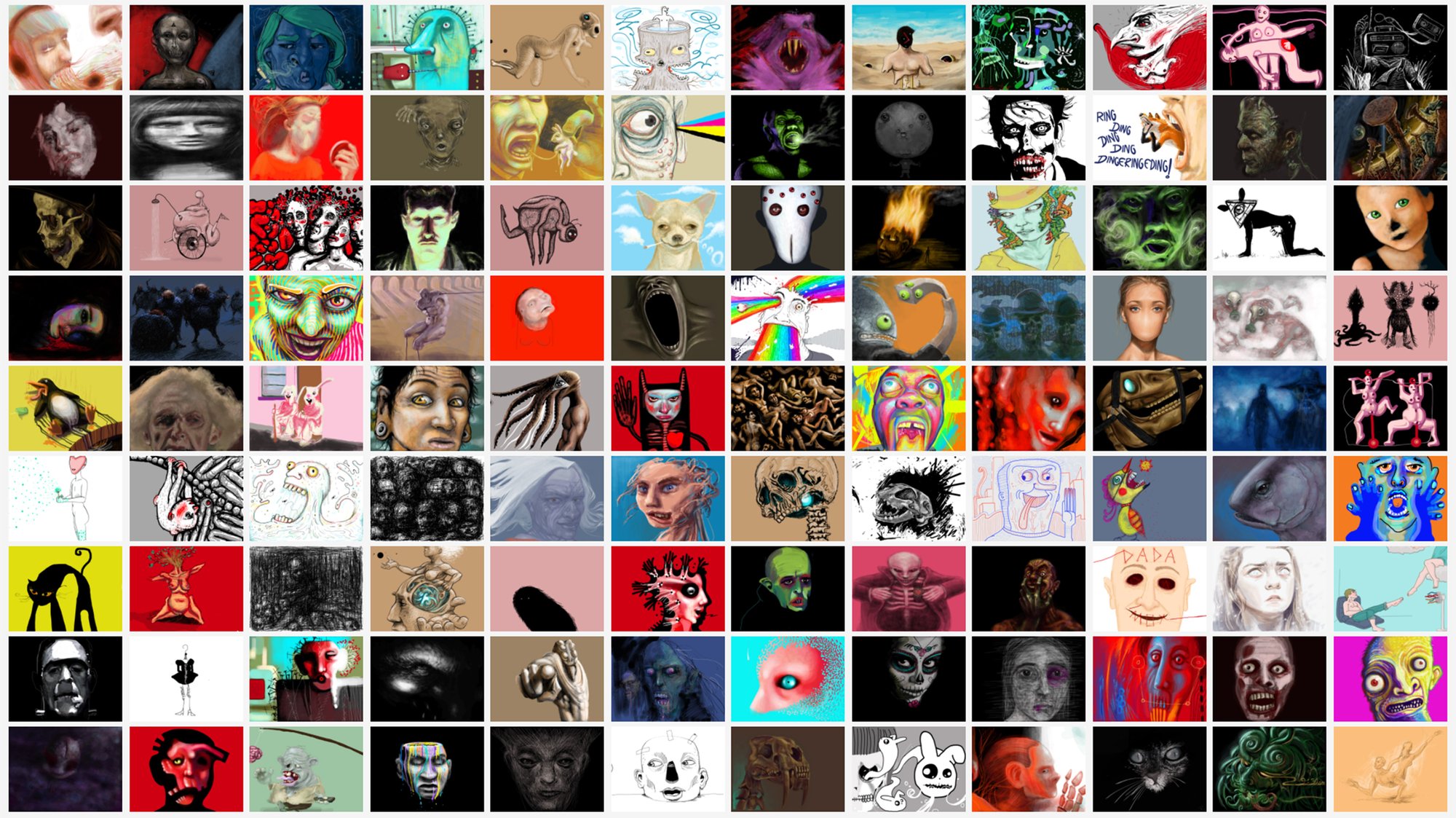
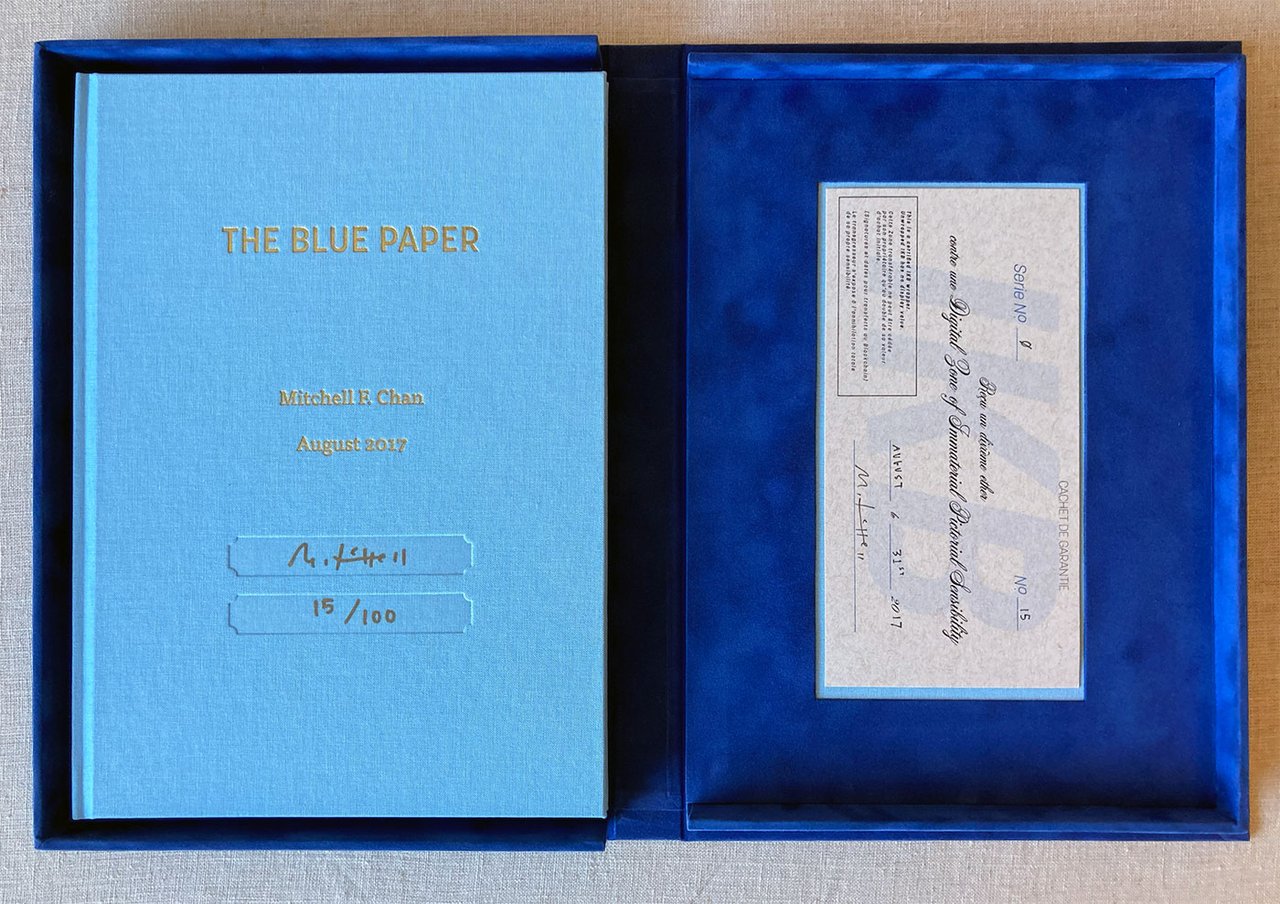
Finally, PROTOCOL examines blockchain not merely as a market mechanism, but as a new artistic infrastructure. Primavera De Filippi’s Plantoids (2014-ongoing), DADA’s Creeps & Weirdos (2017), and Mitchell F. Chan’s Digital Zones of Immaterial Pictorial Sensibility (2017) show how smart contracts, provenance, royalties, ownership, and governance can become part of the work itself.
RCS: What does it take for a particular work to be celebrated as a masterpiece?
GB: There is no single answer. Some works become canonical through technical innovation. Others do so through exhibition history, institutional acquisition, circulation, mythology, or community.
Computer Nude became a media event after appearing in The New York Times in 1967. Nake’s Hommage à Paul Klee has remained present in landmark histories of computer art for decades. While Jäger’s Lochblendenstrukturen (1967) helped to define generative photography. Botto’s early works mark a new chapter in distributed AI authorship. DADA’s Creeps & Weirdos anticipated artist royalties and non-fungible editions before the NFT standard was fully established.
Canonicity is never produced by one factor alone. It emerges when innovation, visibility, provenance, narrative, and historical consequence converge.
This is also what makes “Digital Masterpieces” unusual as a market presentation. Many of the works brought together here are exceptionally rare, and in some cases almost never appear for sale. They are not simply examples of digital art history; they are the material traces of its formation. Vintage photographs of electronic signals, early plotter drawings, first-generation generative prints, pioneering computer animations, proto-prompt systems, and early blockchain works appear together as a coherent historical argument.
RCS: How do you view the evolving canons of digital art?
GB: At a moment when AI, generative systems, and blockchain are redefining contemporary culture, the exhibition insists that these developments have deep roots. Today’s debates around machine creativity, prompts, digital scarcity, autonomous agents, and networked authorship did not appear out of nowhere. They belong to a longer history, one that begins with signals and systems, passes through laboratories and screens, and arrives at protocols, models, and distributed communities.
“Digital Masterpieces: From Code to Canon” proposes that digital art has reached a new stage of historical legibility.
The question is no longer whether digital art belongs in the canon. The question is how that canon is formed, who writes it, and which works will define it for future generations.
Georg Bak is a Swiss-based digital art advisor and curator who worked in senior positions at Hauser & Wirth and as an art advisor for LGT Bank in Switzerland before running his own digital art gallery Scheublein + Bak. He curated the landmark “Sealed Cryptopunks” sale at Sotheby’s and the exhibition “Ex Machina. A History of Generative Art” at Phillips in London having been the first to exhibit CryptoPunks in an art exhibition in 2018. Bak has served on advisory and curatorial boards for institutions including HeK Basel, MoCDA (Museum of Contemporary Digital Art), CADAF, Rare Art Festival New York, and Le Random. He co-founded NFT ART DAY Zurich and The Digital Art Mile, and is a partner at ArtMeta.
No comments yet. Be the first to share your thoughts.
Mentioned in this article
People: Botto, Charles Csuri, Desmond Paul Henry, Frieder Nake, Georg Bak, George Legrady, Gottfried Jäger, Larry Cuba, Mitchell F. Chan|Organizations: ArtMeta|