The artist Tyler Hobbs is showing a new generative series, From Noise, (2025) with SOLOS gallery, as part of the first iteration of the Zero 10 section, devoted to art of the digital age, at Art Basel Miami Beach (December 3-7, 2025).
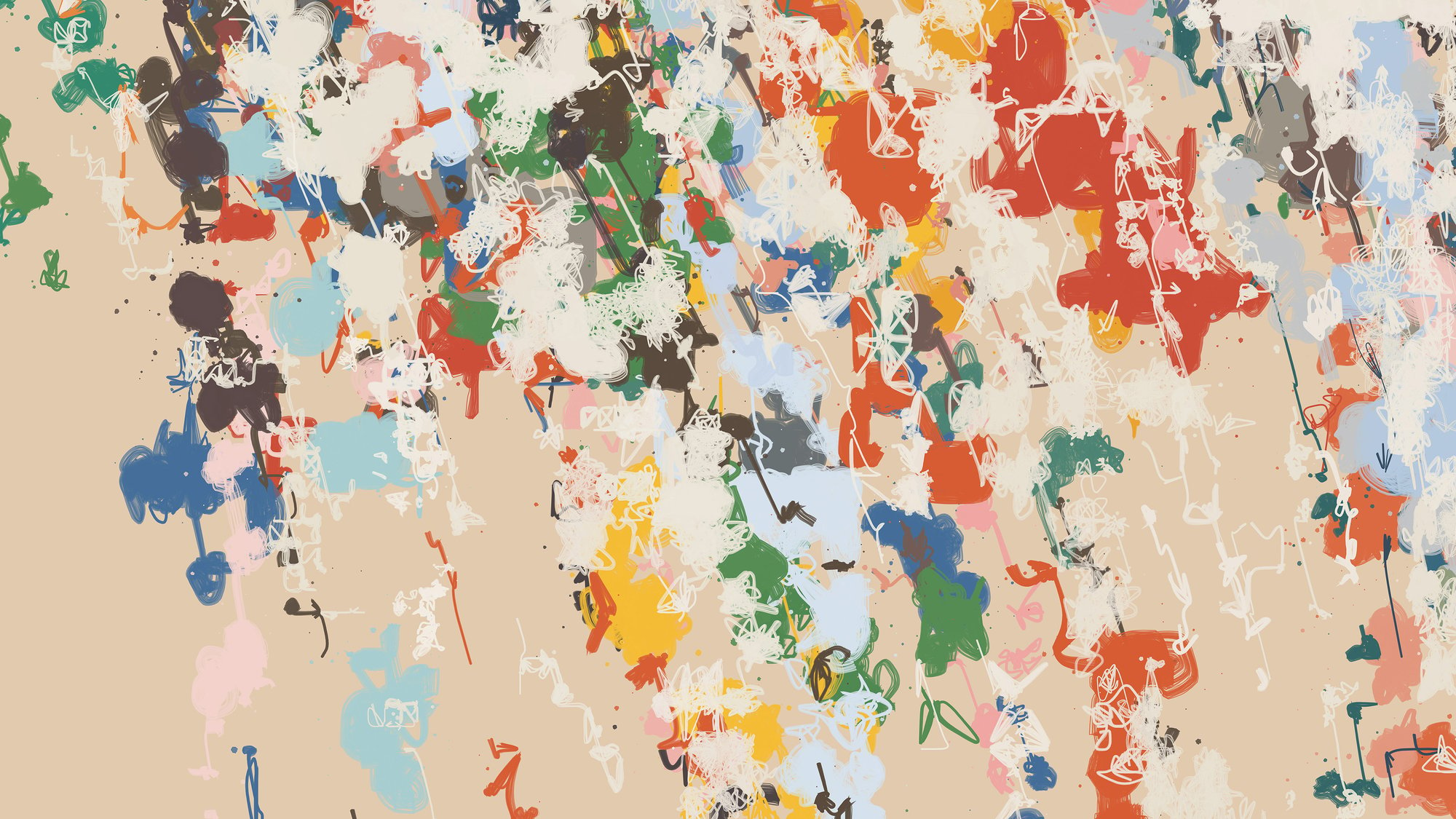
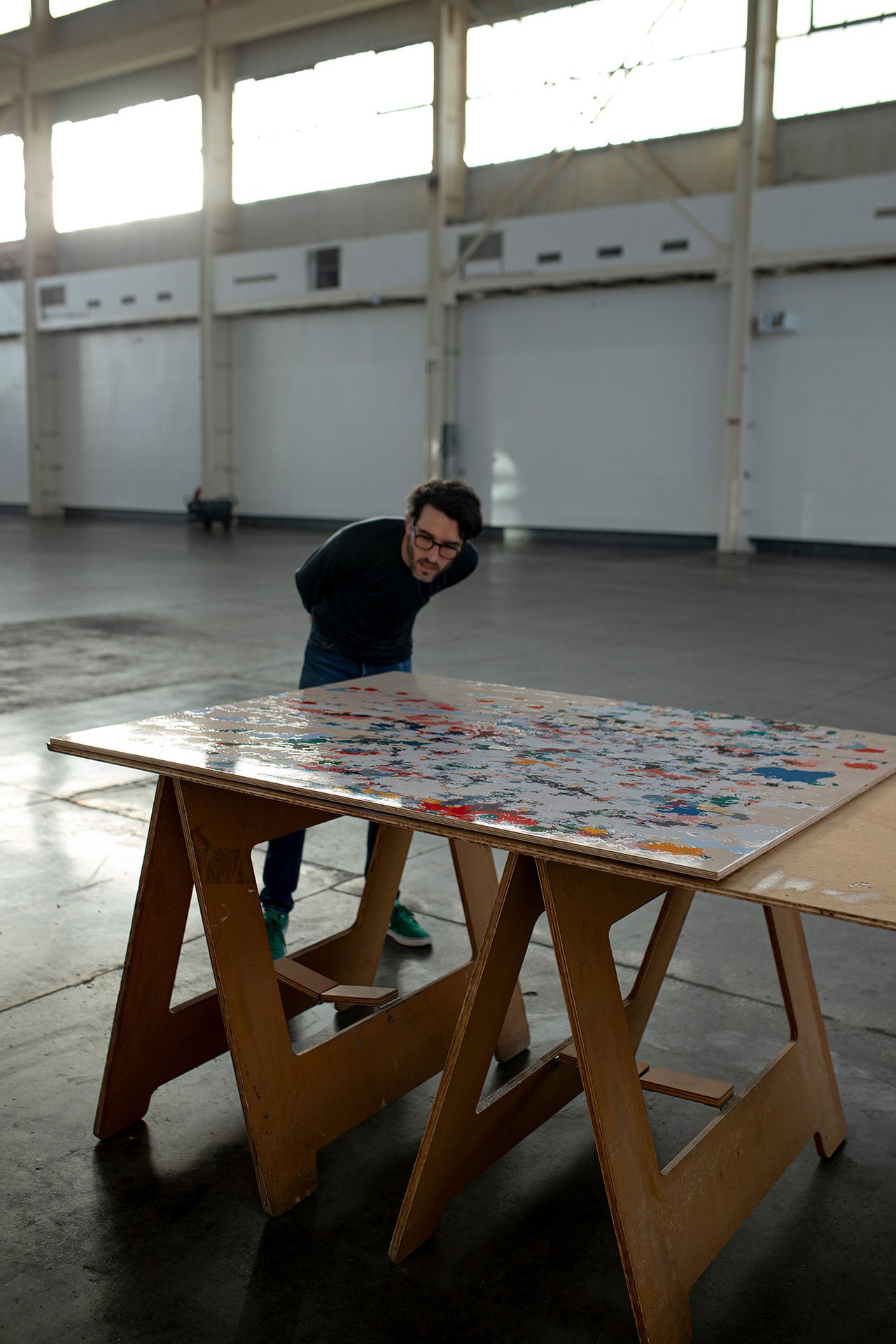
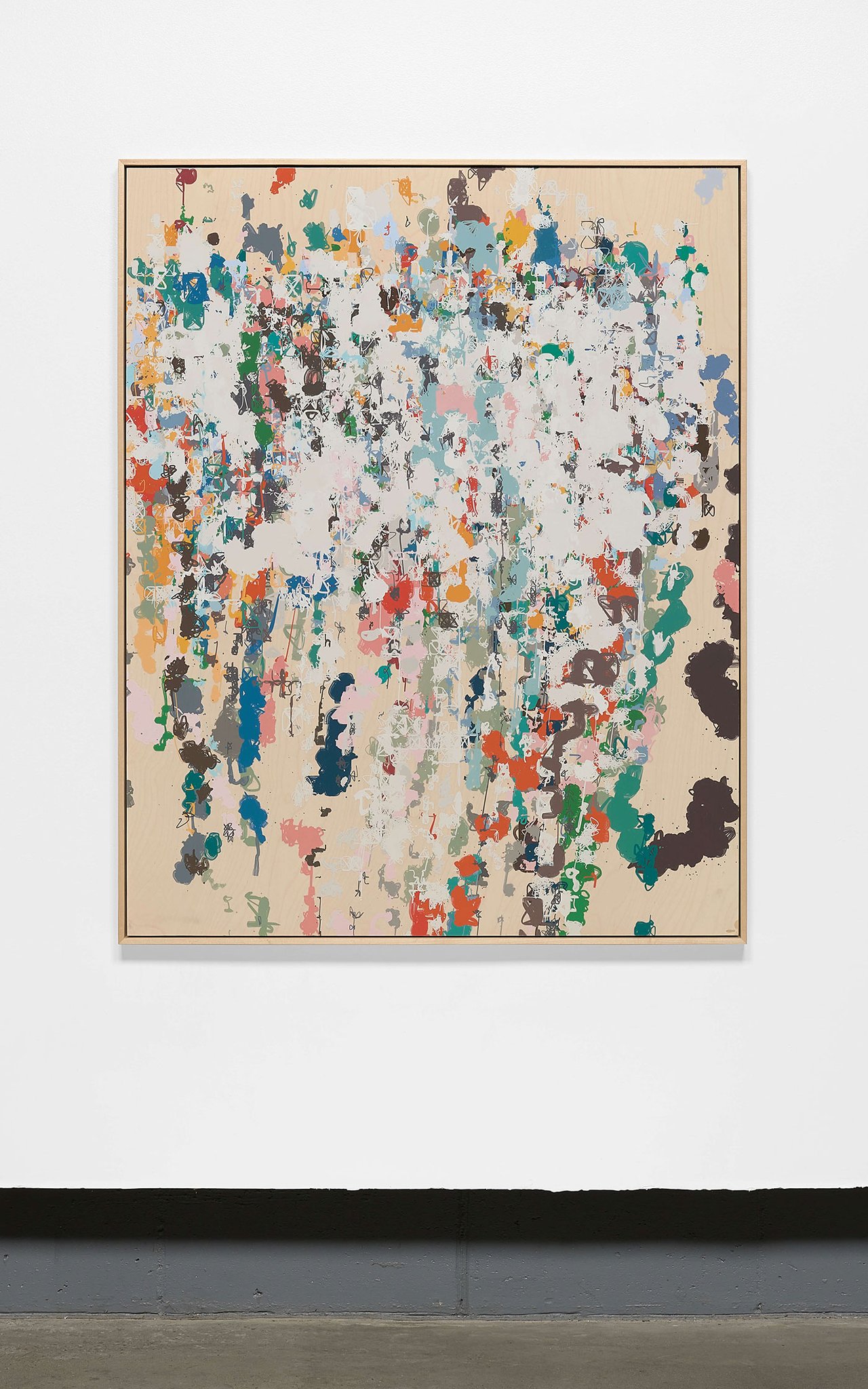
From Noise is a series of 12 digital works, minted as NFTs, set to be presented physically at the art fair through four large-format prints on varnished wood panels, each 4ft wide x 5ft tall (1.22m x 1.52m). “I view these prints as the best way to experience the work,” Hobbs tells Right Click Save. “That’s the entire motivation for creating the physical output format [...] Screens can, in their current format, be an impediment to the viewing experience.”
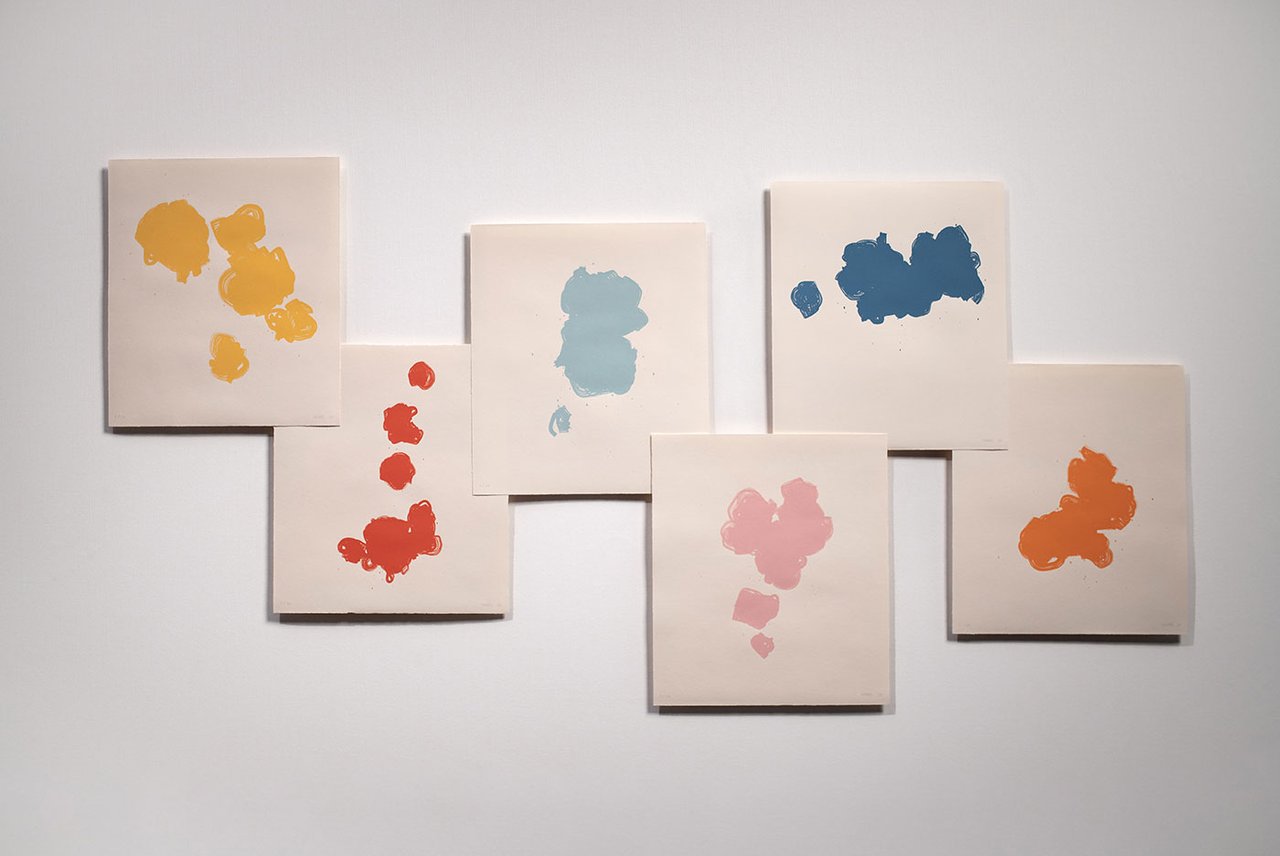
The work is inspired by the cumulative energy of amalgamations of urban graffiti and sticker clusters, as well as the artist’s stored memories of gestural painters such as Joan Mitchell and Cy Twombly. To accompany From Noise, Hobbs has created Translated Gestures (2025), made from single-color gestural elements contained in outputs from the From Noise algorithm and available at Zero 10 as sets of six screen prints on paper (from an edition of 30 sets). In both series, the artist explores ways to capture the spontaneity and freshness of gestural art algorithmically.
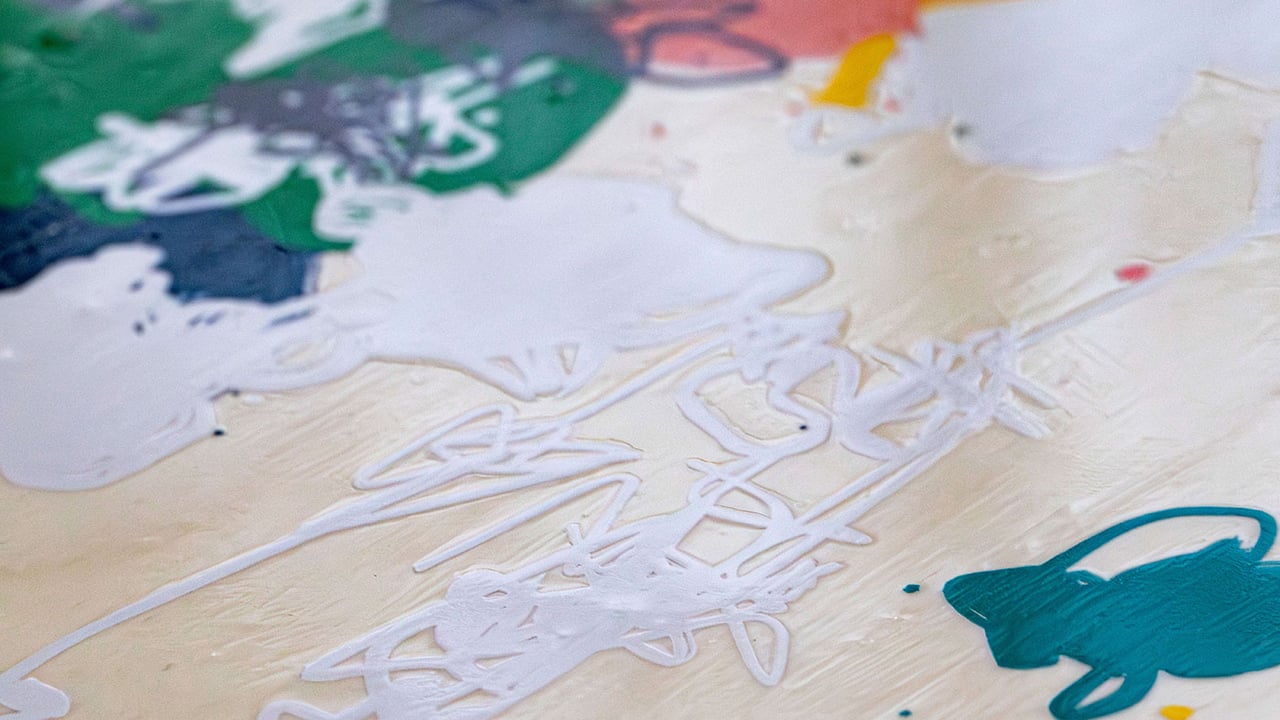
Tyler Hobbs working on a print on wood panel with gloss varnish of From Noise, 2025. Courtesy of the artist
Zero 10, which is run by Eli Scheinman, its Curator and Program Lead,and supported by 12 galleries or institutions showing the work of 19 artists, is “an incredibly exciting opportunity”, Hobbs says. “To have some of the best digital artists of today shown on the same footing as all the blue-chip artists that we know and love [...] I know that the digital artists in this cohort are going to bring their best.”
Hobbs talks about how ingrained memories of the work of gestural painters such as Mitchell and Twombly informed the creation of From Noise, where he was concerned with the “translated gesture” — taking a gestural, spontaneous, brushstroke from canvas to algorithm — and the potential for what he terms “maximalism” in generative art.
He also discusses how the launch of Fidenza (2021) on Art Blocks transformed his career “ten or 100 times”; the concept of competition between generative artists; the multiple arcs of progression in his practice; and the experience of having work from his series, QQL (2022), included in a landmark survey exhibition at an encyclopedic museum: “Infinite Images: The Art of Algorithms”, at Toledo Museum of Art.
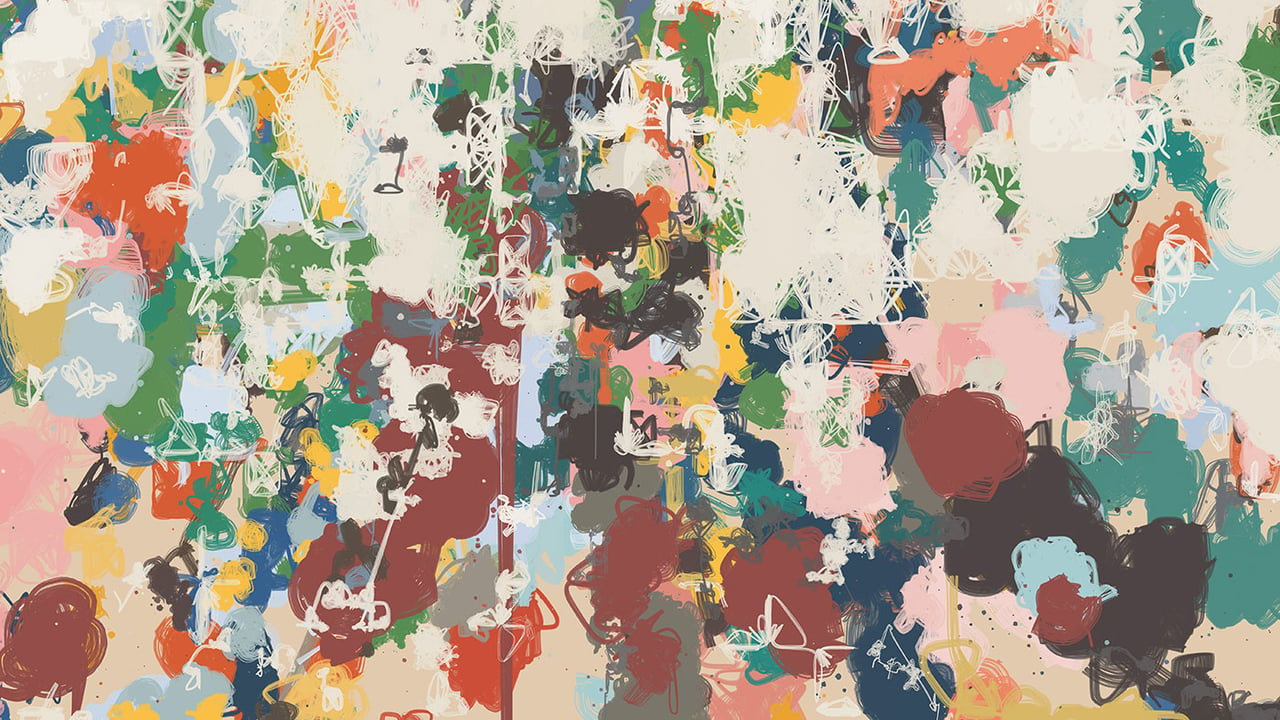
Tyler Hobbs, From Noise #1, (2025). Print on wood panel with gloss varnish. Courtesy of the artist
Louis Jebb: What is the genesis story of From Noise?
Tyler Hobbs: From Noise came out of a couple of lines of investigation. One was around the idea of the gesture and what we think about gestural painters. A few come to mind in particular — Joan Mitchell, Cy Twombly, Willem de Kooning; maybe you could throw Jackson Pollock in there — [for] the uniqueness of their mark-making; these very gestural marks, [...] this notion of spontaneity [...] almost an impulsive act of creative expression [...] like a direct record of them expressing their humanity, their emotion.
Part of what interested me was, working algorithmically, is it possible to achieve a similar level of richness and surprise and freshness in the mark-making? Typically the mark-making in algorithmic art tends to be a bit more predictable and doesn’t have that same element of freshness and richness. [...] I was interested in taking this idea of the gesture and approaching it from an algorithmic perspective: what light that shed on the work of those painters; on the relationship between the body and the mind; on working physically versus working logically; on the balance of control and lack of control.
This series utilizes gesture in a very maximalist way. This was another impulse that I had to explore; a more maximal line of aesthetic creation. Some of my work recently has been more on the minimal side. With generative art, particularly working through algorithms, there’s a capacity for working maximally that is very interesting. The computer, the algorithm, is able to execute very quickly a lot of what otherwise might be very laborious.
I can attack dense, complicated, ideas in a way that a painter can’t; at least not on the same timescale and not in the same way. I was curious about how the generative model of working interacts with a maximalist idea and maximalist aesthetics. From Noise is an exploration of [the] “translated” gesture, applied maximally.
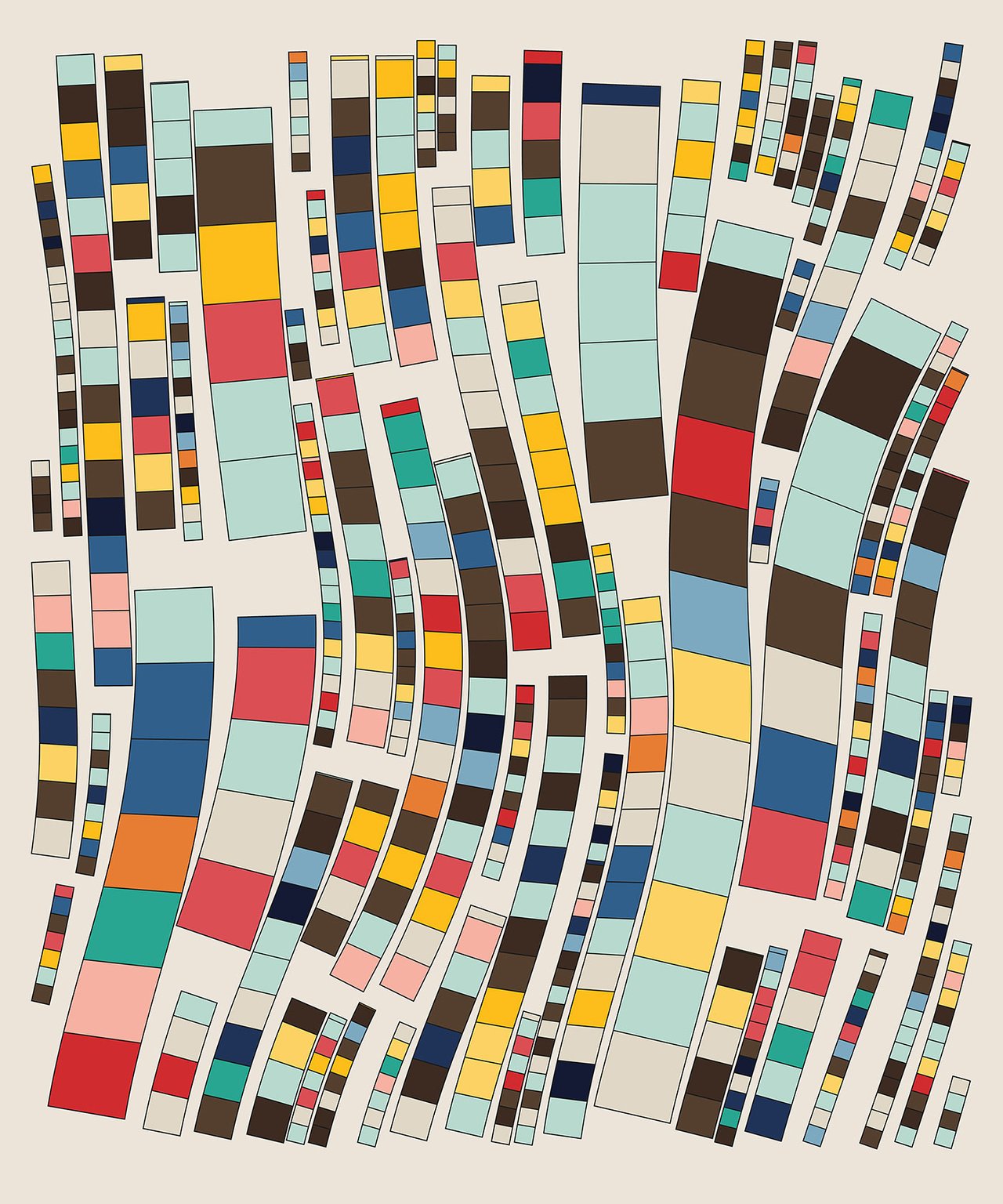
Tyler Hobbs, Translated Gestures (2025). Set of six screen prints on paper. Courtesy of the artist
LJ: Could you expand on the term “translated gesture”?
TH: A native gesture is a gesture that exists in its natural form. Take a brushstroke that, say, Joan Mitchell makes on the canvas, This is a brushstroke in its native state. The translated gesture, by comparison, is taking that idea and moving it into a different space where it can’t naturally exist. Roy Lichtenstein did the same thing, taking brushstrokes and translating them into a cartoon style. Something that could exist in a newspaper comic. [That translation] does something very interesting. It makes you view that original mark in a new light [with] interesting questions about those original gestures.
LJ: When you work with a mix of coding and paint do you find that the more you practice in one medium, the closer you can come to spontaneity in the other?
TH: Thinking algorithmically, thinking procedurally, makes me want to view human mark-making through a systematic lens and to analyze: is this purely random or is this systematic in some way?
Thealgorithm has taught me how to introduce control in the physical world and the physical world has taught me how to introduce chaos into the algorithmic world.
And they have crossbred that way. Spontaneity I view as coming at the end of doing this work [on From Noise] where I’ve been thinking about spontaneity a lot. I view it mostly as the capacity for freshness and surprise and richness, especially freshness and surprise.
Tyler Hobbs, From Noise (2025). Detail of print on wood panel with gloss varnish. Courtesy of the artist
These gestural painters were working quickly with the body, to deliberately inject chaos into the process, to escape the limits of their imagination, or the limits of how they created marks [...] It was a way to force randomness into that process. The nice upside of working algorithmically is [that] I can choose to inject randomness in different ways into that process. It’s a very different means of achieving freshness and surprise. I think [that], in a very meaningful way, I’m able to realize many of the same things that make those gestural marks of the painter so exciting to us.
LJ:From Noise has the feel of paint landing on the canvas. How did you arrive at that?
TH: I take a lot of inspiration from physical mark-making processes. The marks in From Noise are modeled on a single line that is moving around, but changing the way that it moves.
Something that I find very inspiring or appealing about paints and brushes is that they leave very rich marks [but] it is not fully controlled. It doesn’t always go exactly where you intend it to.
The mark-making in From Noise tries to capture some aspect of that, of changing thickness; the color and the mark don’t always stay in one contiguous thing; [they] spread out a bit [and] land in different areas. I have no intention of trying to fool anybody into thinking that [the physical prints are] painted up. That is not a particularly interesting outcome for me.
Tyler Hobbs, From Noise #11 (2025). Detail. Courtesy of the artist
I’m interested in what makes for an interesting [or] rich mark. If you look closely, there are a number of artifacts in there that are clearly digital that would never happen when working with actual paints and a brush. I love for those aspects to be in there as well.
I tend to enjoy [it] when the work lands in this space that is somewhat ambiguous, that has qualities of both the analog world and the digital world or qualities of paint and of algorithms. From Noise has a bit of both worlds inside of it.
LJ: What has it meant to take part in “Infinite Images: The Art of Algorithms” at Toledo Museum of Art, showing an interactive work in the shape of your QQL generation station?
TH:QQL in particular was a great work to show at the museum because the interactive component of it gives an opportunity for museum-goers to learn what it means to create generative art [...] which is a much better way to do it than reading a few paragraphs of dry wall text. QQL was designed to be approachable and understandable by anybody, including children. I’ve seen quite a number of children creating artwork using QQL at the museum, which I think is a wonderful outcome.
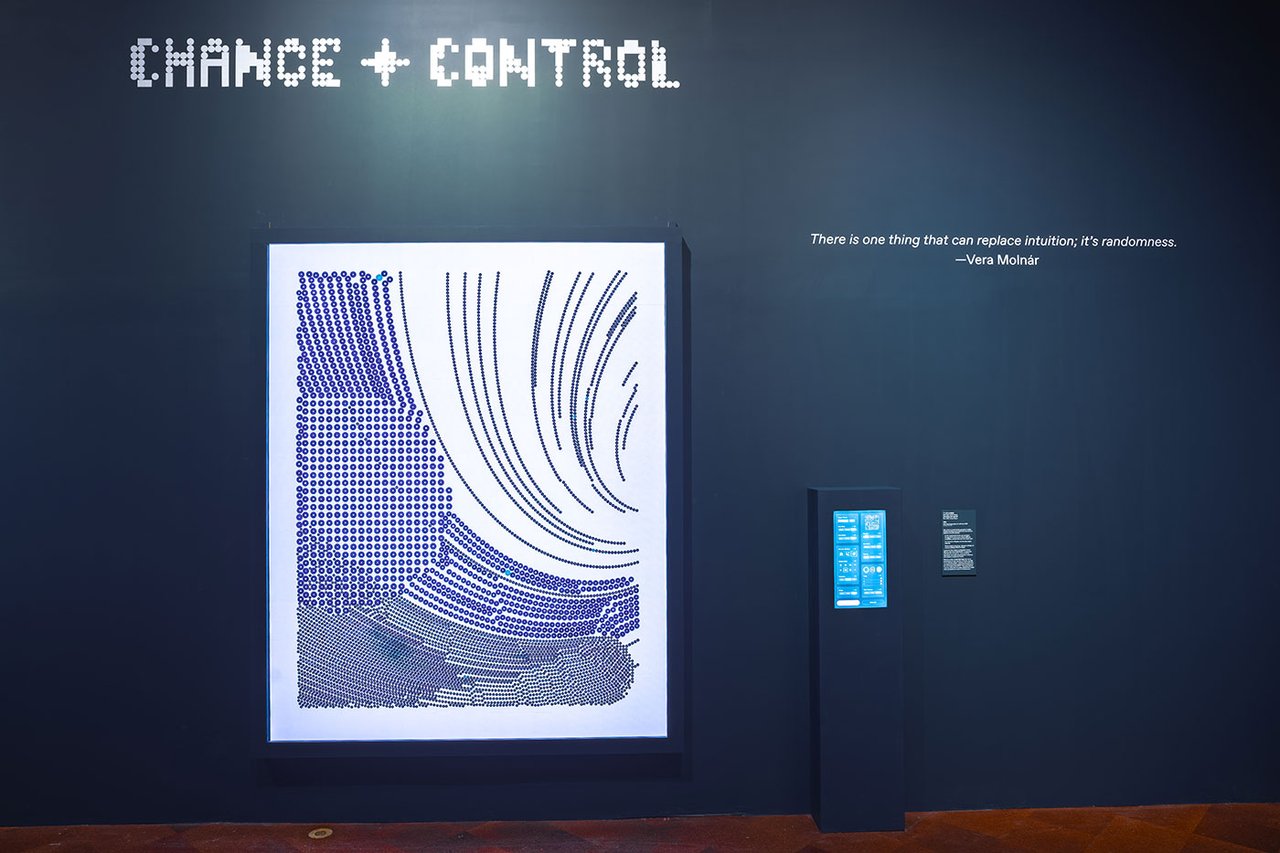
Tyler Hobbs, QQL Generation Station. Installation shot of "Infinite Images: The Art of Algorithms", 2025, Toledo Museum of Art. Courtesy of Toledo Museum of Art
LJ: How important was it to you to be part of this show, curated by Julia Kaganskiy, in a physical, encyclopedic, museum.
TH: This is where museums excel. You’ve got somebody like Julia, who knows and understands the history of this art form and [...] shows it in a variety of formats that allow people to see [its] different dimensions.
Many digital [and] generative artists are used to most of their work being consumed on somebody’s telephone as they’re scrolling through Instagram.
And the difference in experience between that and something like what the Toledo Museum of Art put together […] It’s hard to explain how [different] an experience that is [...] to see the work live at that level.
Tyler Hobbs, Fidenza #163 (2021). Courtesy of the artist
LJ: You mention starting to experiment with art and code in 2014, and getting into generative art. Was Fidenza, on Art Blocks, your big breakthrough? And what role has Art Blocks, which recently marked its fifth anniversary and completed its AB 500 program, played in your career and that of other generative artists?
TH:Fidenza (2021) was the largest single breakthrough I had. But I had been working about seven years consistently up to that point, gradually building an audience and a collector base. I would share my work online as much as possible. I tried to write about my work. I would speak at conferences. I showed my work anytime that I got an exhibition opportunity.
I was able to support myself financially as an artist in 2020, the year before Fidenza. [But] Fidenza massively changed things. It blew things up, ten or 100 times bigger than they were before; probably 100 is more accurate. It was a big break, but one that was a long time coming.
It is hard to overstate how much of an impact Art Blocks has had on me and on the broader movement of generative art. Many of the most notable artists that created work on Art Blocks were already practicing for years, but it was a very small community that was not widely known.
The advent of Art Blocks and the AB 500 brought the entire scene together into one place.
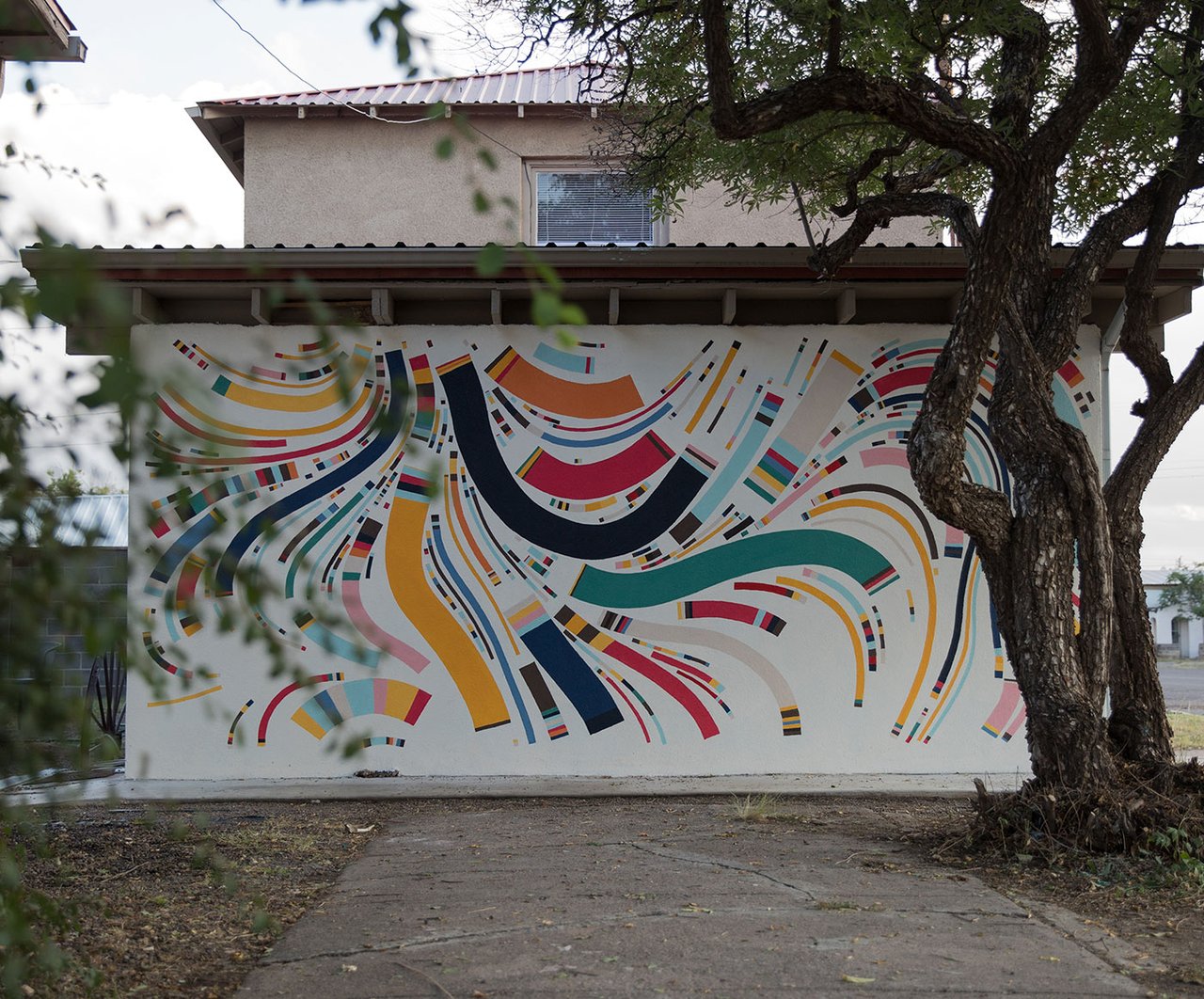
Tyler Hobbs, Fidenza Mural (2021). Exterior wall of Art Blocks gallery, Marfa, Texas. Courtesy of the artist
Across art history, it’s very rare to have these moments where an entire generation of artists comes together in one place. There have been only a few examples at different moments, in Paris or New York, [when] clumps of artists come together — maybe what Brian Eno describes as the “scenius” [of a group of people].
There is something about artists building off each other, challenging each other, developing ideas together. Art Blocks did that in an amazing way.
It brought all the best generative artists from this generation to the same location and, interestingly, had them all work with the same format. This uncurated, single, long-form algorithm.
LJ: You say that Art Blocks encouraged artists to challenge each other? Do you find yourself being compared a lot with your peers, particularly those who work in a hybrid manner between painting and code. Do you see it as a form of competition?
TH: I wouldn’t describe it as a point of competition. There are folks out there who may [view it] in black-and-white terms like that. I view it more from the perspective of seeing the work of other artists and being amazed or impressed by what they were able to accomplish. That raises the bar for what you [should] strive for in your next work.
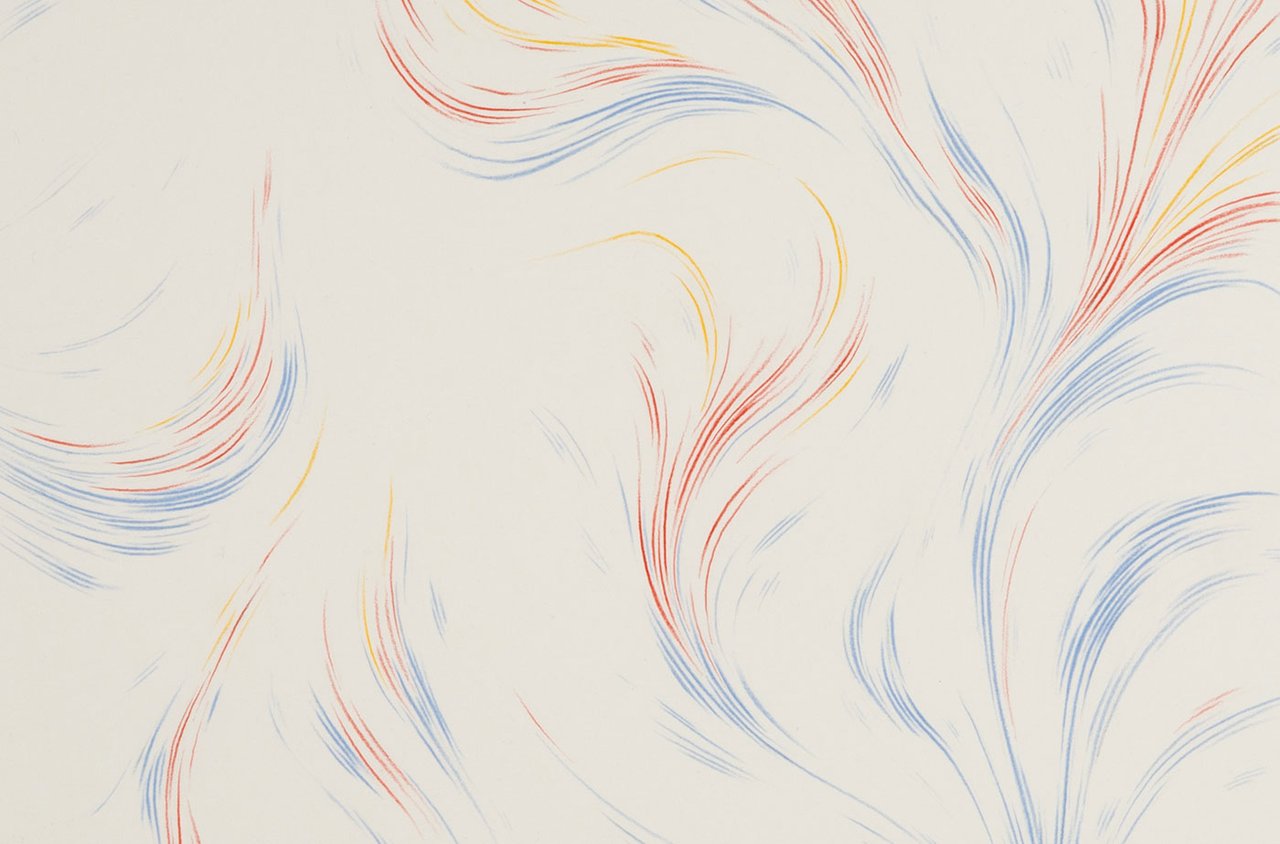
Tyler Hobbs, Flow Interpretation (2022). Detail. Courtesy of the artist
I remember seeing Kjetil Golid release Archetype on Art Blocks [in 2021]. He had a dozen different color palettes that were all incredible. For me, that raised the bar. It’s like, “Wow!” Why haven’t I been working with color at this level? What can I do to learn from this and to push myself further?
LJ: With the Art Blocks anniversary, “Infinite Images” and now your work showing at Zero 10, how do you view the arc of your career to date?
TH: There are many arcs happening simultaneously. Maybe I have an arc that is related to my relationship to the plotter, creating physical work through robotic means and investigating things like plotter painting.
There is also [the question of] how I think about richness within an algorithm, [and] how much I think about polishing an algorithm, [as well as] the role of selection and curation and its relationship to generative art. Certainly, I’ve evolved my thinking about that.
My thoughts about the relationship between the digital and the physical, [and] my capacity for exploration versus deep diving on one subject [have] changed over time as I’ve matured as an artist.
Tyler Hobbs, Day Gardens (2025). Installation shot, LaCollection, Digital Art Mile, Basel. Courtesy of the artist
[The question of] how to tell people about the work; how to write about the work; how to document the work; [and] how to share the story of the work visually is its own level of challenge. Not everybody gets to see these shows in person, so [it becomes a question] of how you give the next best experience to people who are only going to see something on Instagram?
I’m always interested in moving forward and not particularly interested in repeating myself.
I value learning as a part of my artistic practice [and] find myself bouncing from one extreme to the next: from minimalism to maximalism; from digital to physical; or from a big, open, community-involved project to a very personal, small set of handmade drawings on paper. Across the broader arc of my art career, I think you can find a lot of variety and different exploration in there.
LJ: When we spoke at the time of your show “Mechanical Hand” (2023), at Unit, London, I asked you about the artists who have inspired you. You mentioned Richard Diebenkorn, Piet Mondrian, and Agnes Martin “on a clear day”; as well as Brice Marden, Mark Rothko, Robert Motherwell, and Bridget Riley, “writing out algorithms on paper”. If you revisit that universe, who are your lodestars today?
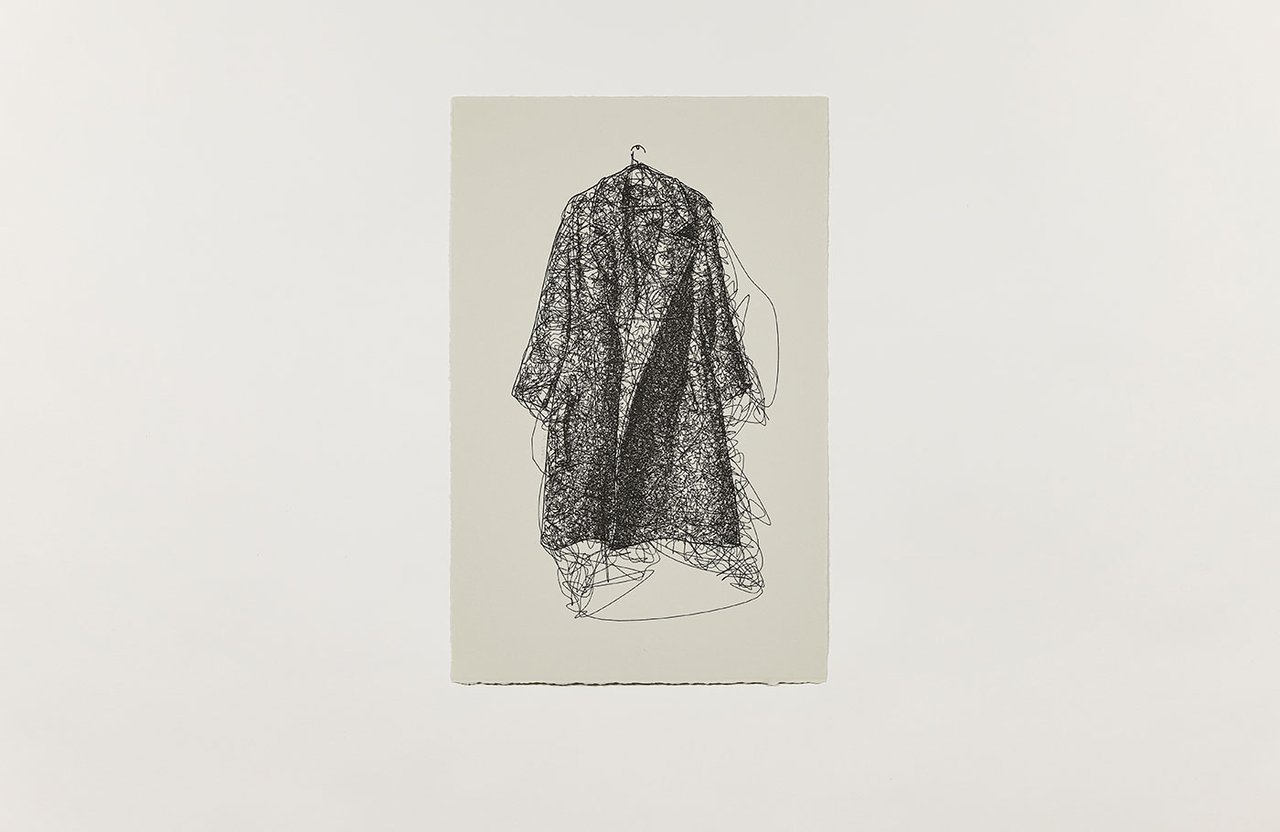
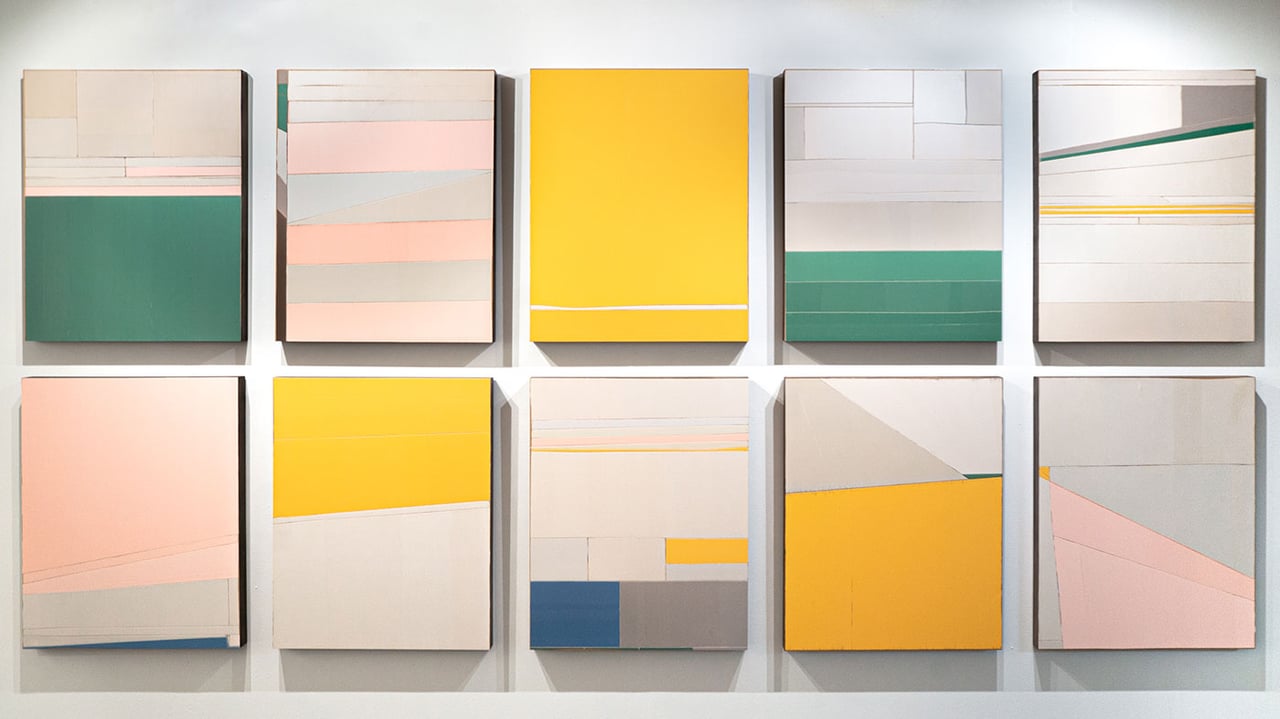
Tyler Hobbs, New Space #2, Heavy Coat (2024). Courtesy of the artist
TH: It changes all the time on any given piece that I’m working on. There are often maybe five artists I can think of from the past that in some way are related to the thing that I’m working on. And it is not always predictable who they’re going to be [...].
From Noise is a lot about the gesture. Who do I know? Who do I love that did a great job with the gesture? Joan Mitchell comes to mind. Willem de Kooning comes to mind. And then it’s useful to me to have a bank of knowledge about their work [...] that I can draw from. But I try to be careful not to do it too explicitly.
I did not go back and look at the work of those artists while working on this series because I don’t want to do an imitation. It’s almost better if it’s a memory of an artist or a work that has gone through the filter of your own mind. That is the best way that an influence can shape your work.
This summer I was in Madrid [and] I spent a lot of time in the museums [...] looking at Goya, a lot of Velázquez, some great paintings by El Greco, Caravaggio. There's so many amazing paintings in the Prado, and in the Reina Sofia. I don’t think that Goya has influenced my work yet, but there’s a seed planted there and we’ll see where Goya shows up at some point in the future. I like having that diverse set of artists to draw from.
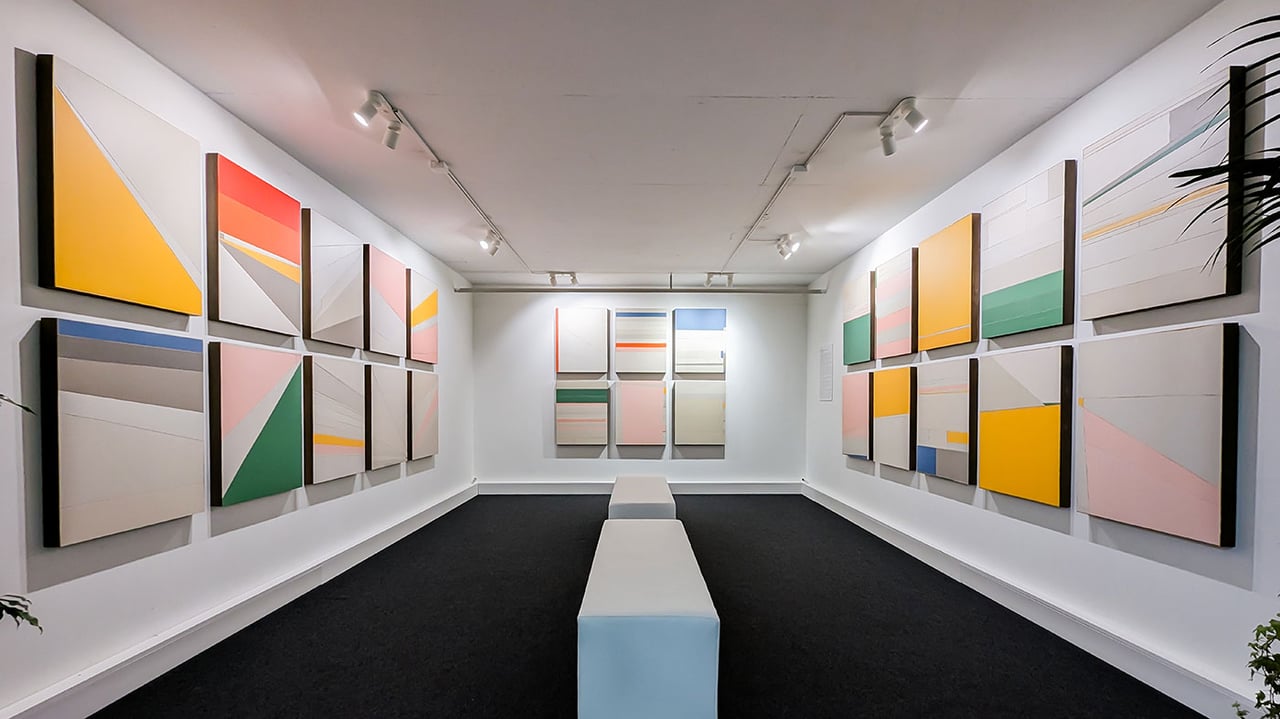
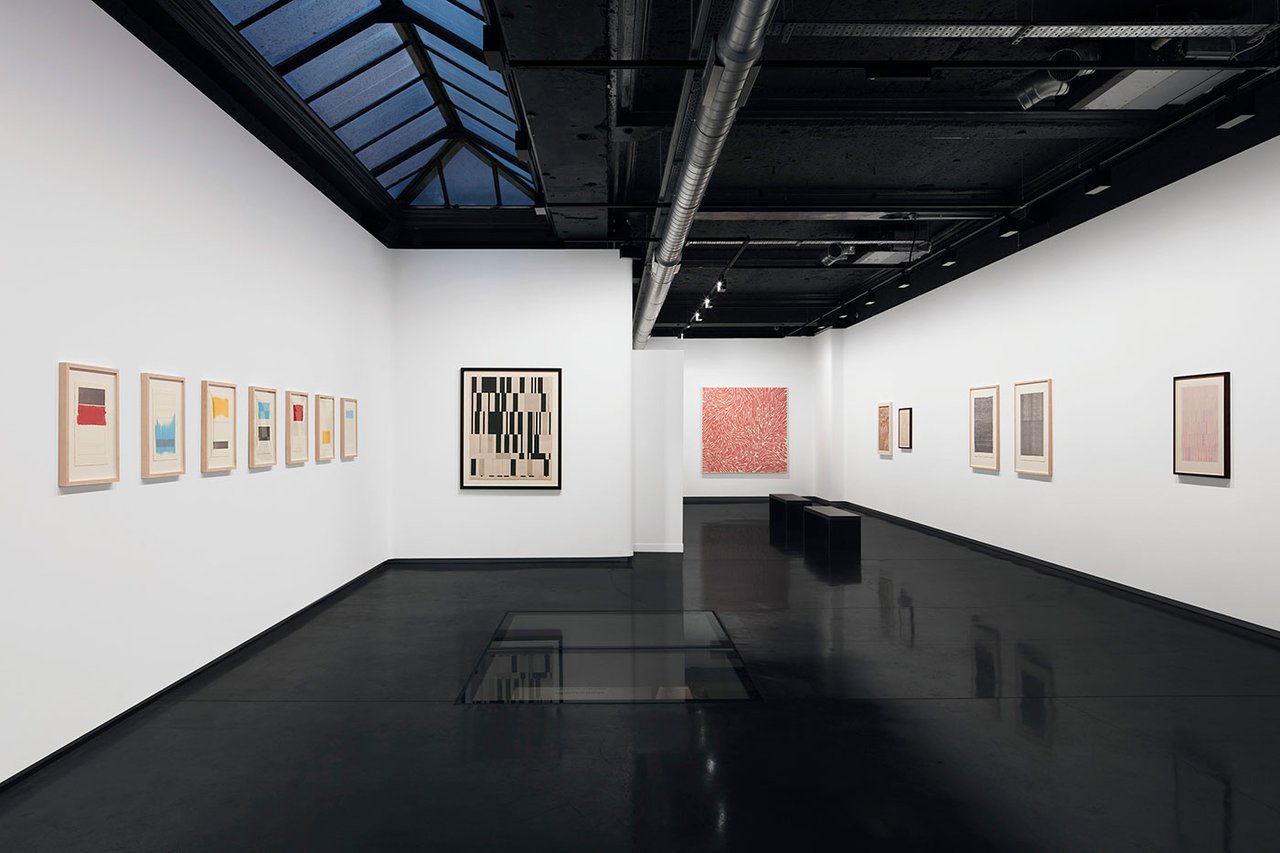
Tyler Hobbs, "Mechanical Hand", 2023. Installation shot, Unit, London. Courtesy of the artist
LJ: How would you describe your daily practice? Where are you most occupied in a typical week?
TH: The biggest struggle is reserving large blocks of time for making art. If you only have little fragments of time, you never get into attacking tough problems. I find myself pulled in many different directions. I'm an artist, but [being] an artist is a business as well. There are aspects of things like accounting and taxes, sales and marketing; maintaining the studio and shipping out artwork. I have a team to help me, but I often end up needing to have at least some involvement. So if I'm not careful, my time can get very splintered. That’s the constant struggle of time management for me.
Large blocks of time are good for anything from sketching to exploring a work or trying to figure out that really difficult part of an algorithm that hasn't been clear to me; or experimenting with new hardware, maybe new custom plotter hardware.
Those are things where a 30-minute chunk of time just isn't enough to sink your teeth into something. I like to have at least a whole day, if I can, if not several whole days in a row, to really work on new artwork.
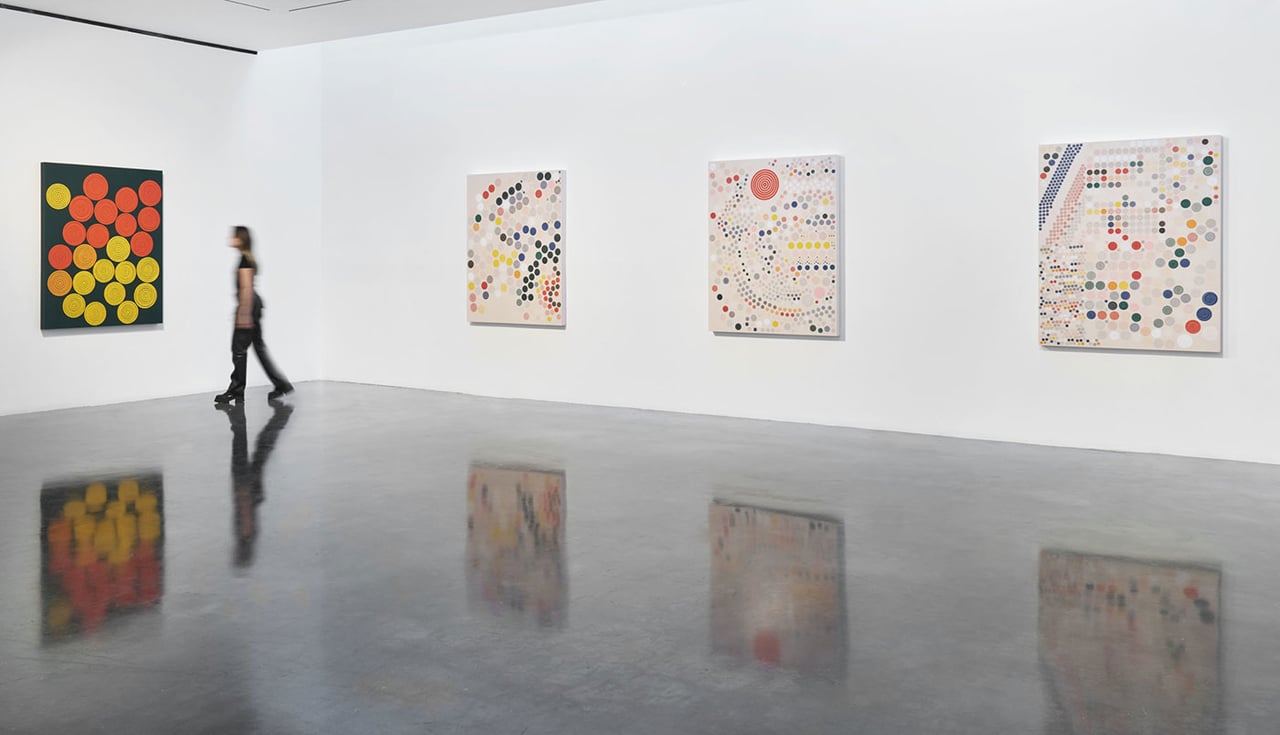
Tyler Hobbs, "QQL: Analogs", 2023. Installation shot, Pace Gallery, New York. Photography by Jonathan Nesteruk. Courtesy of the artist
LJ: In the past, you’ve spoken of how the looseness of materials like charcoal and graphite helped the algorithm you were working on. Have you been working with particular physical materials while developing From Noise?
TH: Interestingly, this year I’ve been trying to spend more time sketching generatively [on screen] rather than working in the paper sketchbook. I have made a conscious effort to do more of that this year, which has borne good fruit. That’s what From Noise came out of. Sketching is really a mindset, a goal-free exercise in art creation where failure is not only permissible but expected.
If I get into a good rhythm of sketching, it allows me to flow. It allows the ideas to come out with less pressure. I relax into it more and I’m not trying to force a particular outcome. I allow myself to explore more. Part of what’s important about sketching is relieving that mental pressure, or the need to succeed. The practice of sketching regularly helps me to achieve that. And that’s where the magic starts to happen.
Tyler Hobbs, Day Gardens (2025), Installation shot, LaCollection, Digital Art Mile, Basel. Courtesy of the artist
LJ: How do you see the future of generative art?
TH: Generative art is just getting started. I view it more as a potential component of artistic practice [...] a methodology. I don’t view it as a genre. It started as a genre, but I think it’s better viewed as a tool in the artist’s toolkit. Almost any artist in any practice can potentially adopt a generative mindset or incorporate some aspects of generative methodology into their practice. It’s about thinking in terms of systems and processes, deliberate choices by artists to let go of control over certain aspects of the work. I think [these] things will bleed more into the broader world of art.
Of course, there are all sorts of particular technologies that will have an effect. Obviously we have generative AI, virtual reality, augmented reality, that might change things. How does 3D printing change generative sculpture? [There are] so many different ways in which individual practices and technologies can evolve. Those are harder for me to predict, but I certainly think that code as an important medium, or at least one ingredient in contemporary artistic practice, will become increasingly common.
Tyler Hobbs is a visual artist from Austin, Texas, who works primarily with algorithms, plotters, and paint. His artwork focuses on computational aesthetics, how they are shaped by the biases of modern computer hardware and software, and how they relate to and interact with the natural world around us. Hobbs develops and programs custom algorithms that are used to generate visual imagery. Often, these strike a balance between the cold, hard structure that computers excel at, and the messy, organic chaos we can observe in the natural world around us.
Hobbs’s work has been exhibited internationally, with recent solo exhibitions at Unit in London and Pace Gallery in New York City. His algorithmic art has been included in numerous auctions by leading auction houses such as Christie’s, Phillips, and Sotheby’s. Notable public institutions holding his work include the Los Angeles County Museum of Art and the San Francisco Museum of Modern Art.
Louis Jebb is Managing Editor at Right Click Save.