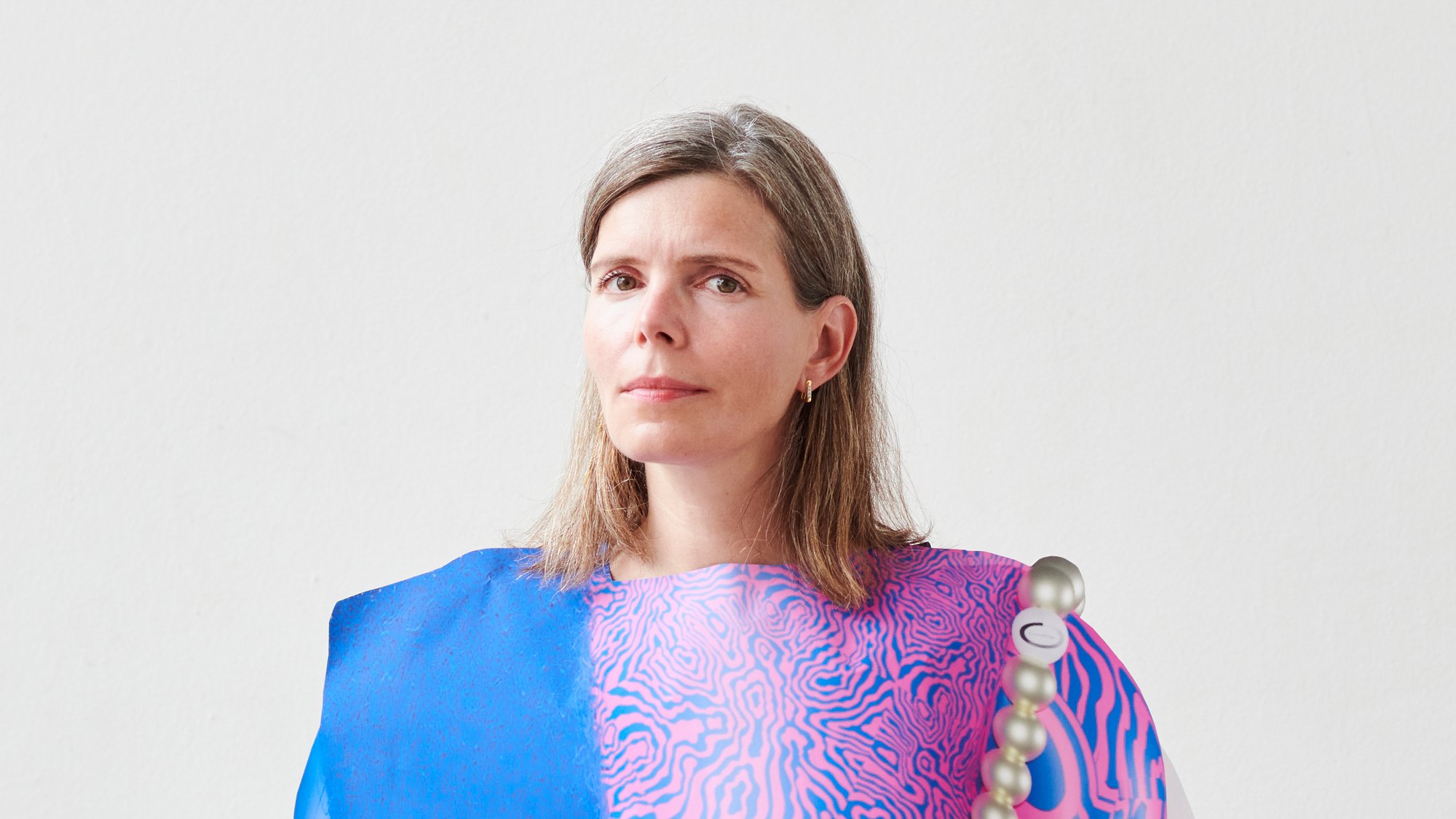
The net art pioneer, who has always treated the web as a medium, says the tech industry is working to make the digital world increasingly invisible, prompting her to demonstrate her belief in the care of digital art
For 30 years, Olia Lialina has treated the web as a medium. Browsers, hyperlinks, servers, protocols, HTML, location bars, and the movement of files across networks are the material of her work.
Olia Lialina began making art online in 1995, when the web was still a space that could be built, inhabited, and shaped by its users. She describes falling “blindly in love” with it: with the possibility of becoming visible immediately, of connecting with people around the world, and with HTML as a language that allowed her to tell the browser what to do.
Her 1996 work My Boyfriend Came Back From The War became a landmark of net art. Works including Agatha Appears (1997), Animated GIF Model (2005), Summer (2013), Self-Portrait (2018), and Hosted (2020), have since explored what it means for an artwork to exist across browsers, servers, protocols, and networks of people and computers.
Thirty years later, Olia Lialina says that the web may really be dying out. The IT industry, she argues, has worked to make the digital world increasingly invisible, alienating people from an environment in which they once had greater agency. The web is giving way to platforms and, more recently, to what she calls an “agentic web,” where things are made “by bots and for bots.”
In conversation with Anika Meier for Right Click Save, the artist reflects on three decades of net art, from learning HTML and becoming a “GIF model” to the changing language of digital culture and her efforts to keep the web visible. “I don’t want to say goodbye to the web,” she says. Today, she sometimes calls herself a web artist — a term she would have rejected in the 1990s — because she wants to keep the word, and the history it carries, in circulation.
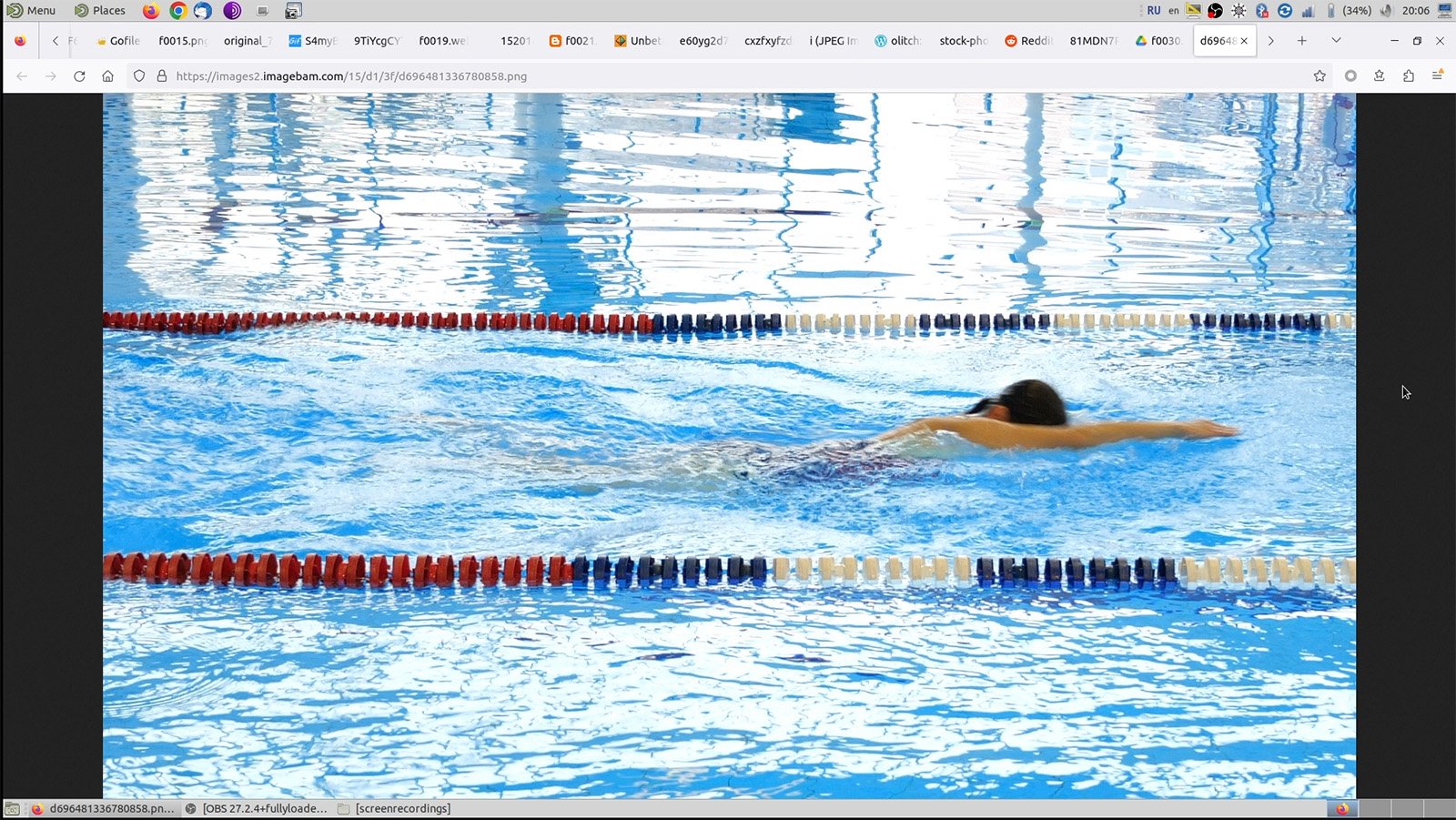
Olia Lialina, Hosted, 2020. Screenshot: courtesy of the artist
Anika Meier: I’ve spoken with Vuk Ćosić and UBERMORGEN about what it was like for people from the net art generation to watch the NFT hype unfold. Vuk said that many of the arguments and ideas from the 1990s were simply taken up and repurposed by tech bros. How did you experience that moment?
Olia Lialina: I thought there were a lot of things very wrong with it. I actually didn’t want to participate or even talk about it because everything would just become advertising. Even if you are negative, you are contributing to the hype. It’s a known effect.
One of my biggest disappointments was something else, though. There was a strong return to the rhetoric of the traditional art world and this huge piety of the original. It was masking itself as something new, digital, and fair, but in fact it was very much in favor of treating the original as something holy.
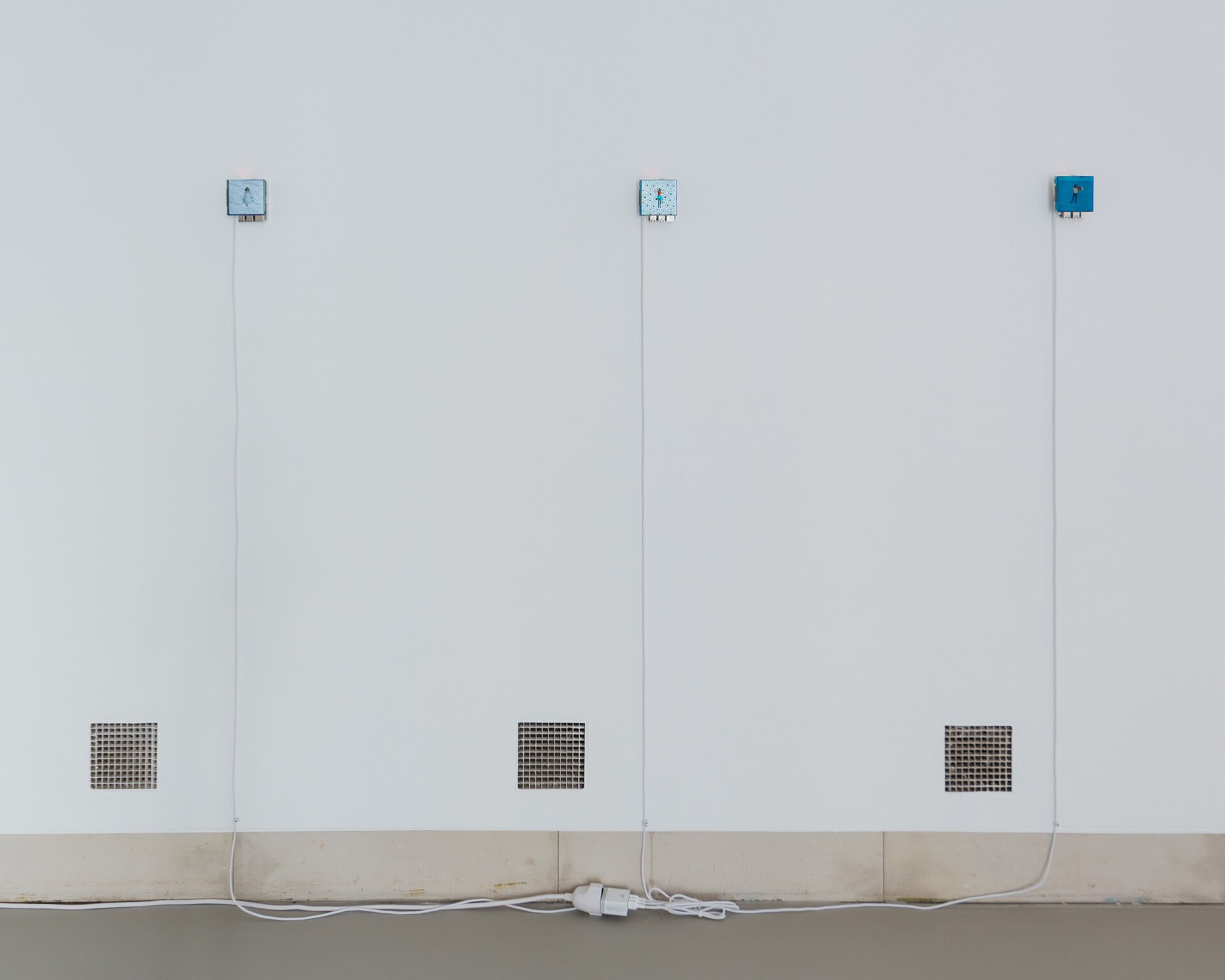
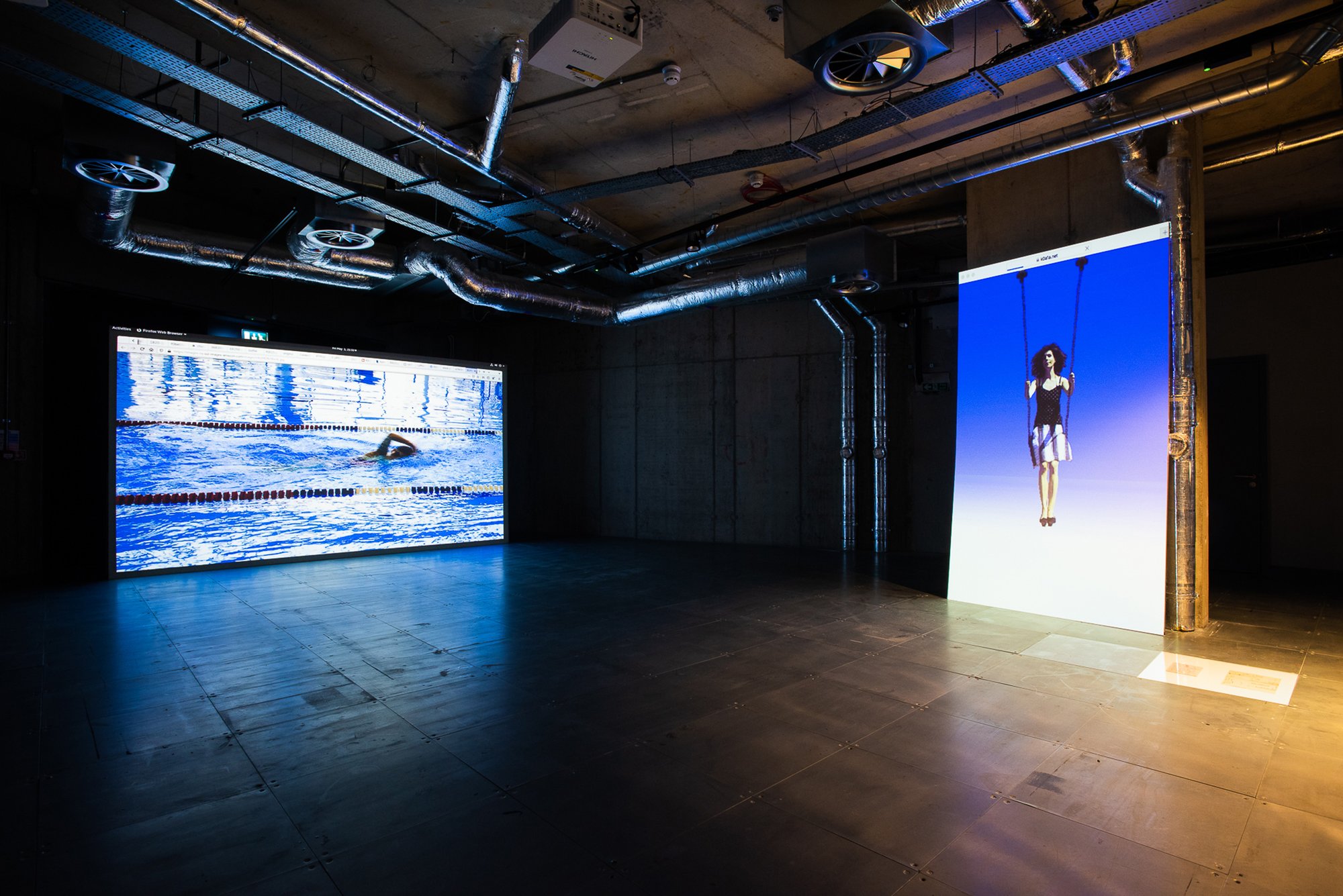
Installation view, Olia Lialina, “online since 1996”, City Gallery Sindelfingen, 2026, with work: Animated GIF Model (2005). Photography by Kai Knoerzer
AM: Why were you disappointed about this? Why is this important for net art?
OL: I think for net art, or the net art I practice, the moment of inbetweenness, the feeling of instability and uncertainty, is the most important. A single file or a folder that can become an original and its copies is not what constitutes my artworks, but all the things that happen when they are travelling through the network of people and their computers.
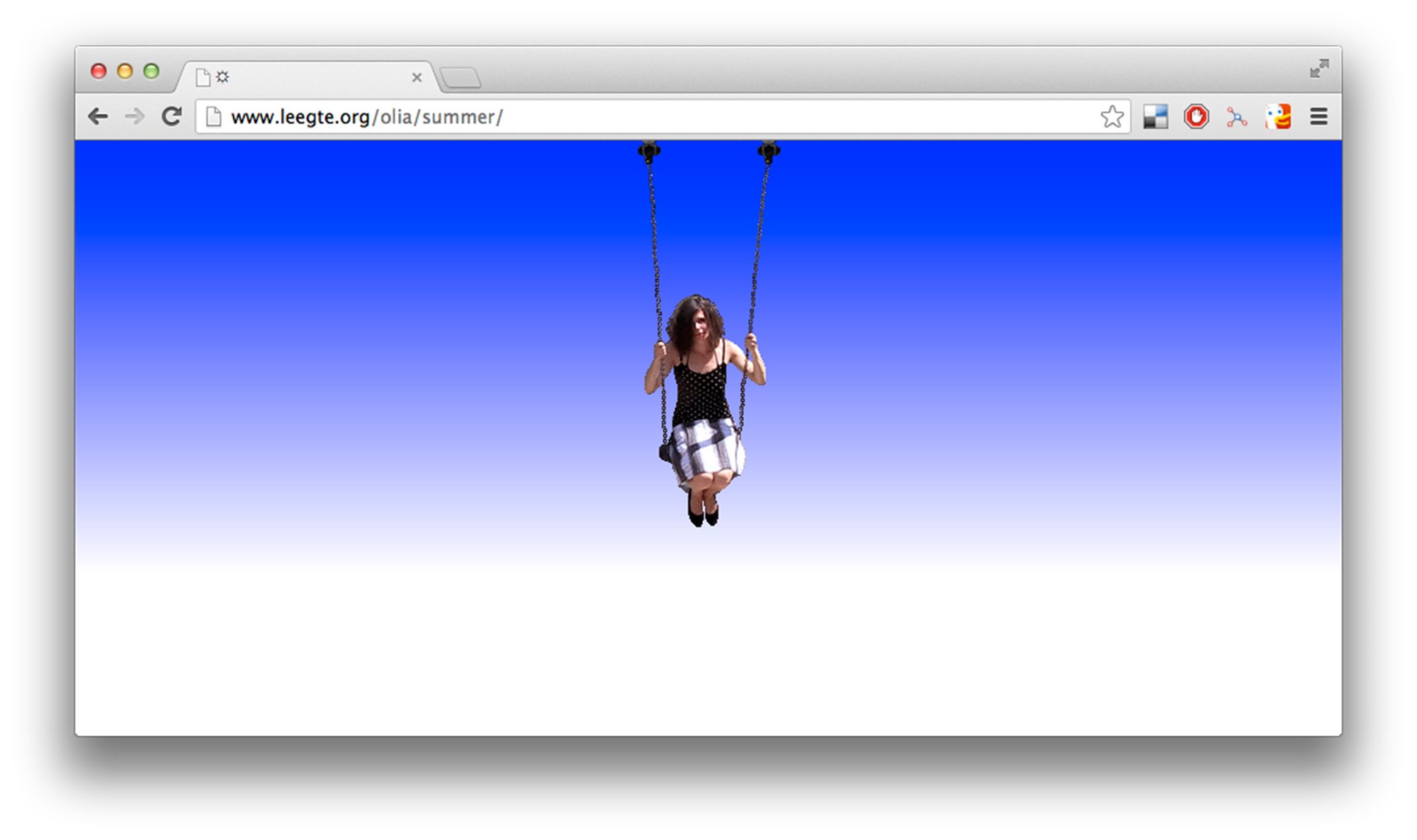
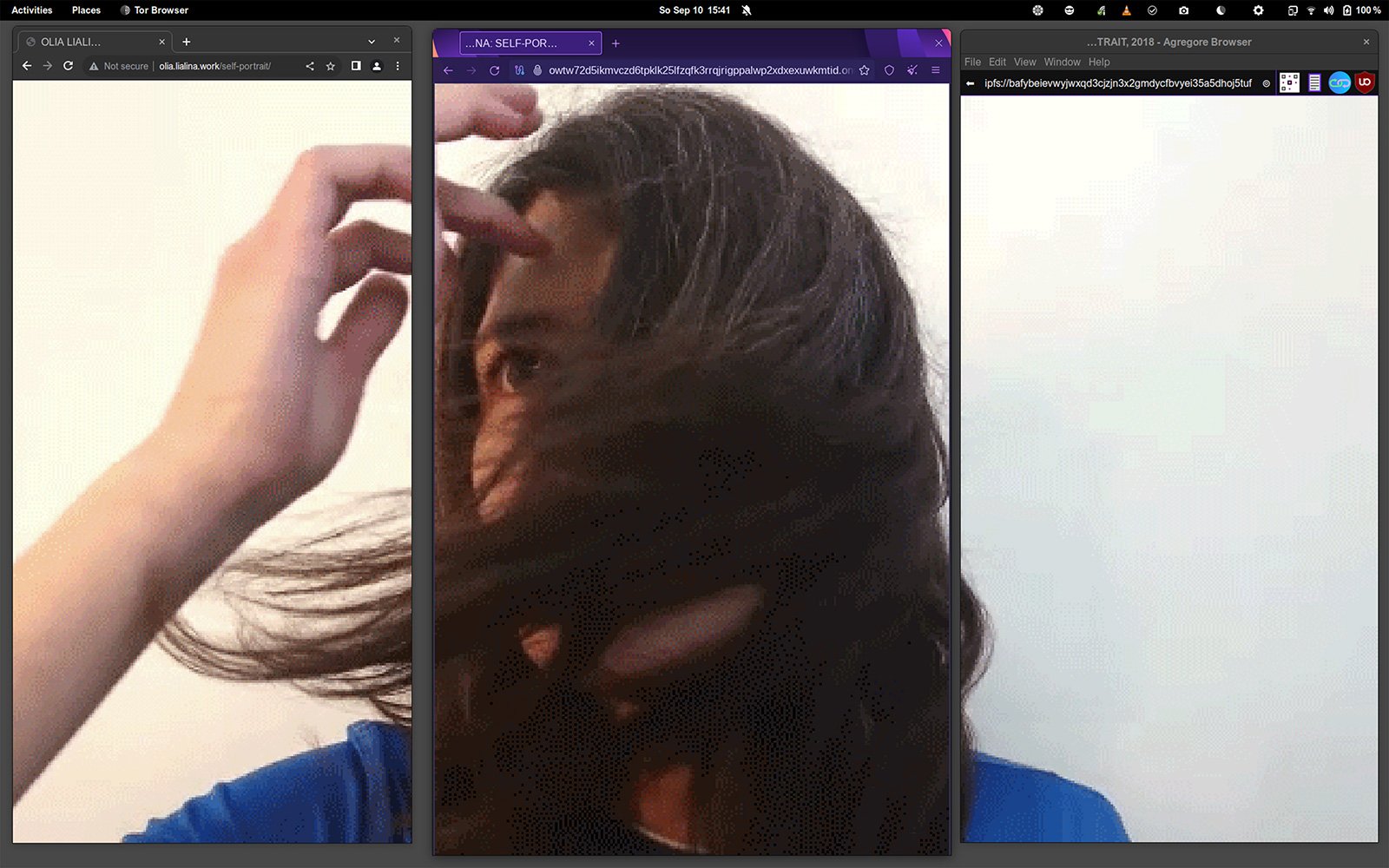
Animated GIF Model (2005) was made to be lost and found in the most obscure corners of the World Wide Web. Summer (2013), which looks like a simple animation in your browser, is in fact going through 25 servers around the globe while you are staring at it. Self Portrait (2018) is distributed through three different protocols.
To see it, you should be able to bring together three different webs on your desktop. This action, not the images, constitutes the artwork.
Olia Lialina, Summer, 2013. Screenshot. Courtesy of the artist
AM: You’ve been making art on the internet for 30 years now. How important has language been in shaping the way we understand what happens online?
OL: So much of that time has been about changes in discourse and methods, about new words appearing and disappearing and words constantly changing their meaning. You can look at this in the narrow context of digital art or net art, but you also see it throughout the history of human-computer interaction.
All of this is about naming and renaming things because, in a way, none of these things exist. They’re zeros and ones. To give them shape, you have to find words, and these words are very powerful. Computers, for example, were called “computers” rather than “calculators” to make them appear more human to their operators. And the first graphical user interfaces used the metaphor of the “desktop” to guide users toward understanding the computer as a space for office work. It matters what you call things and how you use those words.
A lot of my 30 years as a net artist have been about fighting over words and their meanings: telling people what to call you and what not to call you, objecting to certain expressions, ridiculing some and promoting others. At one point, for example, there was this term “net-based art”. I even won a net-based art award in 2018.
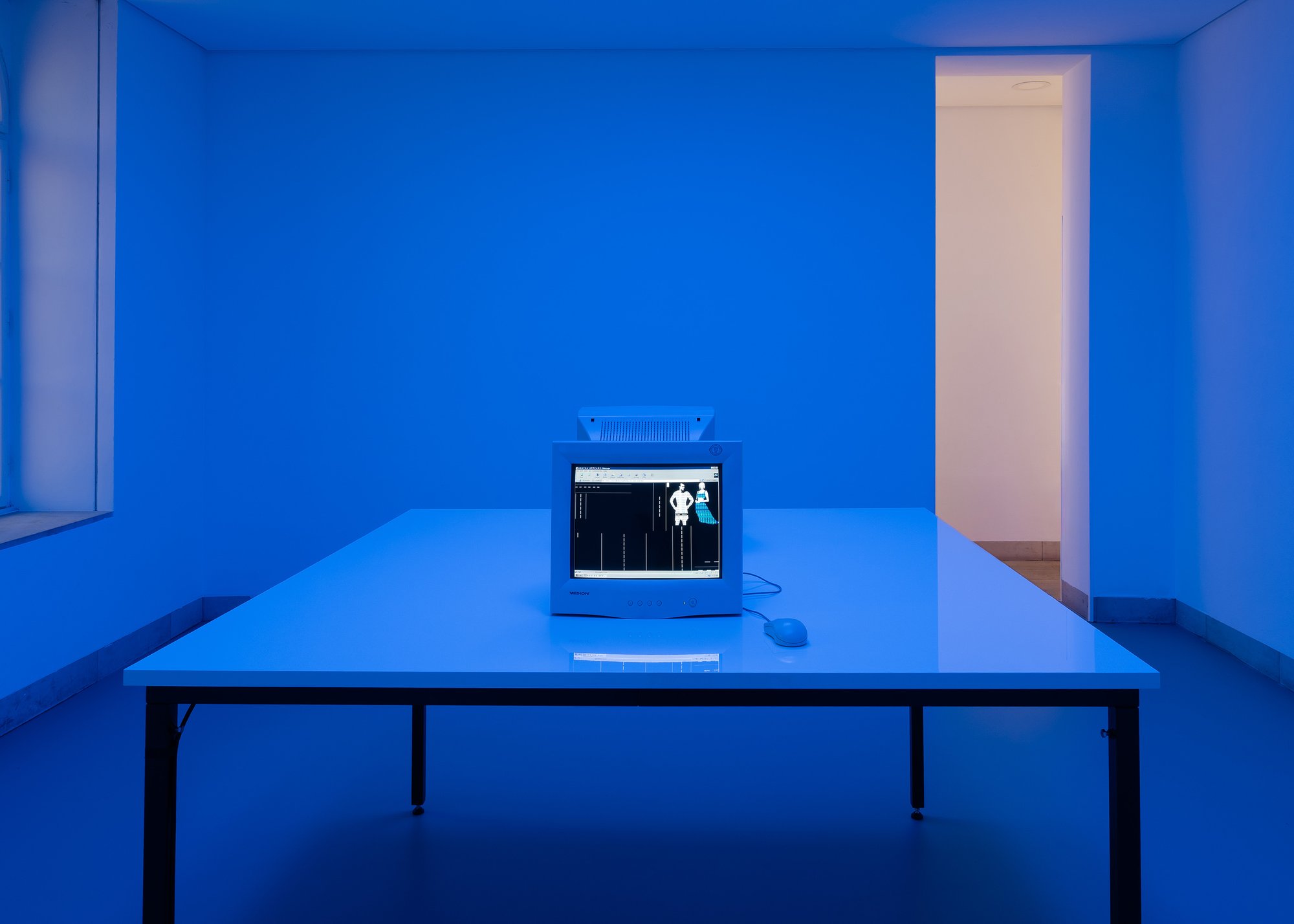
Installation view Olia Lialina, “online since 1996”, City Gallery Sindelfingen, with work: Agatha Appears (1997). Photography by Kai Knoerzer
AM: Did winning the award change how you felt about the term?
OL: Maybe it made me more loyal to it. I remember when “net-based” first appeared, I thought it was such a sedative term. There is no conflict in it. It just means that something is online.
In the very early days, in 1996 or 1997, when I was young and energetic and everybody was an enemy, I didn’t want to be called a web artist.
“No, I’m a net artist. It’s about connection, not about stupid formalist experiments in the browser.” “No, I’m not a new media artist. Are you crazy? I’m not making installations. I’m not interested in interaction.”
These are just words, but somehow they were always very important.
AM: There suddenly seem to be very different art worlds on the internet. The NFT community speaks about digital art, while ten years ago KUNSTFORUM was already publishing issues on the post-digital era. And now net art is back. Is this cyclical? Is it a fight over territory? Or do new communities simply arrive without knowing the history?
OL: There are obviously spirals. By the way, I really love those post-digital issues of KUNSTFORUM. I have them on my reading list for my students.
AM: They’re from ten years ago.
OL: Exactly ten years ago. And when the term “post-digital” appeared, I also thought: Why do I need it? There is still so much I want to say about the digital.
But maybe I’m too slow. Even my position at Merz Akademie, I renamed from Professor of New Media to Professor of Post-Digital Cultures. I needed the “post” as a critical position, almost as a rejection.
I can’t promote the digital world anymore. I have to deal with the impact of our (and my own) excitement over the last decades now.
AM: And where do NFTs and AI fit into these spirals?
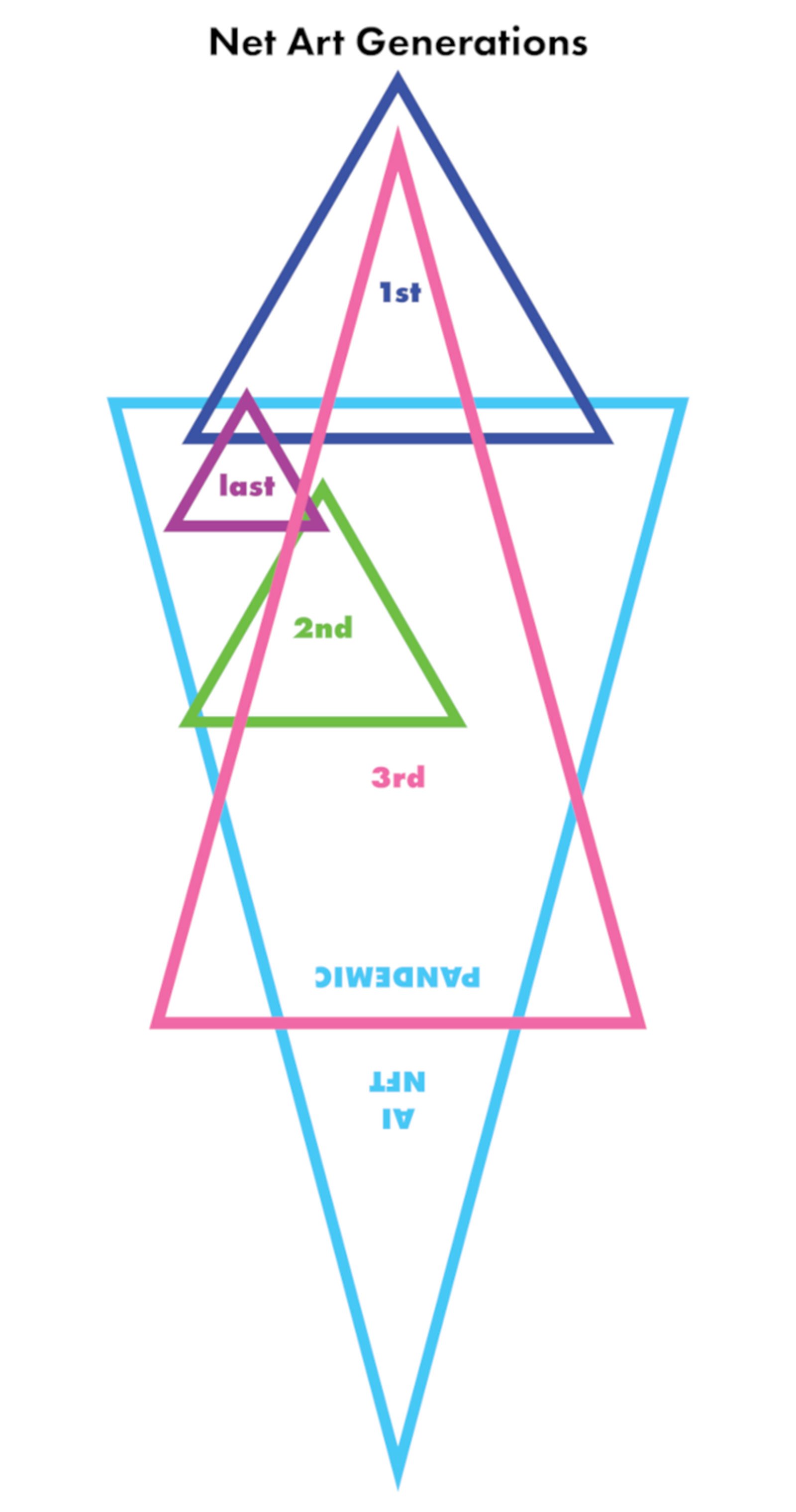
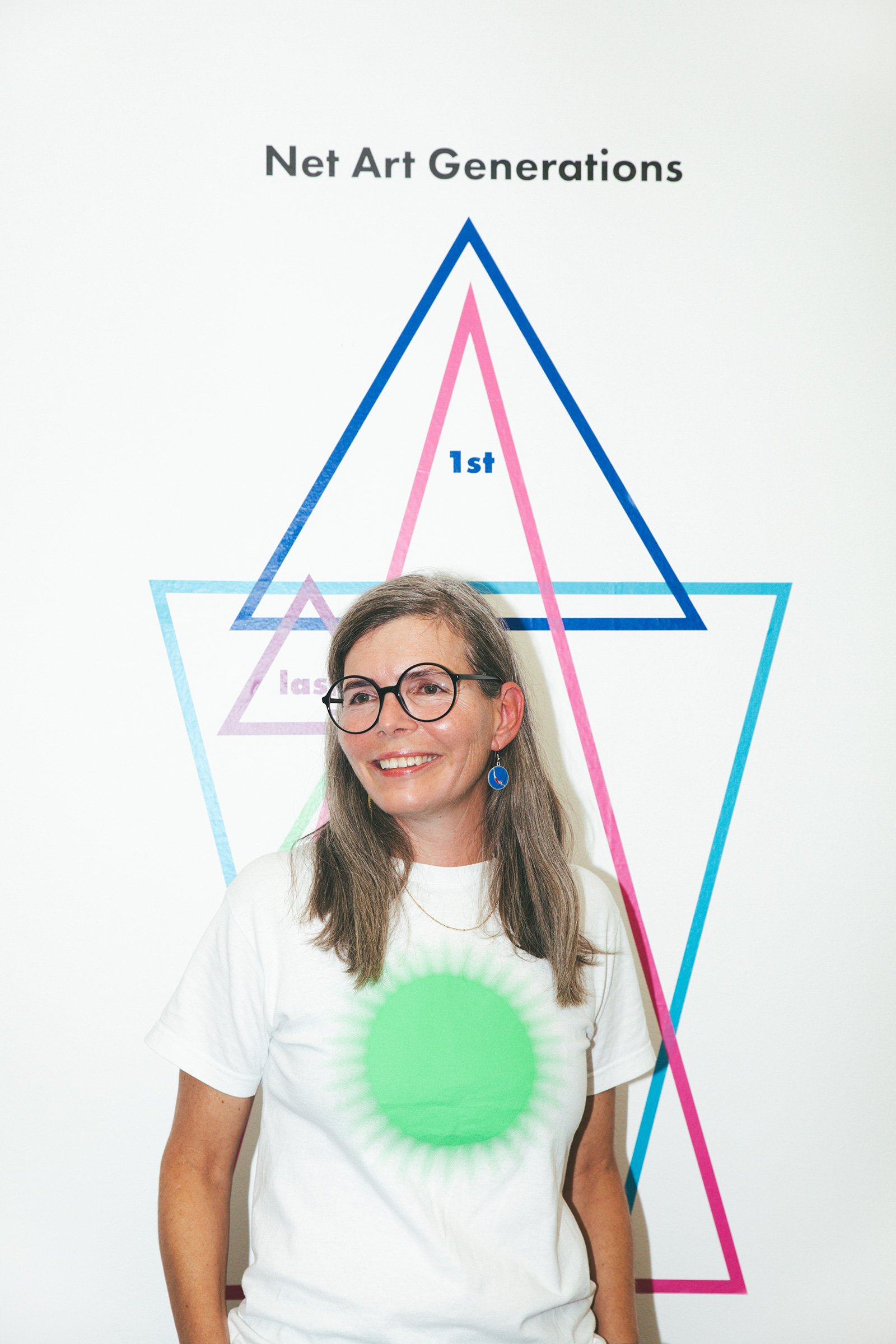
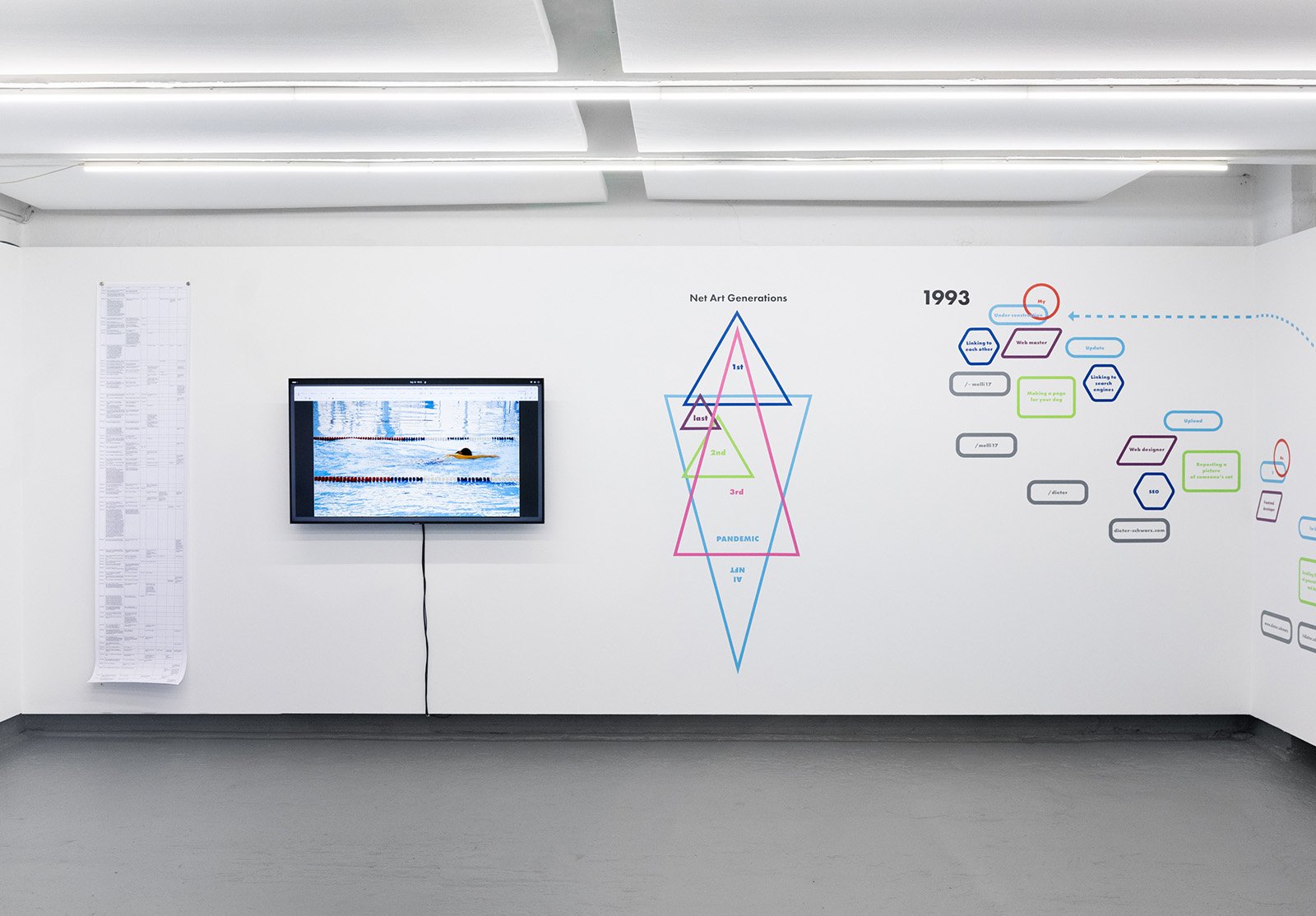
OL: If you look at the Net Art Generationsdiagram at my exhibition at Panke Gallery in Berlin, titled “Network Portraits”, it is based on my observations of net art: the first, the second, the third (or post-internet), the last, and the “pandemic,” when suddenly there was huge interest in net art again because everything was online. People, young and old, were saying: “Yes, I want to be a net artist. This is where to be because everything is online.”
Then it went in another direction with NFTs and AI. I see people making projects that, at an earlier moment, I might have called net art, or at least web-based or online art, but they identify themselves differently. They left the term behind and started using other words.
But you shouldn’t take my diagram too seriously. I’m not a professional information visualization designer.
AM: The diagram is an artwork of yours.
OL: I see it as an art object; I shouldn’t interpret it too much. As we know, I’m always trying to explain something, and maybe my works are sometimes a bit too didactic.
But looking at this particular moment, I see the word “digital” becoming big again. It’s making a comeback as a more general term. It just includes all the strands that we got over, I would say, seven decades, starting from the first algorithmic art, without distinguishing between generative, interactive, games, and net art. It can be a healthy, calm moment to rethink the values of each and continue with juxtapositions.
AM: You said you needed the “post” in post-digital to signal a critical position. What are you critical of today?
OL: There are many things, but the biggest one for me would be the alienation of online people from the online world. The IT industry has taken so many steps to make the digital world invisible that you no longer perceive it as a world in which you could be active or have agency.
And then there is the web. Maybe for the first time, I can say that the web is really dying out. I’m trying to do everything I can, and I see people who are still enthusiastic, who know how to be active online, how to make their own webpages, and how to exist online without platforms. But all of this is really a drop in the ocean.
The “agentic web” is rising, where things are made by bots and for bots. Before, there was the term “Internet of Things”, which was a bit different. But now the internet is becoming a web of bots. Unfortunately, this isn’t just hype or IT propaganda. You can see it being implemented.
There is another term, the “dead internet,” which was always speculation. But unfortunately, you can really feel it now.
Installation view, Olia Lialina, “Best Effort Network”, solo show at arebyte gallery, London, 2020. Photography by Max Colson
AM: What made you fall in love with the internet in the 1990s?
OL: I fell in love with every aspect of it. Blindly in love. You could create something, whatever it was, and become visible immediately. And you could connect to people. Especially for somebody in the post-Soviet space at that moment, it was important that these were people from other countries, people around the world.
I wouldn’t have described it in these words at the time, but I was absolutely charmed by HTML, by HyperText Markup Language, and its power. I wasn’t a programmer at all, but suddenly I could tell the browser what to do and how to show things. It was empowering. It was a language. And it wasn’t only me. A lot of people felt this way at that moment.
With My Boyfriend Came Back From The War (1996), this all came together. At the time, I wasn’t able to make 16mm films anymore. Production had become very expensive, the cheap Soviet production infrastructure was gone, and the alternatives weren’t accessible to me. There was this line in Russian that was always in my head: “My boyfriend came back from the war. After dinner they left us alone.” I couldn’t continue it as a poem. I couldn’t make a film out of it. But somehow, through the code, I could continue the story. Writing the code and writing the story became the same process, and in the end it became my form of expression.
There was a lot of love for the browser in that work too, but also the excitement that I could control it. Today, to have that kind of control over what you want to make and show people, you have to be a very experienced developer, probably operating a lot of agents.
Olia Lialina, Self Portrait (2018). Screenshot. Courtesy of the artist
AM: How did you start making art online and meet the other artists? Today you open an account on Twitter or Instagram and you’re connected to everyone, or perhaps to nobody. How did those connections happen in the 1990s?
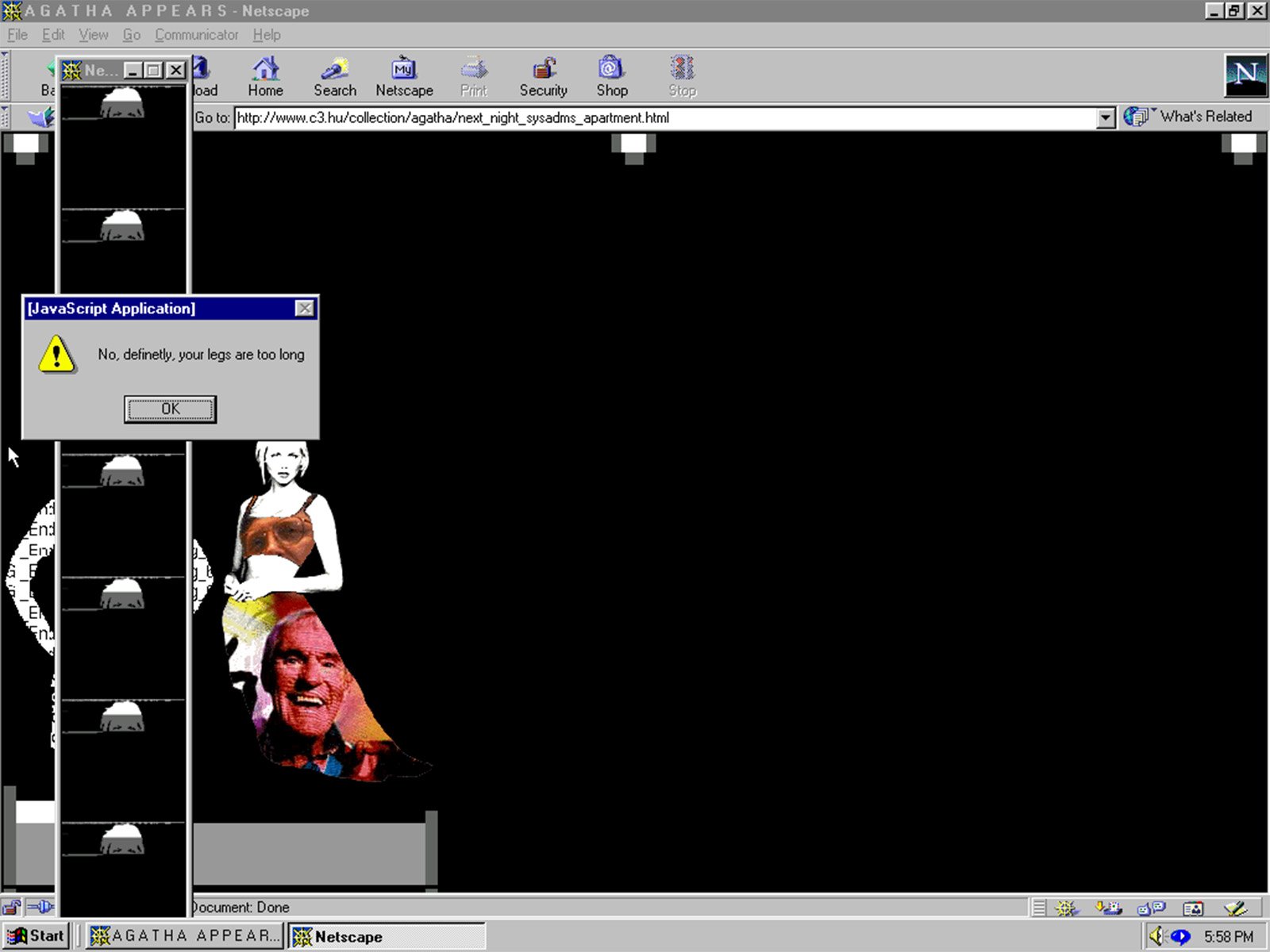
OL: Alexei Shulgin and I were both giving workshops at a media lab in Moscow. He was talking about photography and had already started working with the web, while I was giving lectures about experimental film. That’s where we met, and he told me about the web. It’s a bit like the story in Agatha Appears (1997): Agatha meets a system administrator who says, “I will show you the internet.” Alexei told me we should go to the Library for Foreign Literature in Moscow because they had computers and internet access. I didn’t have either at the time. This must have been early 1995.
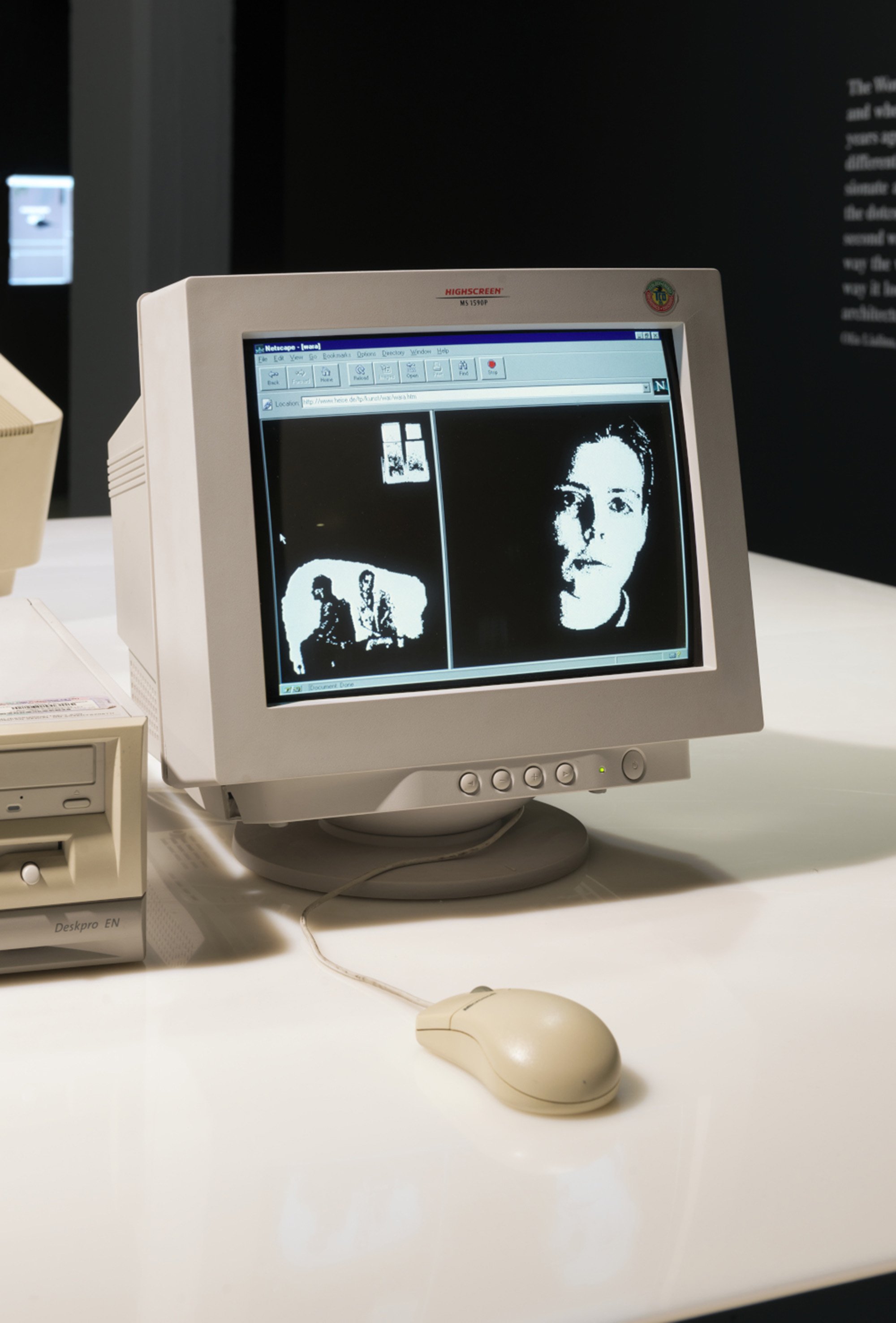
We went there and connected to the internet. I think one of the first things he showed me was jodi.org. After that, I started going to the library myself. I would look at ordinary webpages to see how they were made and then make them myself. Eventually I got a computer at home. Then everything happened very fast. In 1996, I was invited to the Dutch Electronic Art Festival to present the website for Cine Fantom, my experimental film club. I was officially there to present Cine Fantom, but I started showing some people this little thing I had also made, My Boyfriend Came Back From The War. They said, “Come with us to Budapest, to MetaForum, and show what you’re doing online.”
There I wasn’t so shy anymore and showed My Boyfriend Came Back From The War. That was the day I went from being a film critic who made websites to being a net artist. I met so many people there, and then we continued online. It happened very fast. All the connections were suddenly there.
Olia Lialina, My Boyfriend Came Back From the War, 1996, during the work’s 20th Anniversary show at HEK, Basel, in 2021. Photography by Franz Wamhof
AM: But at the time you didn’t consider My Boyfriend Came Back From The War to be completely net art?
OL: In 1996 and 1997, I was actually a bit ashamed of it. It was made for the browser; it was HTML, but you could also see it offline. It wasn’t distributed.
AM: And what made Agatha Appears, your 1997 net artwork about a woman who is introduced to the internet by a system administrator, different?
OL: When I made Agatha Appears, I wanted to make something that had to exist everywhere. It was a story, but it was a net artwork because it couldn’t work on a computer that was offline. I thought, “Now I’m really a net artist. Now I’ve made something really great.” But, as we know, Agatha Appears has always stayed in the shadow of My Boyfriend Came Back From The War.
AM: Maybe people also responded so strongly to My Boyfriend Came Back From The War because you came from film. The work feels cinematic, with the browser windows opening almost like scenes. Were you thinking about it as a film?
OL: Yes. It was another type of film editing. Maybe if I hadn’t come from film myself, I wouldn’t have called it a film. Today I see people calling it an early interactive game or a visual novel. “Visual novel” is a term younger people use for this kind of interactive narrative. But for me, it was a film.
Olia Lialina, Agatha Appears (1996). Screenshot. Courtesy of the artist
AM: This idea of the network itself becoming part of the work comes back in Summer from 2013, which is also in the exhibitions “Network Portraits” at Panke Gallery and “online since 1996.” The work shows you swinging, but the 18 frames of the animation are distributed across the servers of different artists. How did that idea develop?
OL: I wanted to go back to something from Agatha Appears: this idea of travelling through the location bar. But I wanted to remove the story and everything else. No story, no reader, just the movement. My kids were still young then, and I saw them on a swing in our garden. I started visualizing the metal bar that holds the swing as the location bar of the browser. We found a bigger swing, filmed it, and divided the movement into 18 frames.
Then I asked other artists to host those frames on their websites. I asked more people than I needed because I thought many would say no, but almost everybody agreed. It is 25 hosts now and will grow because some people have asked me recently to be included.
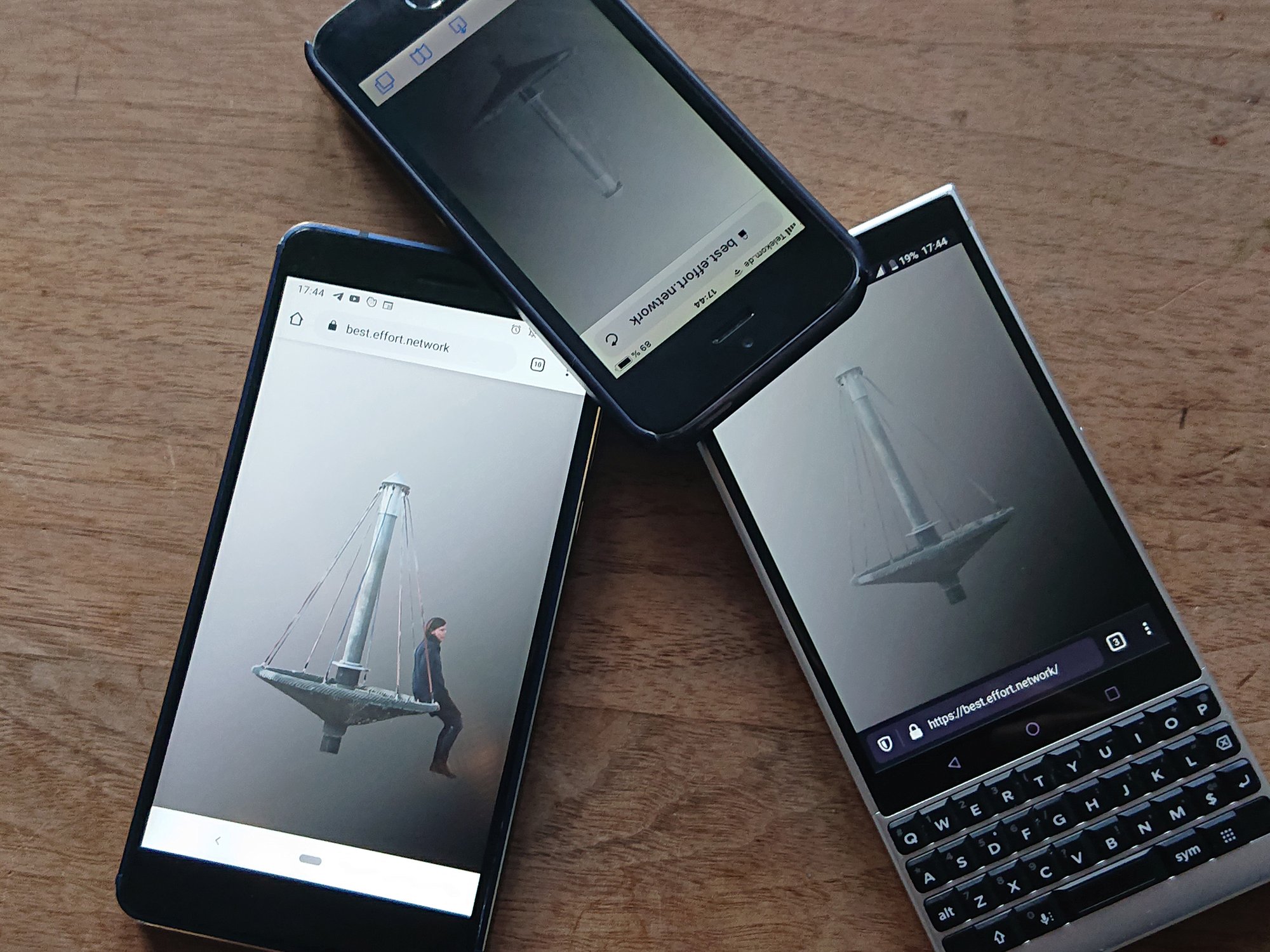
Olia Lialina, Best Effort Network (2015/2020). Courtesy of the artist
AM: The animation actually jumps from one artist’s website to another.
OL: Yes. The basic idea was very simple. There is this old piece of HTML code called “refresh”, which automatically sends you from one page to another. Instead of clicking the link, the page simply refreshes after a certain amount of time.
My idea was that every artist would put one frame and this little piece of code on their server. The browser would then move from server to server, and the individual frames would become an animation.
In the end, the script had to become more complex. It had to wait for each frame to load and skip a server if one went down. Some people have disappeared over the 13 years because they gave up their servers, and new people have joined.
I call it my social network. I still have to remind people to update things, or someone writes to tell me that their file has moved because they changed their domain. So we’re still in communication. It’s actually a bit of a wonder that it still works. And I’m happy that these artists still have their own websites and still know how to transfer files to a server.
There were also artists I really wanted to include who couldn’t participate. Lorna Mills, for example. From the very beginning, I really wanted her to be part of it. It would have been so right for Lorna to host a frame because she was working so much with GIFs. But at the time, she was posting GIFs rather than uploading files to her own server.
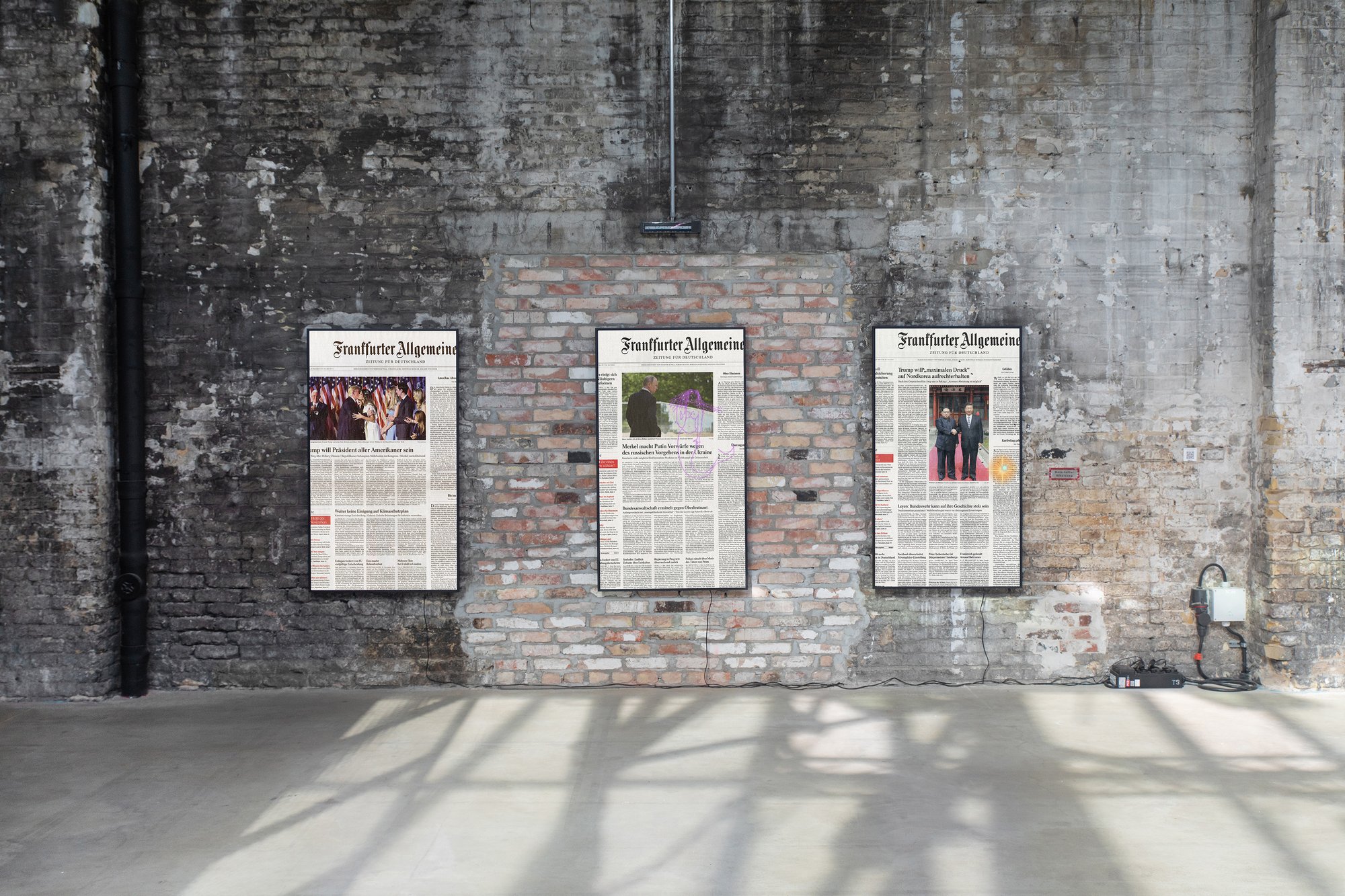
Installation view, Berlin Art Week at Hallen, 2026. With work: Olia Lialina, Online Newspapers, Postfactual Edition (2017/18). Photography courtesy Arab Bank of Switzerland
AM: Lorna Mills works with found material from the internet, turning it into GIFs. You took almost the opposite approach: you deliberately put GIFs of yourself into circulation. You called yourself a “GIF model”. How did that start?
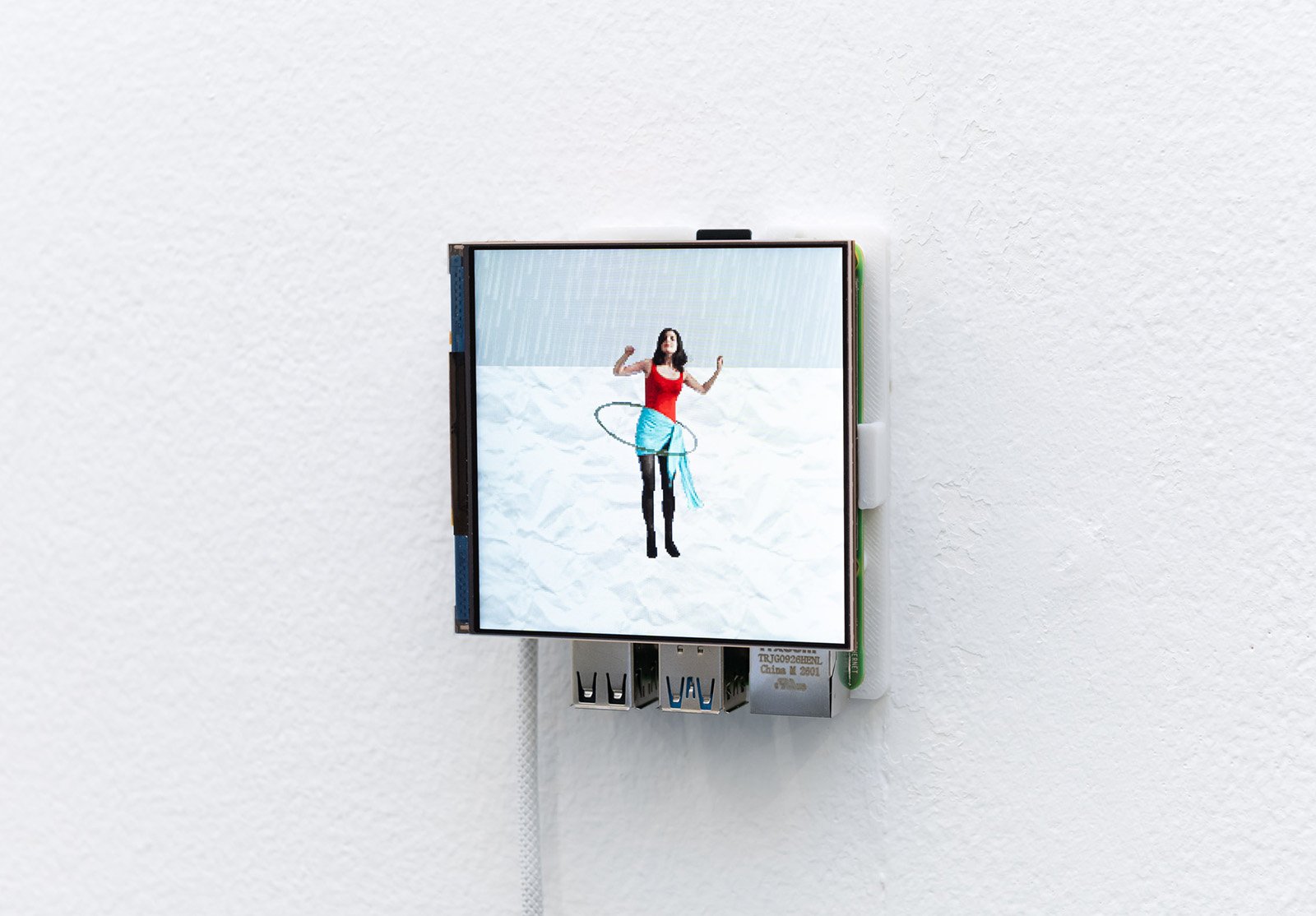
OL: That happened in 2005, before GIFs became popular again. At the time, people were still ridiculing the amateur web and its aesthetics. I was making a lot of work with GIFs that other people had made, and at some point I thought, “OK, I also want to give something back. People should have a nice lady hula-hooping, playing the accordion, or dancing that they can use to decorate their webpages.” So I made these GIFs very carefully. They were perfectly cut out so they would look good on any background and perfectly looped. I made a showroom demonstrating how great I looked on all these different backgrounds, and I uploaded the GIFs to lots of free online collections.
After that, I had no idea what happened to them. It wasn’t until 2012, when Google introduced Search by Image, that I could suddenly find myself again and document where the GIFs had ended up. That was when it really started to become an art project.
The work was later acquired by the Stedelijk Museum as three GIFs together with documentation of where I had appeared online. But in a way, 2005 was already a little late. It was just before “Web 2.0” really took off and everything started moving to platforms.
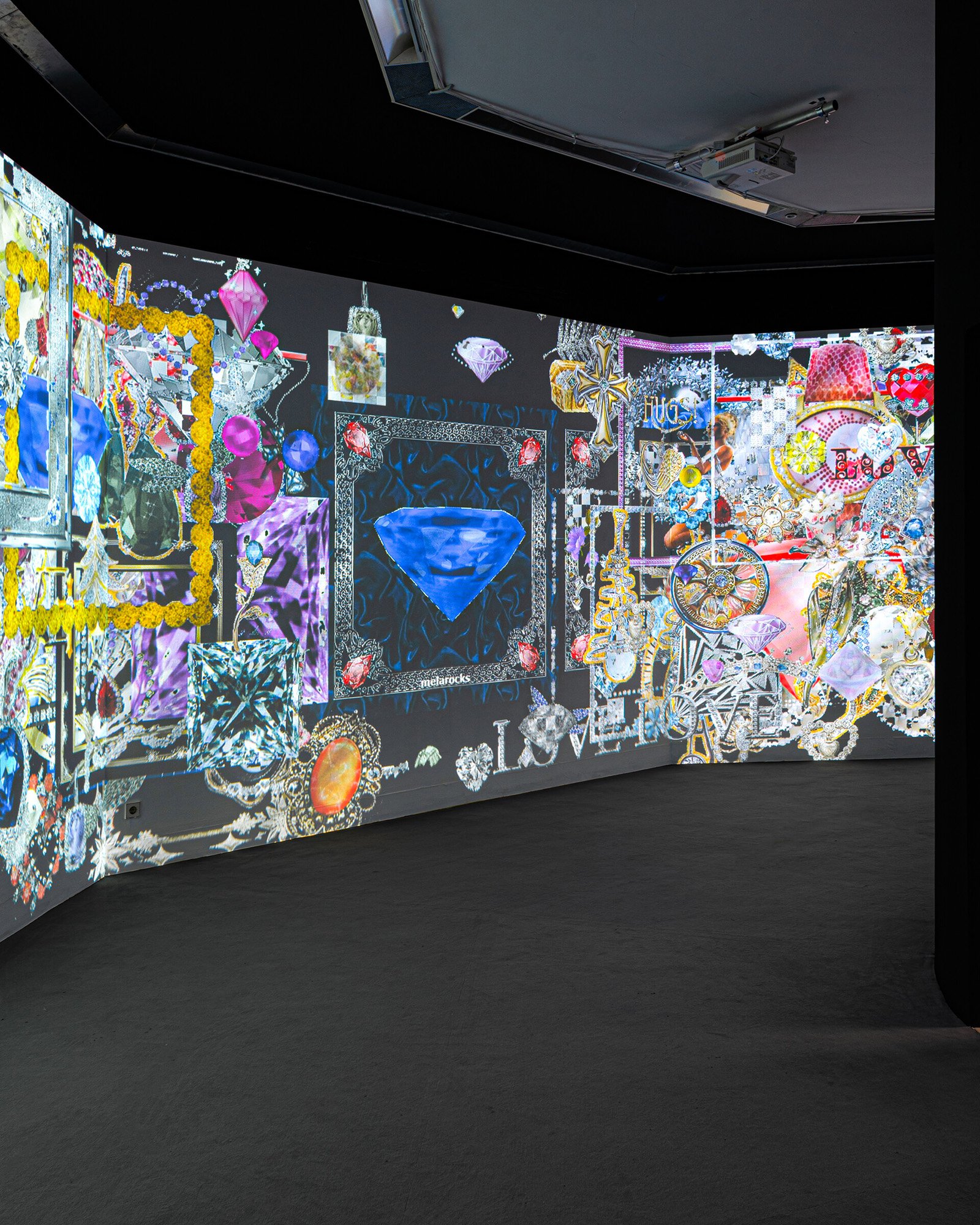
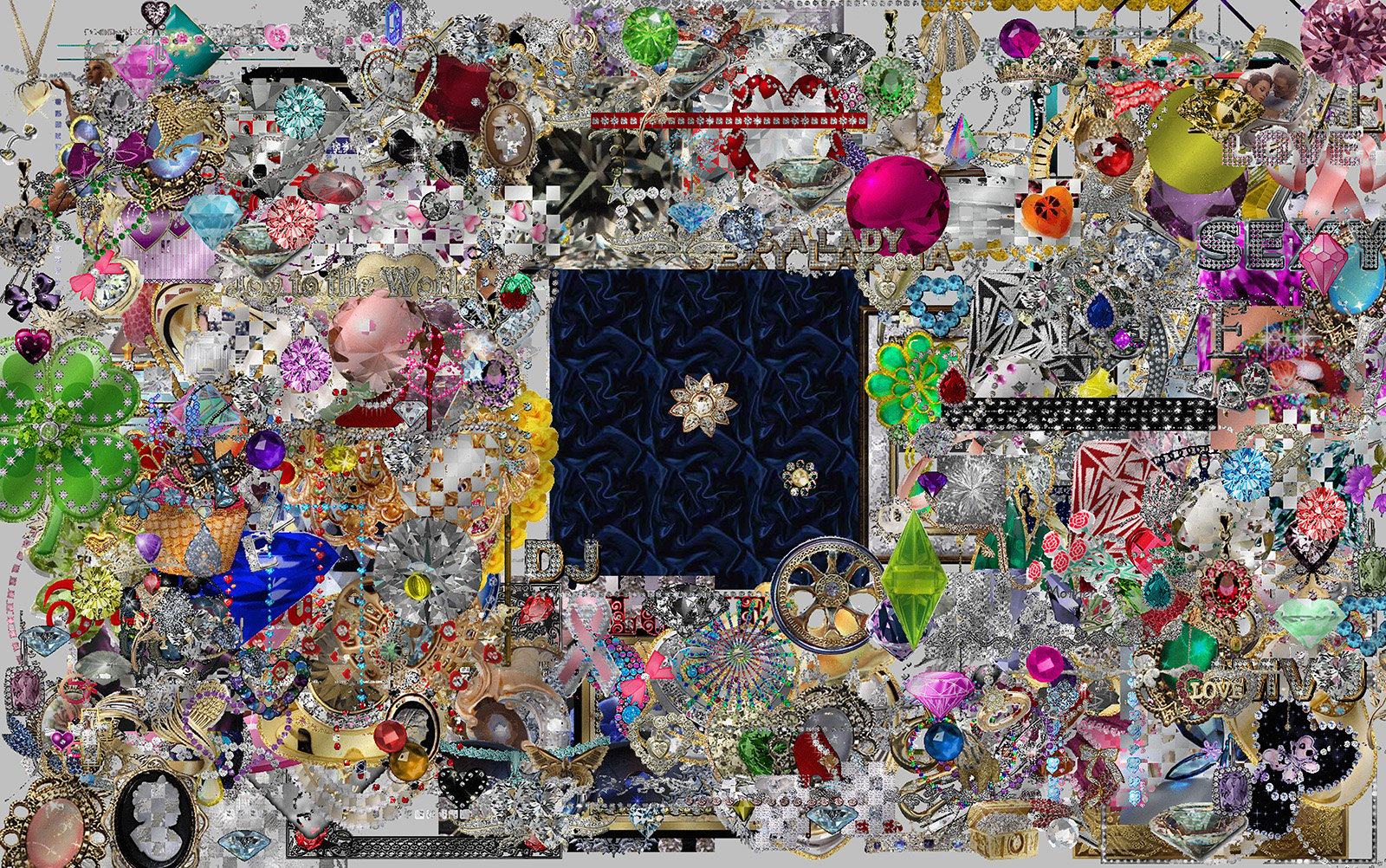
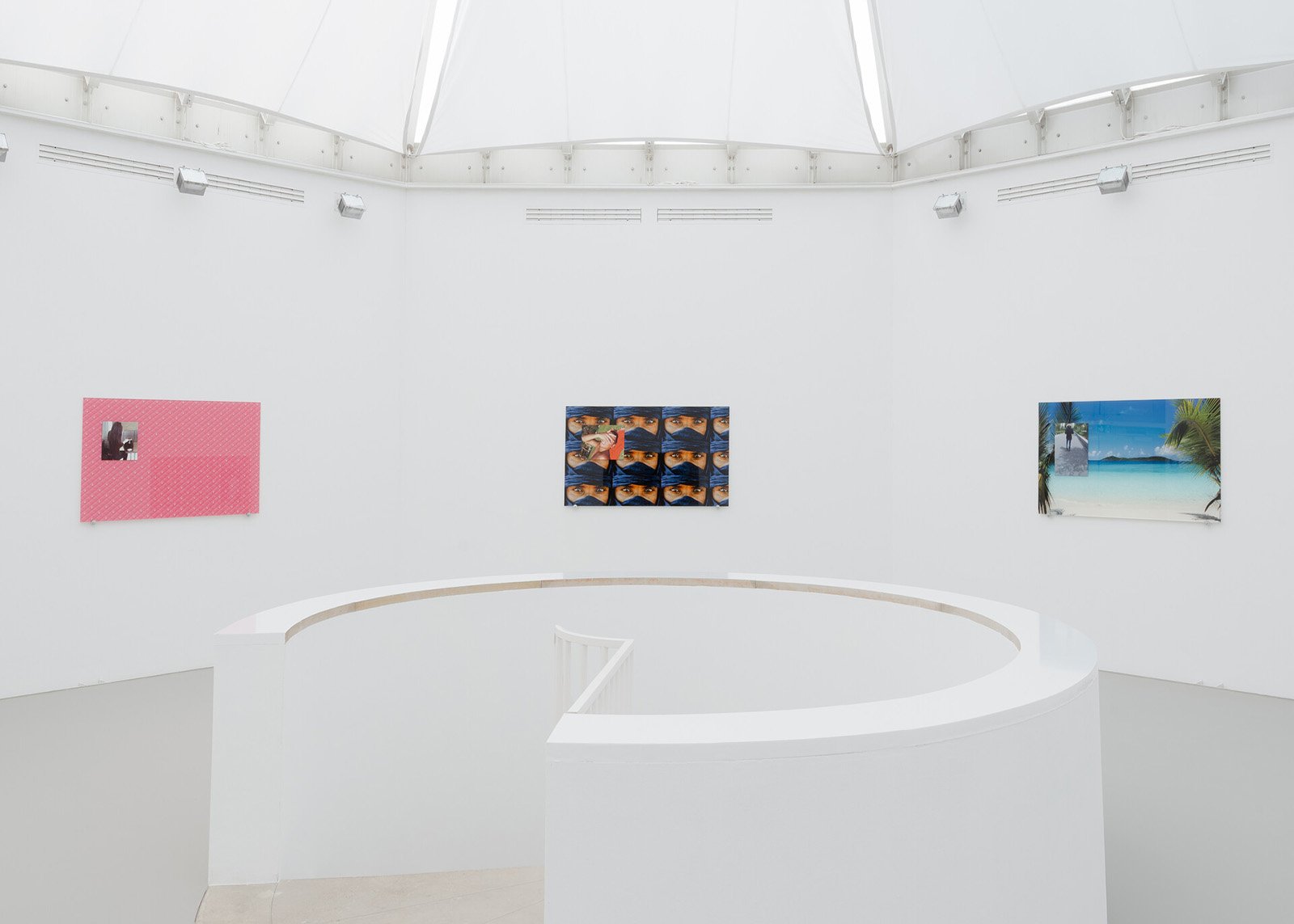
Installation view, Olia Lialina, “online since 1996”, City Gallery Sindelfingen, 2026, with work: reasure Trove, 2018/2026. Photography by Kai Knoerzer
Olia Lialina, Treasure Trove, 2018. Screenshot. Courtesy of the artist
AM: You’re an artist, researcher, and professor. Why is it important to you that people understand the history and technology of the internet?
OL: I still want people to see the web as a medium and not as a technology. And that’s getting more and more difficult. As a technology, the web has become omnipresent. Almost everything we see is actually JavaScript. There are browsers everywhere; you just don’t see that they are browsers. But the web as a medium means something else. It’s a channel where you can express yourself, where you control communication and make decisions. And it’s not only a channel, but an environment that you can build yourself. Technically, all of this is still possible, but it has completely disappeared from our attention.
For me, this is part of something bigger: showing people that the computer actually exists. The IT industry is trying to do the opposite, to make you forget about it. There was this Apple commercial where a child asks, “What’s a computer?” It’s not a joke, but the paradigm the IT industry is following.
It’s important to understand that it isn’t just something “digital” surrounding us. These are computers. These are interfaces. And we are the users of these computers. I try to be a computer user. It’s a noble role.
AM: And Hosted (2020) shows what happens when you give up that control?
OL: Yes. In Summer, I’m swinging through the servers of other artists. In Hosted, I’m swimming through 70 hosting services. And this time they aren’t friends. They are very hostile enemies pretending to be your friends. They have absolutely no respect for the content. I upload my files and they move them, remove them, change their size, or put watermarks on them. And everywhere I uploaded them, the promise was that they would keep them for free and forever.
Installation view, “Network Portraits” , Berlin, 2026, with work: Olia Lialina, Animated GIF Model (2005). Photography by Fenja Cambeis
AM: In the 1990s, there was such a positive outlook on what the internet might make possible. Some artists I speak to say it has turned from a utopia into a dystopia, while others completely reject that idea. How do you see it?
OL: I don’t want to say goodbye to the web. I’ve made a lot of works that I think also prolong its life, including through art institutions. Works like Summer, Best Effort Network (2015/2020), Self-Portrait, or Hosted demand attention to the browser, to the fact that there is a browser with a location bar. These works become part of collections and curricula, which means that to show them, institutions will have to install browsers. And to understand them, teachers will have to explain to students what the web is.
Maybe it’s a very small step, but I see it as a mission to make sure that the web doesn’t simply vanish because nobody needs it to remain visible. The industry doesn’t need the web to be visible.
I’m giving a workshop at The Photographers’ Gallery around the One Terabyte of Kilobyte Age(2010 – ongoing) archive. When I give these workshops, there is always some task where people supposedly help me with the archive. But actually, that’s just an excuse. The important thing is that people sit down and look through these old webpages.
You can scrape an archive and end up with thousands of GIFs. You get an impression of the early web, but you don’t see the pages anymore. You just get this funny old GIF. I try to take an anti-digital-humanities approach: it should be done by people, not by algorithms.
Installation view, Olia Lialina, “online since 1996”, City Gallery Sindelfingen, 2026, with work: Body Class Pimp, 2016/2026. Photography by Kai Knoerzer
AM: Do you still identify as a net artist?
OL: Yes, I still identify as a net artist. I also don’t see myself being an artist without the net. But contrary to what I said before, in the 1990s I would have been furious if somebody called me a web artist.
Today I sometimes try to call myself a web artist, just to keep the word in circulation and to connect it to the research I’m doing. I want to be part of keeping the history of the web alive.
AM: Five years after the NFT hype, you’ve seen a lot of colleagues doing NFTs. Have you ever reconsidered your position?
OL: No.
Olia Lialina is among the best-known participants in the 1990s net.art scene – an early-days, network-based art pioneer. Her early work had a great impact on recognizing the Internet as a medium for artistic expression and storytelling. This century, her continuous and close attention to user culture, “net.language” and no-interface paradigm, has made her an important voice in new media, post-digital studies and HCI. She is cofounder and keeper of One Terabyte of Kilobyte Age archive, author of Digital Folklore (2009) and Turing Complete User (2021). She is a professor for New Media and Post-Digital Cultures at Merz Akademie in Stuttgart, Germany.
Anika Meier is a Berlin-based writer, moderator, curator, and lecturer specializing in art, technology, and digital culture. She teaches at the Department of Digital Art at the University of Applied Arts Vienna, is the co-founder of the curatorial collective The Second-Guess, and is the curator and program lead of the objkt labs Residency. She regularly contributes to Monopol, Kunstforum, Spike, SLEEK, Numéro Berlin, and The AI Art Magazine, and has moderated conversations and spoken at events including Art Basel, re:publica, and Ars Electronica.