An Artist’s Life, Part 1 | Rafaël Rozendaal Grows Up on the Internet
Rafaël Rozendaal speaks to Anika Meier about a quarter-century of making art online and the institutional recognition that has placed him in the timeline of art history
This is the first part of a two-part interview. Read the second part here.
Rafaël Rozendaal has spent 25 years making art with computers. Now he keeps the computer in the room next to his painting studio, to avoid distraction from his sketching practice. It is a curious turn for an artist whose career is inseparable from the internet, and one that raises for him a question that bothers more than a few artists of his generation: when you let go of the computer, what is your artistic identity?
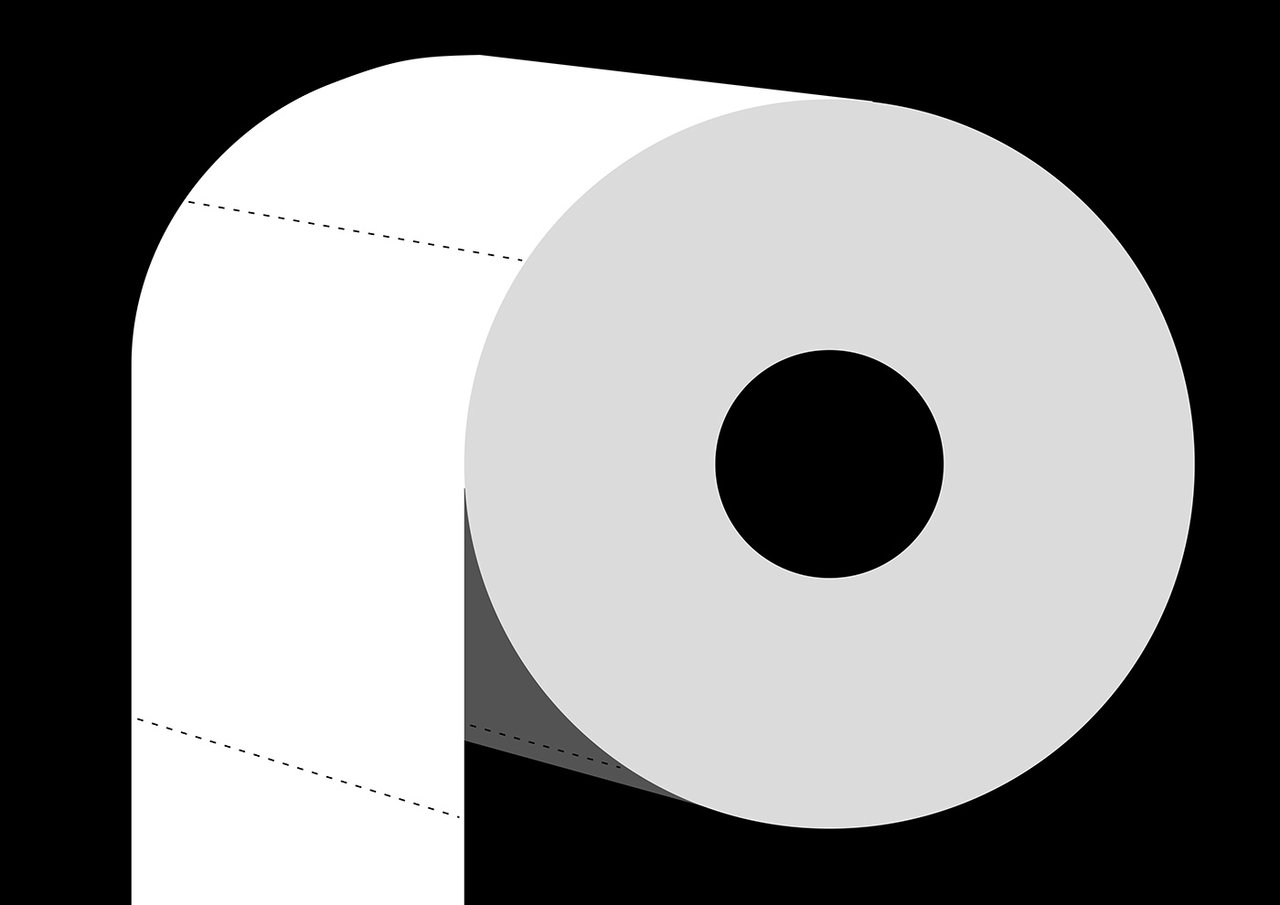
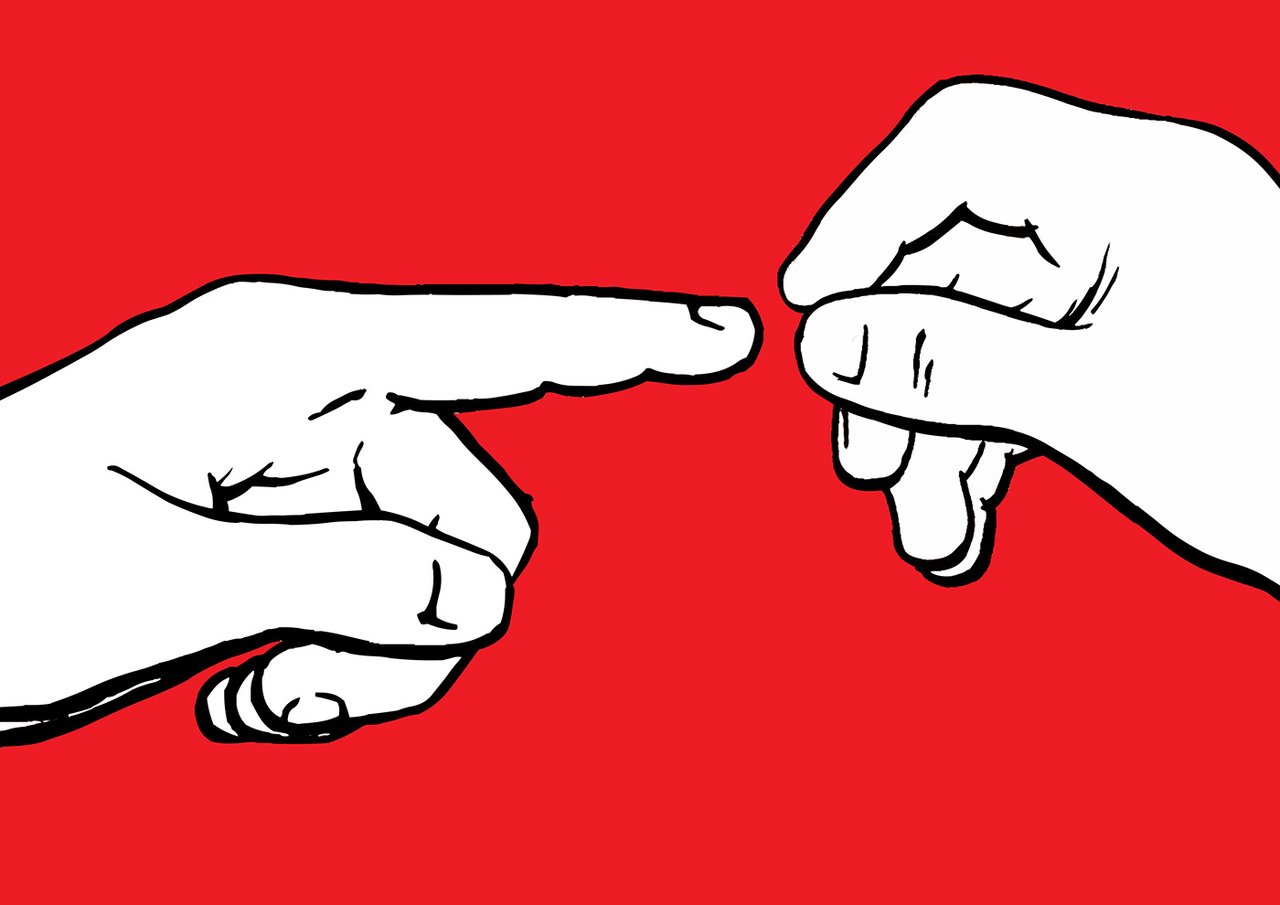
Rozendaal began making websites around the turn of the millennium. They were interactive, often absurd, and deliberately immediate: a roll of toilet paper that unspools as you scroll, a hand whose fingers move when touched, a button that can be switched on and off without anything actually happening.
For Rozendaal, the radicality of the web was not only aesthetic. It offered a new way to distribute art.
An artwork could exist everywhere at once, independent of institutions and, initially at least, of the market. It also gave a young artist something he had struggled to find in photography, sculpture, comics, and painting: the feeling that he could make something people had never seen before.
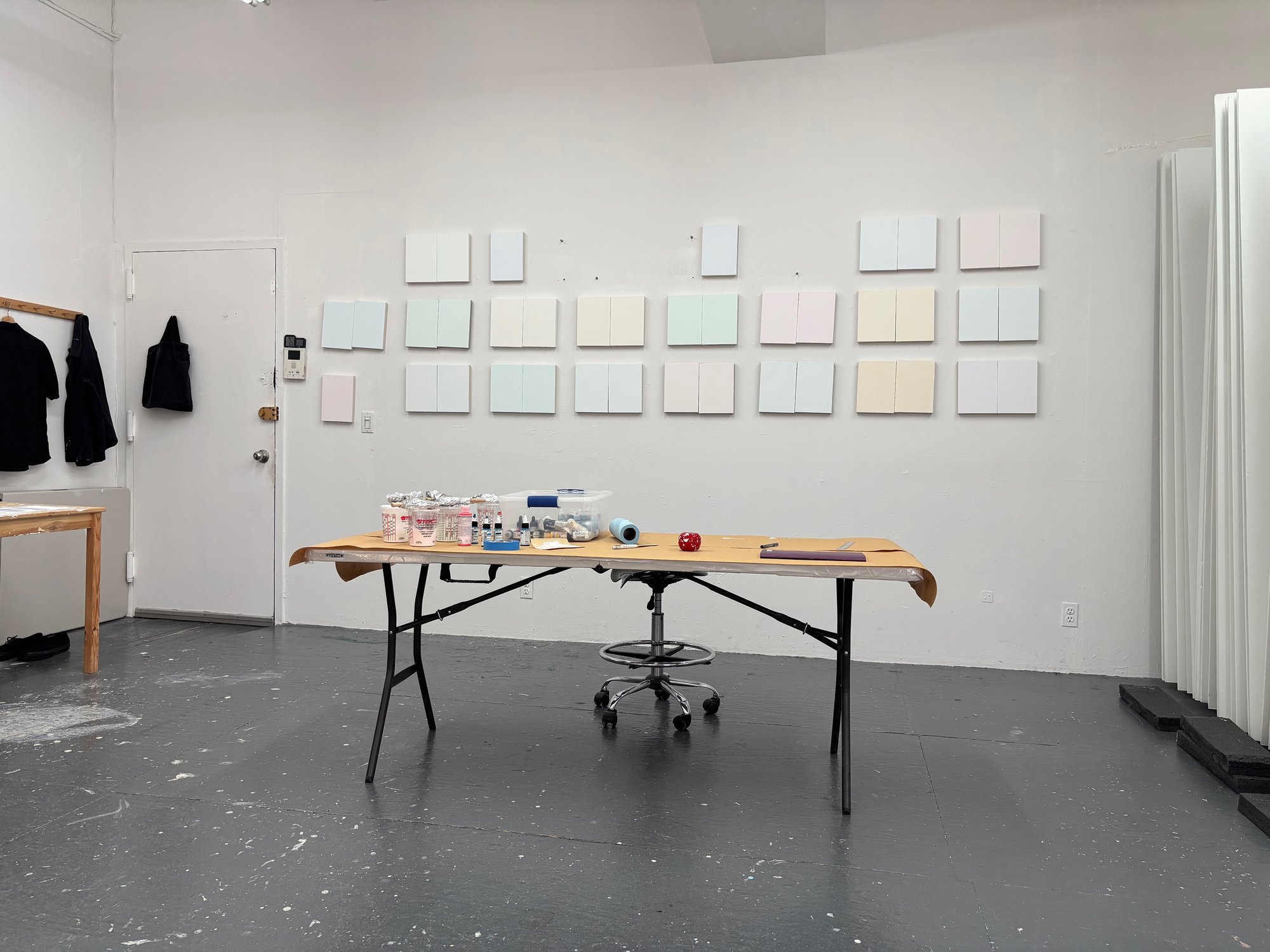
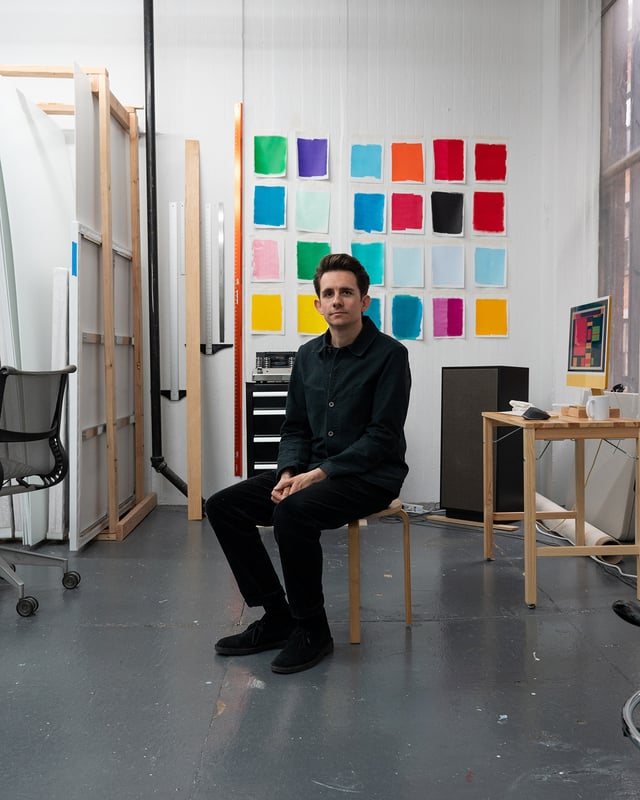
Rafaël Rozendaal’s painting studio, New York City. Courtesy of the artist
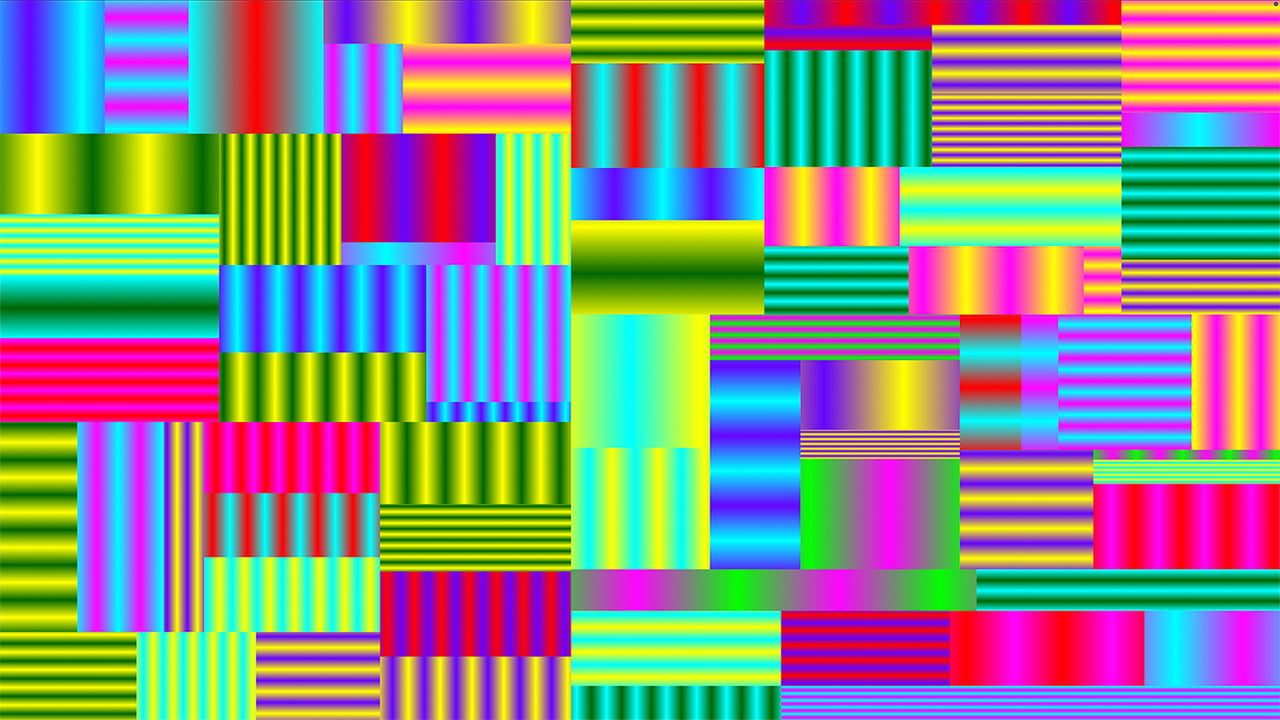
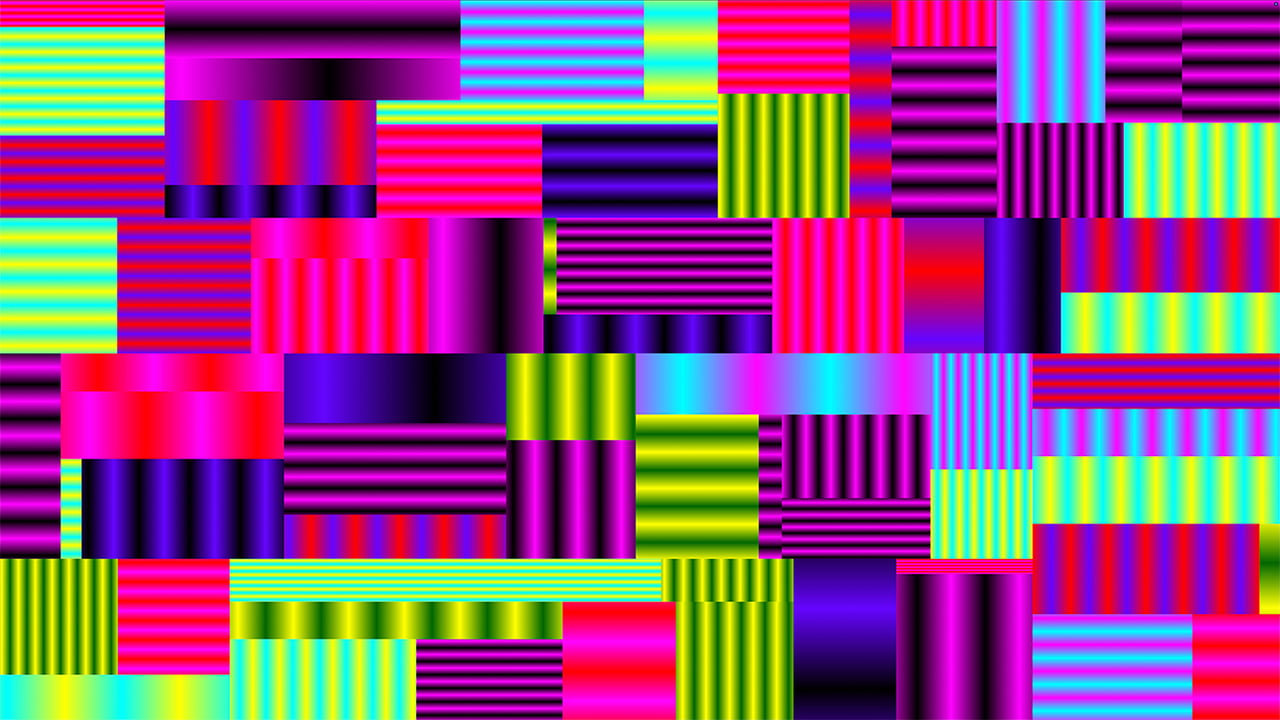
Much has changed since then. Websites gave way to platforms and social media. Rozendaal’s digital works became NFTs and generative collections, including Endless Nameless (2021) on Art Blocks.
His work entered the collection of the Museum of Modern Art, New York, placing an artist who had long insisted that a browser could provide a legitimate aesthetic experience into the physical timeline of art history.
In the first part of a conversation with Anika Meier for Right Click Save, Rozendaal reflects on 25 years of making art online, from toilet paper and Neen to Art Blocks and MoMA, the freedom and constraints that came with each new technological shift, why his success with digital art made it possible for him to become a painter, and what happens when the technology that once opened up an entirely new world no longer feels like the place you want to be.
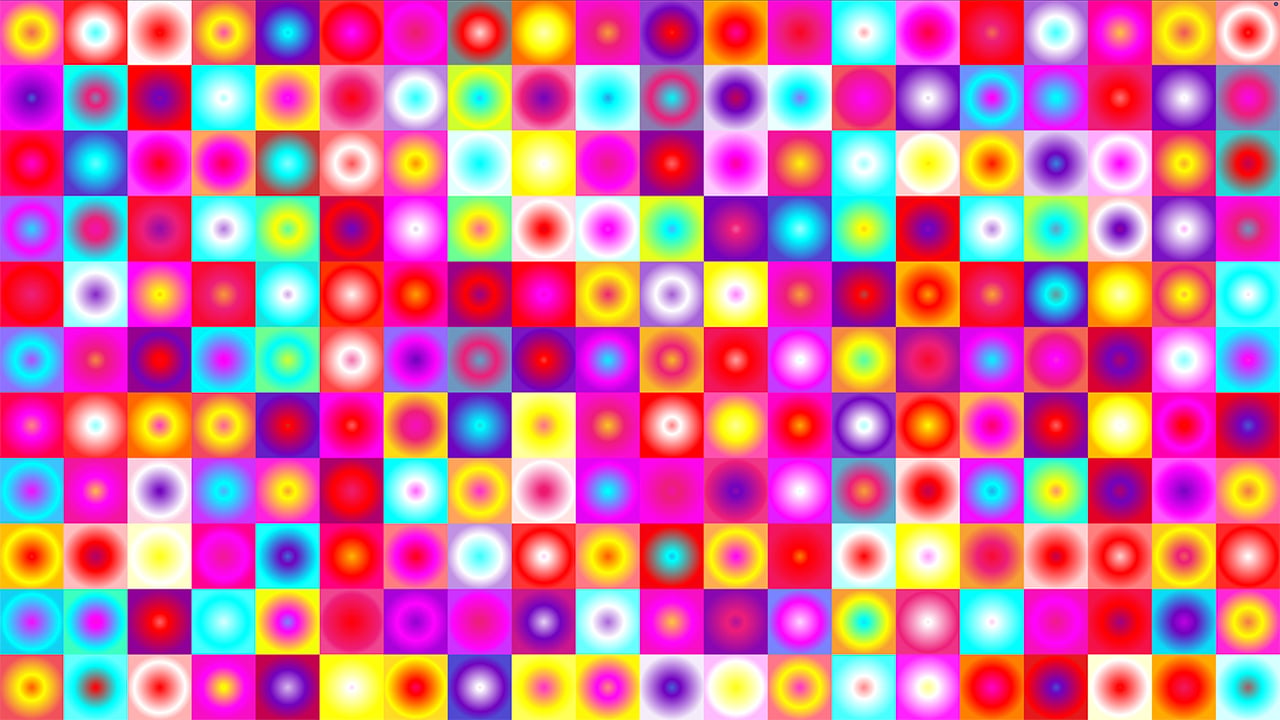
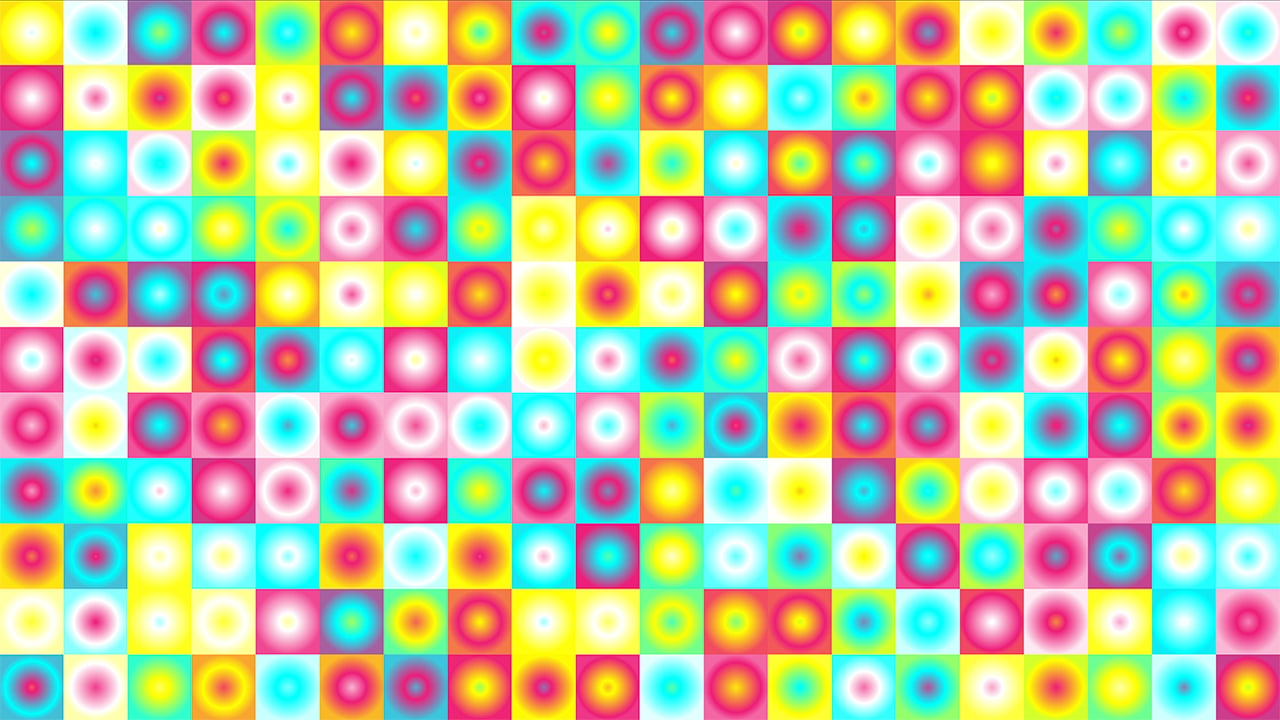
Rafaël Rozendaal, Endless Nameless #100, 2021. Collection of 0x600d.eth
Rafaël Rozendaal, Endless Nameless #131, 2021. Collection of GTOM555V
Anika Meier: When we appeared together on the panel for Herbert W. Franke’s 95th birthday in Linz, in 2022, you said something I’ve never forgotten: NFTs allowed the nerds sitting at home in front of their computers to become part of the art world without having to go to parties and dinners. Has that changed? Rhizome just celebrated its 30th anniversary with a dinner, and the NFT community was there, too.
Rafaël Rozendaal: I was thinking about that when I went to the Rhizome event. What makes it uncomfortable for me is that everyone in that room is an expert on art, and for some reason it’s not polite to talk about art. So you have to talk about shoes or air travel or something mundane.
AM: You’ve been making art on the internet for around 25 years. When you look back at your practice today, what do you think about its evolution?
RR: When I look back, I can’t believe how lazy I used to be and how much more I work now. I remember making maybe three websites a year and thinking back… “What was I doing all year?” My lifestyle has changed a lot. I used to be much more nomadic. Berlin around 2008 was very social. You would have breakfast for five hours.
We’re part of a generation that uses the computer as a subject, a distribution system, or a tool. Somehow, it has to be one of those three to be valid, to be part of this club. And then, when you let go of the computer, what is your artistic identity?
There is a strange aspect to having your artistic identity tied to consumer electronics. What happens when that consumer product or ecosystem moves in a direction that no longer suits you?
I also grew up thinking that I couldn’t contribute anything new to painting. I thought it was impossible. If you break painting down to its formal elements, everything has been tried. Now I’ve found a way, maybe thanks to the computer and coming from animation, moving images, and diagrams, where I feel like I am exploring something.
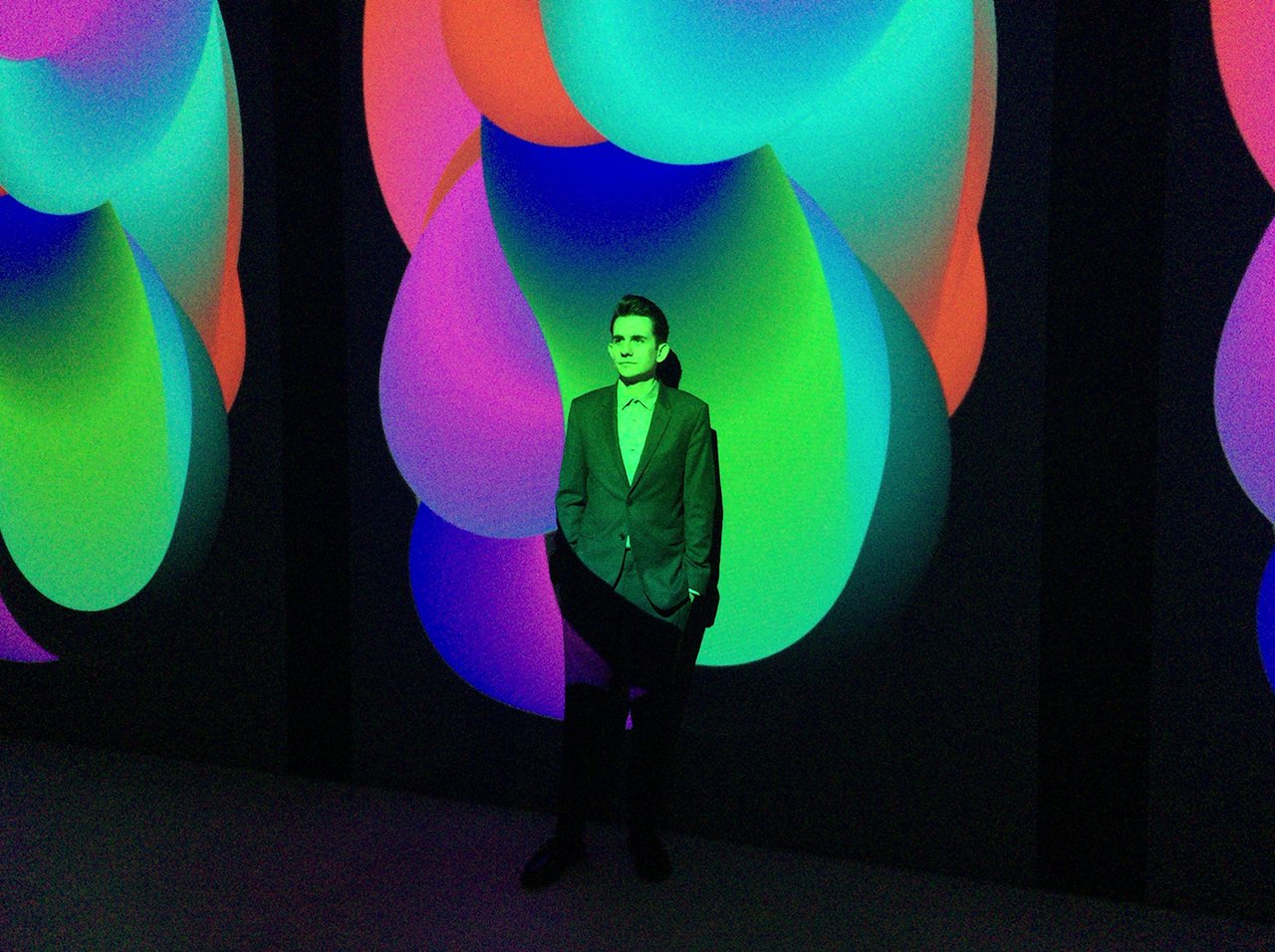
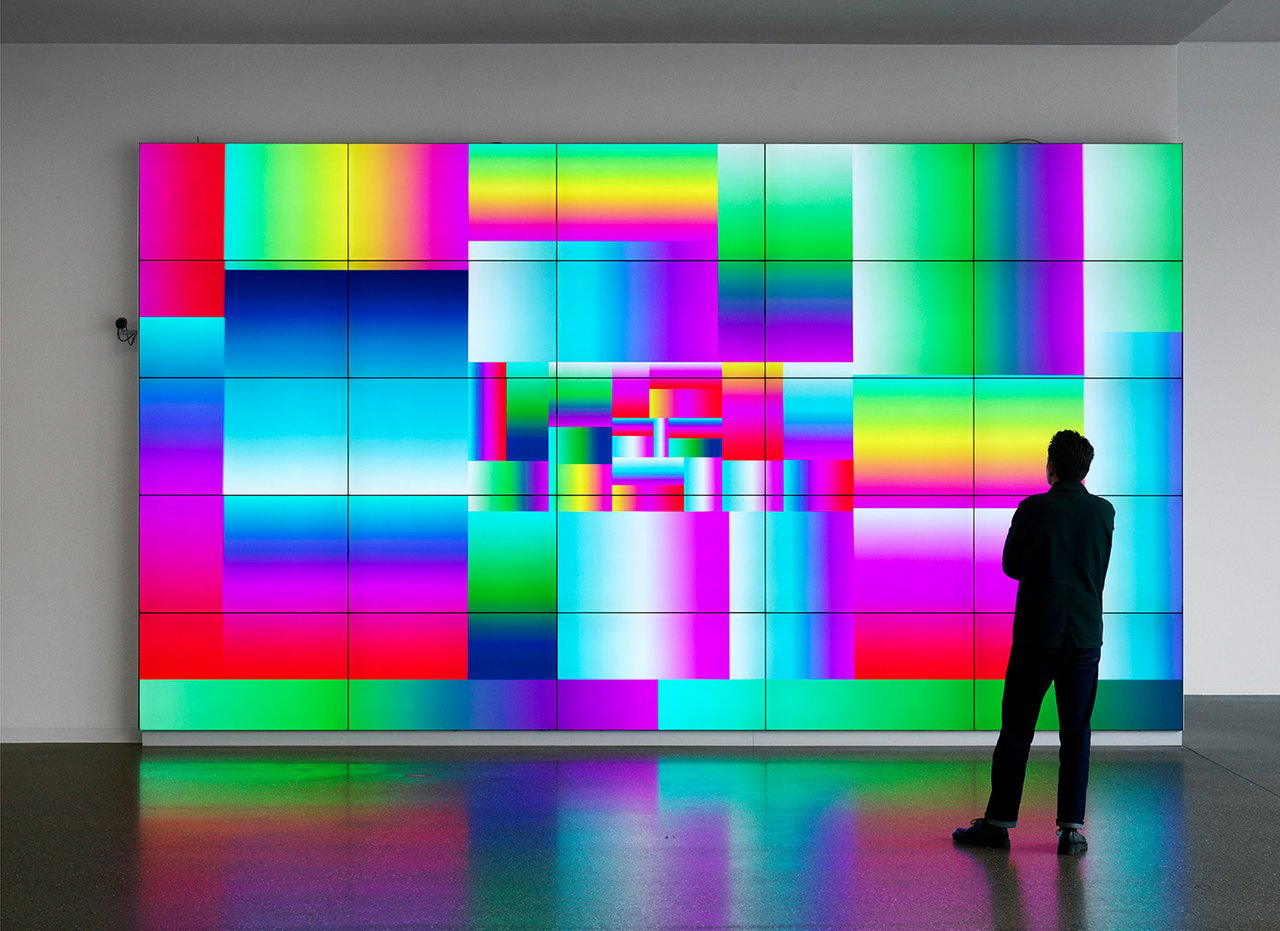
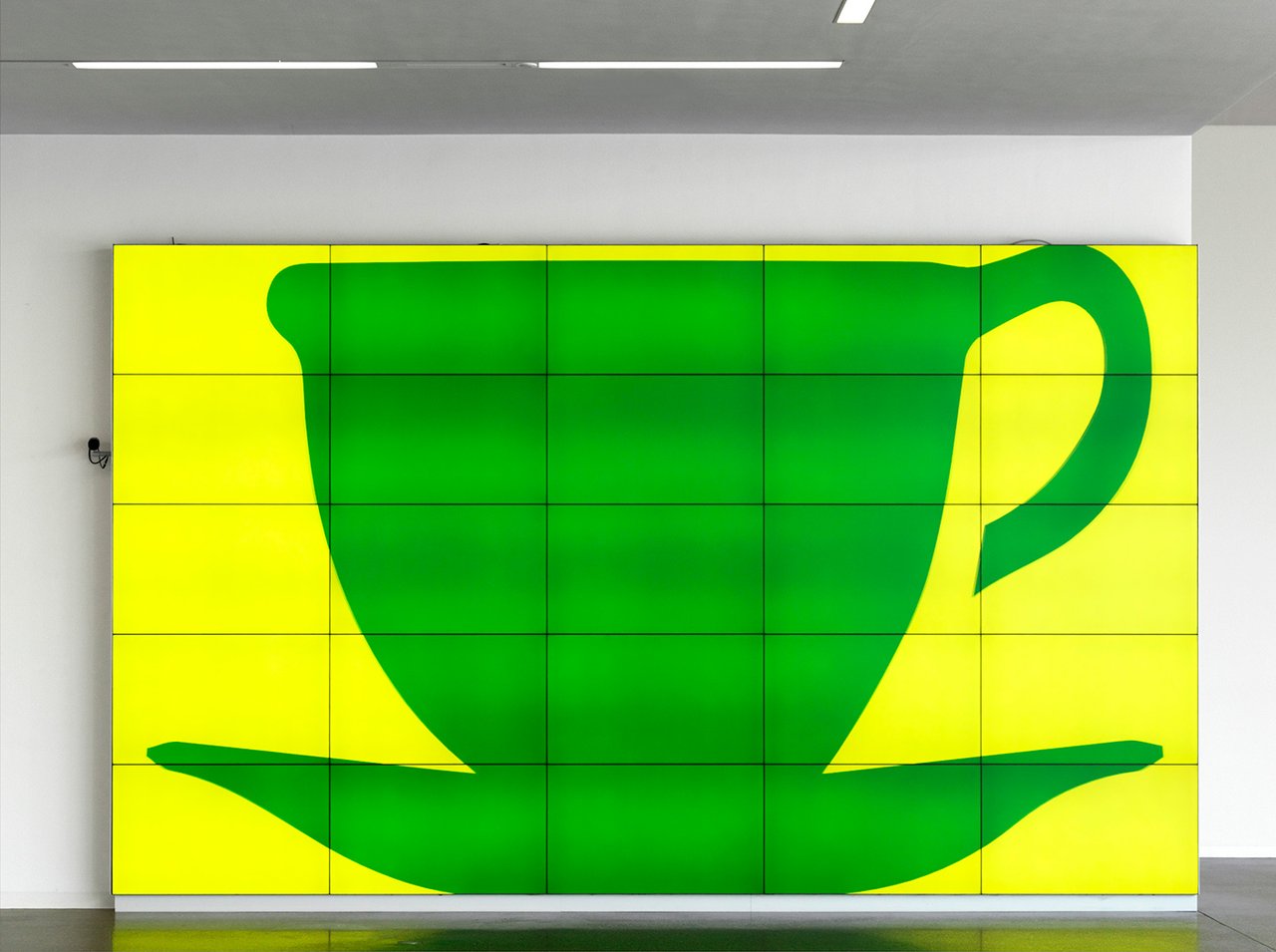
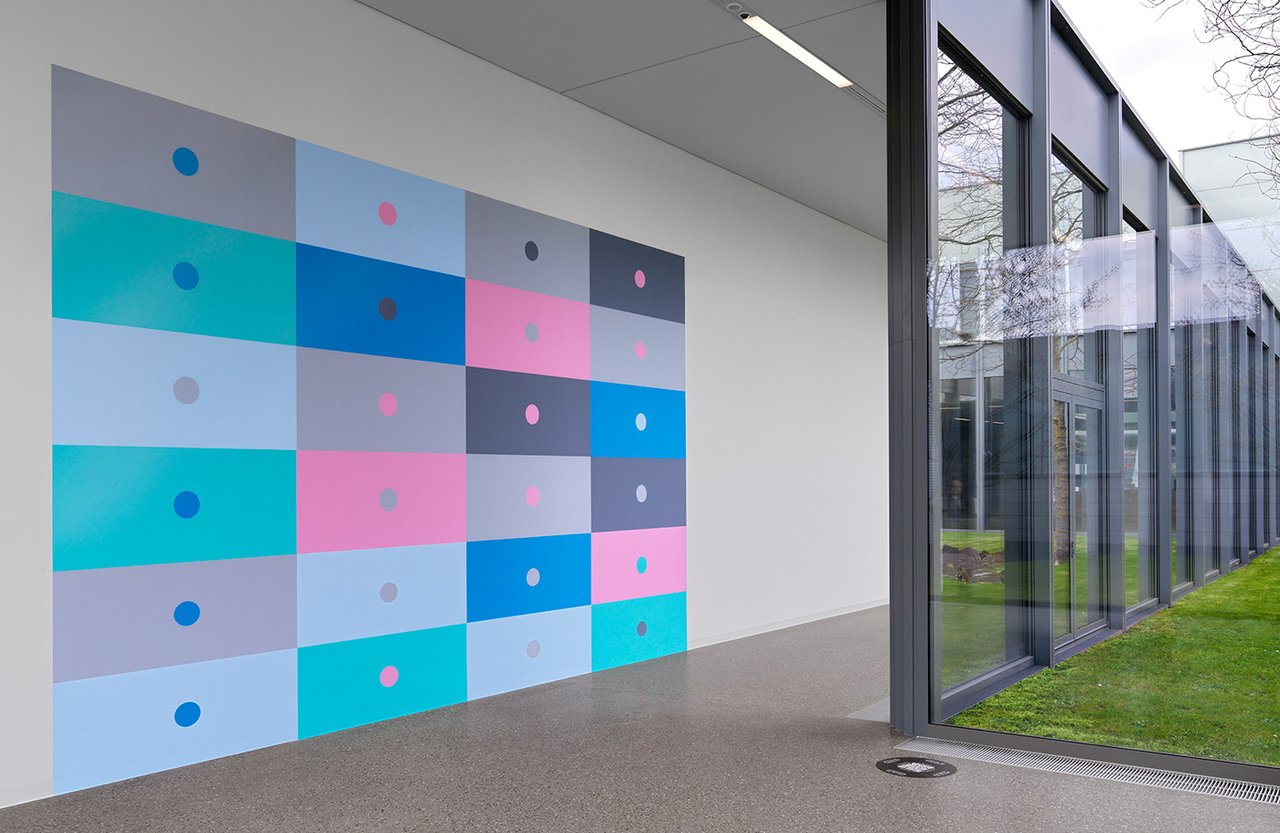
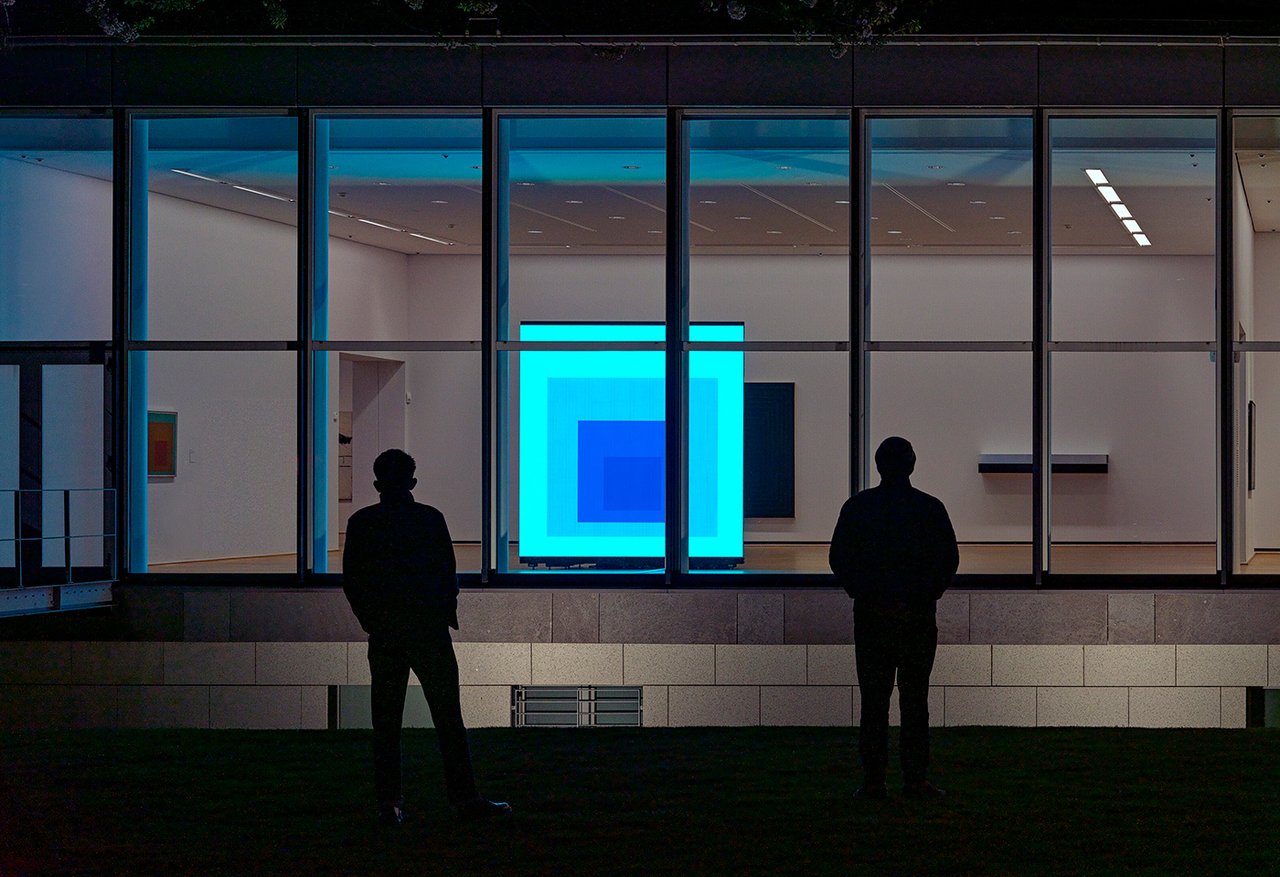
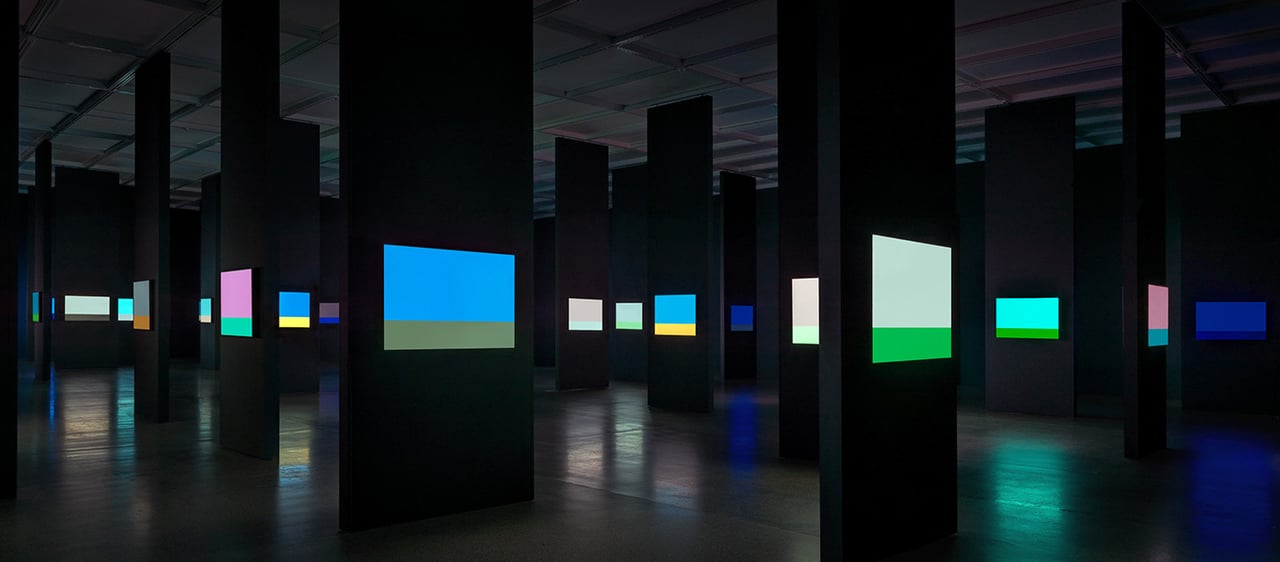
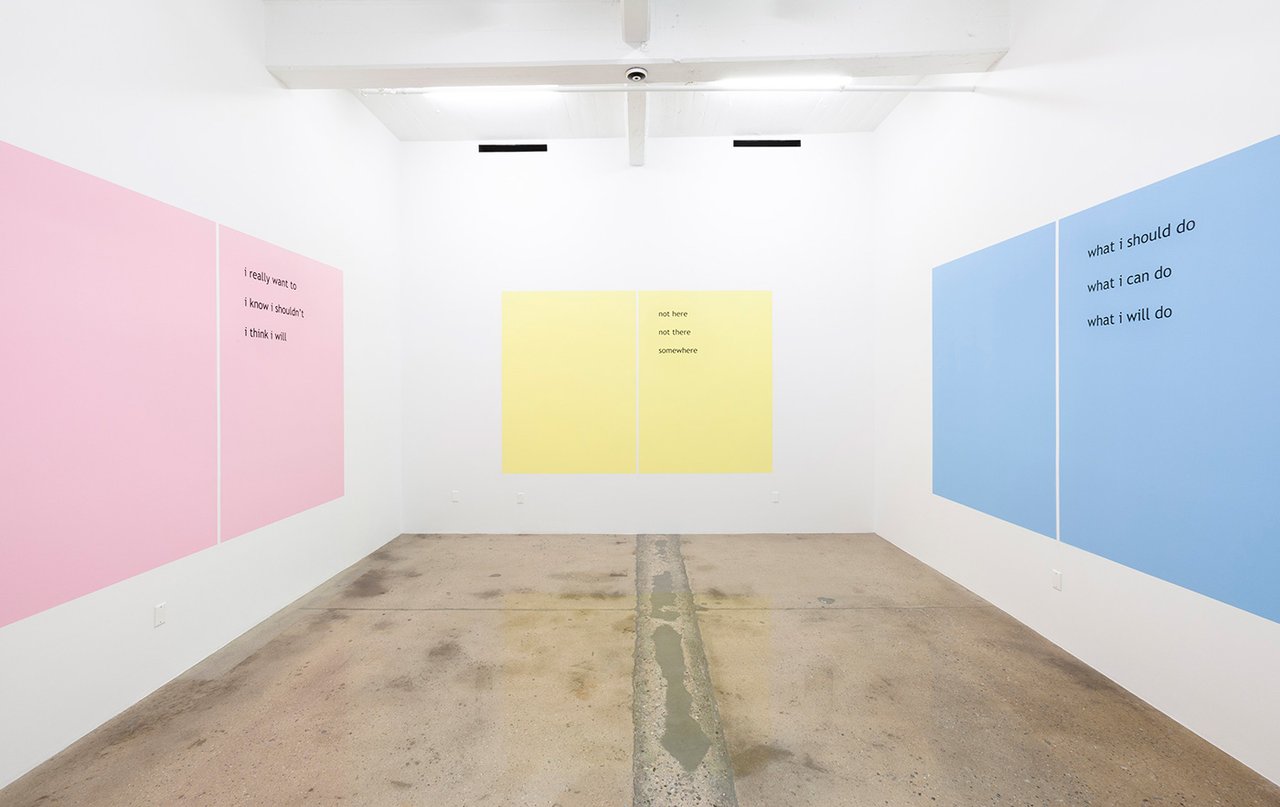
Installation view, Rafaël Rozendaal, “Color, Code, Communication”, Museum Folkwang, Essen, Germany, 2023. Photography by Gert Jan van Rooij. Courtesy of the artist and Museum Folkwang
Installation view, Rafaël Rozendaal, “Color, Code, Communication”, Museum Folkwang, Essen, Germany, 2023. Photography by Gert Jan van Rooij. Courtesy of the artist and Museum Folkwang
Installation view, Rafaël Rozendaal, “Color, Code, Communication”, Museum Folkwang, Essen, Germany, 2023. Photography by Gert Jan van Rooij. Courtesy of the artist and Museum Folkwang
Installation view, Rafaël Rozendaal, “Color, Code, Communication”, Museum Folkwang, Essen, Germany, 2023. Photography by Gert Jan van Rooij. Courtesy of the artist and Museum Folkwang
Installation view, Rafaël Rozendaal, “Color, Code, Communication”, Museum Folkwang, Essen, Germany, 2023. Photography by Gert Jan van Rooij. Courtesy of the artist and Museum Folkwang
AM: Why would letting go of the computer make you question your artistic identity in the first place?
RR: Partly because we would look at traditional artists and think, “That's too conservative.” We felt we were on the precipice of a change in society, and the way we distributed art, the topics we addressed, and the tools we used were all new. That made it feel invigorating and avant-garde. So if you stop thinking about technology in that way, are you also losing some of that radicality?
AM: Do you think that’s the case?
RR: I don’t think so, but I’m very confused about it at the moment. If you look at my work, you might think I would have very simple answers, but I don’t. These are complicated matters. The internet was never my subject. It was a means of distribution. One of the interesting things about starting with websites was that, if I had a studio visit or met someone, I could talk about the distribution: why websites were a new form, why they were more democratic. A website is a strange art object, it exists everywhere at the same time. I never had to talk about the work itself. I never had to explain: Why a roll of toilet paper? Why these colors? Those questions never came up because the format was so new. Nobody asked why I chose a particular motif, what movement meant in relation to abstraction, or how the work related to geometric painting. It was always: The internet is new.
In a way, that was incredibly freeing. I could just do whatever I wanted. Nobody questioned the work itself. That was very liberating.
Rafaël Rozendaal, paper toilet .com, 2006. Website. Private Collection
AM: Why do you think people so rarely ask you about the art itself?
RR: In the end, art is non-verbal. It’s a little like reviewing wine or coffee and trying to explain why one tastes better than another. At some point, it becomes very difficult. I understand why people focus on the ideas around the work.
AM: I actually have questions about the art in my notes. So let’s start with the obvious one: Why a roll of toilet paper?
RR: My very first exhibition was in Los Angeles at the Electronic Orphanage, a gallery run by Miltos Manetas. I had two websites that were basically adolescent jokes. One had farting sounds, and another had different mustaches and glasses on my face. I was barely 20, and I wanted to make work about my reality. Those were the kinds of jokes my brother and I were making at the time. But then the work was shown in this serious art context.
My parents are artists, so I was aware of art history. I knew about [Piero] Manzoni putting feces in a can. And I was thinking about what you could do with new media: you could use sound, and you could use interaction. So there was serious reasoning behind it, but it was also silly.
At the dinner after the exhibition, someone told me they thought the show was a comment on bad screensavers. This was 2001, and already people interpreted it as an ironic gesture.
But for me, one of the exciting things about the internet was that you could be yourself completely unedited. In the art world, there is always this question: Are you sure? I saw the internet more as a stream of consciousness.
Rafaël Rozendaal, Sunset Boulevard, Los Angeles, 2006. Courtesy of the artist
AM: Because there was no one between you and the audience?
RR: Being able to make things without thinking about sales or exhibitions, without having an editor in any sense, was liberating. That was something new about net art.
The toilet paper roll itself was part of a body of work I called “interactive depictions”. I was interested in the fact that interactivity usually has a goal. In a video game, you drive a car because you want to win the race. On your desktop, you double-click a folder because you want to open it. I wanted to isolate the interaction itself. I made onandoff.org (2003), for example, where you can click a button and nothing happens. You’re just playing with the button. Another work is a hand [Please Touch Me, 2005], where you can change the positions of the fingers. One of the basic exercises for learning to draw was using your right hand to draw your left hand. I wondered: What is that basic exercise in the browser once you add interactivity?
The toilet paper roll was part of that exploration. In hindsight, it’s also interesting because web pages themselves function like a roll: you scroll. And later I discovered that Gerhard Richter had painted toilet paper. I didn’t know that when I made it. So it really was stream of consciousness.
Rafaël Rozendaal, Mr Nice Hands, 2001. Website. Family Collection Klinkhamer
AM: Speaking of Miltos Manetas. Around 2000, he famously commissioned the branding agency Lexicon to come up with a name for a new art movement and presented the result, Neen, at Gagosian in New York. You became one of the first young artists he associated with it. How did that happen?
RR: Miltos started Neen around 2000. He found my work online and reached out to me. He said, “You’re very Neen.” I had no idea what that word meant. But I really liked his work, and I liked that he was bringing the computer into a fine-art context very early on. He was making still life paintings of computers and video works by recording video games before almost anyone else, as far as I know. I felt like he was touching on something no one else was touching, so I was excited to meet him.
At the time, my parents were in San Francisco for a year through a university exchange. I stayed in the Netherlands because I was graduating, but I went to visit them for three weeks. Miltos was in Los Angeles and asked, “Do you want to do an exhibition?” I had no idea whether it was a scam. This person just emailed me. There was no social media, so I couldn’t verify anything. I took a Greyhound bus to Los Angeles, and he picked me up at the bus station. Until then, I didn’t even know if there was a real person on the other end or if it was all a prank. The whole thing seemed very strange.
AM: What’s interesting about Neen is that Miltos actually hired a branding agency to coin a new term. There was something deliberately provocative about declaring, “This is something new, and we’re going to give it a name.” It also raises the question of who gets to decide what the art world takes seriously.
RR: That’s why he showed my farting website [Mr Nice Hands, 2001]. The Electronic Orphanage was on a street full of galleries, and Miltos was respected by all these serious art people. He would show them my work and say, “This is the new art.” He loved that they were embarrassed and didn’t know what to say. He was trolling them.
I do think there’s something about internet culture that is very uncomfortable in a fine-art context, and adolescent humor is one of the taboos that remains.
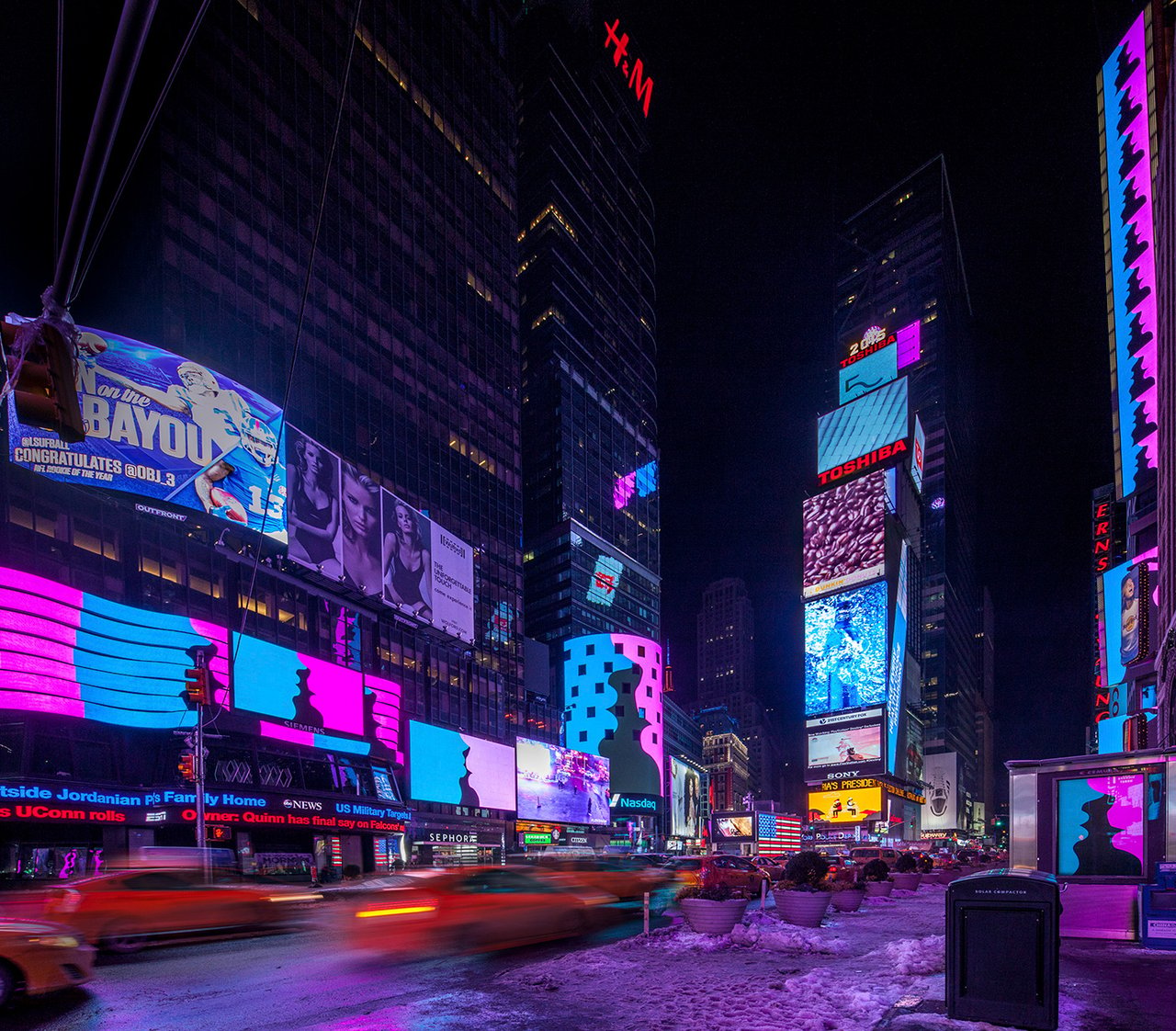
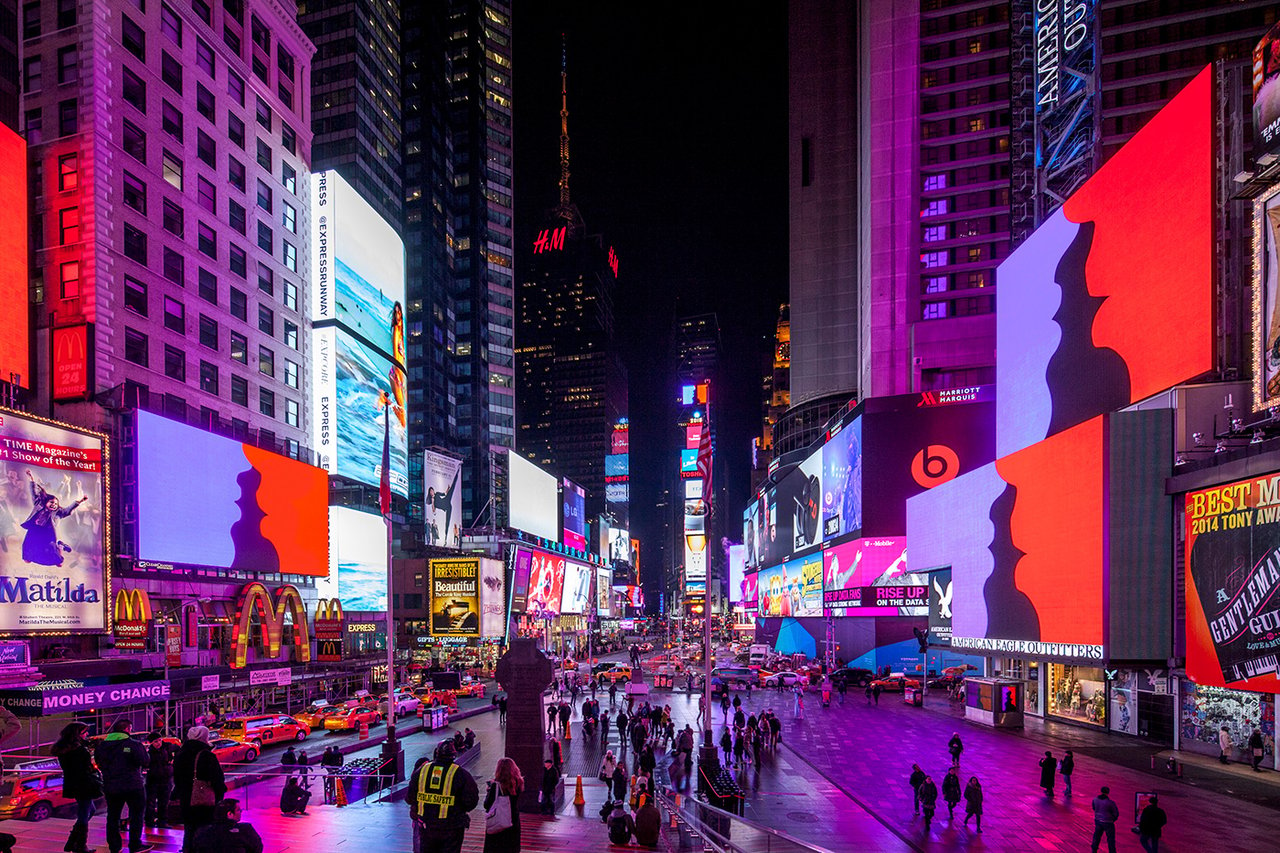
Installation view, Rafaël Rozendaal, “Much Better Than This”, Times Square, New York City, 2015, with work: Much Better Than This (2006). Photography by Michael Wells. Courtesy of the artist
Installation view, Rafaël Rozendaal, “Much Better Than This”, Times Square, New York City, 2015, with work: Much Better Than This (2006). Photography by Michael Wells. Courtesy of the artist
AM: A lot of your work is abstract, but some of your most memorable early websites are very clearly figurative. Why is figuration important to you?
RR: In a group exhibition, I think figurative work tends to work better. The reason I think those works stand out goes back to when I started working with computers.
I remember thinking that all media art looked like swarms of mosquitoes. It was always lots of particles. And I wanted to make an elephant. That was always the best way I could describe it.
I wanted there to be a clear choice. When you start working on a computer, it’s very easy to add variables, then more numbers, and more randomness, and before you know it, you have something that looks like a swarm of insects. I like the clear choice of an artist. It almost doesn’t matter what that choice is. It’s about saying, “I chose this subject.”
AM: You said earlier that you didn’t think you could contribute anything new to painting. Did working with computers give you that sense of possibility for the first time?
RR: From, let’s say, age 15 to 21, I tried everything. I did black-and-white photography and developed my own photos, I made comics, I cut stone, and I did oil painting. And people were always like, “Okay, that’s nice.” But when I started working with computers, they said, “I've never seen anything like this.” When you’re 20, that is such high praise. I didn’t think it was still possible to make something people hadn’t seen before. It seemed impossible. That was really what drew me to it.
I felt that the web was so radical and broke with so many traditions. I almost thought, “Maybe it’s a better story if I never touch any atoms and it’s only [computing] bits.” In hindsight, that restriction wasn’t necessary, but at the time it really felt like open, new territory.
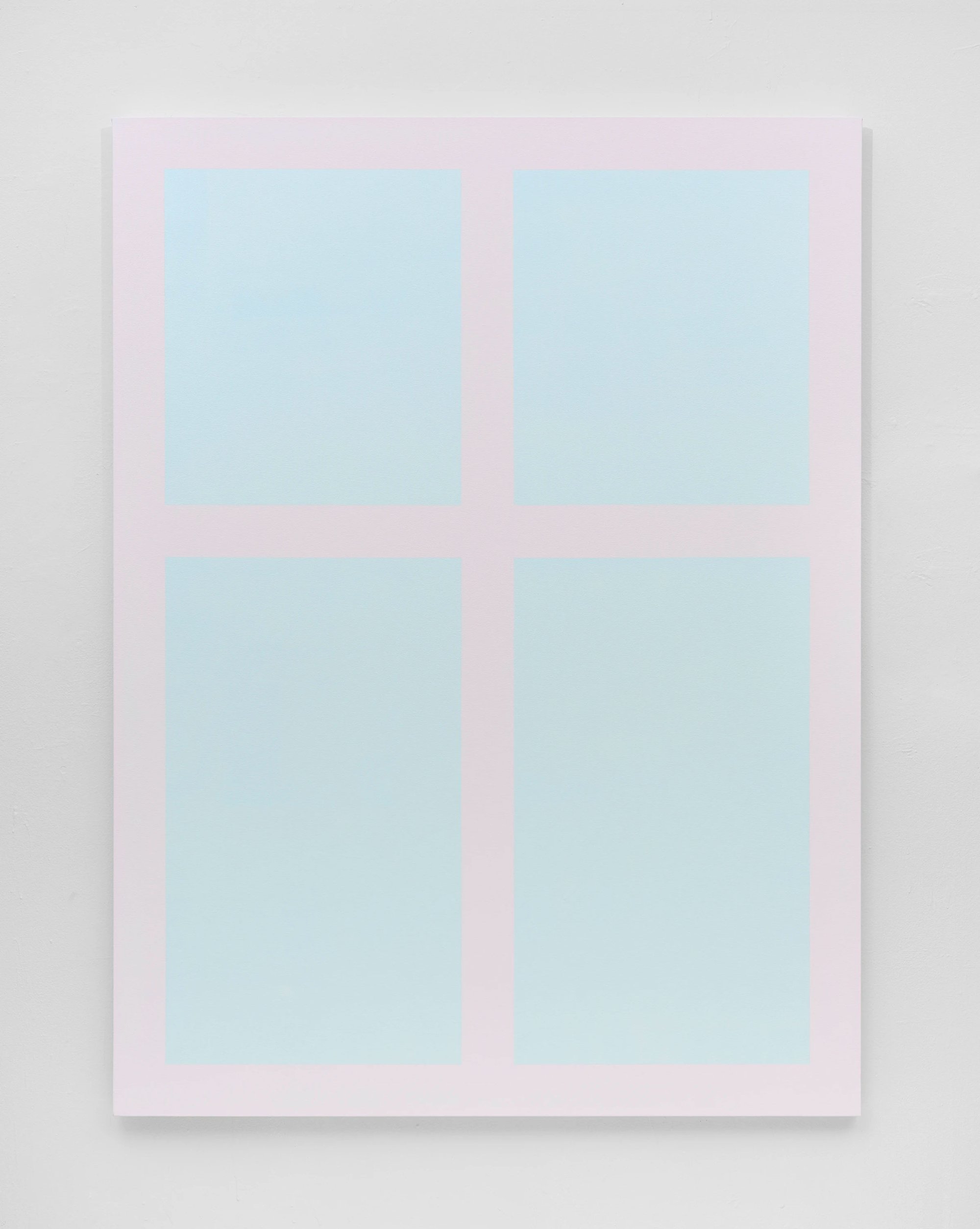
Rafaël Rozendaal, Pink Blue Window, 2025, 168 x 126cm. Acrylic on canvas. Photography by Kyle Knodell
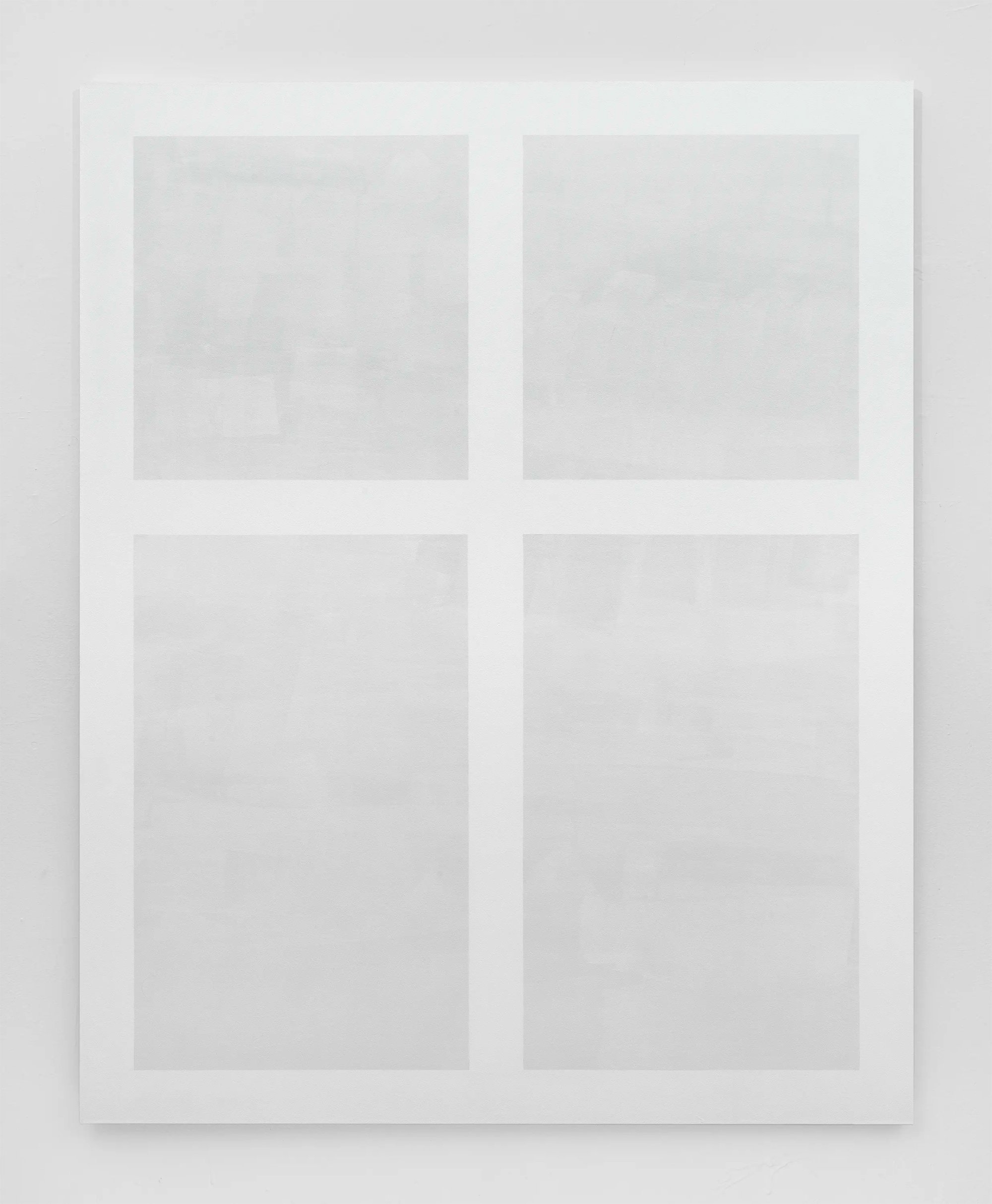
Rafaël Rozendaal, Grey Window, 2024, 168 x 126cm. Acrylic on canvas. Photography by Kyle Knodell
AM: Many artists who started on the internet eventually had to negotiate the relationship between their artistic ideals and having a commercial career. How did you think about that?
RR: What’s funny is that my main commercial success came from the blockchain period. From a financial perspective, painting seems like a very bad decision. If I had just kept going with blockchain, the costs would be so low, AI could now do the programming, the collectors would be there, and the whole ecosystem for payments would be streamlined. And that’s exactly the moment I’m moving away from it. So I’m definitely not painting for commercial reasons.
The irony is that the success of the digital work gave me the resources to start painting. I couldn’t have afforded it otherwise. Digital art made it possible for me to paint.
I was always very open about ownership. I understood its importance from the beginning. I never saw ownership as a bad thing. I thought, “If an artwork is going to live beyond the life of the artist, it has to be owned by others.” It’s that simple. From the beginning, I saw a lot of interesting work in internet culture disappear because there was no ownership. What I see as more of a problem is the attention economy. If I launch a new project, for example, most people might first encounter it as a small square on social media when it was meant to be a full-browser experience. That’s one aspect of the new internet that I don’t like.
But it’s complicated, because I still love making moving images. The open web still exists, and there is still freedom in how you distribute work. So it’s not binary: I’m not saying I’ll never make digital work again. This is just the period I’m in now.
The bigger question for me is, are we actually free to do whatever we want?
Installation view, “Abstract Browsing”, Steve Turner, Los Angeles, 2015, with work: Rafaël Rozendaal, Haiku (2015). Courtesy of the artist
AM: Are we? You said earlier that working with a new technology can make an artist appear radical simply because the technology itself is new. Now, with AI, almost anyone can generate images or write code. What does it mean to be radical when the technology itself is no longer the barrier?
RR: Code feels very different now with AI. It feels more like a home video or iMovie: anyone can code now. I keep thinking about this question. When something becomes easier, does it become less special?
But even if AI had never happened and social media had never happened, after 25 years of making moving images I might naturally have moved toward painting. I tried textiles, enamel, lenticular works, and perhaps painting was simply the natural next step.
With painting, I’m really in control of the color and contrast. I can keep making versions and think, “That blue needs to be a little lighter.” So maybe it isn’t really about social media or me being frustrated with the internet.
The computer has taken on more and more functions. The first computer I bought when I was in art school was probably a ten-year-old Macintosh that I bought from one of my teachers [in the Netherlands] for 100 guilders. It had maybe Photoshop 2 and Illustrator 3, and no internet. It was a very creative, very focused tool because there was nothing else you could do but make something. There was no reading, only writing. Opening a computer today is a very different experience.
Rafaël Rozendaal, Horizon 1, 2021. On-chain NFT. Courtesy of the artist
AM: And yet, when NFTs came along, you became much more productive on the computer again. Before that, you might make three websites a year, each conceived as a unique work. Suddenly you were making editions and generative series. What did that new format open up for you?
RR: One of my collectors on [the on-chain platform] Foundation asked me, “Have you heard of Art Blocks?” I said, “No”. Then they asked, “Do you make generative work?” I didn’t really understand the question because I thought, “I use randomness in all my work, so it’s all generative.” What do you mean? I didn’t know about this idea that one algorithm could generate all these different entities that could then be owned by a group of people.
I would say it was within four weeks of talking to Jeff Davis [Art Blocks’ Chief Creative Officer at the time] that the project launched, and it really changed my life. It felt like a roller coaster. I wasn’t familiar with the format. It just happened.
The reason I made Endless Nameless (2021) was that I had this one work — you could call it a website — that produced so many different compositions that it didn’t feel like a single work. I had kept it on my hard drive for a long time because I didn’t know how to publish it. Was it three works? Five works? I didn’t know. Then suddenly there was this idea of generative minting, and there was a format for something I had already made. The works I released on Foundation were very concise choices. They were even presented as loops. Art Blocks was liberating because it made me realize that each work might contain more possibilities than I had thought.
Eventually, I arrived at a format where I would mint editions of between 20 and 40 works on my own website. I always make the work first without thinking too much about the format. I click through it, generate outputs, and see what feels right. I don’t think about what would make the most money. I follow the potential of the work itself.
For the last two years, I’ve just been making works that I call “unreleased” because I have no idea what they are yet. I don’t know whether they’re unique works or series. I’m just waiting. Maybe some will become one-of-ones. I don’t know. I make them whenever I feel like making them.
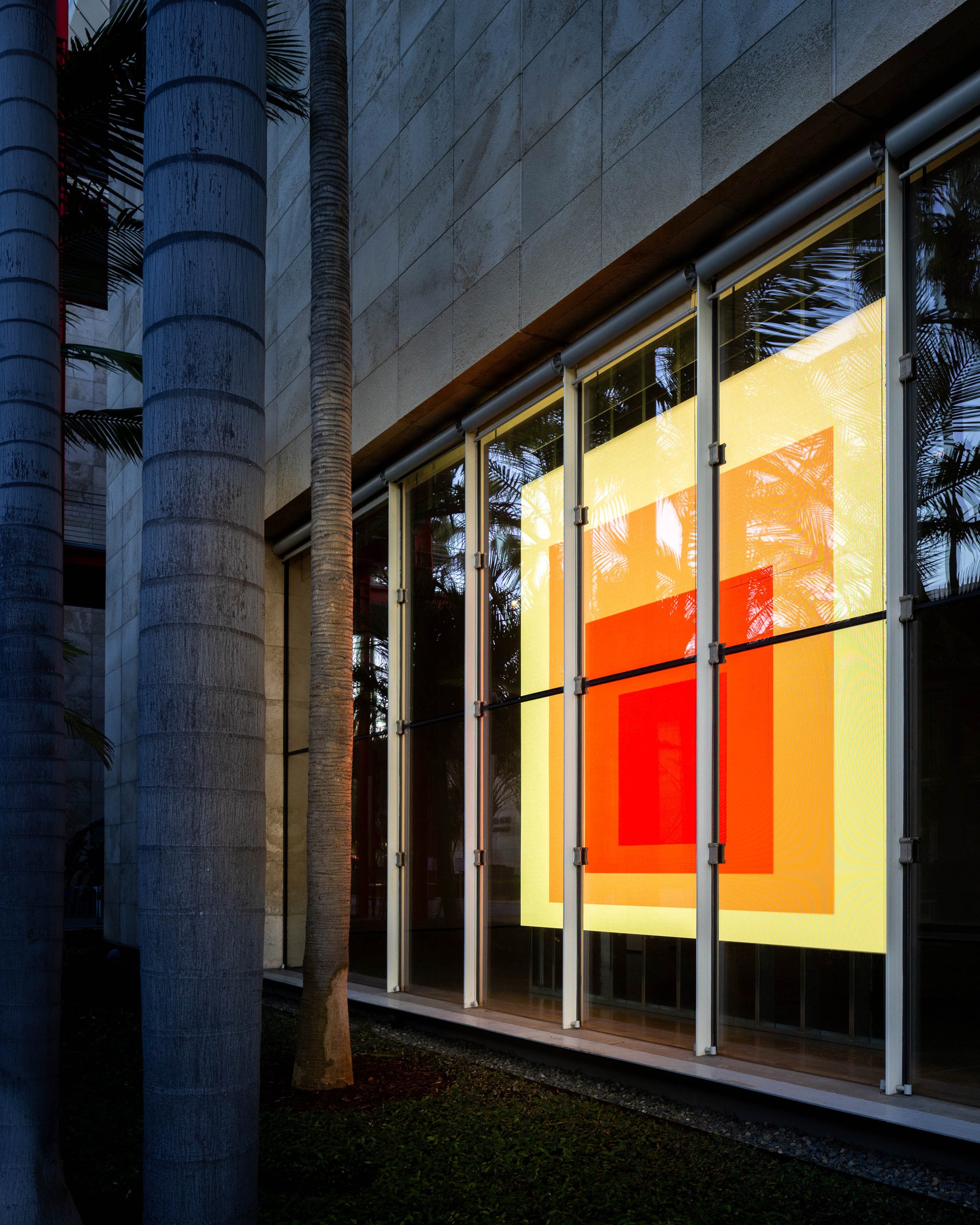
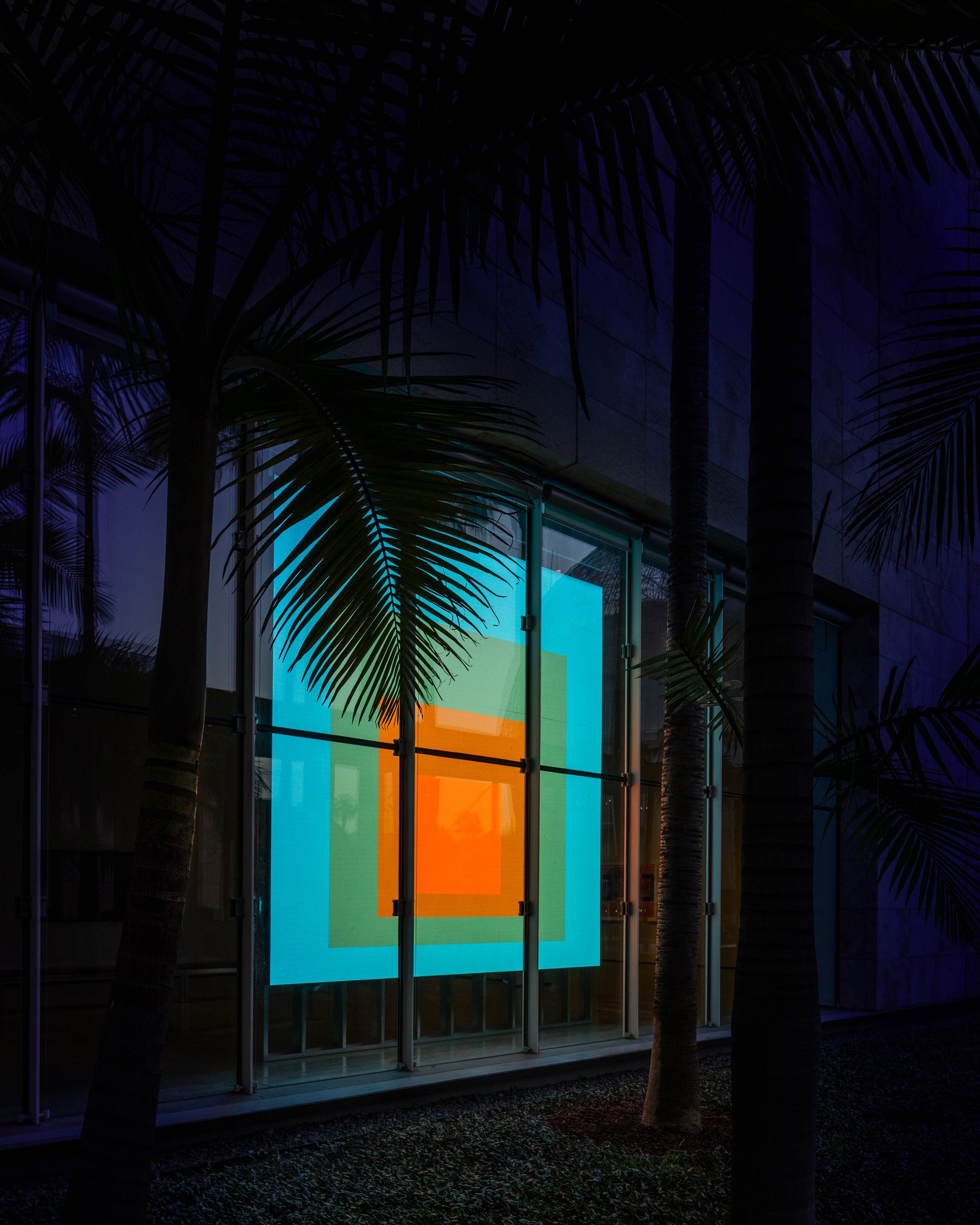
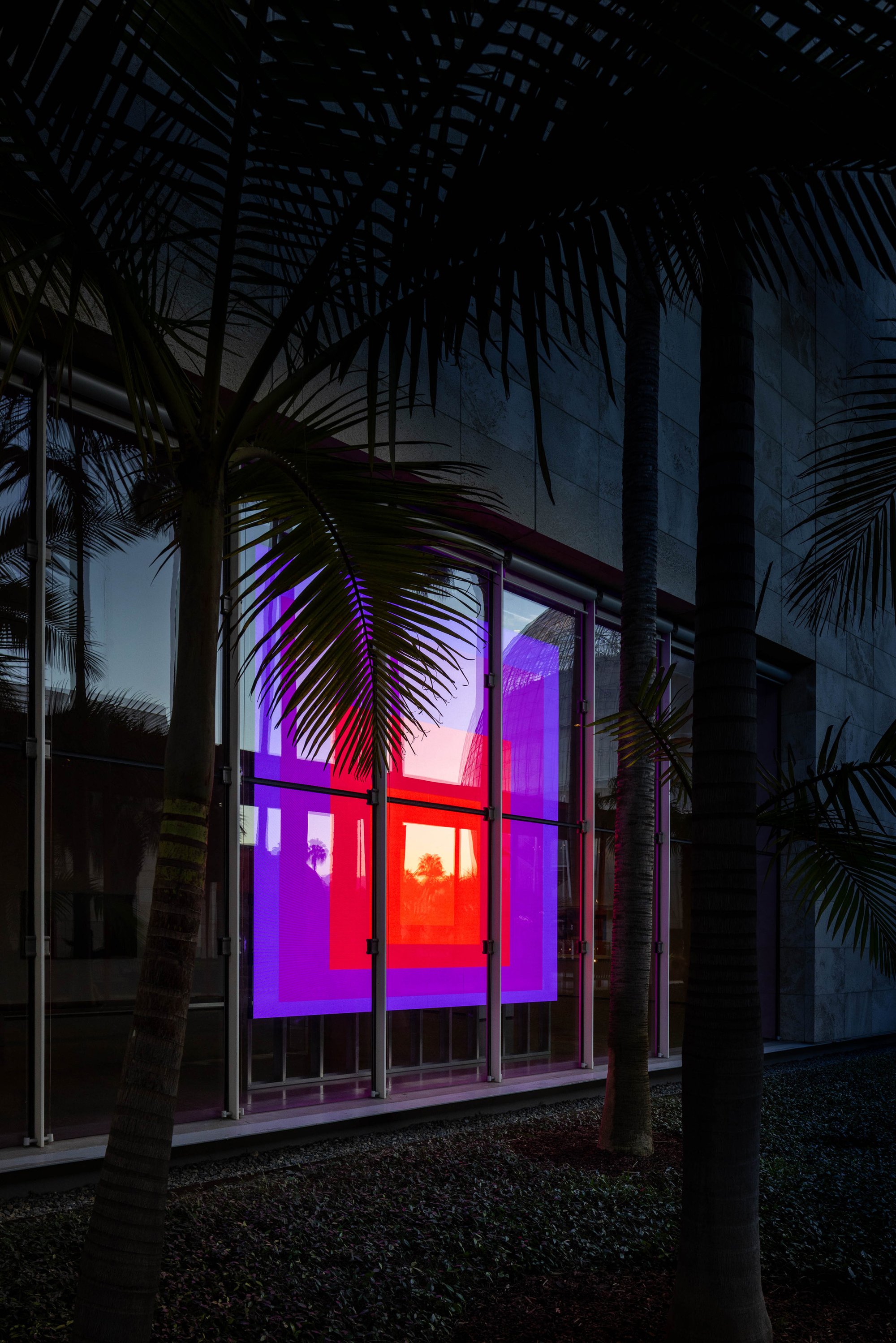
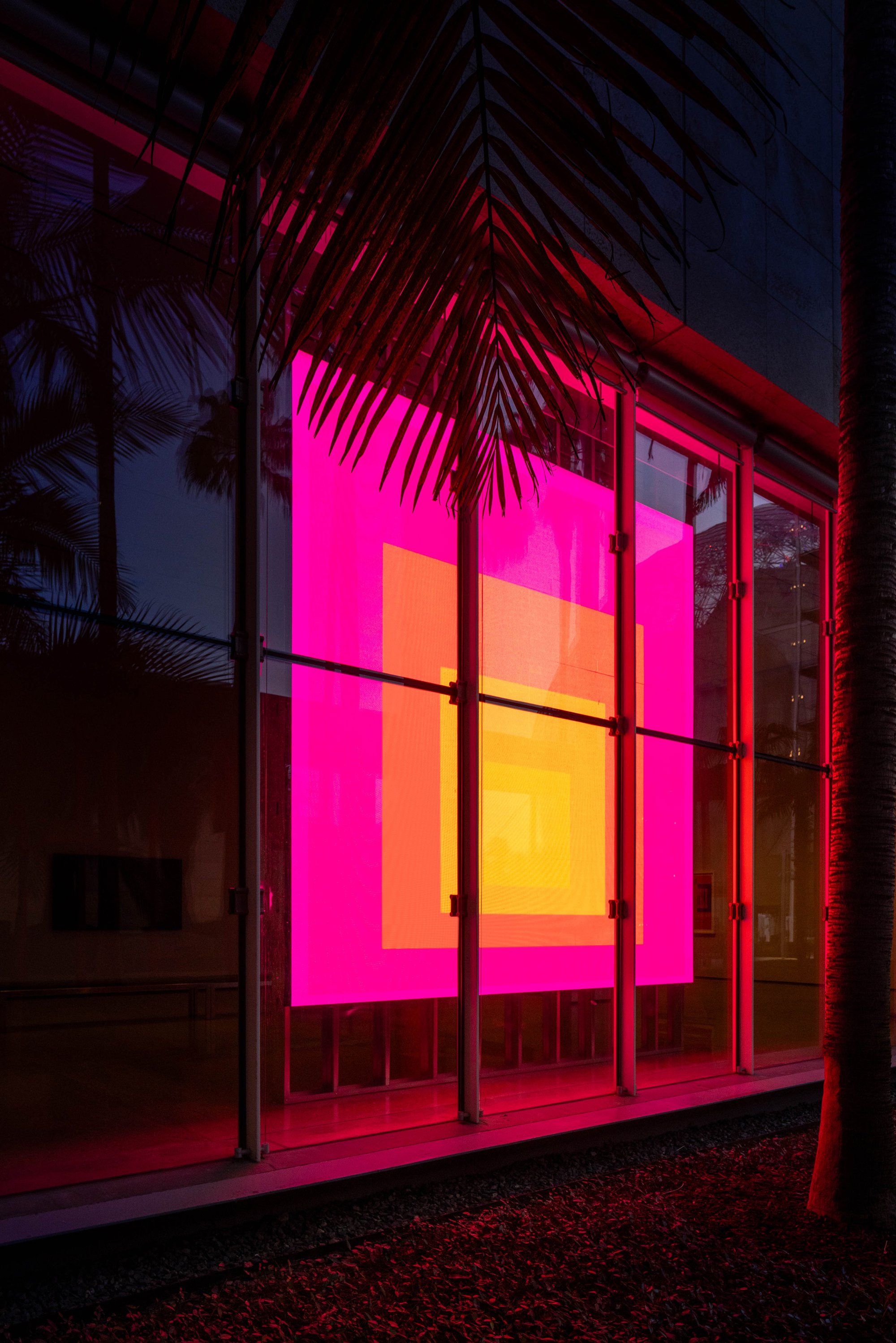
Installation view, “Digital Witness: Revolutions in Design, Photography, and Film”, Los Angeles County Museum of Art (Lacma), 2024-25, with work: Rafaël Rozendaal, Homage (2022-23). Photography by Michael Wells. Courtesy of the artist and Lacma
Installation view, “Digital Witness: Revolutions in Design, Photography, and Film”, Los Angeles County Museum of Art (Lacma), 2024-25, with work: Rafaël Rozendaal, Homage (2022-23). Photography by Michael Wells. Courtesy of the artist and Lacma
Installation view, “Digital Witness: Revolutions in Design, Photography, and Film”, Los Angeles County Museum of Art (Lacma), 2024-25, with work: Rafaël Rozendaal, Homage (2022-23). Photography by Michael Wells. Courtesy of the artist and Lacma
Installation view, “Digital Witness: Revolutions in Design, Photography, and Film”, Los Angeles County Museum of Art (Lacma), 2024-25, with work: Rafaël Rozendaal, Homage (2022-23). Photography by Michael Wells. Courtesy of the artist and Lacma
AM: Let’s go back to that period for a moment. What I enjoyed about following your releases was that each one seemed to explore a new subject or a new approach to color. You never quite knew what would come next. Why did you eventually stop publishing at that pace?
RR: It was very fun. I stopped because I had the MoMA exhibition [in 2024-25]. I didn’t want to use that exhibition as a platform for selling work. It felt strange. Before Foundation, around 2019, I was still making works, but I had stopped buying new domain names. I thought, “Am I going to be 90 years old managing 10,000 domain names?” That doesn’t sound like a good life. And I wasn’t selling many of them.
At the time, I had around 100 websites, and maybe ten of them were sold. I imagined this future where I would just be paying for servers and eventually be broke. So I kept making work, but I stopped publishing it.
When Foundation happened, I had a folder with maybe 30 good unpublished works. It just came at the right moment. None of those were existing domain works that I turned into NFTs. They were different works. Then Art Blocks happened, and I became really excited about creating works with many variations. I kept publishing, and at some point they told me: Take it easy. You can’t publish this much. And I thought, “What is this?” I’m an artist. I should be able to make as much as I want. So I made my own NFT website using their backend. I really believe that work becomes better when you’re allowed to make mistakes.
The best way I can explain it is Van Gogh. If you see his work at the Van Gogh Museum, not every painting is a slam dunk. We know the famous ones, but he made an enormous number of paintings. You can see him struggling. Sometimes the work is a little muddy or the focus isn’t there, but you can see the choices he was making. I really admire that vulnerability. I like the idea of failing in public. Some works are better than others, and that’s okay. I wanted that freedom.
Rafaël Rozendaal (1980) is an artist based in New York. 🍎 “Fun is important.” 🏛️ Exhibitions: MoMA, Times Square, Museum Folkwang, Centre Pompidou, LACMA, Whitney Museum, Valencia Biennial, Casa Franca Brasil Rio, Seoul Art Square, Stedelijk Museum. 📖 Lectures: Yale, DLD conference, Ecole des Beaux Arts, NYU, Vivid Sydney. 📁 Collections: MoMA, Whitney Museum, Centre Pompidou, Stedelijk Museum.
Anika Meier is a Berlin-based writer, moderator, curator, and lecturer specializing in art, technology, and digital culture. She teaches at the Department of Digital Art at the University of Applied Arts Vienna, is the co-founder of the curatorial collective The Second-Guess, and is the curator and program lead of the objkt labs Residency. She regularly contributes to Monopol, Kunstforum, Spike, SLEEK, Numéro Berlin, and The AI Art Magazine, and has moderated conversations and spoken at events including Art Basel, re:publica, and Ars Electronica.