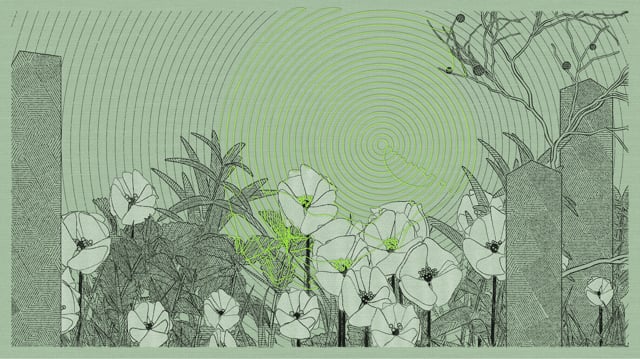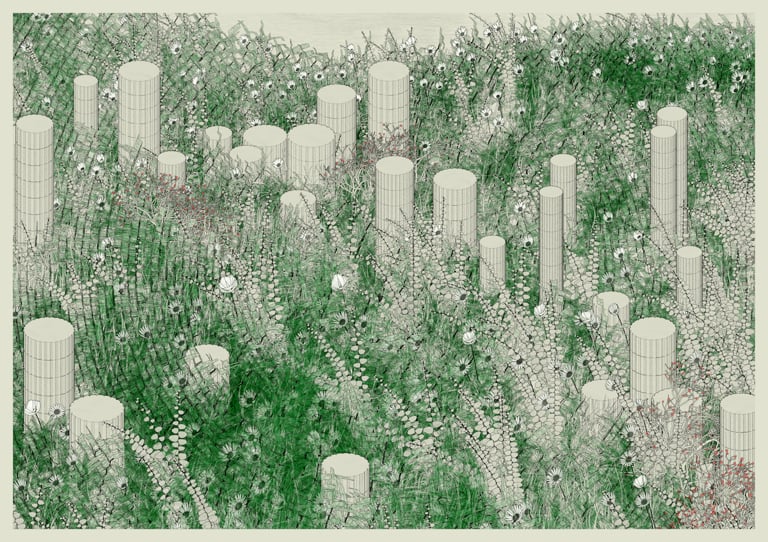
Zancan, Lushtemples — Ars Ex Naturae Ex, 2021. Minted on fxhash. Courtesy of the artist
On fxhash and the End of Radical Inclusivity
The trailblazing generative art platform, launched in December 2021, fostered a golden generation of creative coders
Zancan, Lushtemples — Ars Ex Naturae Ex, 2021. Minted on fxhash. Courtesy of the artist
The trailblazing generative art platform, launched in December 2021, fostered a golden generation of creative coders
The closure of the trailblazing generative art platform fxhash on August 17, 2026, was long expected — all but one of its team had already been let go six months ago — yet it remains a heartbreaking moment in the history of digital art.
As an online space where anyone with a literacy for code could mint generative art, and anyone with an interest could buy it, fxhash preserved the vision of a more affordable, horizontal, and inclusive creator economy long after the NFT bust of 2022.
In an article on fxhash’s collectors, published in May 2022, Jason Bailey, co-founder of Right Click Save and ClubNFT, described the platform as “the organic antidote to the top-down, hypercommercialized NFT platforms dropping overpriced work by a small number of poorly curated artists.”
Launched in December 2021 by the software engineer Baptiste Crespy, better known by his artist name Ciphrd, fxhash was the ultimate social sculpture, allowing a new golden generation of creative coders a place to explore vast output spaces comprising many hundreds of variations. The fact that each of these outputs could also be transacted by way of the blockchain, following the precedent of Art Blocks, cemented the reality of a mass market for code-based generative art that had always been a marginal field.
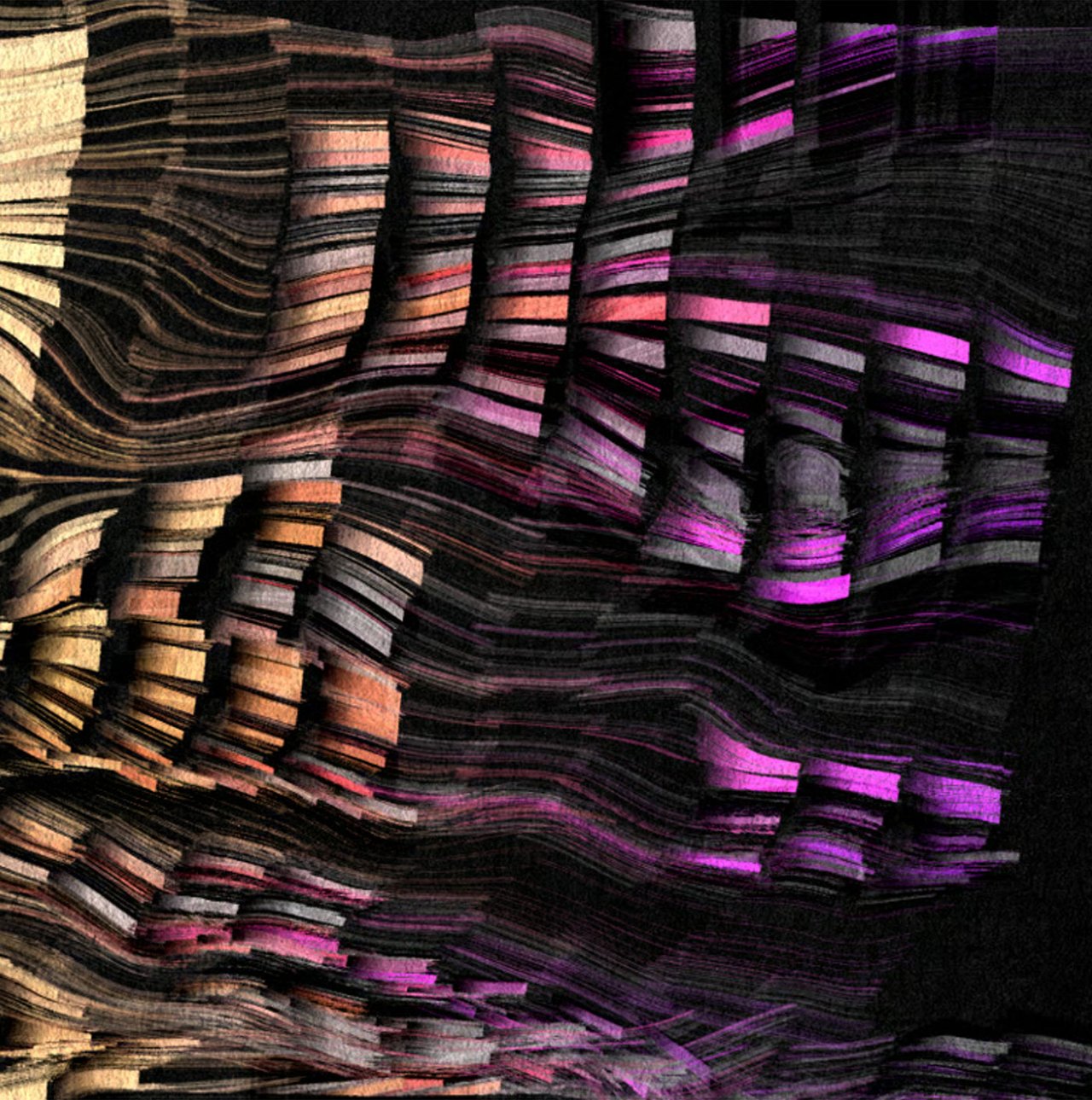
William Mapan, Dragons #7, 2021. Minted on fxhash. Courtesy of the artist
Indeed, it was arguably the climate of playful competition between Art Blocks and fxhash — as well as their principal blockchains, Ethereum and Tezos — that elevated the status of software engineers all over the world to the level of fine artists. If that is to be the ultimate legacy of both platforms then they will have made a towering contribution to the history of art, expanding the canon to include creative practices, and communities of people, that had previously been excluded.
As the latest in a sad sequence of closures of Web3’s vital market infrastructure, however, the end of fxhash marks the end of an era of radical inclusivity that had been catalyzed by the crypto art movement and encapsulated in the short-lived digital art utopia of Hic Et Nunc.
The reality of an alternative economy where digital artists from all over the world could make a living wage from their work while earning royalties from every resale, is now a distant memory. Instead, digital art’s assimilation by, and centralization within, new and reimagined museums and galleries continues apace, exemplified in the art-fair giant Art Basel’s Zero 10 initiative for art of the digital era.
As a publication that has always sought to uplift communities that are overlooked by the mainstream art world, Right Click Save shares much in common with the original ethos of fxhash, indeed we launched only a month after their platform opened. Though digital art would have doubtless thrived regardless, without the creative energy and inherent generosity of the fxhash community it would have been considerably impoverished.
Fxhash, we salute you and will continue to uphold the inclusive vision of generative art that you imagined.
Alex Estorick is the Founding Editor of Right Click Save
No comments yet. Be the first to share your thoughts.