The artist Dev Harlan argues, in “WYSIWYG”, a group show he has organized on eBay, that digital art is meaningless without mediation by the technology or infrastructure through which it is experienced
The group show “WYSIWYG (And Other Things You Can Buy on eBay)”, organized by Dev Harlan, is online on eBay until October 9, 2026. The 16 participating artists are Benton C Bainbridge, Peter Burr, Chris Coleman, Alexa Crouwers, Bridget DeFranco, Exonemo, Mark Fingerhut, Matthew D. Gantt, Sarah Grant, Dev Harlan, Yifei He, Konstantina Mavridou, Zsolt Mesterhazy, Michael Neff, Motomichi Nakamura, Taezoo Park.
“Like a mind without a body, the digital is meaningless without mediation by the physical technology or infrastructure by which it is experienced.”
— Dev Harlan
The artist Dev Harlan is staging a digital art exhibition on eBay. The group show “WYSIWYG”, involving Harlan and 15 other artists, is a testament to his interest in how today’s variety of online platforms — the 2026 embodiment of Marshall McLuhan’s message-bearing mass media — offers a range of framings for digital art.
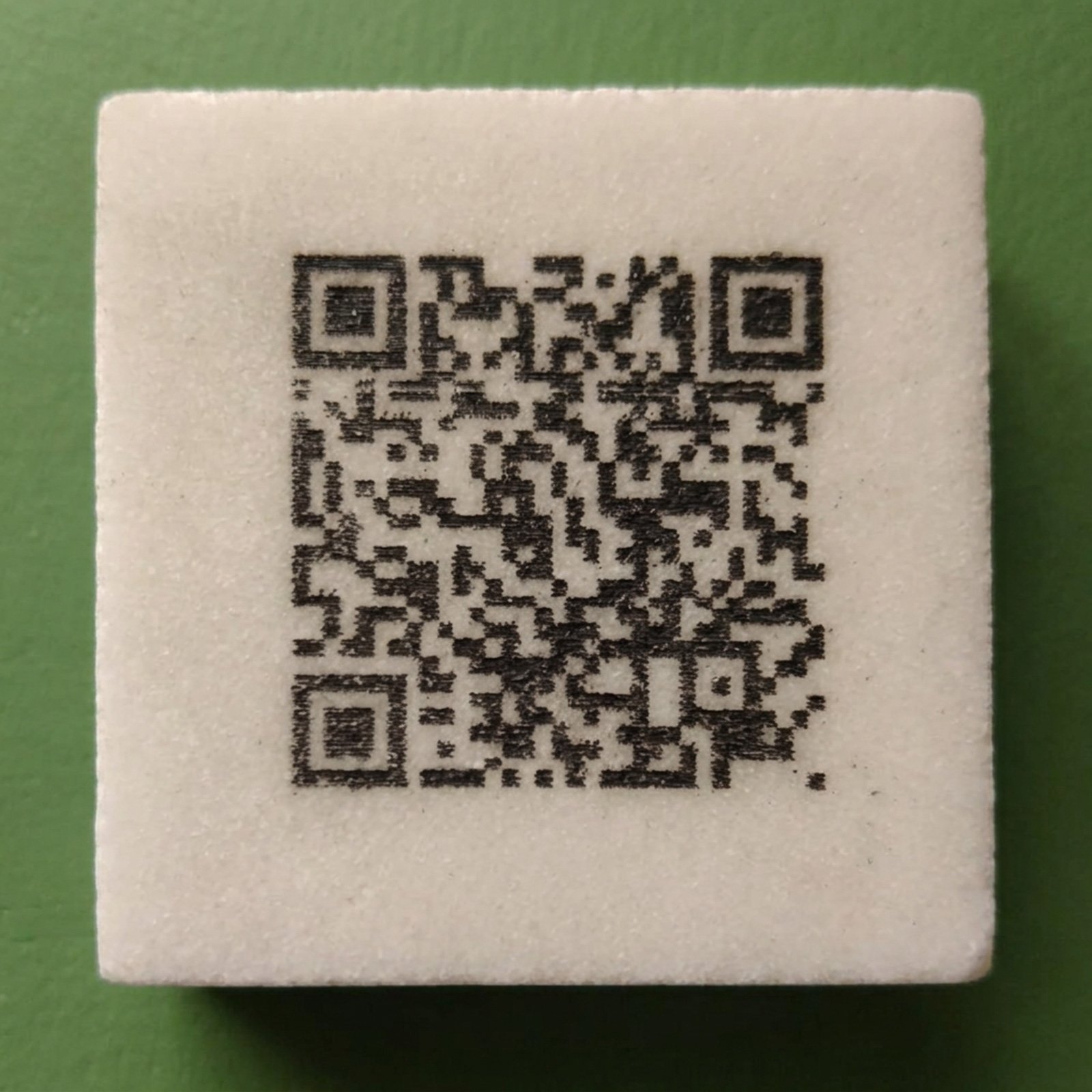
Harlan spoke to Right Click Save about the show’s ambitions, and the “cheeky ambiguity”, and invention, shown by participating artists — with contributions ranging from hacks of the eBay listing itself to excerpts of a computational sound performance translated to QR codes, and printed on marble. He also discusses how working with eBay enables the participants to deploy auction techniques that mirror the “speculative logic of major art auction houses, but stripped of any curatorial pretense, where a classical marble and a used blender may be seen side by side”.
exonemo, ud1dris1vgpwu0semsdud9uadpt9aqhgeinudlv7ouhzj6h76ujo5yr7ccvwvqy.land, 2026. Courtesy of the artist
Michael Neff, THIS IMAGE HAS BEEN DELETED (WYSIWYG), 2026. A new image is served every 90 seconds to an eBay listing. Courtesy of the artist
Michael Neff, THIS IMAGE HAS BEEN DELETED (WYSIWYG), 2026. A new image is served every 90 seconds to an eBay listing. Courtesy of the artist
Louis Jebb: With “WYSIWYG” you are putting on an online exhibition of digital artwork much of which is shippable in physical form. The work is being auctioned on eBay. You have explained that the “substrate” of digital art, whether it is consumer electronics or the infrastructure of networked platforms, has always been “hiding in plain sight”; that the digital is meaningless without its association with a platform, blockchain, or a physical housing in consumer electronics. There are many layers to unpack here. But first, why did you decide to host the show on eBay?
Dev Harlan: I am from the Bay Area, so I feel some weird affinity for a company that I used to drive by regularly. To be serious, I think it is not sufficiently studied how the multiplicity of platforms conditions how art today is distributed and contextualized online. Whether Etsy or Artsy, Tumblr or Objkt, each imposes a different lens and framing, sometimes nuanced, often blatant, that is just as coded as any museum or gallery context.
I think eBay was an instinctual choice for me, as I have a memory of when the platform felt more like Craigslist: scrappy, utilitarian, and not a place you would look for art. It’s a more streamlined corporate vibe now, but still there is an interesting flattening effect when placing something in such a wide-open marketplace that I find is revealing of what platforms do.
What also interests me is the ability to perform auction mechanics that mirror the same speculative logic of major art auction houses, but stripped of any curatorial pretense, where a classical marble and a used blender may be seen side by side.
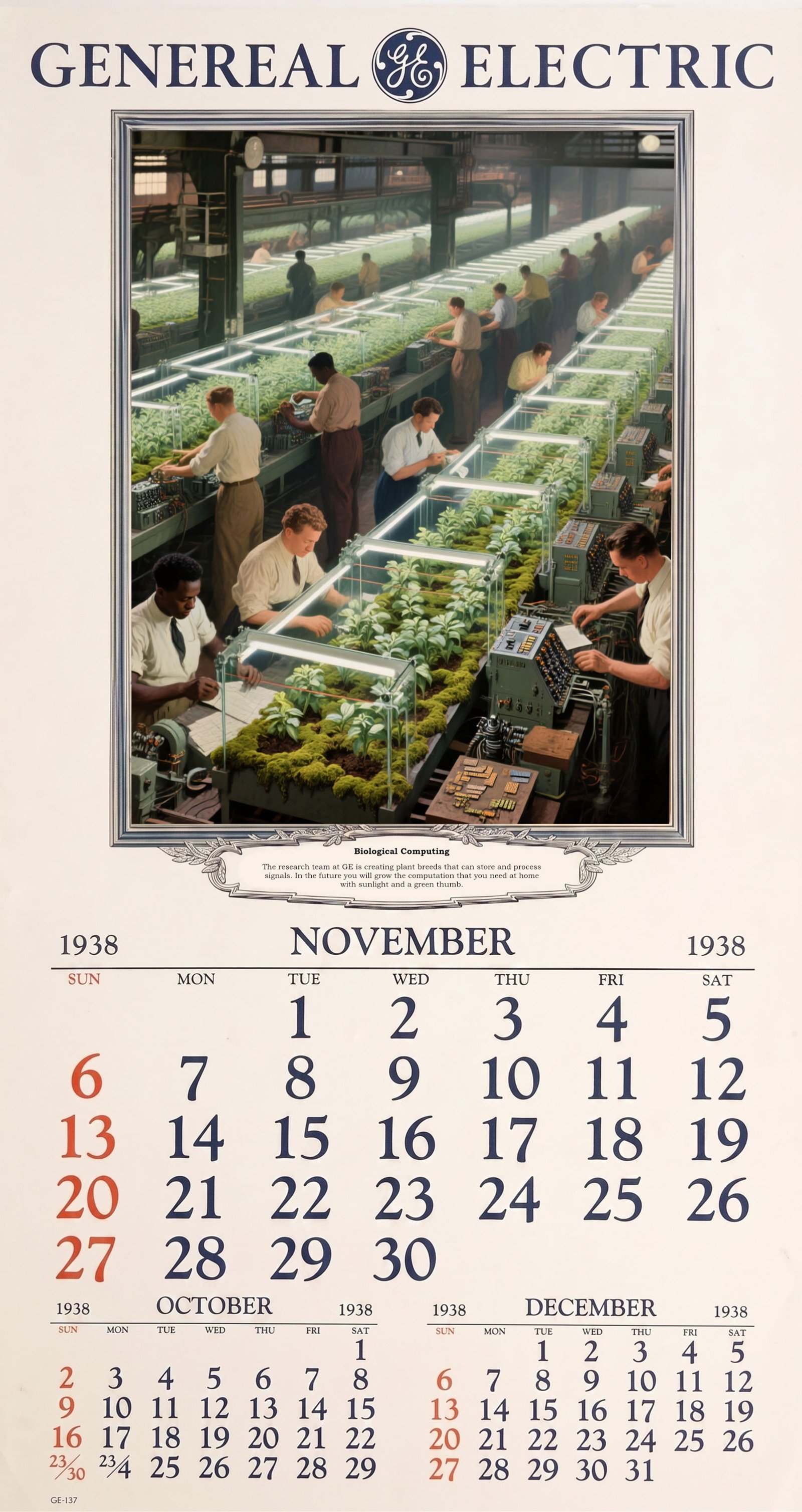
Chris Coleman, Genereal Electric 1938 Calendar, 2026. Courtesy of the artist
Konstantina Mavridou, MARBLE PIXEL, 2026. Courtesy of the artist
LJ: You have said that the show argues against a specific kind of innocence, the idea that the digital gets to have its costs waived because it's "just information", weightless and elsewhere. Could you expand on that?
DH: Yes, I think there is a tendency for digital art to imagine itself untethered from the material world, free of the market's usual demands on physical objects.
Yet media always requires mediation. There must be a screen on the gallery wall or on your desk. There must be a computer, video player, or some device to run the software. Digital art is contingent on myriad pieces of hardware entangled in systems of global extraction and technocapitalism, and part of the goal of the show is to make those contingencies visible.
Even a net artwork must rely on some server infrastructure, typically within a large data center, to be served up to a browser.
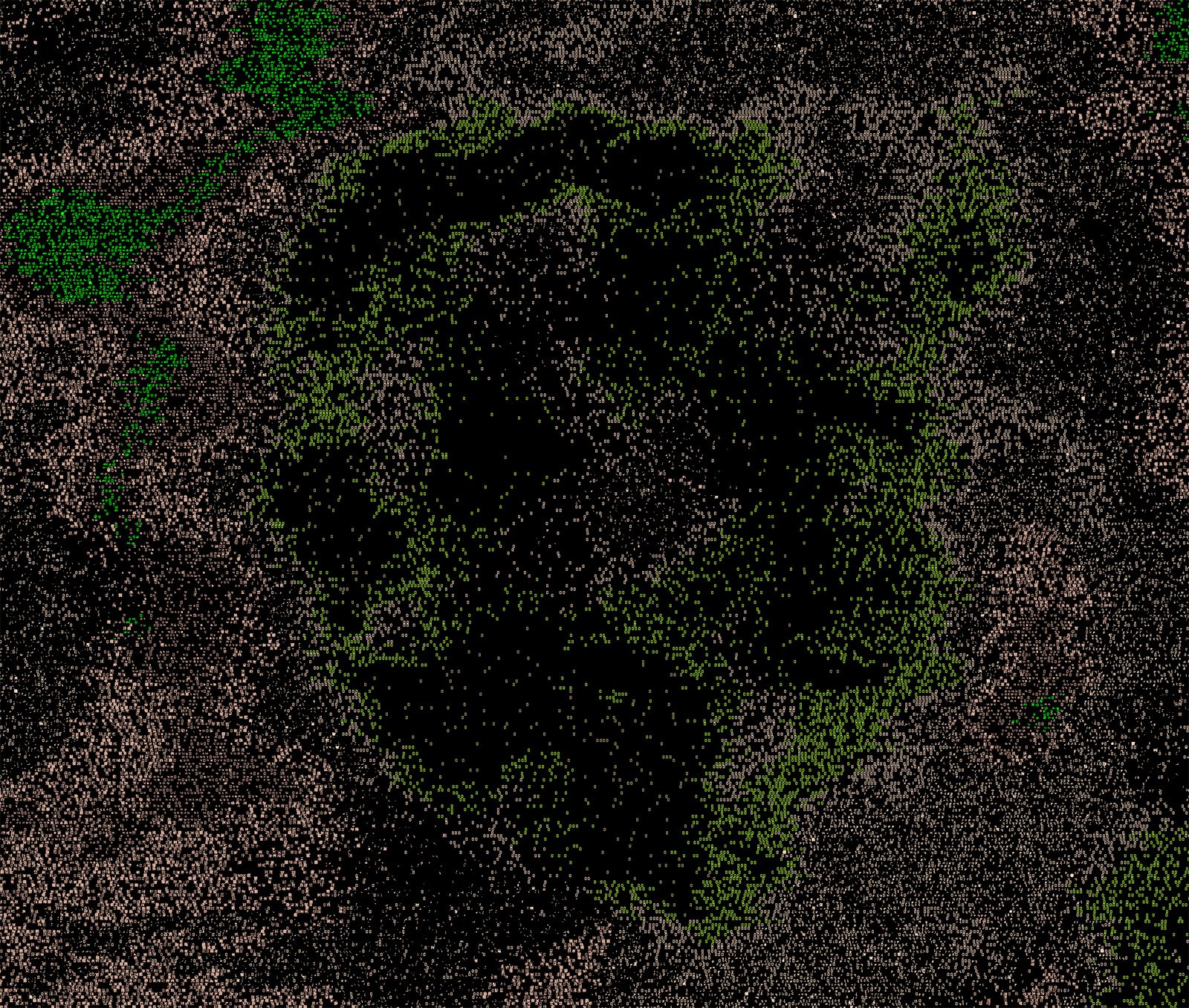
There are two artworks in the show that work on that infrastructural level. For example, Michael Neff hacks the description of the eBay listing itself to serve up real-time hotlinked images from a randomized set hosted on his own server. You receive a print of the image in the listing at that moment of purchase. Exonemo has created a net artwork that creates an ASCII art topography in the browser, and the eBay auction transfers ownership of the domain.
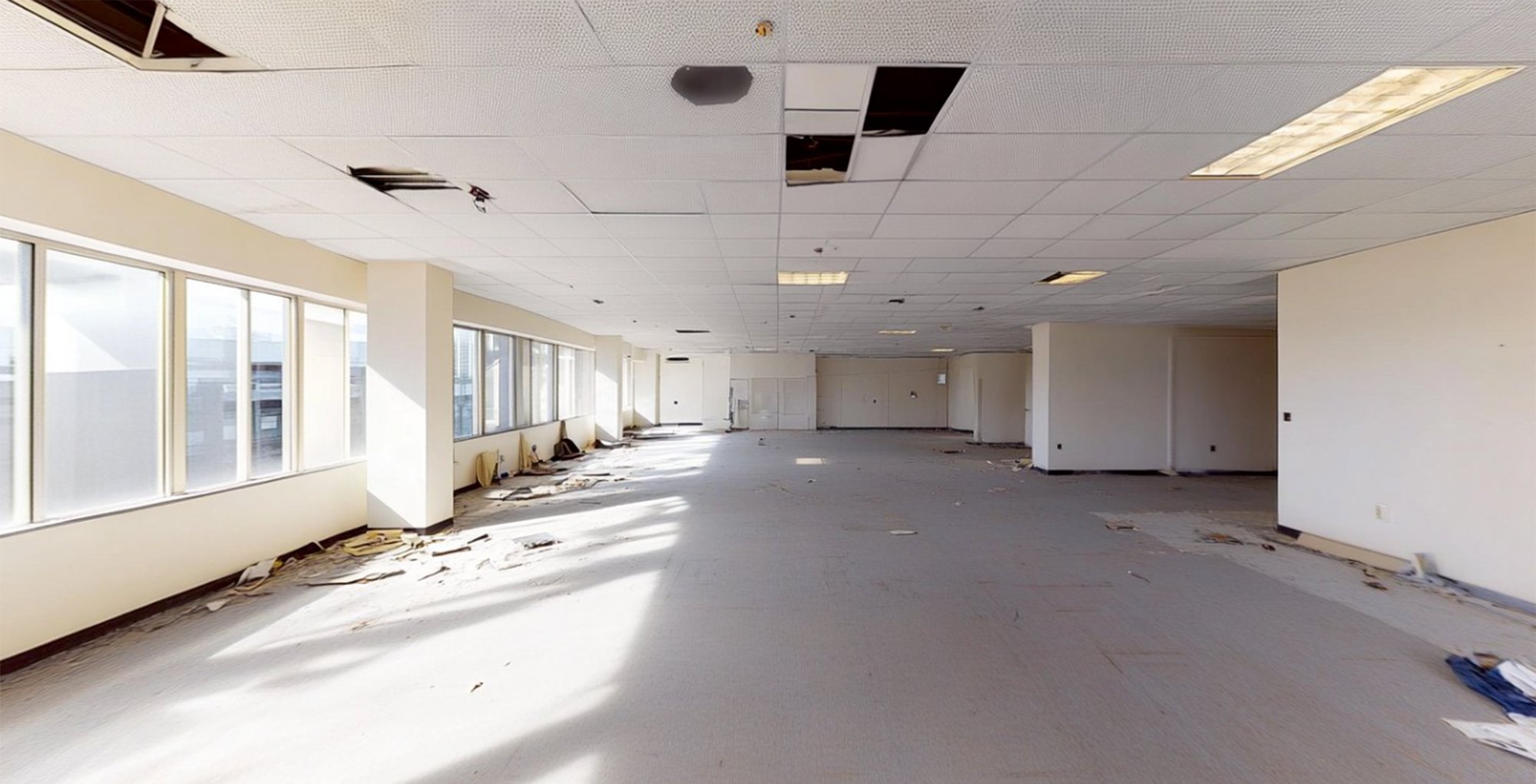
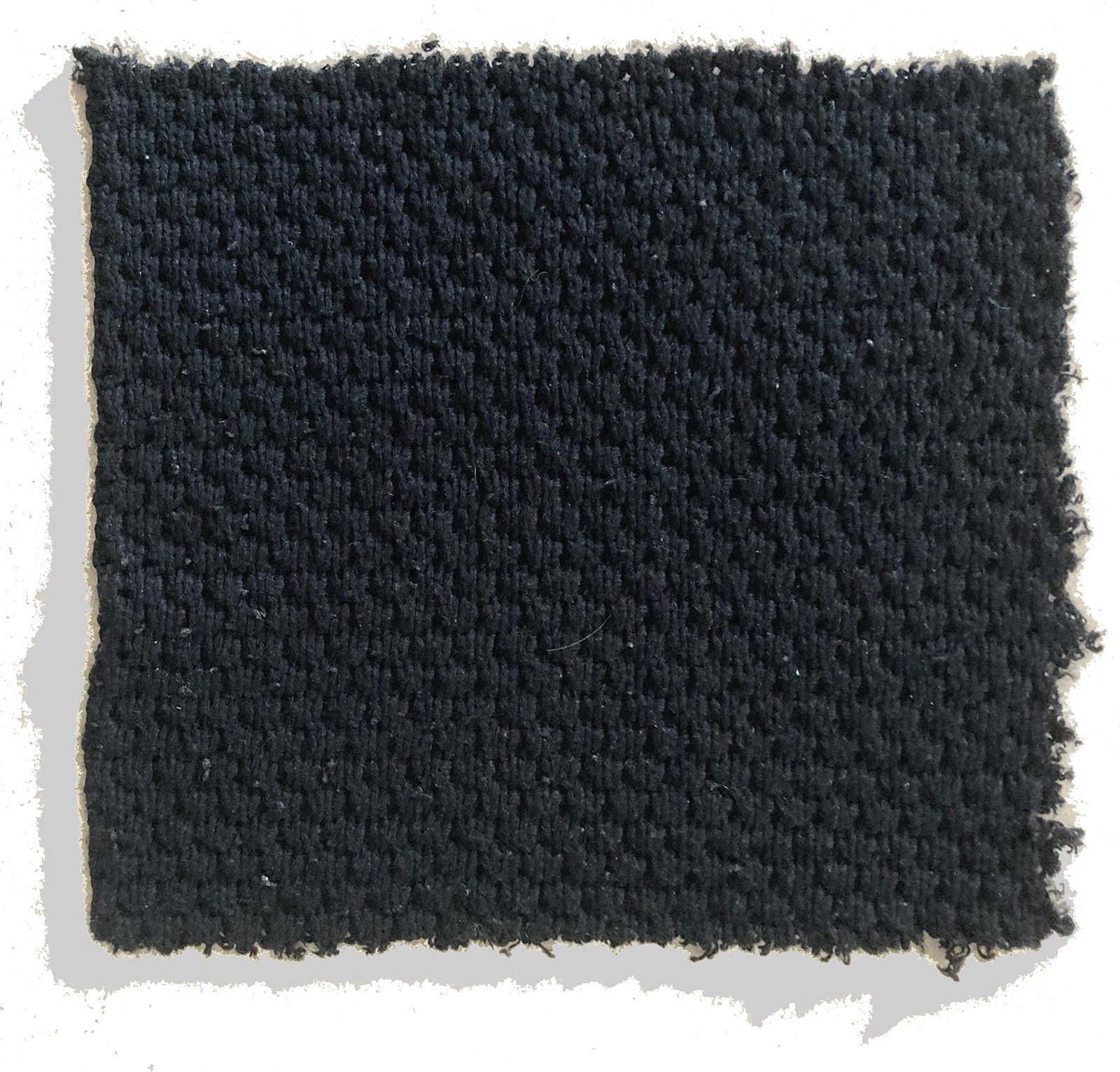
Zsolt Mesterhazy, Achoo!, 2026. Courtesy of the artist
Yifei He, Deck of Time: A Farewell/Closer, 2026. Courtesy of the artist
LJ: How have your fellow artists responded to the challenge of supplying work for “WYSIWYG” and what have you learnt from their responses?
DH: eBay's old slogan promised, “Whatever it is, you can get it on eBay.” The artists in the show test that claim with inventiveness and humor, and I was truly surprised at the variety of interpretations of my original brief. Konstantina Mavridou, for instance, has translated excerpts of a computational sound performance to QR codes, printed on marble. Chris Coleman has produced a printed 12-month calendar in which each monthly image is generated by a model trained on extant paintings from one of his early 20th-century ancestors.
I think I learned that my own concept needed to be more fluid. The filmmaker Yifei He will create a deck of cards from stills of her past films, such that the narrative may be reorganized by the owner. The veteran media artist Zsolt Mesterhazy will deliver to you a square patch of fabric sheared from his woven cardigan on which he has sneezed. Indeed, what you see is what you get.
LJ: You have described the approach of the show as speculative, like an auction house sale, but where the work is displayed for sale without “curatorial pretense”. And there is a clear variety in approach from the exhibiting artists: with some shipping work in USB drives, or classic computers, while others are using the server infrastructure of eBay as their basic material. How is an art object to be interpreted in this context?
DH: Not to oversimplify, but you could say the show is a form of McLuhanism, but with more steps. The context of eBay, a long-tail auction platform, is not where you expect to find contemporary art, much less conceptual digital artworks. But it is exactly that cognitive disconnect that I think becomes interesting. It underscores how platforms necessarily condition how any image, art or otherwise, is apprehended over mass media, at present the internet. This is basic McLuhanism.
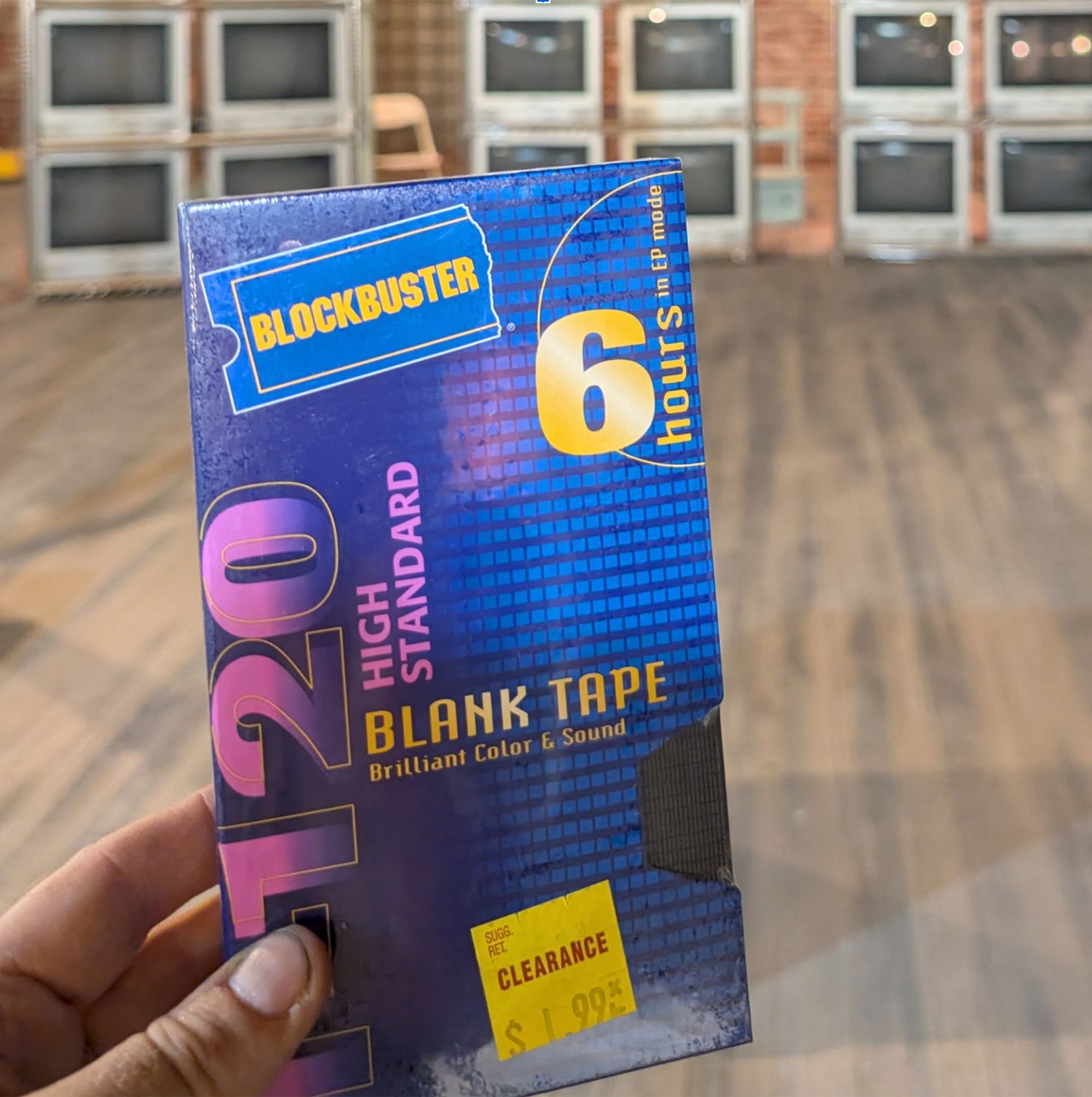
Benton C Bainbridge, Early Abandoner, 2026. Courtesy of the artist
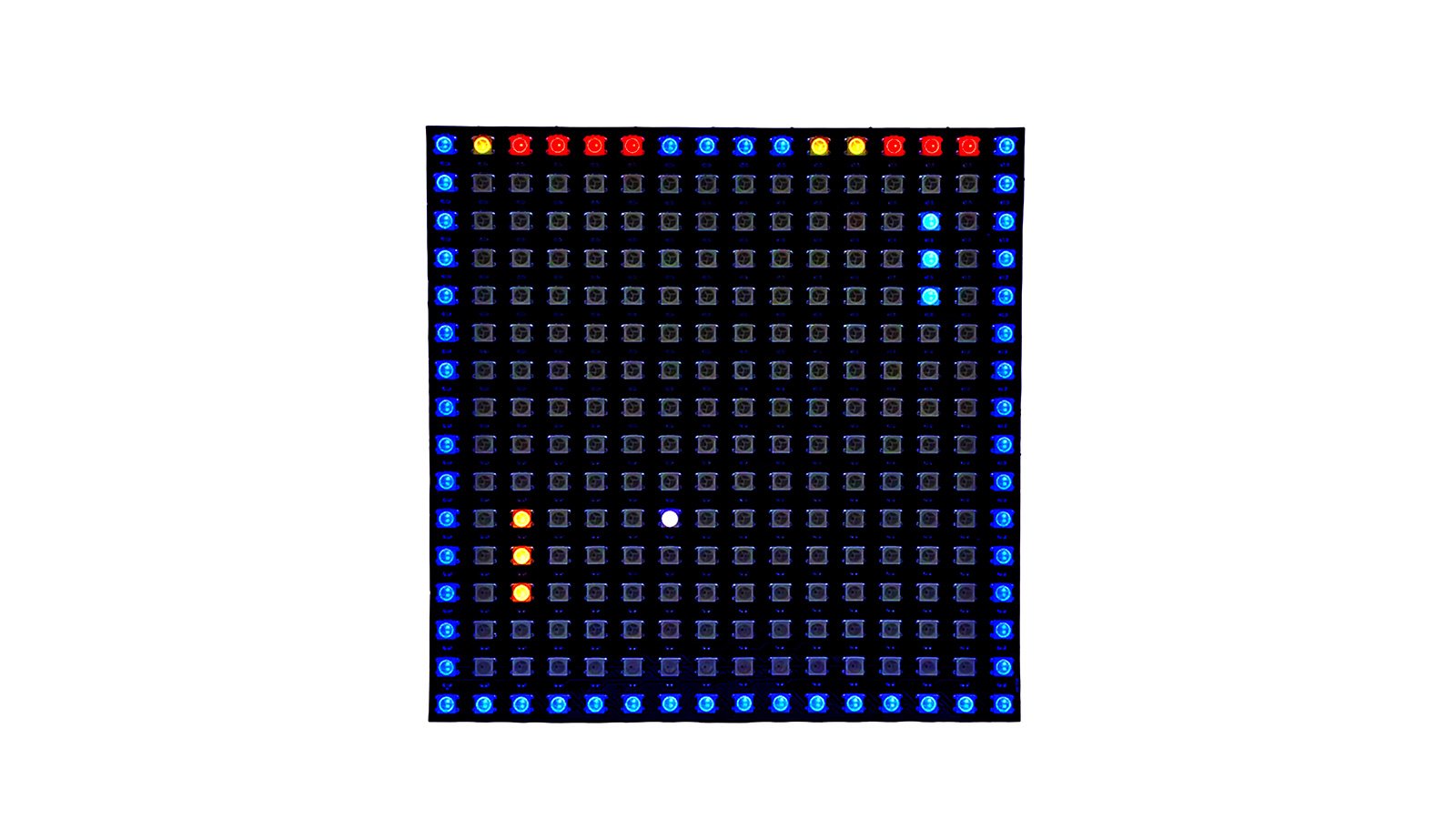
Taezoo Park, Digital Being: Sisyphus-Pong, 2026. Courtesy of the artist
I also think a cheeky ambiguity emerges for many of the works in the shows. Benton C Bainbridge, pictured holding a shrink-wrapped VHS tape, for instance, or Taezoo Park’s LED matrix, begin to resemble the kinds of tech equipment listings that are already ubiquitous on eBay. So, the medium is a mixed message.
LJ: An artist like Jan Robert Leegte has seen the browser window as a sculptural object, just as Maya Man sees a wall-mounted iPhone displaying her work at bitforms gallery, New York, as a sculpture. Are both cases of artists working in a way that understands the moment of embodiment?
DH: Yes, however, I think Leegte and Man are doing something altogether different. A sculpture in the shape of a browser, for instance, is representational, a shared cultural referent to the idea of networked information. On the other hand, Man putting an iPhone on the wall shortcuts representation. The object is the index. Man is also working with digital embodiment, as the software artwork is necessarily embodied in that device.
The cameras and TVs used by Nam June Paik or Bruce Nauman are apt precedents for appropriation of a media technology as sculptural object. However, there is more happening than a Duchampian readymade; the mediating technological object is also a functional part of communicating the artwork. In Man’s case, the iPhone performs as an appropriated object, loaded with all the representational meaning associated with mobile devices. Moreover, it acts as the functional embodiment of a software artwork with its own radical fluidity.
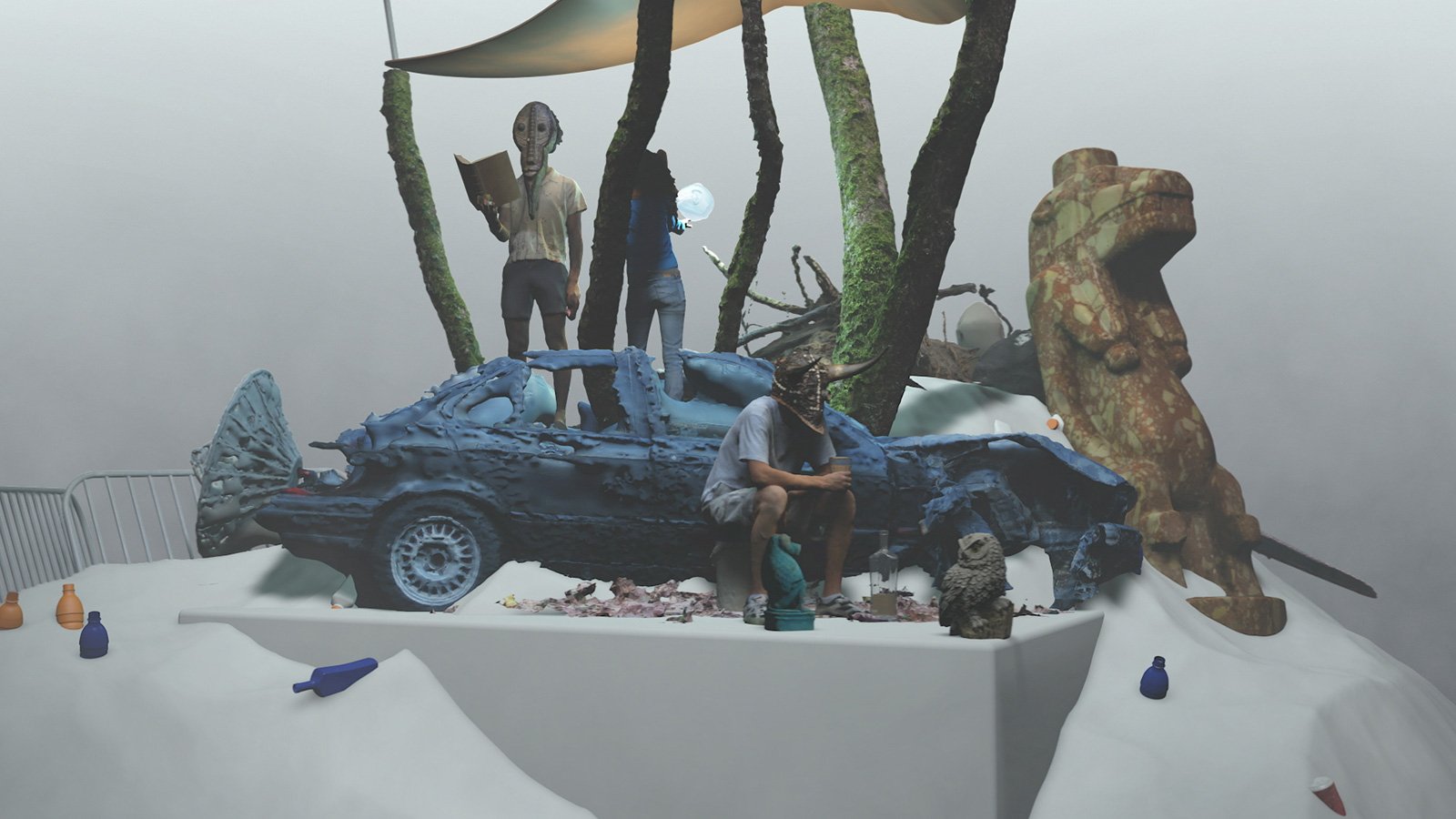
Peter Burr, Bridget DeFranco, Mark Fingerhut, and Matthew Gantt, NATURAL CONTACTS, 2024. Courtesy of the artist
Peter Burr, Bridget DeFranco, Mark Fingerhut, and Matthew Gantt, NATURAL CONTACTS, 2024. Courtesy of the artist
Sarah Grant, Gradient Drift, 2026. Courtesy of the artist
Sarah Grant, Gradient Drift, 2026. Courtesy of the artist
This is also evident in “WYSIWYG”, in the software artwork NATURAL CONTACTS, a collaboration by Peter Burr, Bridget DeFranco, Mark Fingerhut, and Matthew Gantt.
It is a software virus as performance, but it is only possible with the entire apparatus of a computer to support it. Within their room-size cubicle desk installation, the computer becomes a sculptural readymade.
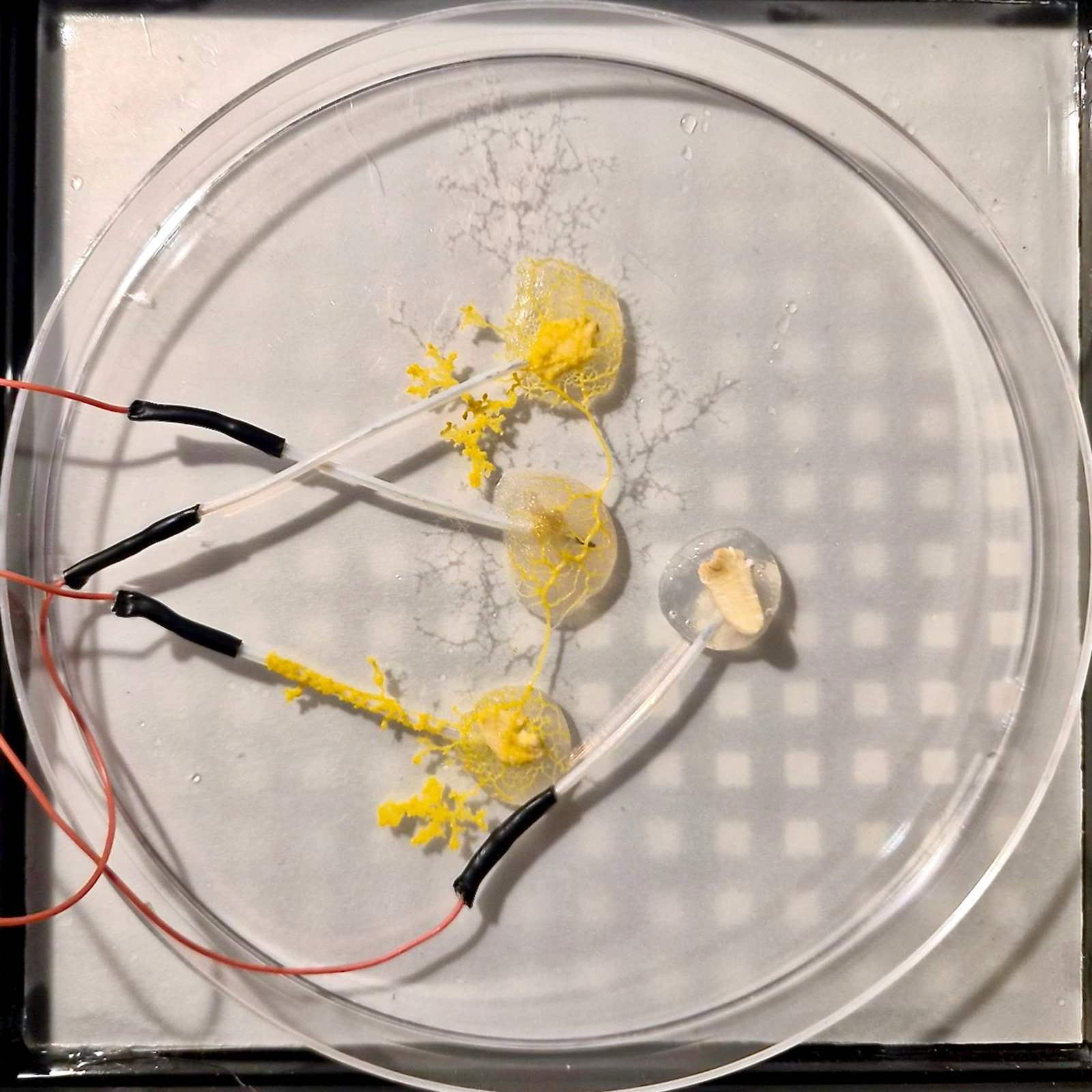
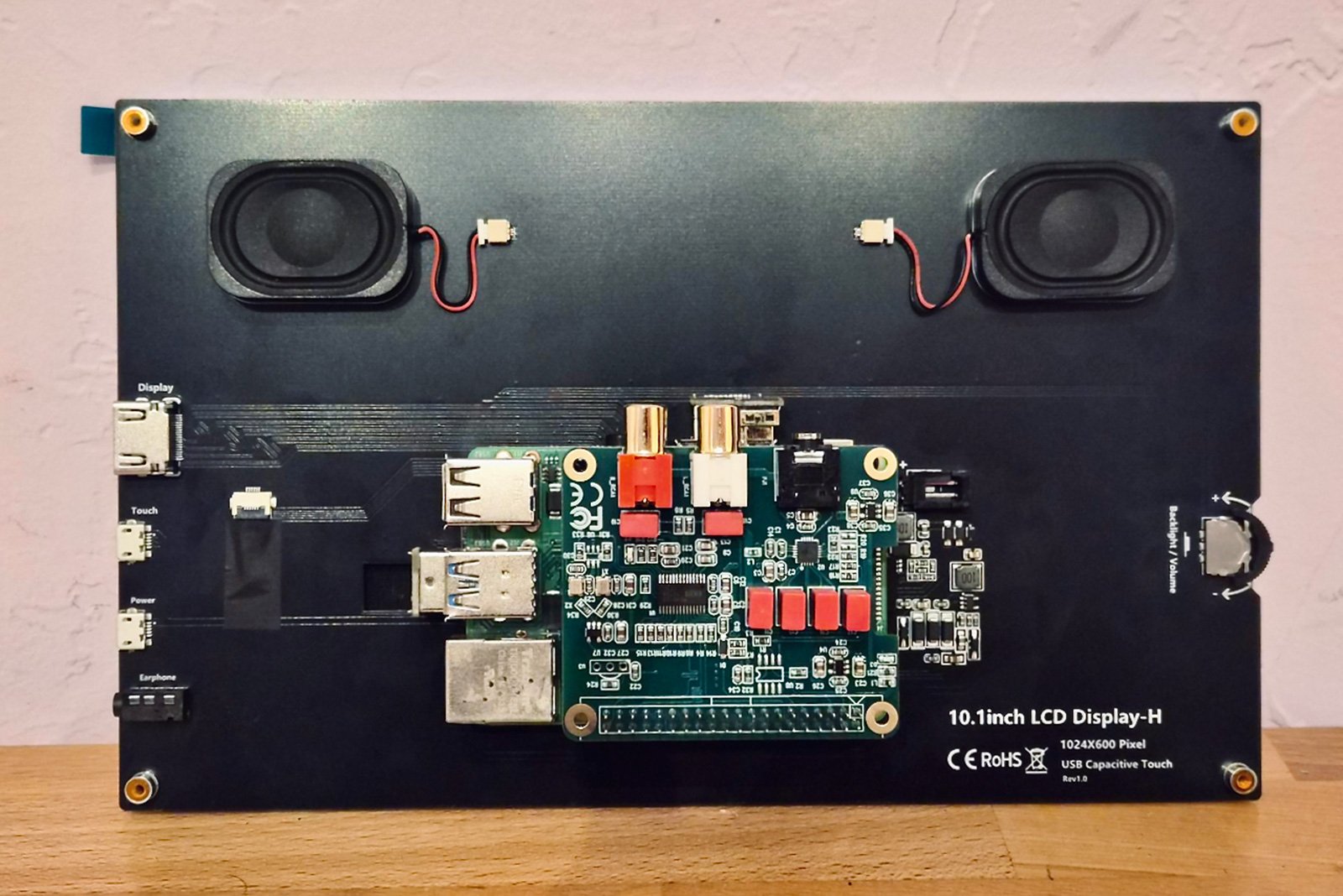
Sarah Grant’s work is a software visualization of bio-electric data from a slime mould experiment, but to embody the work she builds a Raspberry Pi system from scratch. The fluidity of slime is entangled with bespoke hardware that is the art object.
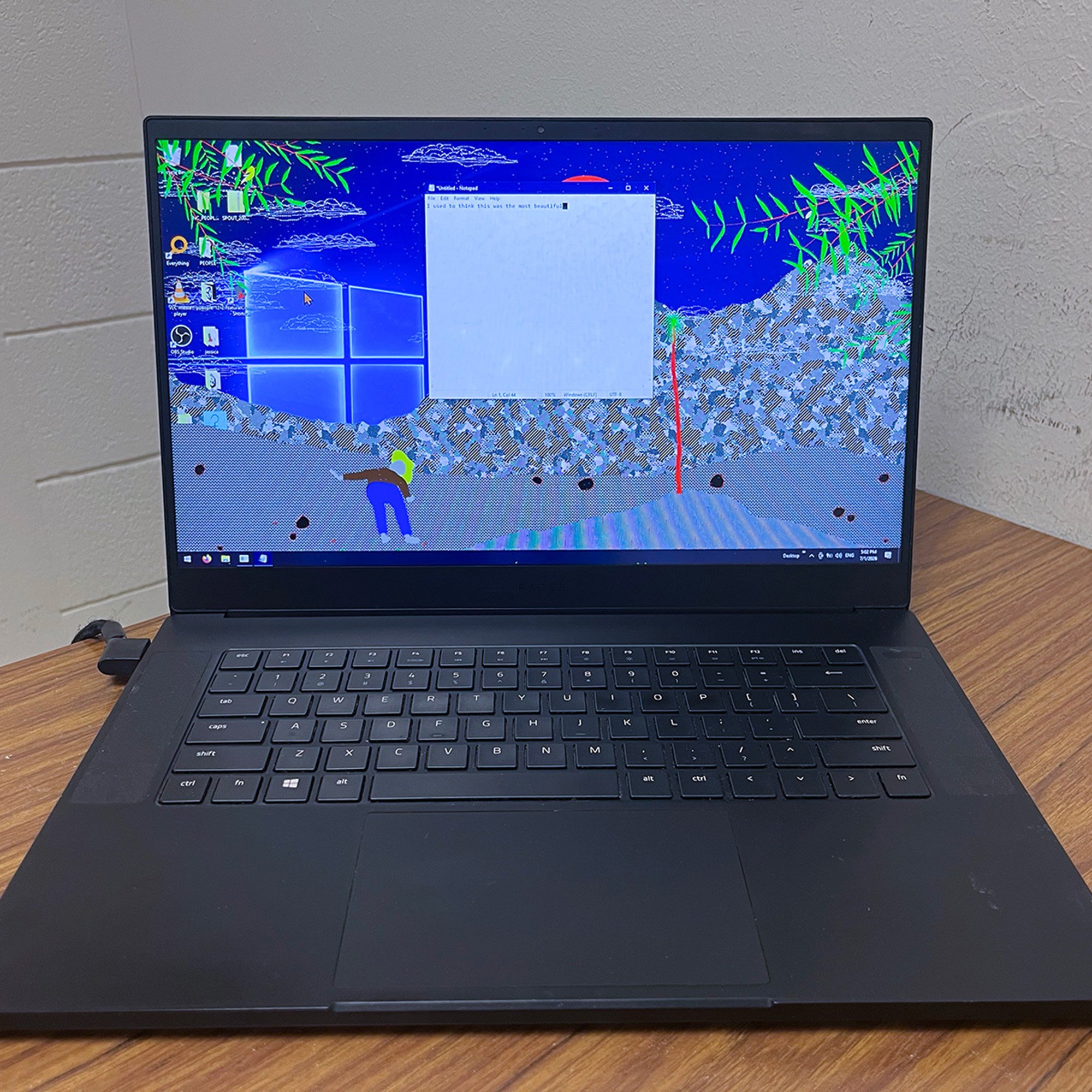
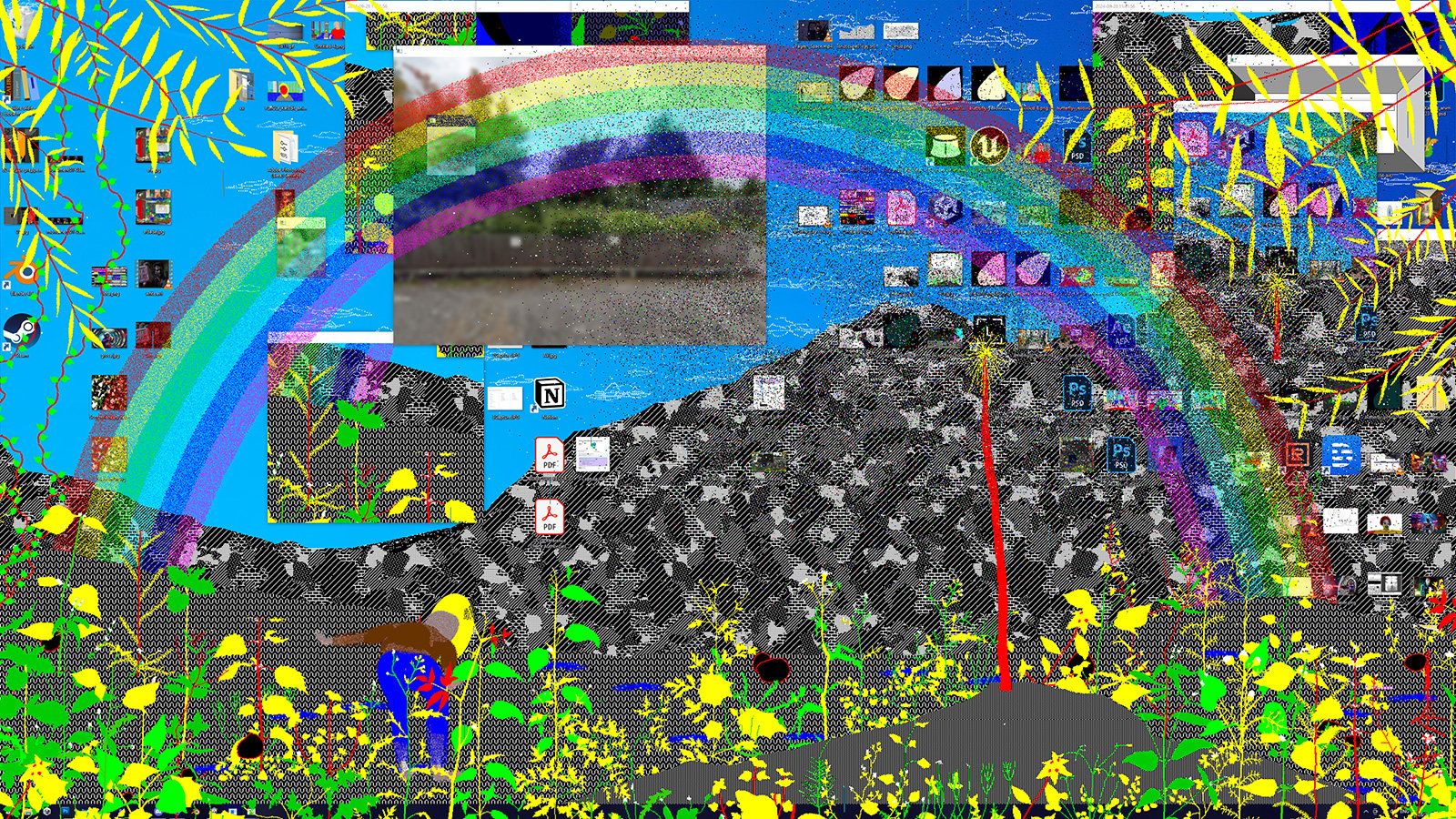
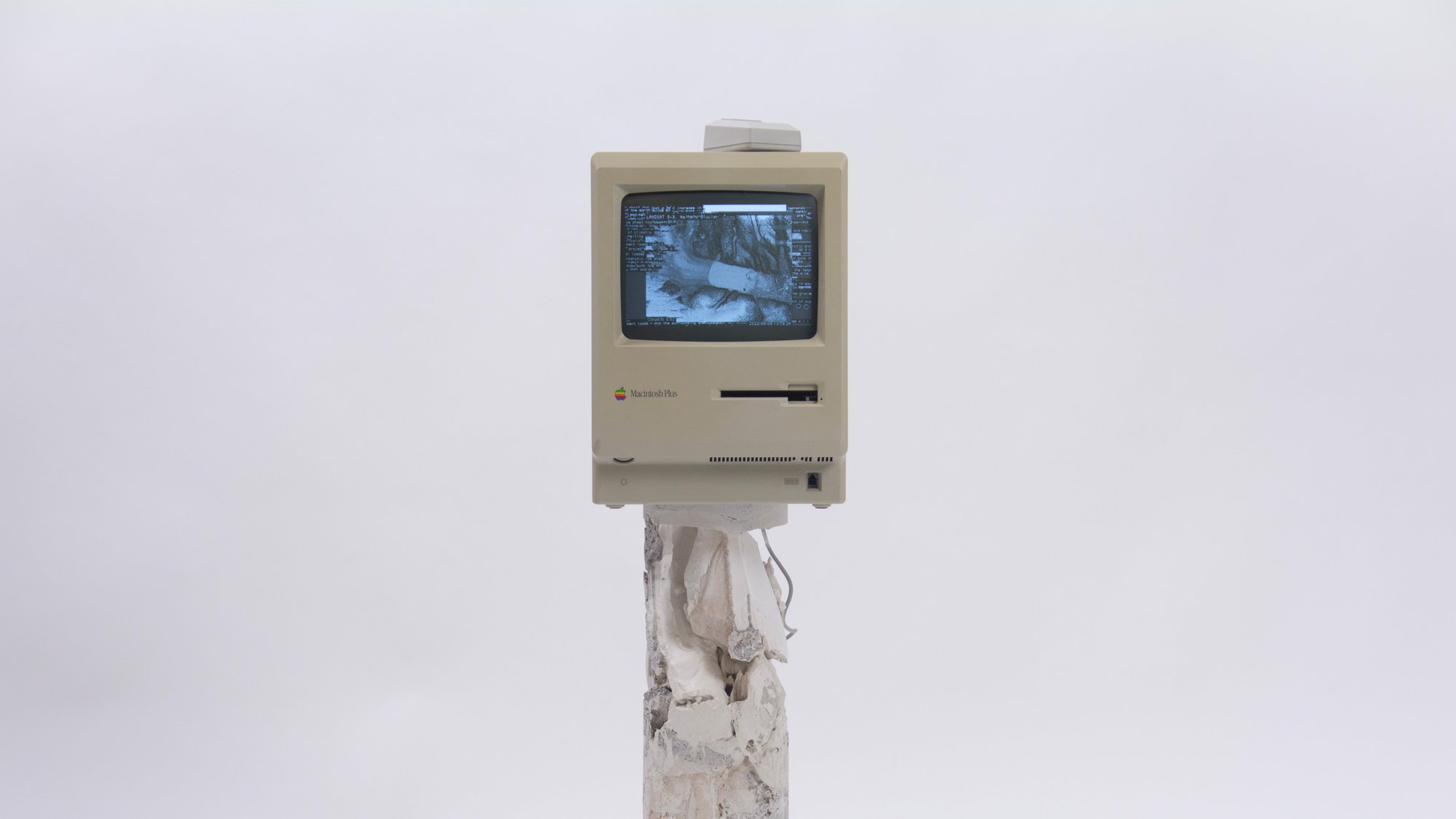
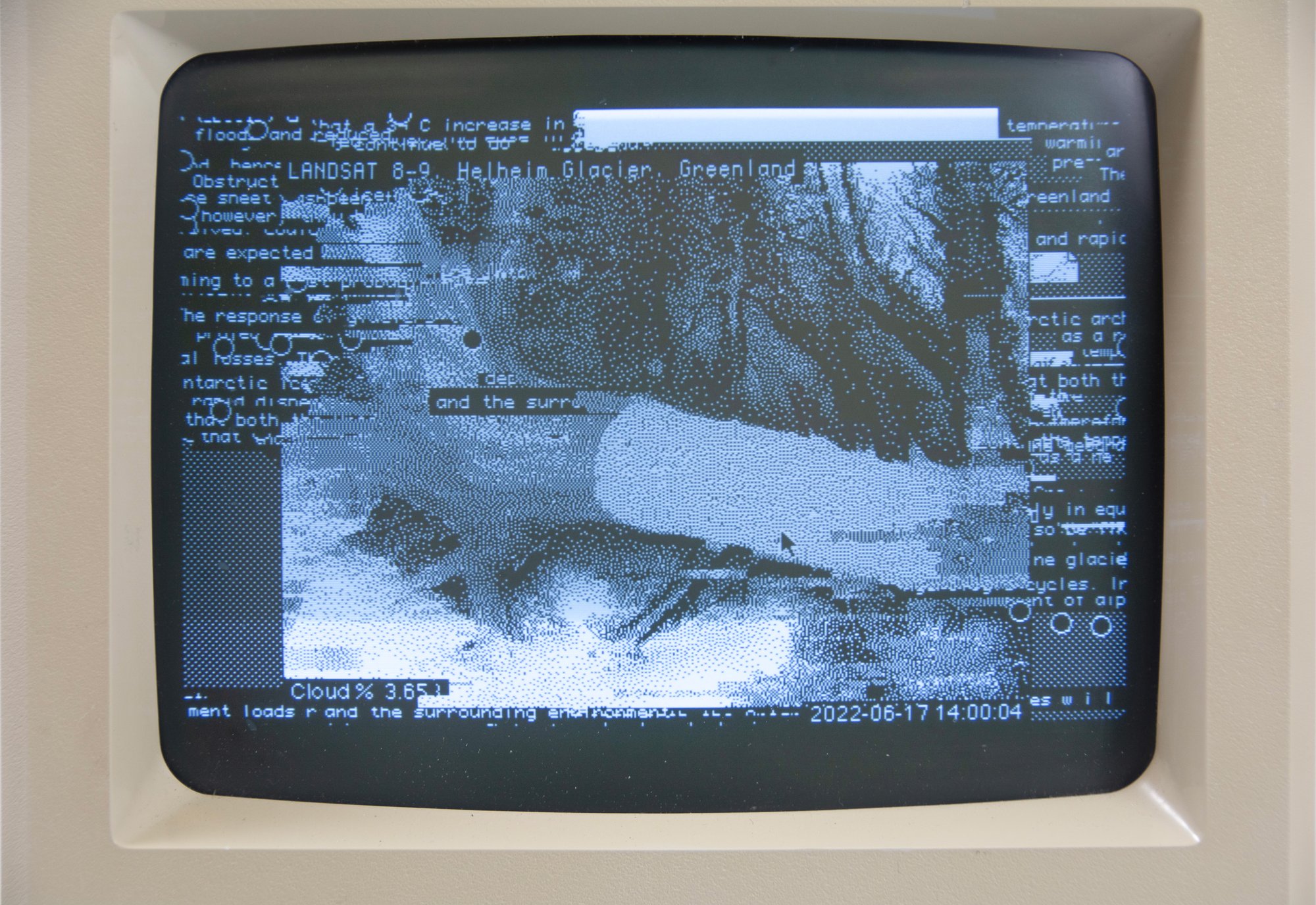
My work in the show is also a generative software artwork using data science, in this case satellite images of Greenland glaciers. When presented on a 1-bit computer from the 1980s, the device is more than a necessary container, it is also a context. And like Maya Man’s appropriated iPhones, it is also an object loaded with all the baggage of its consumer electronic appeal. Indeed, they are both made by Apple.
Dev Harlan, Greenland Landsat Timelapse, 2026. Courtesy of the artist
Dev Harlan, Speculative Core Sample, 2026. Courtesy of the artist
Dev Harlan, Greenland Landsat Timelapse, 2026, and Speculative Core Sample, 2026. Courtesy of the artist
LJ: Your exhibition addresses the moment of turning something as ephemeral as coding or the passage of pixels on a digital screen into a commodified physical object. Is it, at that moment, being cared for or confined? How does that moment of physical casing affect what you describe as digital art’s “radical fluidity”?
DH: I feel like fluidity and containment are always in superposition, like a quantum bit. By “radical fluidity”, I am really meaning the process of programming or working with digital tools in general, where images and processes are always in motion. A digital artwork can be modified, mutated, copied, or deleted in an instant. But there is no “moment” of embodiment; it is always confined in the sense that it must be a readable series of magnetic traces on a physical drive somewhere, whether that’s your personal computer or served up from a data center. What this show is really doing is making that technological substrate explicit.
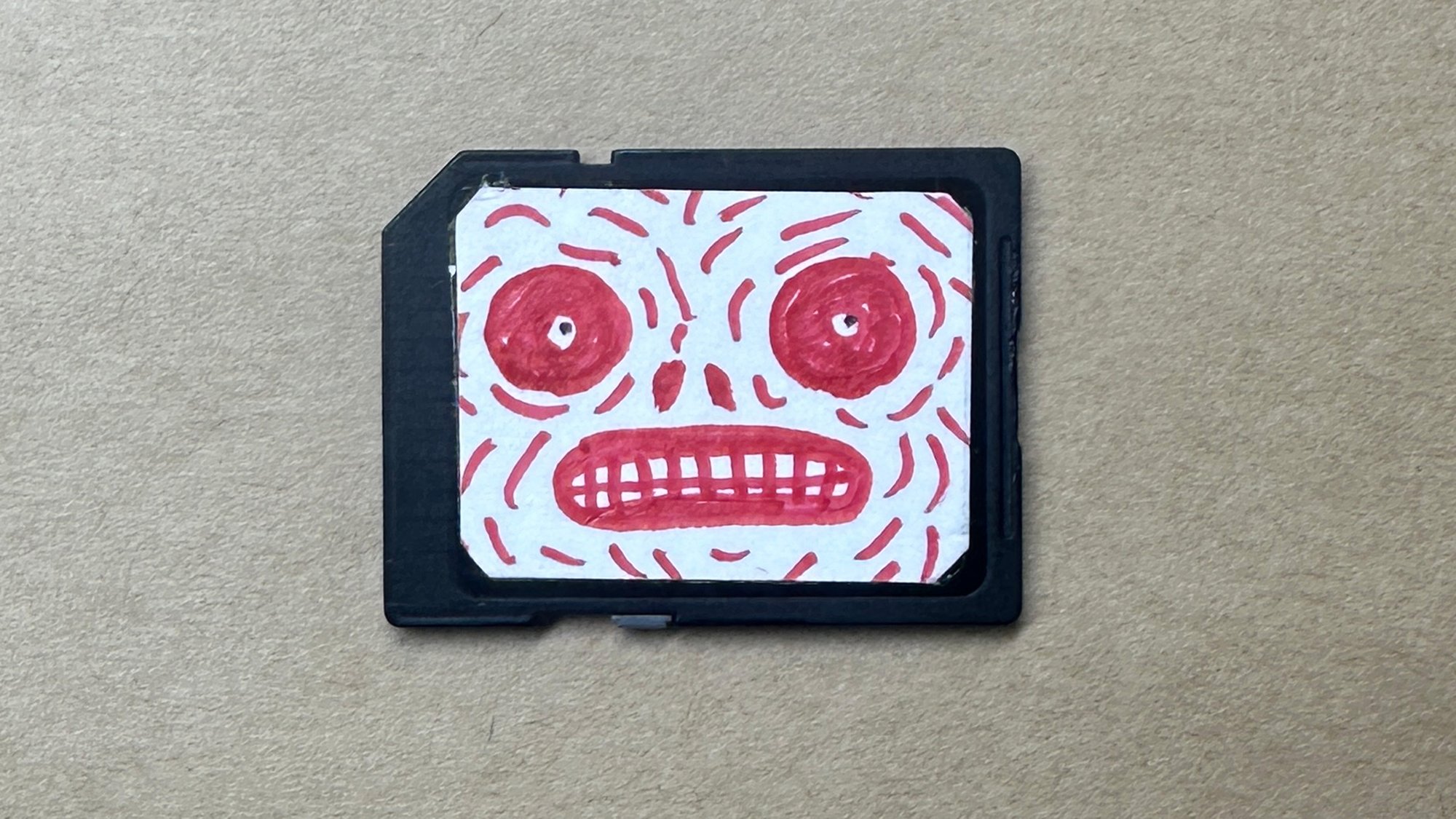
If you were to buy and own a video artwork, like Motomichi’s for example, how do you actually receive it? The simplest might be a network transfer, a case of magnetic traces being sent from one drive, over fiber optics and copper, to another drive. To make it shippable by mail, Motomichi decided to put the video file on an SD card, a small plastic container for magnetic traces.
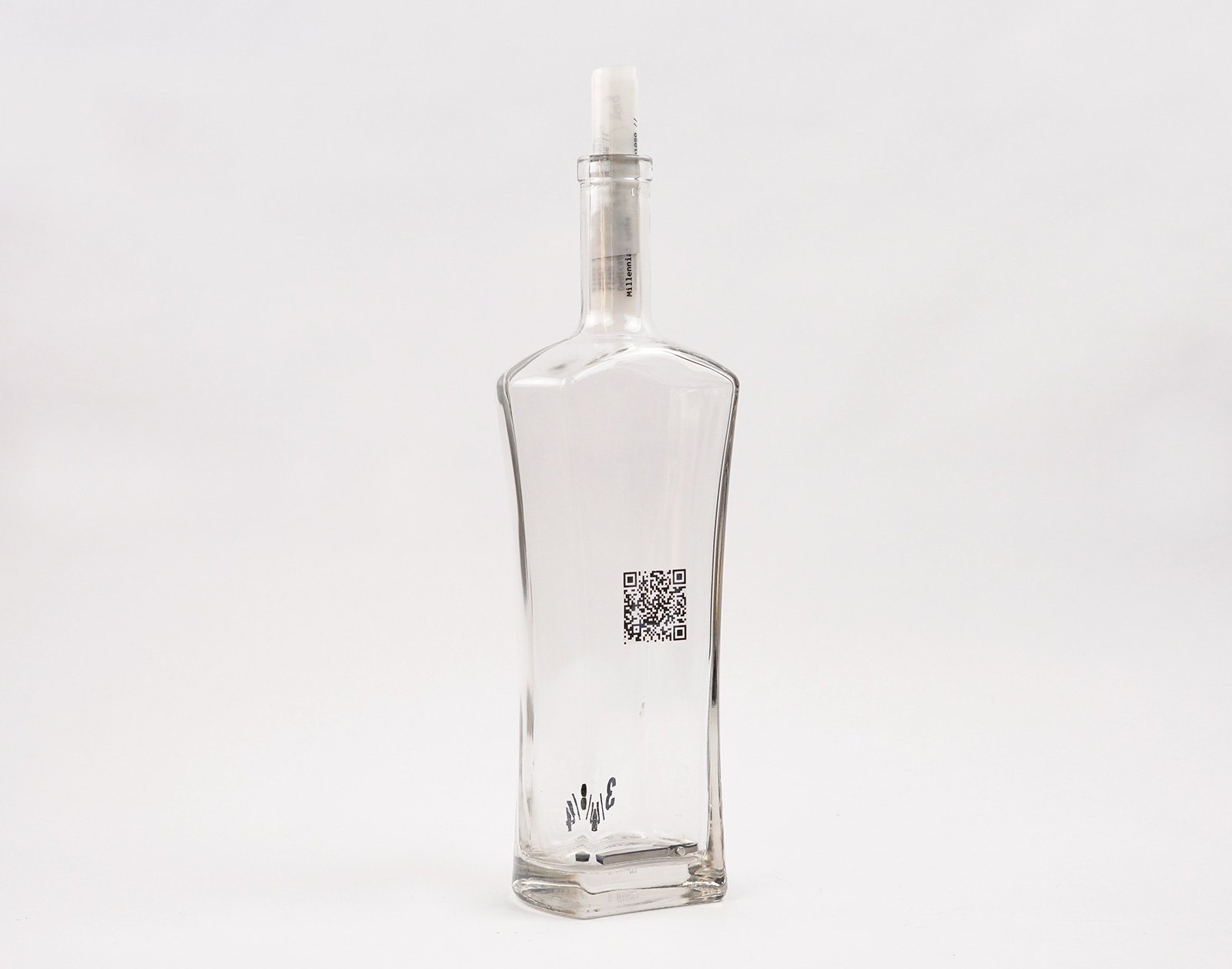
In the case of video works, “radical fluidity” is more curtailed by no longer being in the hands of the artist, rather than by the specifics of its container. Alexa Crouwer’s work is double containment: the video is on a USB stick inside a glass bottle.
For an owner of the artwork, it is no longer “fluid” in that the video will always play back the same way. But if returned to the artist, Crouwers could easily modify the file on the USB drive in countless ways. It remains fluid, but it is always contained. The glass bottle is a perfect metaphor.
Alexa Crouwers, Millennial.spike, 2018. Courtesy of the artist
Alexa Crouwers, Millennial.spike, 2018. Courtesy of the artist
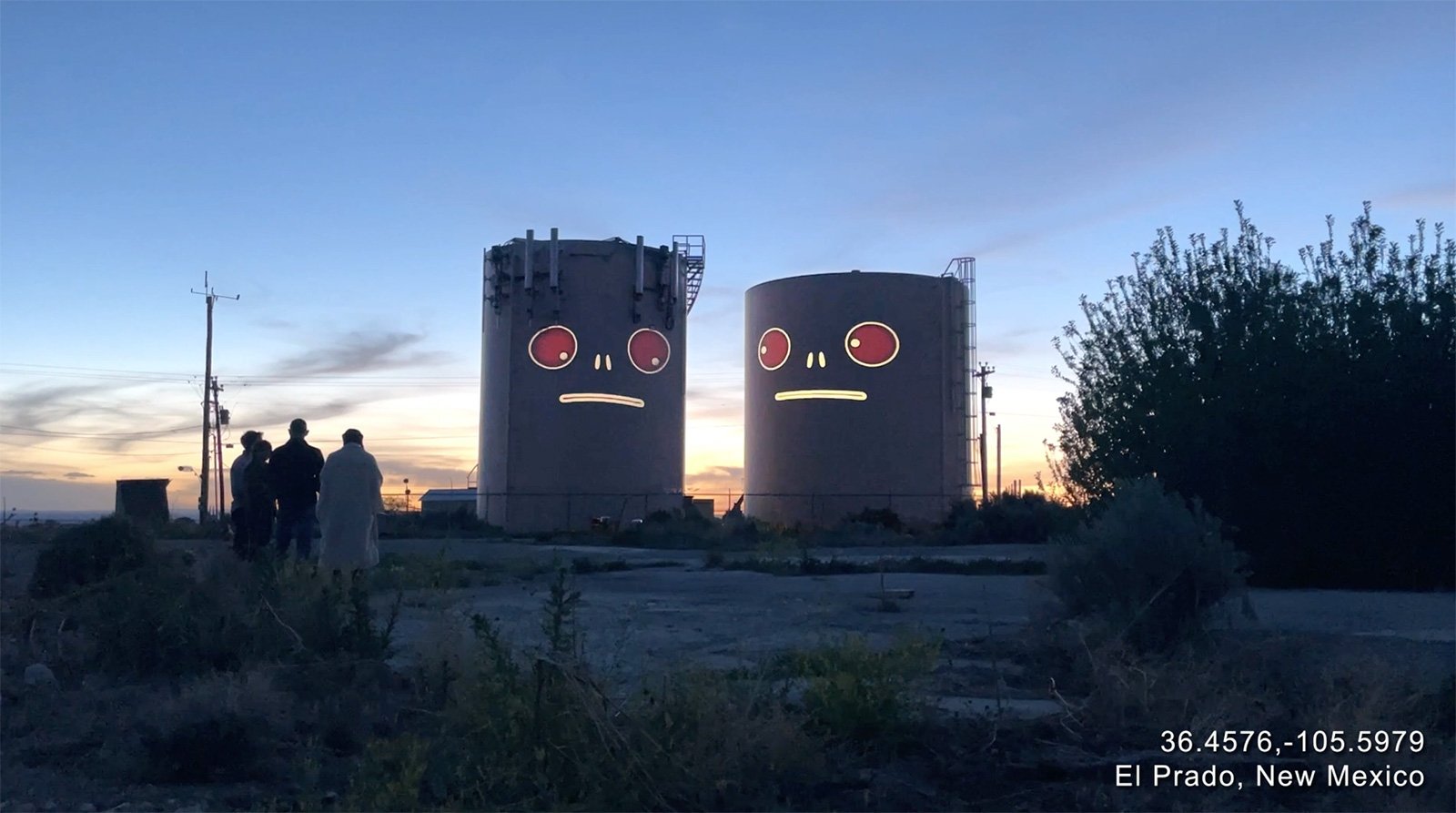
Motomichi Nakamura, Red Eyes in Taos, New Mexico, 2026. Courtesy of the artist
LJ: How has understanding the concept of digital art embodied on the network platforms or in the physical casings of consumer electronics informed by your views of preservation, or care, of digital art? As practised by organizations such as Rhizome, in New York. and LI-MA, in Amsterdam.
DH: I like to think that obsolescence is a lack of imagination, and that has led me to indulge in a certain amount of care for technology that borders on the absurd. However, Taezoo Park is much more of an avid preservationist than me, and does professional restoration. I highly encourage anyone in NY to pay a visit to his studio to see his vast collection of well-cared-for screens and display technologies.
I think watching the work of preservation, and even maintaining my own artworks, makes it more clear how a digital artwork is tethered to its hardware. For instance, Rhizome’s philosophy is precisely to preserve hardware and software simultaneously.
They understand that it is an empty gesture to simply redevelop an old software artwork in a modern language. Besides the loss of the tiny idiosyncrasies of a specific system, there is labor in coding that is a direct reflection of the artist’s cognition. And indeed is that not one of the appeals of an art object, that it is in some sense a snapshot of a human subjectivity at work?