Right Click Save’s Top 10 Stories in 2025
Our most-read articles published in the past 12 months
Our most-read articles published in the past 12 months
Leading artists and thinkers raise the stakes in the great artificial intelligence debate.
I view AI as a tool that can both preserve and transform our visual culture — an instrument that not only replicates but also reinterprets past visual gestures. (Alejandro Cartagena)

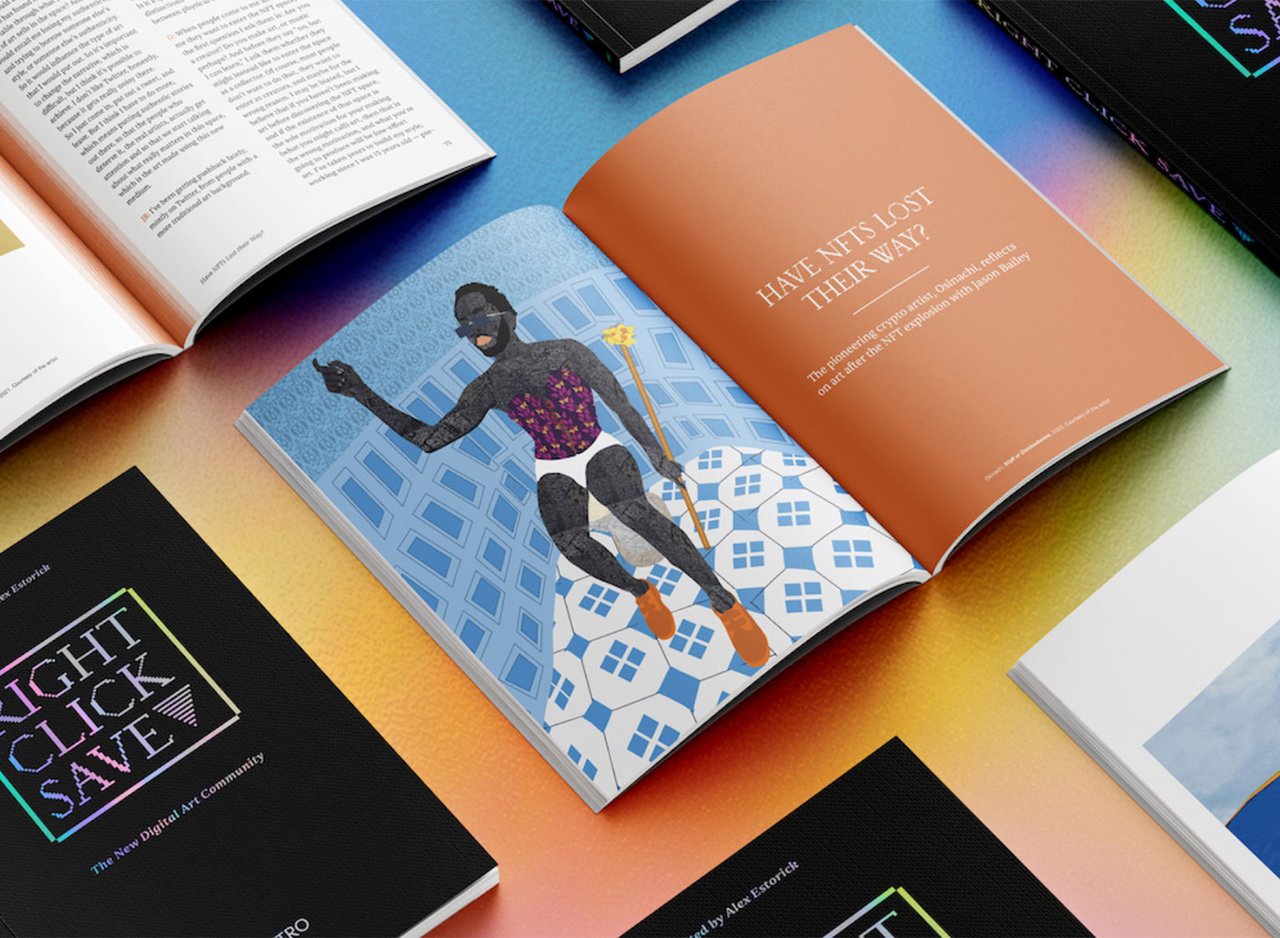
At a micro level, it is likely that successful consumer projects going forward will avoid the word “NFT”, interest in which has plummeted even while searches for “Crypto” and “Bitcoin” accelerate.
In digital art, speculation certainly has been present, but what matters is focusing on the long-term, value-preserving questions. That is what Right Click Save has always focused on: anchoring the conversation in ideas that will still matter years from now. (Tony Lyu)
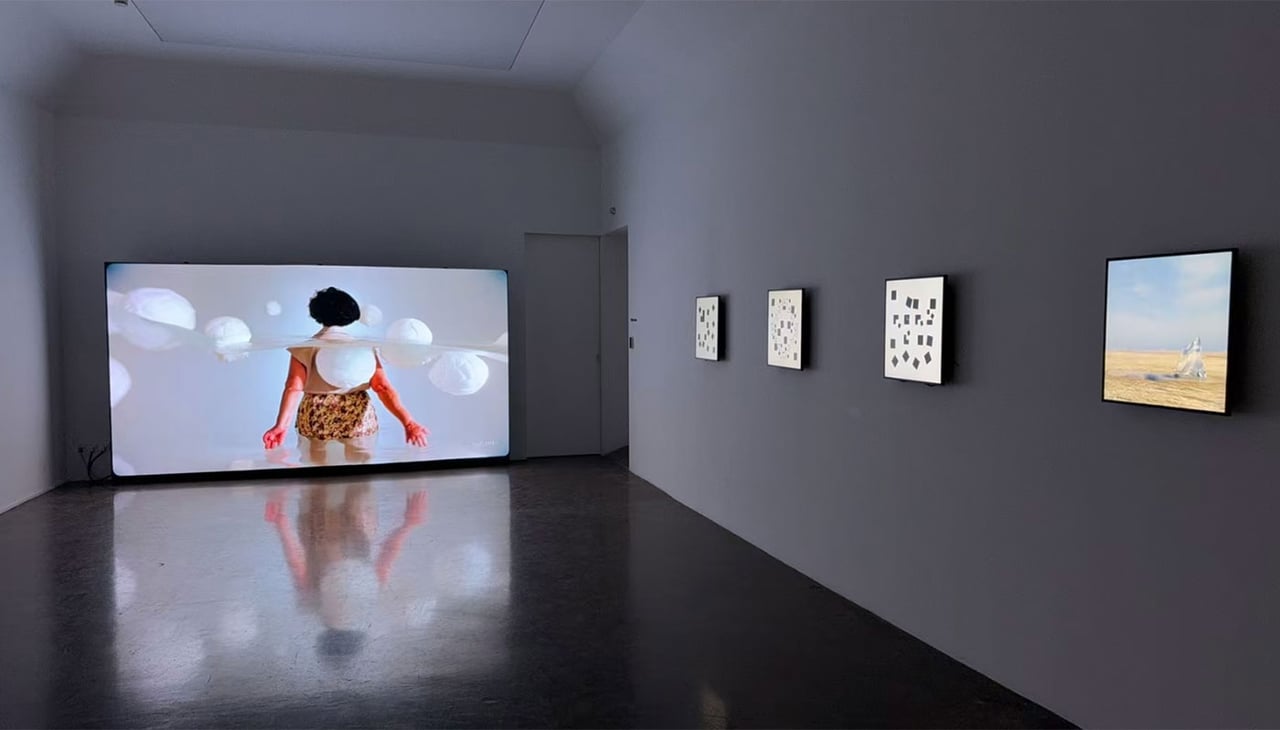
China is a very promising digital art hub. We just need a bit more patience and preparation. Computer art has existed for more than 60 years and I believe its heyday is still to come; we don’t need to rush. (With)
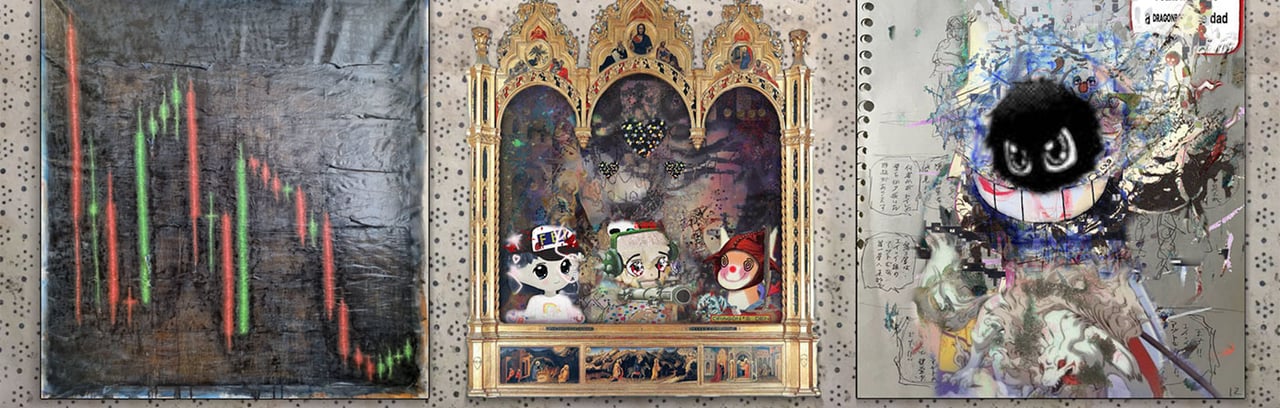
To know this world is to live on the timeline, to be in more Twitter group chats than you care to, and to understand the history and personal conflicts that make this scene as much of a pro wrestling-style soap opera as it is a new branch of contemporary art. (GardenParty85)
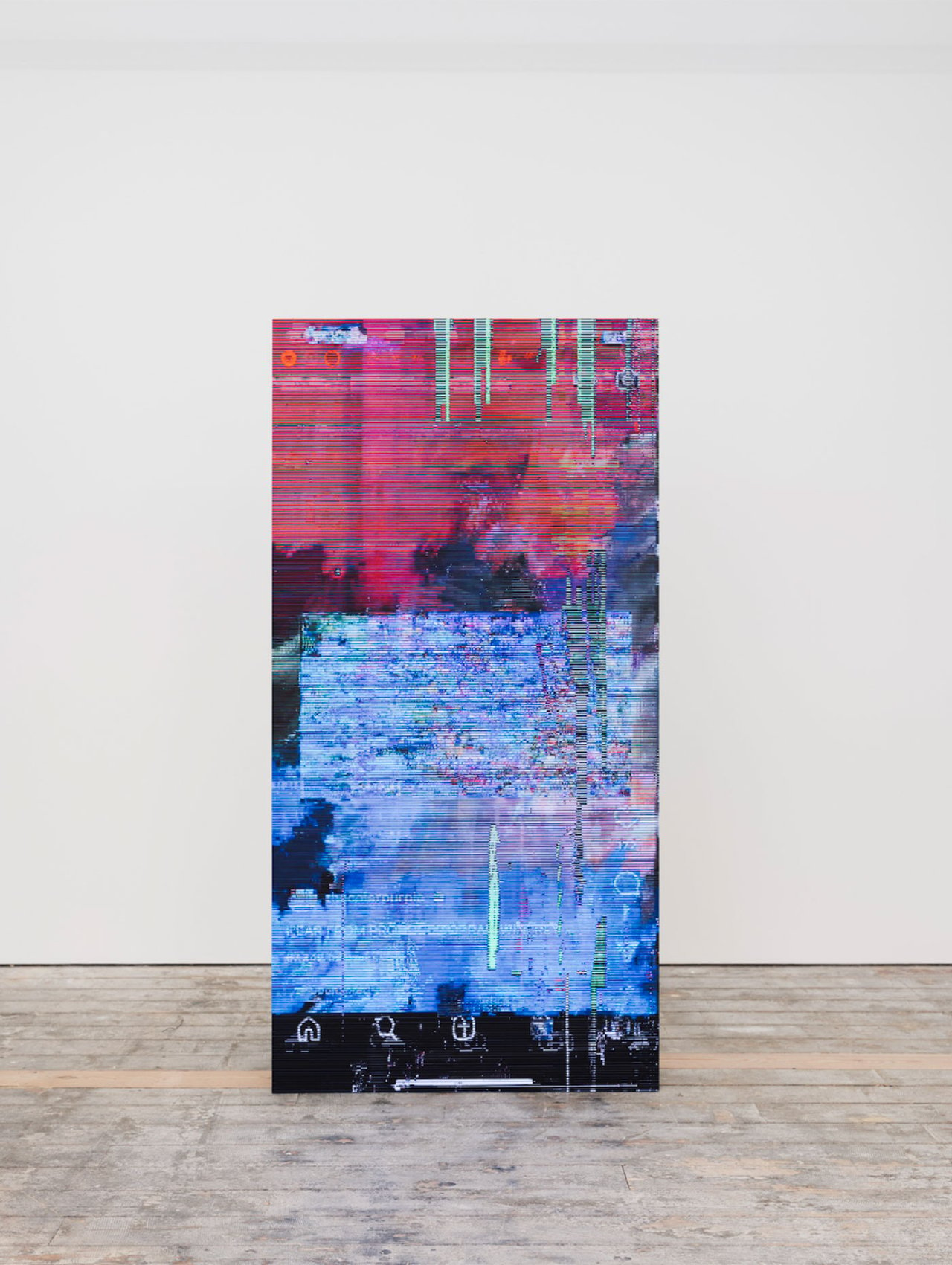
For this show, I kept thinking about the archive — less as a metaphor but as a physical place. I imagined a kind of Borgesian repository: endless rooms of servers storing everything. Then I asked, what happens when that infrastructure fails, when the servers break down and the data glitches? From there, the show just snapped into place. (Chris Dorland)
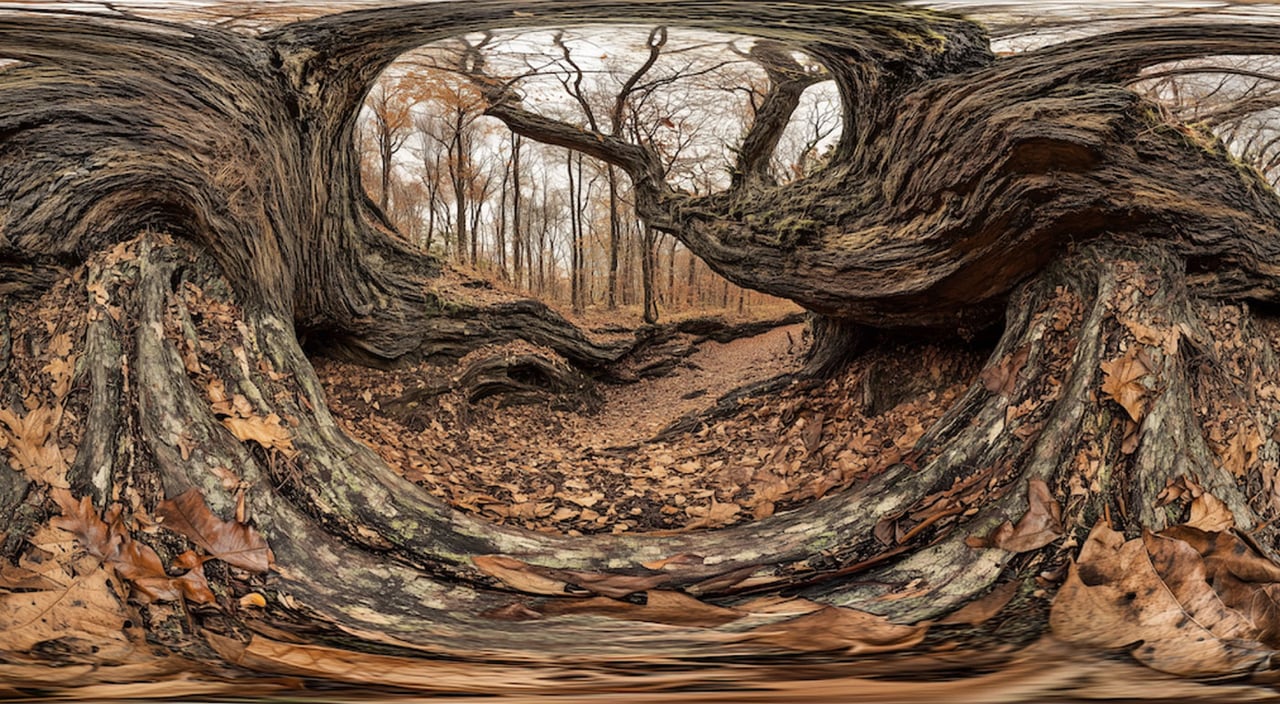
It’s no exaggeration to say [that] from this point forward, the evolutionary trajectory of humans is going to be indissolubly bound up with the evolution of artificial intelligence. (N. Katherine Hayles)
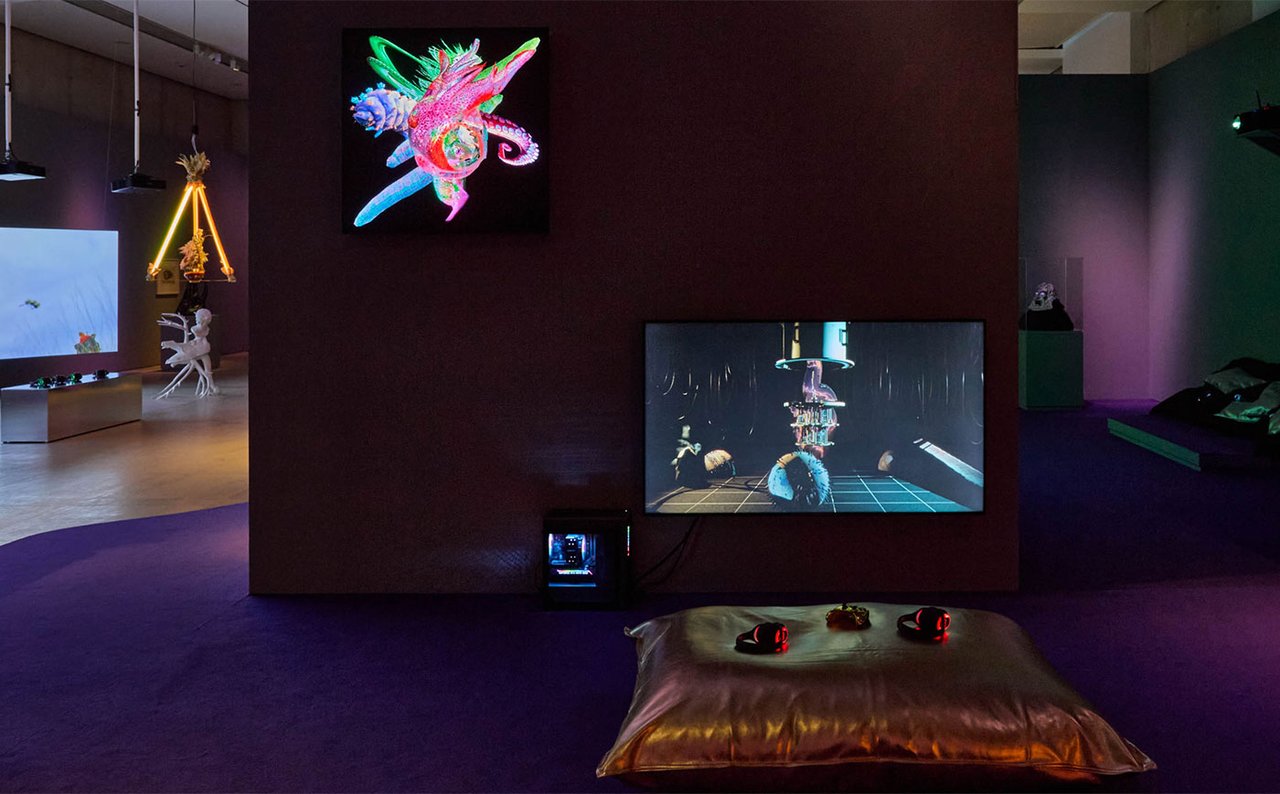
Some artists are using quantum to replicate the existing world, which is just digital art using a different tool. I’m interested in using quantum technology to create a new aesthetics based on the materiality of the quantum world. (Libby Heaney)
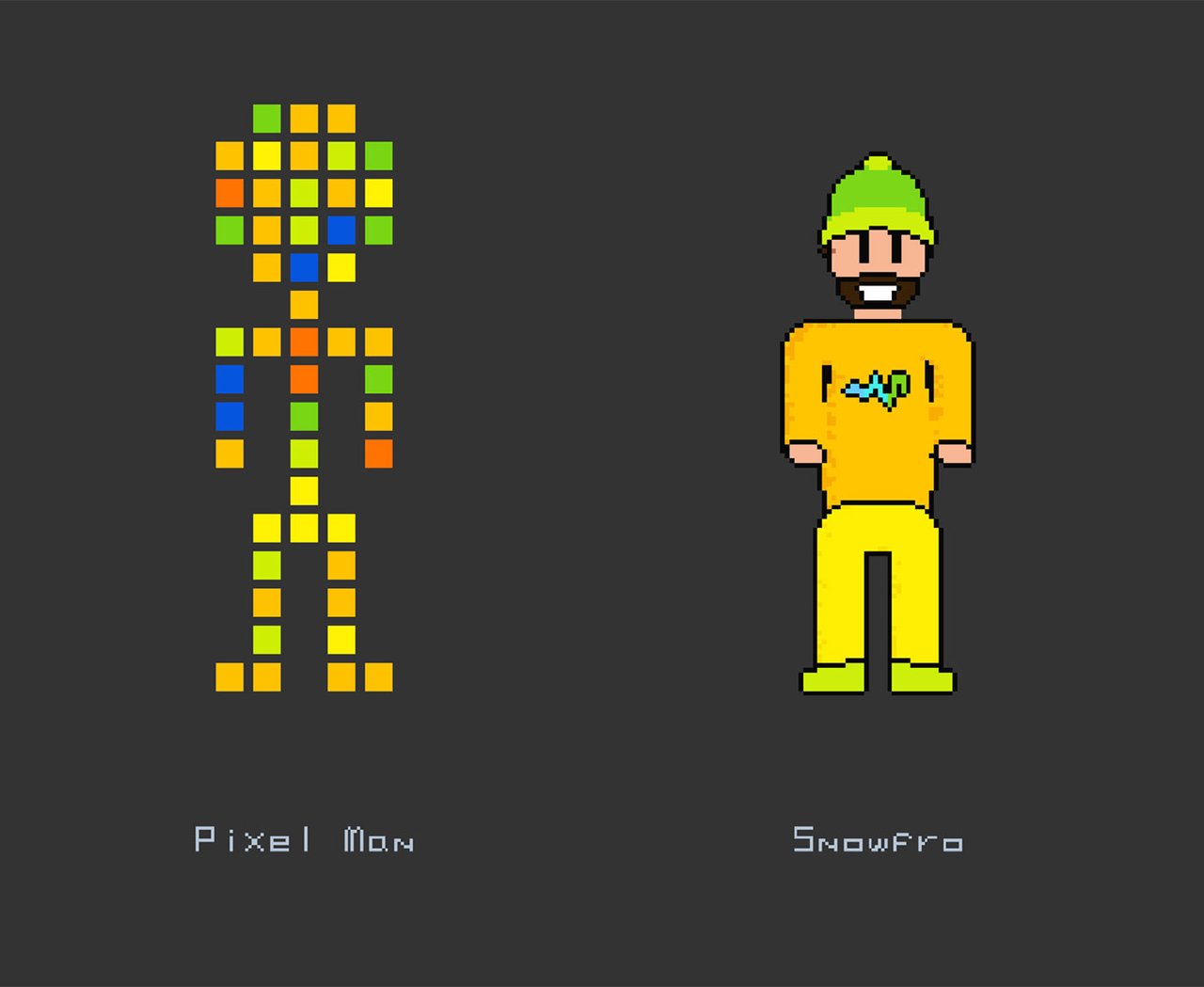
With the launch of his new video game, LIFT (a self portrait), Snowfro (Erick Calderon), founding CEO of Art Blocks, discusses the gamification of art and life with the artist Mitchell F. Chan. Their conversation is hosted by Alex Estorick.
It’s really important to me to be able to give people the experience of a mass-produced video game with the same quality, box design, and insert, but yours is a unique, individualized object and there’s no other copy of it on the planet. (Erick Calderon)
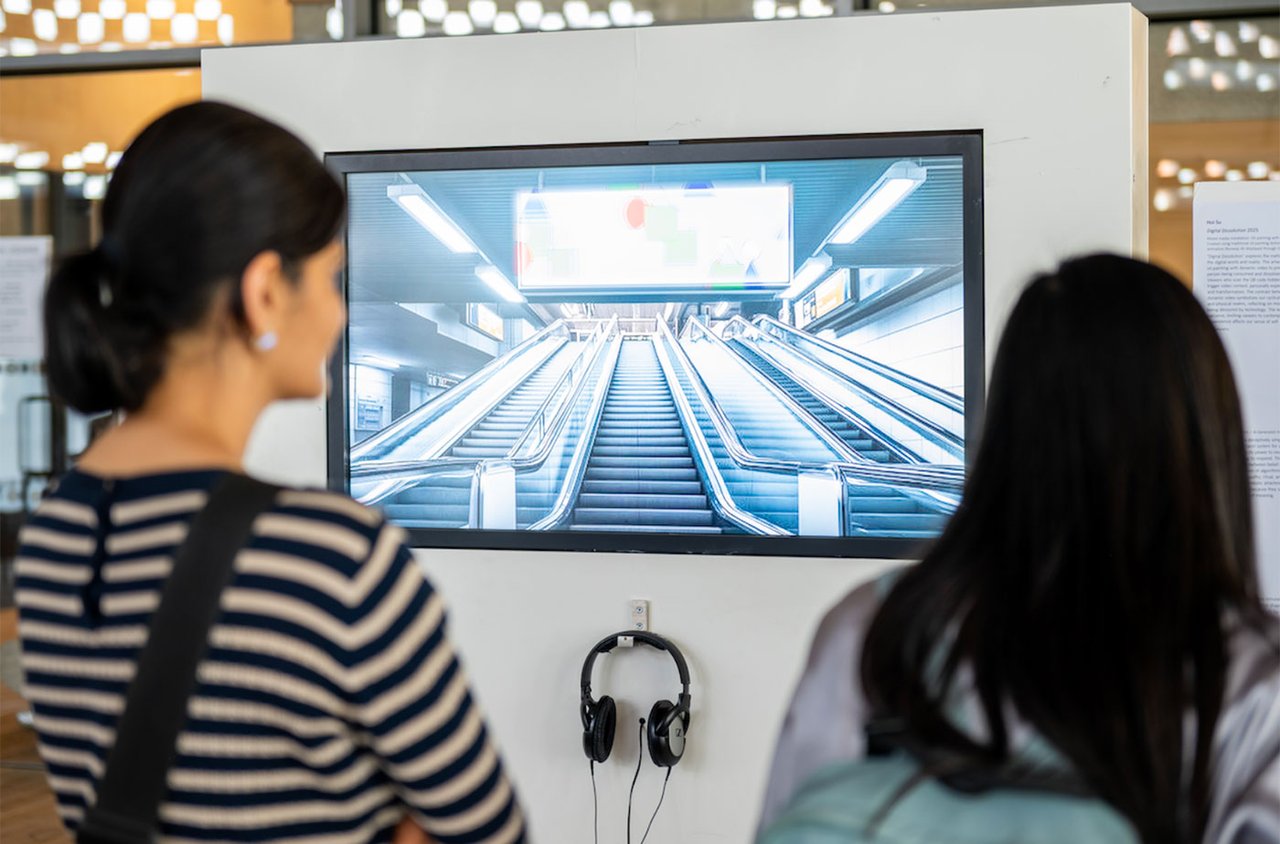
Robin Leverton reports on a program hosted at Tate, London, generating critical and creative approaches to technology. Goldsmiths and the University of the Arts London selected 40 students to participate in a project focused on AI as a tool and creative partner. Coinciding with Tate Modern’s 25th birthday and supported by Anthropic, the company behind the AI assistant Claude, Tech, Tea + Exchange offered students an intensive program of workshops where they could learn from prominent digital artists, curators, and media theorists while developing their own research practices.
Working at the crossroads of art, tech, and academic insight was exhilarating but the real highlight was watching students grow into confident, critical users of Claude and generative AI, harnessing these tools as creative partners in their own evolving practices. I hope we can continue this exciting journey together. (Annie Bicknell, Curator of Public Practice, Tate)
Louis Jebb is Managing Editor at Right Click Save.
No comments yet. Be the first to share your thoughts.
Mentioned in this article
People: Alejandro Cartagena, Alex Estorick, Chris Dorland, Damien Roach, Erick Calderon (Snowfro), GardenParty85, Libby Heaney, N. Katherine Hayles, Tony Lyu|Organizations: Right Click Save|