Roman Verostko
artist, b. 1929, based in Minneapolis, Minnesota, United States.
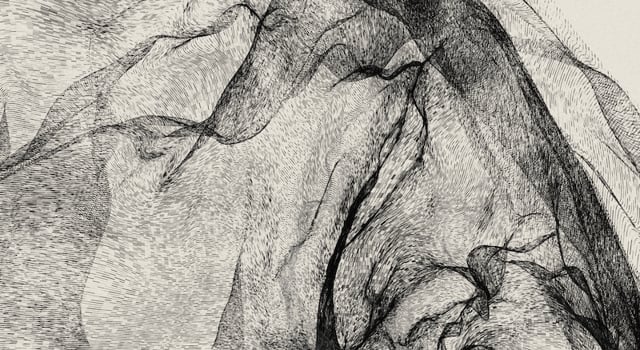
Roman Verostko maintains an experimental studio in Minneapolis where he has developed original algorithmic procedures for creating his art. A year after graduating from The Art Institute of Pittsburgh in 1949, he entered monastic life at Saint Vincent Archabbey where he studied philosophy and theology, was ordained as a priest, and followed postgraduate studies in New York and Paris. He taught at Saint Vincent College and served as Staff Editor for Art and Architecture for the first edition of the New Catholic Encyclopedia.
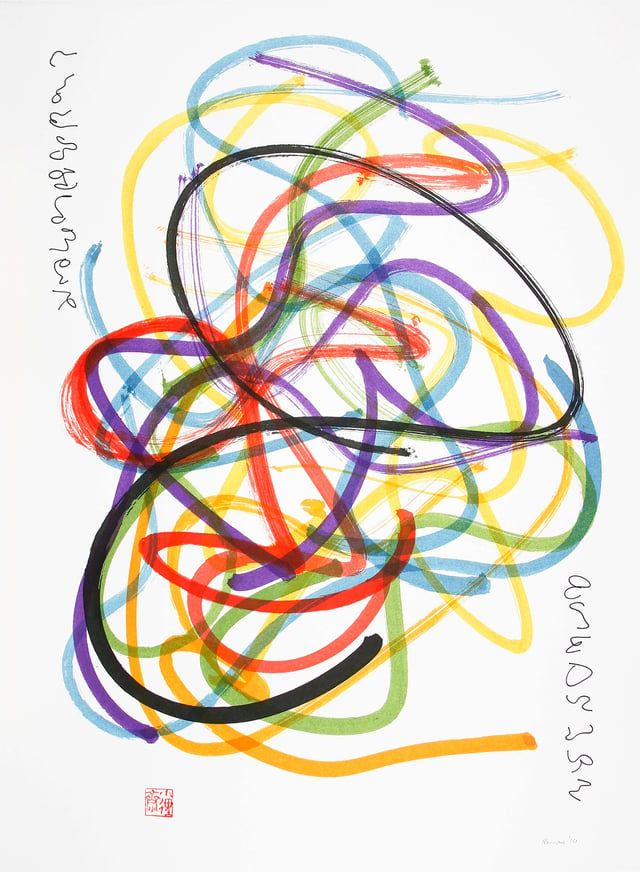
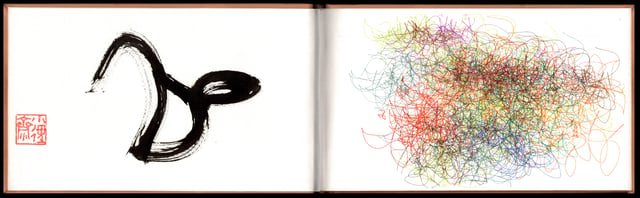
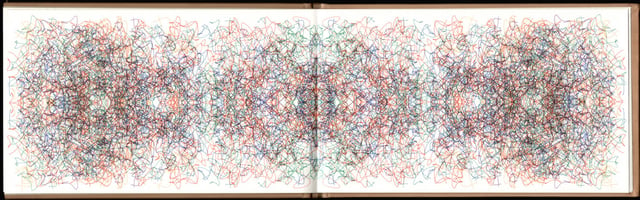
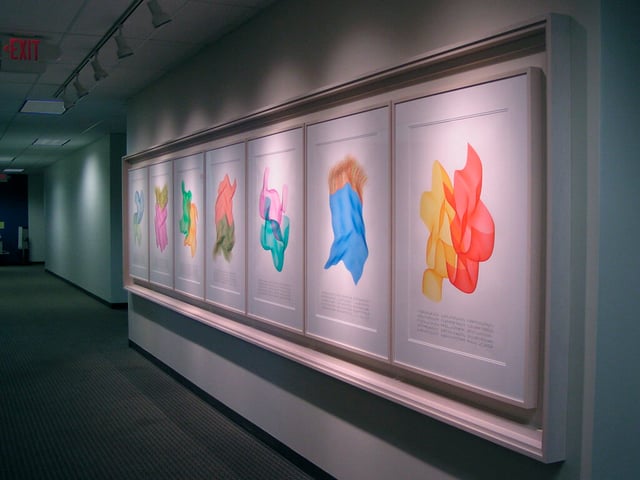
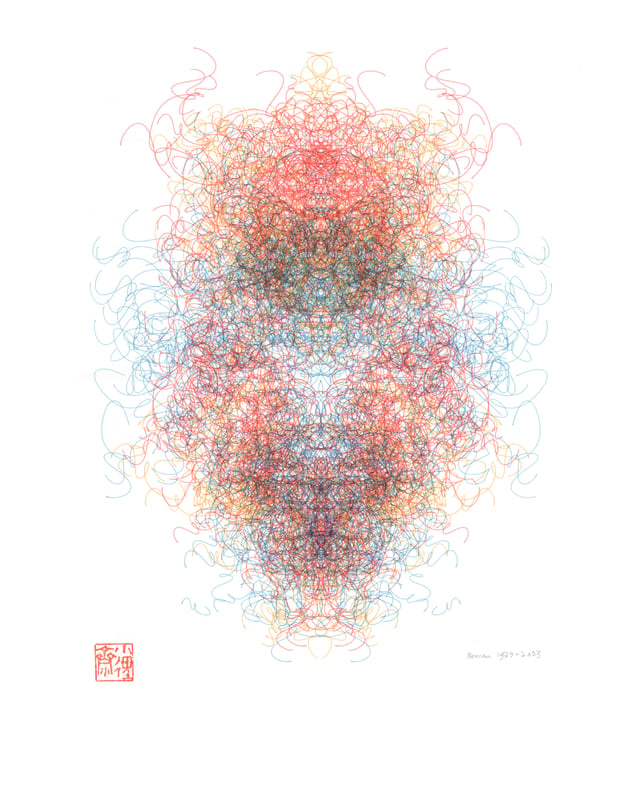
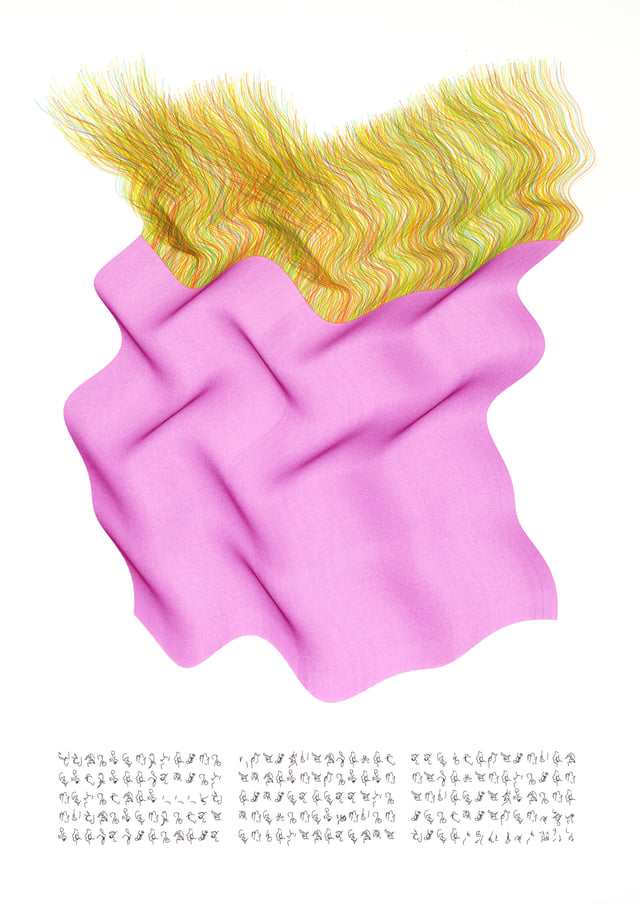
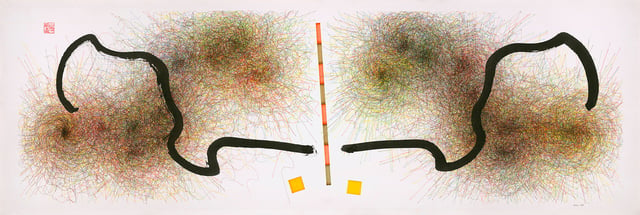
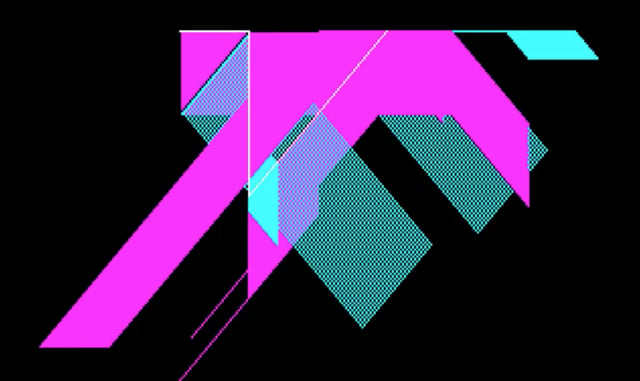
Artworks from Verostko’s monastic period include The “ New City ” series (1968) and “ Brother ” (1966-67), an eight-foot load-bearing wall cast in concrete for the newly constructed Saint Vincent Monastery. During this same period he created electronically synchronized audiovisual programs for spiritual retreats. In 1968, He departed monastic life, married Alice Wagstaff, and joined the humanities faculty at the Minneapolis School of Art, now known as the Minneapolis College of Art and Design. Aware of the awesome power of algorithmic procedure, he began experimenting with code and exhibited his first coded art program, The Magic Hand of Chance in 1982. In 1987, he modified his software with interactive routines to drive paint brushes mounted on a pen plotter drawing arm. Verostko has exhibited globally, including at V&A, London; ZKM, Karlsruhe; ARTEC ’95, Nagoya; and , Linz. He was recognized by SIGGRAPH with the Distinguished Artist Award for Lifetime Achievement as well as by SIGGRAPH Academy. He is also a recipient of the Golden Plotter award.