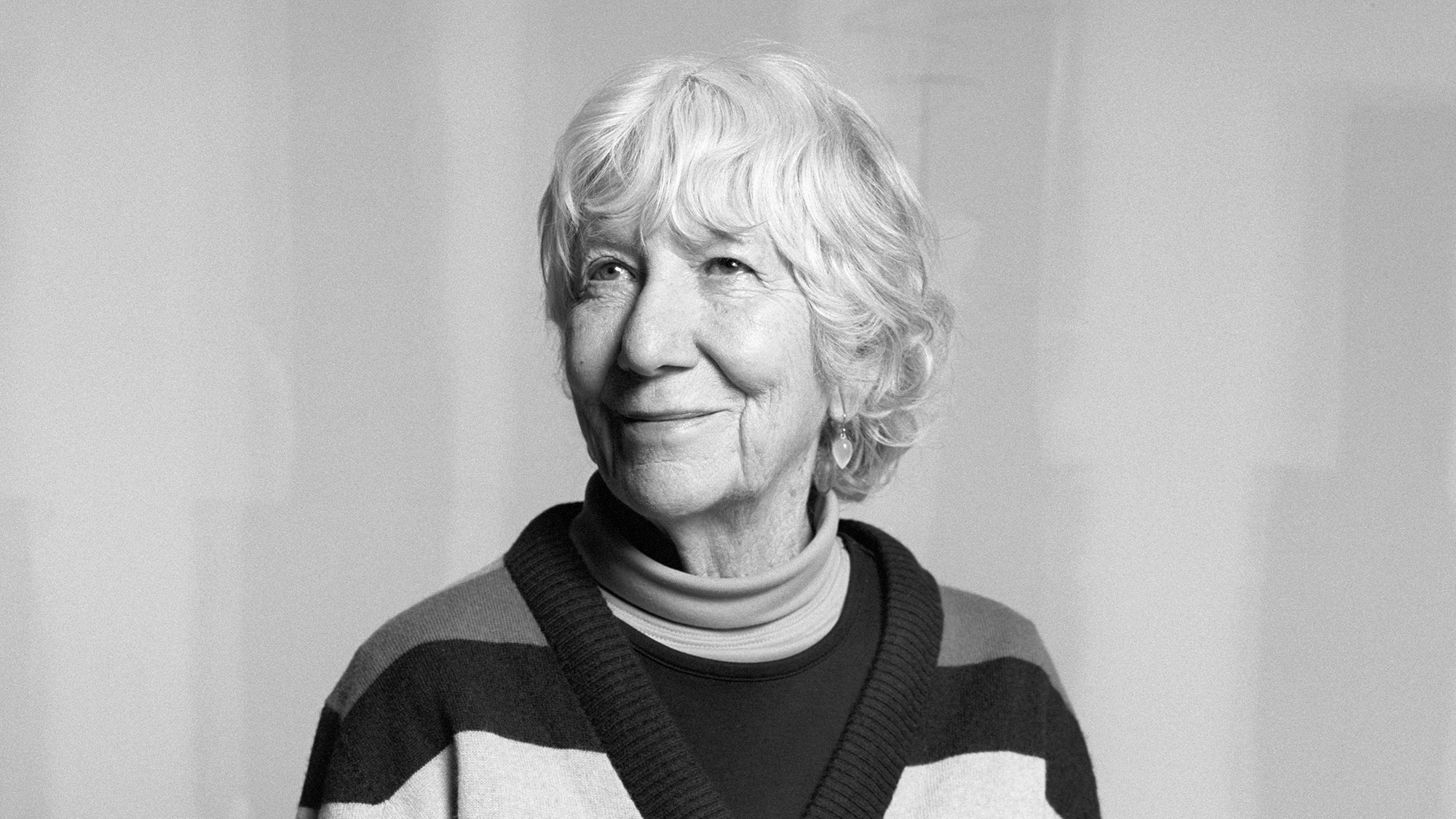
A Painter for the Digital Age | Mary Heilmann (1940-2026)
The artist shared with her sometime teacher David Hockney a fascination for work on screen, with light, color, and photography that fed into her work on canvas
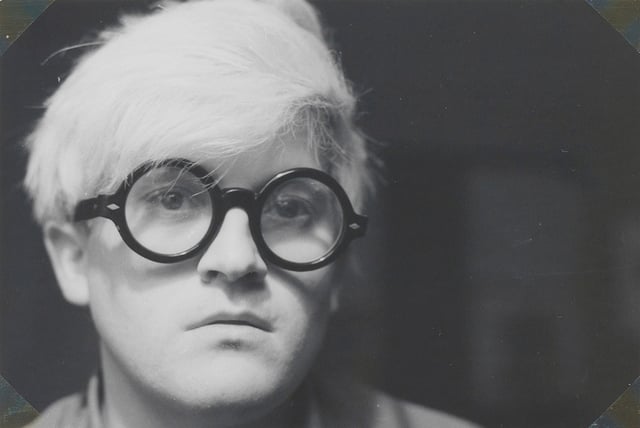
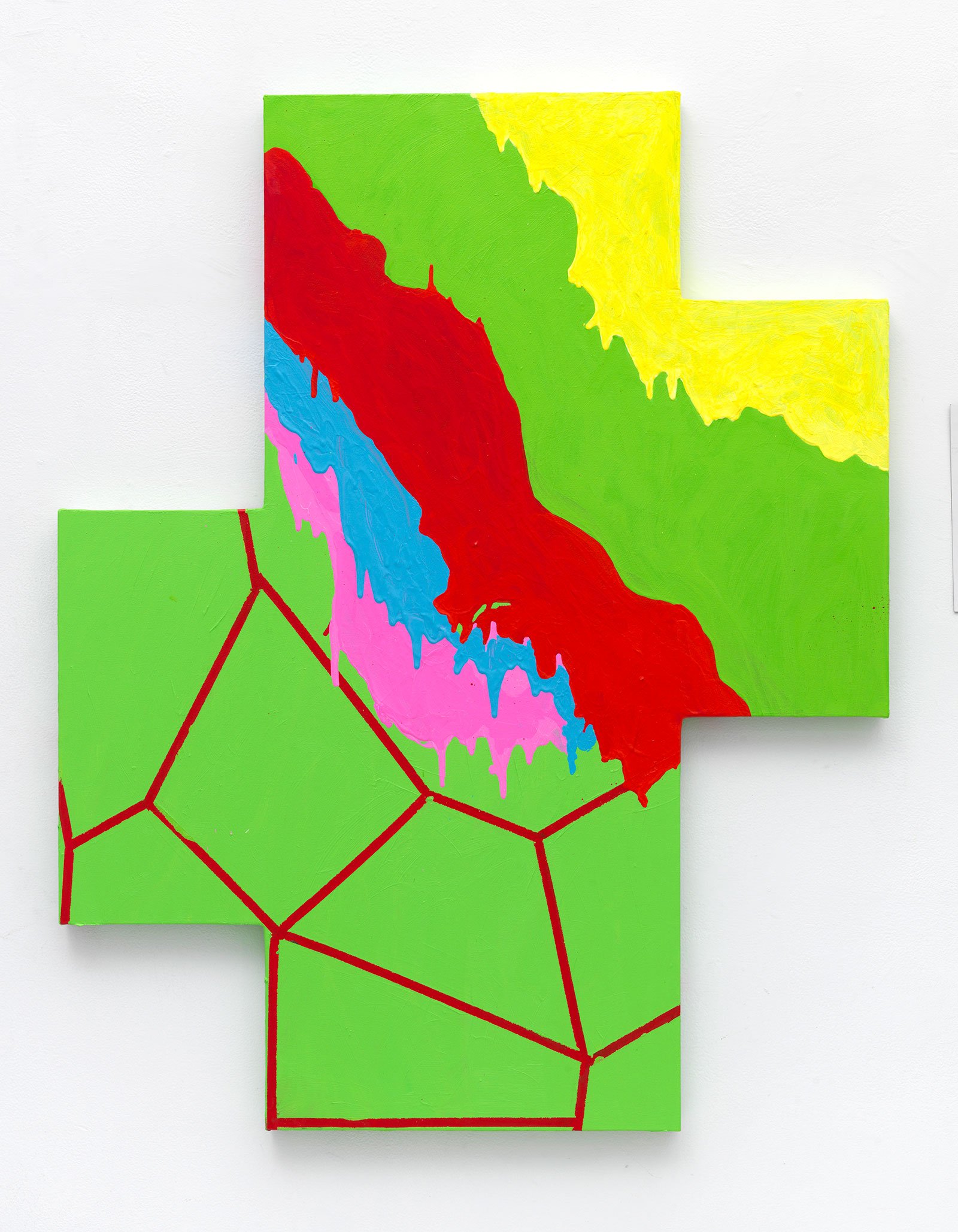
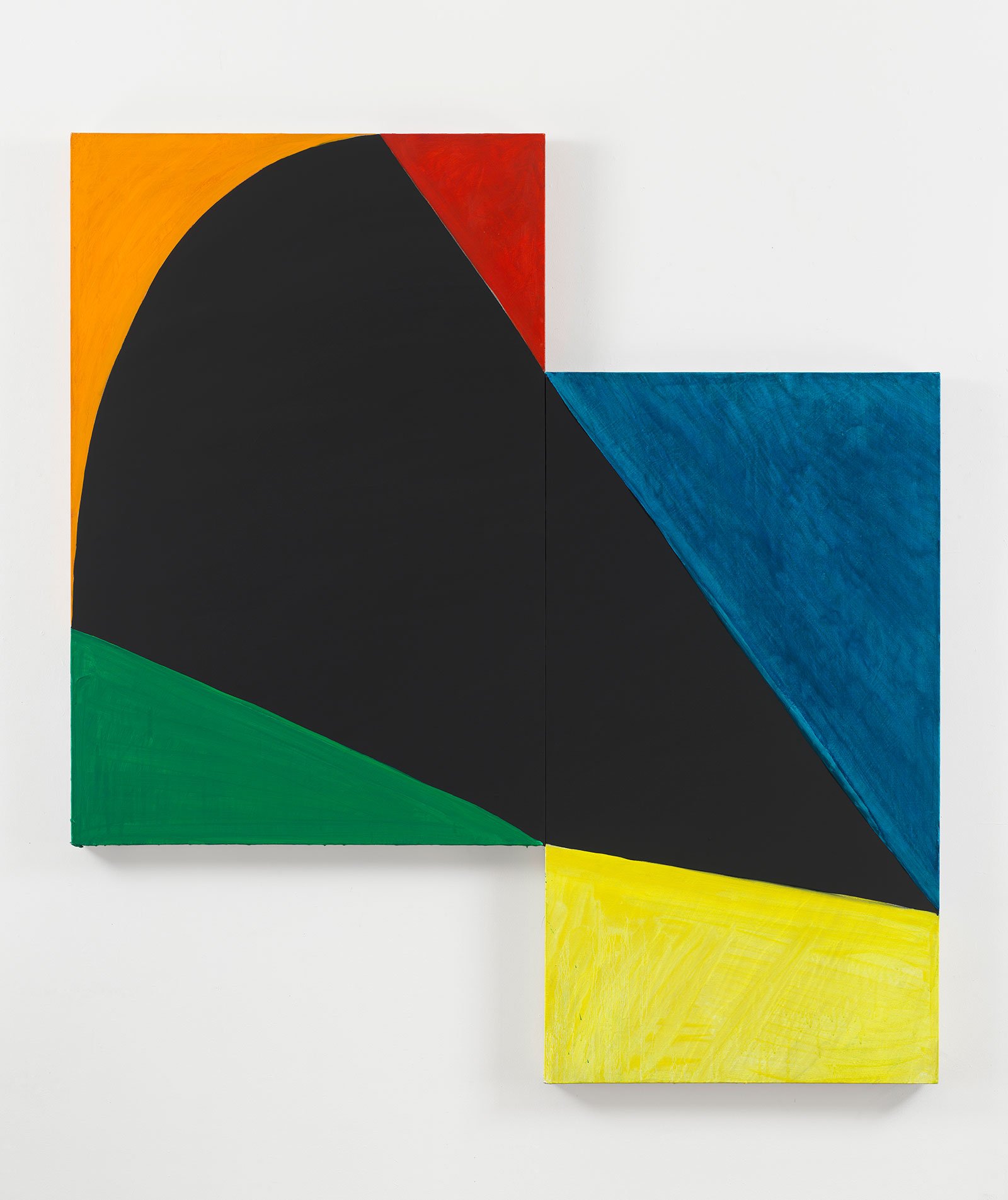
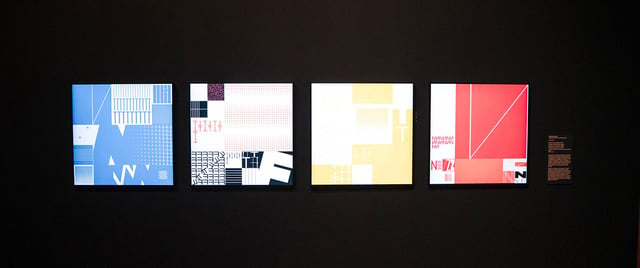
Mary Heilmann was an artist who brought the technology, and popular visual culture, of her time into her highly individual and arrestingly colorful output. Her bold palette was infused with the effects of color and light that she encountered on computer screens, or created in graphics software, from the mid-1990s onwards. It was a meditative fascination, born in the early years of the internet and the age of information, that she shared with her sometime teacher David Hockney. Both master and pupil were, in their very different ways, painters for the digital age, their practice informed by engaging with the purity, transparency, and brilliance of on-screen color.
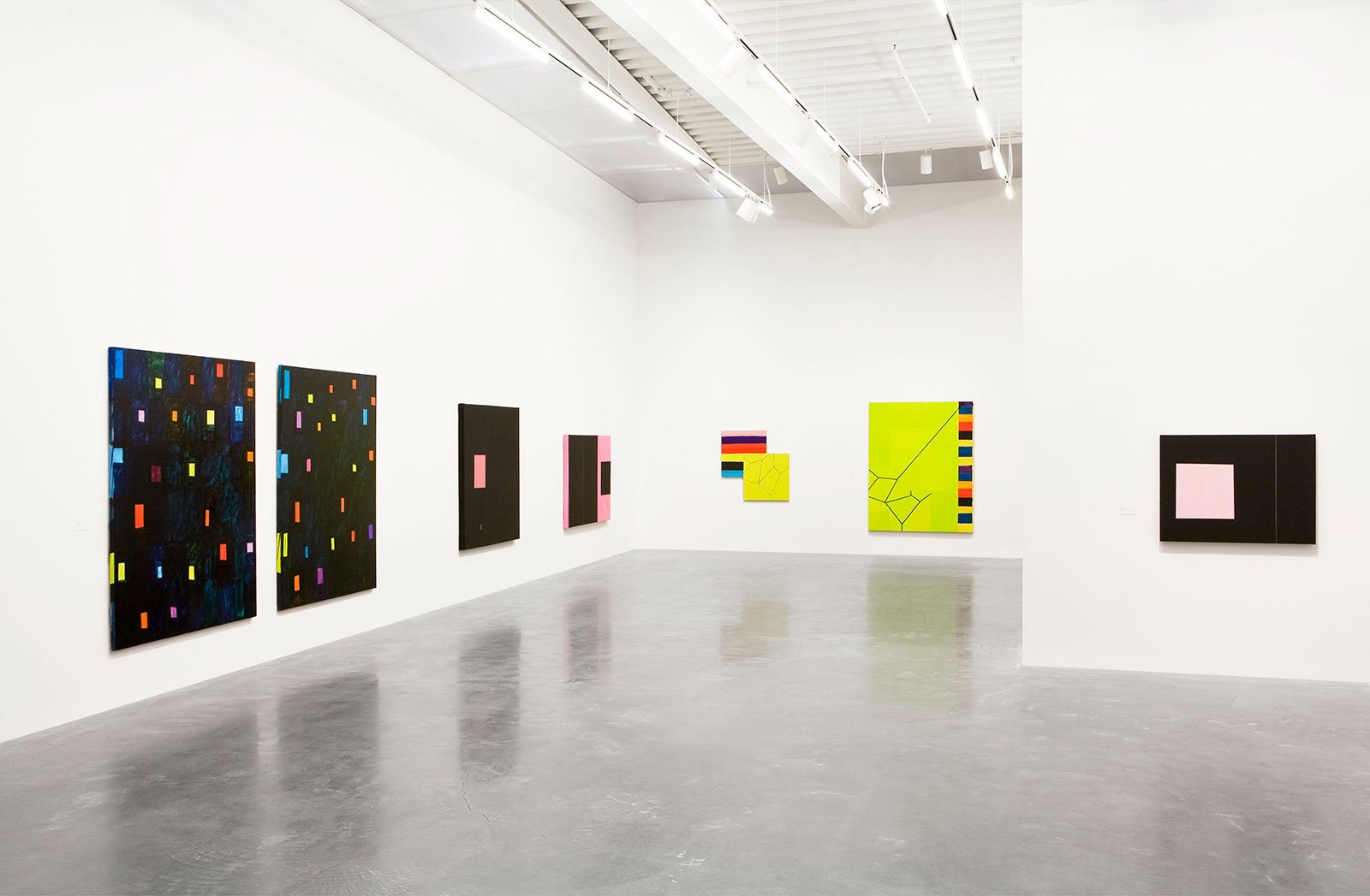
Heilmann’s heightened use of color proved to be a unifying thread, covering her output in painting, sculpture, furniture and ceramics, when, in 2008 — after 40 years as an artist on the New York scene, admired by fellow artists, collected by the discerning, and represented by influential gallerists — she received the recognition of an institutional career survey in her home city: “Mary Heilmann | To Be Someone”, at the New Museum. It was a moment for New York critics, already familiar with her work from gallery shows, to take stock. (The show, curated by Elizabeth Alexander, had opened at the Orange County Museum of Art in California, in 2007, and also traveled to the Contemporary Art Museum, Houston, and the Wexner Center for the Arts in Columbus, Ohio.)
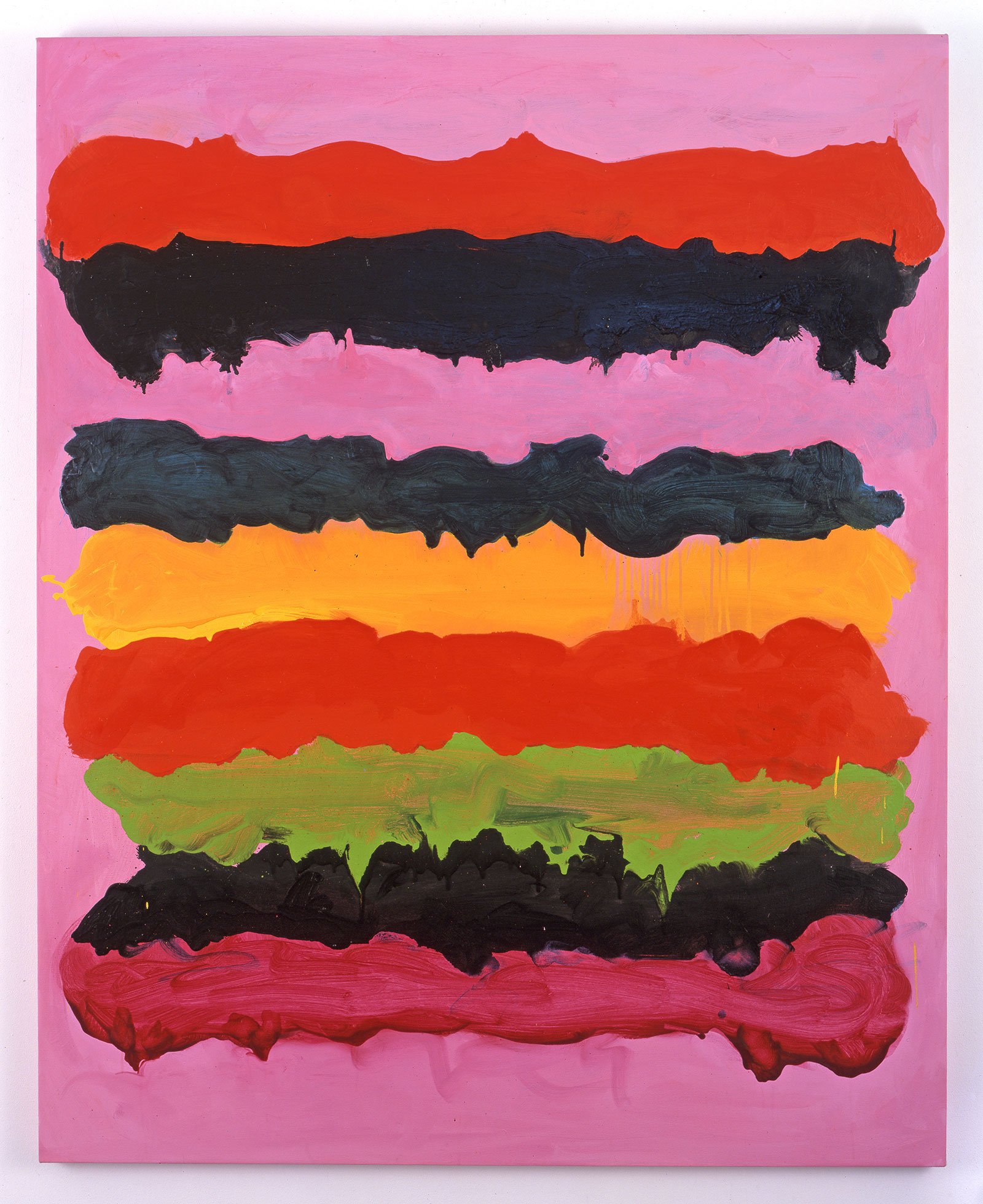
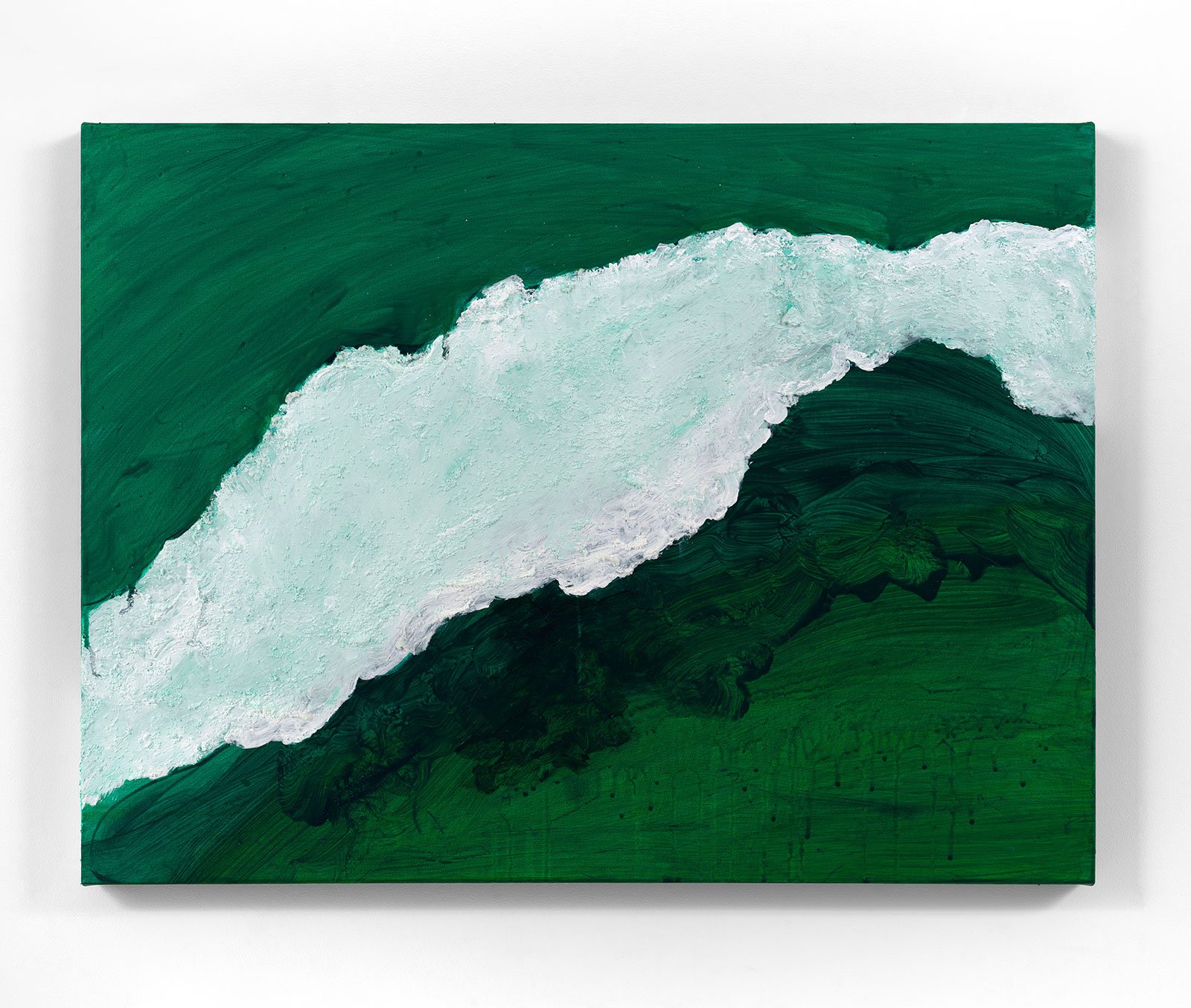
“When she lingers with any one sort of picture,” Peter Schjeldahl wrote of “Mary Heilmann | To Be Someone” in The New Yorker, “it is usually because she is smitten by a certain combination of colors: seaside blue and white, punkish pink and black, Mexican-serape-like polychrome, or jangling tertiaries derived from the television palette of The Simpsons.”
Ken Johnson, writing in The New York Times, greeted her “wildly colorful abstractions”, and the exhibition’s “airy, optically elating effect”.
Installation view of “Mary Heilmann | To Be Someone” at the New Museum, New York, 2008. Photography by Benoit Pailley
When preparing to make a painting, as she recounted in her 2022-23 interview with the Smithsonian Institution’s Archives of American Art, Heilmann would turn to “daydreaming” before committing her broad brush and brightly chromatic paint; rather than, as she put it, “dukeing it out” on the canvas in the manner of Jackson Pollock.
In that daydreaming, Heilmann could draw on a well-stocked mind, concerned with theory and concept, and with popular culture of many strands: Midcentury Modern architecture and design; the beat, hippie and surf cultures of her Californian student years; the radical early influences of Eva Hesse and Bruce Nauman; and the science of color, and the power of its juxtapositions, first imbibed at a Josef Albers lecture at University of California Berkeley in 1967. The output of her daydreaming, gathered together in full for the first time in “To Be Someone”, seemed to address much of modernist art, its movements, and tropes.
In his 2008 article on Heilmann’s New Museum show, Ken Johnson lists encountering “the grid, the monochromatic rectangle, stripes, organic forms, linear webs, spots, checks and drips” in her work. But, he adds, “Nothing she does looks like anything other than a Heilmann.”
Heilmann’s knowing, soft-edged, approach to grids and binary patterns, and her focus on the science of colors, was part of the lineage she shared with her sometime lecturer Josef Albers, with the abstract artist Ellsworth Kelly, as well as with the pioneering artist Vera Molnar, and Molnar’s particular interest in imperfection. In 2008, Kelly was quoted by The New Yorker as saying “I’ve always felt that Mary Heilmann is the best of the new abstractionists”.
Heilmann spent her childhood first in San Francisco, and then in postwar, post-austerity, Los Angeles, surfing near the family’s seaside home at El Segundo and competing in springboard diving. It was the early age of television, when California was the golden US state of great possibility for those engaged in the entertainment industry, construction, design, art, and space-race research. Mary’s mother, Mary Florence Webb, worked as a nurse. Her civil engineer father, John Sherman Heilmann, was employed in creating the network of new freeways then being layered on top of LA’s existing grid pattern of low-built, palm-tree-lined streets and boulevards.
John Heilmann would take the family on outings by car around Los Angeles to see the latest buildings in the Midcentury Modern style he loved. These were the early years of Case Study houses, commissioned by Arts & Architecture magazine as low-cost models for the homes of tomorrow.
The aesthetic aspiration and topographic glamour of the Heilmann family architectural tours in the Hollywood Hills — and a concern with grids shared by civil engineer father and artist daughter — is caught in Julius Shulman’s celebrated image Case Study House #22, 1960, depicting a hillside home designed by the architect Pierre Koenig and completed for the Stahl family in 1959. It is a photograph at once of a city, a cultural moment, and, in Shulman’s words, “a mood”.
It is night. Two women are seen through the house’s floor-to-ceiling glass walls, facing each other, seated on impeccable mid-century furniture, and talking. The angled lines of the house’s decking, cantilevered out over the void, and its deep-eaved roofline, reach out in alignment with the grid pattern of the city’s lights, running off into the infinity of the “City of Dreams”.
Following John Heilmann’s death in 1953, the family moved back to San Francisco, where Mary completed her schooling. She acquired her bachelor’s degree in English at UC Santa Barbara; a qualification in education, with an emphasis on child psychology, at San Francisco State (studying ceramics and the use of a potter’s wheel on the side); a master’s in sculpture at UC Berkeley. From Berkeley she traveled to UC Davis, near Sacramento, to meet Bruce Nauman, and to be won over from the first by that artist’s conceptual rigor and playful originality.
In her time at high school and her life as a student, Heilmann felt exasperated by some of the more conservative elements she encountered, especially in the sculpture department at Berkeley. But there were plenty of sources of inspiration: the originality of Richard Serra, whose work she admired when both were at different high schools in San Francisco, and later at UC Santa Barbara, where the surf culture was a lure for both artists; Peter Voulkos, the ceramics teacher at Berkeley she dubbed ”a super radical nutjob hippie”, but a supremely influential one, who demonstrated the conjunction of accident and design in artistic practice; Bruce Nauman’s experiments with light, plastics, and early neons in his Mission District studio; and Hockney, who taught a class in painting that Heilmann attended at Berkeley in the spring semester, 1967.
The impact Hockney had on Heilmann resurfaces time and again in the interviews she gave over the past 20 years. Hockney had come to Berkeley, at the time he was working on his first swimming pool paintings in Los Angeles, “because it was such a cool scene”, Heilmann said in her AAA interview. She talked her way into Hockney’s class, one supposedly reserved for painting students. But “none of the conservative painters took his class”, she said. It was conversely attended by “radical sculptors” like herself.
Heilmann was drawn to Hockney’s teaching, she said, because she liked “off-the-edge types of art … his style and everything”, while Hockney “liked the edgy kind of sculpture”. He also taught her, she said, not to take herself too seriously as an artist.
In a documentary made in 2008 with the Art21 project, Heilmann laid out, briefly but clearly, her Hockneyesque relationship with her computer-screen-infused palette, dating back to the mid-1990s.
“Now that I have my computer, I do a little basic fooling around in graphic programs, not so much with scale, but with colors. Seeing the colors on the screen of the laptop has really influenced my color in the last ten or fifteen years.” (Mary Heilmann)
She recounts falling in love with a “chartreuse-ish kind of green, which we used to see all the time on the computer, and with computer graphics, too. And I got inspired by the color of light that I constantly saw as I played with my computer. It probably seeped into my consciousness about making the paintings. I’m wondering when I’m ever going to get tired of this green.” By the time of the AAA interview in 2022-23, Heilmann has graduated to a smartphone, and the photographs she takes on it: fresh images that she describes musing on in her “daydreaming” preparation for a new painting.
That chronology of screen-based color-making and image banking, running from the mid-1990s onwards through to her final years, aligns Heilmann’s experiments with the conceptually inquiring work done by artists as various as Hockney and Jan Robert Leegte, where they worked with the potential of hardware and software, in the early days of full-color graphic interfaces and tolerably intuitive desktop publishing.
While Leegte, Hockney and Heilmann were all working at different technical levels, with only Leegte engaging at the level of code, the engagement of visual artists with digital interfaces in the three decades of the age of information — whether coding, using apps, or observing and thinking aesthetically — is part of an important chronology: the osmosis between the graphic design developments brought by working with computer screens and the corresponding evolution in design, typography, and the overall science of reading, when applied to legacy formats including newspapers, magazines, posters and books.
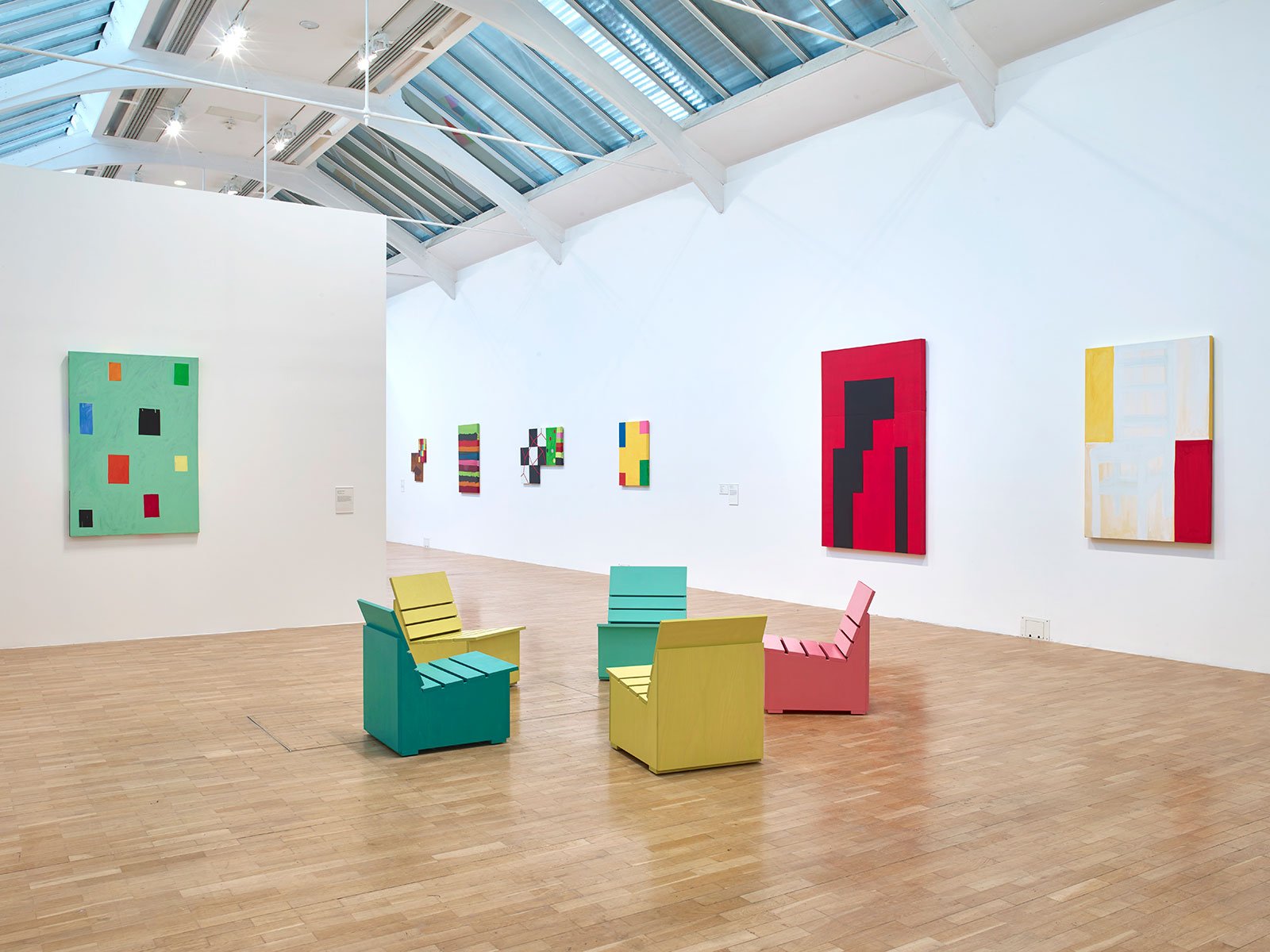
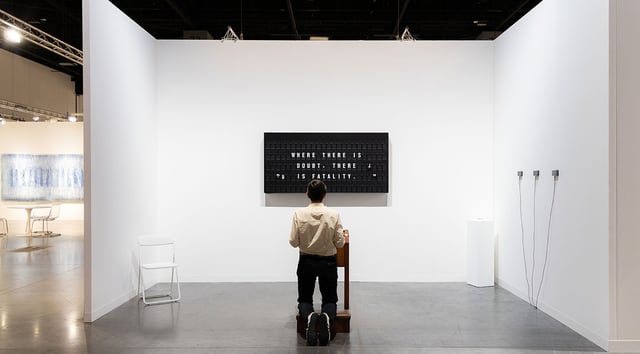
Installation view of “Mary Heilmann: Looking at Pictures” at Whitechapel Gallery, London, 2016. Photography by Stephen White
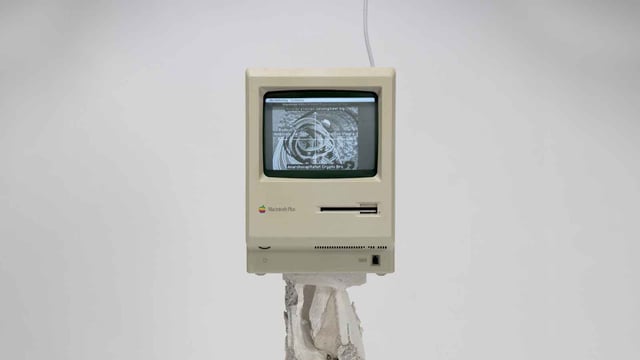
Heilmann’s reference in 2008 to a loved chartreuse green “which we used to see all the time on the computer” hints at a technostalgic reference back to Classic Macs and Windows machines of the mid to late 1990s. A feel for that generation of hardware, with primary colors on screen, all encased with a beige, boxy, plastic charm, has been addressed in various degrees by artists including Leegte and Dev Harlan.
This correspondence in Heilmann’s practice between digital and physical palettes has been extended — built into an algorithmic practice — by generative artists including Tyler Hobbs and William Mapan. The latter works 50:50 between digital and physical, between screen and canvas, in a two-way process, but one in which he no longer includes colors that he cannot make physically, because, as he says, “I feel more connected that way”.
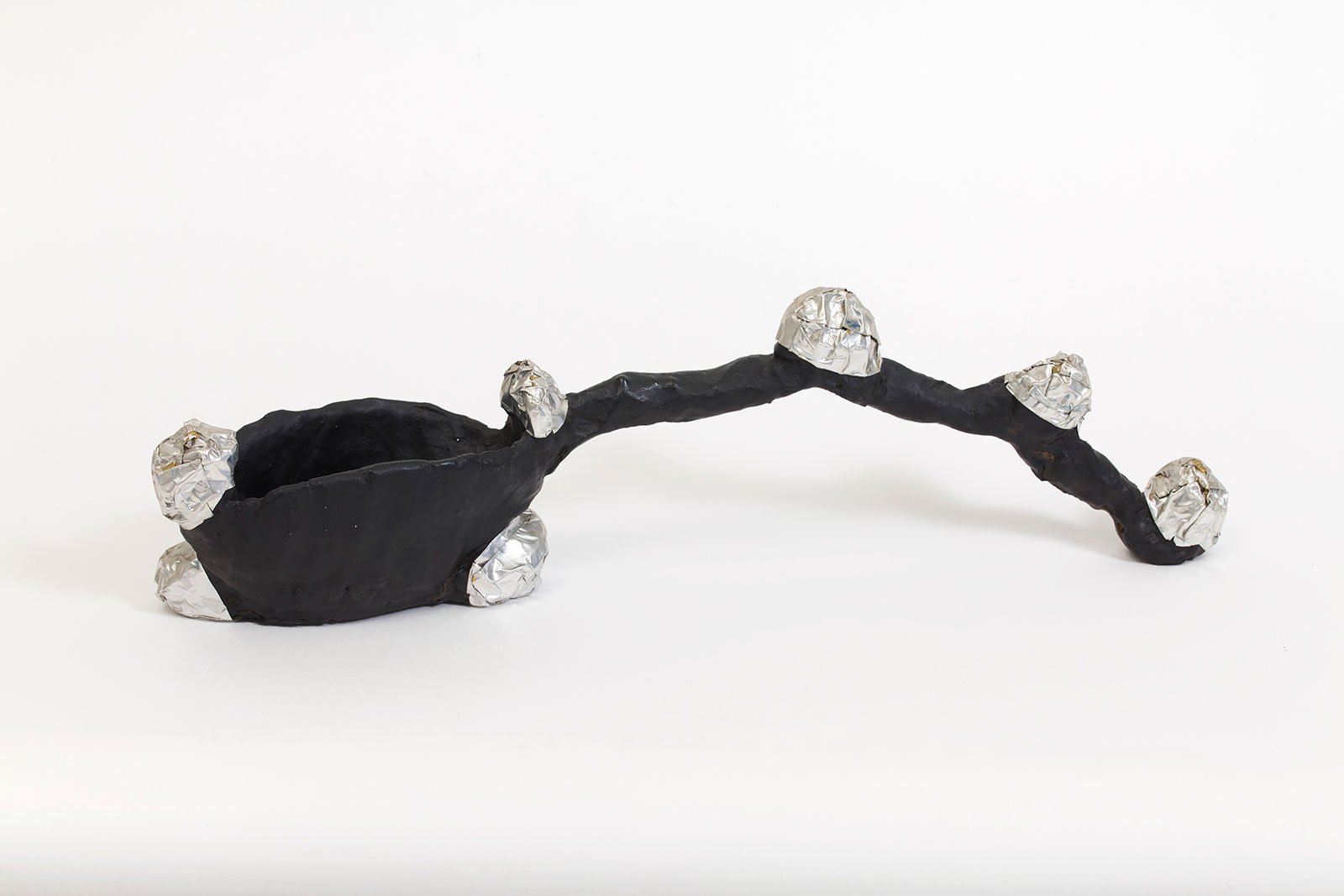
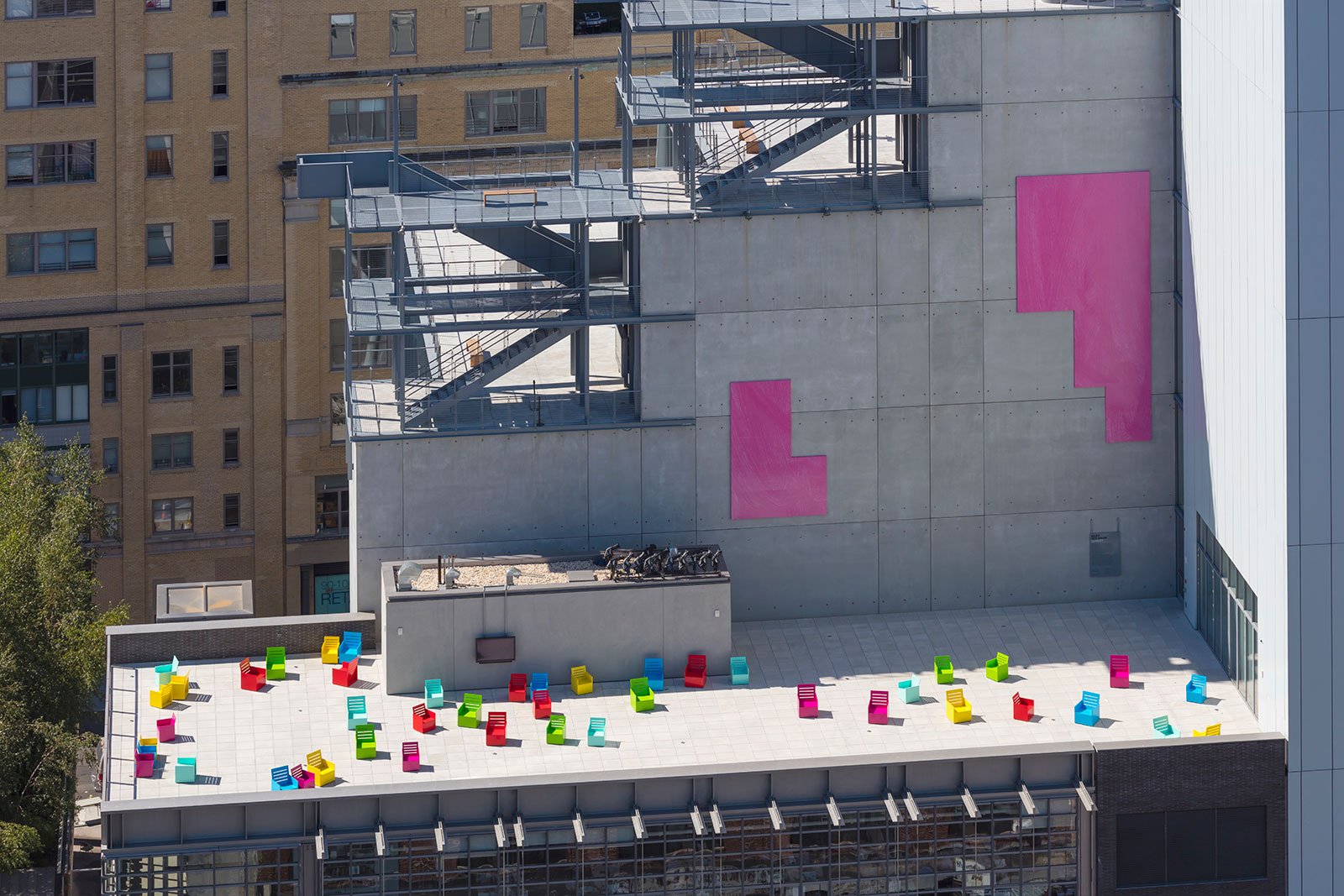
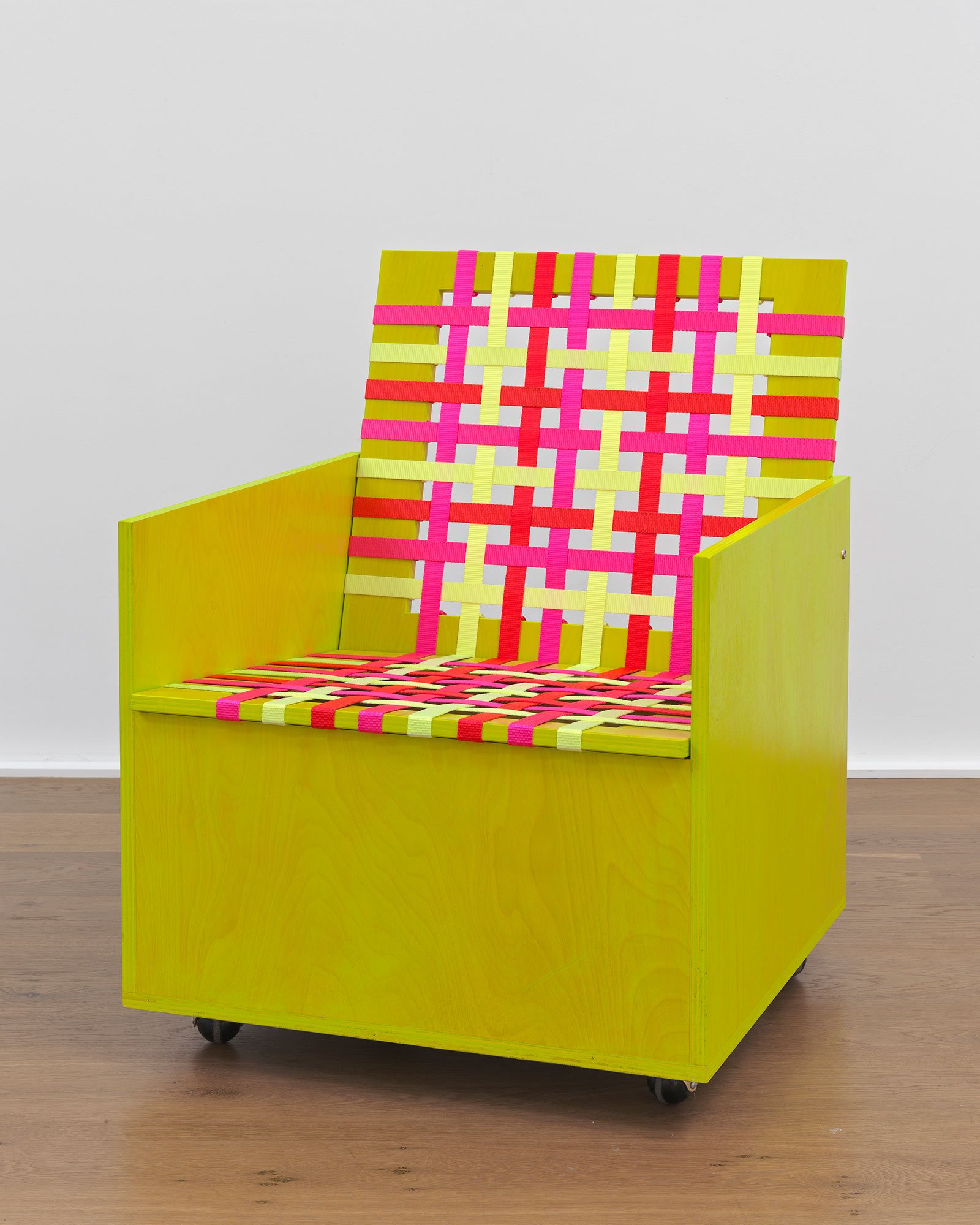
A similar sense of materiality, of being “connected” to the structure and layering of her work, ran through Heilmann’s practice from her radical early sculpture to the making of highly colored, highly practical chairs — a massed suite of which, “Mary Heilmann: Sunset”, was shown on an external landing at the opening of the new Whitney Museum of American Art, New York, in 2015 — and to allowing the paint on her canvases to spill, in the fashion of a ceramic work, round the edges of variously shaped canvases.
Installation view of “Mary Heilmann: Sunset” at the Whitney Museum of American Art, New York, 2015. Photography by Butcher Walsh
From Max’s Kansas City to the New Museum
By 1968, Heilmann had completed her further education in California, and received the teaching qualification that was her source of financial security for much of her remaining life, latterly at the storied School of Visual Arts in Manhattan, where she taught for nearly 20 years. She had visited New York several times during her student years and calculated that setting up as an artist there would be less of a challenge than in Los Angeles.
In New York, she took on Serra’s old loft in what is now known as Tribeca, and Serra took her to Max’s Kansas City, near Union Square, the bar where the worlds of fashion, music and art coalesced. It was where Donald Judd, Robert Smithson, Carl Andre and the other “bros” of post-minimalist sculpture hung out in the years after they had declared the “death of painting”.
“You could go in there and meet everybody, and even if they were like kind of cold, you could still have sarcastic conversations with everyone,” Heilmann told AAA. In later-life interviews Heilmann makes frequent references to herself in the late 1960s and 1970s as being variously “sarcastic”, “ornery”, or a “wiseass”.
“I dedicatedly hated painting then,” she told Jason Farago in an interview with The Guardian in 2016. “Mainly to make a point. Because actually I loved the colour-field painters. But we still said we hated it!”
“Of course, I couldn’t get any attention from them,” she told Farago of the circle at Max’s Kansas City. “Wanting to hang out with the men and not welcoming the other girls into the game was very common. But at Max’s everybody would talk to everybody, even if they didn’t like each other. So I would tell people I was a painter, just to have a conversation, a beef.”
But the rejection she felt was real; as was the misogyny that occasioned it. She was passed over for the Whitney Museum of American Art’s 1969 sculpture exhibition “Anti-Illusion: Procedures/Materials”, where Hesse was one of two women included alongside 20 men. The men included her friends Serra and Nauman, and her new acquaintance Carl Andre. “I started painting because I couldn’t get any attention for the sculpture,” she told Ben Luke in a 2020 interview with The Art Newspaper.
Sculpture’s loss was painting’s gain. Nearly 50 years after Heilmann had switched to painting, her Red, Yellow, and Blue paintings from the 1970s were shown at Craig Starr Gallery in “RYB: Mary Heilmann Paintings, 1975-78” (2017). Schjeldahl hailed paintings “like songs for the eyes” in The New Yorker, and described compositions that were “minimalistic but also promisingly wobbly. The colors are as clarion as French horns in the morning.”
Looking back to the failure of the Max’s Kansas City gang to take Heilmann more seriously in 1968, Schjeldahl describes “a retrospective, vicarious thrill of art history on the turn. Take that, fellas!”
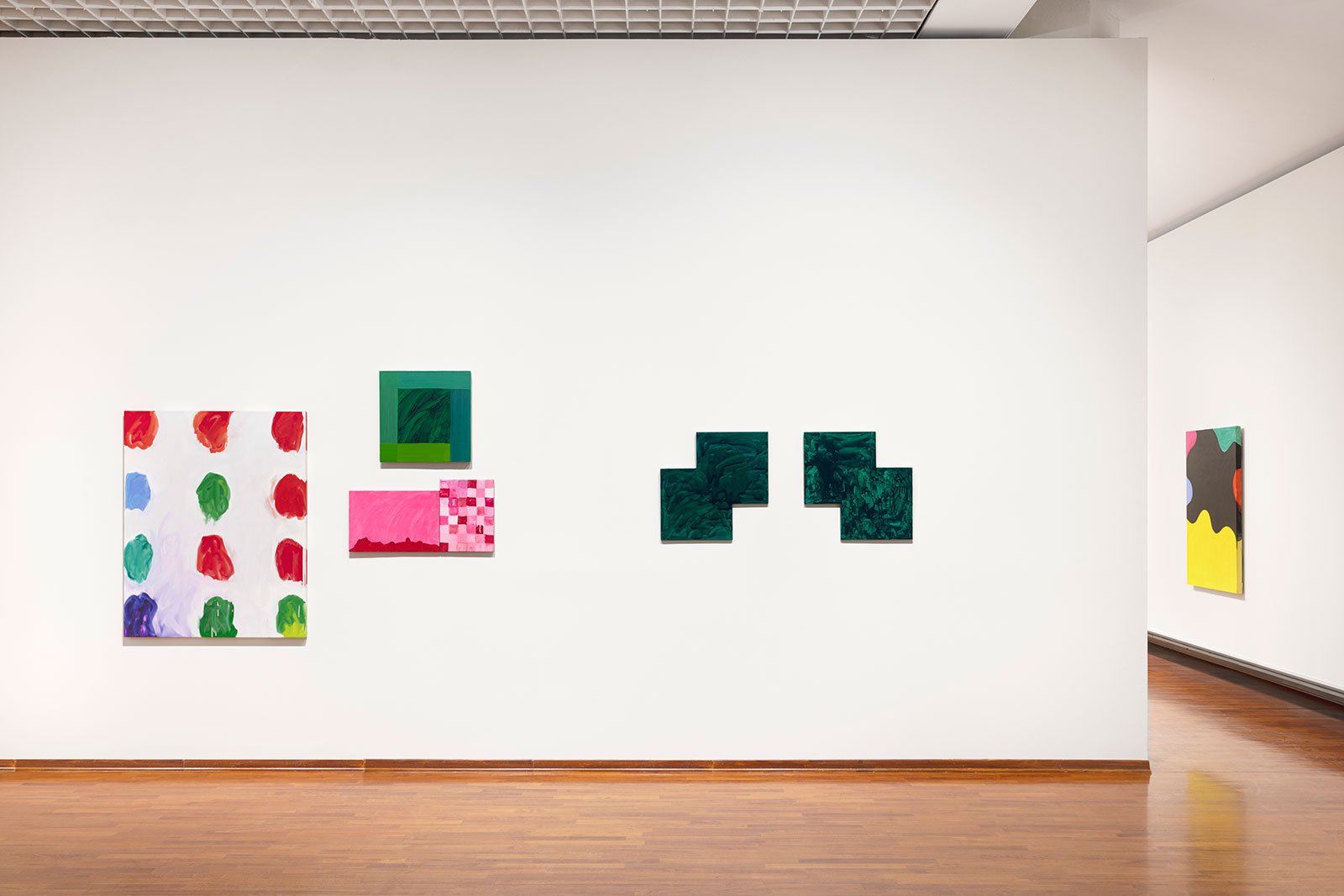
Installation view of “Mary Heilmann” at Galleria Civica d’Arte Moderna e Contemporanea, Turin, 2024. Photography by Nicola Morittu
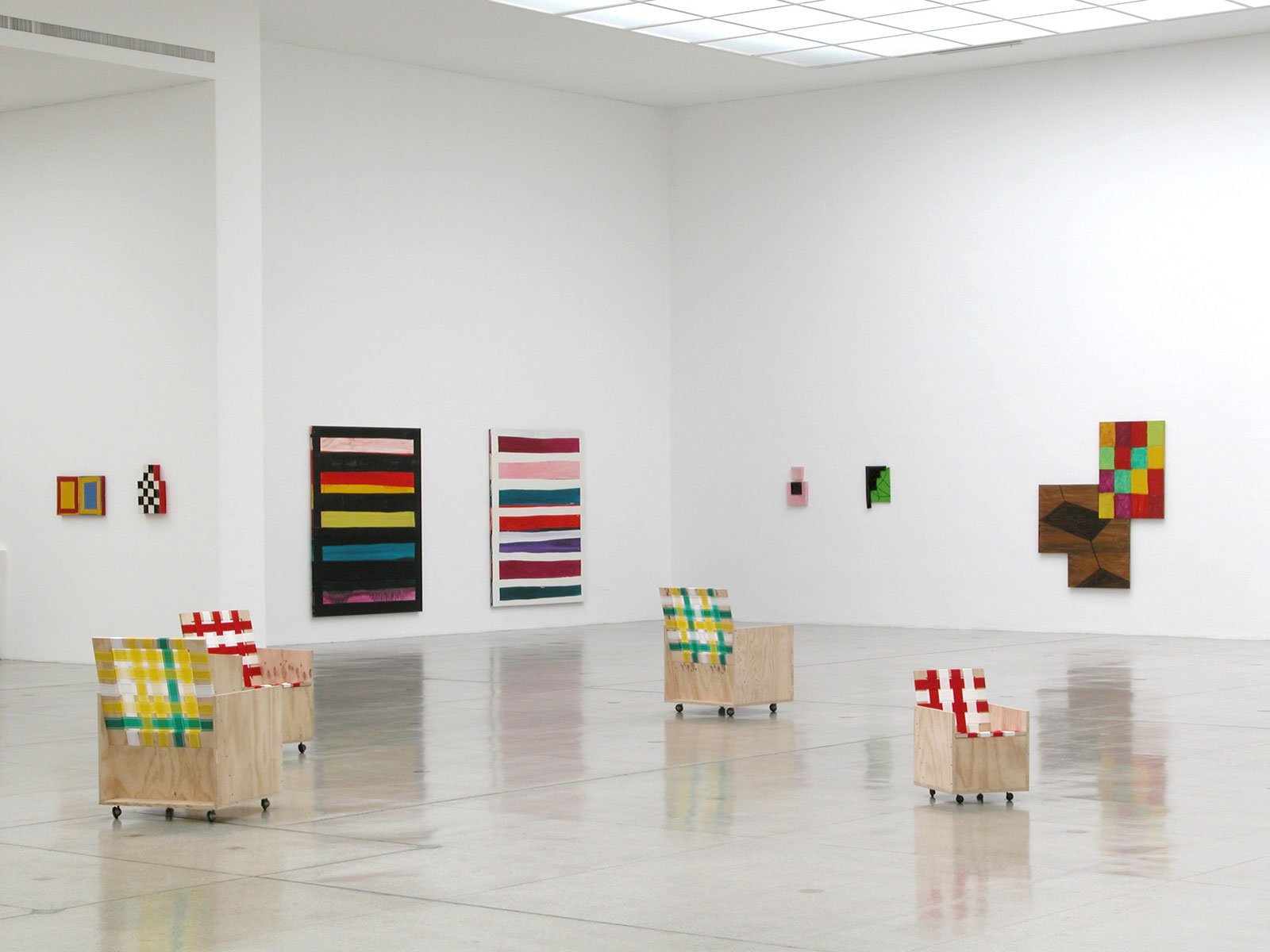
Installation view of “Mary Heilmann: All Tomorrow’s Parties” at Secession, Vienna, 2003. Photography courtesy of Mary Heilmann
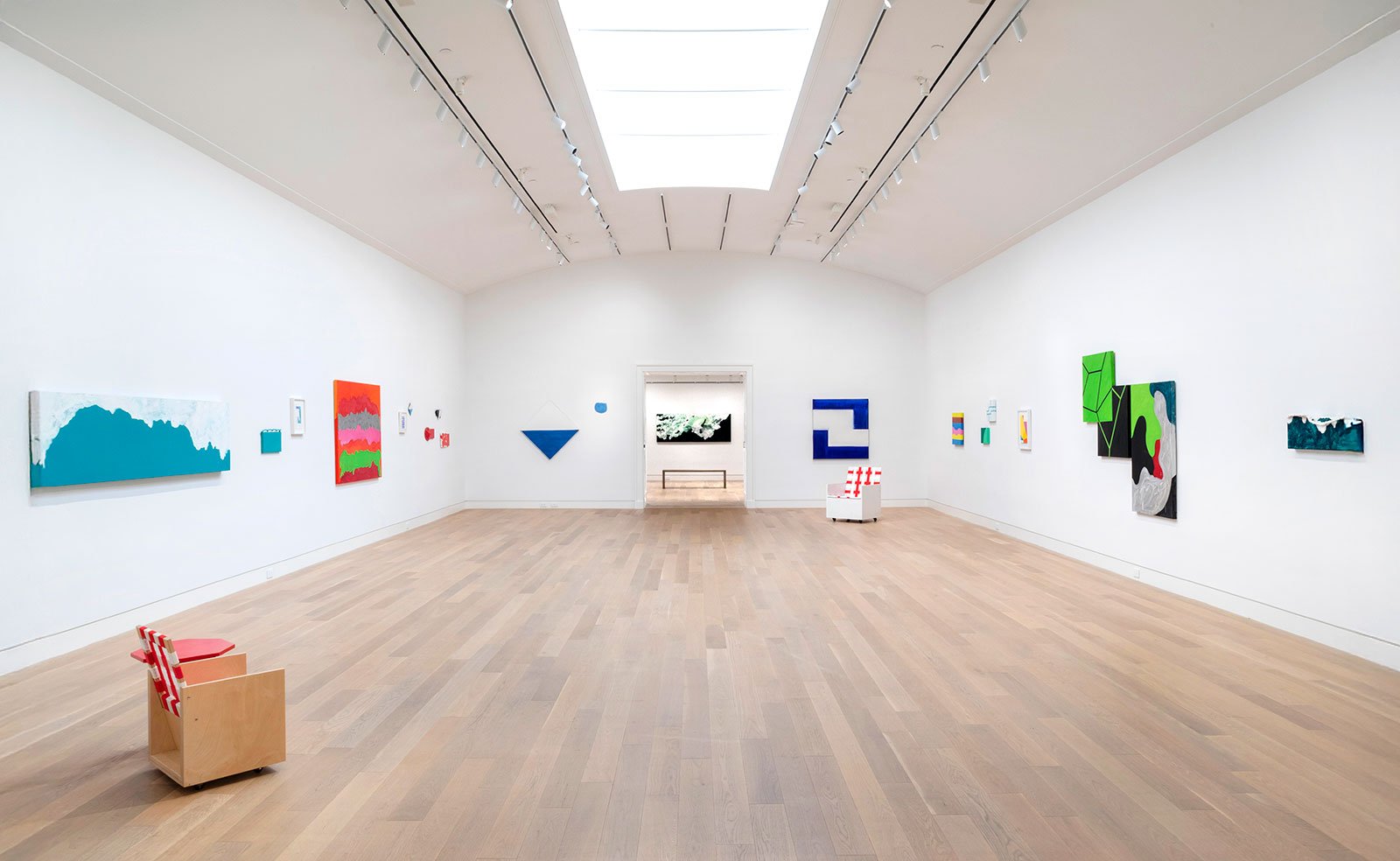
Installation view of “Mary Heilmann: Water Way” at Guild Hall, East Hampton, New York, 2025. Photography by Francine Fleischer
Hauser & Wirth’s “first love”
Heilmann never lacked for interesting, or enterprising, representation in New York City. At Paley and Lowe, in Wooster Street, Soho, founded in 1969 by the journalist and investor Jeff Paley and the advertising executive and artist Jillen Lowe, Heilmann showed with other young women artists in the early 1970s including Pat Steir, and Joan Snyder.
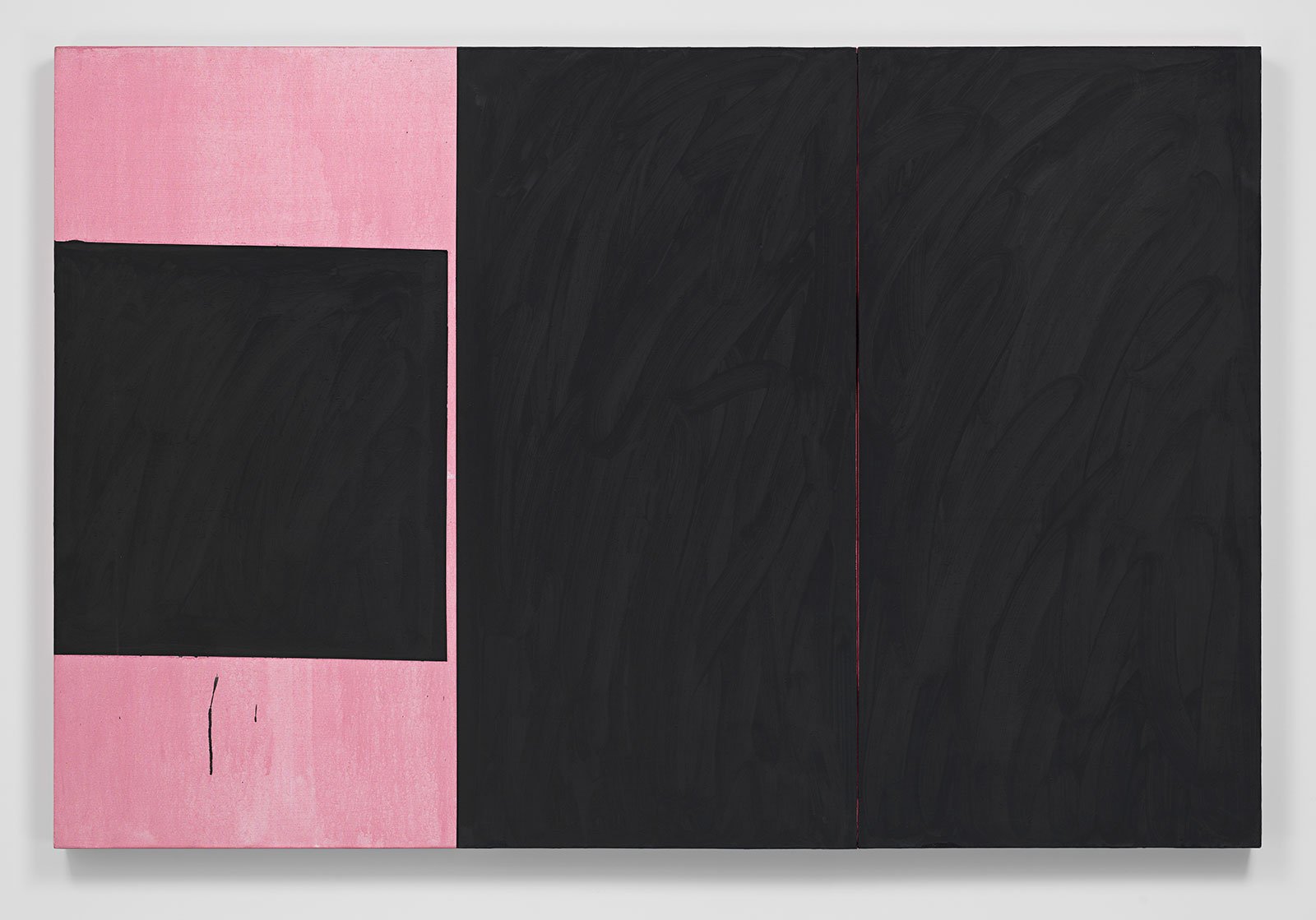
Following the closure of Paley and Lowe, Heilmann was represented by Holly Solomon, who showed a lot of Californian artists to successful effect. The relationship was ended by Solomon after Heilmann showed a set of large pink and black paintings. It was a collection which she described to AAA as “serious, and formal, and colorist”, but which Solomon, and the Village Voice critic, had disliked.
Heilmann joined forces with the gallerist Pat Hearn, who co-founded, in 1994, the Gramercy International Art Fair (now the Armory Show). It was a relationship she maintained until Hearn’s death in 2000. “We became very close,” Heilmann told AAA. “It was a great, great thing.”
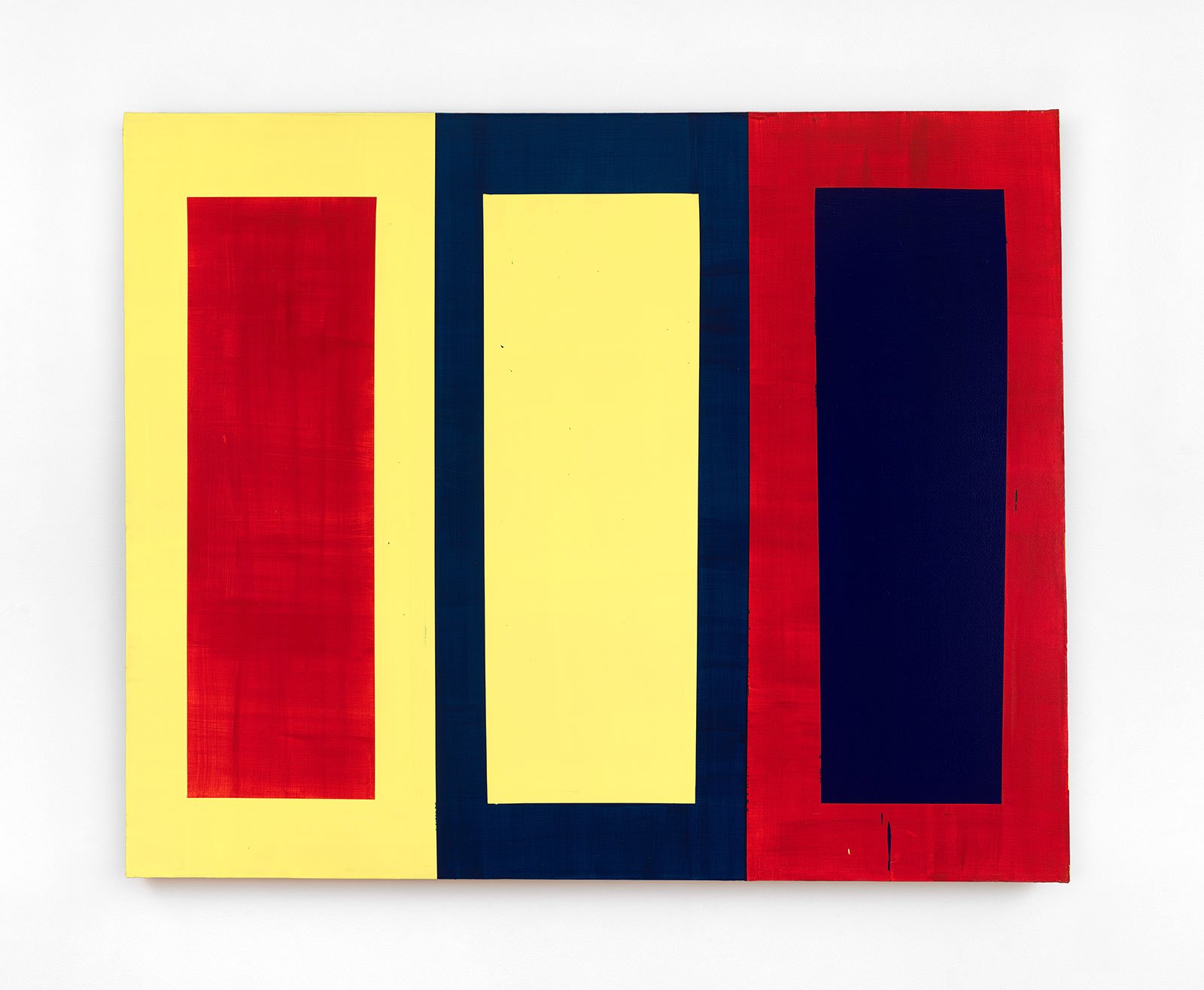
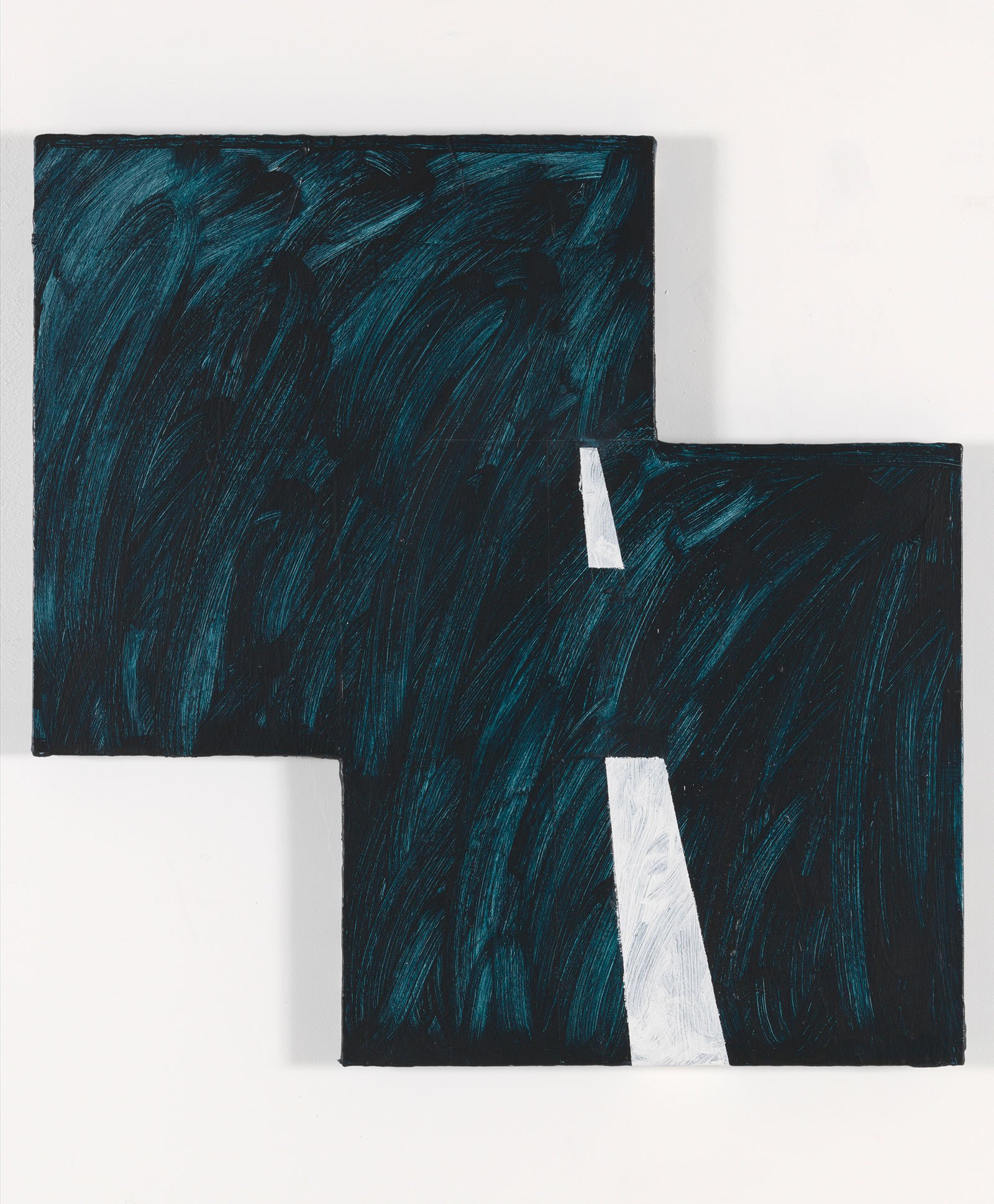
Mary Heilmann, Lonesome Dove, 1988. Oil and acrylic on canvas. Photography by Genevieve Hanson. Courtesy of the artist, 303 Gallery, New York, and Hauser & Wirth
While still showing with Hearn, Heilmann had met Ursula Hauser, and Iwan and Manuela Wirth, founders of Hauser & Wirth, the gallery that represented Heilmann to the end of her life, latterly alongside 303 Gallery, of New York.
Following Heilmann’s death, Iwan Wirth recalled how the three founders had met Heilmann in spring 1994. “We were introduced to her by the artist Patty Martori,” Wirth said in a press statement, “and we started to collect her work right away. Mary also introduced us to other artists she knew and admired like Louise Bourgeois.”
“Our first project with Mary was her book The All Night Movie, which is kind of an autobiography as an artist book, and our first show with her came along in 1997, with so many to follow. Mary was really our first love.” (Iwan Wirth)
With representation by Hauser & Wirth, and 303 Gallery (which started in 2005), the success of “To Be Someone” was the prelude to a series of institutional and solo shows including the 2015 opening of the new Whitney; Museum Ludwig, Cologne (2010); the Whitechapel Gallery, London (2016); and Dia Beacon (2023), when Heilmann showed the Starry Night series (1967–71) for the first time since its debut at Paley and Lowe in 1971.
Heilmann spoke in her AAA interview about her relationships with men, including dating Gordon Matta-Clark for two years, and her struggle with addiction: “I was a real heavy drinker and stoner and drugger,” she said. But she got sober in 1983, aged 43. “And that,” she said, “was a big turning point in my life because the recovery program is about — very much about a spirit — having a spiritual connection.”
When talking about one of her abiding influences, Bruce Nauman, Heilmann told AAA that he had always been “theoretical and playful at the same time”. It was a quality that she saw in herself especially as regards her feeling for color. She admitted the influence of California, both in Los Angeles and San Francisco, in her early feeling for color. But her real interest, she told AAA, was in the theory, citing the influence of both Josef and Anni Albers, and Josef’s lecture at Berkeley:
“It was amazing. With visual images projected. And … the after images you get when you see one color next to another. That theoretical aspect of color has always interested me a lot. The way … color makes you have emotional feelings is really a big part of my psychology.” (Mary Heilmann)
Heilmann’s feeling for a mix of play and theory was identified following her death by Jessica Morgan, the Director of the Dia Art Foundation, who is to return to the UK in January 2027 as Director of Tate.
“Mary Heilmann’s work combined formal innovation with a distinctly personal and playful sensibility,” Morgan said in a press statement. “Over five decades, she carved out a singular position in contemporary art with her daring balance of rigor and geometry with improvisation and gesture, alongside a palette of vibrant color. This approach has reshaped how we might think about Minimal or Postminimal art — once defined by a severe restraint of color and form. Mary brought joy, emotion, and freedom to her paintings and sculptures and we are proud to have presented her work at Dia not once but twice, recognizing the enduring significance and influence of her practice.”
—
Mary Heilmann; born San Francisco, California, January 3, 1940; died Riverhead, New York State, August 14, 2026.
Louis Jebb is Managing Editor at Right Click Save.