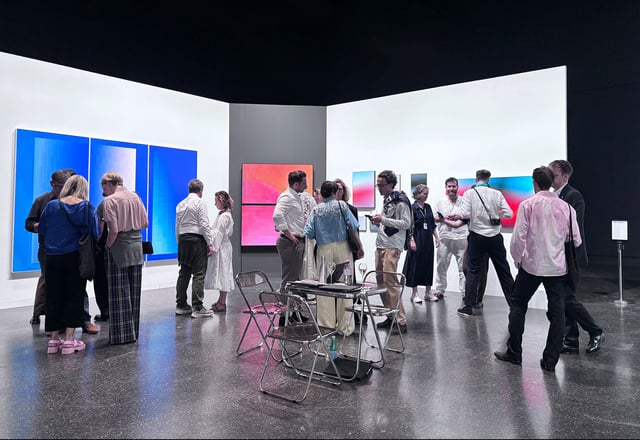
Leegte treats social media, NFTs, and AI as different expressions of a single technological transformation that he has witnessed unfolding during his three-decade-long practice
Since 1997, Jan Robert Leegte has watched the internet transform from an experimental space at the margins of culture into the infrastructure through which much of contemporary life now takes place. He was there when putting art online meant operating largely outside galleries and institutions, when the early web still carried the promise of a more open and anti-authoritarian culture. He was there when social media and post-internet art changed that relationship, when blockchain introduced new communities and economies, and when digital art began entering the very institutions it had once existed apart from. Now AI is bringing another fundamental shift.
What makes Leegte’s perspective particularly relevant today is that he has lived through several moments that were each declared revolutionary. Rather than treating social media, NFTs, or AI as isolated disruptions, he sees them as different expressions of a technological transformation that has been unfolding for decades.
With each new generation, the same questions return in different forms: Who gets to participate? Who controls the infrastructure? What happens when a counterculture develops its own markets and institutions? And what is lost, or gained, when technologies that once belonged to small communities become part of everyday life?
In this conversation with Anika Meier for Right Click Save, Leegte reflects on nearly three decades of cultural shifts, from the ideals of early net art and the arrival of post-internet to NFTs, Web3, and AI. He discusses generational conflict, changing ideas of authorship and ownership, the relationship between technological and cultural literacy, and the uneasy journey of digital art from an underground practice to Art Basel. Looking back at a history he experienced first-hand, Leegte considers what each technological wave leaves behind, why resistance to the next one is so predictable, and what it means to be an artist when the world outside the work has become stranger than the digital space once was.
Anika Meier: You’ve been making art on the internet for almost 30 years. Then, five years ago, NFTs happened. Looking back, do you feel that NFTs changed your life as an artist?
Jan Robert Leegte: NFTs definitely changed my life, but they also felt very much like an extension of what I was already doing. Change is such a typical quality of working with networked computers. Whether it’s social media, blockchain, or AI, these technologies arrive in surprising ways. They’re deeply intimate, yet they fundamentally change the world around us. NFTs brought me an audience that had been there all along, but remained largely invisible.
For the first time in my life, I had direct contact with a large group of people, many of them not art professionals but collectors, who saw things in my work that no one had really responded to before.
I don’t think we had that during the Web 2.0 explosion or the post-internet era [brought digital practices into the gallery between the mid-2000s and the mid-2010s]. The internet was simply still too young. Now, after 30 or 35 years, you have a generation of people, many of them around my age, who have grown up with the internet. They’re culturally very literate, often not in art but in the medium itself. People recognize computer culture first and then begin learning about art history and contemporary art. Before, it was almost the other way around. You were working in the medium, and it was mainly people from the art world responding, but they often missed its material specificities because they simply weren't literate in that field. Now those two forms of literacy seem to be coming together.
AM: You’ve always been interested in the materiality of the digital and in software itself. In the 1990s, understanding net art also meant understanding HTML and coding. To understand a work like a website, you needed to understand how it was built.
JRL: There weren’t many people who had that knowledge, which made it a very specific and underground field. That’s what we were doing in the 1990s, and I think it’s still true today. Much of the work is about understanding the medium we’re working with.
There’s a strong meta-level to it, a lot of self-reference, which can make it difficult for people to access. You saw something similar in early video art. The difference is that our medium, or rather the field of computing, develops at such an incredible pace that this kind of inquiry never ends.
With video art, there came a point where you could move beyond asking what the medium itself was and focus more on narrative. In computing, you constantly have to revisit those questions because the field keeps becoming more complex and keeps expanding.
When I started, it felt like entering an open field as a sculptor. I was asking myself: What is this new material? What kind of space can I work in?
AM: What would you say your medium actually is? Has that medium changed?
JRL: I don’t think of computers as the medium. I think of computing as a space we’re gradually discovering. When I entered it in the 1990s, I was completely fascinated by what it could become for an artist, and that feeling hasn’t changed. It’s a bit like electricity. Electricity itself is stable, but its implications are endless. Computing feels the same.
Suddenly AI arrives, and everyone thinks, “Holy shit.” But when you entered this field in the 1990s, you already sensed that something like this was on the horizon. It’s native to the medium. Of course, when it actually arrives, it still feels magical. That’s also why I don’t want to be caught off guard by these shifts.
A lot of people resisted social media, then resisted blockchain, and now they’re resisting AI. I don’t really have that problem because none of these things feel fundamentally new. They feel like different expressions of the same substrate, much like electricity. I’m still shocked by the way they reshape society, politics, and everyday life.
AM: There are only a handful of artists from the 1990s and 2010s who not only embraced NFTs but stayed with them, found a way to make interesting work, and built a sustainable practice. Why was that transition so natural for you?
JRL: It’s like exploring space. You don’t say, “We’re not going to Venus because Venus is bad.” You either engage with it or you don’t. The ethics are in the details: what you make and how you engage with it. I wouldn’t criticize the medium itself. I started out in sculpture, but in the 1990s I became fascinated by screen space, web space, cyberspace, whatever you want to call it. I saw it as a place for a new kind of installation.
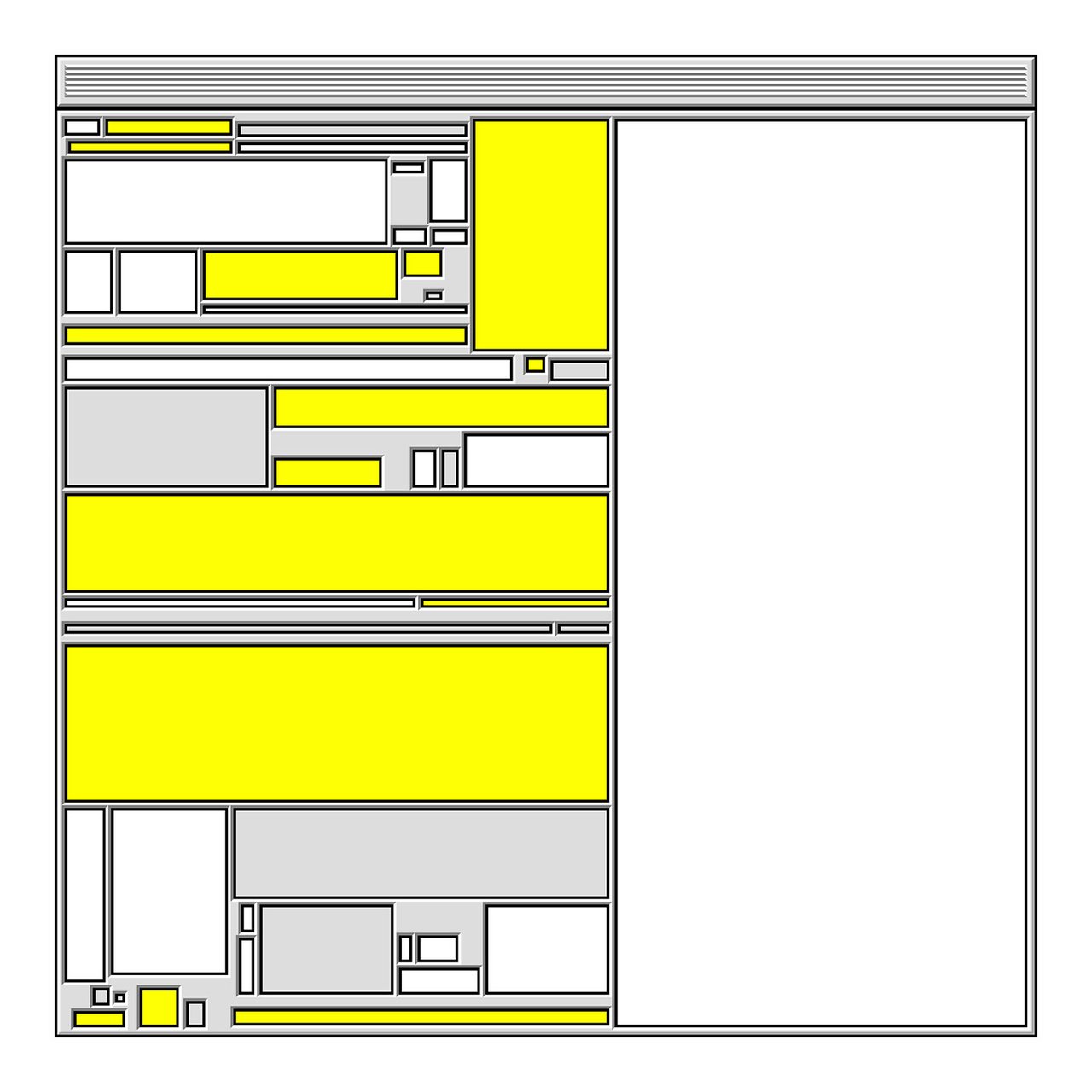
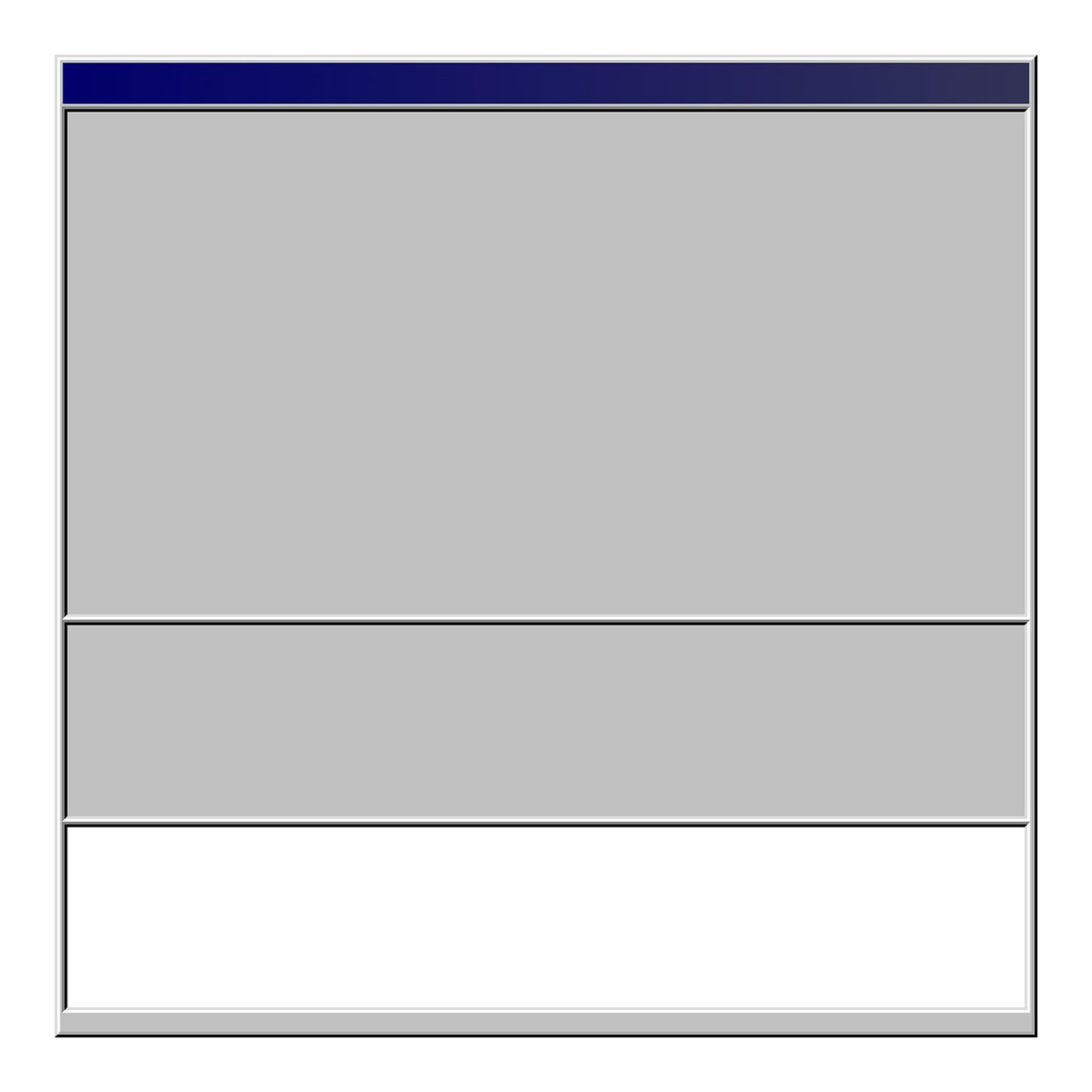
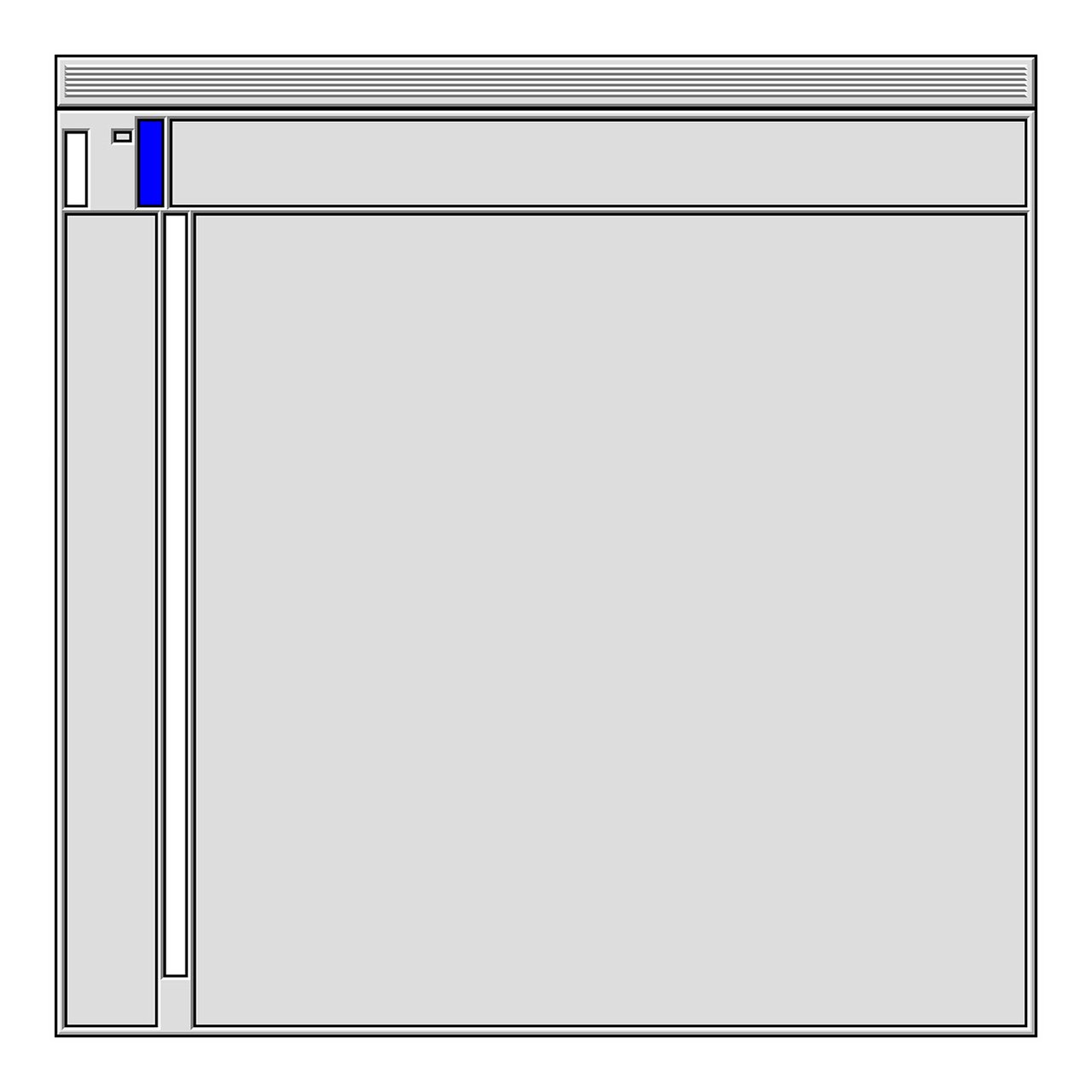
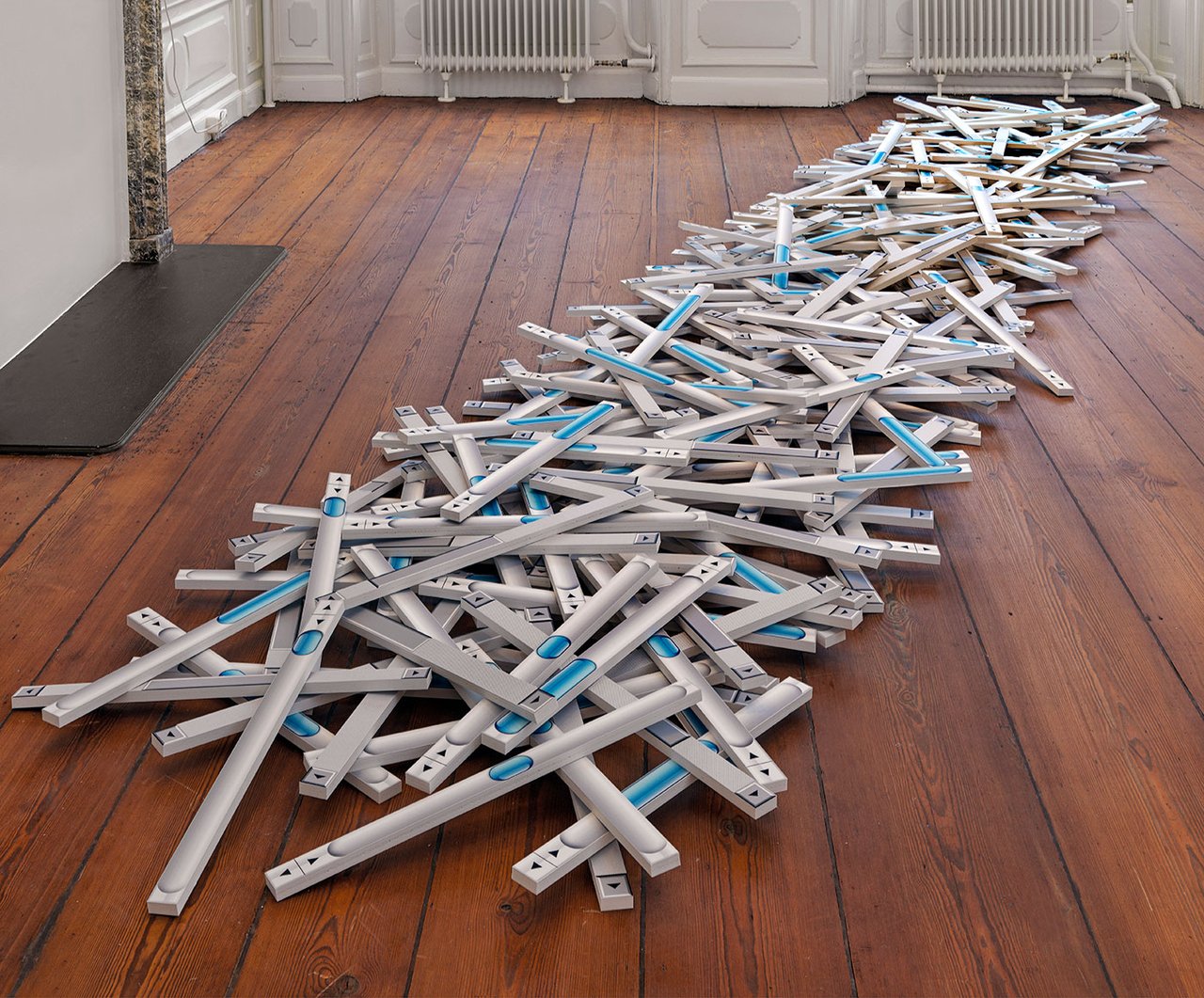
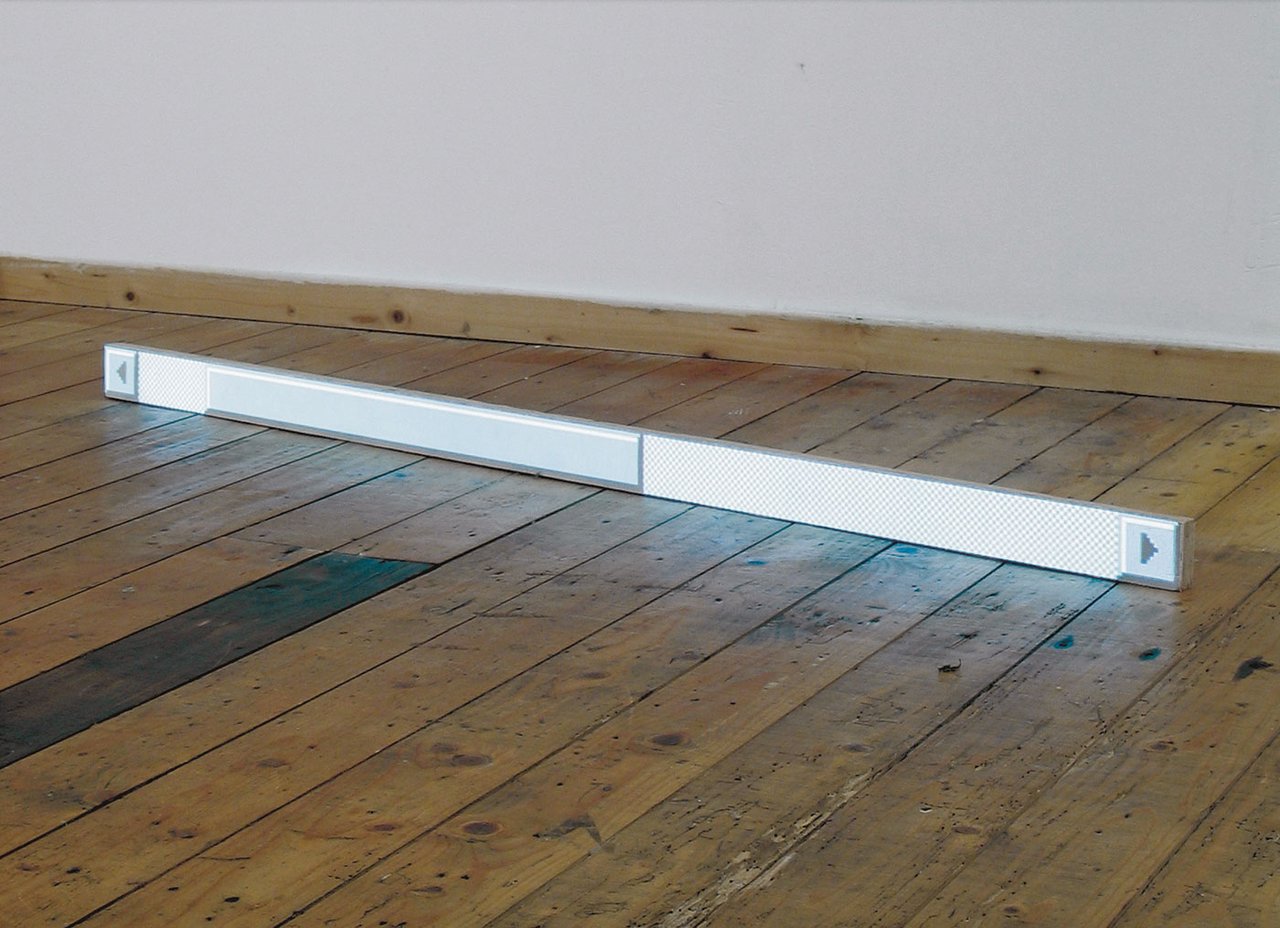
I began making web-based and code-based works, but there wasn’t much of a support system. It was a lonely practice, and I missed the feedback. That’s why I started translating those works back into physical space by bringing elements like scrollbars into the gallery.
Suddenly people could engage with them, question them, and respond critically. From that point on, my practice became hybrid. Blockchain technology gave me the opportunity to return to where I had started: making fully online, digitally native work. I already had a body of work that fit seamlessly into that context.
AM: It’s interesting because your trajectory almost mirrors the development of digital art itself. You started with net art online. Then post-internet art brought digital practices into the gallery, making them accessible to a broader audience and creating a market for physical works, since only a few artists, such as Rafaël Rozendaal and yourself, were able to sell websites. NFTs then enabled a new generation, many with backgrounds in graphic design or technology, to create digitally native work and sell it online. Now it seems as though the pendulum is swinging back, with that work returning to the gallery. This is the second time you’ve seen a major shift like this. How did you experience it?
JRL: My strongest emotional response actually came when post-internet art arrived. I’d been working since the 1990s and had inherited a certain ethics from net art. I was deeply confused when people started flirting with galleries and, in a way, flipping everything I thought online art stood for. I stopped making art for two years.
AM: What were those ethics?
JRL: I was in between generations. I was too young to belong to the original net art generation, but those artists became my artistic mentors. The whole online art world was completely different back then. It was cut loose from the establishment. It was anti-authoritarian. Those were the ethics I grew up with as an artist. Finding a gallery wasn’t even part of the conversation. It simply wasn’t possible.
Then came a generation that had grown up with the internet throughout high school, maybe even primary school. They were completely fluent in Web 2.0. Their work was much more content-related at its core, and they simply shook off those earlier ethics. They were happy to embrace blue-chip galleries and the established art world. That took me a long time to process.
There wasn’t any animosity, though. Quite the opposite. Artists like Katja Novitskova and Harm van den Dorpel were very welcoming. They appreciated what I was doing because I had already started bringing digital work into physical space. The confusion wasn’t between us; it was in my own head. I had to rethink what I was doing and why.
Looking back, it was incredibly useful. I came back understanding their position much better, and I incorporated a lot of their logic into my own practice. That set me free. Every generation thinks it’s inventing something new. It happened with Web 2.0, and it keeps happening. That’s how this field evolves. Every new wave uproots something and creates something new. It’s a healthy process. Getting older gives you the freedom to see it that way. That’s why I was very relaxed during the whole Web3 discussion [following the sale of Beeple’s Everydays: The First 5000 Days, in March 2021].
AM: Because you’d already been through that once?
JRL: I’d already gotten rid of that frustration. During Web3, I saw people from the Web 2.0 generation getting tripped up in exactly the same way I had when post-internet art happened. They were saying, “This isn’t how we do it.” The same thing will probably happen with AI.
AM: You described the ethics of early net art as anti-authoritarian. The idea was that artists didn’t need gatekeepers or institutions. You simply put your work on the internet. Looking back, how do you feel about seeing so many artists from that generation, including yourself, now exhibiting at art fairs like Paris Photo, Art Dubai, and Art Basel?
JRL: It’s extremely complicated. I grew up with exactly those ethics, but I was also caught between net art and post-internet art. My work was already quite different. My biggest influence was [the net art collective] JODI. Their work had a certain formalism that really appealed to me. It had a phenomenological quality. Even though it was very punk, it was also highly aesthetic and revealed the structures of the computer and the network we were working in.
A lot of other net artists were much more political. They expressed their anti-establishment ideas in a much more direct, narrative way. I always felt closer to JODI because, in my view, they questioned those structures from a more art historical and formal perspective.
That’s what interested me, too: structures, minimalist elements, exposing the material itself, and making people question what they were actually looking at.
AM: So, despite sharing the ethics of net art, your artistic references were different?
JRL: My work connected quite naturally to post-internet art. What I didn’t share was its fascination with web content. That never interested me very much. I never really felt at home in the media art world of the 1990s.
Ars Electronica and that whole network deliberately created a parallel world to the traditional art world. They wanted to build their own institutions and their own history instead of relating themselves to art history. That was never my story. I always felt much more connected to art history, especially to artists from the 1960s and 1970s. That’s the narrative I wanted to be part of.
I felt much more at home with the post-internet generation because they were far more interested in those historical relationships. We could talk about those references much more easily. At the same time, I loved the early internet. I loved its idealism and its sense of possibility. That’s also why I was so confused when post-internet artists started flirting with galleries. It was a world I didn’t know. For ten or fifteen years, I’d stayed outside it, and I never felt particularly welcome there because our work wasn’t really welcome there either.
JRL: We were actively kept out. The art world basically said, “Well, you have your own institutions, so you’re not part of our story.” I’m very grateful to many artists from the post-internet generation because they actively tried to bridge that divide. They connected those narratives. Some even left the media art world altogether. They stopped making websites, stopped calling themselves net artists, and simply became artists. In the process, they also left behind some of the pioneering spirit that had defined their earlier work. But that’s how these things evolve. It also introduced a new generation of curators who were much more open to connecting those histories. That really changed things.
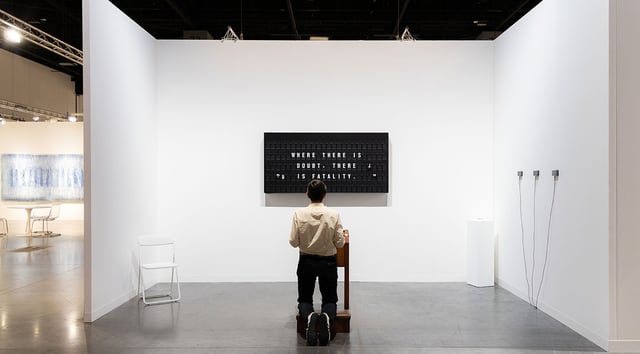
I was never anti-institutional at heart. I was simply trying to continue art history in a new medium. So I was genuinely happy when institutions finally embraced this work, when galleries became interested, and when collectors started paying attention. I found that incredibly rewarding. Standing at Art Basel [in June 2026], I’m simply grateful. Of course, I understand how the whole machine works, but it's part of the game. More importantly, it allows more people to engage with this work and helps this story continue to grow.
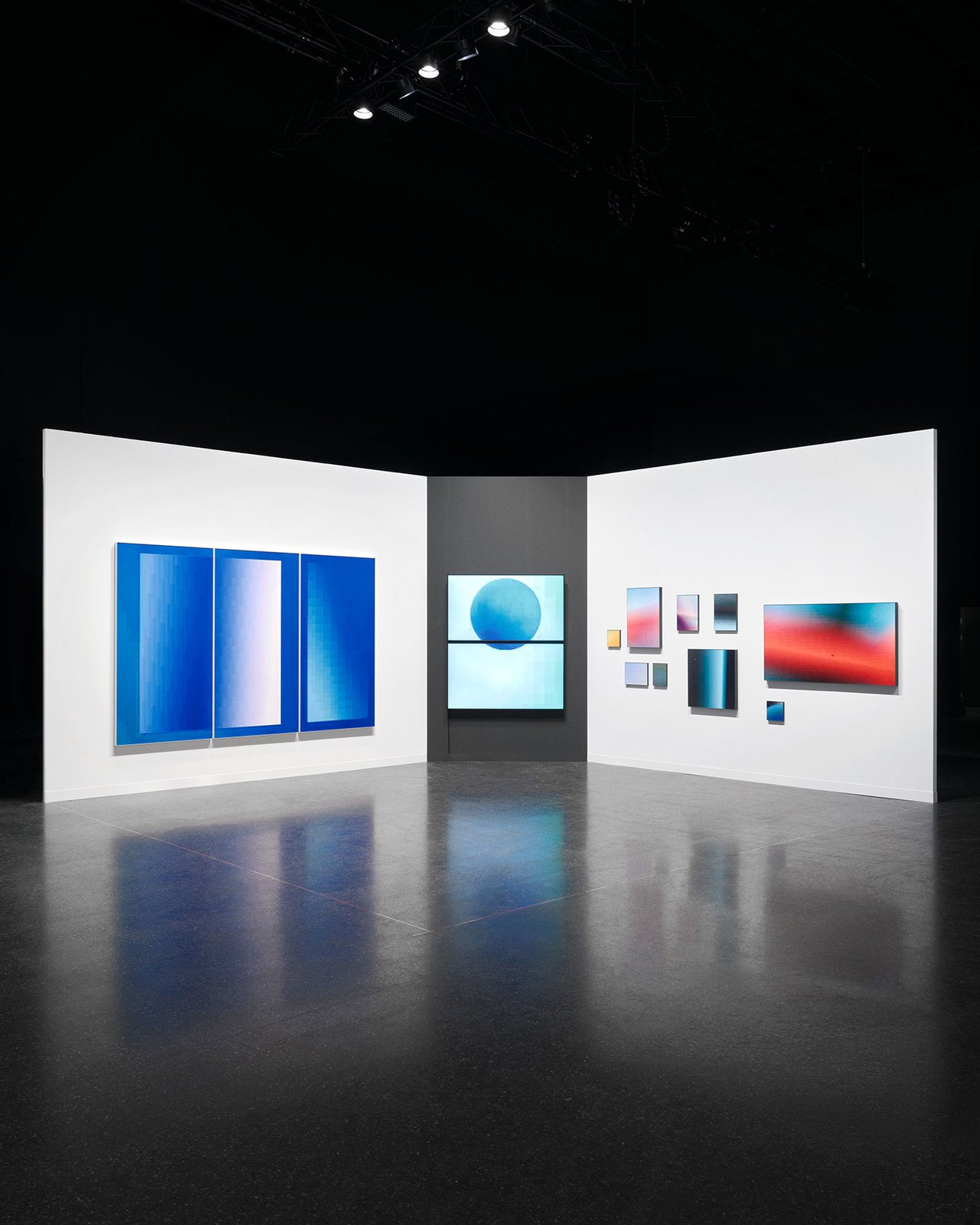
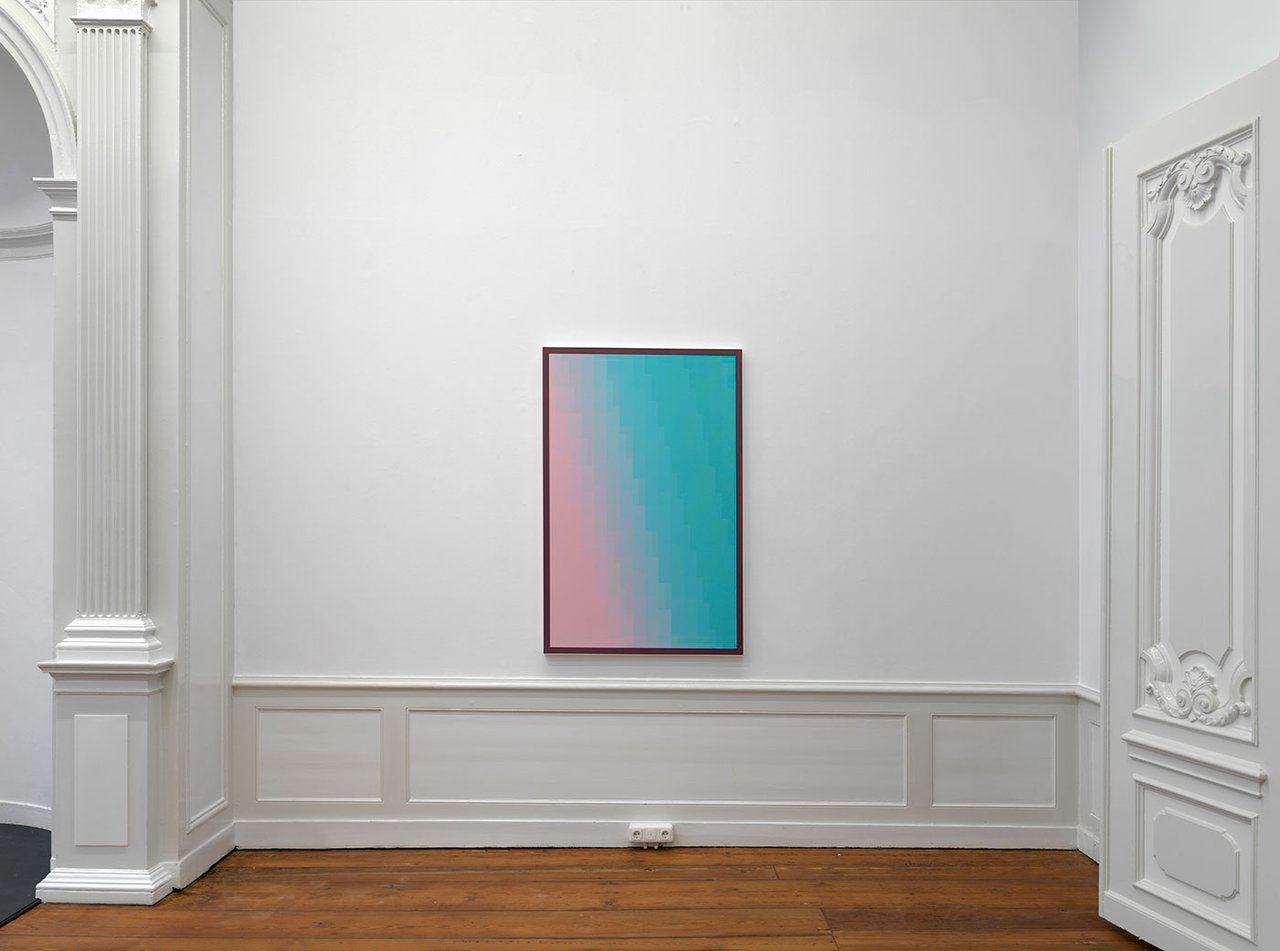
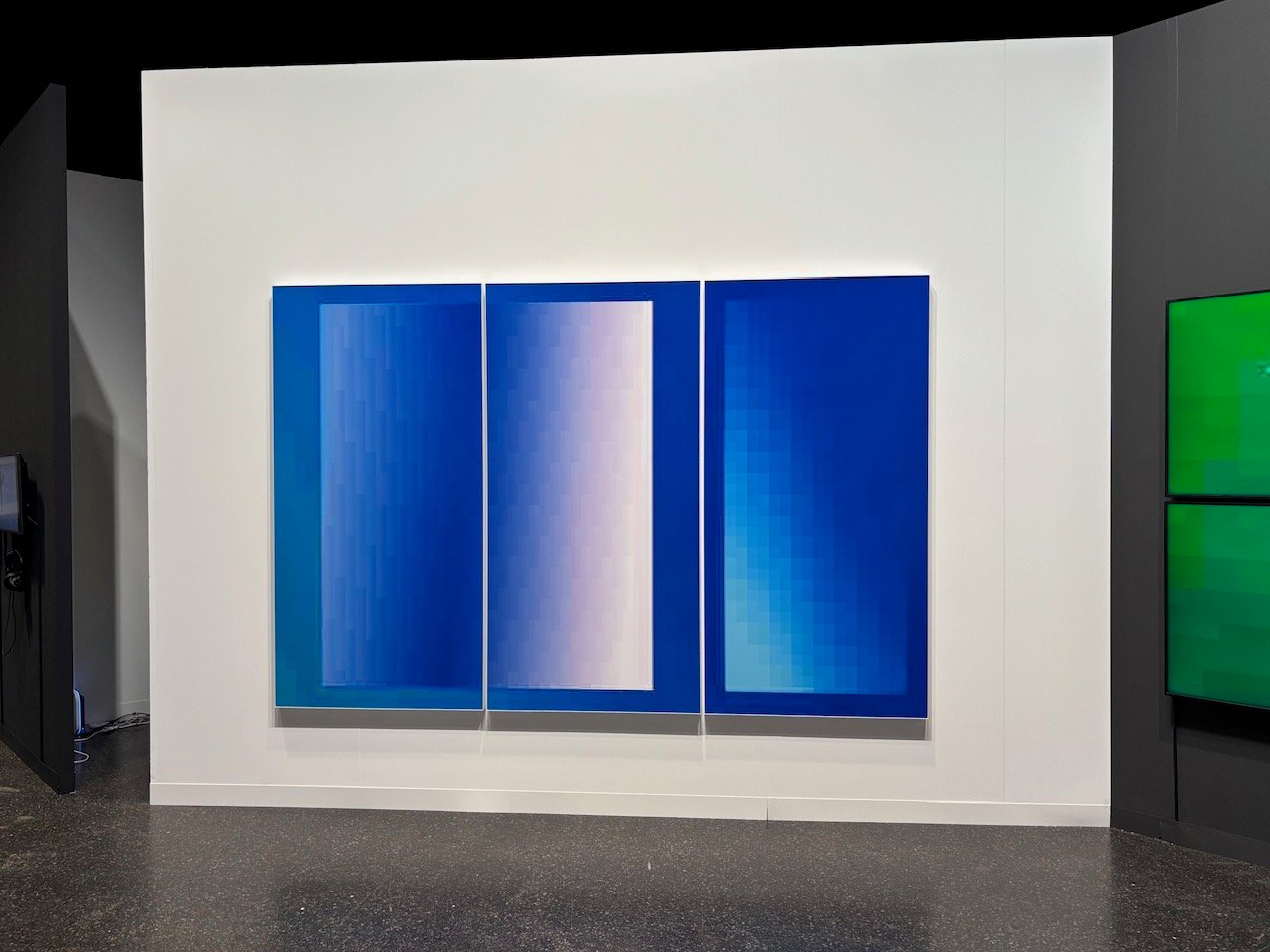
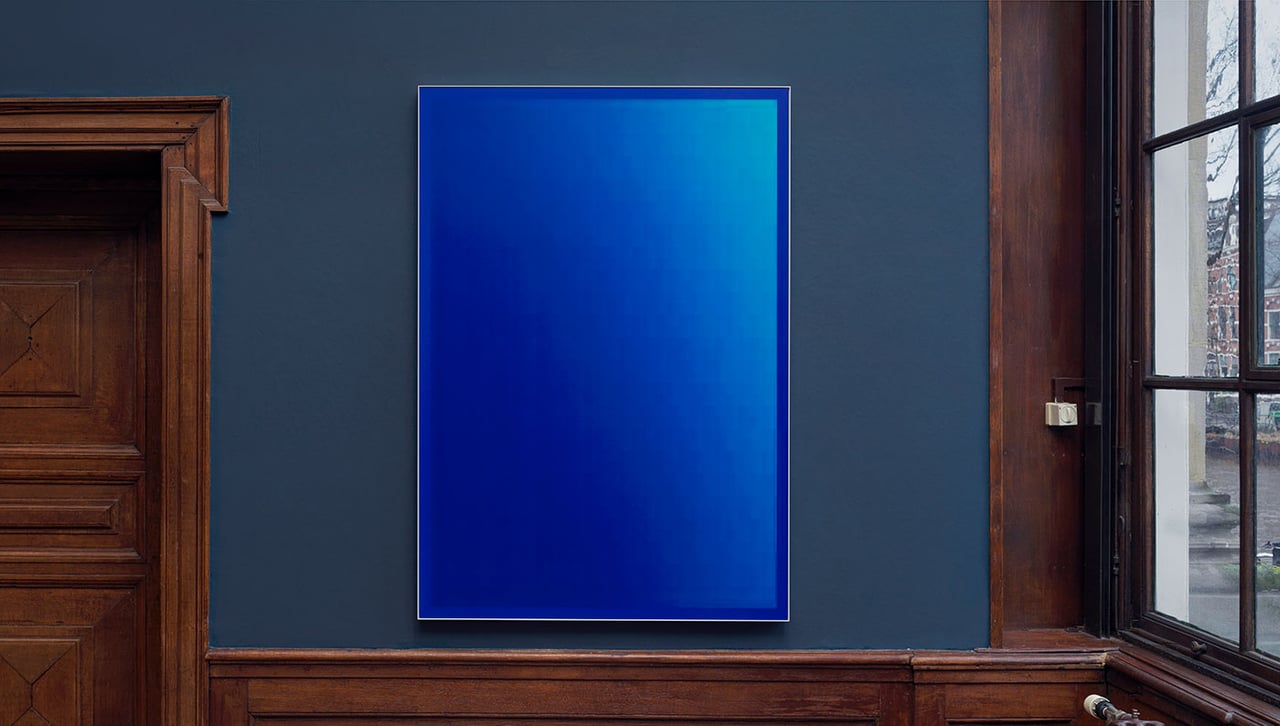
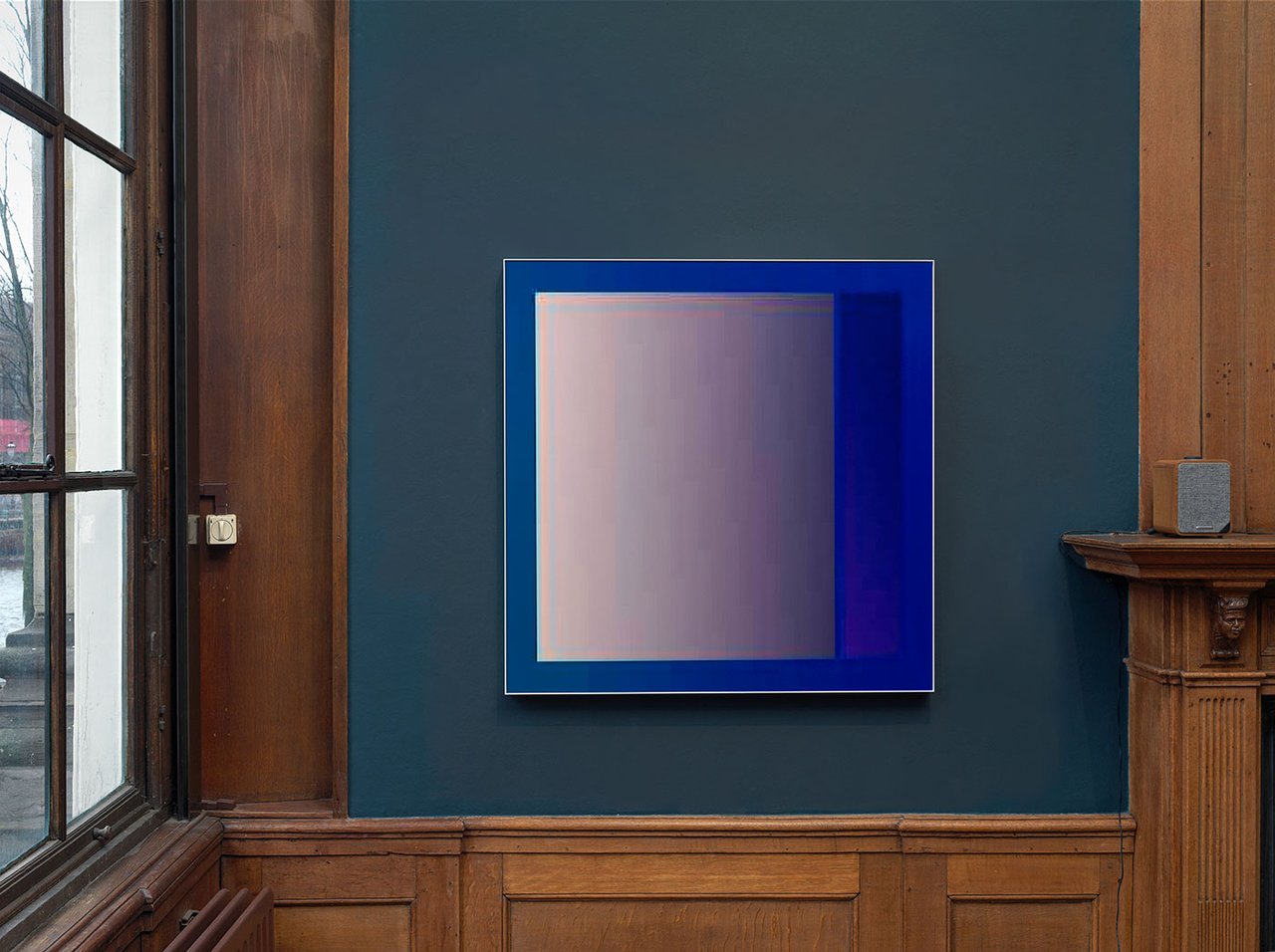
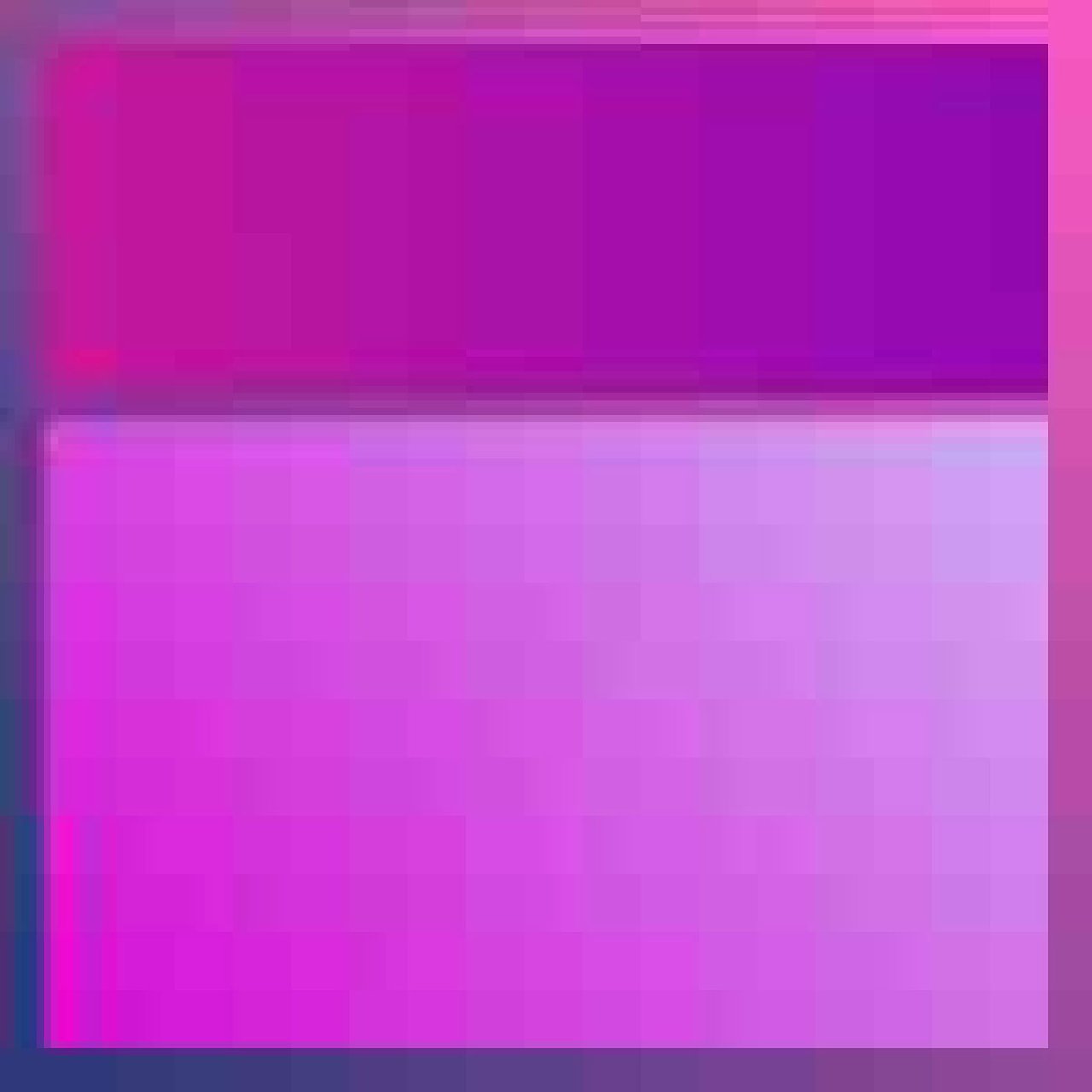
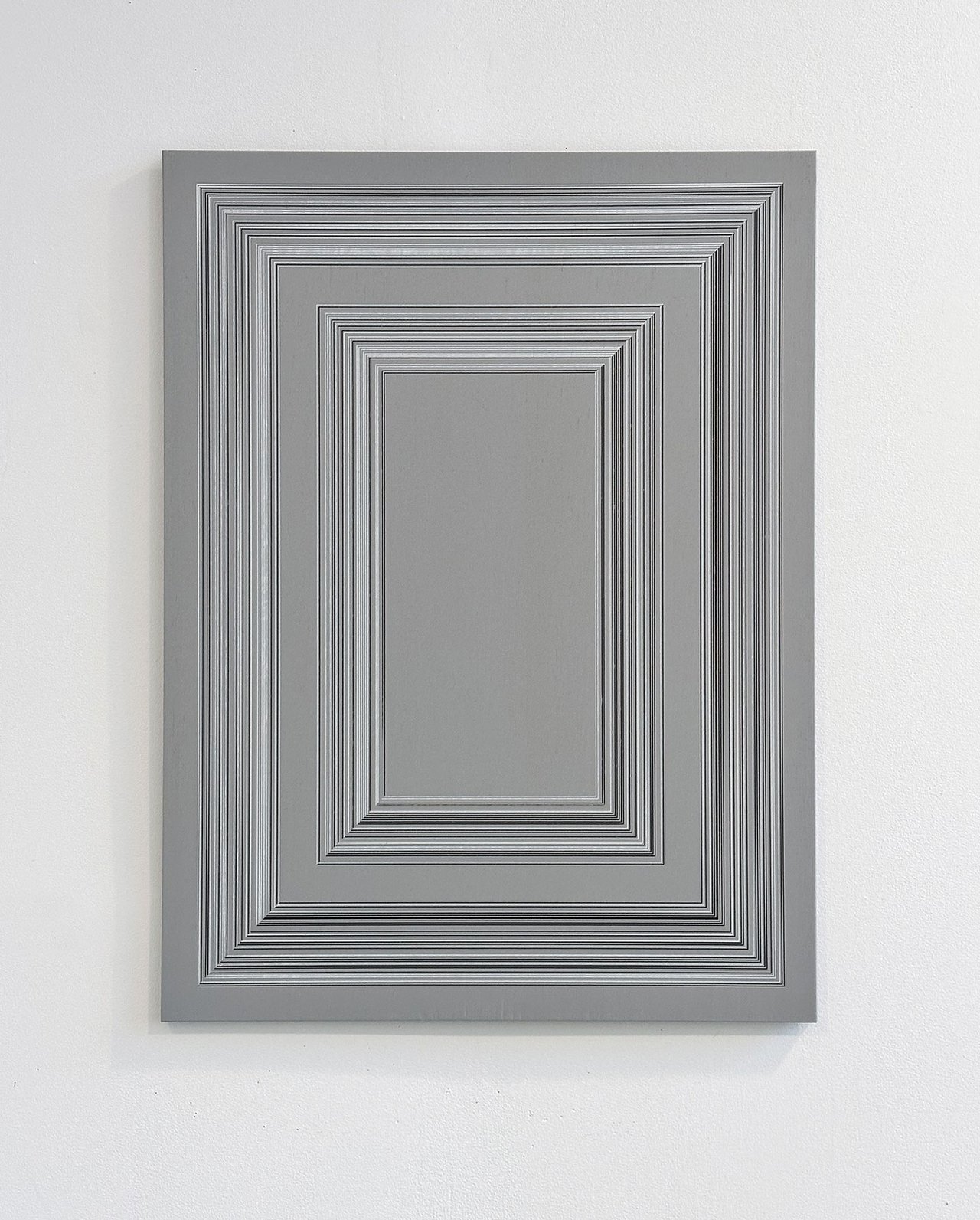
AM: At Art Basel you exhibited JPEG (2022), which I found quite ironic. During the NFT boom, “JPEG” became shorthand for everything people dismissed about NFTs. Beeple sells a JPEG for $69 million, people say NFTs are just overpriced JPEGs. But your work JPEG isn't about that at all. Why did you decide to make a body of work called JPEG at precisely that moment?
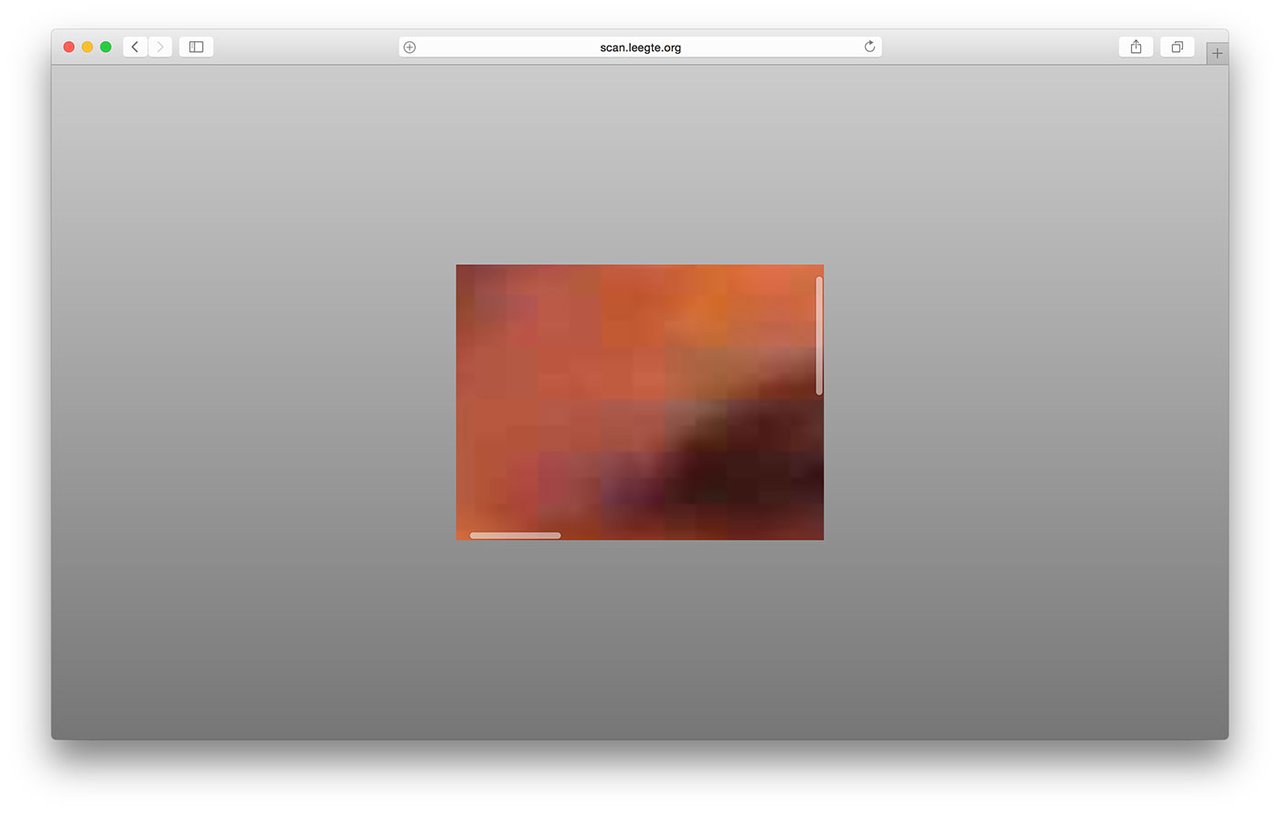
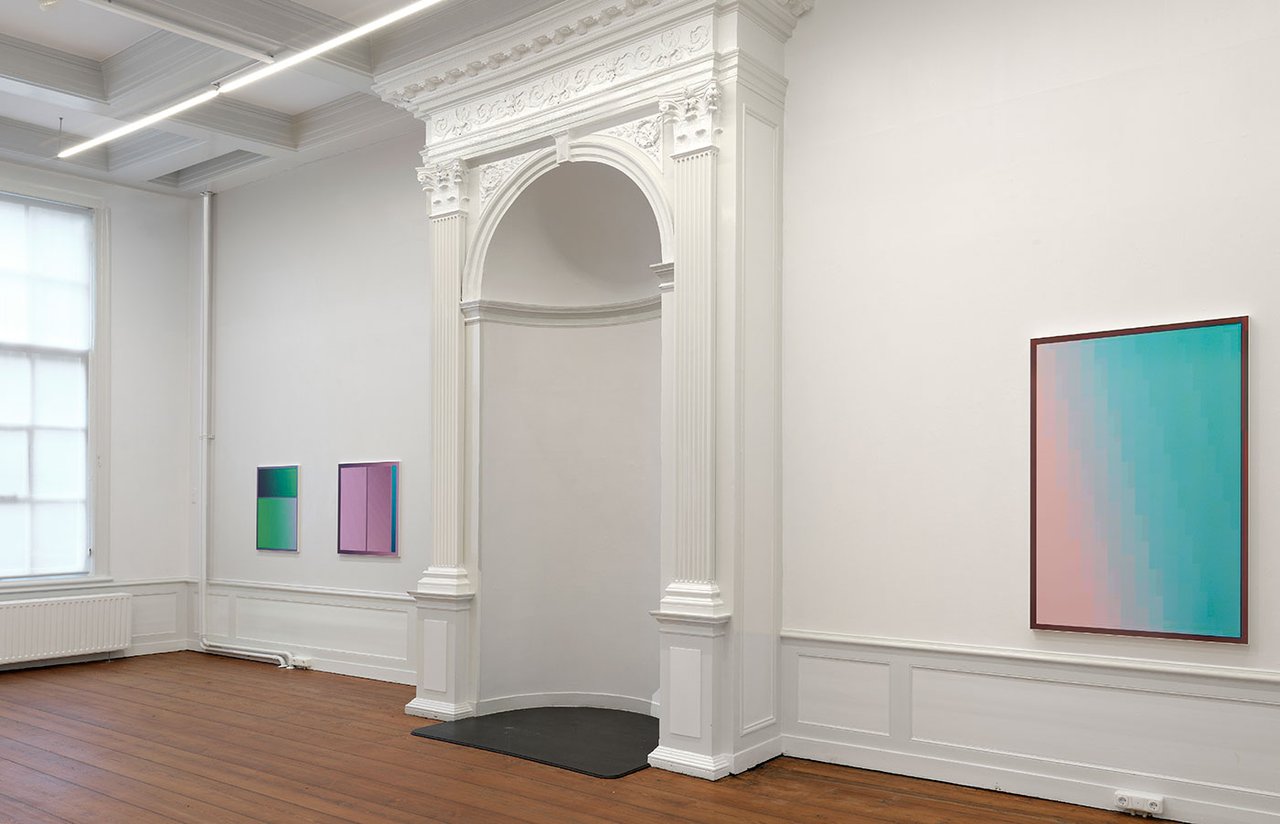
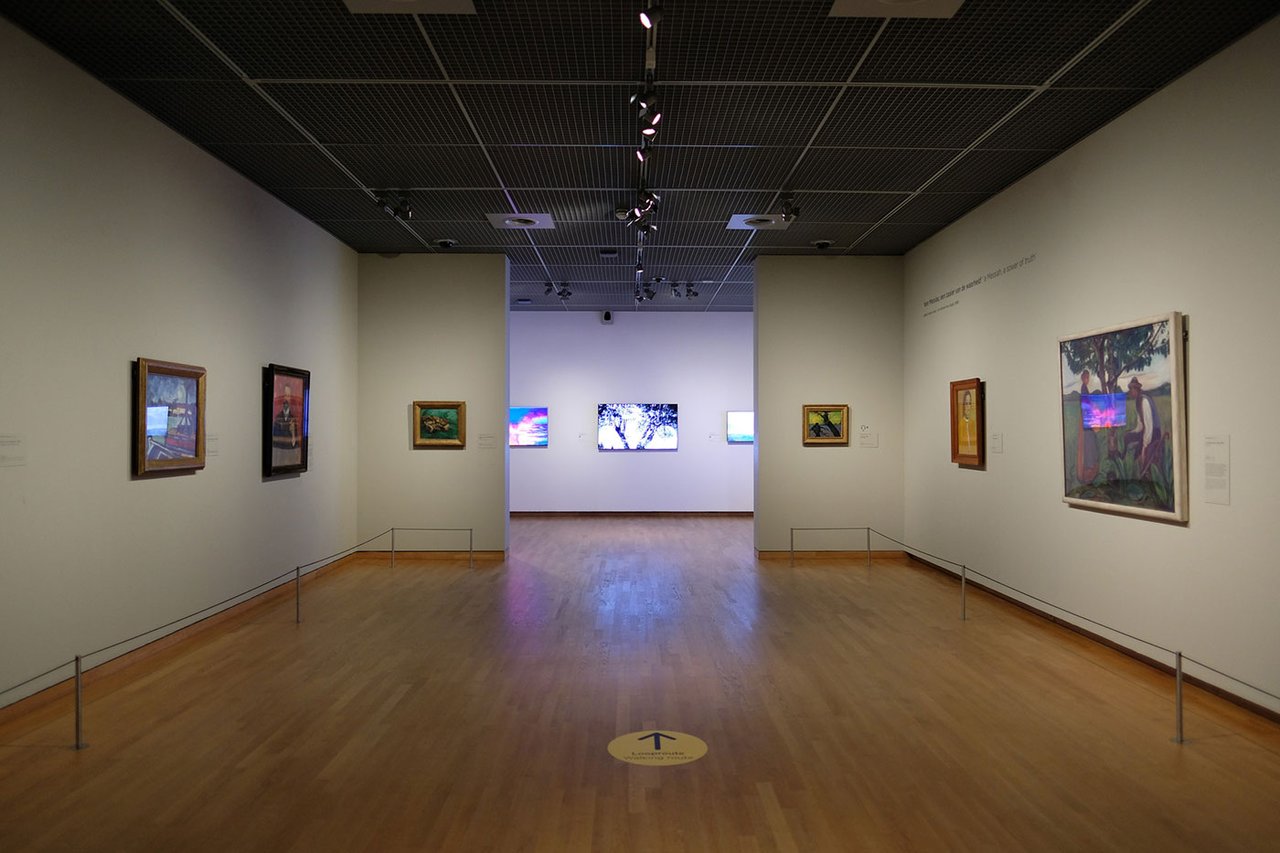
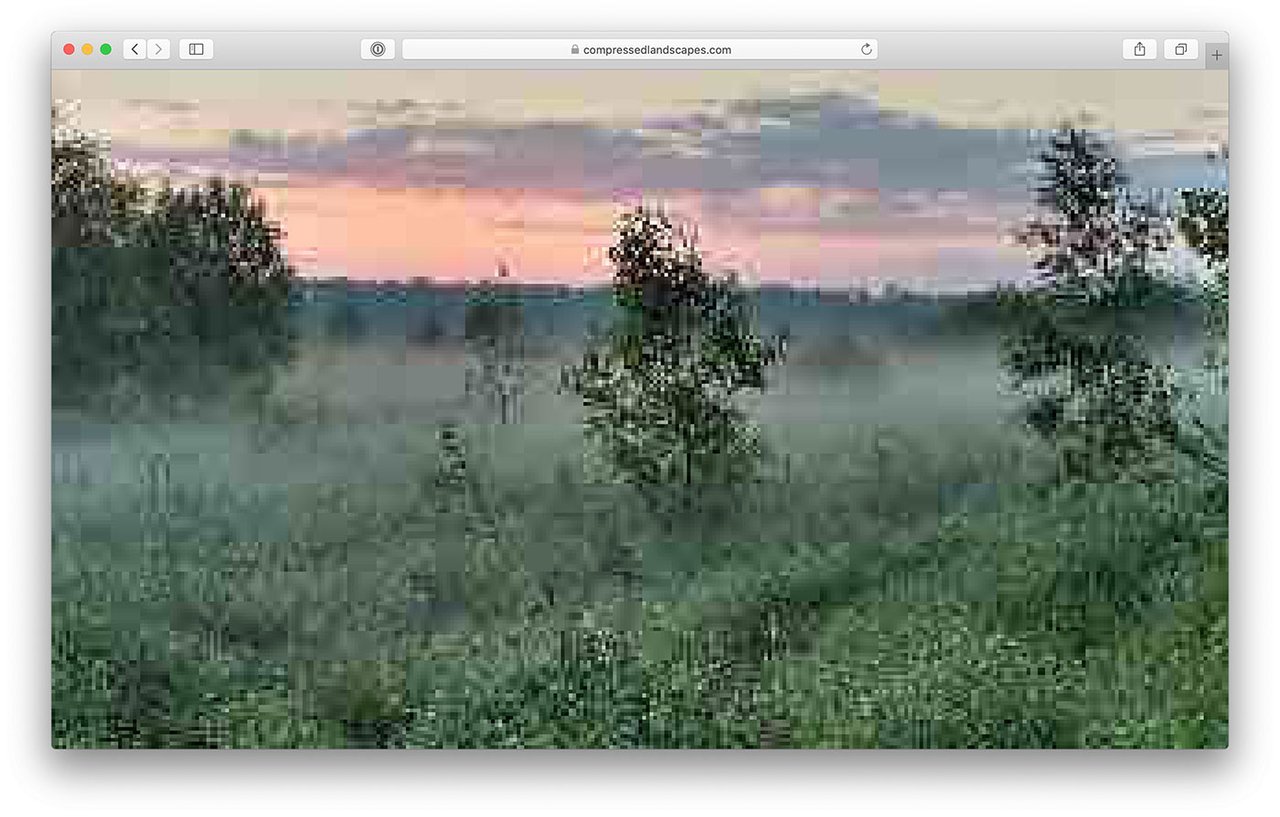
JRL Maybe I wanted to clarify what a JPEG actually is. Looking at digital materialities has always been central to my practice and to the way they resonate with art history and everyday life. JPEG compression has fascinated me since the 1990s, and I've worked with it in different ways over the years. One of the first larger projects was Compressed Landscapes in 2016. It consisted of five websites, classic net art pieces that only existed on the network. Every minute they searched the web for an image tagged “mountain”, “forest”, or “sunset”, fetched it, and compressed it heavily in the browser in real time. What you saw was a continuous stream of representations of nature filtered through JPEG compression.
I later showed all five works side by side at the Van Gogh Museum in Amsterdam. I found that fascinating because you could experience them alongside Impressionist paintings.
Those paintings captured an artist’s direct experience of nature and froze it in time. My works were doing something similar, but through machines. They continuously searched, compressed, and displayed images of nature through the static lens of JPEG compression. They were alive.
AM: So how did Compressed Landscapes eventually become JPEG?
JRL: When I started working on JPEG for Art Blocks in 2022, I realized that Web3 shared some interesting conditions with the early web.
Bandwidth was limited again, so you had to work economically. That inspired me to make a JPEG work that no longer relied on source images but only on code.
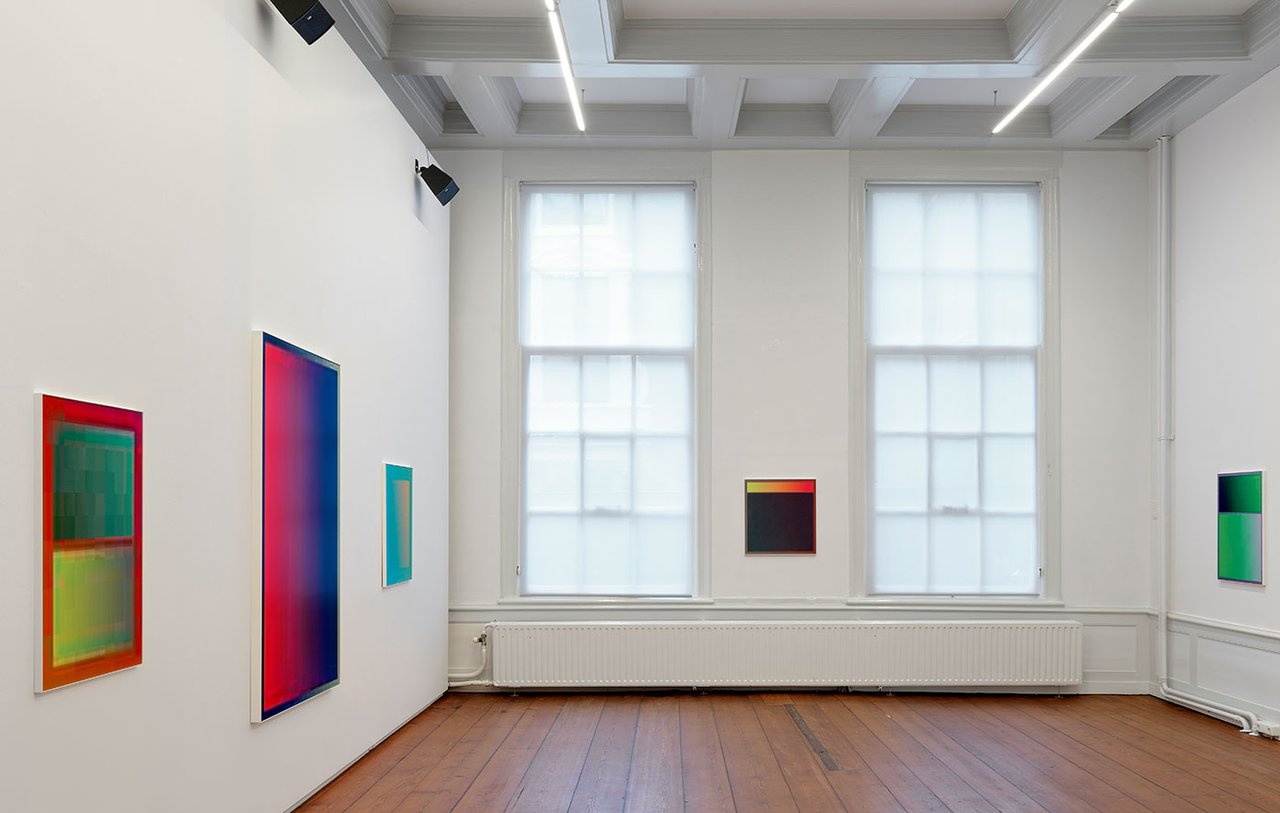
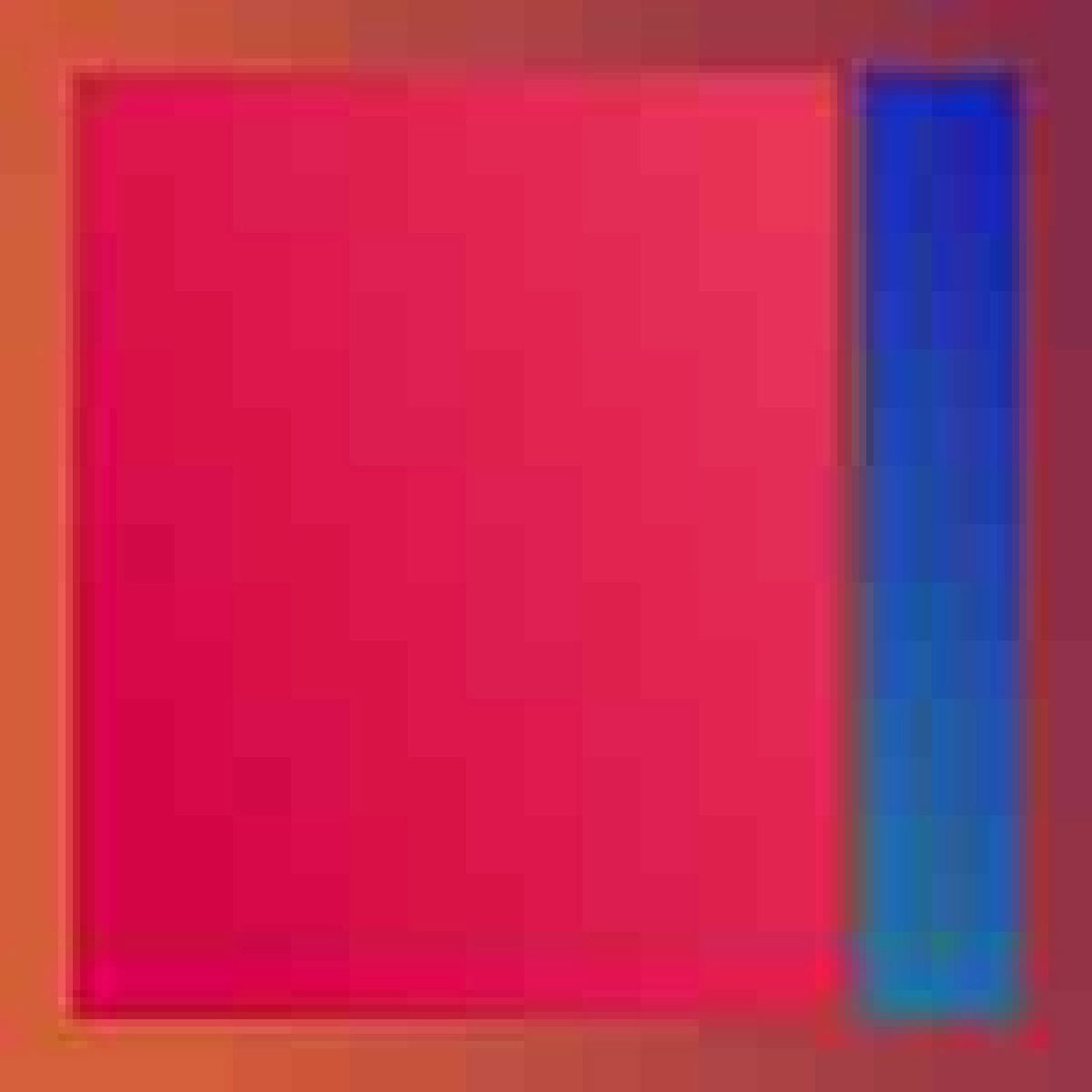
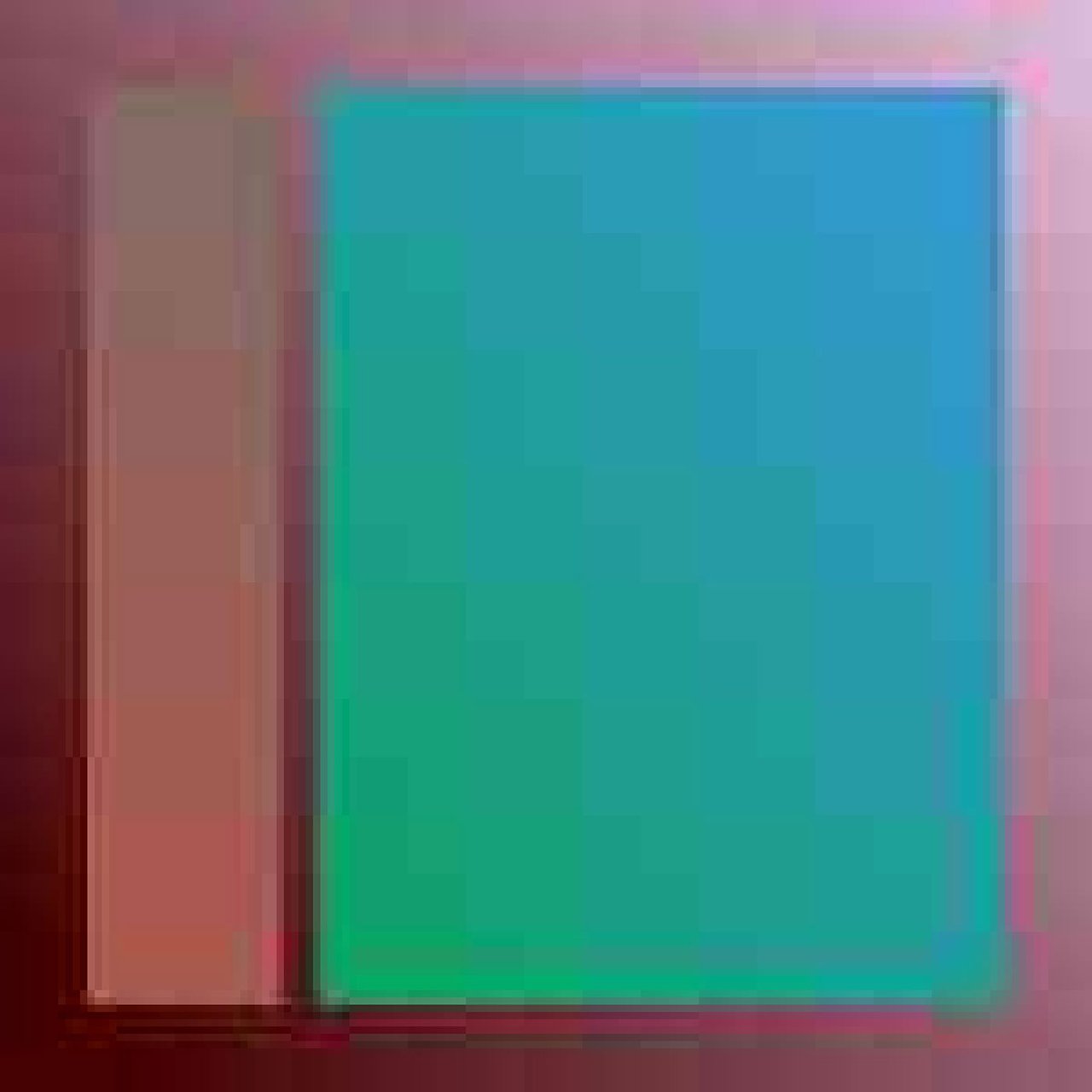
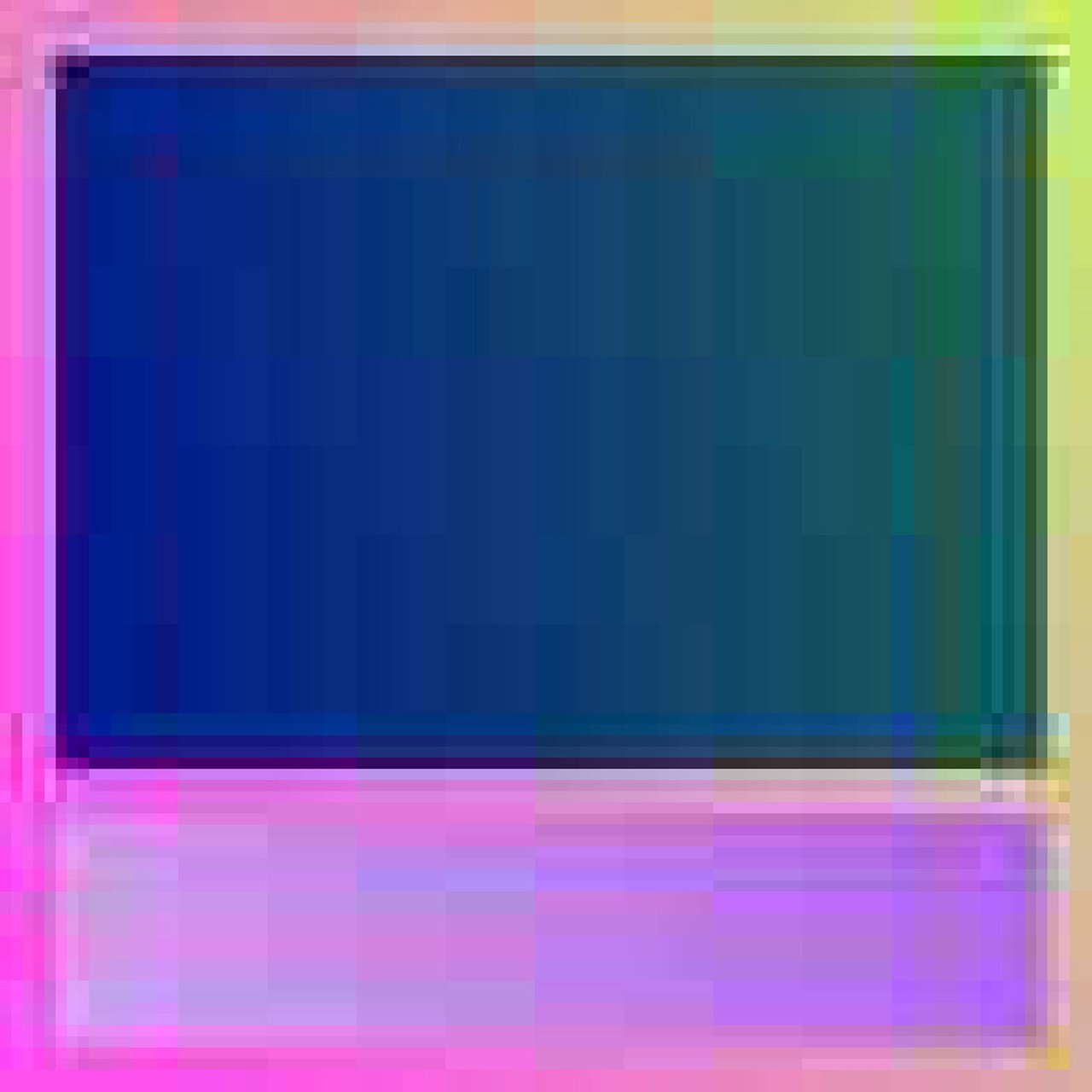
As I developed it, the work gradually lost representation altogether and became about the material itself. It was simply code creating the conditions for the JPEG compressor to reveal its own artifacts, producing these color-field explosions. The result was an extremely compact piece of code built around a very simple idea. In a way, it also became a critique of the idea that NFTs are merely images to be traded and stored. That was never what attracted me to the space. This was my version of the JPEG: a software-based, conceptual work. There was really no other title it could have had.
AM: But at the same time, JPEG also looks a bit like a Mark Rothko painting. Standing in front of it at Art Basel, you couldn't help but think of Rothko.
JRL: That was an unmistakable reference. Rothko was doing with paint what I wanted to do with JPEG compression. What I find fascinating is that the Abstract Expressionists pushed against European representational painting. It became about the material itself and about conveying emotion. What’s interesting about JPEG is that even my own emotion is removed because there’s an algorithm making all the decisions. I'm simply creating the conditions. The algorithm creates the image.
AM So the algorithm becomes part of the artistic process?
JRL One of the biggest gifts Web3 gave me was the possibility of working with large fields of outputs. Before that, most of my generative works were engines. You would visit a website, and it would always generate something different. With Web3, because of the economic model, you suddenly have these large sets of outputs. Rafaël Rozendaal has spoken about this as well. Looking at all those outputs reveals the algorithm from a completely different perspective. It teaches you as an artist a great deal about what you've actually made.
You start discovering things yourself. That’s the beautiful part. You become emotional about something that emerges through this layer in between.
The earlier works already did that to some extent. I’d sit in front of a generative piece and suddenly think, “My God, this is so touching.” That's what I love about working with generative systems. You don't have to spell out your emotions yourself. You create the conditions for them to emerge.
AM: For you, NFTs weren’t simply a new market. They were a new medium. You’d been working with software and code for decades, and platforms like Art Blocks suddenly opened up new artistic possibilities. Instead of creating a single work, you could write a piece of code that generated thousands of unique outputs.
JRL: Working on the blockchain introduced a lot of unique possibilities. In the beginning, of course, the market demanded enormous editions. The question was whether those numbers were conceptually meaningful or simply driven by the market. You can already see collection sizes and editions becoming smaller again.
I always thought of these works as singular works. Ornament (2021) was already titled simply Ornament. I saw it as one project, one larger work with many individual instances. A lot of NFT projects were understood as collections of individual works or large series. For me, they were more like a single installation.
What fascinated me was understanding what a Web3 artwork actually is. Ornament was a completely self-published project. I wrote a custom smart contract, so I learned how the whole system actually worked. That gave me a much deeper understanding of what a Web3 artwork really is. At its core, it's the smart contract.
All the individual outputs are like leaves growing from the same tree. Artists who only work through platform-based contracts have a very different relationship to the medium.
Harm van den Dorpel inspired me because he wrote much of his own code, and I met people through [the NFT platform] Folia who were thinking about these questions in a similarly fundamental way. Rafaël Rozendaal introduced me to Foundation, which was a completely different ecosystem. It got me onto the platform, but I never released anything there because I simply couldn't think of work that belonged in that context.
AM: Foundation was primarily a platform for minting one-of-one works, unique pieces such as JPEGs or MP4s.
JRL: That’s actually what kept me away from NFTs at first. Even in early 2021, before the real bubble, many of my friends were already talking about them.
I was interested, but I didn’t dive in because, like most people, I only saw the surface of it: minting images. I didn’t see the point. That changed once I realized you could create software-based artworks and publish them online. That's what led to Ornament and eventually to Art Blocks, where you could create your own software.
For me, that wasn’t a problem because all my previous work was already based on JavaScript and HTML. I could simply drop it into the Art Blocks framework. Later, I wanted to go further and make more conceptual works that involved a much deeper manipulation of the smart contract itself.
AM: Your work with software and code often reminds me of Minimal Art and Conceptual Art. It's very reduced, working within a tightly defined framework.
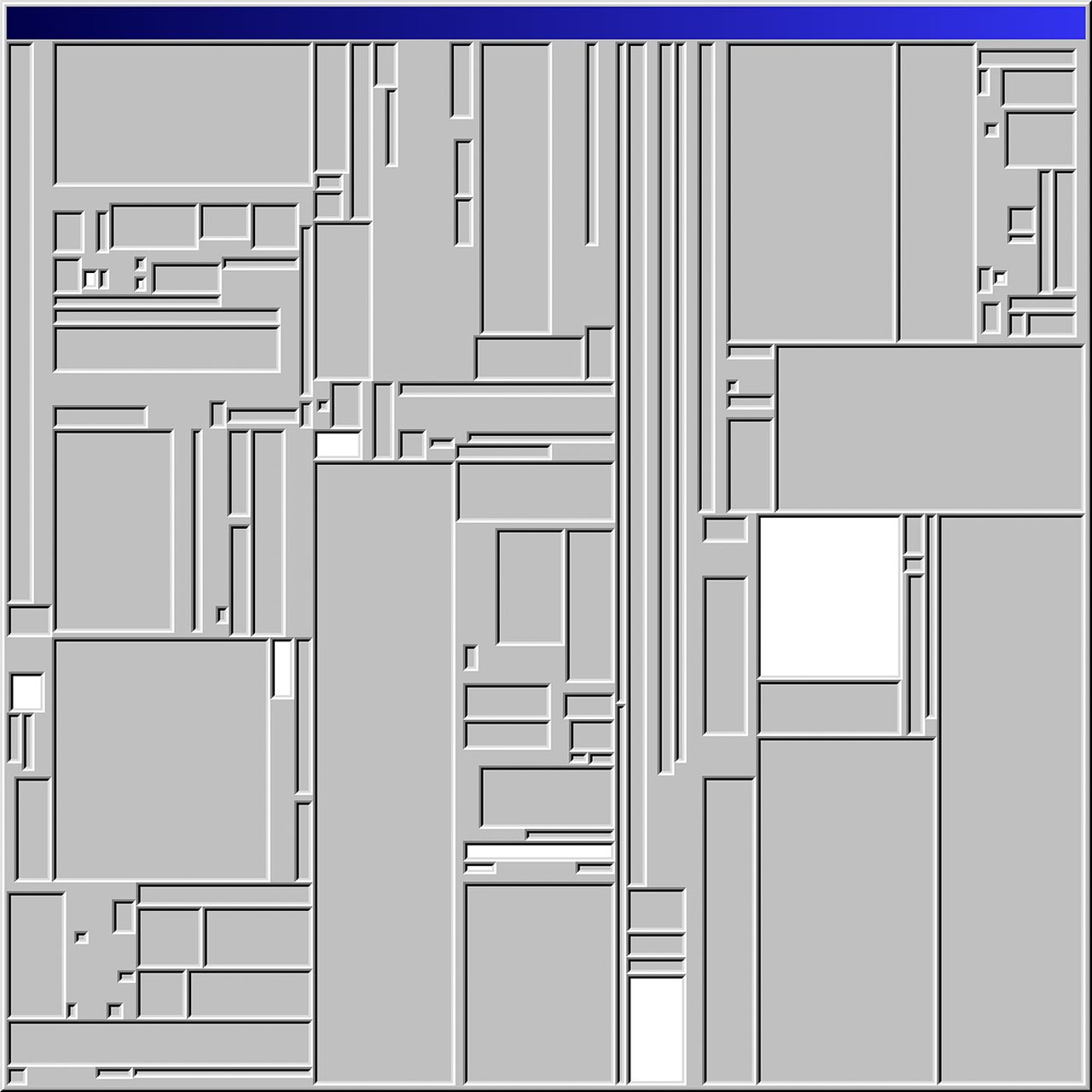
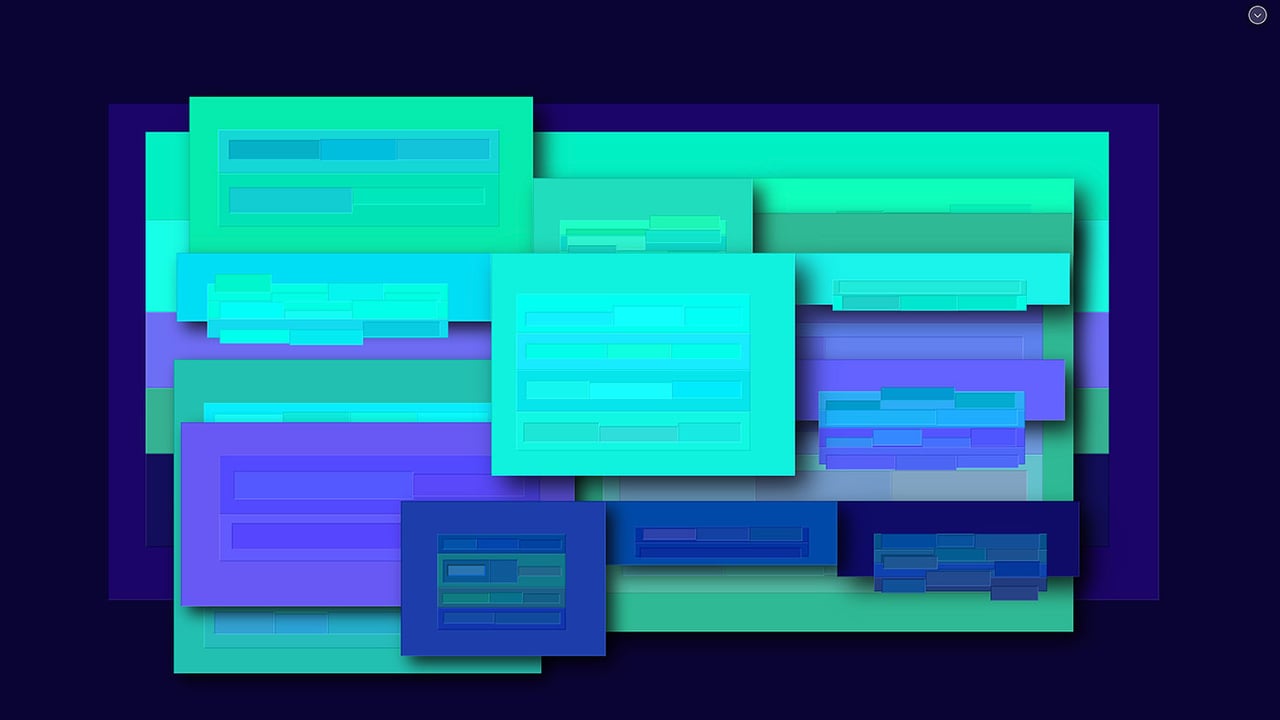
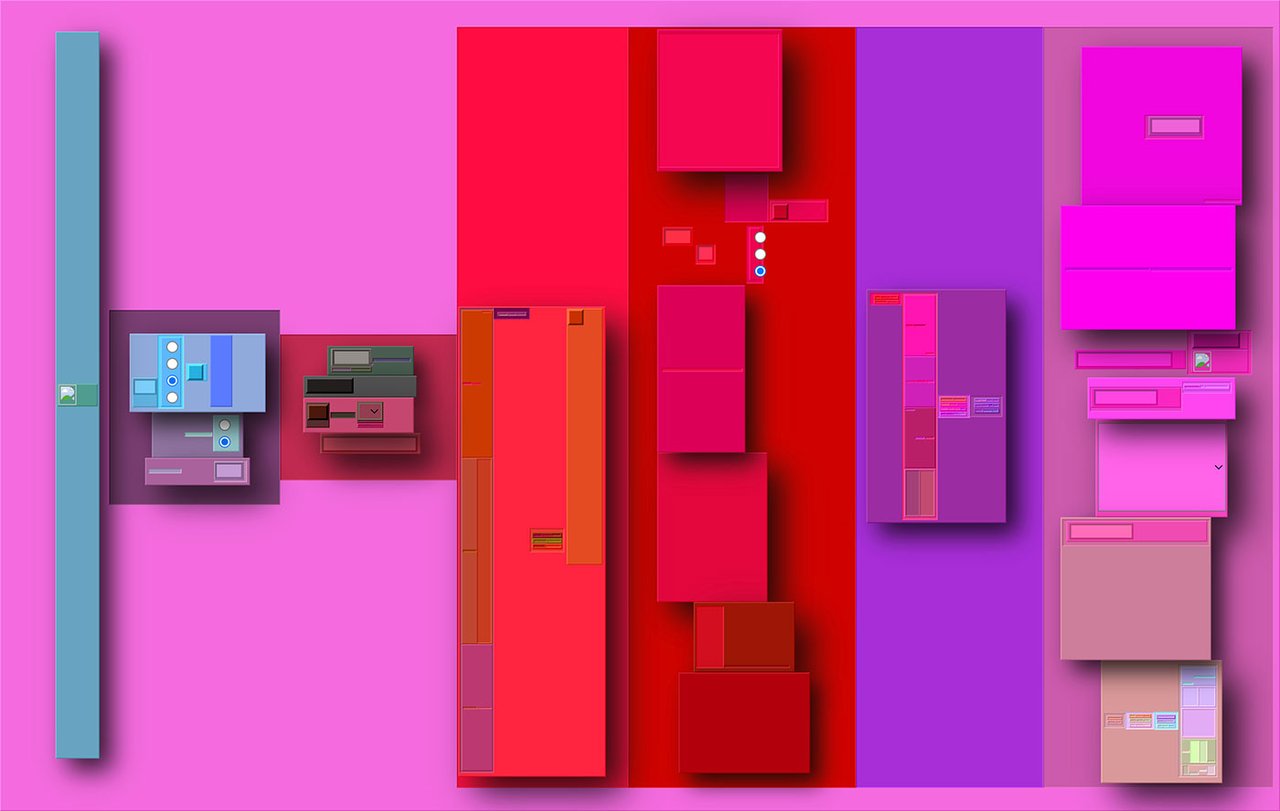
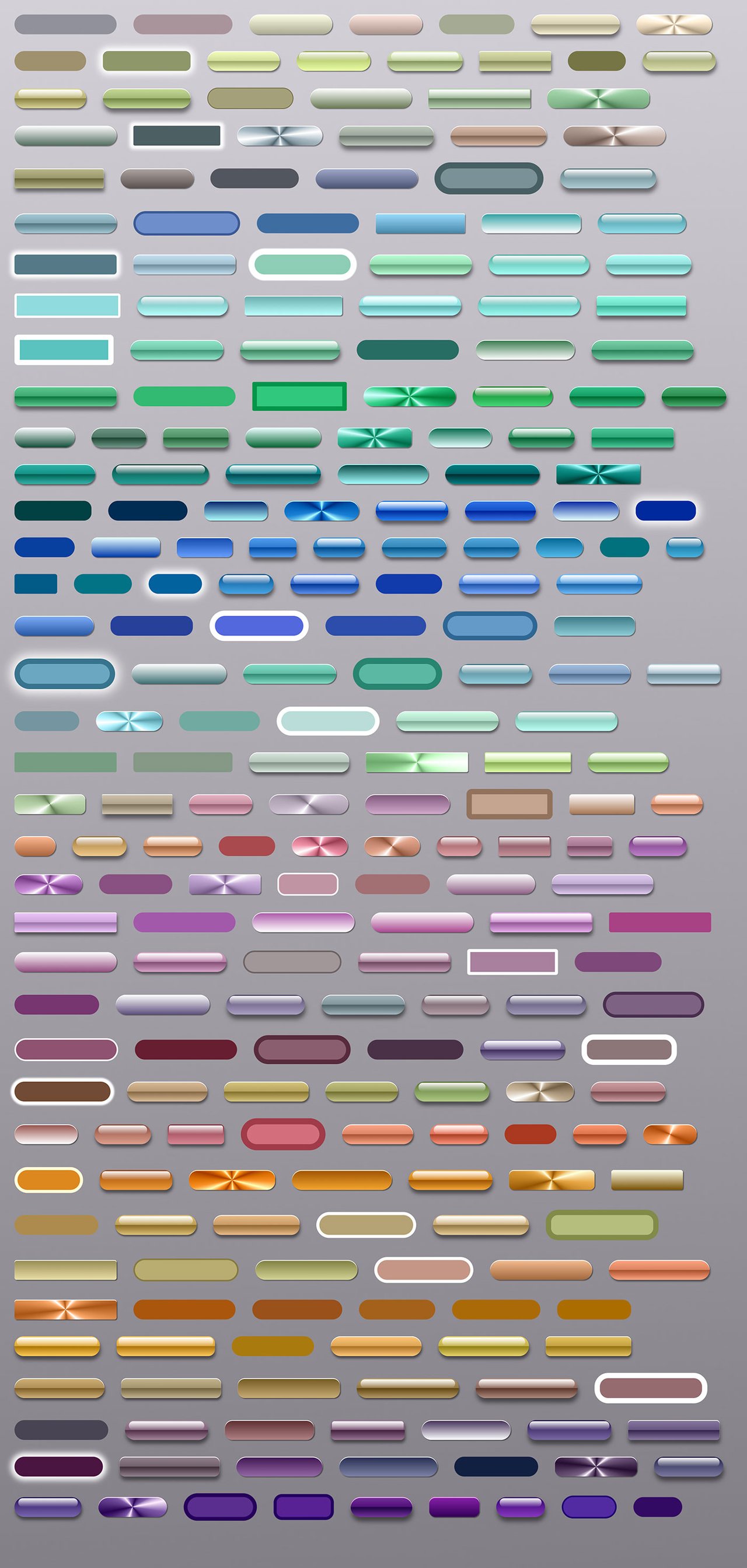
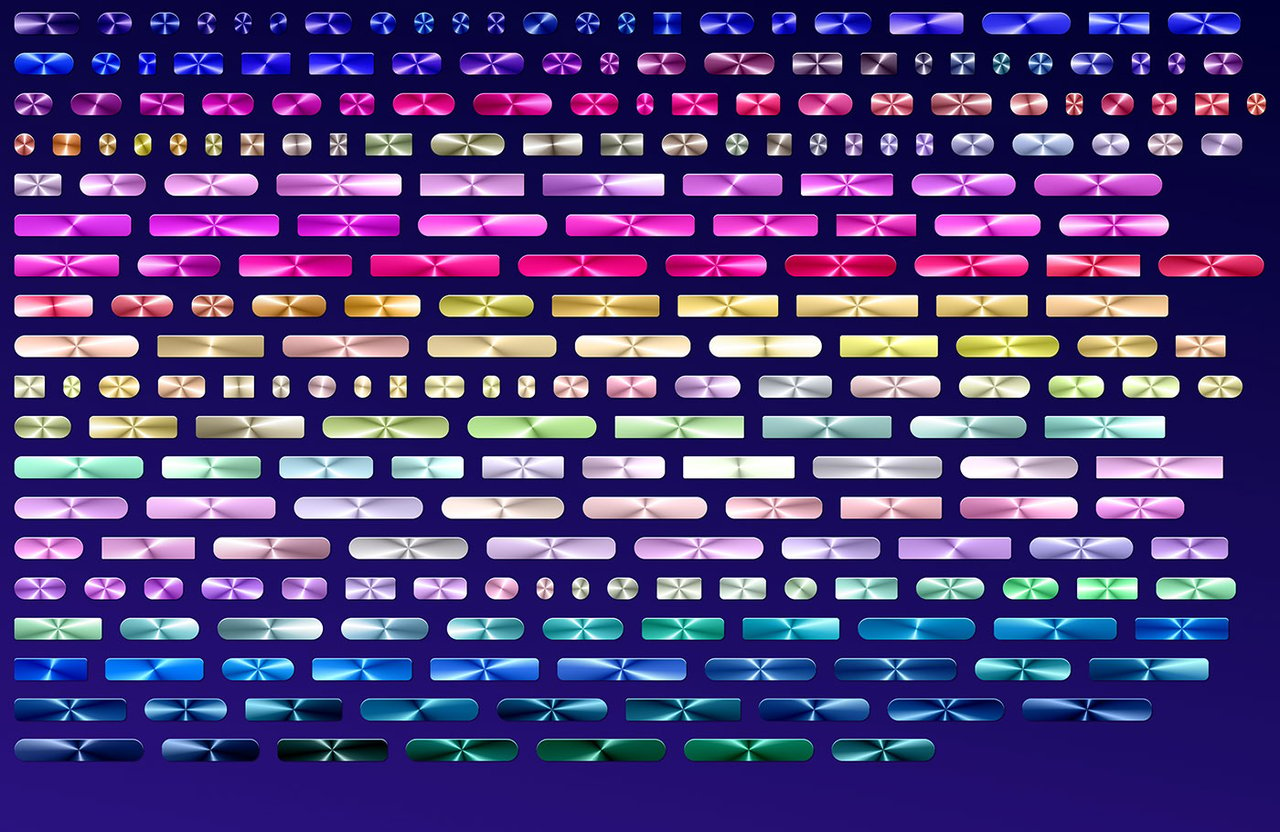
JRL:Buttons is a good example. With Buttons, I was fascinated by the endless interface templates you could find online for web designers. If you searched for “button” on Google, the results looked very similar to what I was trying to make. What interested me were these mutations of the interface.
I’ve always been fascinated by the fluidity of interfaces, by the way they constantly shift and evolve. For nearly 30 years, this has been the surface through which we've interacted with computers. Buttons became a way of expressing that.
I wrote code that generates individual buttons, each evolving from the previous one. The result is a series of 256 NFTs, each containing 256 buttons, each button a mutation of the previous one. They're all written in HTML as inline elements, so together they behave almost like a block of text. If you resize the browser window, they automatically rearrange themselves. They feel like a little bag of marbles, constantly settling into a new configuration. I really liked the idea of creating a small collection within a larger collection. There's a kind of doubling taking place. In the end, it's an ode to the interface in its rawest form: the singular binary button.
AM: What’s interesting about your work is that it reflects digital culture without commenting on it directly. Unlike someone like Jon Rafman, you're not telling stories about life online.
JRL: I just want to show the medium itself and hope people discover both its beauty and its unsettling qualities on their own. I don't want to tell stories about it. That’s the difference. Jon Rafman is a storyteller in that sense.
AM: After almost 30 years of working with digital media, witnessing the internet evolve and new generations of artists emerge, what still excites you? What gives you hope?
JRL: I try to focus on the work itself because it’s a confusing time to live in.
In the 1990s, my work was the strange and unsettling space. Now it feels as though that’s been reversed. My work has become my point of stability, while the world itself has become the strange and unsettling place.
There’s also no way around AI. A lot of artists once said they weren't interested in digital art, and yet today almost everyone works digitally. Whether artists like it or not, it will become part of their practice.
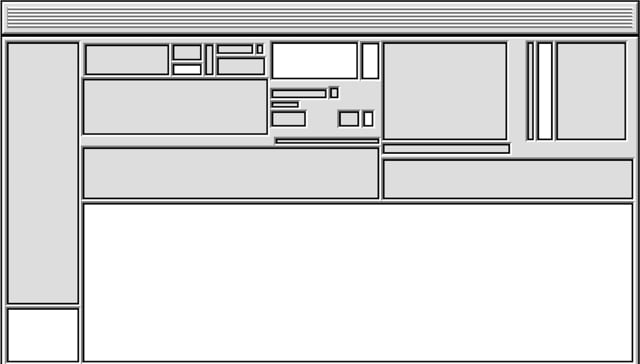
Jan Robert Leegte (born 1973, The Netherlands) has worked with the internet as an artistic medium since 1997, placing him among the pioneers of net art. His early works, exhibited internationally, examined the web browser as a sculptural and philosophical object, treating scrollbars, selection marquees, and interface elements as material in their own right. In 2002, before post-internet became a movement, Leegte was already translating this practice into physical gallery space, bringing the aesthetics and logic of digital infrastructure into sculptures and installations. That foundational move shaped a generation of artists working at the intersection of network culture and object-based art. Leegte's practice investigates the ontological nature of digital elements—from Photoshop selection marquees and scrollbars to Google Maps interfaces and raw code. His work questions the boundaries between virtual and physical space, exploring tensions between algorithmic systems and human perception. "The networked computer is the central muse in my work, exploring all its wonders and peculiarities," he explains. "I don't use software to make art; I make art about software." In recent years, Leegte has expanded his practice to include blockchain technologies and NFTs, continuing his investigation of digital materiality in the ever-unfolding Internet. His work has been exhibited internationally at prestigious institutions, including Whitechapel Gallery (London), Stedelijk Museum Amsterdam, Van Gogh Museum (Amsterdam), ZKM (Karlsruhe), Centre Pompidou (Paris), and Museum Ludwig (Budapest). He is currently represented by Upstream Gallery (Amsterdam) and Office Impart (Berlin).
Anika Meier is a Berlin-based writer, curator, and lecturer specializing in art, technology, and digital culture. She teaches at the Department of Digital Art at the University of Applied Arts Vienna, is the co-founder of the curatorial collective The Second-Guess, and is the curator and program lead of the objkt labs Residency. She regularly contributes to Monopol, Kunstforum, Spike, SLEEK, Numéro Berlin, and The AI Art Magazine, and has moderated conversations and spoken at events including Art Basel, re:publica, and Ars Electronica.