Digital Art Exhibitions to See During Paris Photo 2026 - Right Click Save
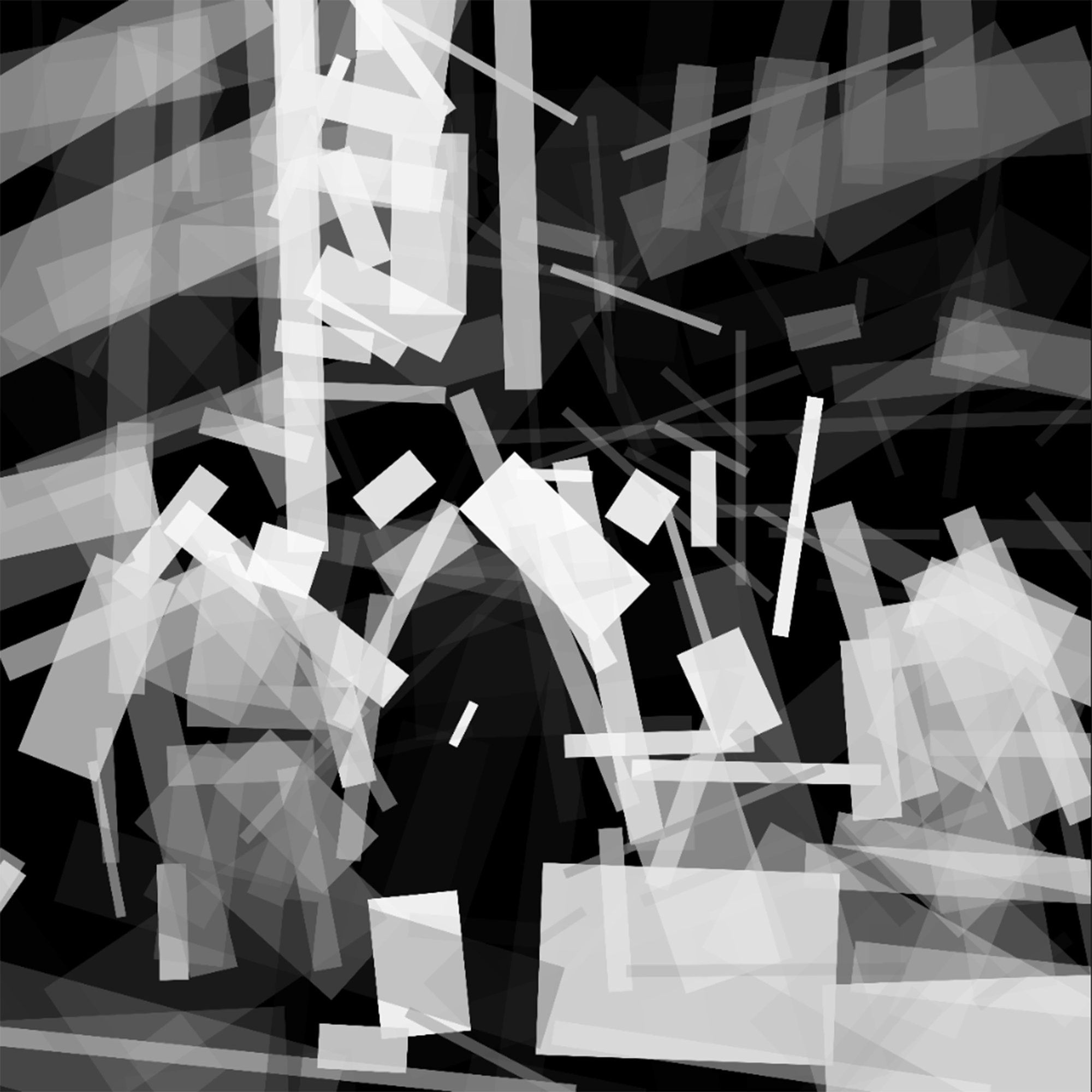
Matt DesLauriers, A Paris Café, 2026. DesLauriers is one of five artists — the others are Solienne, Harm van den Dorpel, Sarah Friend, and Mika Ben Amar — showing with Automata gallery in the Digital sector of Paris Photo 2026, at the Grand Palais, Paris. Courtesy of the artist
Digital Art Exhibitions to See During Paris Photo 2026
A new curator for the Digital sector, AI artists back at the Grand Palais, and Leslie Mezei's first solo show at 95: where to see digital art as photography turns 200
Photo Paris is at Le Grand Palais, Paris, November 12-15, 2026
Paris Photo this year celebrates the bicentenary of the invention of photography; the day in 1826 when Nicéphore Niépce became the first person to successfully record and fix an image. Niépce’s breakthrough came through using his “heliograph” technique where he exposed light-sensitive materials for eight hours to an image displayed through the prism of a camera obscura. The resulting picture was of a neighboring building in Saint-Loup-de-Varennes, 350 kilometres to the southeast of the French capital.
It was a moment, in the early stages of a century when many new art movements found their beginnings in France, that Ameesia Marold, the founder of the Berlin-based Automata gallery and an exhibitor at Paris Photo, describes as “a machine making a picture of a world”.
To honor the anniversary of an historic day in the annals of art made with technology, the Centre Pompidou — whose collection is travelling or on satellite loan while its headquarters in Paris is closed for restoration until 2030 — is showing at Paris Photo a special selection from its collection of 40,000 prints and 60,000 negatives dating from the past 120 years. The Pompidou selection’s curators, Damarice Amao, Curator at the Photography Department of the Centre Pompidou, and her predecessor Julie Jones, now Director of the Paris-based Maison Européenne de la Photographie, writing about the loan in a fair statement, describe photography as an art that has been in a state of constant transformation, from the time of Niépce’s first experiments to the generation of images via artificial intelligence.
That state of transformation is well represented in the Pompidou’s exhibition, with the multidisciplinary work of artists such as Robert Cumming and Kunié Sugiura, as well as in the atmospheric photography of Sandra Brewster and three other women artists in the stand presented by Southern Guild of Cape Town and New York in the Voices sector of the fair. Likewise in Paris Photo’s Digital sector, which is included in the world’s largest photography fair for the fourth year in succession. It is curated in 2026 for the first time by Marco De Mutiis, Digital Curator at Fotomuseum Winterthur, in Switzerland. He is, as he acknowledges, building on a remarkable tradition created by Nina Roehrs, the sector’s curator from 2023 to 2025, in which the Digital sector came to present digital art in ways enticing to the public at large while occupying a place at the beating heart of the 200-plus exhibitor stands that are ranged under the sweeping glazed ceilings of the Grand Palais for the duration of the fair.
One of the most intriguing exhibitors at Paris Photo 2025 was the agentic AI artist Solienne, which was making its debut after months of training by the artist Kristi Coronado, and showed Genesis Portraits, a series of images that the AI artist had minted of a face dissolving in sequence. Solienne is back this year, on the Automata stand, along with a host of other artists presenting algorithmic work. They range from Sarah Friend, and Mika Ben Amar, also at Automata; Alejandro Cartagena and Diana López at the stand of Carmen Araujo Arte, of Caracas; Alkan Avcıoğlu showing with Heft, New York; and Vincent Fournier, whose speculative botanical visions are being presented by Au Cube gallery, based in Mâcon, near Lyon.
One of the most historic and heart-warming digital art exhibitions in the city is a gallery show, presented by RCM Galerie, led by the computer art visionary Robert Fraser, which is giving the Toronto-based Leslie Mezei, one of the leading figures in computer art in the 1960s and 1970s, his first solo show at the age of 95. It is an exhibition that both marks the rediscovery of the work of the grandfather of Canadian digital art and tells the story of an extraordinary man and artist.
Paris Photo Exhibitions
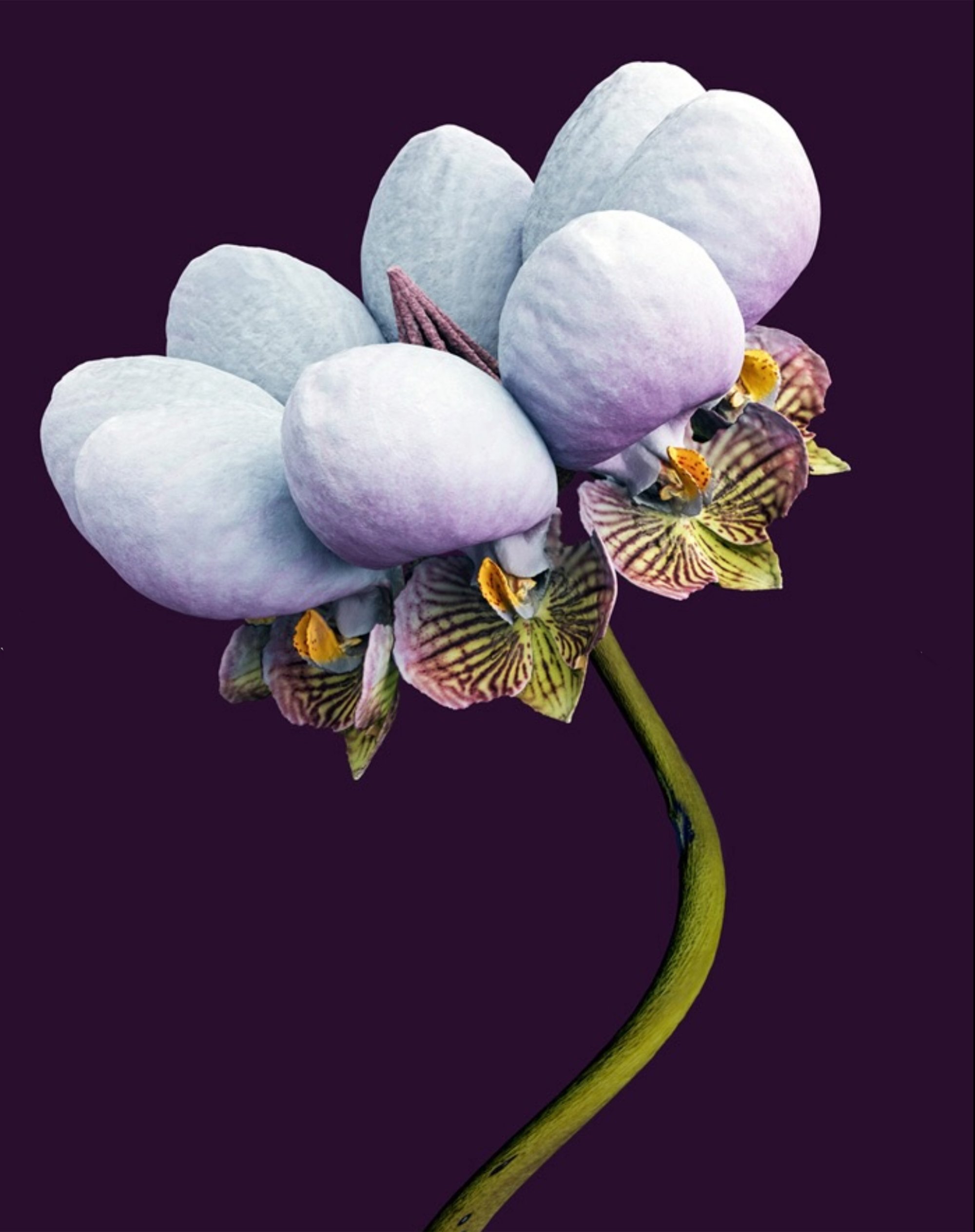
Vincent Fournier, Orchis Nubigena [Kunminga Gemina], 2026. Courtesy of the artist and Au Cube gallery
Vincent Fournier, “Flora Incognita”, Galerie Au Cube, Booth F10, Digital sector
Vincent Fournier’s series of extraordinary speculative botanical futures, “Flora Incognita”, imagined by the French artist for the harsh conditions of an unnamed exoplanet, is being shown in a single-artist show by Galerie Au Cube, from Mâcon, near Lyon. Fournier developed his imaginary herbarium by building on photogrammetric scans of plants and consulting with botanists on the parameters that might allow artistic dreaming while at the same time pursuing the logic of how plants adapt to extreme ecological change. The series has already travelled the world, showing in 2025-26 at the Lishui Photography Festival in China and closer to home at the Chaumont-Photo-sur-Loire photography festival in the ineffable historic surroundings of the Château de Chaumont.
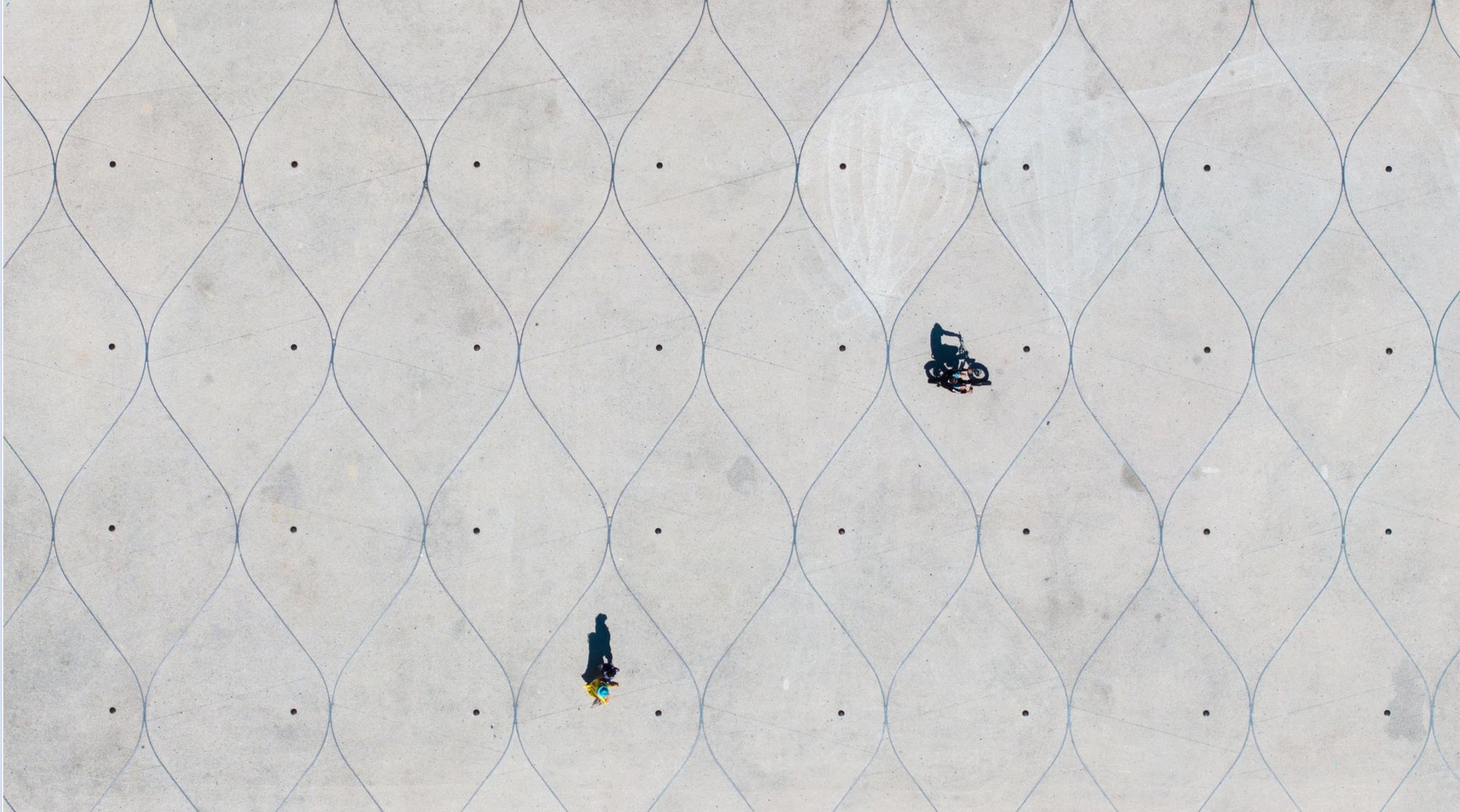
Jacopo Di Cera, The Square (Antibes), 2024. Courtesy of the artist and DANAE
Jacopo Di Cera, “Human Traces”, DANAE, Booth F09, Digital sector
On the Paris-based DANAE gallery’s stand, the curator Marlène Corbun is presenting the work of the Italian-born photographer Jacopo Di Cera. In 2016, Di Cera developed a new artistic approach that he called Fotomaterismo (“photomateriality”) and from that grew an internationally recognised project, “Fino alla Fine del Mare” (“To The End of The Sea”), a study of migration through the boats found on the island of Lampedusa, a focal point on the sea crossing from north Africa to Italy.
In 2020, Di Cera took up digital art, and often uses aerial photography, and drones, to present a particular perspective on his subjects, taken from above. The series on show at Paris Photo are: Sospesi (2015 –ongoing), which studies Italian society and culture from the air; Dry Series (2022), a study of the Po River through examining traces of the effect of severe drought; and Ciclica (2026), a study of the vulnerability of living things, presented in a multimedia, multi-screen installation, which was shown at the Sierra Leone Pavilion of this year’s Venice Biennale.
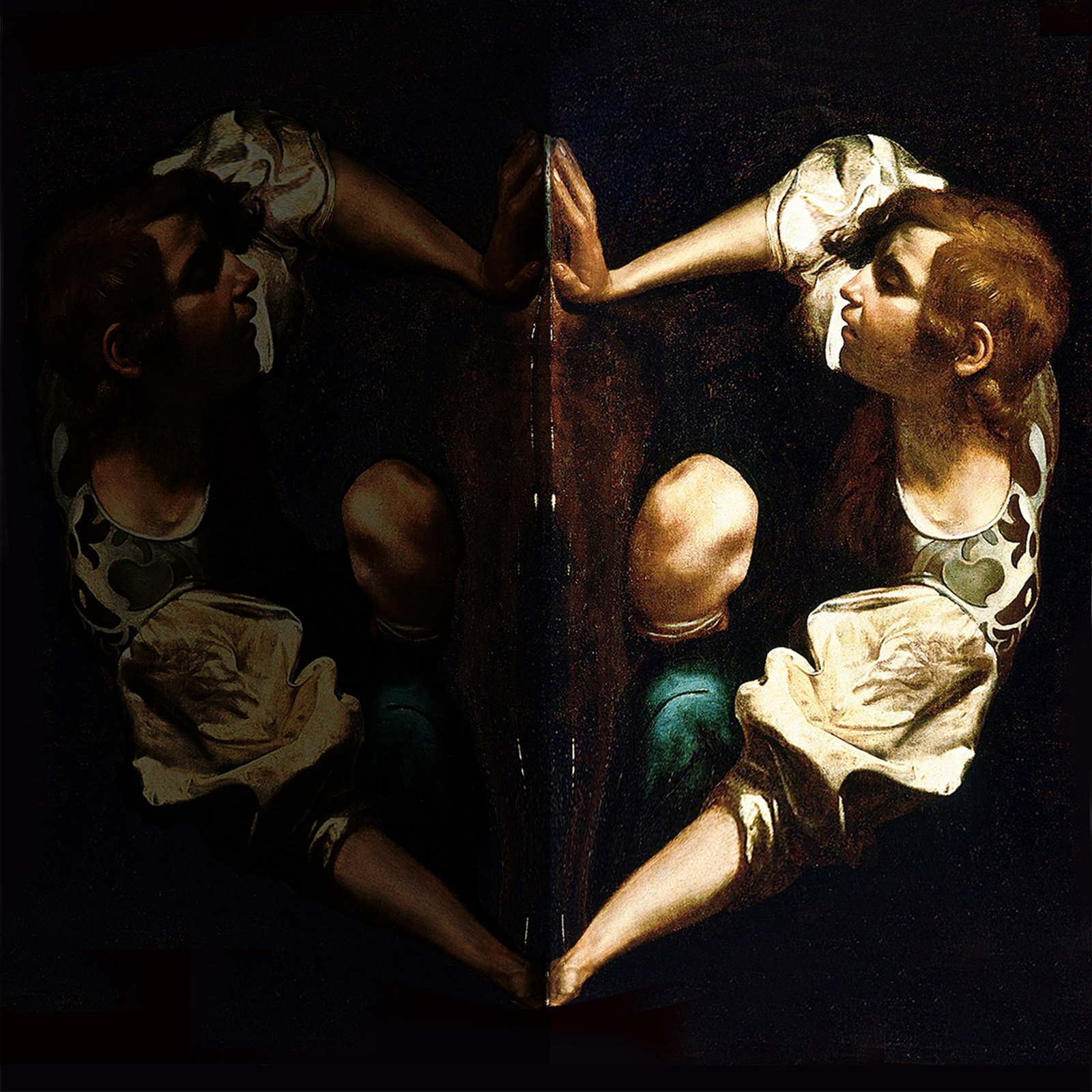
Sarah Friend, Heart, 2026. Courtesy of the Artist
“Scenography”, Automata, Booth F08, Digital sector
Ameesia Marold, the curator and founder of the Berlin-based gallery Automata, is presenting the work of five artists at Paris Photo: Harm van den Dorpel; Matt DesLauriers; Mika Ben Amar; Sarah Friend; and the agentic AI artist Solienne. The title of the group show, “Scenography”, is a riff on the name of the technical briefing that galleries are required to provide to fair organizers: what Marold describes as “the dimensions of the booth, the position of each wall, what hangs where. For us it also became the title of the presentation”.
Marold additionally sees an element of scenography in each of the artists’ practices, “a theme of crafting a visual environment”. In a reference to the bicentennial theme of the fair, Marold notes that photography has always been “a machine making a picture of a world. For a century and a half the machine was a camera and the world was the one in front of it.” In the Digital Sector of Paris Photo in 2026, “the picture is of a world made by a machine.”
“Harm van den Dorpel draws a mathematical space with a pen plotter,” Marold recounts. “Matt DesLauriers plays with the theory of exposure using an AI model's learned memory. Mika Ben Amar highlights and distorts the images that commercial infrastructure makes of itself. Sarah Friend asks a public AI model to convey what her own world looks like. Solienne displays her own identity, based on how she perceives the world as an AI agent.”
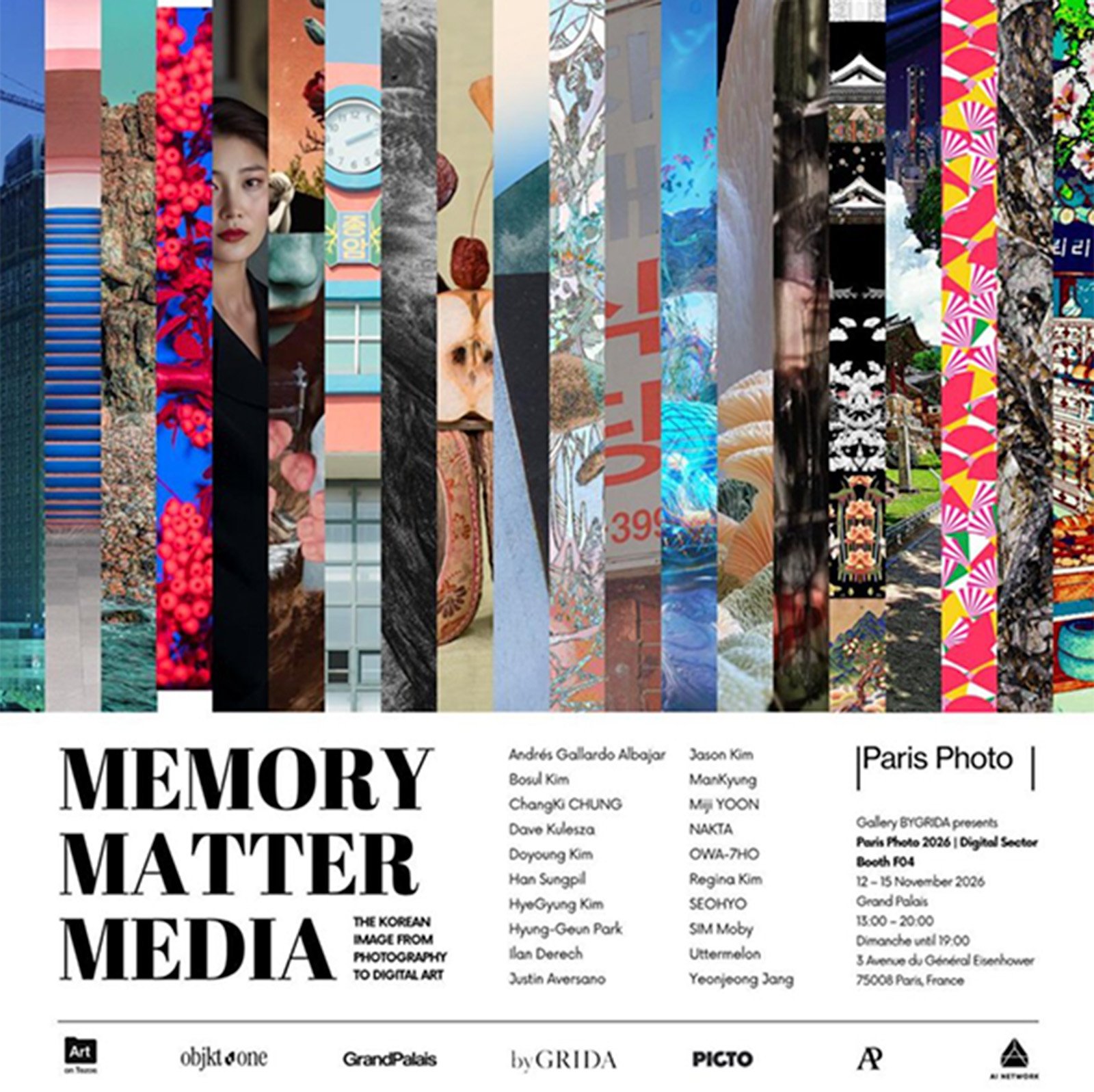
“Memory Matter Media | The Korean Image, from Photography to Digital Art” is at Gallery BYGRIDA, in the Digital sector of Paris Photo
“Memory Matter Media | The Korean Image, from Photography to Digital Art”, Gallery BYGRIDA. Digital sector, Booth F04
Gallery BYGRIDA, in partnership with Art on Tezos, is presenting the work of some 20 artists in “Memory Matter Media | The Korean Image, from Photography to Digital Art”. The artists on show are: Andrés Gallardo Albajar; Bosul Kim; ChangKi CHUNG; Dave Kulesza; Doyoung Kim; Jason Kim; ManKyung; Miji YOON; NAKTA; OWA-7HO; Han Sungpil; HyeGyung Kim; Hyung-Geun Park; Ilan Derech; Justin Aversano; Regina Kim; SEOHYO; SIM Moby; Uttermelon; and Yeonjeong Jang. The exhibition celebrates 140 Years of Franco-Korean diplomatic relations.
“Korean photography has not merely recorded [...] historical pressures,” the curator says in a gallery statement. “It has become a form of testimony to its time, a meditation on the temporality of disappearing objects, and a critical language through which to interpret the structures of social norms and identity.” On November 11, four of the artists showing in the exhibition — NAKTA, Regina Kim, Uttermelon and Yeonjeong Jang — were due to participate in a special NFT drop, released on the platform objkt, to mark the exhibition.
Gallery Exhibition
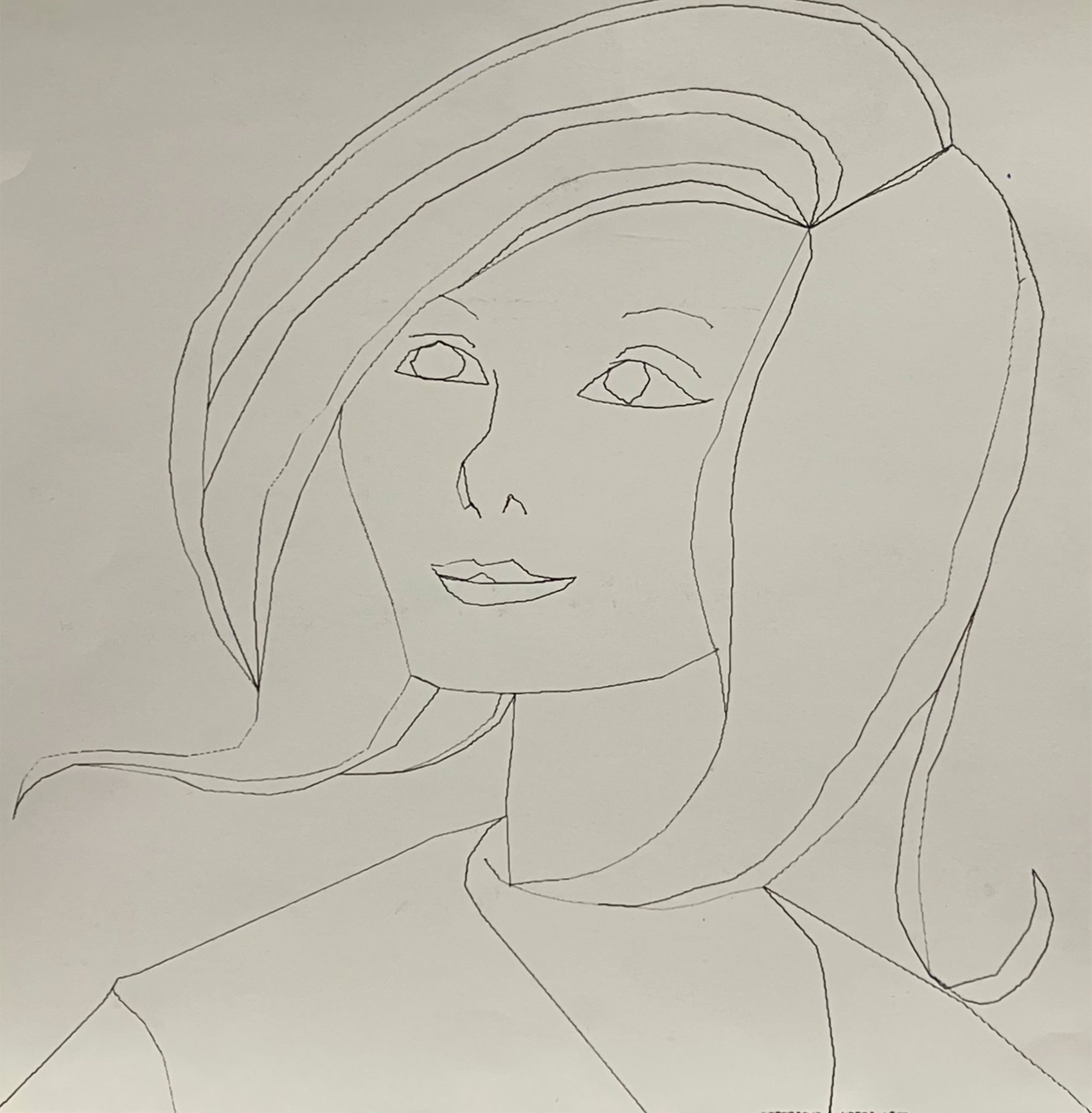
Leslie Mezei, plotter drawing from Transformation of Woman, 1967. Courtesy of the artist and RCM Galerie
Leslie Mezei, the Toronto-based pioneer of computer art, known as the grandfather of digital art in Canada, was one of the leading figures in computer art in the 1960s and 1970s, showing at a number of the leading shows of his day including Jasia Reichardt's "Cybernetic Serendipity” in London in 1968. He stepped away from both programming and computer art in 1978, following the death of his first wife. But now, at the age of 95, he is having his first solo show, at RCM Galerie, Paris, across the river Seine from the Musée du Louvre, the space run by the historian of computer art and collector Robert Fraser, who spent a decade tracking down Mezei and his work.
Fraser has assembled all Mezei’s surviving art and held an event to honor him in person on October 22, 2026. On show are a series of plotter drawings made by the artist in 1967 including a sequence of outputs from Transformation of Woman, 1967. It is hoped that Mezei’s history of the first decade of computer art, completed in 1972, may yet be published.