An Artist’s Life, Part 2 | Rafaël Rozendaal Experiments With Painting
The internet art pioneer tells Anika Meier how his income from digital art made it possible to extend his practice to canvas, a development that enables him to take breaks from the always-on overwhelm of being online
This is the second part of a two-part interview. Read the first part here.
Rafaël Rozendaal began making websites around the turn of the millennium, when the browser still felt like unexplored artistic territory. His works could be encountered by anyone, anywhere, without a gallery or museum standing between artist and audience. In the succeeding decades, websites gave way to platforms and social media. Rozendaal’s digital works became NFTs and generative collections. Digital art brought him commercial success and eventually helped finance his move into painting.
Now, at the very moment when AI has made coding easier than ever, Rozendaal finds himself increasingly drawn away from the computer. His paintings have become lighter and quieter, while the internet that once represented freedom and possibility has become a distracting and increasingly negative environment.
He is not alone. In the second part of a conversation with Anika Meier for Right Click Save, Rozendaal talks about friends from the post-internet generation who increasingly want to distance themselves from the internet, yet feel unable to leave behind the technology around which they built their careers.
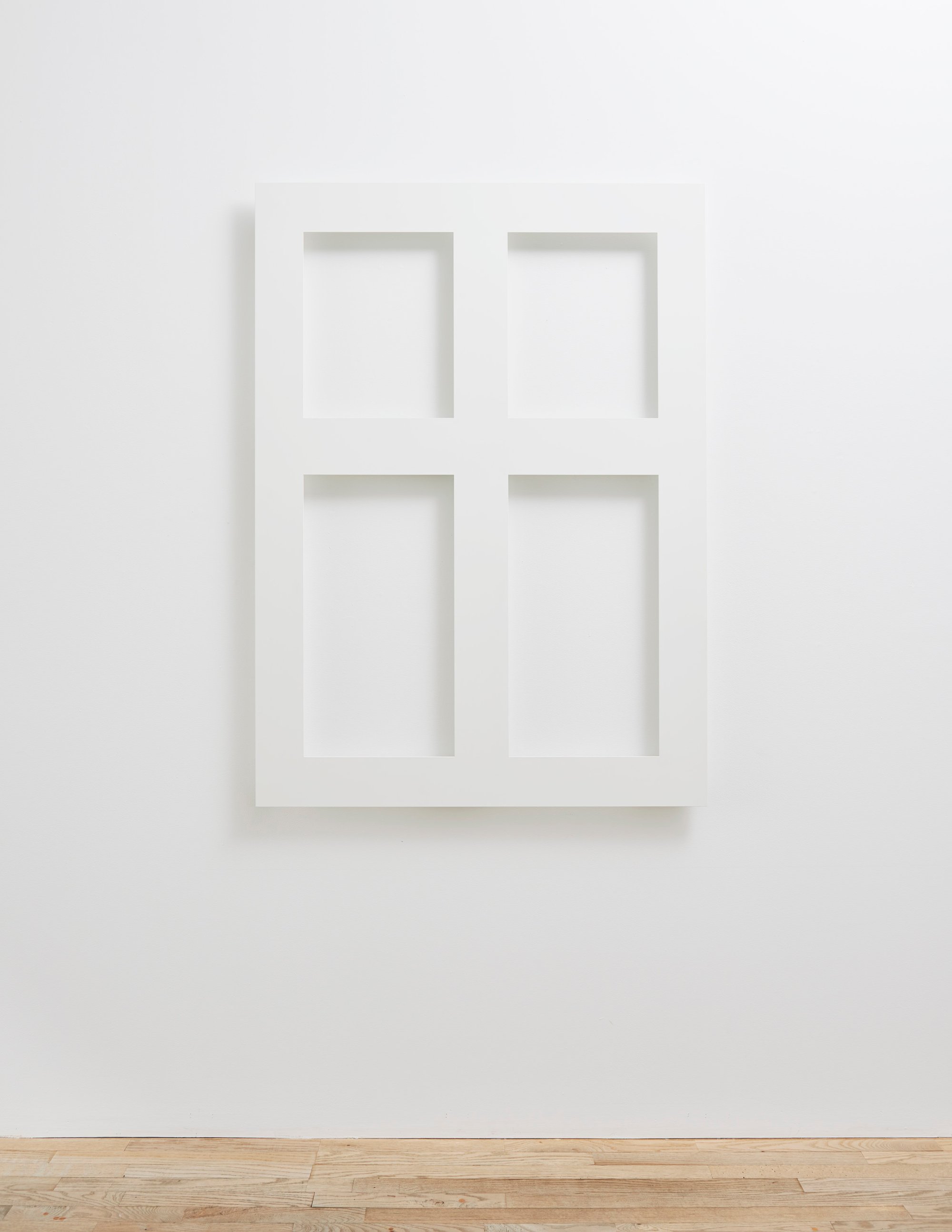
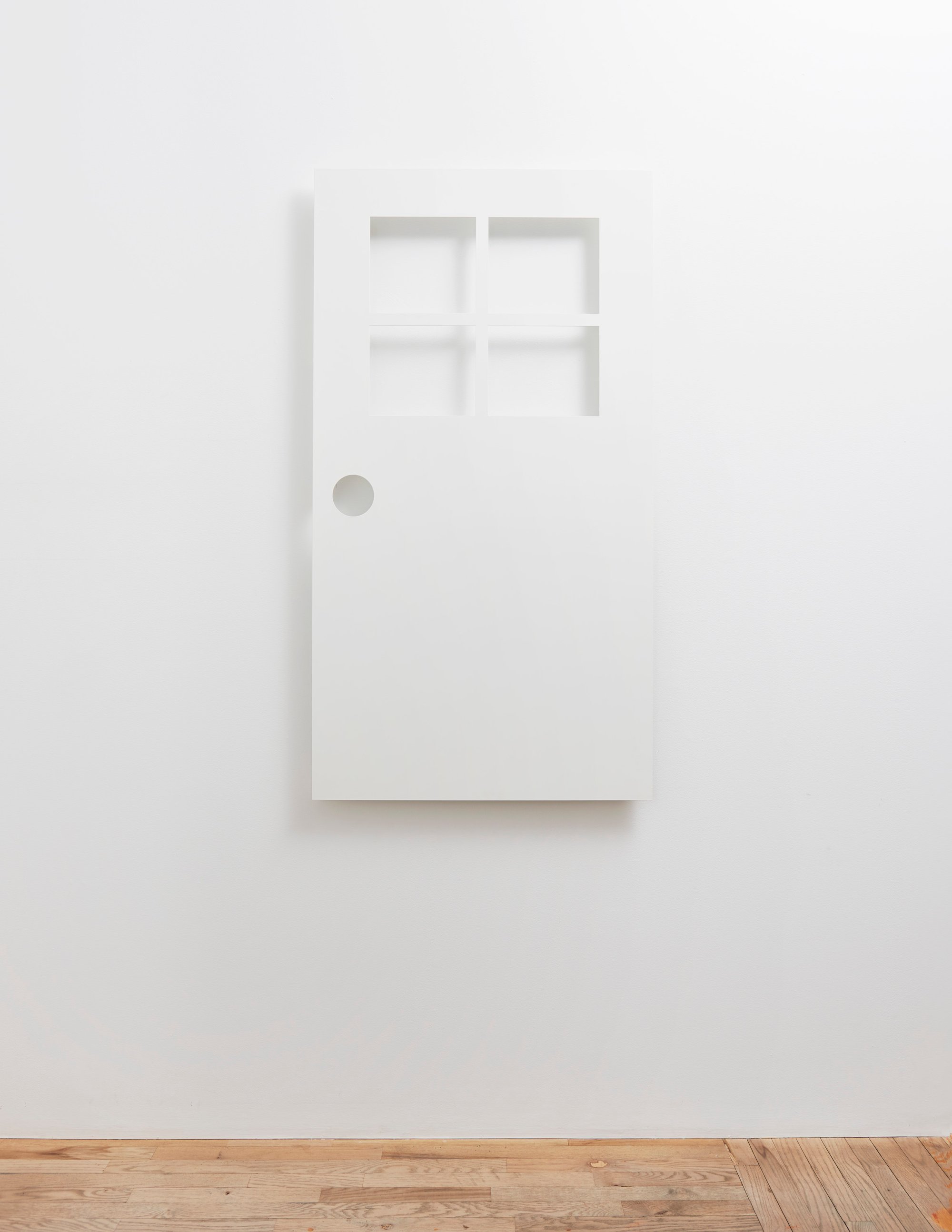
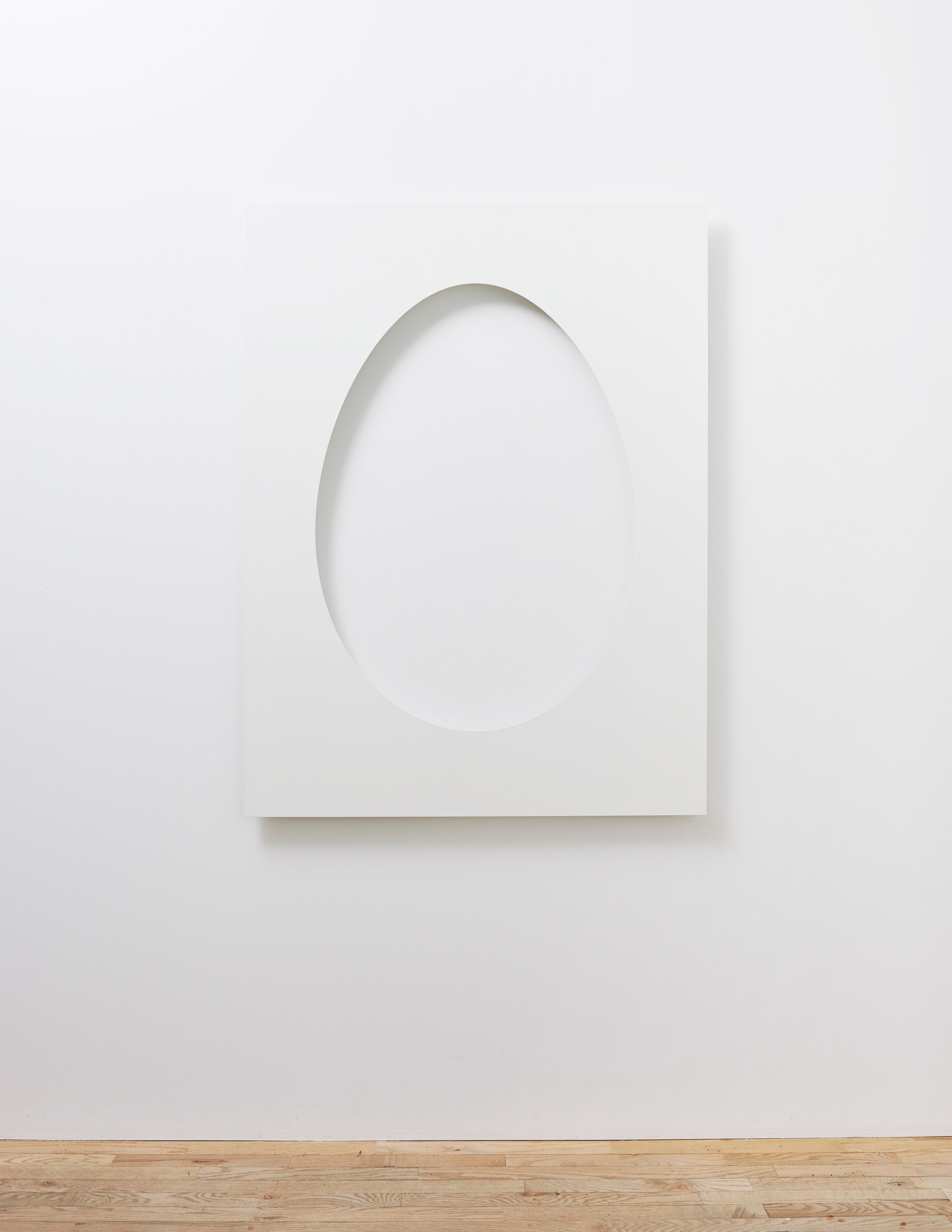
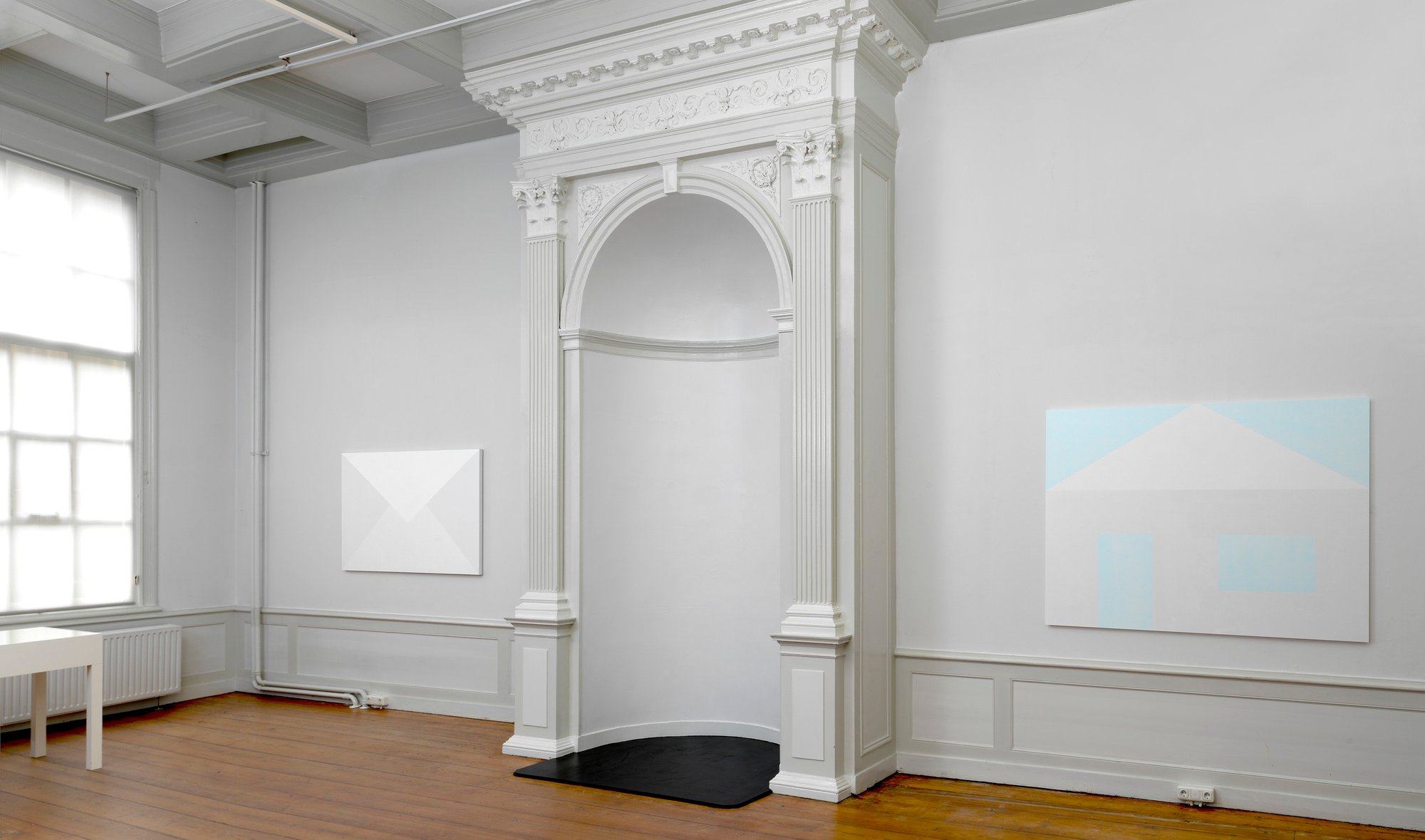
Installation view, Rafaël Rozendaal,“Shadow Object”, Postmasters, New York City, 2018. Powdercoated steel. Photography by Kyle Knodell. Courtesy of the artist and Postmasters
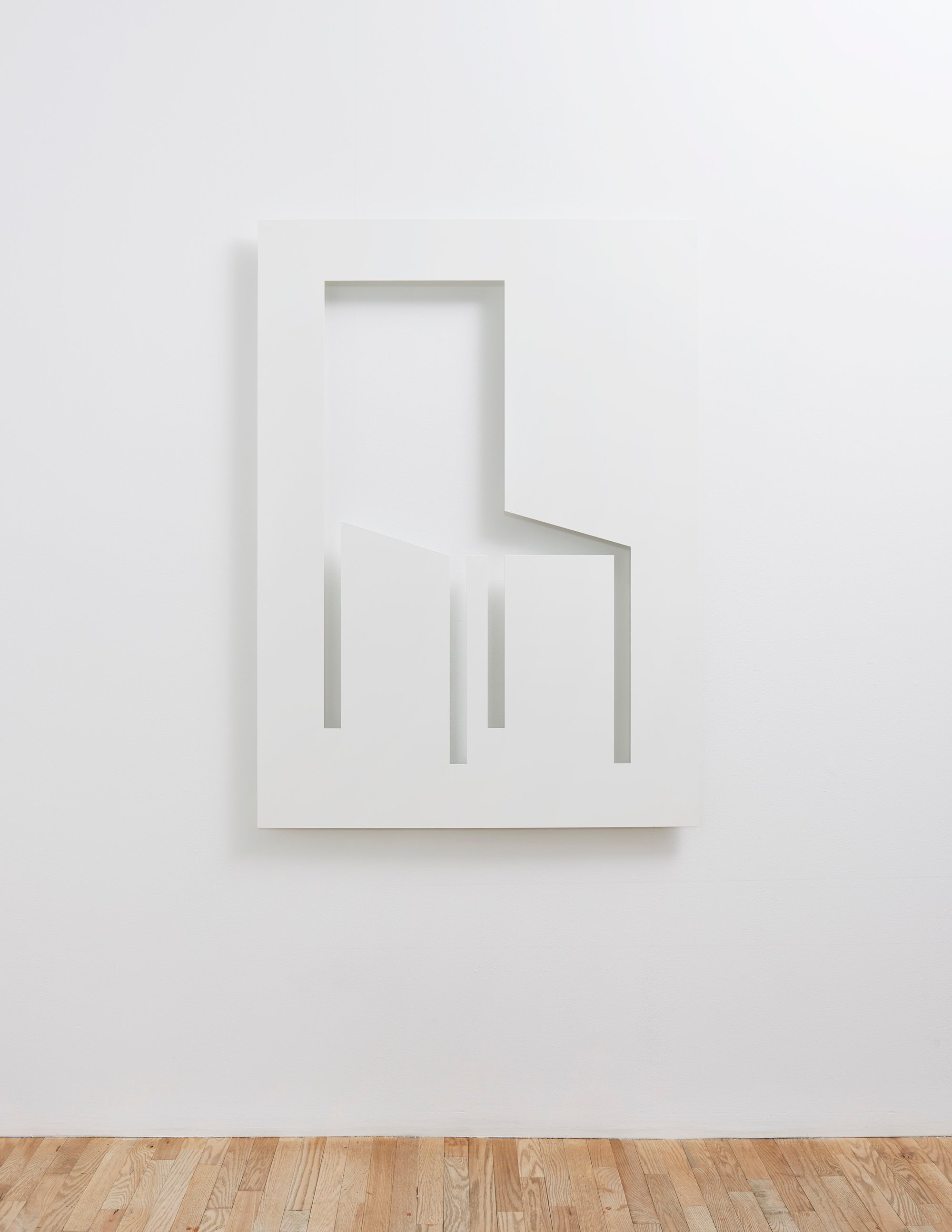
Installation view, Rafaël Rozendaal,“Shadow Object”, Postmasters, New York City, 2018. Powdercoated steel. Photography by Kyle Knodell. Courtesy of the artist and Postmasters
Installation view, Rafaël Rozendaal,“Shadow Object”, Postmasters, New York City, 2018. Powdercoated steel. Photography by Kyle Knodell. Courtesy of the artist and Postmasters
Installation view, Rafaël Rozendaal,“Shadow Object”, Postmasters, New York City, 2018. Powdercoated steel. Photography by Kyle Knodell. Courtesy of the artist and Postmasters
AM: Your early internet works [from the 2000s] often use very bright colors, while your paintings have become increasingly pale. How did that shift happen?
RR: I started out with very bright colors on the internet because I wanted the work to survive on any screen. I also like bright colors—there’s nothing wrong with that—but the idea was that the work should still function on a very old monitor, on any computer, anywhere in the world. The file sizes were always very small too, and they still are. I wanted the work to be robust enough to survive on anything from a smartwatch to an urban screen at an architectural scale. The move toward painting happened gradually. I kept sketching, while the animations became slower and slower until, at some point, they were so slow that I didn’t know what should animate anymore.
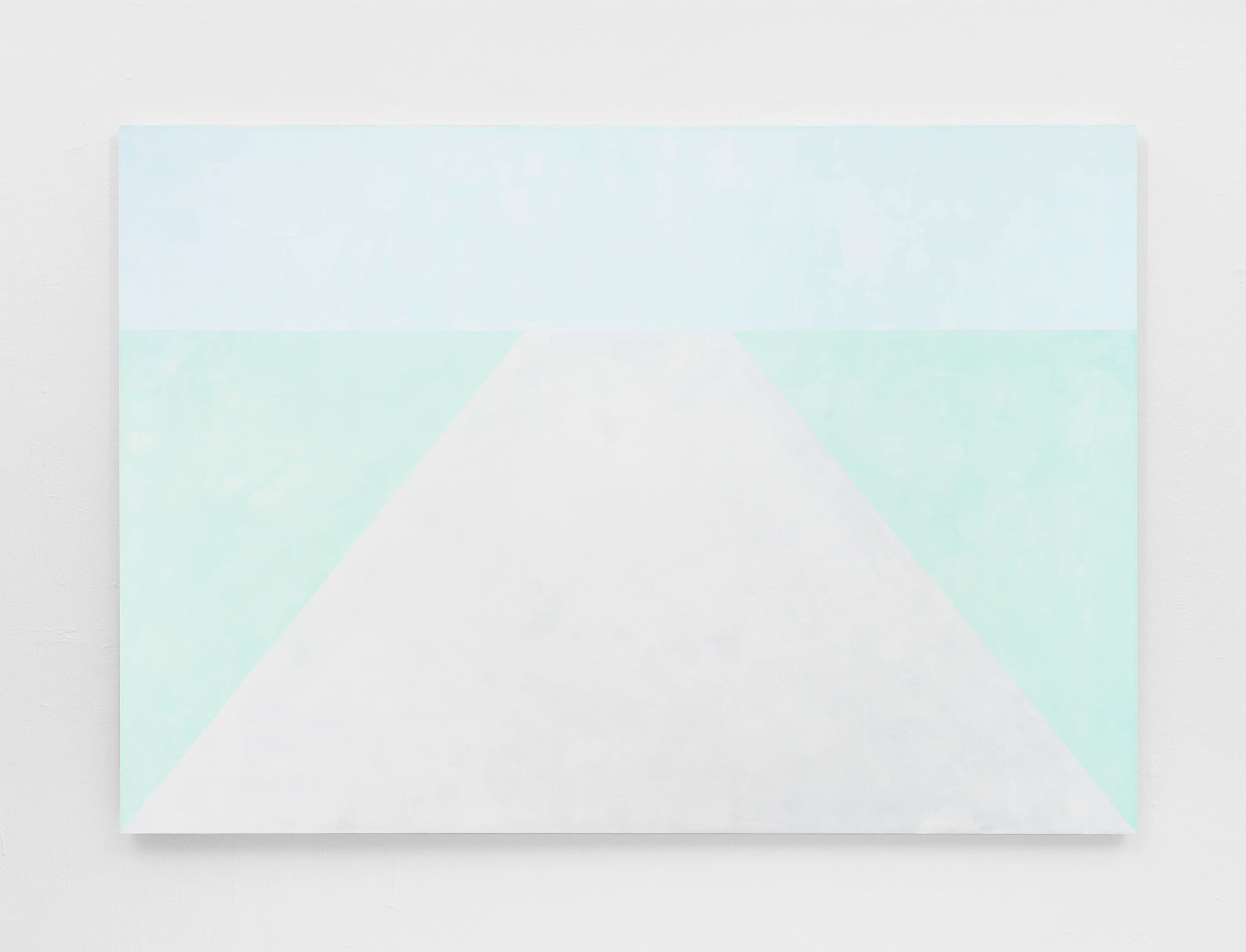
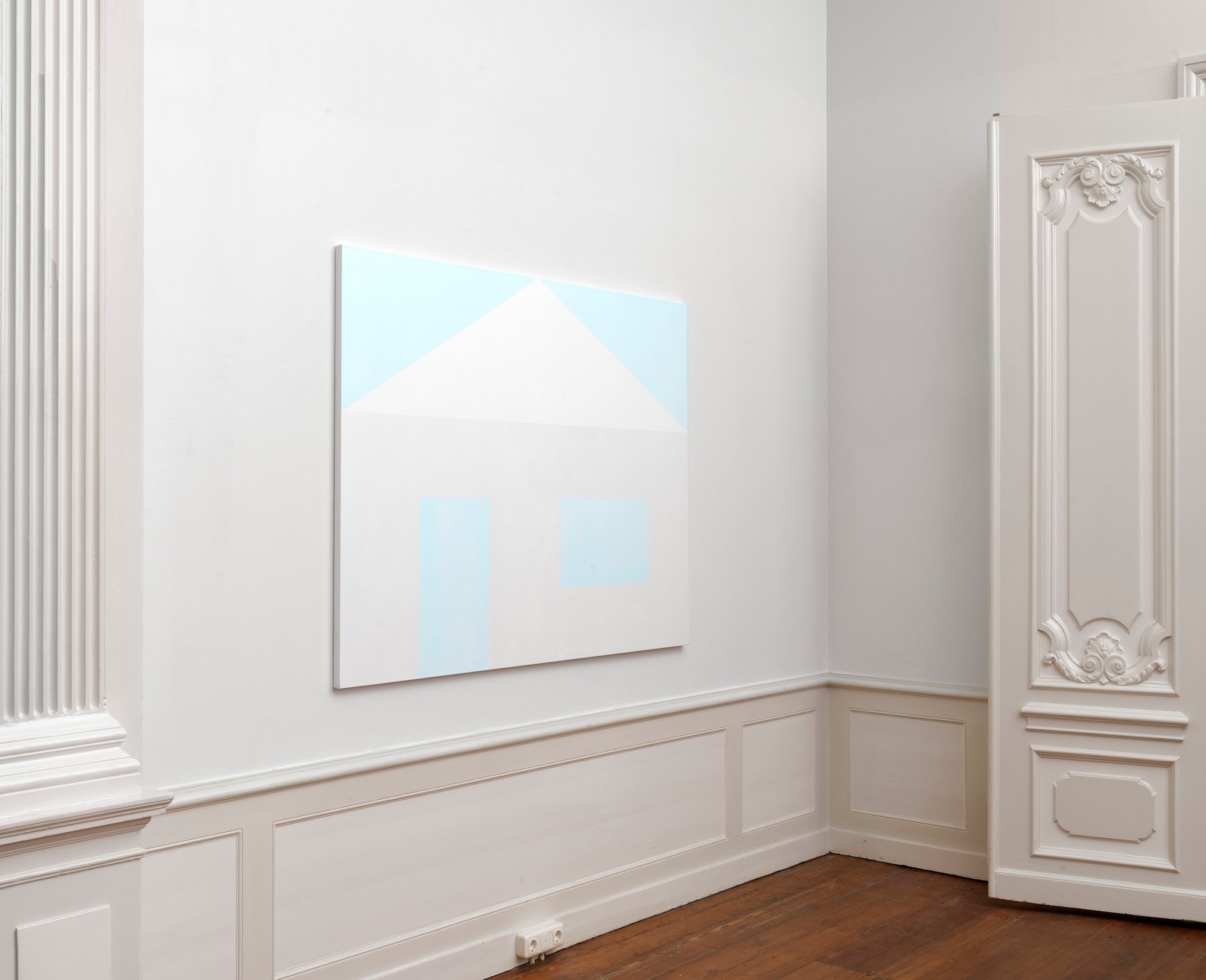
At first, I tried using the same bright colors in the paintings. I often paint the same painting several times and look at them together, and I kept going a little lighter, then a little lighter again. Over time, they simply became lighter. I don’t really know why. It just felt better.
In hindsight, [...] you could say it’s a rejection of social media or a reaction to the world becoming too loud. But that wasn’t a conscious decision.
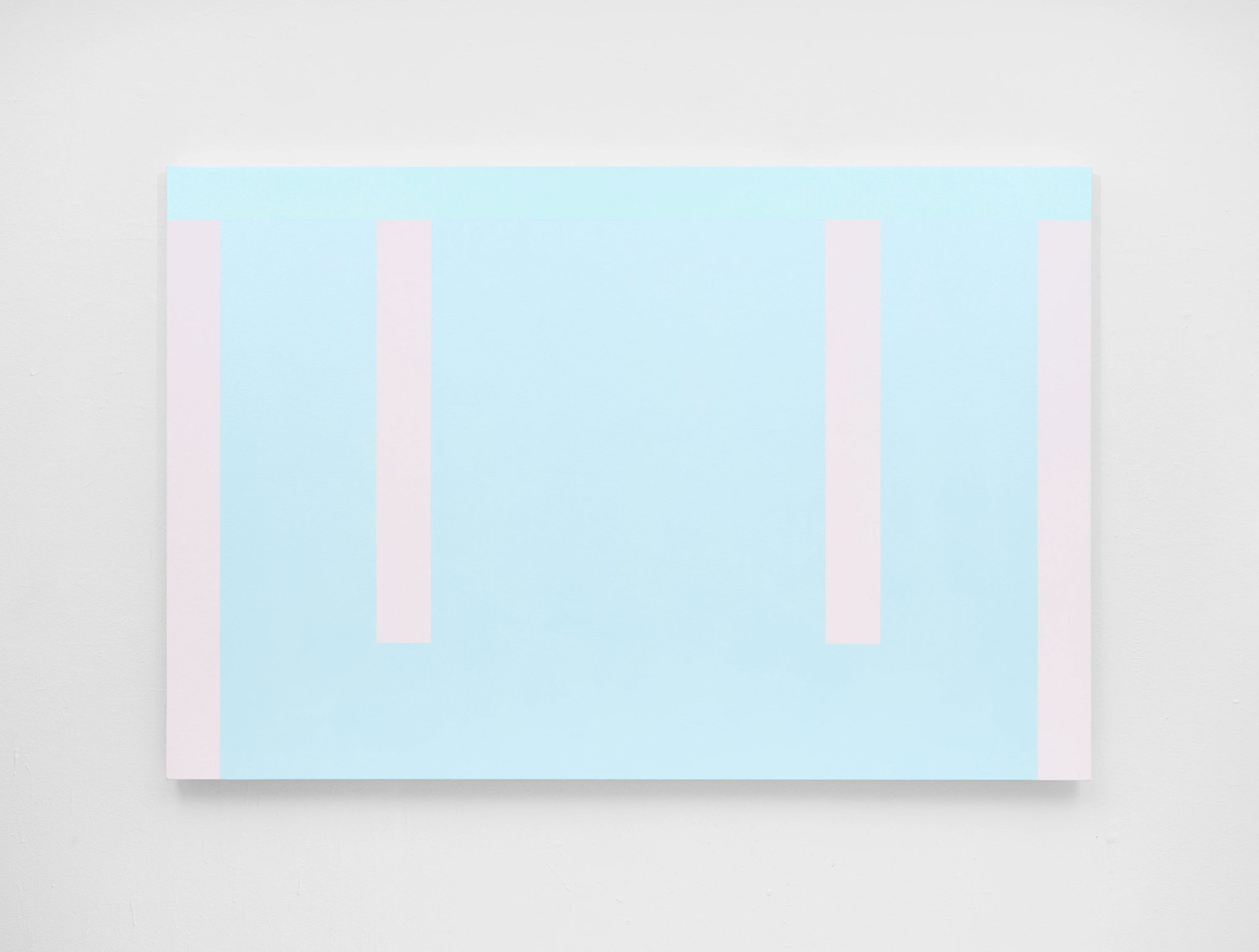
Rafaël Rozendaal, Table, 2024, 100 x 150 cm. Acrylic on canvas. Photography by Kyle Knodell
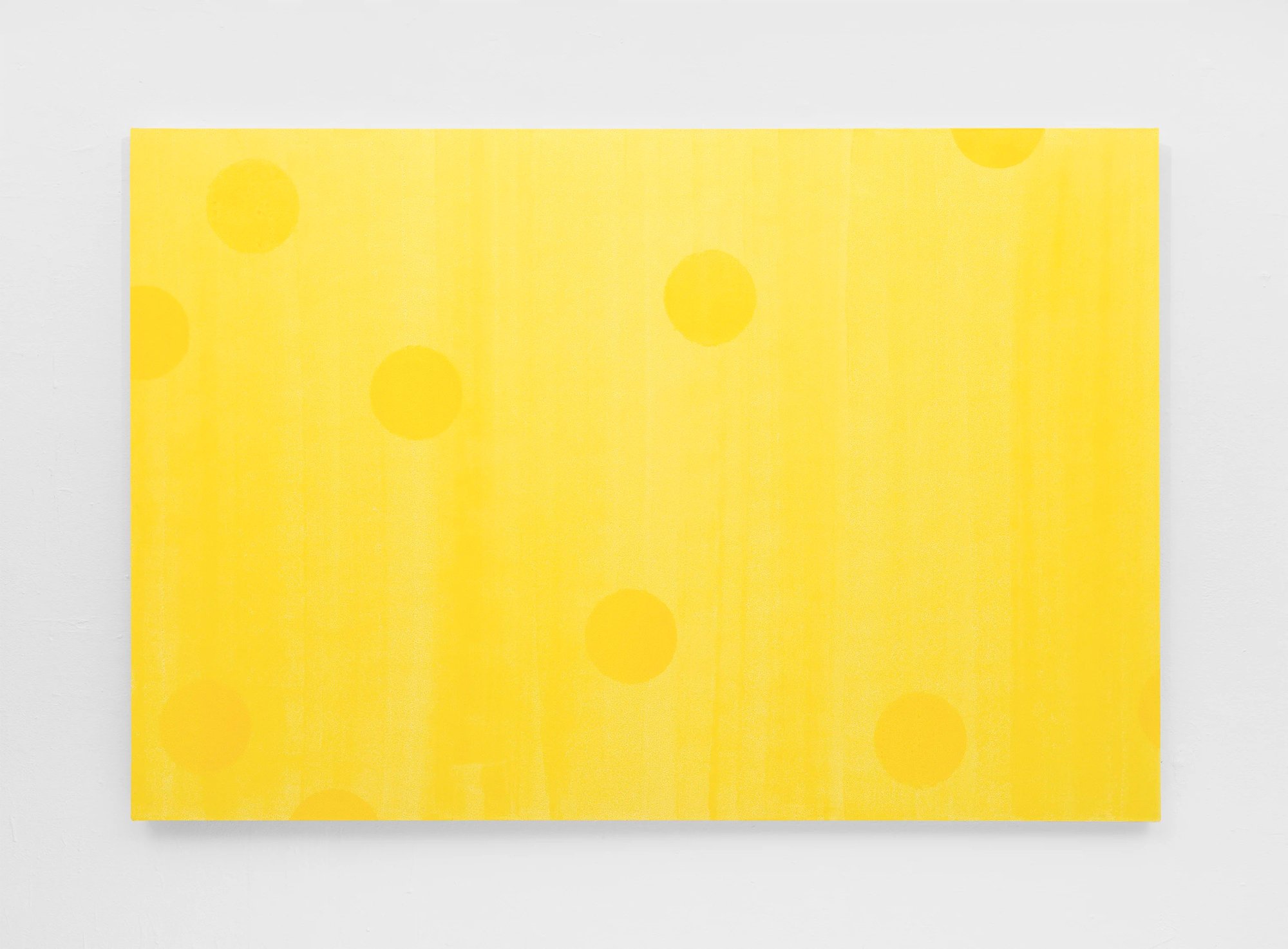
Rafaël Rozendaal, Cheese, 2024, 114 x 170 cm. Acrylic on canvas. Photography by Kyle Knodell
Rafaël Rozendaal, Blank Road, 2024, 135 x 194 cm. Acrylic on canvas. Photography by Kyle Knodell
AM: You know art history very well, and now you’re working largely in a medium with an enormous history of its own. When you make a painting, what are you actually trying to explore?
RR: A lot of my work is about reducing an image and its subject to the point where abstraction comes to the foreground, while there is still a figurative reason for the composition. I like that tension between the two. I think a lot of abstract painters have some kind of problem or game they are working through. Mondrian, for example, was trying to remove the illusion of depth from painting. Once you have that, you can play with all the possibilities, but there is still this one thread in your head that keeps you going. For me, it’s this tension between figuration and abstraction.
What’s interesting is that the paintings have become lighter, and I tried to bring that back into my animations, but it doesn’t work on a screen. I can’t tell you why. It just doesn’t feel right.
I always say there’s what the artist wants and what the material wants, and you meet somewhere in the middle.
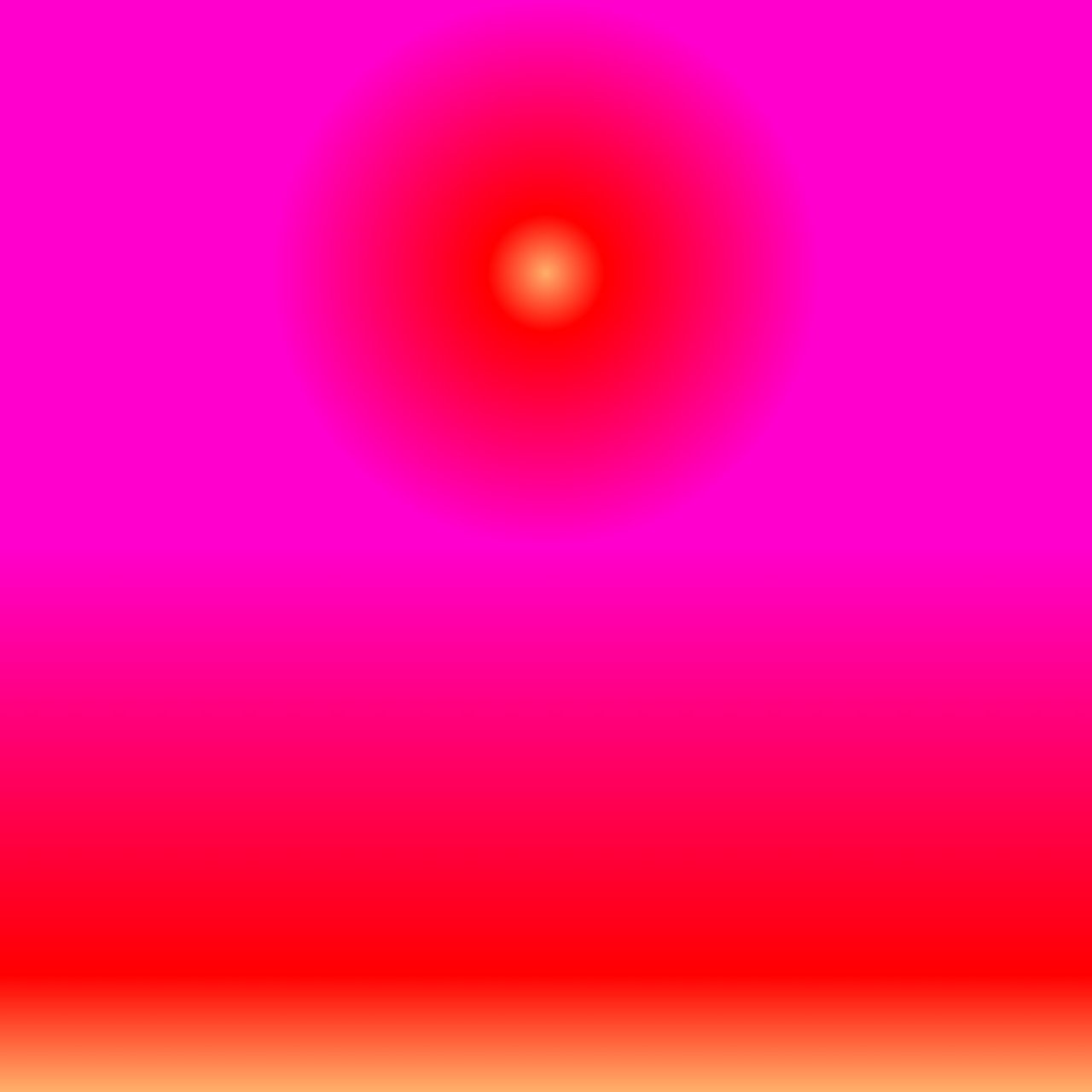
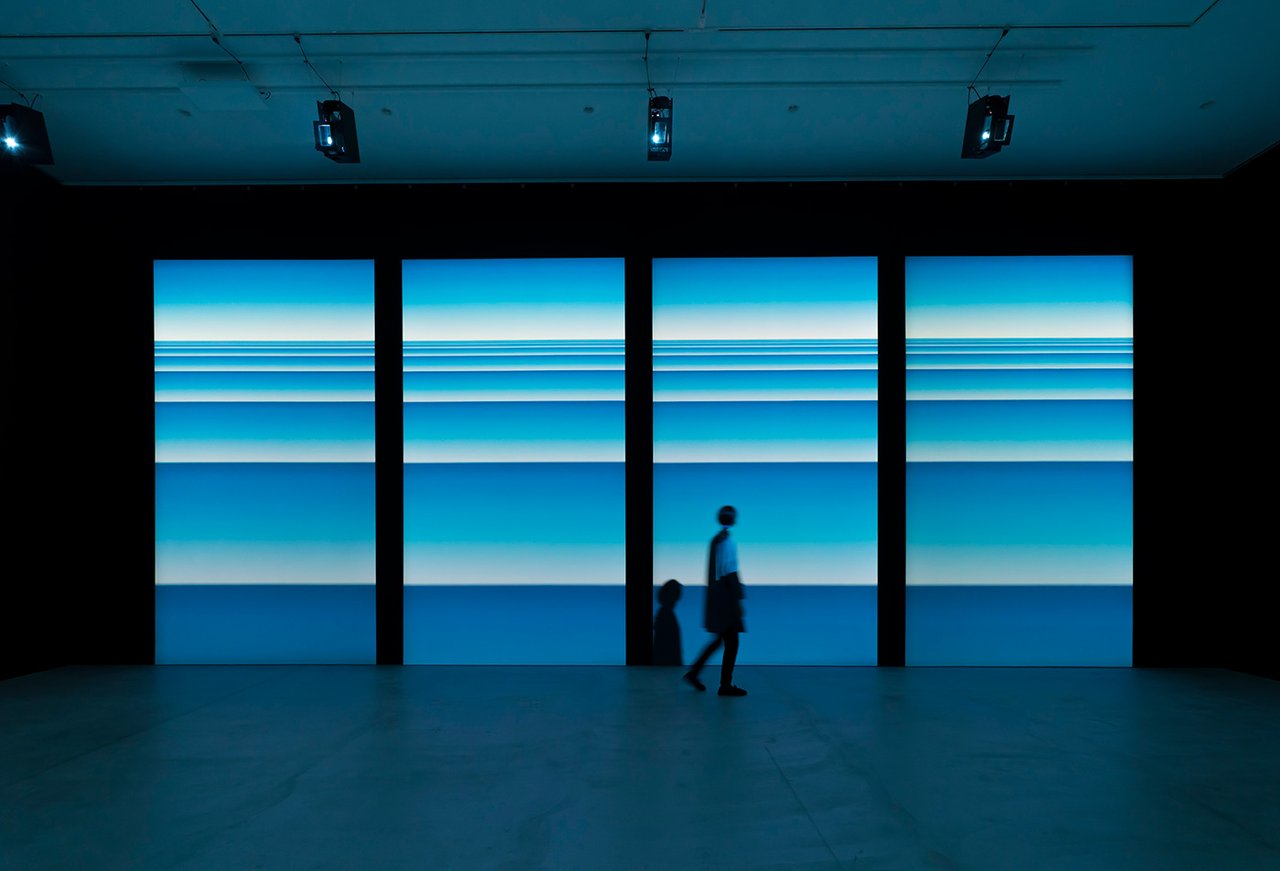
Rafaël Rozendaal, Horizon 46, 2021. On-chain NFT. Collection of Wisewhys
Rafaël Rozendaal, Horizon 67, 2021. On-chain NFT. Courtesy of Upstream Gallery and Left Gallery
AM: That idea of meeting the material halfway also seems relevant to 81 Horizons (2021) which moved from a physical project to the blockchain. How did that happen?
RR:81 Horizons started as a physical project. I first made twelve horizons as enamel signs and showed them together in a grid. It became a digital project later, through a conversation with Harm van den Dorpel, who was running left.gallery. I wasn’t sure how to make still images interesting on the blockchain, and he told me they could be encoded as SVGs, which meant they [as vector graphics with a small file size] could exist purely on-chain without an external image source. That got me more excited about the idea.
AM: The lighter paintings seem to connect more directly to the history of Minimalism. Which brings us back to the question you raised earlier: Who are you as an artist when you move away from the computer? Have you found an answer yet?
RR: No, I’m still figuring it out. It’s been a slow trajectory. All my friendships, my galleries, the curators I work with — they’re all based on this shared interest in the computer. So it’s a strange moment. I don’t have a simple answer, but it’s clear that this is what I want. All my works start with sketches on paper. One of the problems I have with the computer now is that it’s such a distracting environment.
I start sketching, and that feels very open and free. There’s no goal. I just start. It used to be that I only had ideas for moving or interactive images. Now they’re almost all still images. Very rarely do I think, “This should move.” I’m not really in control of that.
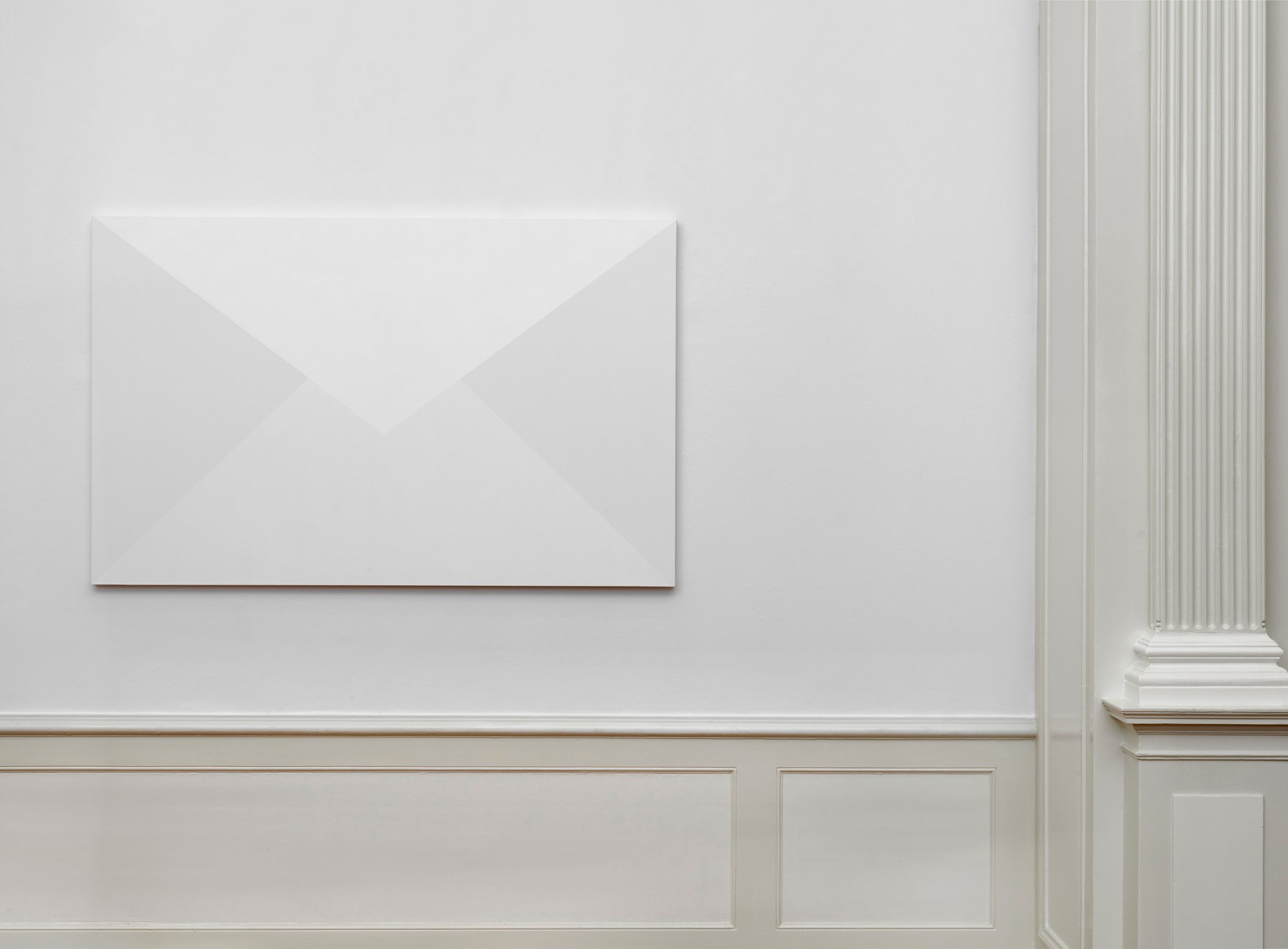
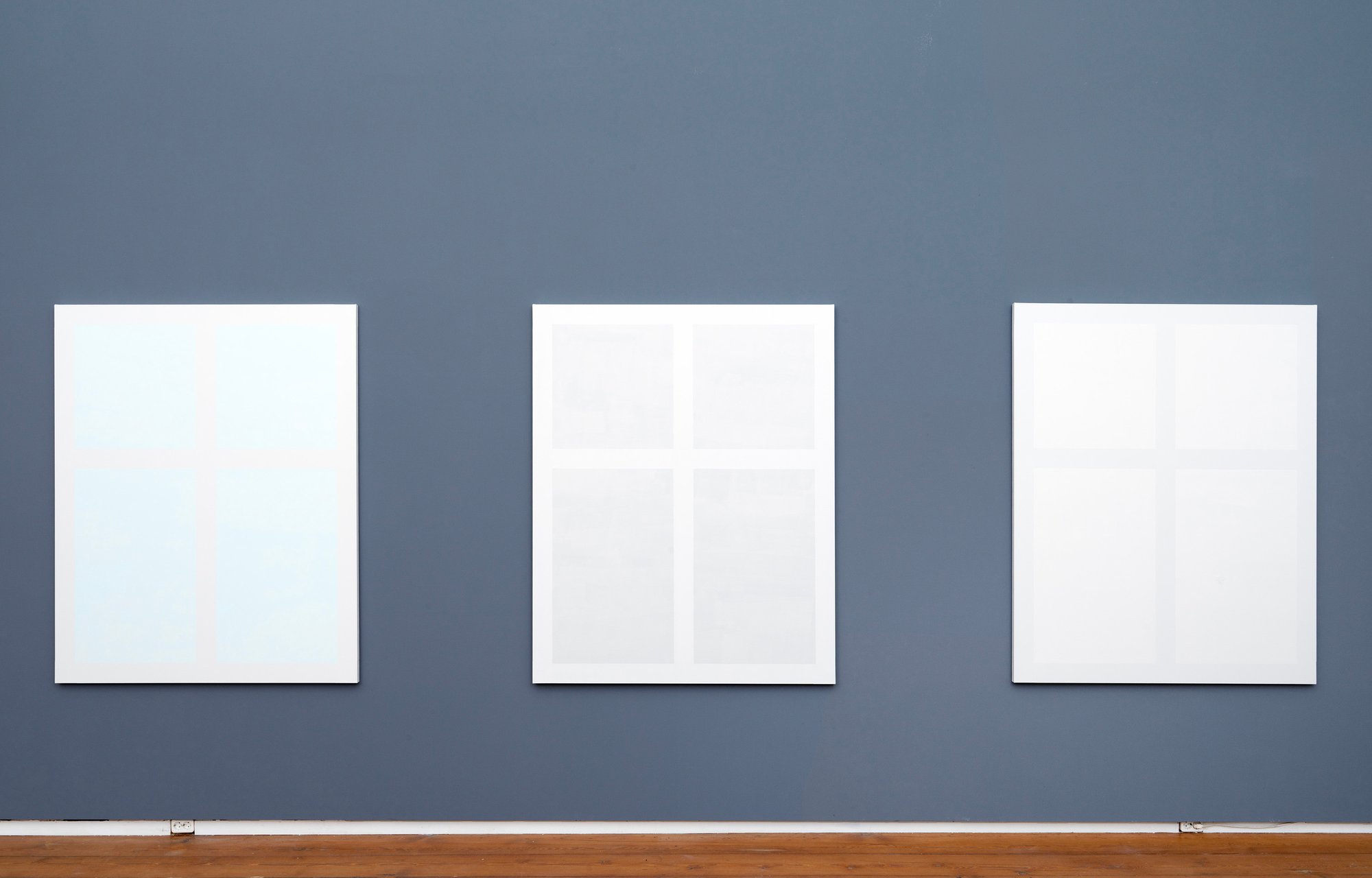
Installation view, Rafaël Rozendaal, “Manual”, Upstream Gallery, Amsterdam, 2024. Paintings. Photography by Gert Jan van Rooij. Courtesy of the artist and Upstream Gallery
Installation view, Rafaël Rozendaal, “Manual”, Upstream Gallery, Amsterdam, 2024. Paintings. Photography by Gert Jan van Rooij. Courtesy of the artist and Upstream Gallery
Installation view, Rafaël Rozendaal, “Manual”, Upstream Gallery, Amsterdam, 2024. Paintings. Photography by Gert Jan van Rooij. Courtesy of the artist and Upstream Gallery
Installation view, Rafaël Rozendaal, “Manual”, Upstream Gallery, Amsterdam, 2024. Paintings. Photography by Gert Jan van Rooij. Courtesy of the artist and Upstream Gallery
AM: How do you work now? Do you go to the studio in the morning and start drawing without knowing what might emerge?
RR: I usually sketch early in the morning. The computer has actually become so bad for me that I have to discourage myself from using it, so I moved it to the storage room next door. I have this habit of painting a layer and then going back to the computer to chat with people, when I should be painting a layer and then sketching. Now the painting studio is computer-free. I heard this interesting idea that the brain always chooses whatever is easiest when it has several options in front of it. Facing a blank page and coming up with a new idea is always a little scary. Of course it’s much easier to answer emails. Your brain says, “Okay, let’s do that.”
That’s something I struggle with, and I’m probably not the only one. I talk about it with friends who are post-internet artists. I won’t mention names, but some of them also feel that the internet has become a very negative place. At the same time, they’ve built their careers around it, so they feel they can’t really move away from it. It’s like, it's too late to change my entire artistic identity. I even have friends who now carry flip phones because the internet has simply become too much.
That brings me back to this question of our generation. We started at a moment of enormous societal change driven by technology. As an artist, you were part of this tectonic shift, which was incredibly exciting. You almost didn’t even have to be a good artist to be radical because every few years there was a new subject: surveillance, VR, and drones. Now it’s AI.
These developments are so enormous that you can almost take the position: How can you not address this? But then you become part of this continuous update cycle, this news cycle. And maybe at some point you become exhausted by that.
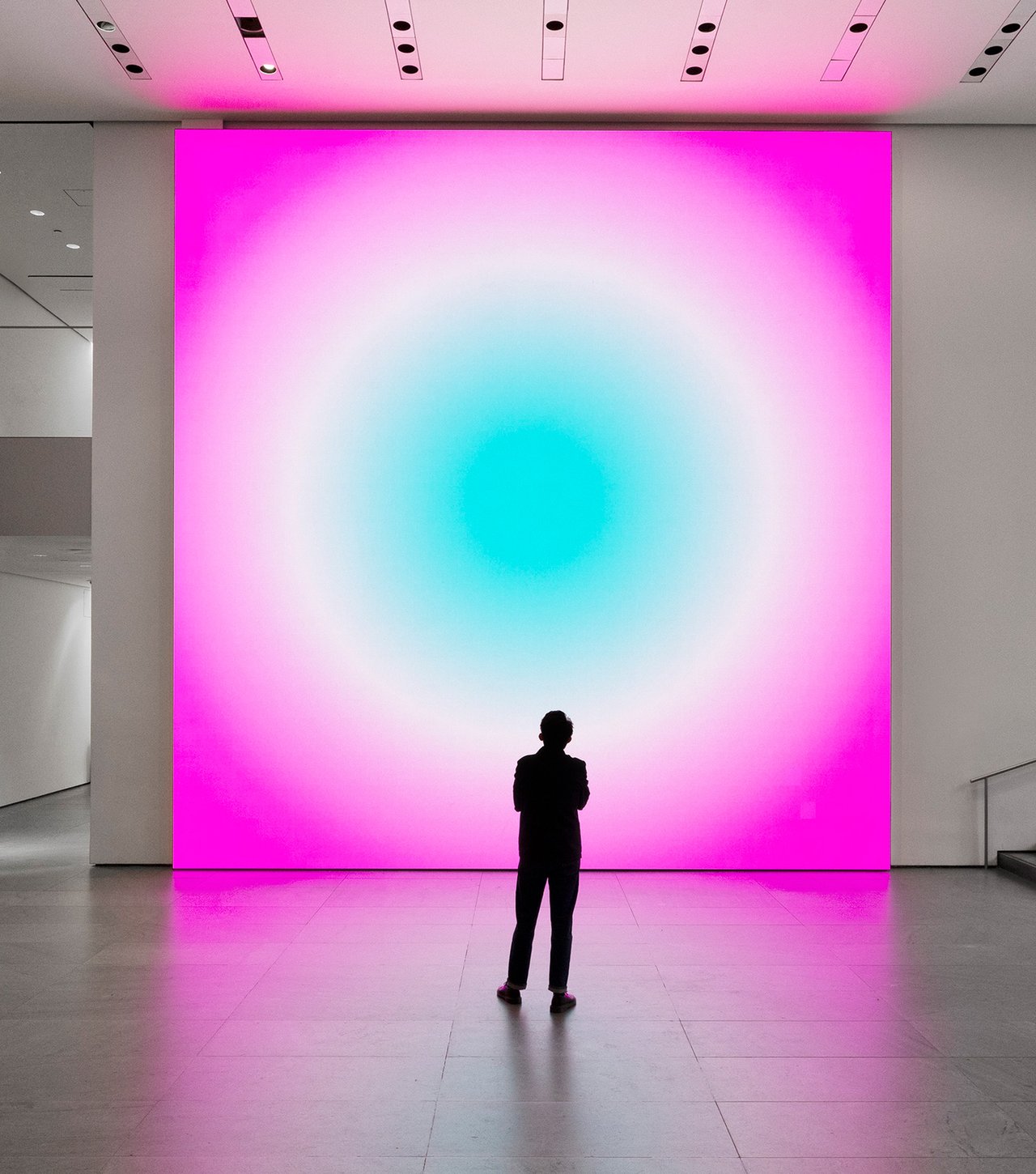
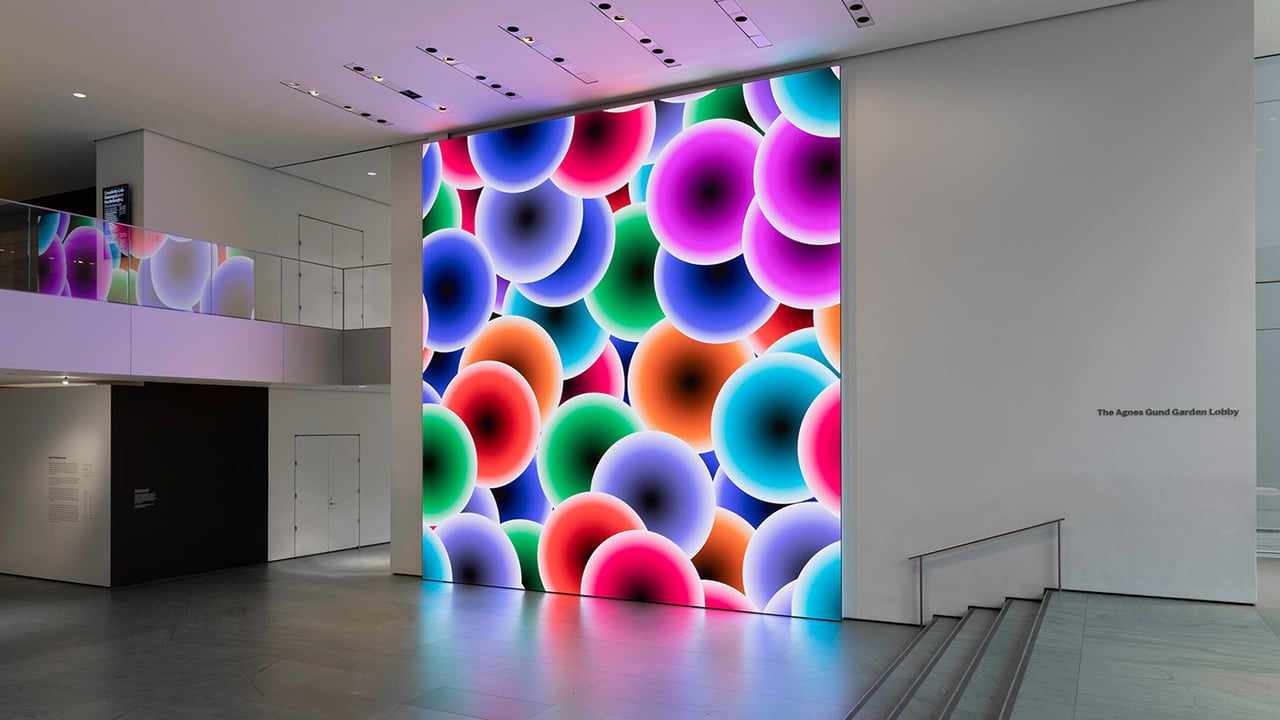
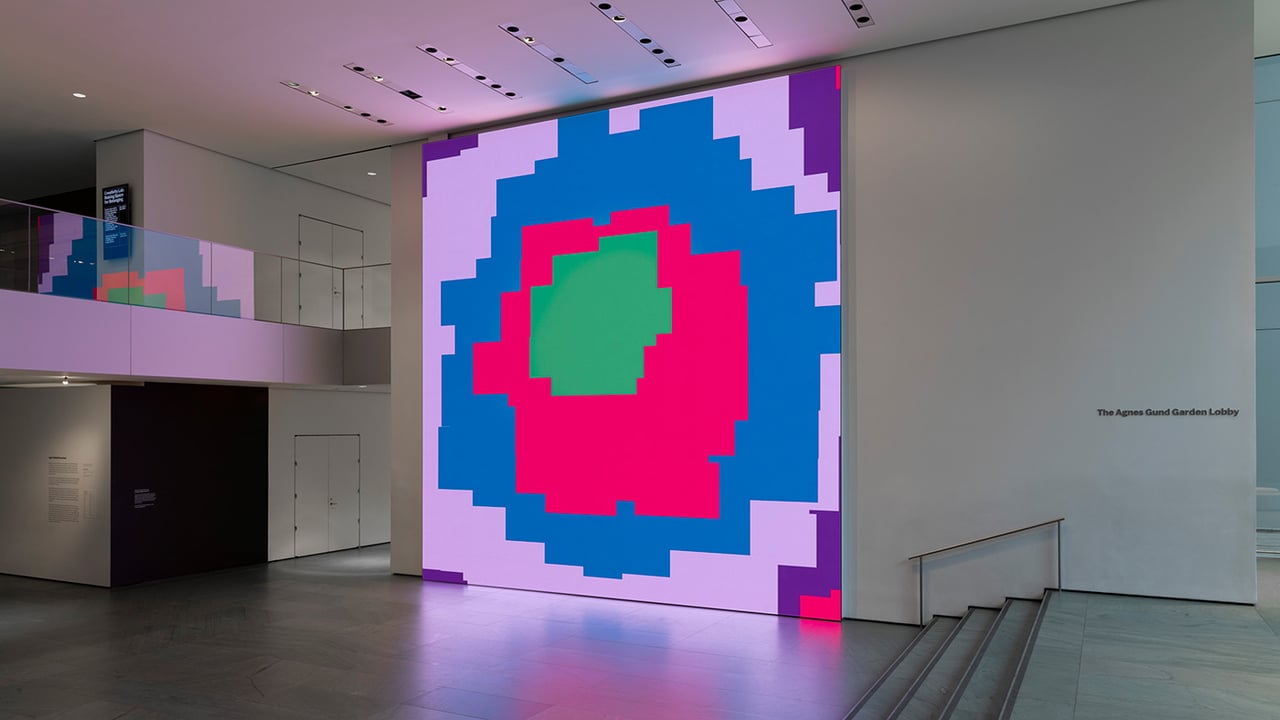
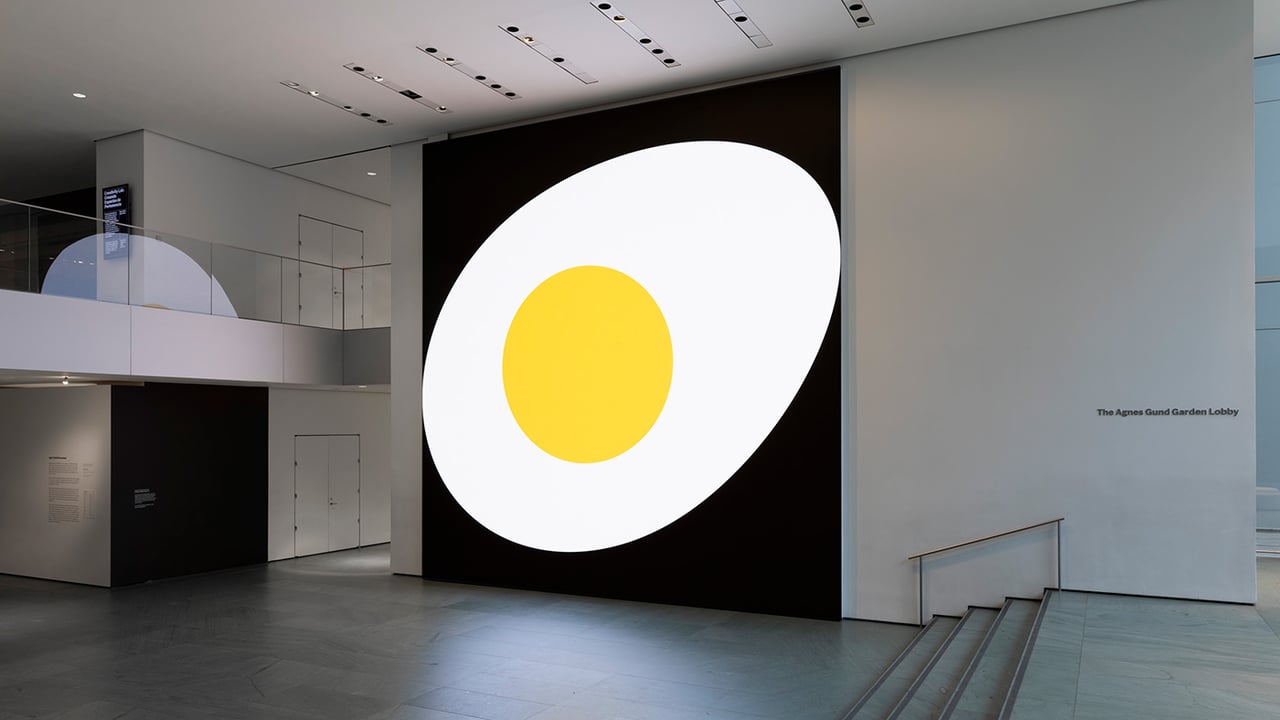
Installation view, “Light: Rafaël Rozendaal”, Museum of Modern Art (MoMA), New York, 2024-25. Digital animation using generative algorithm. Photography by Jonathan Dorado. Courtesy of the artist and MoMA
AM: Your work began with the idea that an artwork on the internet could be experienced by anyone, anywhere, without an institution. What did it mean to you, then, to have that work shown at MoMA [“Light”, 2024-25, an exhibition of 25 website works on the big screen in the Agnes Gund Lobby]?
RR: It was a life-changing event, for sure. What made MoMA particularly meaningful is that my work has always come from reflections on painting. I’ve always seen painting as the endpoint of a train of thought, as a very focused result of human exploration, and I saw my work in the same way. A lot of what I’ve been exploring is in this area between abstraction and figuration, and the MoMA collection is really a prime example of that. The museum is filled with the things I’m concerned with and the things I reflect on, so it couldn’t have been a better place. The Louvre could have exhibited the work, and that would also have been very prestigious, but it wouldn’t have had the same sincere connection.
What I hadn’t realized beforehand was what would happen through the placement of the screen. You enter the museum and see my work, then you spend time looking at a Barnett Newman or a Lichtenstein, and later you encounter my work again. Suddenly, the work becomes part of this 400-year timeline. For me, that is still one of the reasons for physical museums: this very slow, long timeline. It was incredibly heartwarming and encouraging.
I’ve always believed that a visual experience on the internet is a legitimate aesthetic and artistic experience. It doesn’t have to be documentation. That was one of the premises of net art: what you’re looking at online is the work itself. But that doesn’t mean the work can’t also be shown in an institution or that experiencing it there is somehow less legitimate.
For me, making art on the internet was never a critique that said, “We don’t need museums.” It was more about the possibility of building a body of work independently that could later also be seen in museums.
Installation view, “Light: Rafaël Rozendaal”, Museum of Modern Art (MoMA), New York, 2024-25. Digital animation using generative algorithm. Photography by Jonathan Dorado. Courtesy of the artist and MoMA
Installation view, “Light: Rafaël Rozendaal”, Museum of Modern Art (MoMA), New York, 2024-25. Digital animation using generative algorithm. Photography by Jonathan Dorado. Courtesy of the artist and MoMA
Installation view, “Light: Rafaël Rozendaal”, Museum of Modern Art (MoMA), New York, 2024-25. Digital animation using generative algorithm. Photography by Jonathan Dorado. Courtesy of the artist and MoMA
AM: You called the MoMA exhibition life-changing. In what way?
RR: To me, it felt like I had found a cheat code in a video game and reached the endpoint. Now I can go back into the game and explore other levels at my own leisure.
AM: Did reaching that point give you a new sense of freedom to experiment?
RR: Yes, although I’ve always tried to have that freedom. I started writing haiku, for example, and someone asked me, “Isn’t that risky? You’re not a poet.” But I never felt like anyone took me that seriously, so I thought, “It's fine. I can do whatever I want. I don’t have a reputation to lose.” That’s how it always felt. I also made the haiku as wall paintings and showed them at Museum Folkwang and other places. I’ve always wanted to create without fear and do whatever comes to mind.
David Lynch talks about falling in love with an idea. Sometimes you fall in love with an idea and you can’t let go of it, so that’s where you go. You can’t decide who you fall in love with, and you can’t decide what the next idea will be.
One of the things I found interesting about NFTs was that it’s very hard to make a truly ugly painting, something where everyone says, “That's awful. That’s not art.” But when NFTs happened, there was this visceral reaction where everyone suddenly said, “No, Bored Apes are not art.” It’s almost impossible to provoke that kind of reaction with painting today.
Rafaël Rozendaal, Rio #0, 2024. Self-published NFT. Collection of MoMA
Rafaël Rozendaal, Box, 2025. Self-published NFT. Courtesy of the artist
AM: What interested me about that reaction was how little people actually looked at the art. I did a lot of interviews about NFTs at the time, and people constantly wanted to talk about prices: Did it sell out? Have prices collapsed? I kept thinking that if I were being interviewed about an exhibition at a museum, nobody would ask me whether every work had sold. Why do you think it’s so much easier to talk about the price of art than about the art itself?
RR: Maybe NFTs became so much about price because the prices were public. But prices are discussed constantly in the traditional art world, too. I think people are simply very uncomfortable talking about art itself. It’s this great unknown. You’re very vulnerable when you talk about it. It’s almost like opening up your inner being, so we invent things to talk around it.
I’ve noticed the same thing with serious collectors presenting their collections. They can be just as self-aware and self-conscious as an artist showing a new body of work. It’s a very vulnerable position. But saying, “I bought this and sold it for ten times as much,” is easy to talk about.
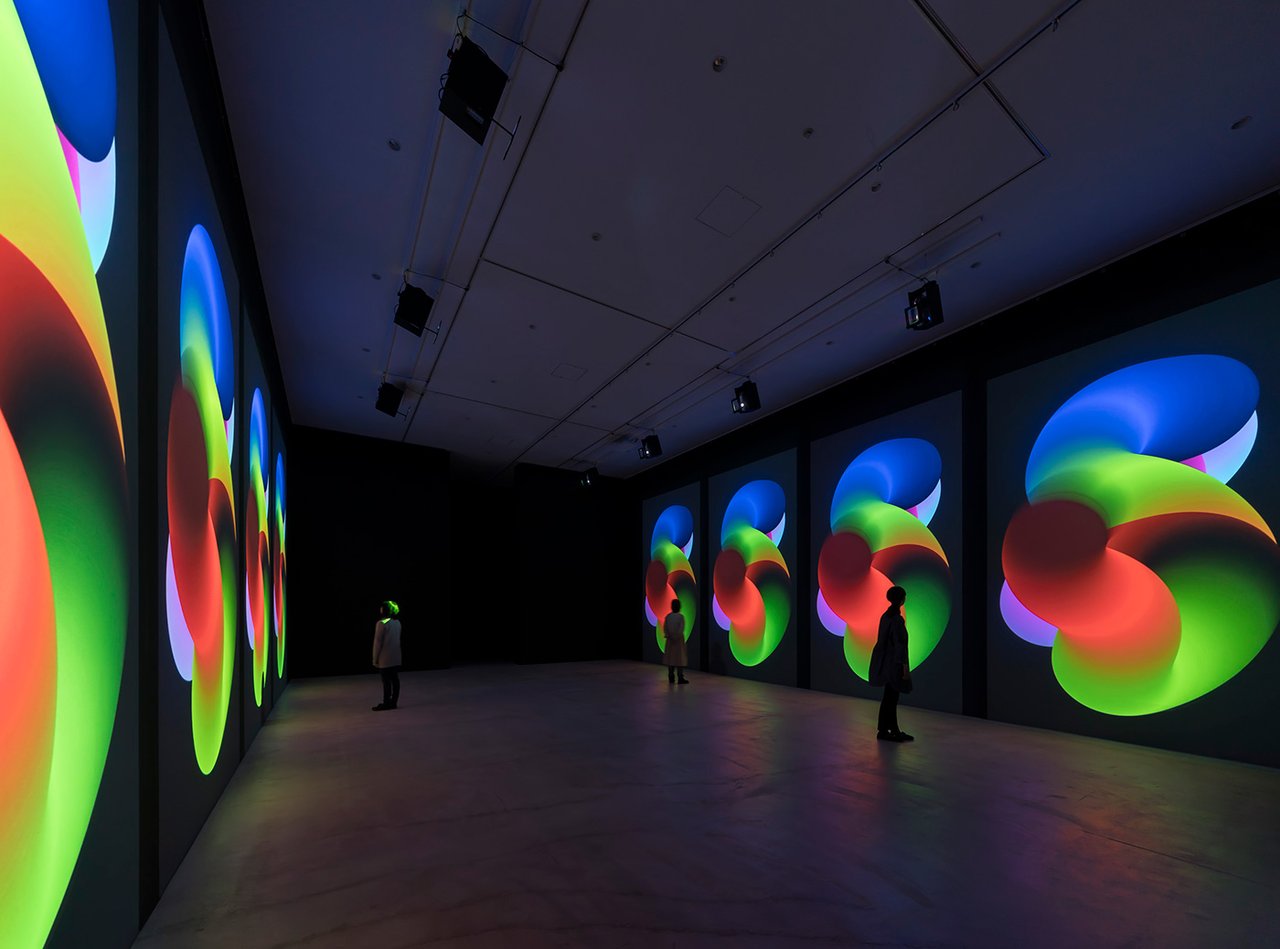
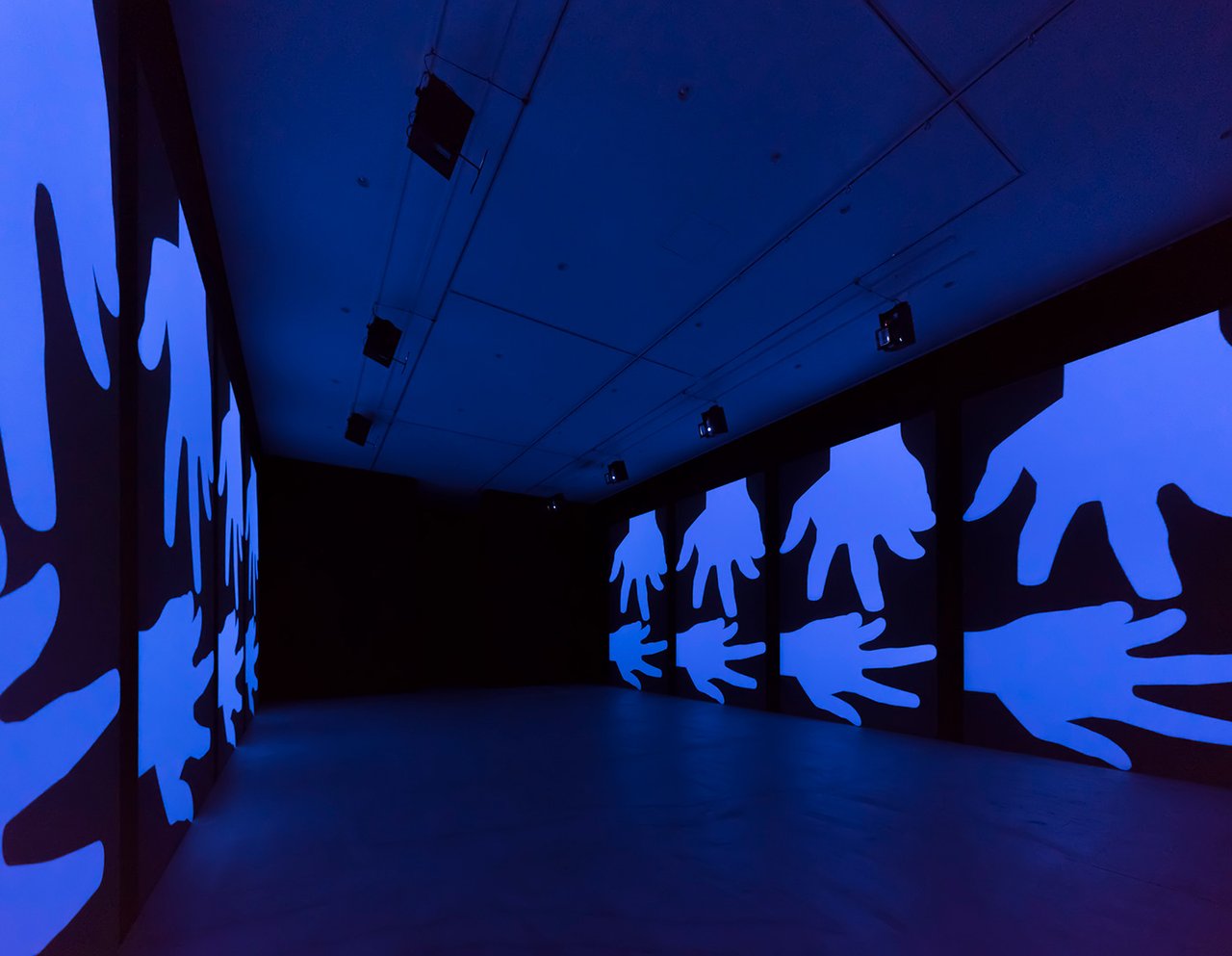
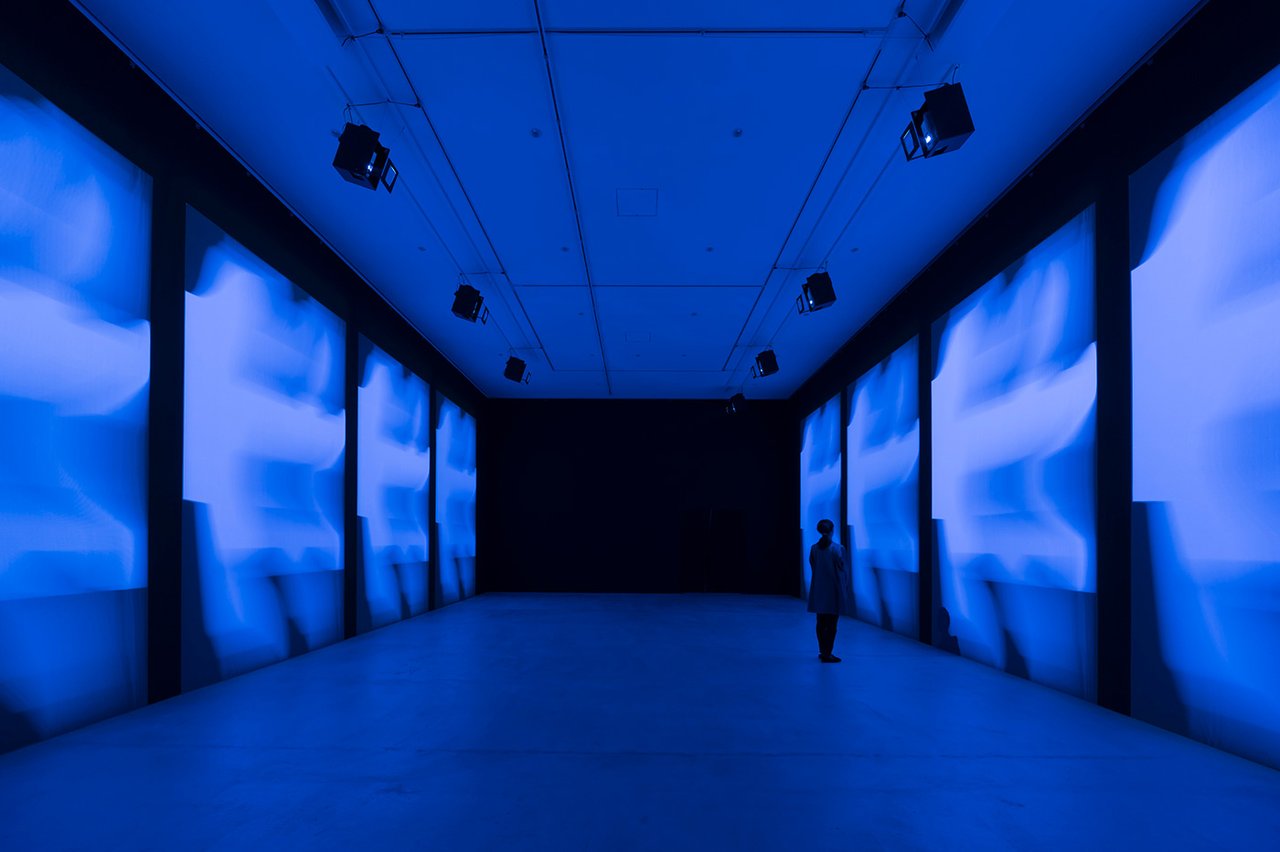
Installation view, “Rafaël Rozendaal: GENEROSITY”, Towada Art Center, Towada, Japan, 2018. Photography by Kuniya Oyamada. Courtesy of the artist and Towada Art Center
Installation view, “Rafaël Rozendaal: GENEROSITY”, Towada Art Center, Towada, Japan, 2018. Photography by Kuniya Oyamada. Courtesy of the artist and Towada Art Center
Installation view, “Rafaël Rozendaal: GENEROSITY”, Towada Art Center, Towada, Japan, 2018. Photography by Kuniya Oyamada. Courtesy of the artist and Towada Art Center
Installation view, “Rafaël Rozendaal: GENEROSITY”, Towada Art Center, Towada, Japan, 2018. Photography by Kuniya Oyamada. Courtesy of the artist and Towada Art Center
AM: At the same time, artists often say that if you have to explain a work, it has somehow failed as art.
RR: Talking about art doesn’t necessarily mean explaining what it means. There are reactions to the work; you can see threads in the work, and you can see steps in the work. There are things you can talk about. I just don’t want to release a work and say, “This flower stands for fertility, the sunshine means this, and the soil means that.” I really enjoy hearing artists talk about their work. Actually, one of the things that liberated me to start painting came through my exhibition at Museum Folkwang [in 2023]. The Josef Albers Museum is nearby, and we extended the Folkwang exhibition to the Josef Albers Museum. I met the curator, and we talked a lot about Albers’s life: his move to the United States, his difficulties with the language, and his shyness and loneliness.
What really opened up a possibility in my mind was learning that [Albers] didn’t start painting until he was 55. I didn’t know that was allowed.
I always thought you had to commit to painting from a very early age. He had worked as an educator and formalized all his thoughts through language and theory. His painting practice started much later. That was an eye-opener for me. So talking about art can also mean talking about the life of an artist and what led to certain choices.
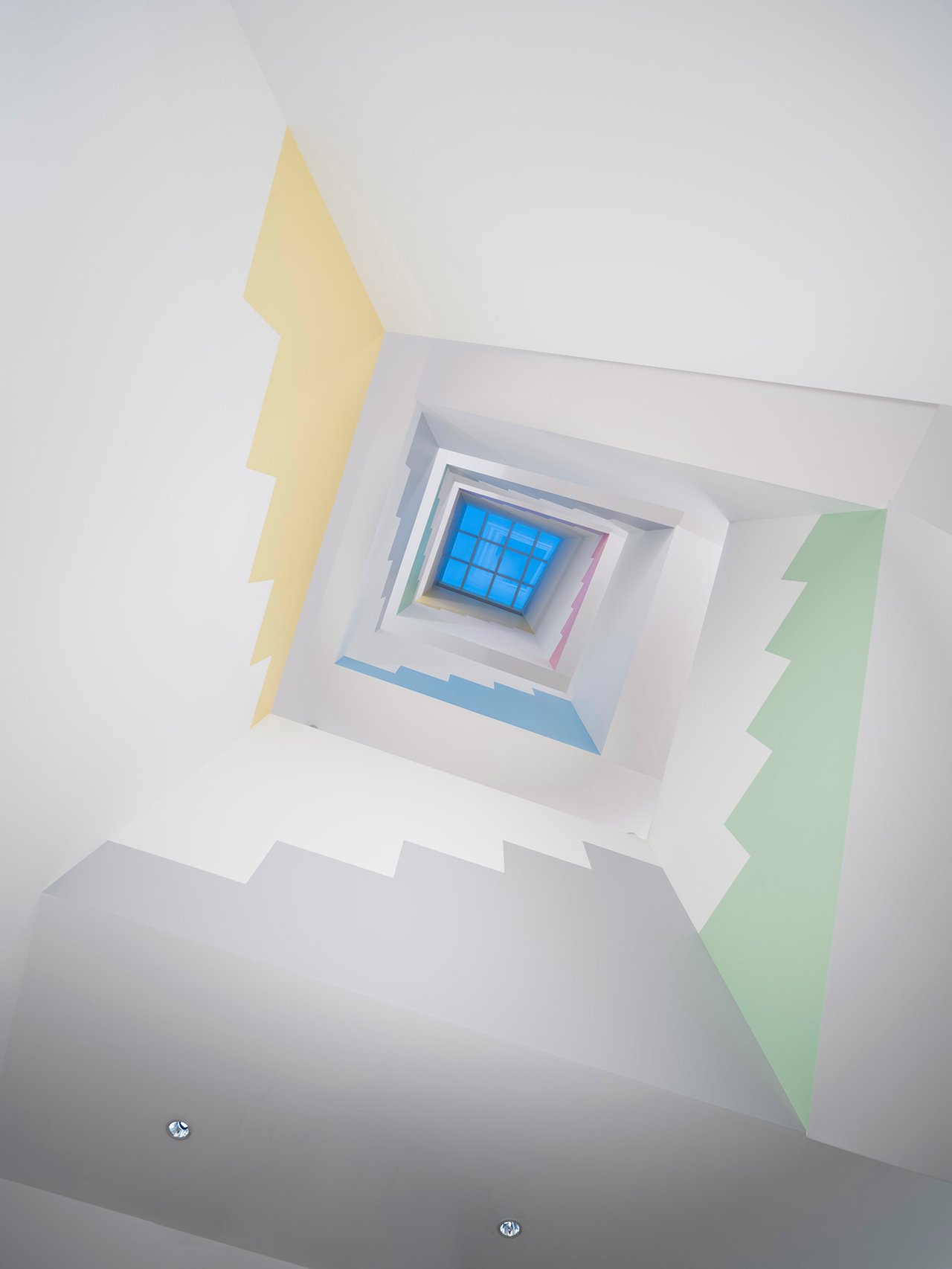
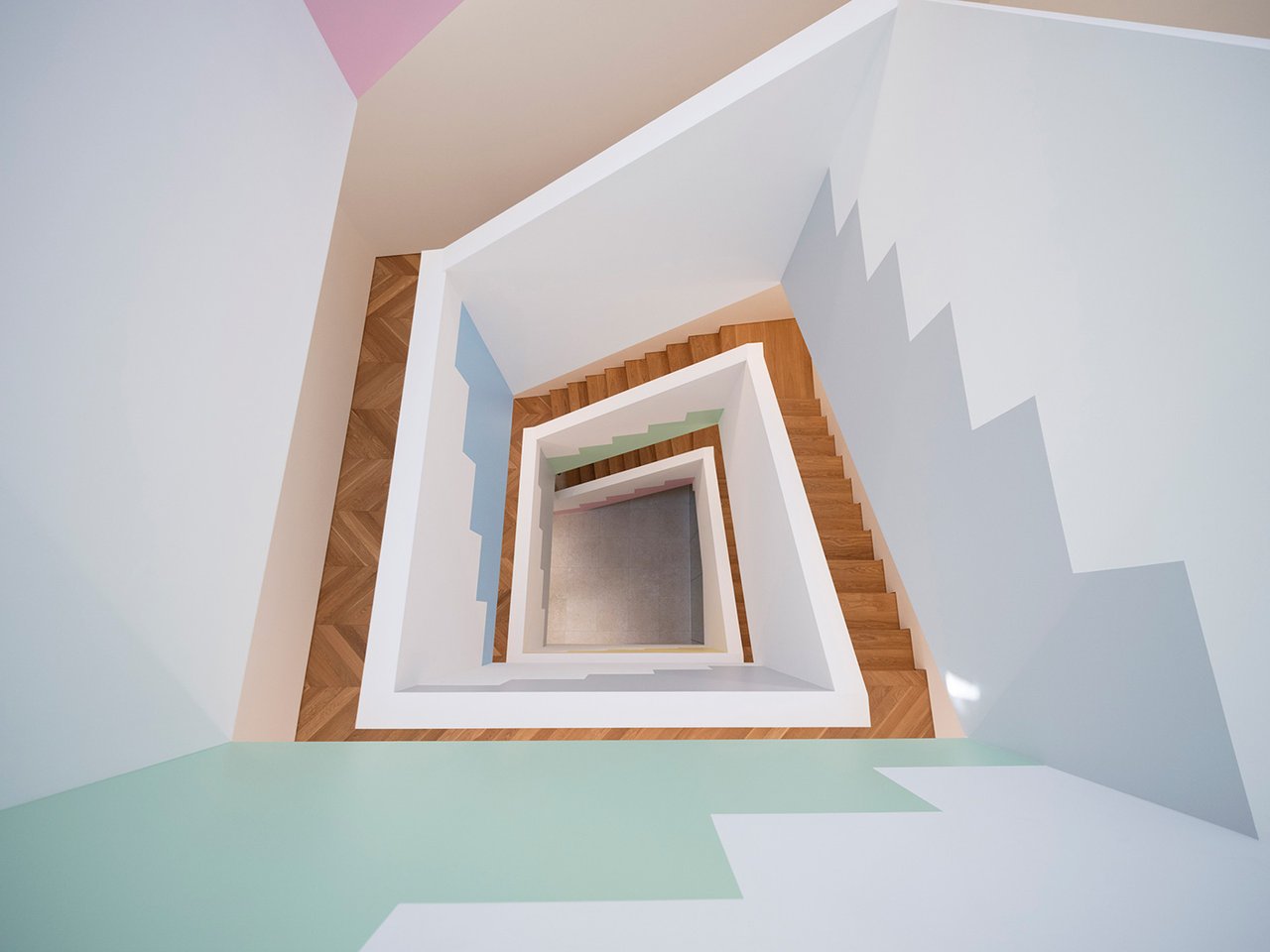
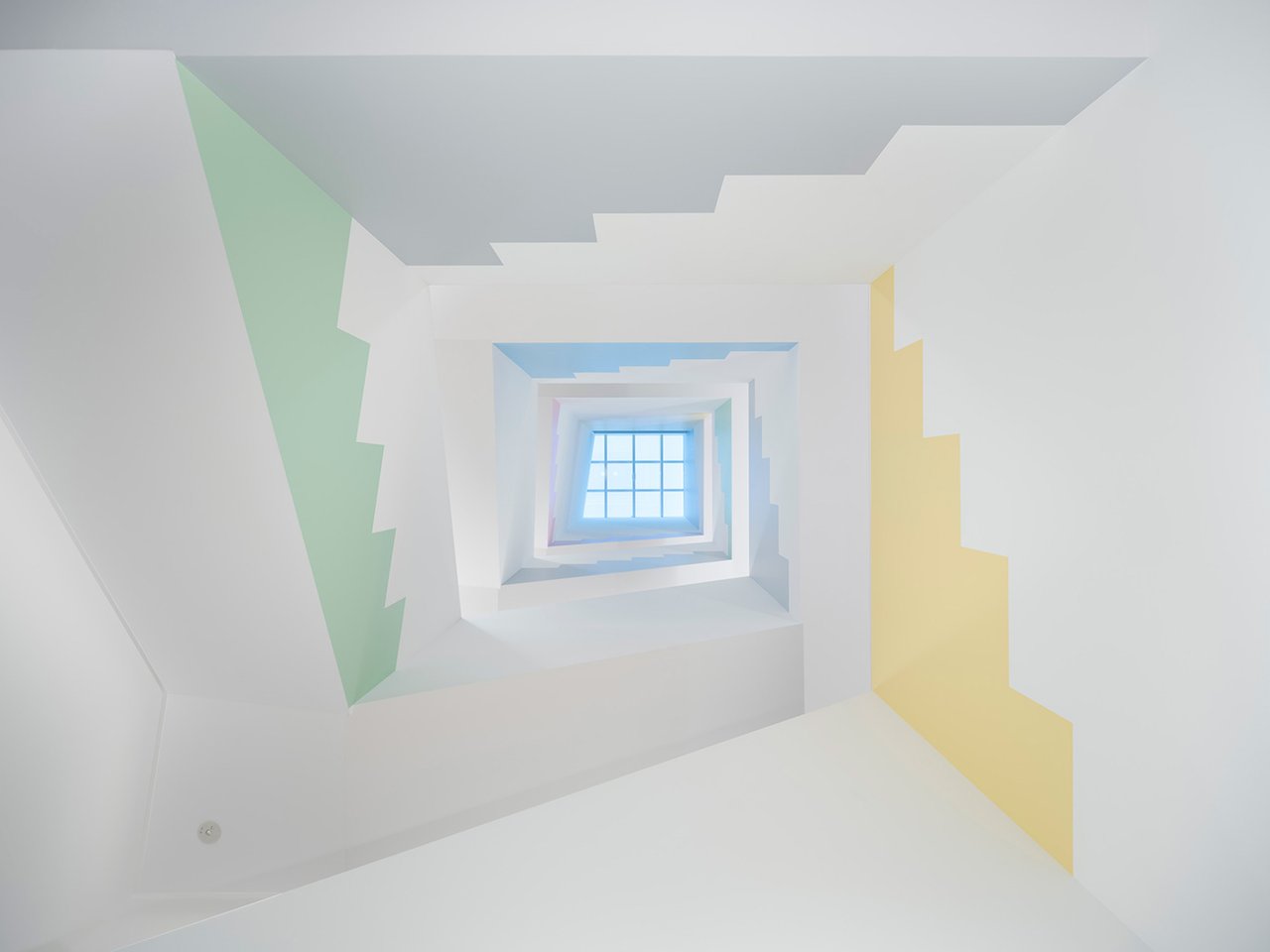
Installation view, Rafaël Rozendaal, Stairs, faro Nakameguro, Tokyo, 2023. Mural. Photography by Shu Nakagawa. Courtesy of the artist and faro Nakameguro
Installation view, Rafaël Rozendaal, Stairs, faro Nakameguro, Tokyo, 2023. Mural. Photography by Shu Nakagawa. Courtesy of the artist and faro Nakameguro
Installation view, Rafaël Rozendaal, Stairs, faro Nakameguro, Tokyo, 2023. Mural. Photography by Shu Nakagawa. Courtesy of the artist and faro Nakameguro
AM: Why do you think Josef Albers has been so influential for NFT and generative artists? You’re certainly not the only artist from that world who has paid homage to him.
RR: I think Albers in particular approached color almost like a scientific exploration of what colors do in relation to each other. He built this enormous body of work, around a thousand paintings of squares, and what I find interesting is that he never judged. He never said, “This is the best one.” That’s a very interesting thing to do as an artist, because making art is usually all about choosing. You might say, “I painted these flowers yellow because they’re sunflowers, and this is the right yellow.” Whereas Albers was saying, “I'm exploring all colors.” He traveled around the world collecting tubes of paint and made notes on the backs of his paintings. He allowed the material to be itself. I find that very interesting, especially at that scale.
That doesn’t mean it’s the only way to make art. I also look at someone like Vermeer, who only made 35 paintings in his lifetime. That’s one of the interesting things about art: there really is no rule. Some artists make ten works; others make 10,000.
To your question about NFTs and generative art: if you see Albers’s works together in a grid, it almost looks like an Art Blocks collection made 70 years earlier.
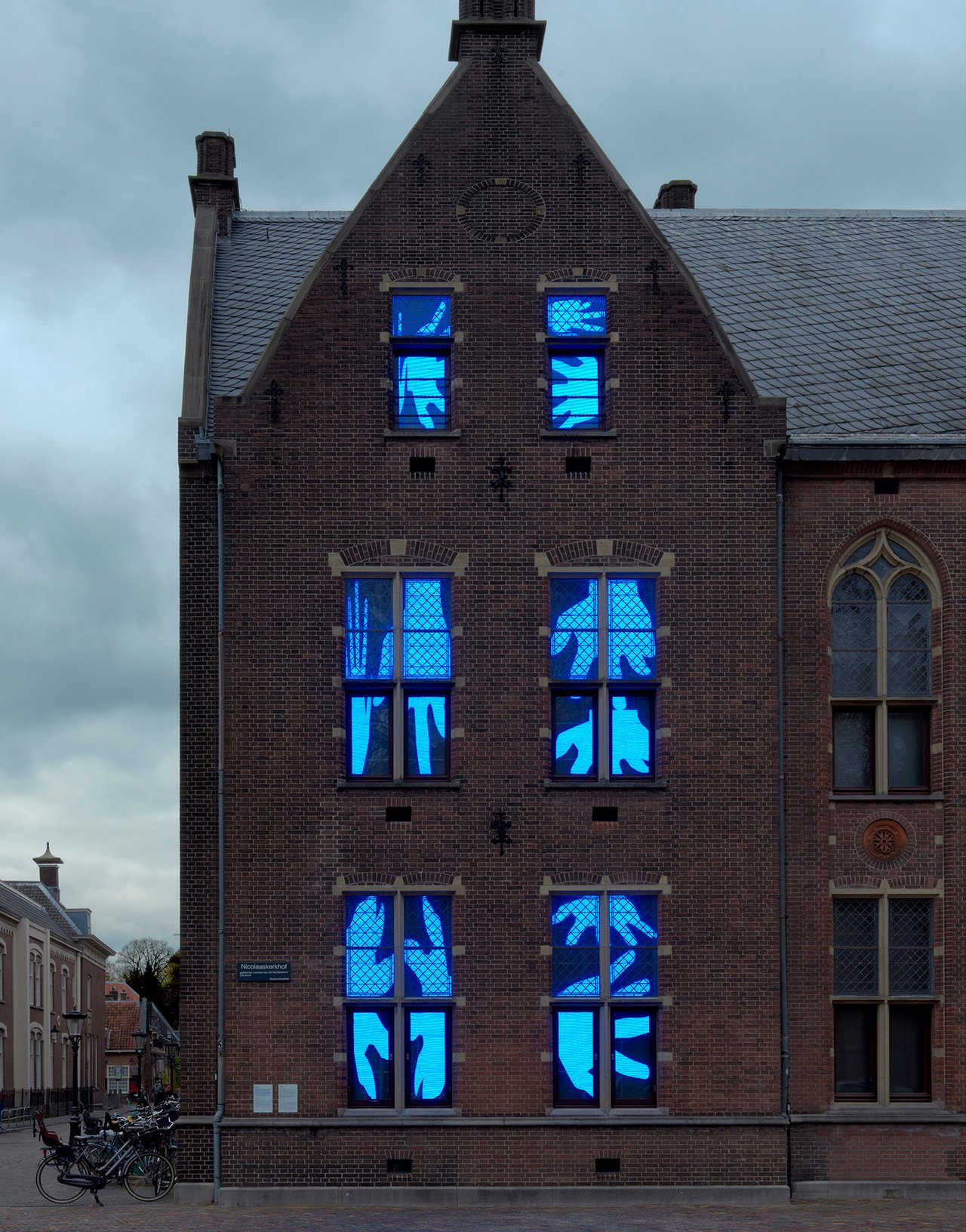
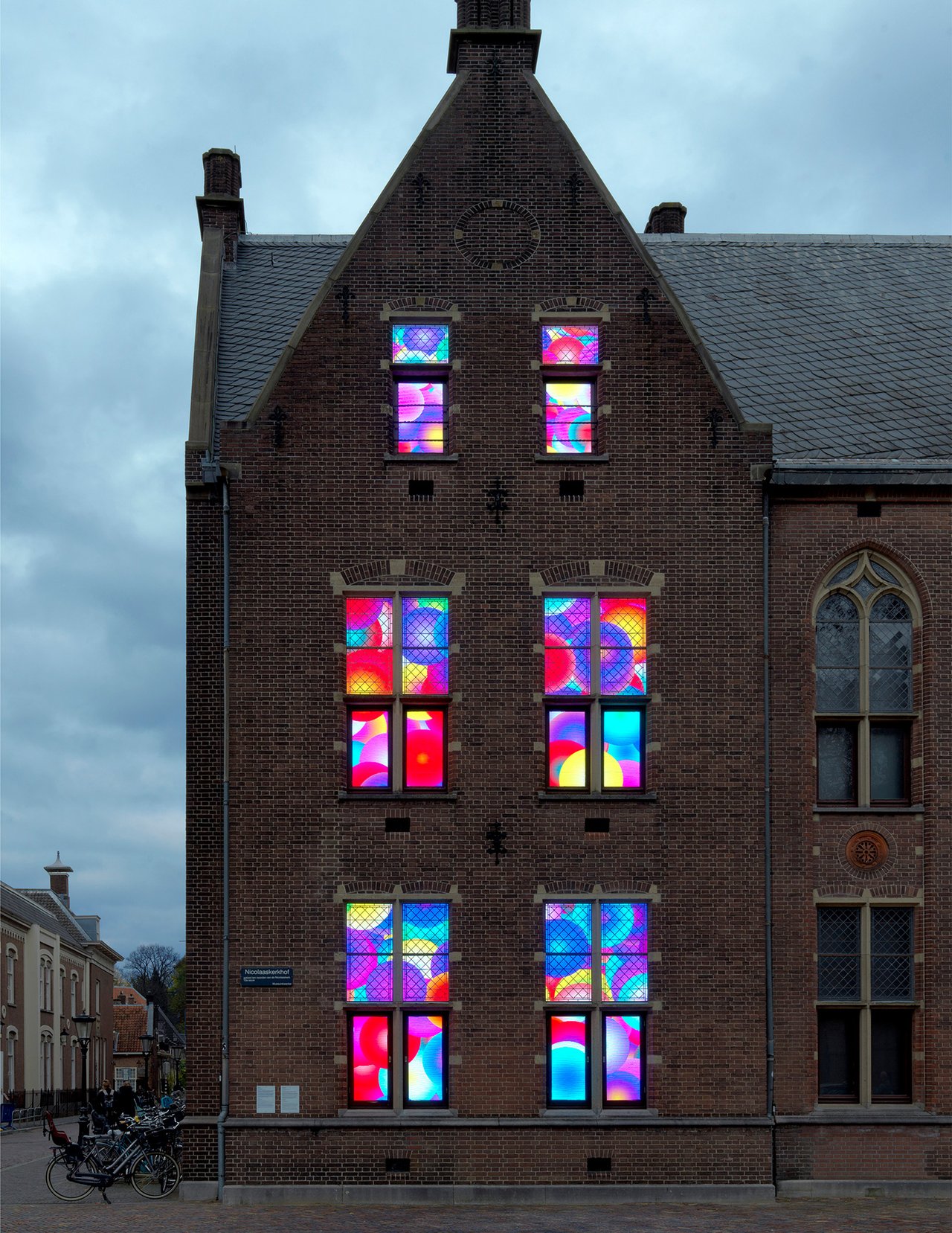
Installation view, Rafaël Rozendaal, “Double Pressure”, Centraal Museum Utrecht, 2019. LED screens. Photography by Gert Jan van Rooij. Courtesy of the artist and Centraal Museum Utrecht
Installation view, Rafaël Rozendaal, “Double Pressure”, Centraal Museum Utrecht, 2019. LED screens. Photography by Gert Jan van Rooij. Courtesy of the artist and Centraal Museum Utrecht
AM: One last question: What do you consider your most important body of work?
RR: I really see works as elements for making exhibitions, so I don’t think there’s an answer to that question. It’s more about responding to the architecture, the moment in time, where the museum or exhibition space is located, and then finding the right works that do something together and establishing relationships between them.
I guess the most important body of work is whatever I’m working on at that moment. The old works aren’t as important to me.
Do you know the Dutch conceptual artist Jan Dibbets? He tells a story I really like. He says the artist is a crocodile with a very big mouth and is always hungry. That’s the artist’s curiosity. The crocodile keeps moving forward, devouring everything and taking things in. Because it eats so much, its tail becomes very big and powerful. The audience and collectors start admiring the tail: “Wow, that’s a really beautiful tail.” But the crocodile isn’t concerned with the tail. The tail is behind it. The crocodile just keeps moving forward and devouring. That’s how I feel about my work.
Rafaël Rozendaal (1980) is an artist based in New York. 🍎 “Fun is important.” 🏛️ Exhibitions: MoMA, Times Square, Museum Folkwang, Centre Pompidou, LACMA, Whitney Museum, Valencia Biennial, Casa Franca Brasil Rio, Seoul Art Square, Stedelijk Museum. 📖 Lectures: Yale, DLD conference, Ecole des Beaux Arts, NYU, Vivid Sydney. 📁 Collections: MoMA, Whitney Museum, Centre Pompidou, Stedelijk Museum.
Anika Meier is a Berlin-based writer, moderator, curator, and lecturer specializing in art, technology, and digital culture. She teaches at the Department of Digital Art at the University of Applied Arts Vienna, is the co-founder of the curatorial collective The Second-Guess, and is the curator and program lead of the objkt labs Residency. She regularly contributes to Monopol, Kunstforum, Spike, SLEEK, Numéro Berlin, and The AI Art Magazine, and has moderated conversations and spoken at events including Art Basel, re:publica, and Ars Electronica.