On Collecting | From CryptoCats to Computational Media
NFT veteran jwpe shares their acquisitional odyssey and discusses undervalued artists to look out for
NFT veteran jwpe shares their acquisitional odyssey and discusses undervalued artists to look out for
Jwpe has been collecting NFTs pseudonymously since 2017. A terminally online Australian who lives between Europe and New Zealand, they discovered Bitcoin in 2013 and worked briefly in traditional finance before building a stablecoin project during the 2020 DeFi boom. More recently, they were part of the team supporting the Tribute Labs DAO network, which includes a number of well-known collecting communities such as Glimmer, Unicorn, and Flamingo DAO.
Adamant that computation represents the artistic medium of the 21st century, they focus on finding new ways to contribute meaningfully to the growing movement around digital art. Here, they discuss their approach to acquisition, disclosing their proudest acquisitions (as well as their biggest regrets), while reflecting on what feels undervalued right now.
Right Click Save: How did you get into collecting and what was your first acquisition?
Jwpe: I only came to appreciate art as a young adult. My parents did not come from the art world, nor was I an “artsy” student. I remember seeing Gustav Klimt’s Death and Life (1910/15) at the Leopold Museum in Vienna in my early 20s, and it just stopped me in my tracks. It reframed what I thought was valuable and made me appreciate beauty in a new way. That moment, and a few other encounters with paintings and installations at around that time, gave me an appreciation of art that would eventually lead to collecting.
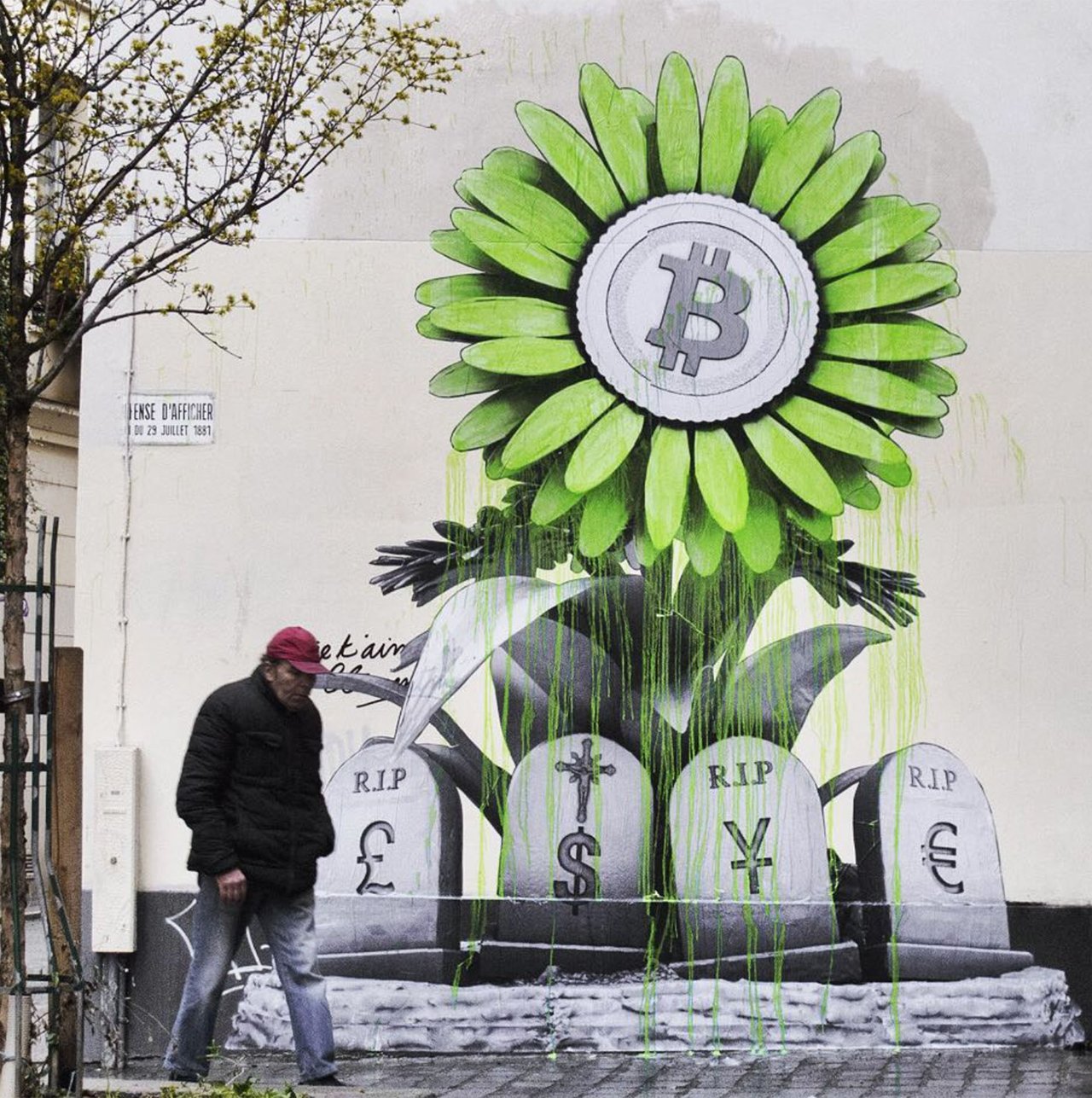
My interest in technology followed a separate track, but the two soon merged. I made a few early forays into the intersection of crypto and art, purchasing a print in 2018 by the French street artist, Ludo, which referenced the Bitcoin logo. I wanted to collect something from cryptograffiti, who was well known at the time on crypto Twitter, but couldn’t afford it. I remember encountering Plantoid (2014-ongoing) around then too, and found the project interesting, particularly because it was using Ethereum as the underlying infrastructure to support the work’s economic aspects.
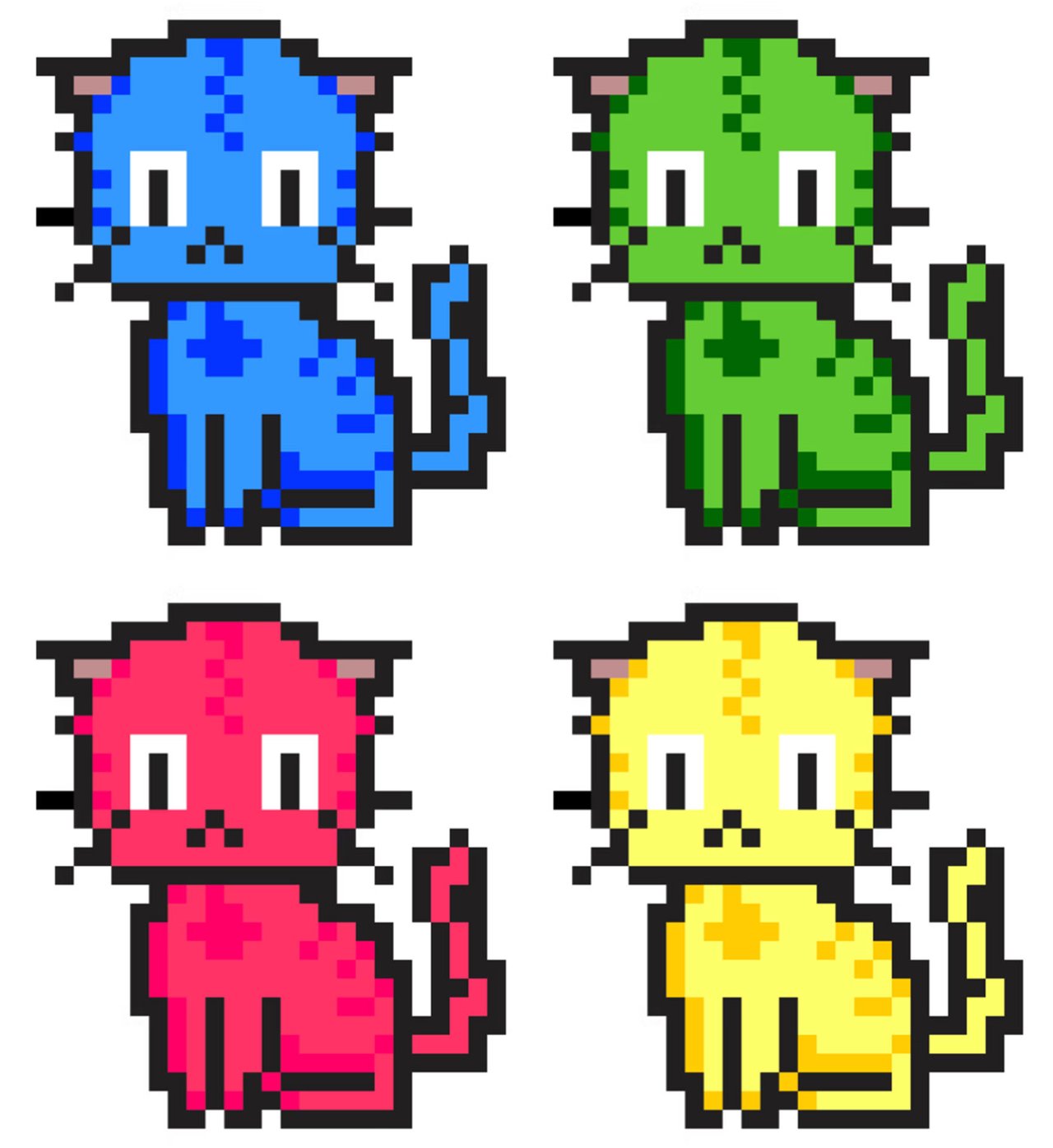
The first things I acquired that would fit our current conception of “NFTs” were CryptoCats in late 2017. These were made by some friends of mine from the local crypto scene in Australia with some input from John Watkinson at Larva Labs. They are still in my collection.
RCS: How would you describe your approach to collecting?
J: My approach has changed over time, reflecting my growing understanding of how technology impacts art and what I’m capable of grasping conceptually or technically. Initially it was pretty scattergun, and very visual, following the classic skeuomorphic approach of “what would look nice printed and hung on a wall” that was common in 2021 and 2022. I collected Art Blocks pieces that I could afford and appreciated aesthetically, and made zero attempt to understand the code that generated them.
I didn’t have a grounding in art history or theory, and so I was collecting, speculating, and refining my taste on the fly. I am quite sentimental, and would often hold onto certain pieces, even when they became worthless, which was most of the time. The exception to this hoarder mentality was when I felt that the underlying blockchain technology was being used clumsily.
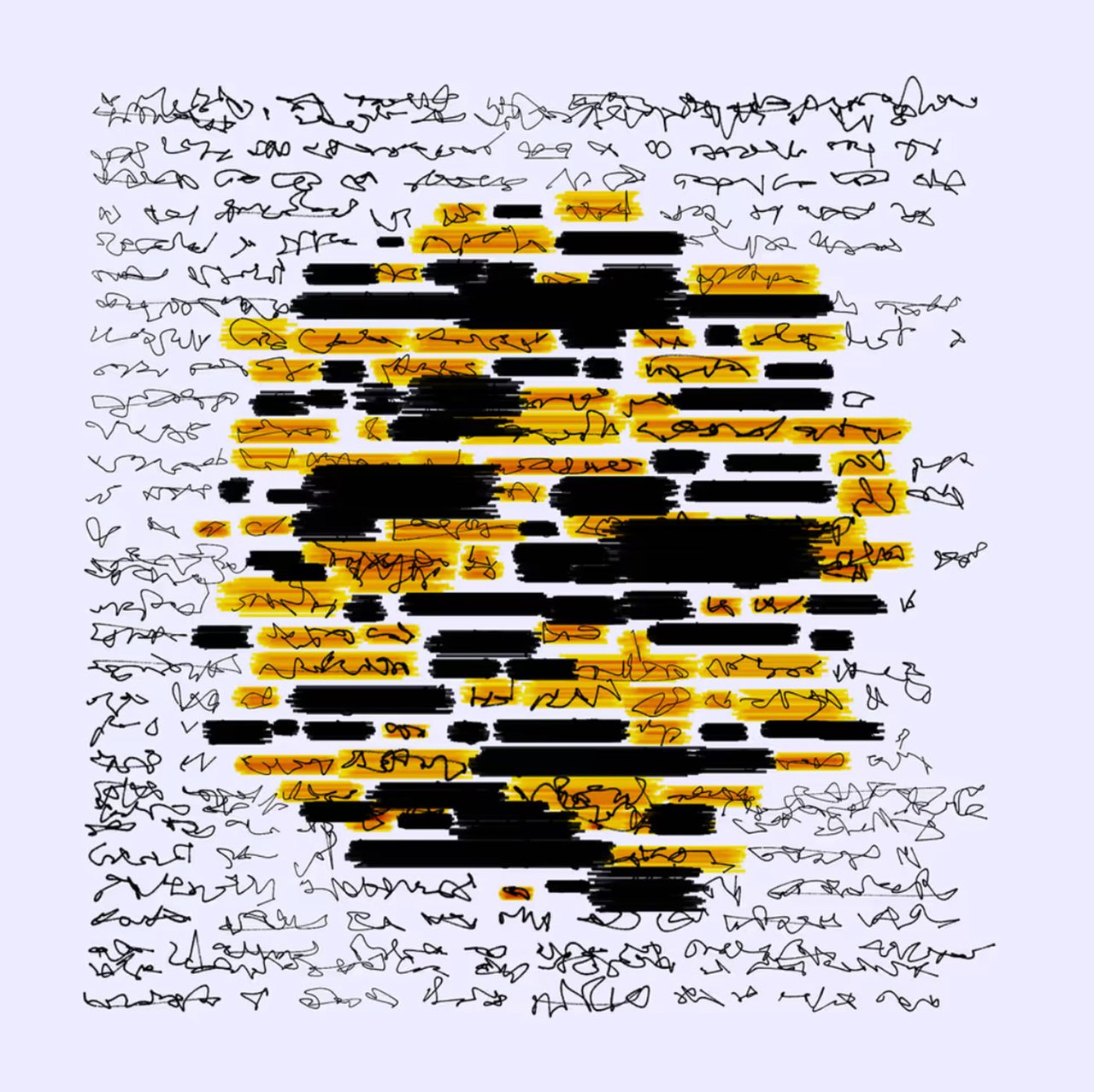
I remember getting so frustrated with the bridging delays on the Palm L2 that Damien Hirst used to mint his series The Currency (2021) that I sold my pieces out of a sense of principle. I was more idealistic back then.
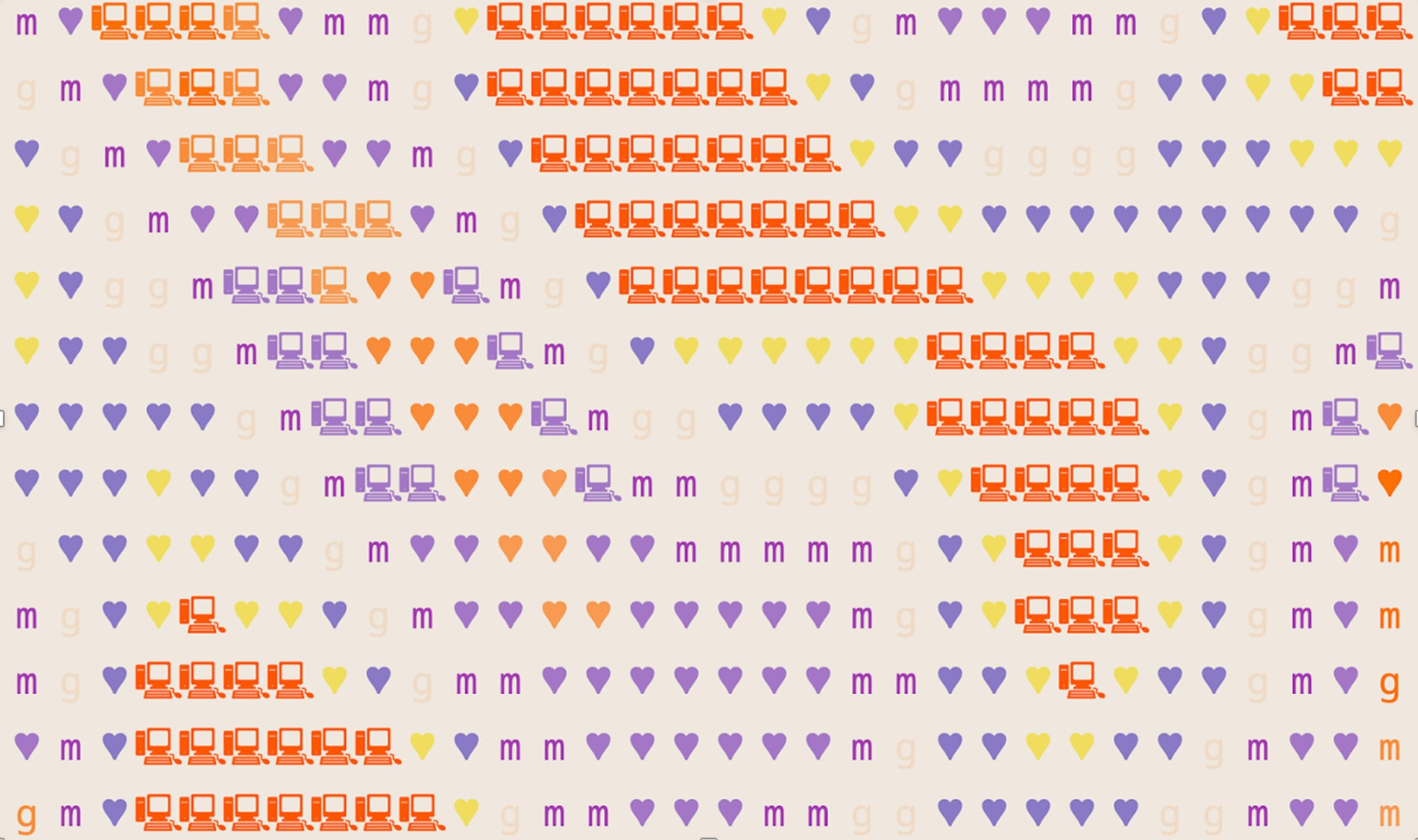
Recently, my collecting has moved toward work that explores computation as an artistic medium. Interest in NFTs has waned, which has forced everyone who has stuck around to narrow their focus. Art Blocks was my entry point, and Terraforms (2021), a work by the Mathcastles studio, is where I’m at today. Terraforms addresses the ideas around long-term on-chain durability, world simulation, and computer programs as sculpture. I am drawn to the work partly because it is so difficult to describe.
I still feel stupid when I go into the Mathcastles Discord server, and that’s a feature, not a bug.
One consistency in my approach over the years has been collecting at the edge of what I am able to grasp conceptually. I am spurred on by the excitement of feeling I’m at a cultural frontier, which is the same pattern of behavior that drew me to Bitcoin and crypto in the first place.
RCS: Which works are you most proud of acquiring and which are you most disappointed to have missed out on?
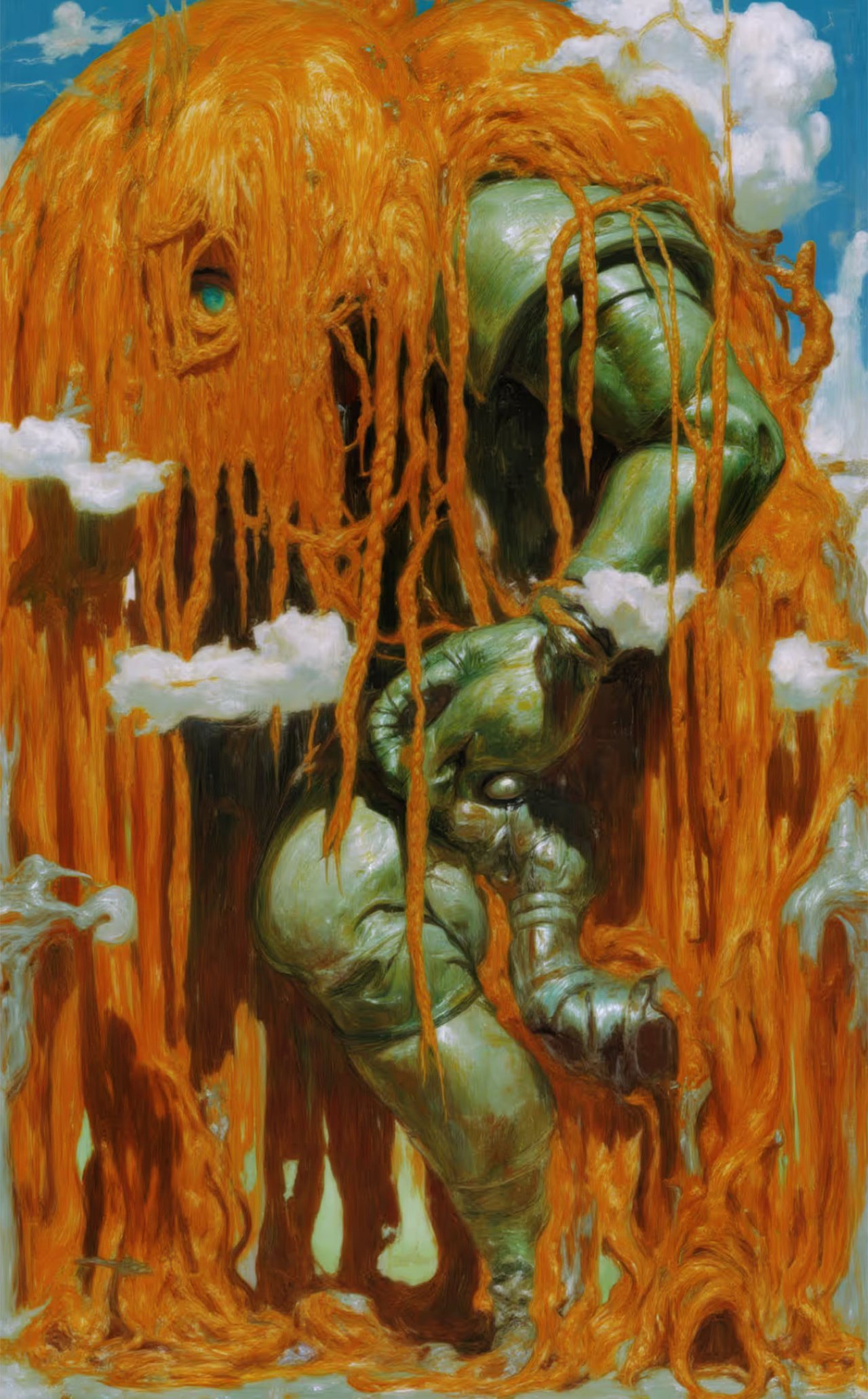
J: In a handful of instances, I have been in the right place at the right time. I was fortunate enough to acquire Embedding Study #3 (2025), from Holly Herndon and Mat Dryhurst’s “xhairymutantx” series, when Fellowship released it privately to some of their collectors.
I’ve found that the work resonates with friends who have read too much mainstream media coverage of NFTs and need a respected institutional brand that they recognize to provide legitimacy.
The site, which is still live under the whitney.org domain, allows anyone to generate their own mutant Holly, usually complete with the red hair and green tones that exemplify the idea of “cliché poisoning” that the work communicates. It has led to some fun dinner conversations.
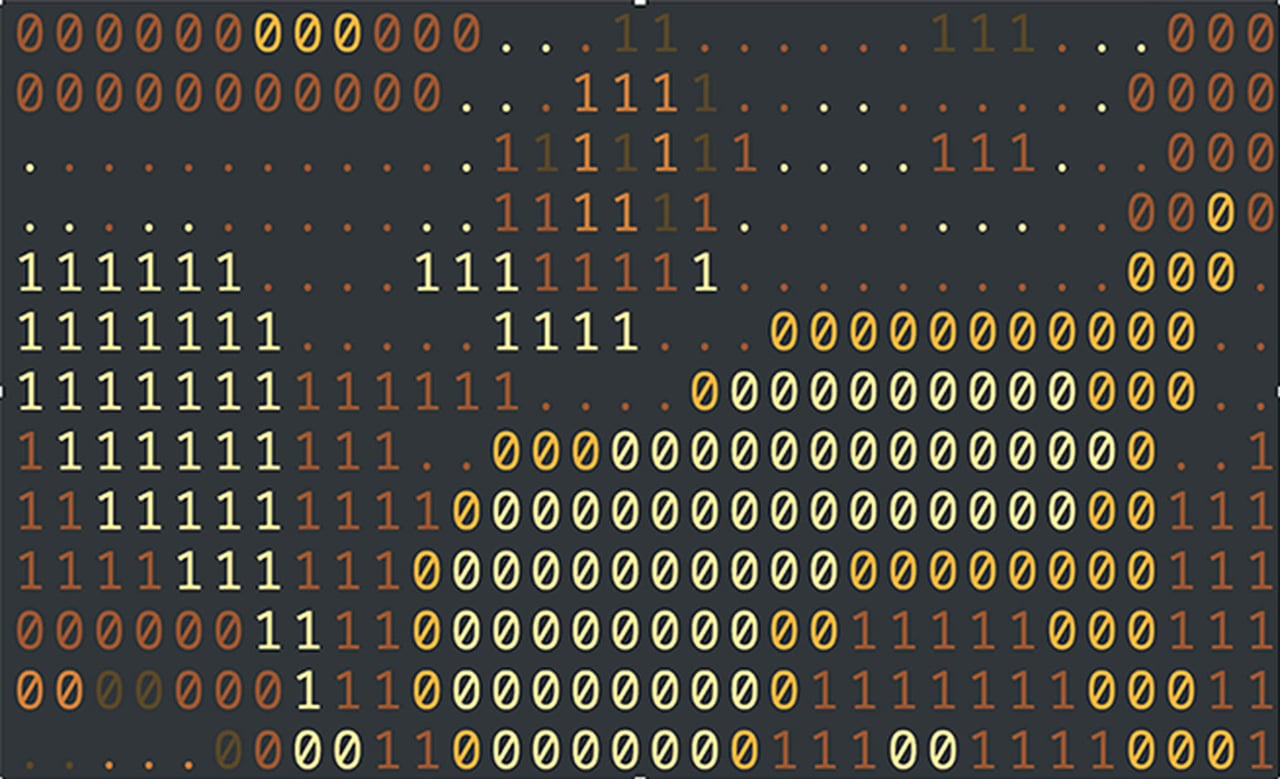
I also treasure a rare Y-seed Terraform (#3594, 2021) which I collected in late 2024. These are one of the rarest special parcel types in the collection, and have a unique animation style which I find mesmerising.
I have missed out on lots of stuff, and over time it has all blurred. Missing out on a piece has sometimes been a stroke of luck, as it’s given me time (and liquidity) to explore further. I recall certain Terraforms that other collectors have grabbed before I could, and I lament missing the early days of Art Blocks in 2021. From what I’ve heard it was quite a special period when the idea of Ethereum being used to make art was being explored in relative peace.
RCS: Which artists do you see as the most undervalued?
J: There is so much going on across multiple areas today which have the kernel of something important within them. The Avant NFT, Ordinal, generative art, and PFP niches all have something that is underappreciated right now. I’m also pretty confident that the scenius which has formed around Mathcastles will be looked upon as something quite special.
There are multiple practicing artists alongside the Mathcastles duo such as Material Protocol Arts, hashrunner, and Luke Weaver among others, who all released work last year. The World Computer Sculpture Garden show curated by 0xfff still deserves greater recognition.
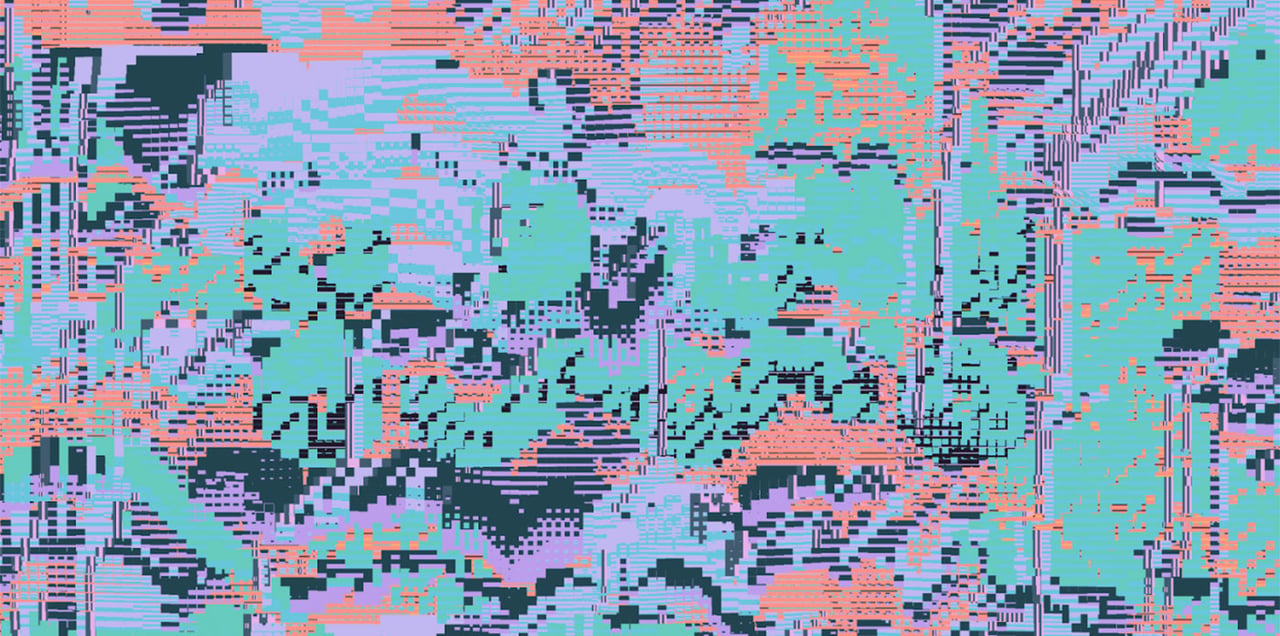
In a separate niche, I think that Fellowship has done a good job of stewarding and communicating AI art to collectors both in the NFT space and more broadly. I feel that the body of work they’ve curated and released as a platform will come to be seen as important, and it is already a good catalog of AI art’s progression from its blurry, pixelated beginnings to the hyperreal imagery we know today. Their IRL events in London, hosted in a wonderful Notting Hill gallery space, are always worth attending and are a mainstay for the local community.
RCS: If you could own a work of art, in any format and from any collection in the world, what would it be, and why?
J: There is a specific type of Cambodian Khmer sculpture dating from the 9th to the 12th century which has always fascinated me. Everything from the “Kulen” to “Bayon” styles. These are usually stone carvings of buddha-like figures in different positions. Like the Klimt painting, they fill me with a sense of calm and awe. I would love to steward a statue from that period one day. I figure they are a good counterpoint to all of this digital art I’m accumulating.
Jwpe is a pseudonymous NFT collector who has been active since 2017. A terminally online Australian, they studied at Melbourne University and NYU and now live between Europe and New Zealand.
No comments yet. Be the first to share your thoughts.
Mentioned in this article
People: Gustav Klimt, Holly Herndon, Jwpe, Ludo, Mat Dryhurst, Material Protocol Arts, Mathcastles|Works: CryptoCats, Embedding Study #3, Terraforms|