The Art of The Future | Stan VanDerBeek
Sara and Johannes VanDerBeek discuss activating their father’s archive with Chelsea Spengemann and Alex Estorick
Sara and Johannes VanDerBeek discuss activating their father’s archive with Chelsea Spengemann and Alex Estorick
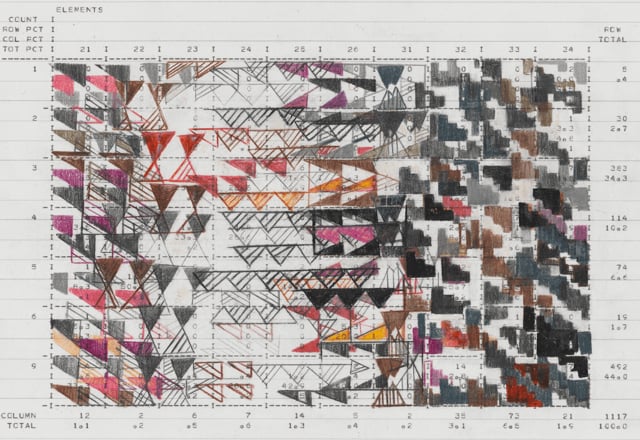
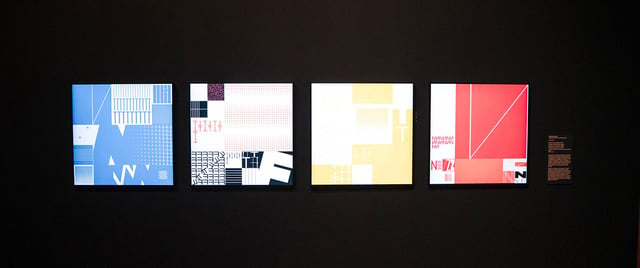
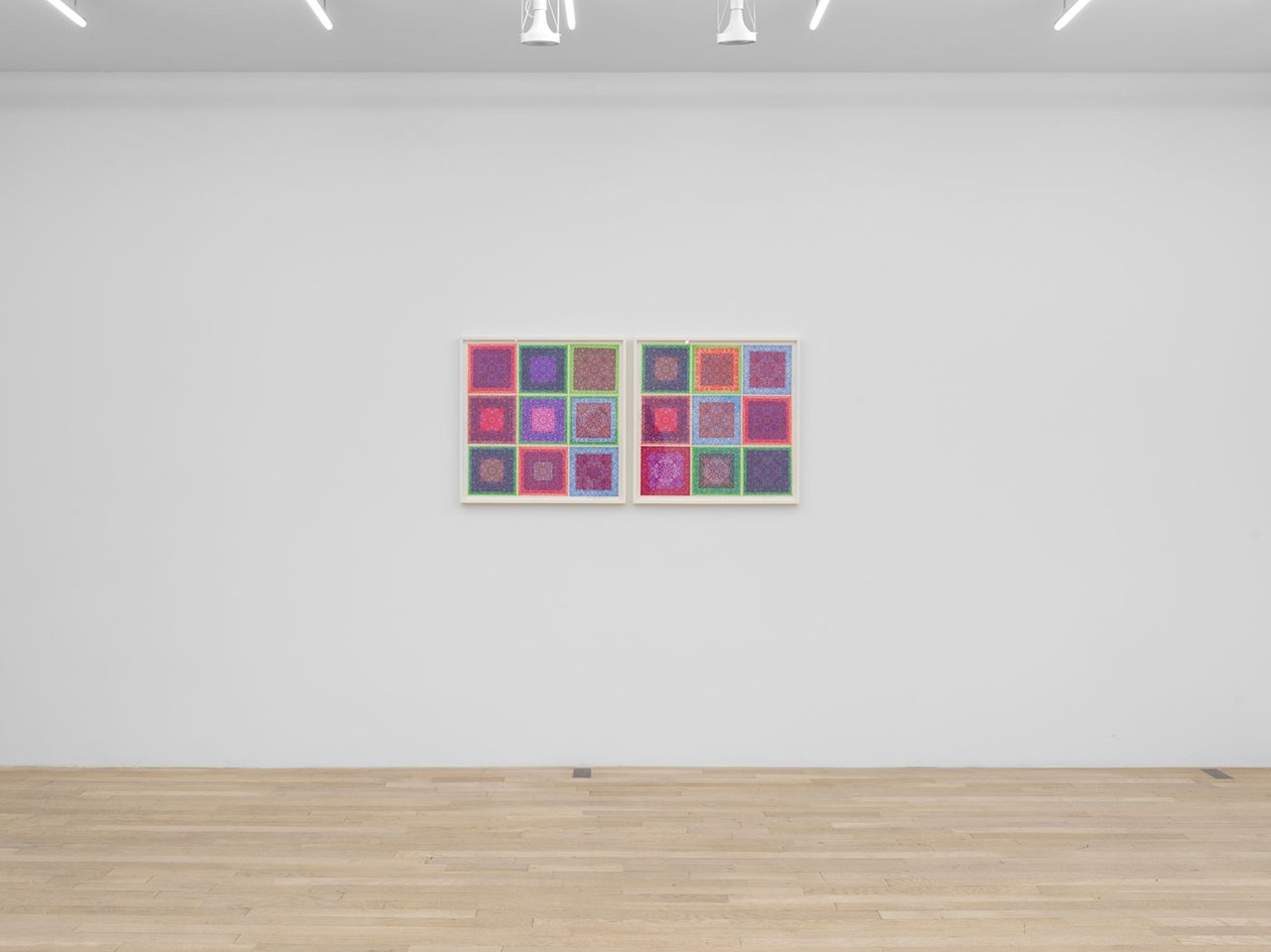
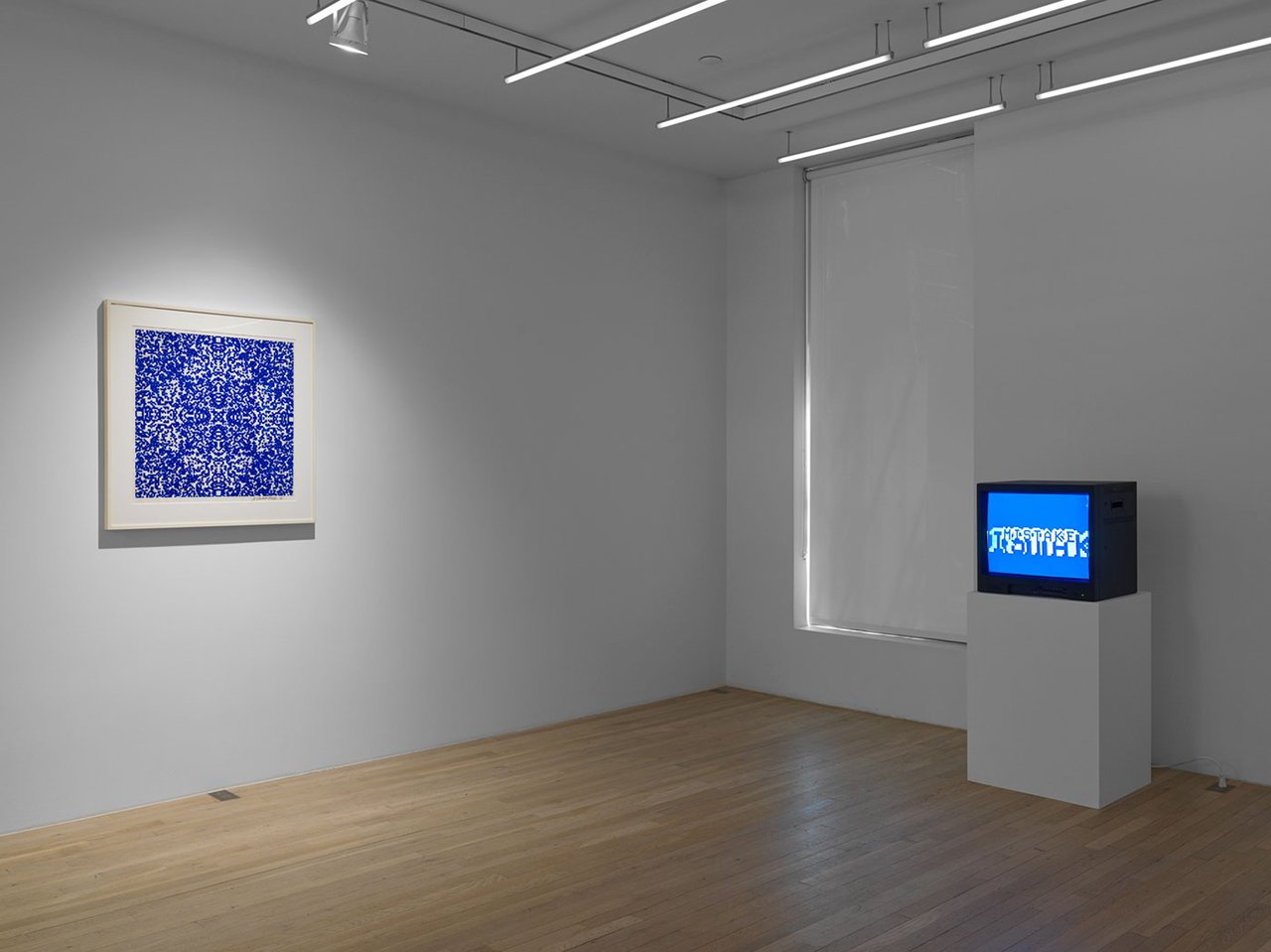
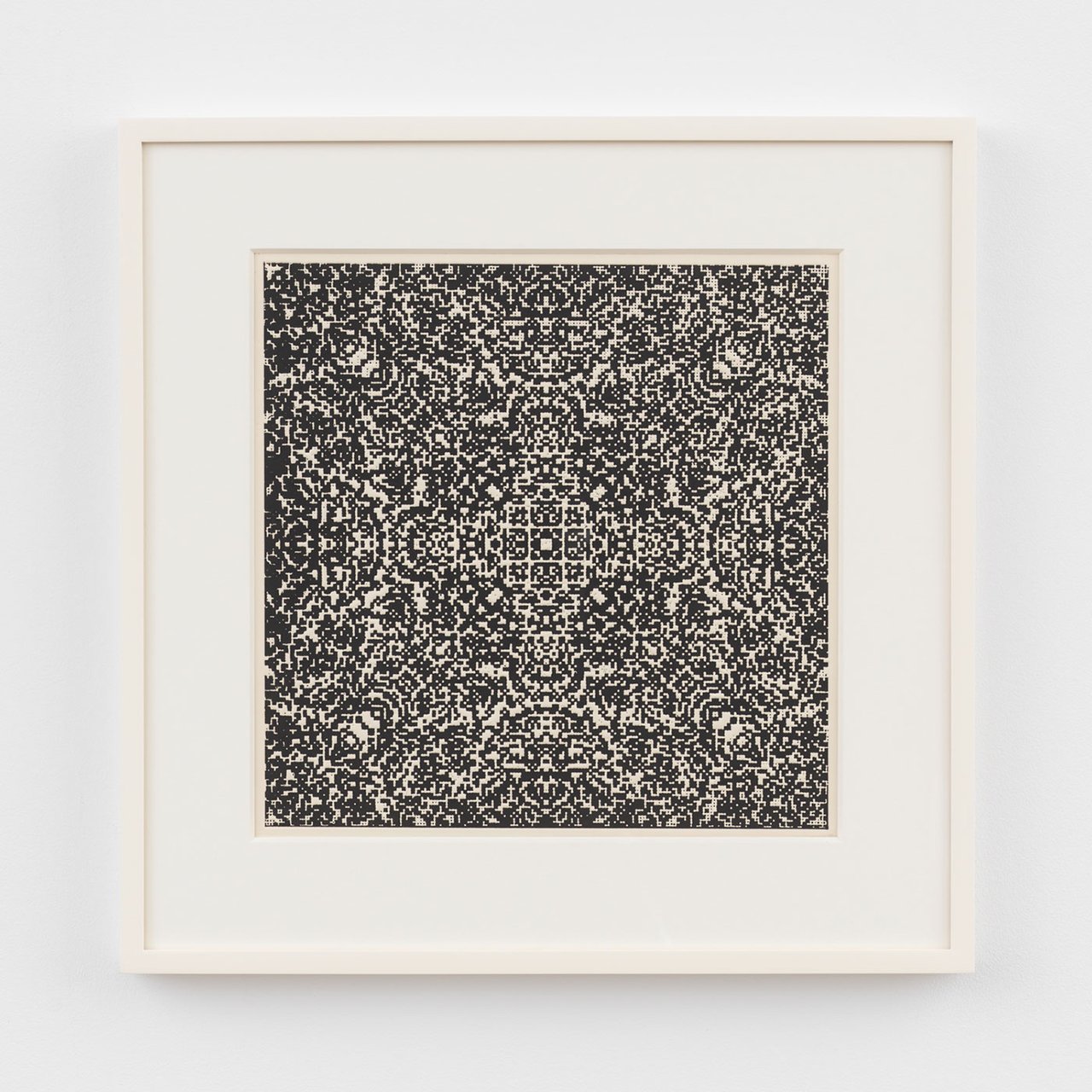
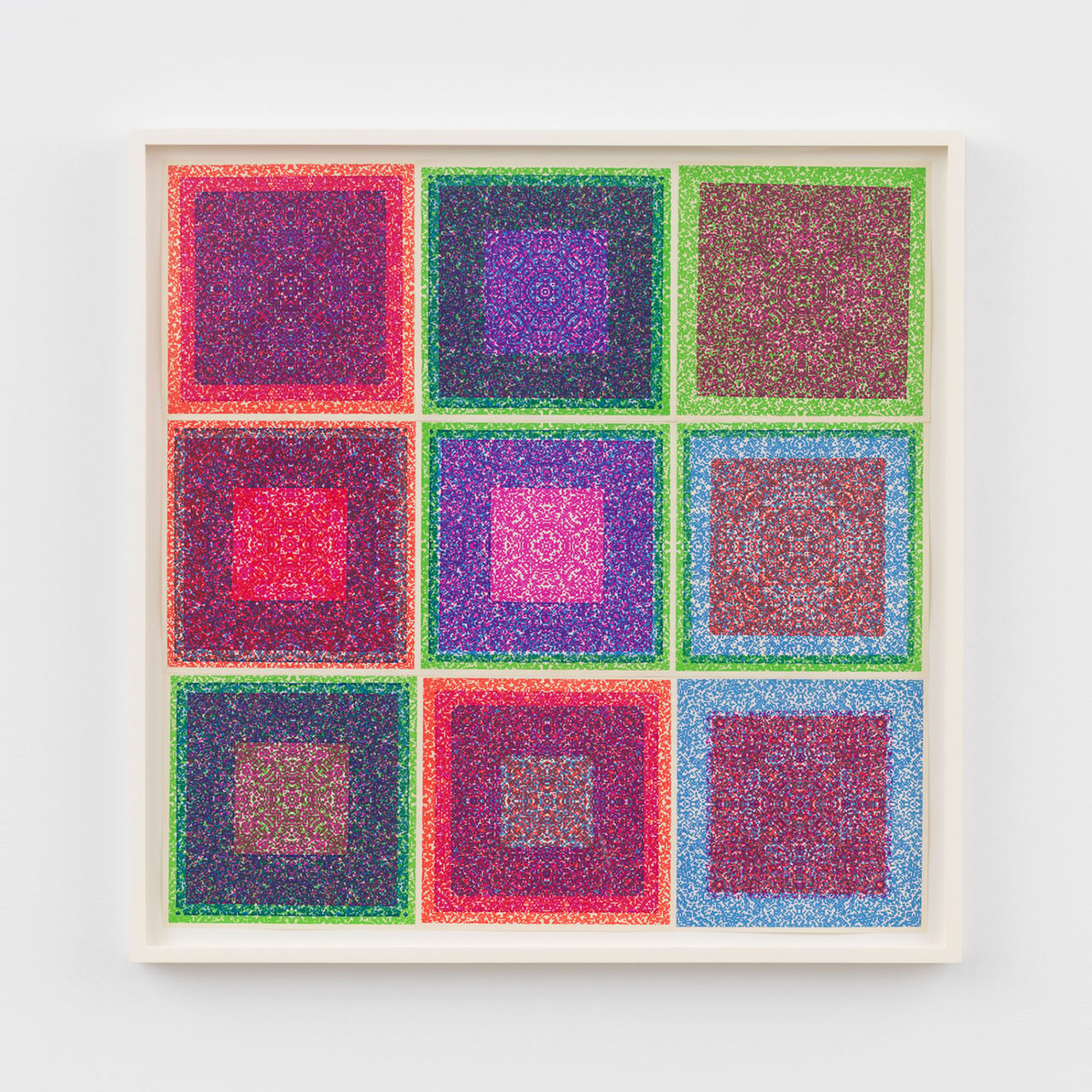
Stan VanDerBeek occupies a singular position at the intersection of art and technology as a humanist polymath who moved fluidly between experimental film, computer animation, and printmaking. A new exhibition of the artist’s work at Magenta Plains, New York, “Micro Kosmos”, bridges the digital to the physical through works such as the Moveable Mandalas, a series of prints derived from frames of the landmark “Poemfield” films made with programmer Ken Knowlton at Bell Labs in the mid-1960s, and shown here for the first time since their original presentation at the University of Maryland, Baltimore County in 1976.
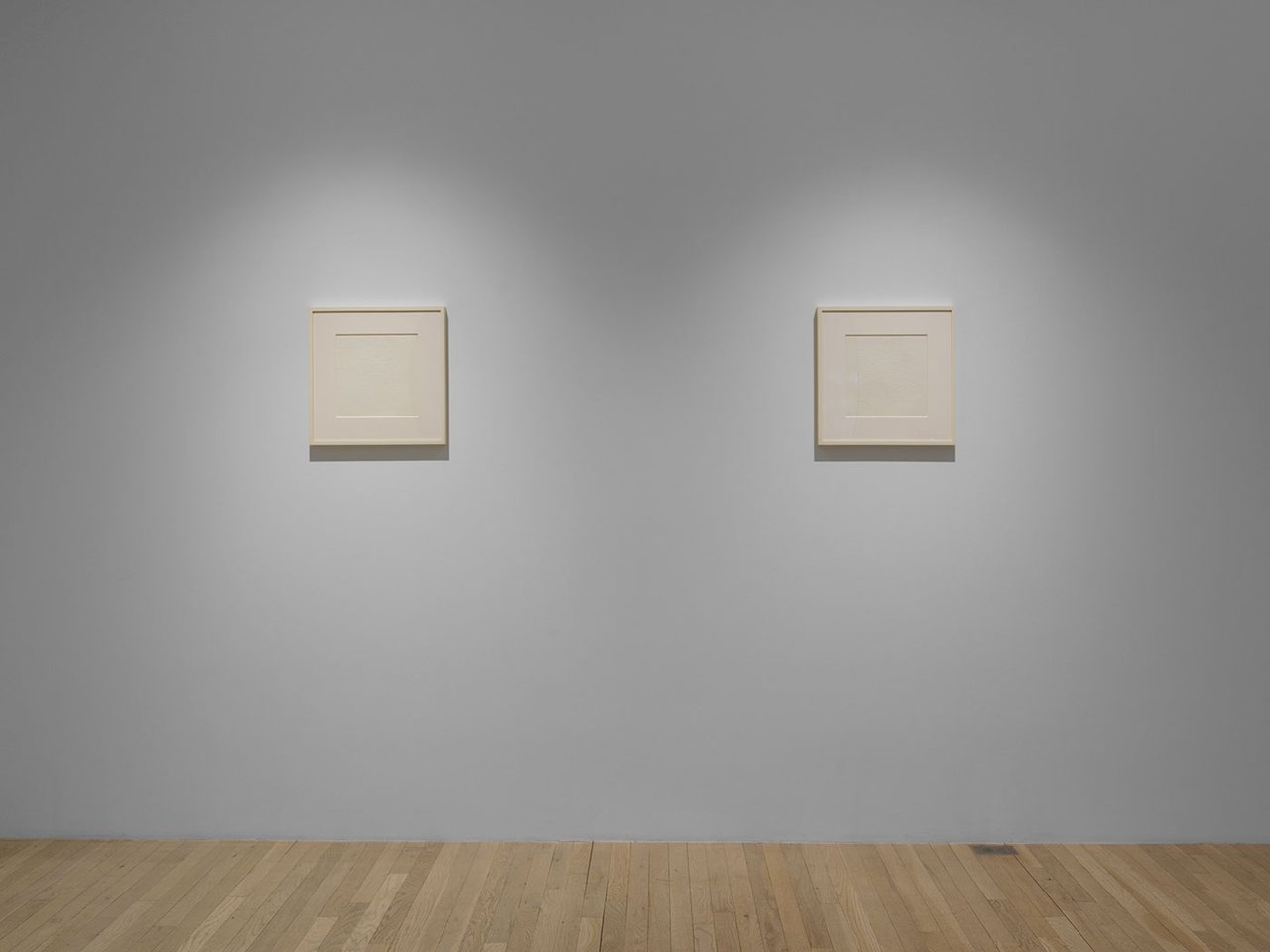
Alongside rare silkscreens produced at Graphicstudio in Florida, the show is a window on VanDerBeek’s restless movement between digital and tactile means — a chance to appreciate the artist’s array of talents in tangible form.
Stewarding that legacy is the work of the Stan VanDerBeek Archive, led by two of the artist’s children, Sara and Johannes VanDerBeek alongside Chelsea Spengemann, co-founder of Soft Network, a non-profit that connects artists with complex, transdisciplinary practices to those managing estates and collections outside dominant commercial structures. The organization grew out of a recognition that the challenges facing VanDerBeek’s archive — how to preserve, restage, and widen access to site-specific and iterative work — are shared by many estates at a time when institutions are, in Spengemann’s words, simply full. What follows is a conversation about activating an archive without freezing it: bringing VanDerBeek’s work into dialog with contemporary artists and engineers, recovering overlooked collaborators, and asking, as VanDerBeek himself always did, what technology is ultimately for.
Alex Estorick: One of the priorities of Right Click Save has always been to shed light on histories of media that are often overlooked. Stan VanDerBeek is central to the early history of computer animation as well as the canon of digital art. His career, personal history, and pedagogy are insufficiently celebrated. What can you tell us about the latest exhibition of his work at Magenta Plains?
Chelsea Spengemann: We really wanted the spotlight in this exhibition to be around the Moveable Mandalas and the context for that work — the other prints he made while working in Florida at Graphicstudio, and the “Poemfield” films from which the graphic is actually pulled. Getting to appreciate a single print on its own has been a wonderful thing when you’re so immersed in someone’s entire body of work.
The moment we’re in now — thinking about technology and trying to get back to some kind of physical materiality — feels connected to VanDerBeek’s thinking between computers, film, and printmaking. You can ride this wave with him in and out of ancient forms of consciousness and more future-thinking ways.
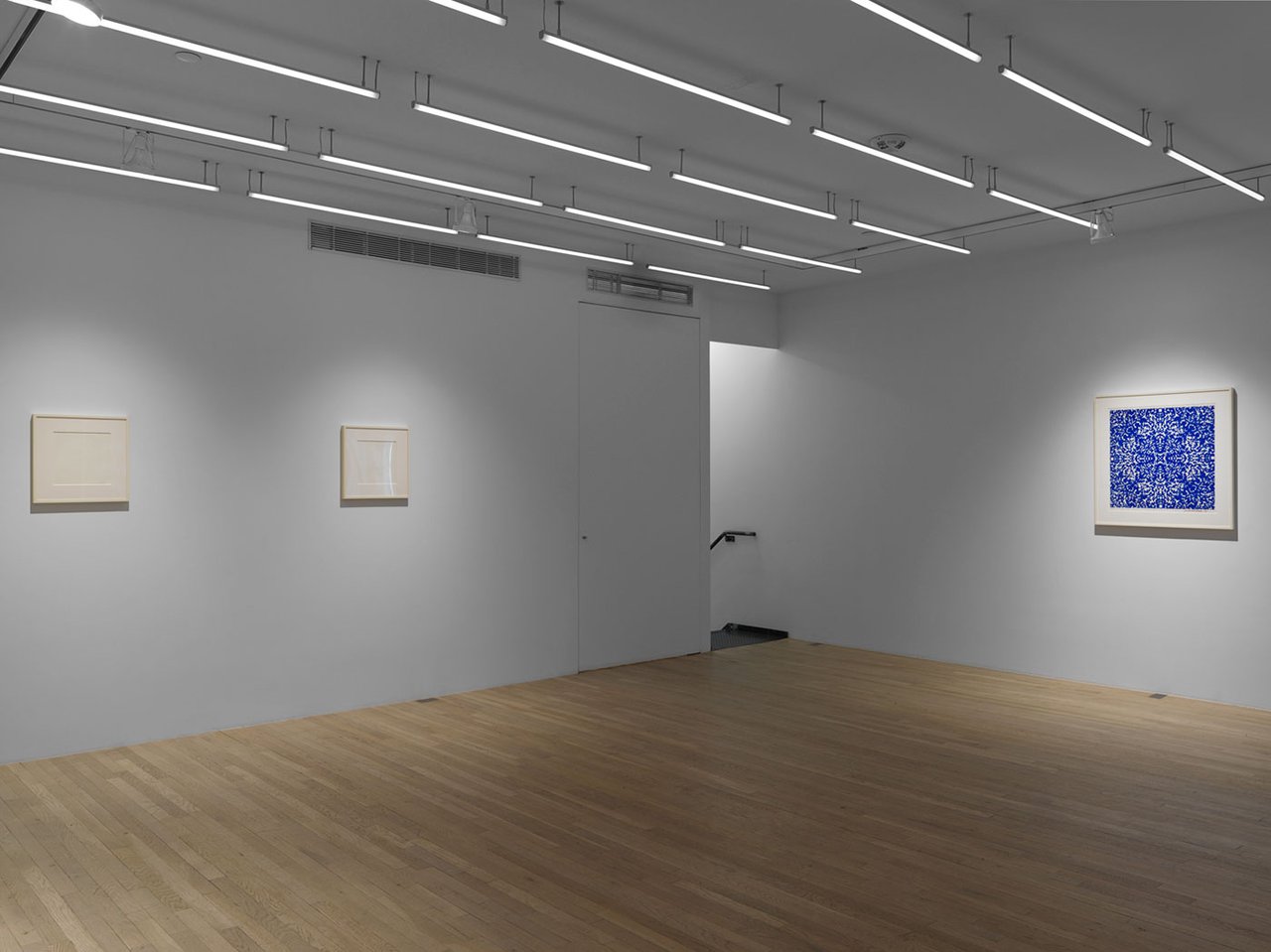
The prints are his way of going back to that tactile quality of color. He studied at Black Mountain College where Josef and Anni Albers were highly influential and the large blue silkscreen in the show is a truly rare piece, with the color still so vibrant. Through that one silkscreen, you can tell his entire story from start to finish.
Johannes VanDerBeek: I agree that it’s been rewarding to highlight this particular body of work. Approaching the show this way fits with the logic of how we’ve approached the archive: not fully chronological, but giving focus to certain chapters of his output. We gave a lot of time initially to the multi-screen projects, then to the fax murals, which were central to his first solo show at Magenta Plains in 2024. Now we are looking further into the ways he was experimenting with early computer graphics. It’s clear that he was excited about the computer as a new way of generating images and he was pushing the technical limitations of machines. The current exhibition has been an opportunity to look at this important moment of exploration for him through a selection of discrete artworks.
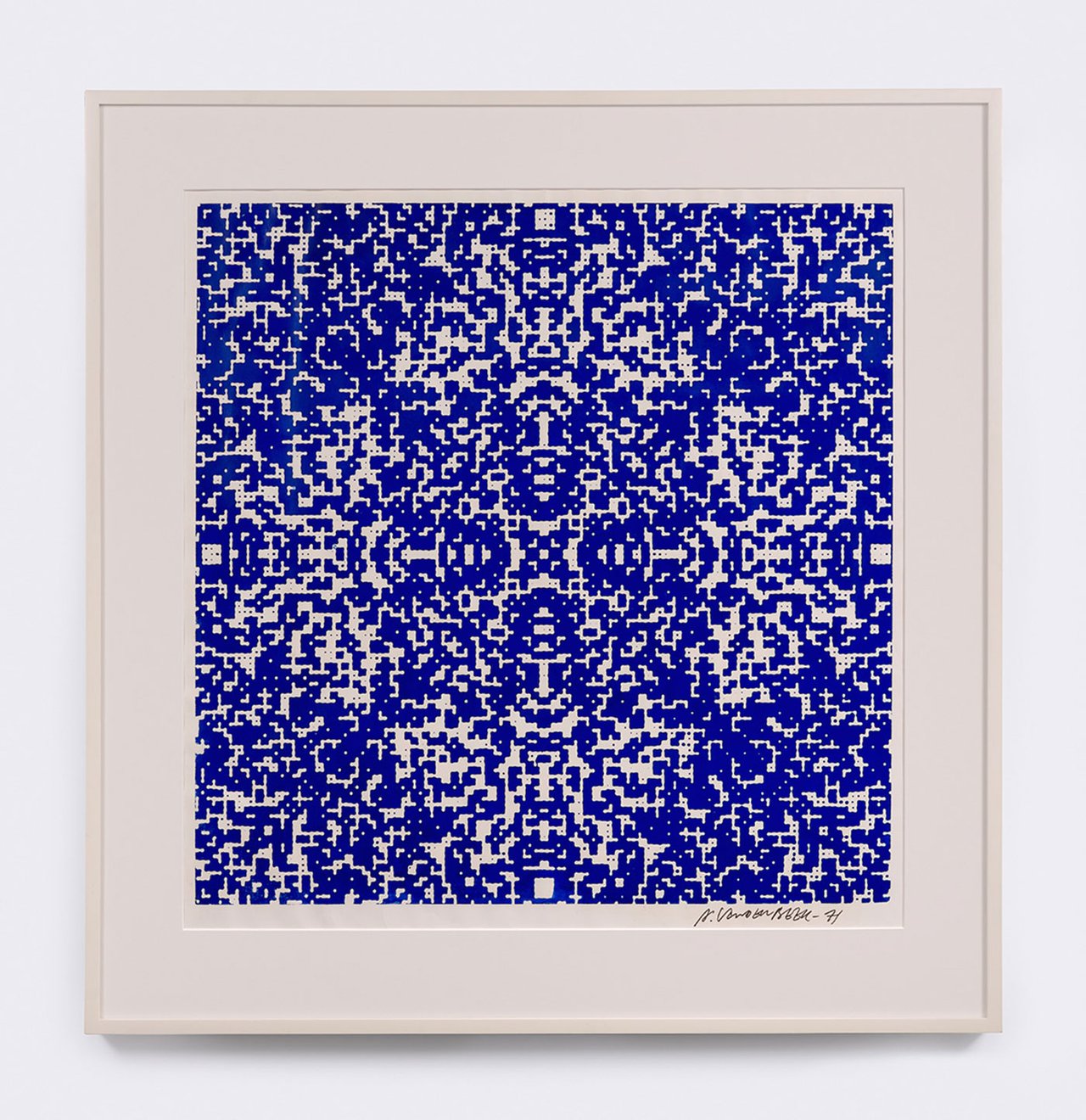
Sara VanDerBeek: “Micro Kosmos” comes out of our research around a specific exhibition “Machine Art: An Exhibition of Inter-graphics” that our father presented in 1976 at the University of Maryland, Baltimore County (UMBC).
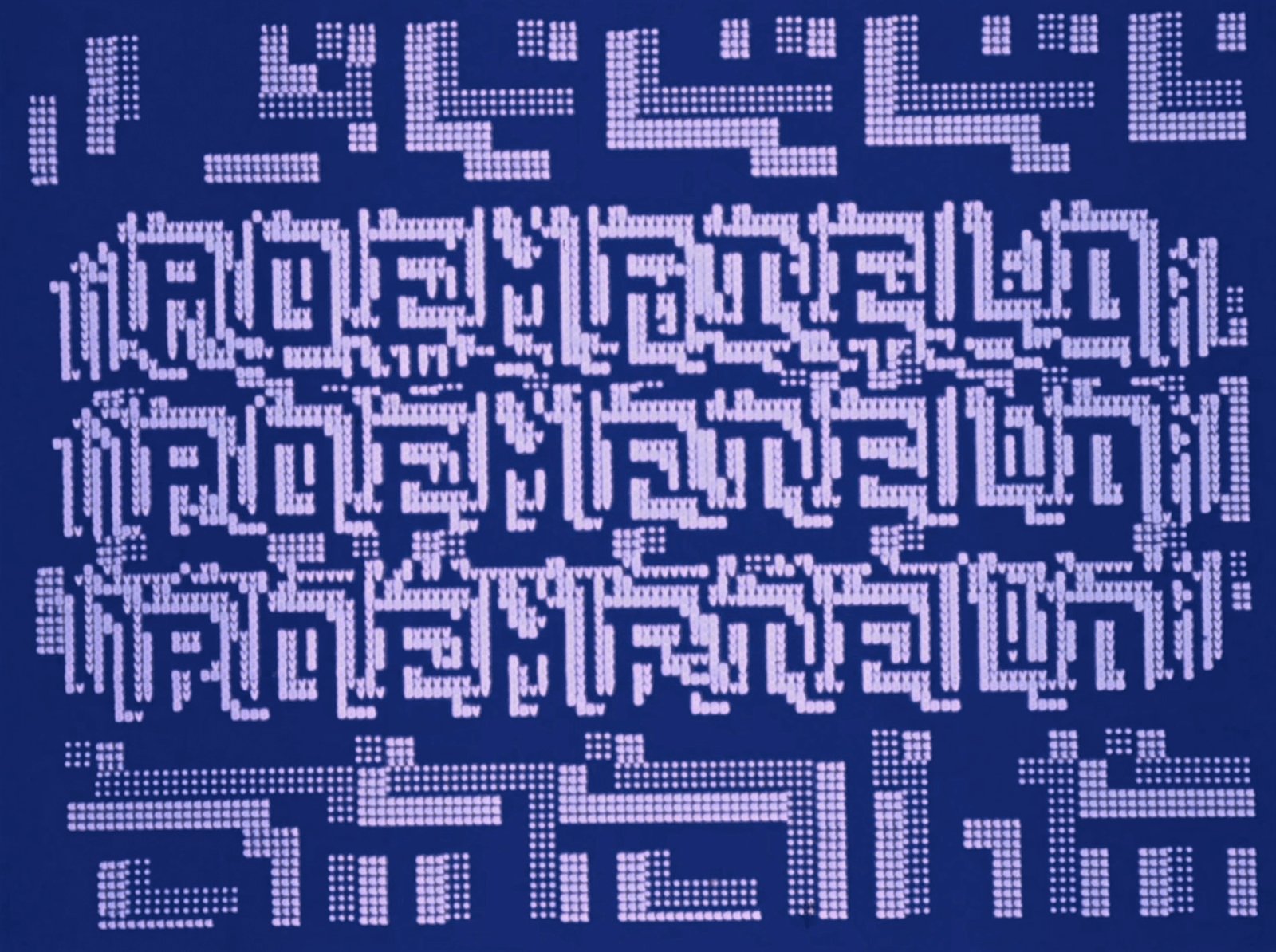
When he began generating the “Poemfield” computer film sequences with Ken Knowlton at Bell Labs in the mid-1960s, using punch cards for programming and the BEFLIX system of rendering that Knowlton had pioneered, our father initially captured moving images off the monitor via a kind of kinescopic process. The films were then colorized by another collaborative duo, Robert Brown and Frank Olvey, on the West Coast. Later, from 1972-76, he took frames from the original 35mm black-and-white films to produce a variety of prints, combining earlier communication technologies such as intaglio printmaking with digital means of creation.
For this presentation at Magenta Plains, we re-fabricated the Moveable Mandalas, which are being shown for the first time since 1976. These works will go on to UMBC next year to be presented on the same wall in the Albin O. Kuhn gallery where he first showed his work at the beginning of his professorship. It was there that he established the Mid-Atlantic Media Center, gathering experimental filmmakers, video artists, computer scientists, and those interested in public television and computers as spaces of engagement and feedback with and within a larger “networked” community in Baltimore and beyond.
JVDB: We’ve also been sorting through a lot of his papers and documents at MoMA, and the abundance of his neural network always hits me — he was supercharged with ideas from early on. He was also writing constantly while taking pictures of paintings — a nice segue into film, which became a new medium that exploded his sense of movement and understanding of time.
He recognized that technology shifts paradigms, and it continuously amplified and morphed his ideas. He also had an alternative notion of the artist’s role in the world, feeling that they had a responsibility to determine how technology would be utilized.
He urged artists to engage with these newer forms of art-making because he felt they had an enormous potential to change how we experience each other and the world.
SVDB: Our father was highly iterative in his practice, continually using and reusing past footage and imagery in new filmic works or video montages. Every work in this exhibition is a reimagining or reinterpretation of earlier works in new and different forms.
We’ve been working intensively on the preservation and digital remastering of his “Poemfield” films, which will be part of forthcoming museum exhibitions as well as a larger exhibition at Magenta Plains in 2027.
Our work as the Stan VanDerBeek Archive is a labor of love and reverence for an artist whose practice informs our own and whose contemporary resonance is significant and ongoing.
Any income generated by sales of his work goes toward preserving and widening access to his work. In this, and my work with Soft Network, I hope to contribute to a more expansive, inclusive, and dynamic art historical narrative than that which I was taught as an artist.
AE: What more can you tell us about Soft Network, which supports artists working with both digital and analog media, as well as their estates, in building sustainable legacy models?
CS: Soft Network came out of learning from Stan’s and his contemporaries’ practices, historical collaborations, and ethos, but also my interest in cooperative models and alternative economies. In addition to caring for her father’s legacy, Sara is an interdisciplinary artist, educator, and curator whose work operates across all these different places, similar to her father.
We wanted to create a space to connect contemporary artists with complex practices that might not fall into the dominant commercial structures with those who are stewarding art collections and artist archives, whose concerns overlap.
Prior to Soft Network, I co-created a listserv for people working with artists’ estates and it spread like wildfire. Different estate and legacy workers joined and we began emailing each other, asking how to approach various problems. After we decided that the Archive should move out of Sara’s studio and that we were going to start Soft Network, the Estate of Rosemary Mayer responded to an invitation to share space and they became our partners in shaping the non-profit.
Rosemary and Stan might not seem connected on the surface, but their estates share the challenge of figuring out how to present and restage their works. Rosemary also worked highly iteratively with ephemeral materials and events. Some of her sculptures are made with ribbons, sticks, and paper, and are intended to be shown once, taken down, and remade. That has become complementary to thinking about Stan’s multi-screen installations, which are also site-specific and rely on readily available materials.
JVDB: All of this reinforces the value of learning about an artist’s work in a non-linear way. Working together on Stan’s collection, we’ve asked ourselves: “What does it mean to activate or reactivate an archive, as well as where can you create new access points for established histories?”
SVDB: When a living artist brings a past practice into dialog with themselves and others — that to me is one of the most effective forms of engagement with an archive. I do a lot of research in archives and museum collections for my own practice, and when I see the exhibitions that Soft Network presents, I’m so excited at how the work of non-living artists are enlivened and reanimated by contemporary artists.
This work is not hagiography; we are not keeping this person preserved in a particular moment in time, passing over the complications of their existence. My work and, at times, that of Soft Network draws on feminist perspectives and histories: most art practices are collective and I hope to work outside of patriarchal bias to present our father’s work in dialog with other artists and engineers, for example the programmer Carol Bosche at Bell Labs, who worked with my father on his film Collideoscope. All practices are collaborative without always being acknowledged as such.
CS: With Soft Network, we can bring in students who are studying archiving or art history but have never met an artist or never had an opportunity to work hands-on with the material outside of an institution.
The [scale of] art production has been huge over the last fifty years [...] The institutions are full. But there’s an exciting new space for thinking about how this material can be shared more broadly outside of institutions and the art world, and technology will play a big role in that.
JVDB: That brings back a question central to Stan’s work: “what is this technology for?” He was a child who saw the nuclear bomb — a foundational image of technology being used to destroy the world.
At the center of the conversation around technology is people. [The question] was always: can technology be used to reshape and redirect the world towards connectivity? Looking through his papers, it’s really active networking. He was a humanist [asking] how are we going to navigate a growing and accelerating interconnectivity? He wasn’t entirely optimistic about how technology would be used [but] he felt that artists had a real role to shape its use and how connectivity is achieved through technology.
AE: Reading Stan VanDerBeek’s writings from the early 1970s, his joining of the language of technology with ecology is prescient and also a product of the environmental movement. It feels like he was pre-empting a posthuman turn from “man into machine”.
CS: I think he really experienced what he was writing about — television, video, and then computers — in terms we can also identify with now. He wrote a lot about the potential for audience expansion. There’s a way in which he also seems to have understood the artist as a higher being — not an elite being, but someone tapping into their consciousness and using these tools and relating to each other through them.
JVDB: The difference with the artist’s mind — thinking of higher beings — is that in order to generate art, you have to see and feel relationships between things. For some people that’s really dialled up. He was the right person at the right time with the post-war explosion of technology, this accelerating wave, but also someone who had a constant imaginative impulse [and] who never hit a plateau. The technology continued to amplify and expand his ideas.
His early drawings betray a leap-before-you-look mentality. He was also always reaching to actualize projects — “could I do this here? Is there money for that?” But the aim of making the project wasn’t to generate more wealth for himself but to generate the means to make more work. That highly generative cycling fits with his personality. In my mind, his early drawings are close to William Blake in their earnest yearning to understand what it means to be human.
SVDB: When thinking about posthuman concepts or ecological concerns, I think of his Movie-Drome, which was developed within Gate Hill Cooperative in Rockland County, New York. That community, which included artists such as M. C. Richards and John Cage, as well as the architect Paul Williams, was inspired by the meeting of ecological and agrarian concerns, together with the possibilities of collective living and the sharing of resources. Likewise, the Movie-Drome joins the human, the machinic and, with its prototypal immersive projections, the technological interface as we experience it today. Integral to this for our father was the dome’s potential for connectivity, knowledge transfer, and feedback in communities that are outside of urban centers.
The dome’s physical structure is a functional form familiar to many — a grain silo still in use across the American landscape. Yet for our father, who grew up in Washington Heights during the Depression, it would have been a foreign object open to interpretation. He imagined its atmosphere as an ever-changing array of moving images — optical assemblages of histories and contemporary events that could be shared globally. He hoped that the dome would be one of many satellite transmission sites throughout the world.
He was also working at Bell Labs at the same time that they were developing advanced military procedures that employed radar. He was artist in residence at the Center for Advanced Visual Studies (CAVS) at MIT when students were protesting the school’s involvement with the American military during the war in Vietnam; so he was adjacent to the development of advanced imaging technologies as part of the military-industrial complex.
Moving as an artist between different fields and sites including Bell Labs, NASA, as well as different schools and museums, his thinking about the “man/machine” relationship derived from his physical proximity to and observation of the idealistic possibilities and potentially devastating impacts of emerging technologies.
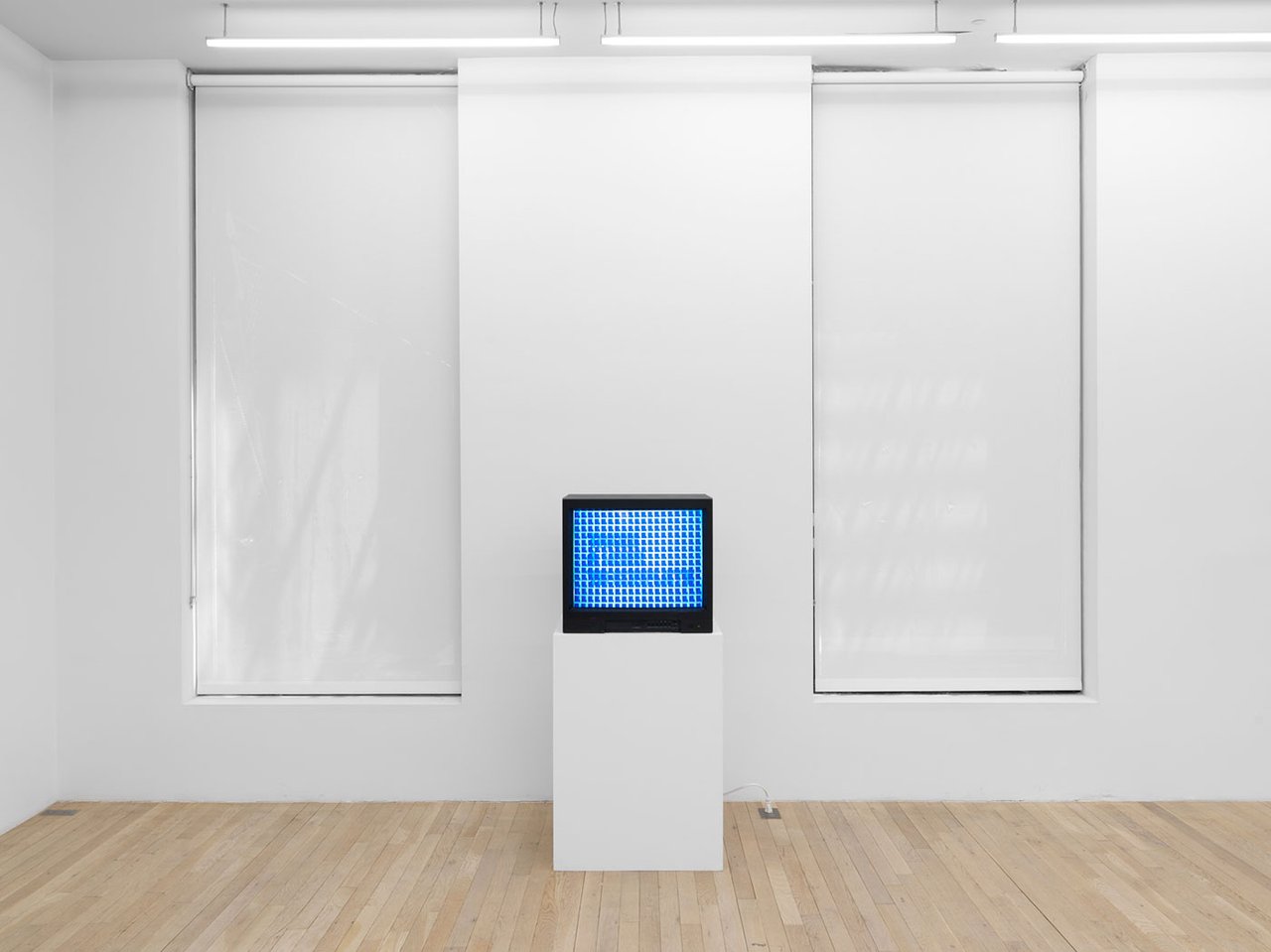
There is something incredible about seeing the “Poemfields” in this show against the contemporary backdrop of AI-influenced digital communications. They are not only about pixels as a modular unit of digitality but also the intensive labor of humans and machines at work together.
Sara VanDerBeek is the daughter of the experimental filmmaker Stan VanDerBeek, and an artist based in New York. Recent institutional exhibitions include “Veiled Presence: The Hidden Mothers and Sara VanDerBeek” at Norton Museum of Art, West Palm Beach, and “Women & Museums” at Minneapolis Institute of Art. She has also had solo exhibitions at the Baltimore Museum of Art; Fondazione Memmo, Rome; the Hammer Museum, Los Angeles; Museum Boijmans van Beuningen, Rotterdam; Museum of Contemporary Art Cleveland; and The Whitney Museum of American Art, New York. VanDerBeek’s work was included in the inaugural “New Visions Triennial for Photography and New Media” at the Henie Onstad Art Center, Høvikodden, Norway in 2020. She recently participated in group exhibitions at the University of California Art Museum and Pacific Film Archive, Berkeley; the Guggenheim Museum, New York; Institute of Contemporary Art, Boston; Kunsthalle Berlin; Morgan Library and Museum, New York; the Museum of Contemporary Art, Los Angeles; Museum of Modern Art, New York; Walker Art Center, Minneapolis; and Black Mountain College Museum and Arts Center, among others.
Johannes VanDerBeek is the son of the experimental filmmaker Stan VanDerBeek and an artist who lives and works in New York. He is represented by the New York-based gallery Marinaro and has held solo exhibitions at Marinaro, Zach Feuer Gallery, and Halsey McKay Gallery, New York, and Brand New Gallery, Milan. VanDerBeek has participated in group shows at the Oakland University Art Gallery, Rochester; Rachel Uffner Gallery, New York; and Tang Museum at Skidmore College, Saratoga Springs, among many others. His works are included in the permanent collections of the Brooklyn Museum, New York, CAPC Musée d’art Contemporain, Bordeaux, the Museum of Fine Arts, Boston, and Nerman Museum of Contemporary Art, Overland Park.
Chelsea Spengemann is the Executive Director of Soft Network, a New York-based non-profit she co-founded in 2021, which includes the professional resource group AFELL (Artist Foundations and Estate Leaders List). Spengemann has helped to manage the Stan VanDerBeek Archive since 2008 and, in 2019, co-curated “VanDerBeek + VanDerBeek” with Sara VanDerBeek at the Black Mountain College Museum + Arts Center in North Carolina. Spengemann curated “Instant as Image” (2016) as well as “Becoming Disfarmer” (2014) for the Neuberger Museum of Art at Purchase College, New York. She has an MFA in Photography from Bard College, an MA in Art History from Purchase College and, in 2019, completed the Aspen Institute Seminar for Artist Endowed Foundation Leaders.
Alex Estorick is the Founding Editor of Right Click Save.
No comments yet. Be the first to share your thoughts.
Mentioned in this article
People: Chelsea Spengemann, Johannes VanDerBeek, Sara VanDerBeek, Stan VanDerBeek, Alex Estorick, Ken Knowlton|Events: Micro Kosmos|Organizations: Estate of Stan VanDerBeek, Magenta Plains, Soft Network|