Dataland announces first cohort of AI artist residents - Right Click Save
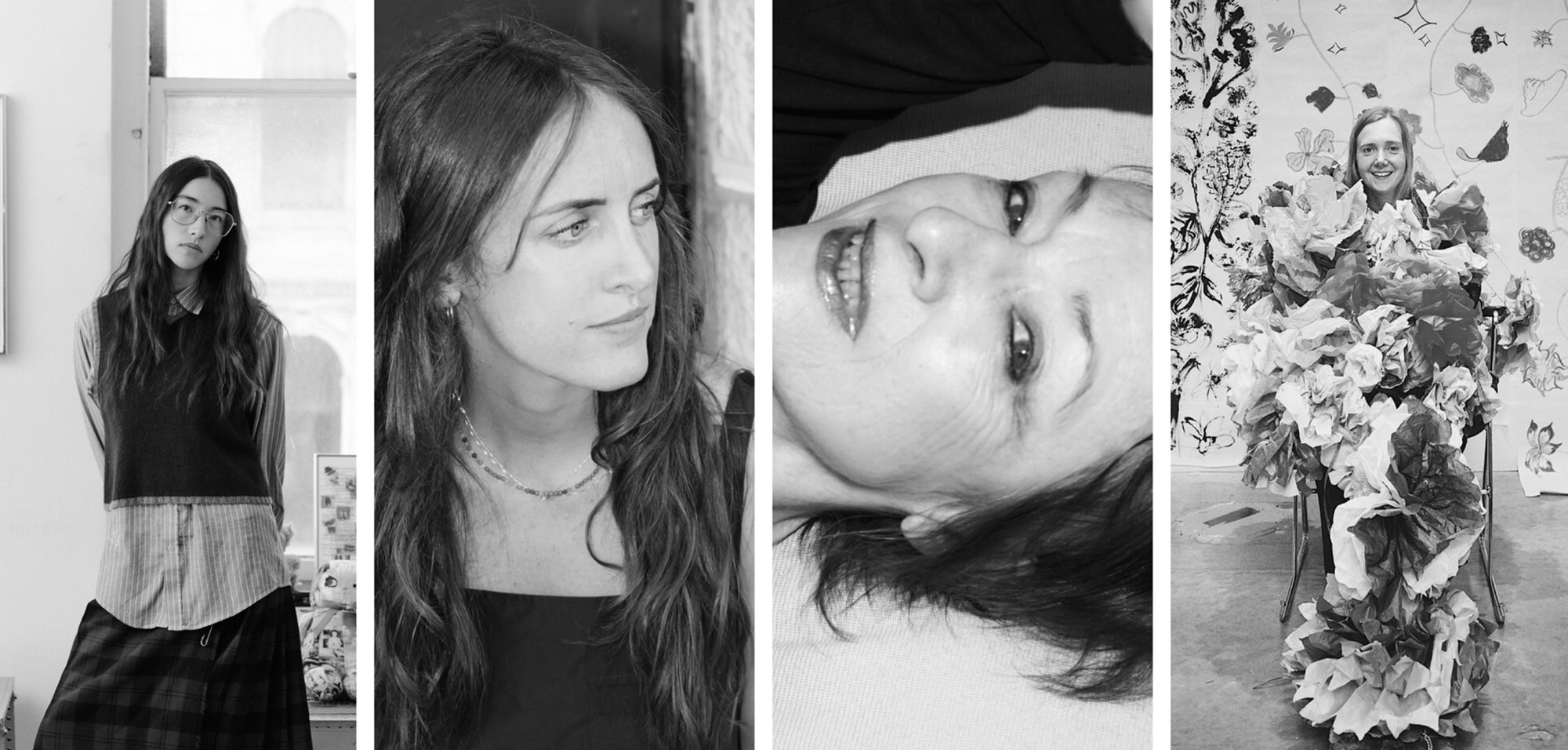
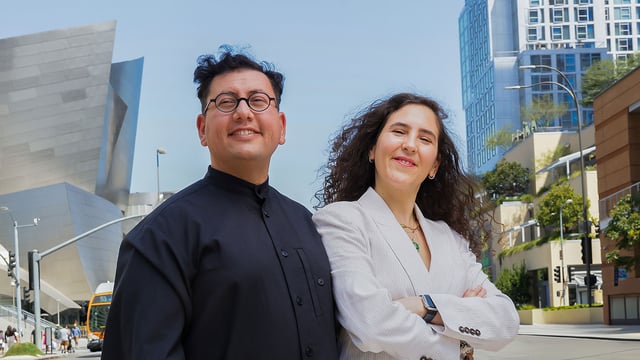
The first group of AI artist residents at Dataland, Los Angeles: (from left) Maya Man, Lucia Rebolino, Penny Slinger, and Jess Starns. Courtesy of the artists and Dataland
Dataland announces first cohort of AI artist residents
Maya Man, Lucia Rebolino, Penny Slinger, and Jess Starns join program run by the Los Angeles-based museum of AI arts in partnership with Google Arts & Culture
Dataland, the recently opened museum of AI arts in Los Angeles, co-founded by the media artist Refik Anadol and the artist and entrepreneur Efsun Erkılıç, has announced the names of the first cohort of AI artist residents who are joining a six-month-long program run by the museum in partnership with Google Arts & Culture.
The artists Maya Man, Lucia Rebolino, Penny Slinger, and Jess Starns, each of whom receives a $25,000 grant as part of the residency, will collaborate with Anadol and Erkılıç, who co-founded the Los Angeles-based Refik Anadol Studio (RAS) in 2014 and are Artistic Director and Chief Strategy Officer respectively of Dataland. The program concludes in December 2026 with a presentation of the artist residents’ work.
“The residency is designed to give artists both the freedom to experiment and the support of a thoughtful community. Throughout the selection process, it was inspiring to see such diverse perspectives on AI [...] Together with Google Arts & Culture, we wanted to create an environment where responsible innovation could flourish.”
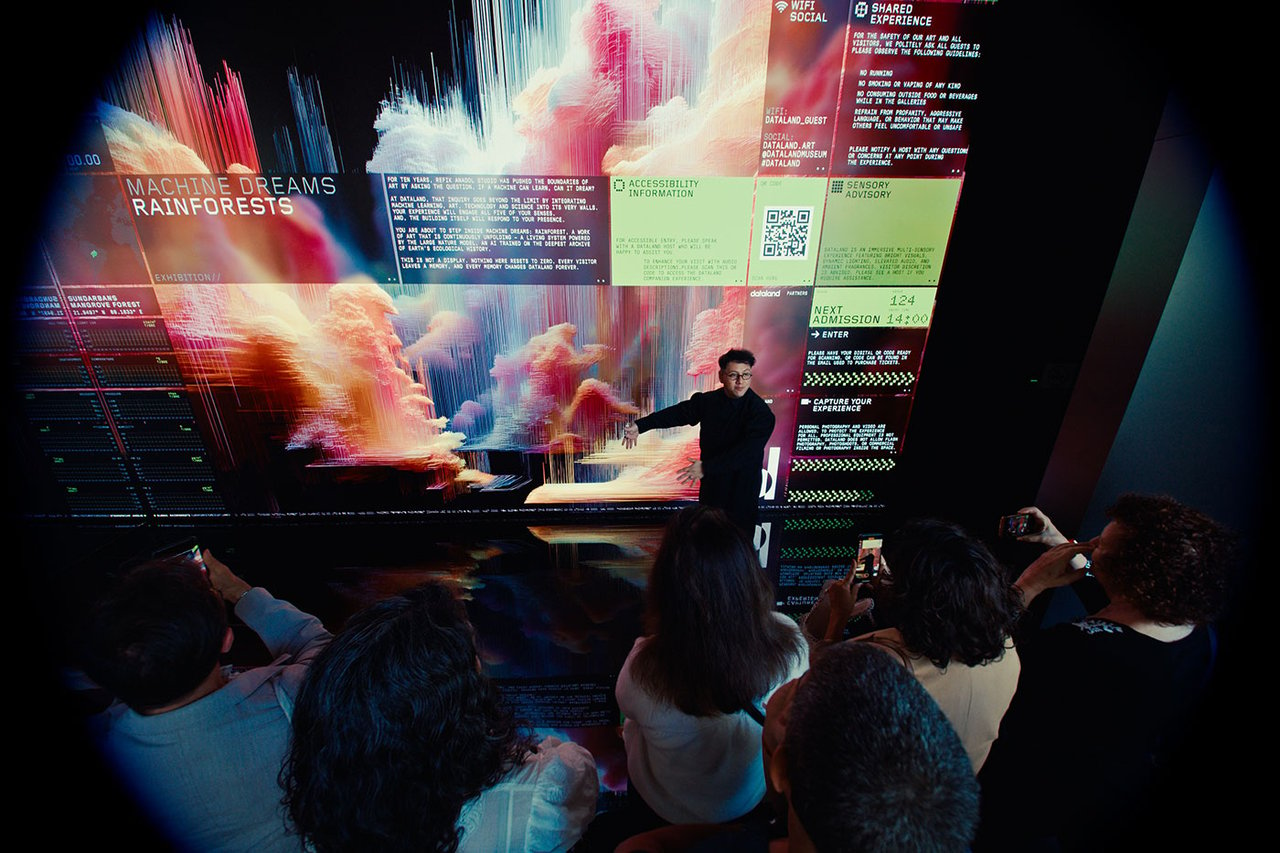
Dataland opened on June 20, 2026, with the exhibition “Machine Dreams: Rainforest”, which was created using RAS’s Large Nature Model and runs until January 31, 2027. The museum, which is made up of 25,000 sq ft of public space and a further 10,000 sq ft to house the institution’s advanced technologies, is located in a Frank Gehry-designed building, in Grand Avenue, downtown Los Angeles, where its institutional neighbors include The Broad, LA Phil (at the Walt Disney Concert Hall), The Museum of Contemporary Art, Los Angeles (MOCA), and The Colburn School.
The resident artists will be supported in creating a new body of work by the RAS team, and through personalized sessions with Refik Anadol. They will have access to the museum’s advanced computing infrastructure; to cloud-based tools provided through the partnership with Google; and to the Large Nature Model, which has been constructed from millions of pieces of data supplied by leading scientific institutions including the Smithsonian Institution in Washington, D.C., the Natural History Museum in London, and the Cornell Lab of Ornithology, New York state.
“One of the dreams behind Dataland has [...] been to create more than a museum,” Anadol said in a press statement. “We envision it as a living platform where artists, researchers, scientists, and technologists come together to explore AI as a new cultural medium. This residency reflects that vision by creating space for experimentation, interdisciplinary dialogue, and bold artistic inquiry.”
“I hope [Dataland] becomes a place where artists discover new ways of imagining the future while asking questions that technology alone cannot answer.” — Refik Anadol, Artistic Director, Dataland
The Dataland AI art residents
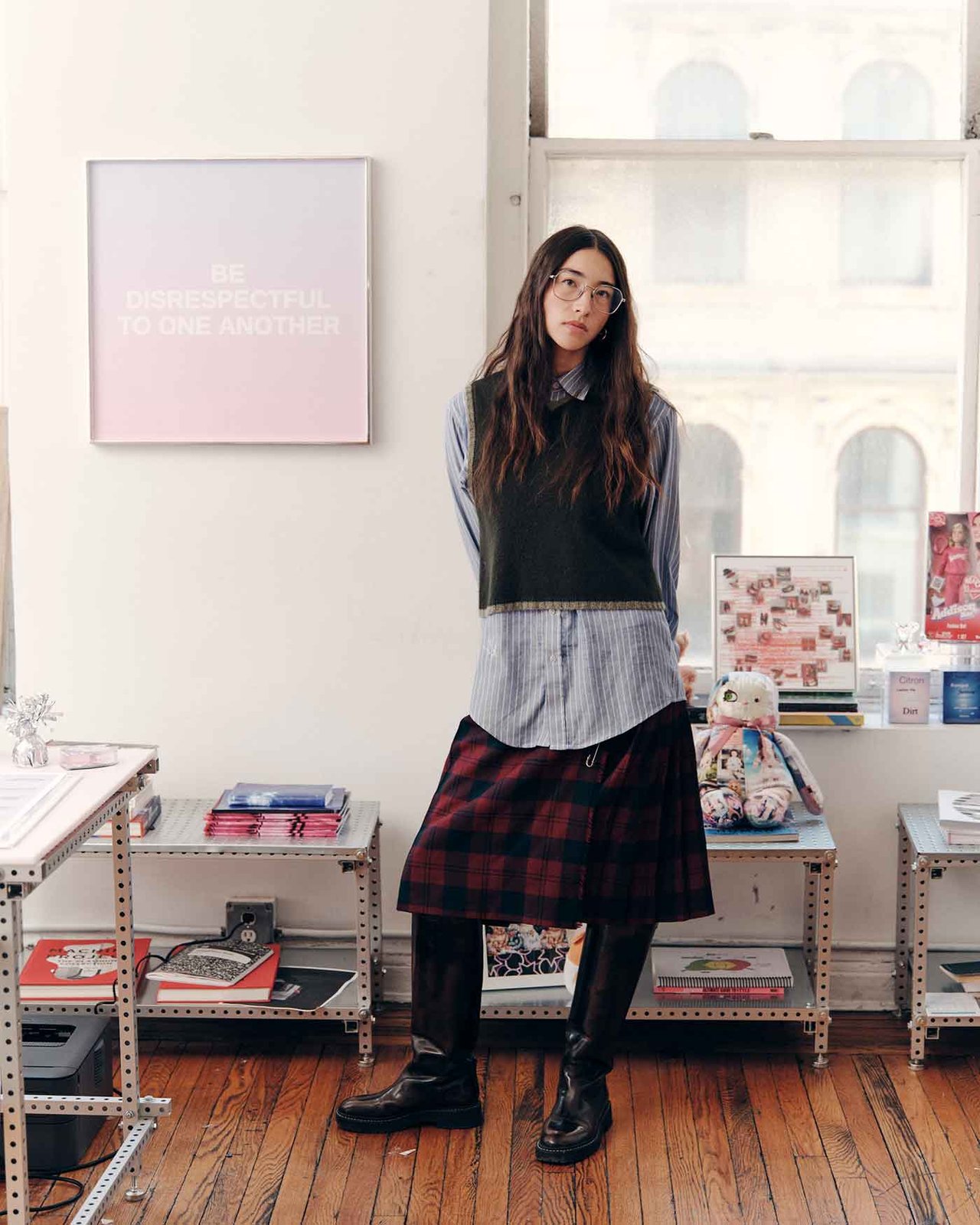
Maya Man. Courtesy of the artist. Photography by Nayquan Shuler
Maya Man
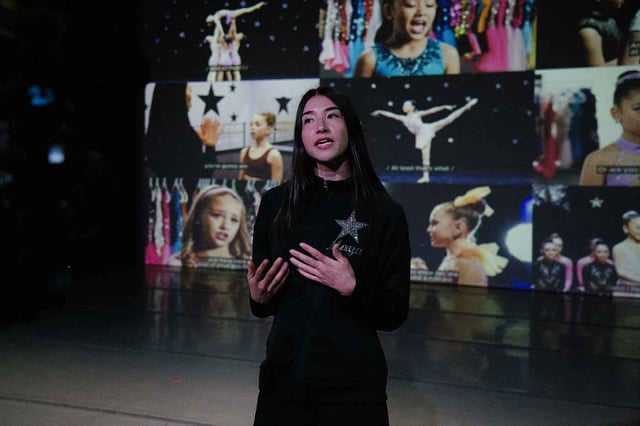
The New York City-based artist Maya Man addresses identity culture in her practice through internet-based approaches to authenticity, hyperfemininity, and the performance of self. One of her most recent bodies of work is “StarQuest”, focused on competition dance culture in the US. It featured performance lectures given in New York City and Los Angeles and concluded in May 2026 with the solo show “StarPower”, at bitforms gallery, New York, featuring digital and physical work created using text-to-image and text-to-video generative AI models as well as software-based generative systems.
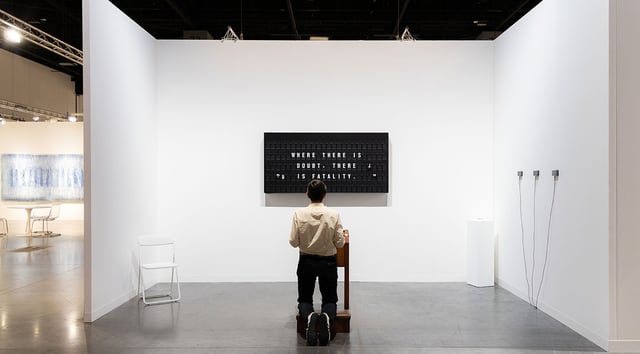
Generative art, and software-based work about online culture, have been at the heart of Man’s practice since she studied for her MFA in Media Art at UCLA, in 2022-23, when she worked with the artists Lauren Lee McCarthy and Casey Reas. In December 2025 her work (The Angels Wanna Wear My) Red Shoes (2024-25), was shown on the bitforms stand at the Zero 10 initiative at Art Basel Miami Beach in company with that of Reas and Manfred Mohr. They collectively represented three generations of generative artists to have shown with the gallery.
“Pop culture forms that are associated with young women are not respected as forms of media,” Man said in an interview with Right Click Save in April 2026. “And I find that to be a really concerning perspective, even beyond gender.”
“All forms of pop culture are extremely powerful tools for control and surveillance and political manipulation. But it is not treated with the weight that it deserves because it’s seen as low brow; it’s seen as dumb. And I think that is in large part because, a lot of times, fans of these forms of pop culture are women.” (Maya Man)
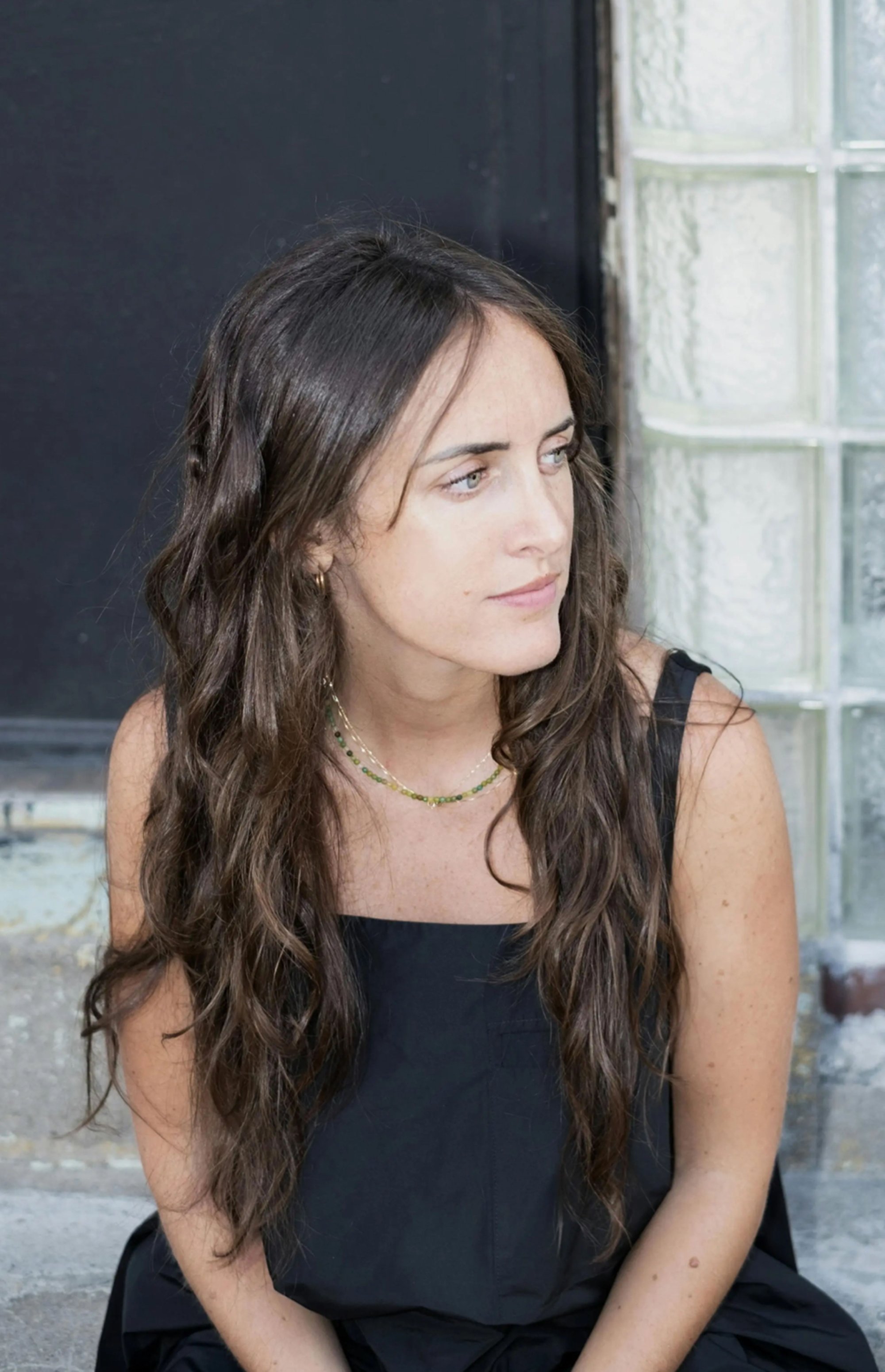
Lucia Rebolino. Courtesy of the artist. Photography by Chiara Rebolino
Lucia Rebolino
The artist, architect, and computational designer Lucia Rebolino is a researcher at Forensic Architecture, a research agency based at Goldsmiths, University of London, dedicated to investigating state and corporate violence. She is also an artist-in-residence at Nieuwe Instituut in Rotterdam, and a fellow, working on climate imaginaries and risk modeling, at TBA21 Thyssen-Bornemisza Art Contemporary, the Madrid-based contemporary art and advocacy foundation.
Rebolino’s work with Forensic Architecture involves gathering visual evidence using cutting-edge technologies for human rights and environmental justice cases. At Nieuwe Instituut she has been creating web environments that “bridge scientific research, internet infrastructure, and art institutions”, and investigating how computational aesthetics might be rethought as critical tools and how “counter-modeling” might offer an alternative to computational realism.
An example of that “counter-modeling” is her Unpredictable Atmosphere (2022–ongoing), which “reads climate as architecture”. The work, which was presented at Venice Architecture Biennale in 2025 and Loop Lab Busan media art platform and festival, Busan, South Korea, in 2026, addresses the limitations of foundation AI models in climate forecasting through overlooking extreme events such as hurricanes, storms, and heatwaves. Rebolino uses spatial tools to unveil the nature of climate on the internet, giving visible form to the uncertainty of weather prediction.
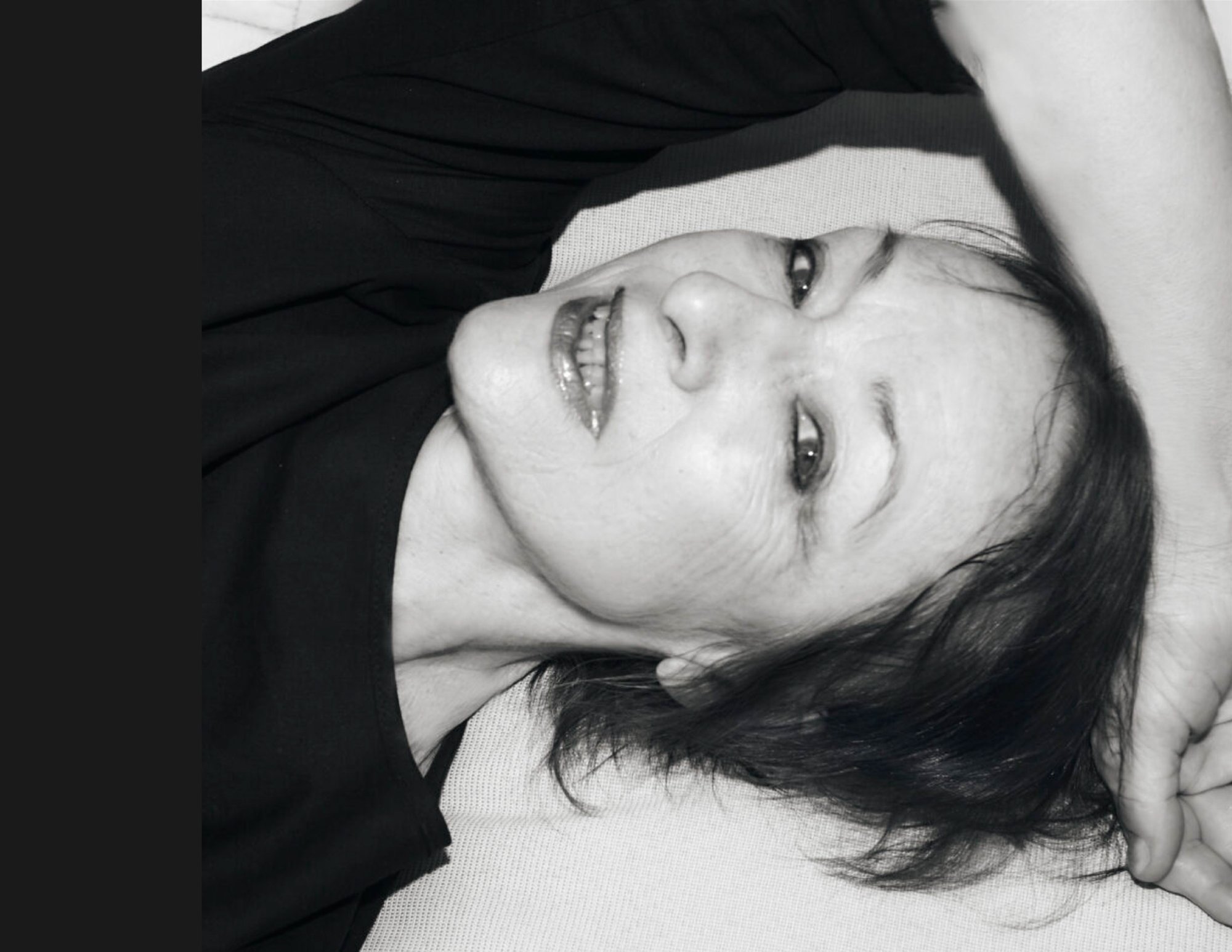
Penny Slinger. Courtesy of the artist. Photography by Bil Brown
Penny Slinger
On her Instagram profile, the Los Angeles-based artist Penny Slinger describes herself as a “Feminist Surrealist”, one who makes “artworks to bring the inside out and the outside in. My life and art are a collage.”
Slinger’s work since the early 1970s has been striking for its boldness and courage, exploring eroticism and mysticism as she moved from an early concern with the re-examination of Surrealist collage to a series of “Tantric Transformations” made up of explicit, full-frontal photo collages and body Xerox monoprints. The latter body of work and her incorporation of tantra were inspired by her experience of the exhibition “Tantra: The Indian Cult of Ecstasy”, curated by Philip Rawson and Ajit Mookerjee at the Hayward Gallery, London, in 1971.
When the Apple Vision Pro mixed reality headset launched in 2024, Slinger was one of the first artists to show a substantial piece on the platform, on Kaleido’s Art Universe app. An Exorcism, created in collaboration with the artist Dhiren Dasu, is an augmented reality animated version of her photo-collage book An Exorcism (1977). The work for Art Universe was launched in conjunction with an immersive audiovisual solo show of her work at Richard Saltoun Gallery, London, and the publication of An Exorcism: A Photo Romance (2024).
Slinger had withheld this extended version of her 1977 book from publication nearly 50 years previously after another of her collage volumes, Mountain Ecstasy (1978), was seized and burned by UK customs authorities after being deemed pornographic.
Slinger is the subject of Out of the Shadows (2019), a documentary by Richard Kovitch on her early life and work in the radical film-making and publishing circles of London’s 1970s counter-culture. She is working at present on a legacy project digitizing thousands of slides, videos, and other media to create a virtual museum of her work using the latest technologies. Photo-collage work from her series “An Exorcism” is on show in the exhibition “Troublemakers and Prophets” at Compton Verney, Warwickshire, until August 31, 2026.
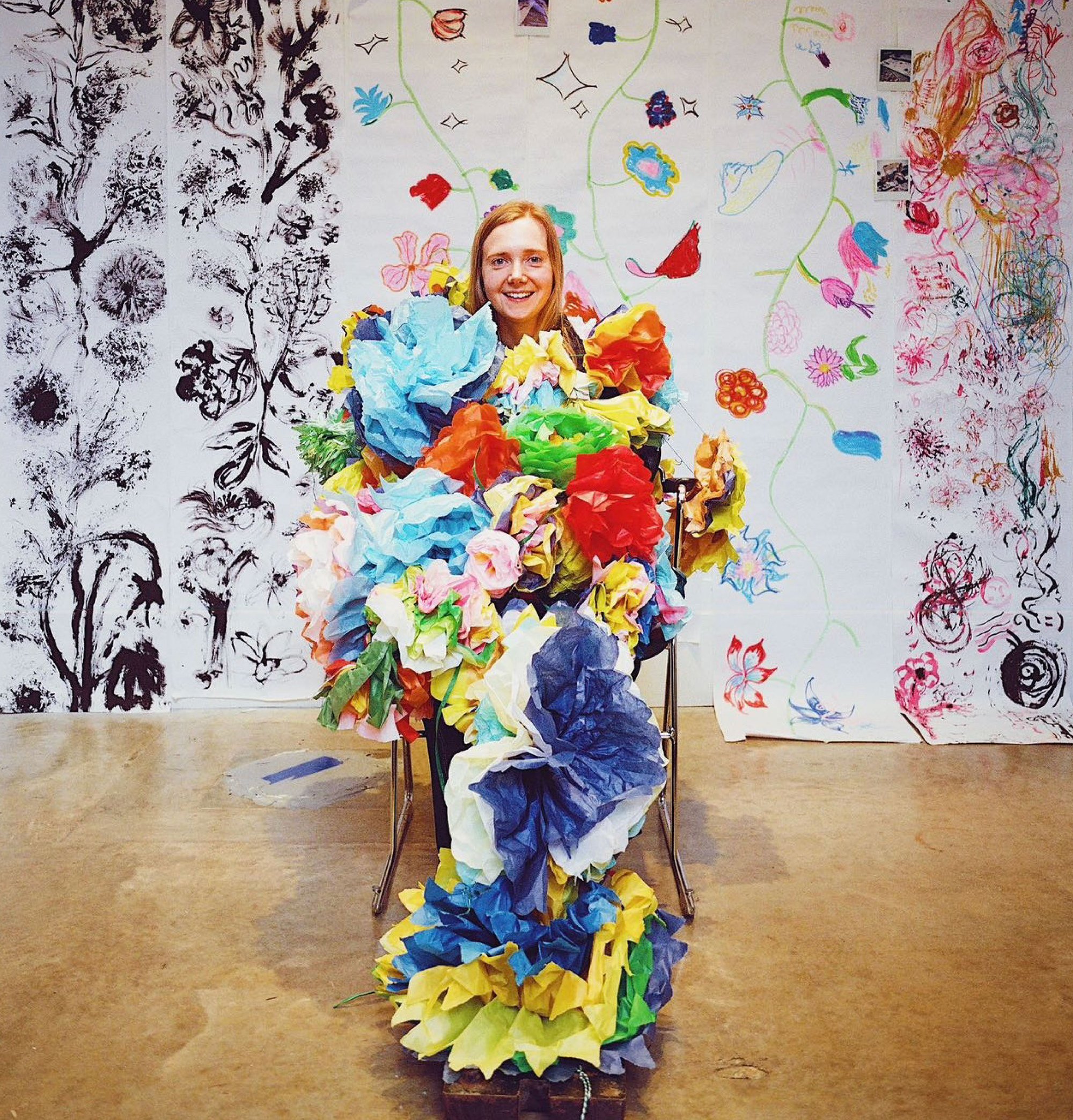
Jess Starns. Courtesy of the artist. Photography by Michael Akuagwu
Jess Starns
“My creative process is participatory, collaborative, and follows inclusive practice with a focus on disability, neurodiversity or history,” Jess Starns says in the artist statement on her website. As Adobe Creative Resident for inclusive design at the V&A Museum, London, in 2025, Starns combined inclusive arts practice with occupational therapy to form her design process.
During her residency at the V&A, Starns worked for 11 months in the museum’s Learning department and with other programming teams, alongside “Design and Disability” (June 7, 2025 to February 15, 2026), an exhibition that presented the contribution of Disabled, Deaf, and neurodivergent people to contemporary culture and design history, between the 1940s and the 2020s. At the V&A, she set up a studio called “That’s Effort!” in which she brought together youth workers, young people experiencing emotional-based school avoidance, and museum staff, to design an inclusive water bottle and also created an accessible cookbook in collaboration with an occupational therapist.
Starns is interested in finding accessible tools to create art, utilizing a multidisciplinary approach informed by archival and museum research. “I have an interest in using digital technology creatively” Starns says in her artist statement, “and finding new tools to create art.” She was awarded a place on the Shaw Trust “Power 100” list in 2018 of the most influential and inspirational disabled people in Britain.
The jury
The Dataland AI artist residents were chosen by a jury made up of Paola Antonelli, Senior Curator, Department of Architecture and Design, Museum of Modern Art, New York (MoMA); the writer, critic, and curator Nora Khan; Gabriel Kozlowski, Curator, and Research Associate, MIT School of Architecture and Planning; Mira Lane, Vice President, Technology & Society, Google; Hans Ulrich Obrist, Artistic Director, Serpentine Galleries, London; Freya Salway, Head of the Lab, Google Arts & Culture; and Amit Sood, Vice President and Founder of Google Arts & Culture.
Louis Jebb is Managing Editor at Right Click Save.