In Search of Creative Intelligence - Right Click Save
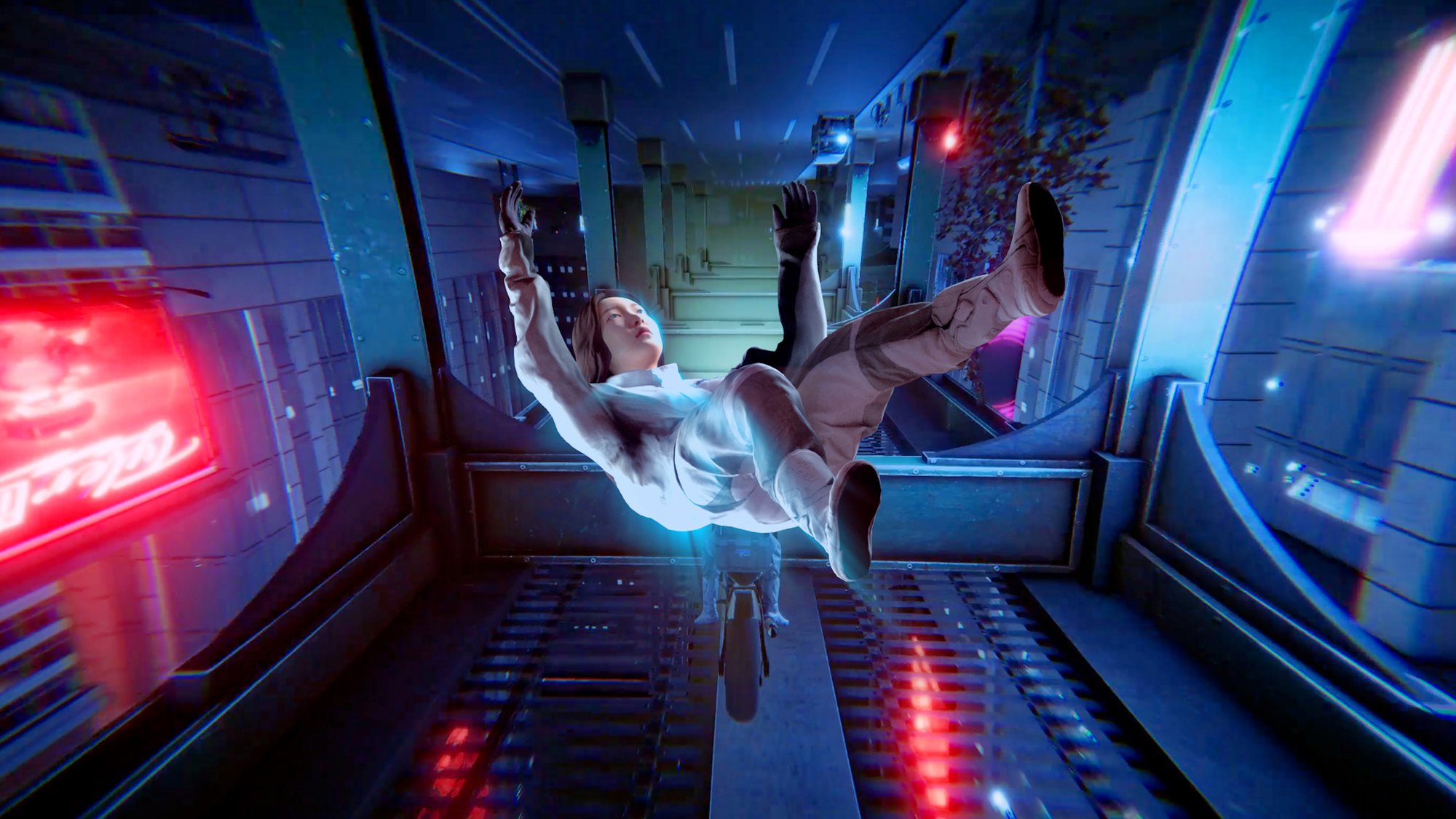
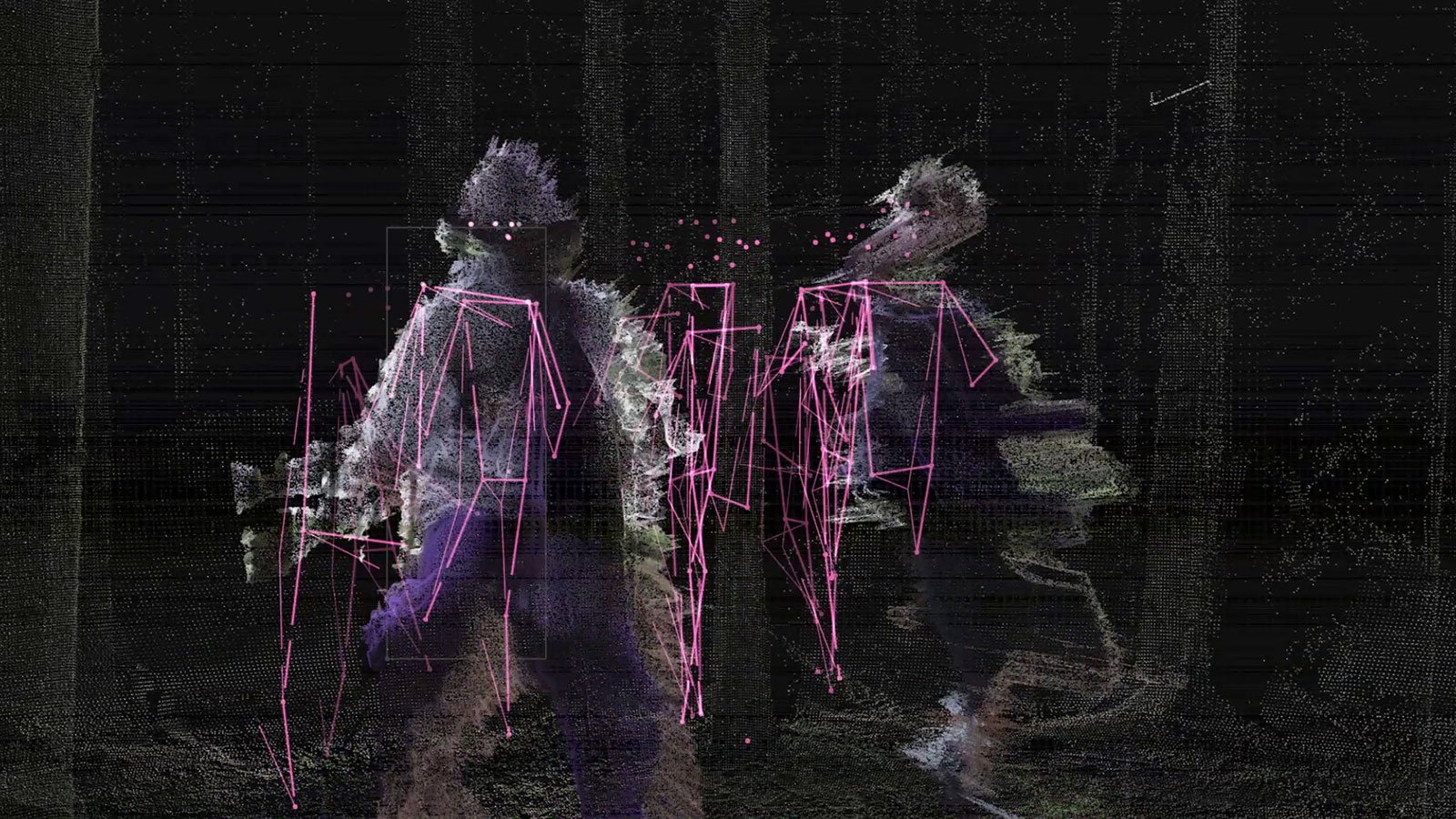
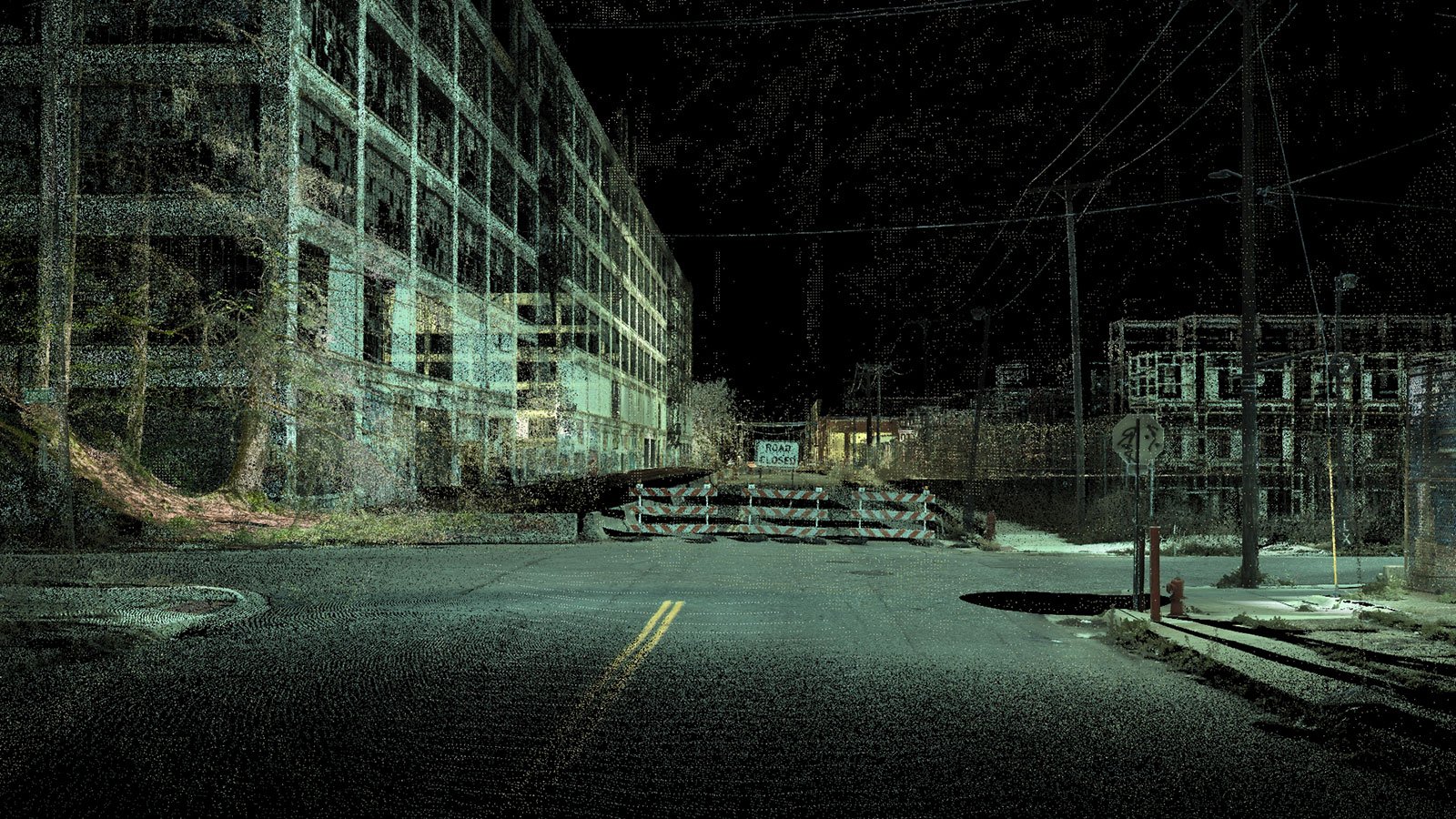
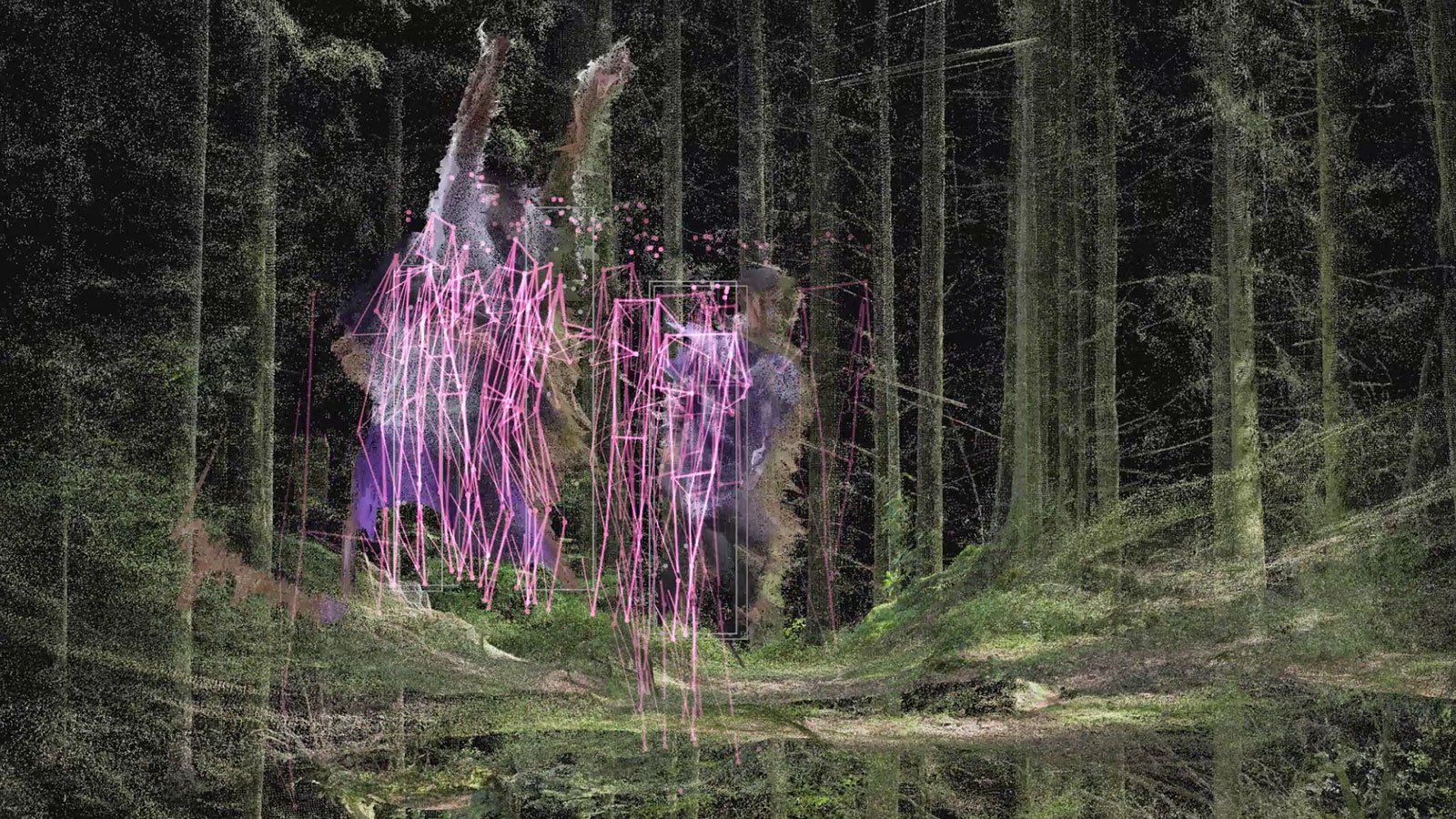
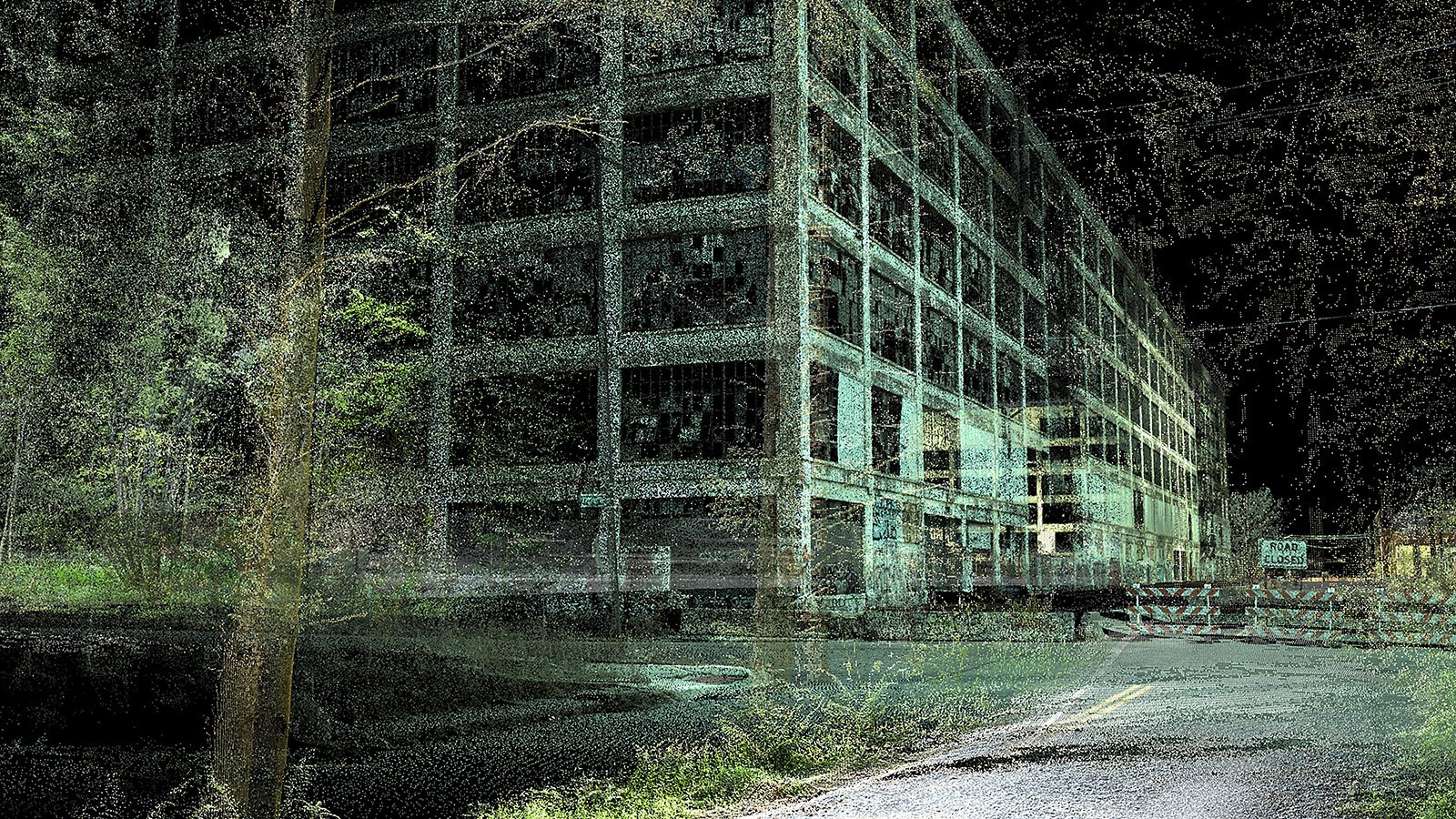
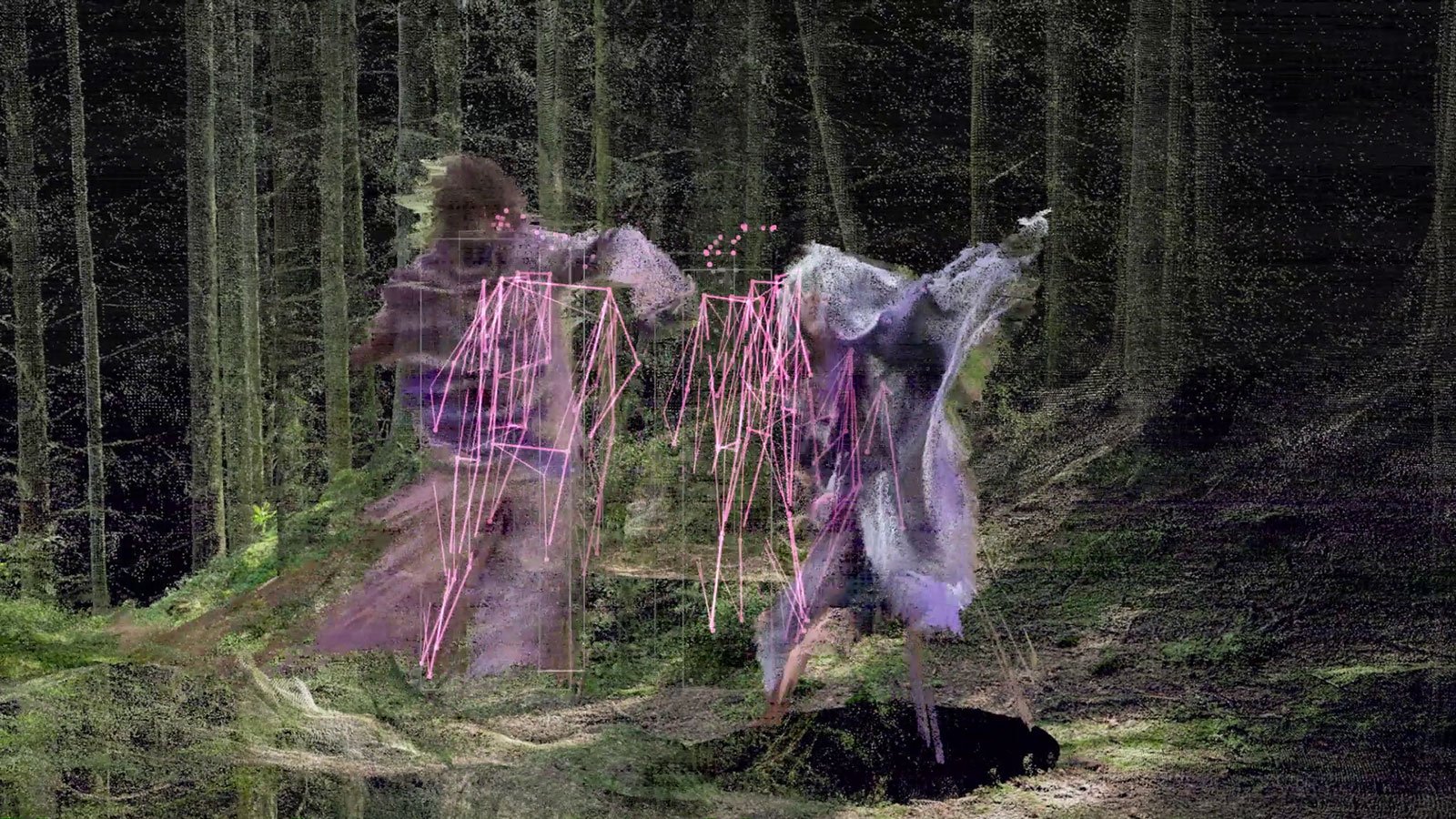
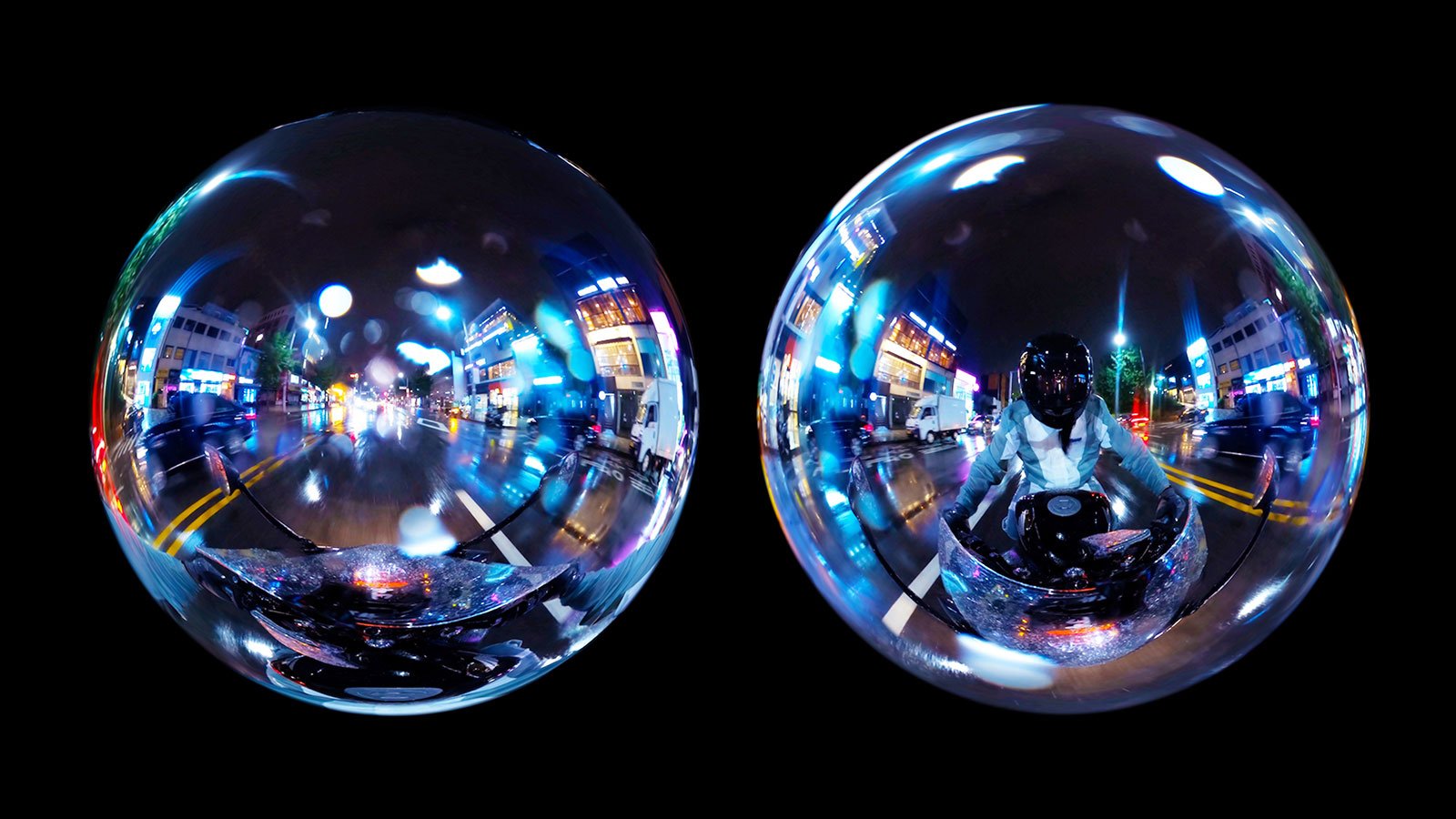
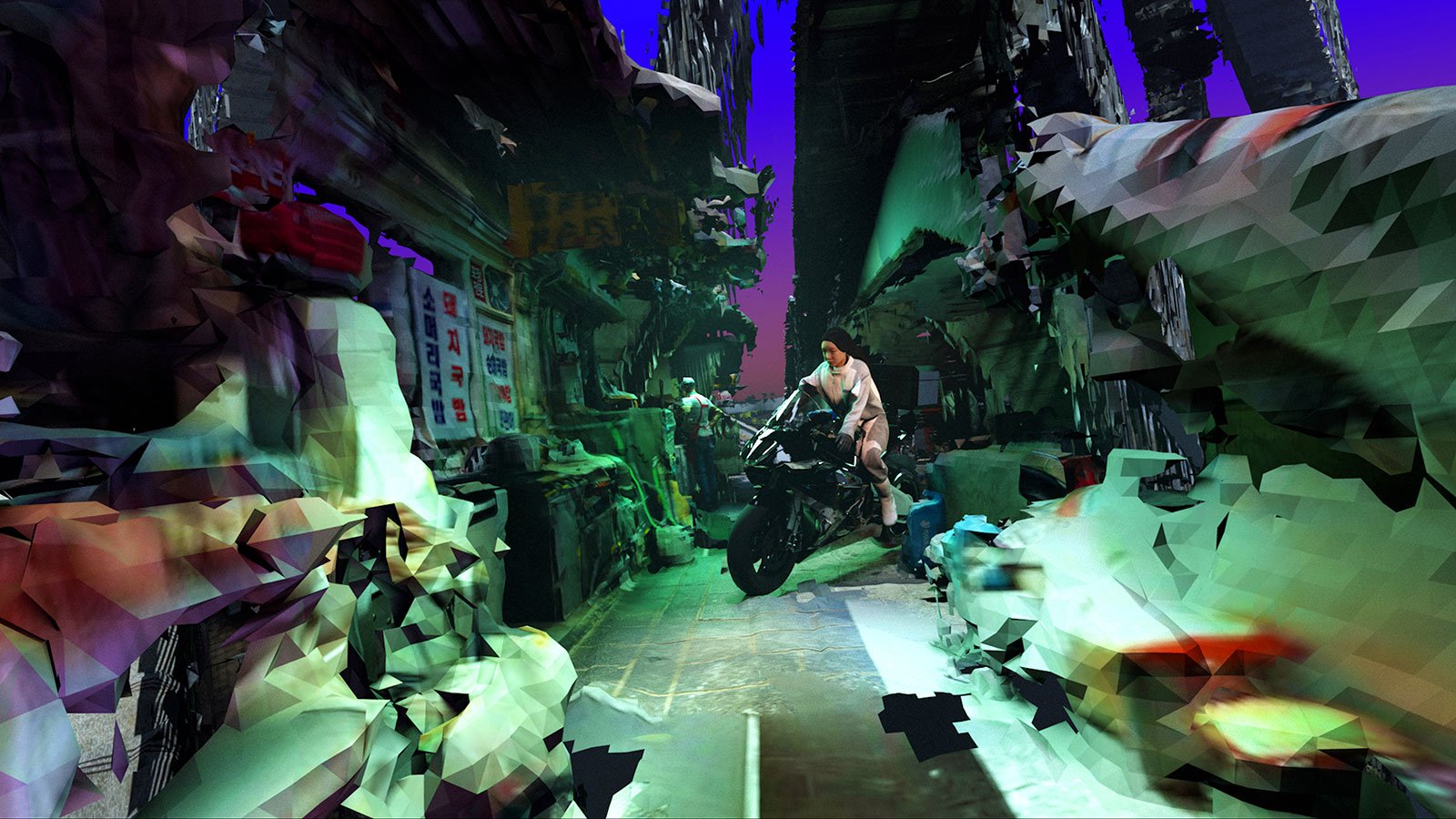
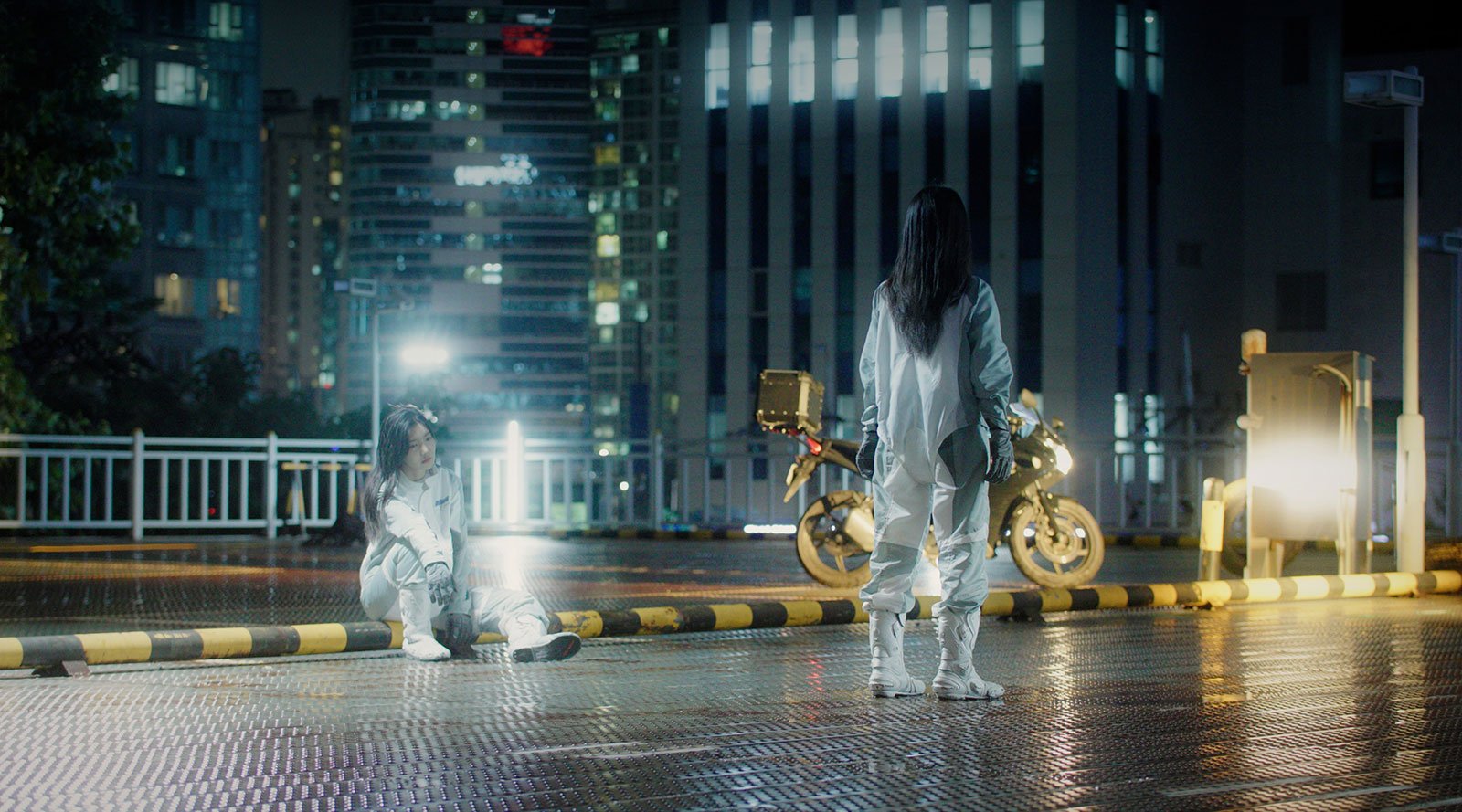
Ayoung Kim, (Still from) Delivery Dancer's Sphere, 2022. The work is playing at Creative Intelligence on September 12 and 13, 2026. ⓒ The artist. Courtesy of the artist
This week sees the launch of a new three-day festival of Creative Intelligence, from September 11 to 13, 2026, at London’s Southbank Centre that seeks to champion human agency and imagination at a time when artists are increasingly using AI as part of their creative practice.
Inspired by the spirit of innovation and curiosity which launched the 1951 Festival of Britain 75 years ago, the Southbank has assembled a global line-up of artists and thinkers who are at present shaping discussions around creativity — and the changing role of human creators — across both culture and industry. The Creative Intelligence Summit on Friday hosts a number of conversations that will be familiar to Right Click Save readers, on the art of curating communities, planetary-scale approaches to art, as well “The Image After AI”, hosted by the magazine’s Founding Editor, Alex Estorick. While a series of exhibitions over the course of the weekend highlight the hybrid practices of Holly Herndon, Katie Paterson, Andrew Thomas Huang, Kate Crawford, and Vladan Joler.
Curated with PACT (Planetary Art Culture Technology), a collective of artists, researchers, and technologists, the event is a public prompt to imagine alternative realities at a time when governments are reckoning with the environmental cost of new AI data centers. On the occasion of this first edition of Creative Intelligence, four members of PACT — Liam Young, Ayoung Kim, K Allado-McDowell, and the group’s founder Keri Elmsly — shared their excitement at this new playground of human imagination.
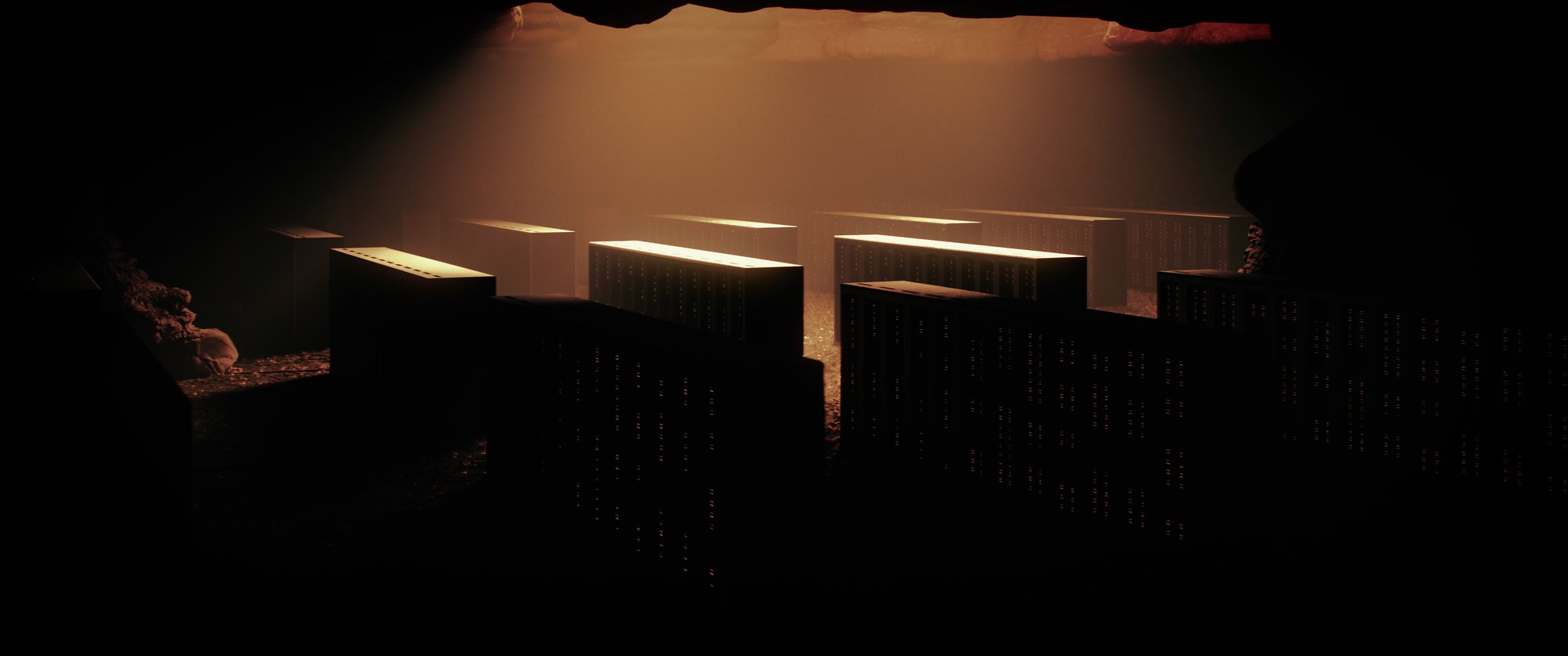
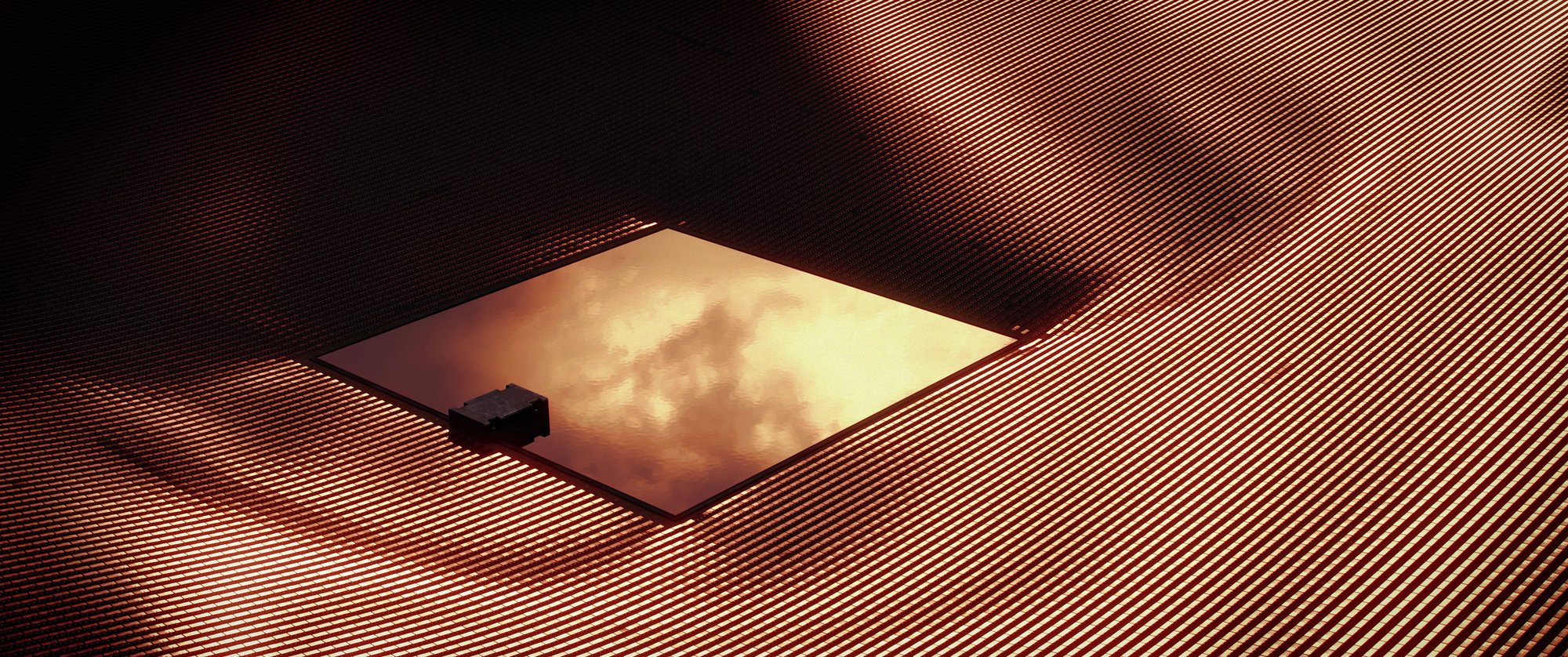
Liam Young, (Still from) World Machine, 2026. Young’s film is showing at Creative Intelligence on September 12 and 13, 2026. Courtesy of the artist
Liam Young, (Still from) World Machine, 2026. Young’s film is showing at Creative Intelligence on September 12 and 13, 2026. Courtesy of the artist
Liam Young, (Still from) World Machine, 2026. Young’s film is showing at Creative Intelligence on September 12 and 13, 2026. Courtesy of the artist
Alex Estorick: At a moment of planetary upheaval, what impact can artists and other cultural practitioners make in the world beyond the art worlds?
K Allado-McDowell: In a well-tuned art world, artists and cultural practitioners don’t need to justify their work via impact or metrics. This is not to say that art can’t or shouldn’t aspire to impact the larger world, but that, paradoxically, this impact only arrives when art is fully free to be itself. If we want art to serve our time of planetary upheaval, we must respect this precondition of freedom that brings artist and viewer to the edge of the known.
Keri Elmsly: I like to think about this in two ways. The first, and the hardest to measure, is how an artist’s work penetrates pop culture. Take the framing of exhibitions like Liam Young’s recent show at the Barbican, “In Other Worlds”. Liam works with actors such as Diego Luna, who narrates the introduction to the exhibition’s worlds, alongside researchers and scholars including Kate Crawford, British space scientist and broadcaster Dame Dr Maggie Aderin, and environmental social scientist Holly Jean Buck. The Barbican Immersive team intentionally draws a wide audience, using immersive entertainment as the hook.
The more people art reaches, the more likely someone is to build an understanding of the industrial power dynamics at play, and to act differently as a result.
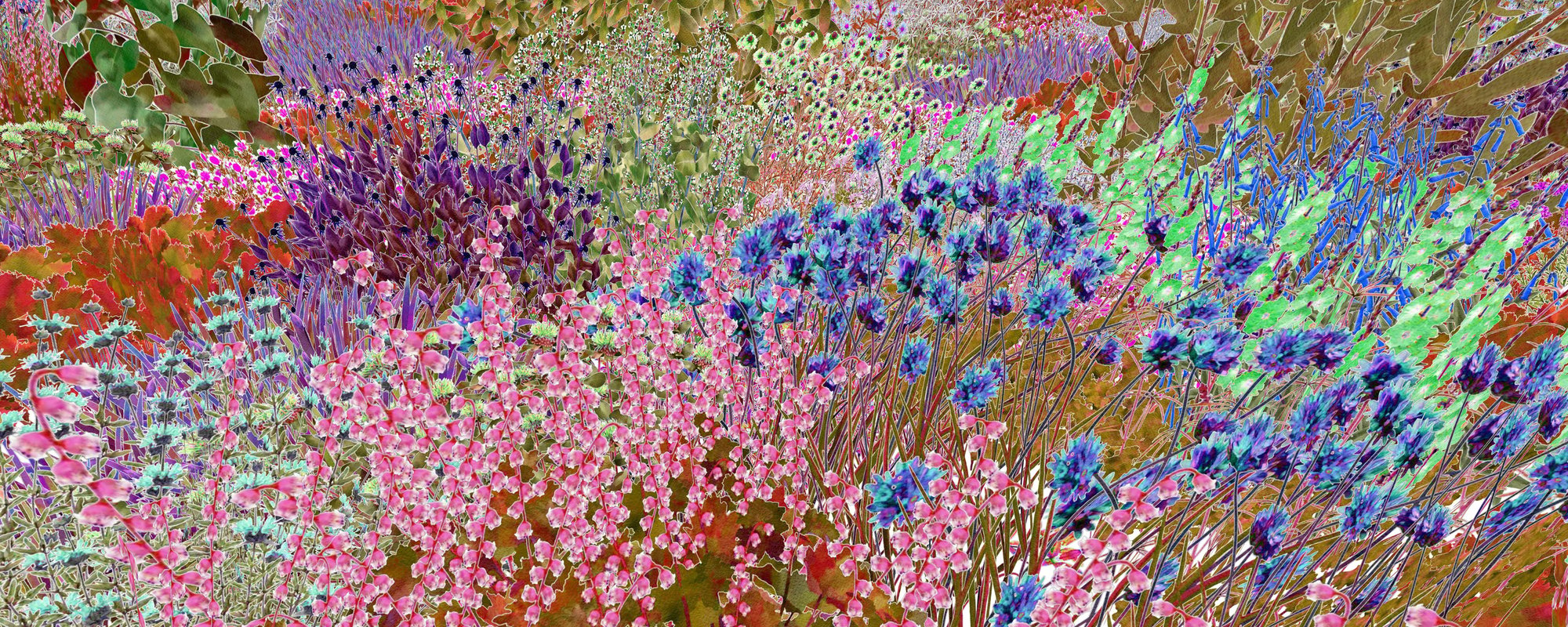
K Allado-McDowell, (Digital image from) The Known Lost, 2025. Type design by Jeremy Mickel. Courtesy of the artist
Kate Crawford is a defining example of that bridge between critical academic value, artistic practice, and journalism willing to speak truth to power. It’s why we curated her project with Vladan Joler Anatomy of an AI System (2018) into Creative Intelligence as part of the free public program.
From a more micro perspective, I think about how artists create new materials and systems that change supply chains or open up accessibility. Lauren Bowker’s The Unseen Beauty created the world’s first carbon negative, non-toxic, bio-based black pigment, upcycled from waste algae biomass, and with her new brand EXIST she has removed plastics from her products.
With new organizations such as Restless Egg bringing a venture capital structure to artist-invented products and systems, artists now have access to capital and guidance that can scale an invention to global impact. (Keri Elmsly)
Ayoung Kim: When artists confront matters such as planetary crisis or the military use of AI, head-on critique easily sounds hollow. I think of artists instead as litmus or photosensitive paper: we can detect and respond to the world’s shifting realities on a microscopic, everyday level.
For me, speculative fiction is not a genre but a political and aesthetic methodology. Extrapolation, the mechanism of sci-fi or speculative fiction, creates a distance that defamiliarizes the reality we are deeply immersed in. At times, the world and industry accelerate at such a relentless pace that they obscure the debris and dark side of progress. Some artworks function as oscillators, responding to those impacts at a subtle, indirect frequency.
I don’t necessarily believe that art with directly critical or explicit messages makes for good art. Rather, an artwork’s impossibility and dysfunctionality can hold the deepest essence of life and of the world.
Liam Young: How we relate to the future has always been shaped by the mediums of these imaginary and fictional worlds. Long before science and simulations, before satellites traced the earth or models calculated climates, we have rehearsed the future in fictions. We have immersed ourselves in imaginary worlds to wrestle with the unbearable questions of our own making, to carry thoughts too heavy to hold alone.
These worlds hold both our brightest hopes and our darkest fears. They are not escapes, they are confrontations that allow us to feel the weight of choices not yet made and think out loud about who we are, what we fear, and what we might yet become. In this sense, science fiction is both born from culture and also gives birth to it.
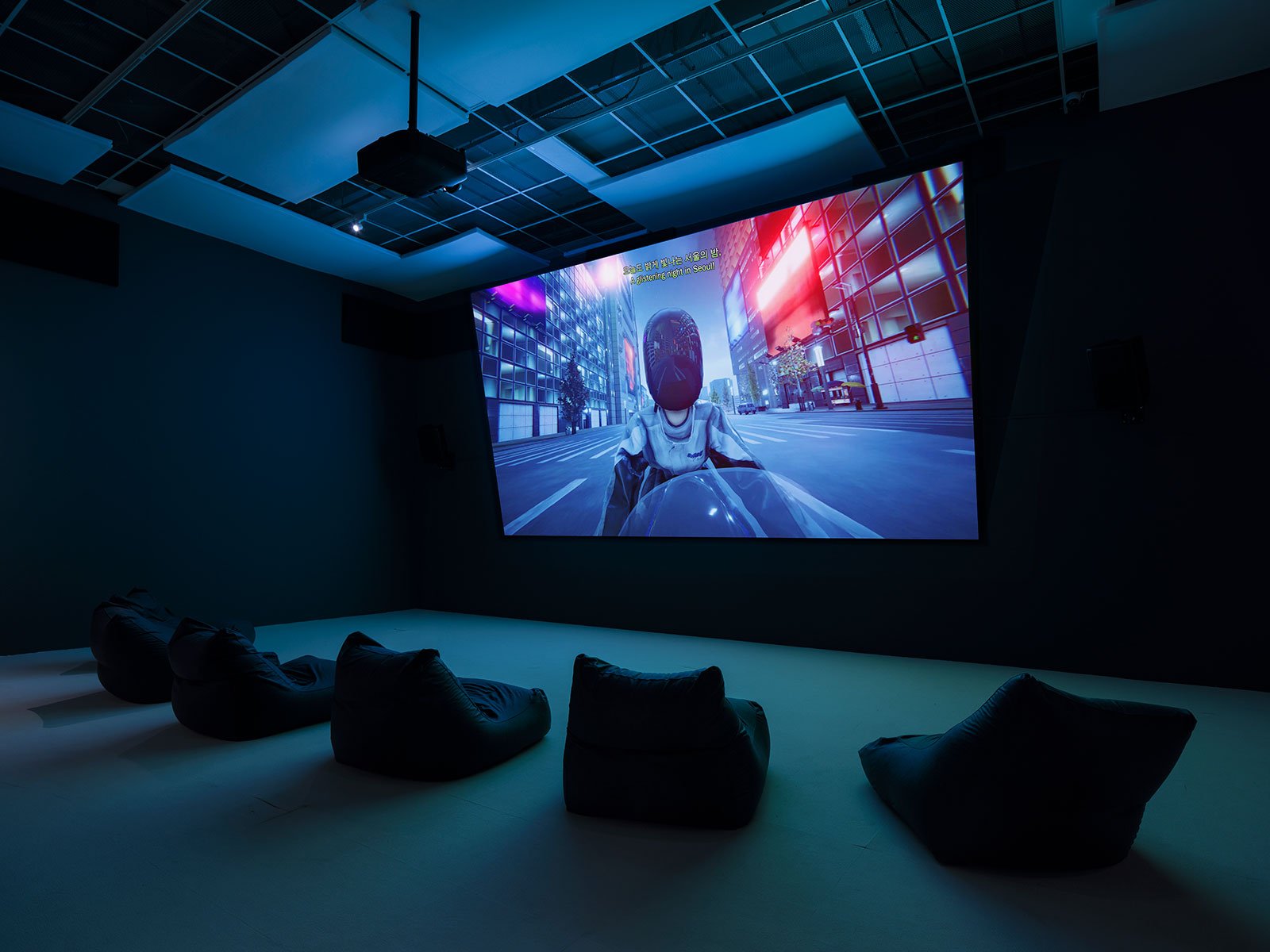
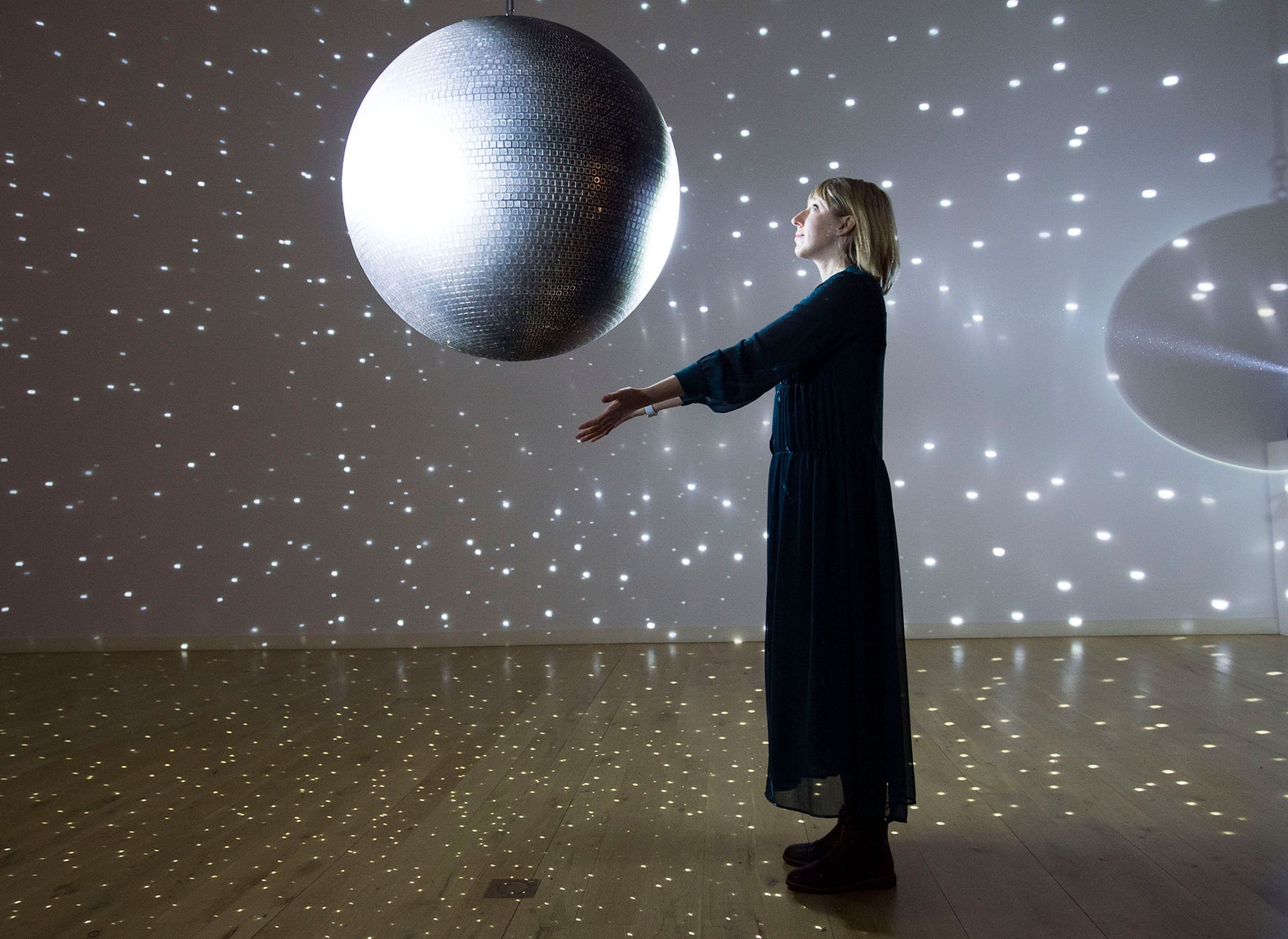
Installation view of Delivery Dancer’s Sphere (2022) by Ayoung Kim, from the exhibition “What an Artificial World” at National Museum of Modern and Contemporary Art, Cheongju, Korea, 2024. Photography Hong Cheolki. ⓒ National Museum of Modern and Contemporary Art, Korea.
AE: What particular strategies do you consider to be most effective in reimagining infrastructure or redesigning systems that are no longer fit for purpose?
KE: Relentless experimentation and invention through worldbuilding and prototyping. Jazia Hammoudi and I, as curators and producers, are both interested in how we rework cultural infrastructure like museums and galleries to be more audience- and community-focused, moving at a pace aligned with society’s, and shifting the labor practices and roles that bring projects to life. I’ve worked both inside and outside of these structures, often to build new and challenging programs and ways of working.
KAM: Short-term thinking blinds us to the ways that infrastructure and systems contribute value holistically. Research programs need years of runway to produce value for institutions, which often can’t be measured in quarterly returns.
Cultural programming builds deep networks of influence and inflow of perspective that can broaden an organization’s vision and reach. When evaluating systems, we should first ask if their fitness or purpose are legible within the operating time frame. And when redesigning, adopt a broader time horizon.
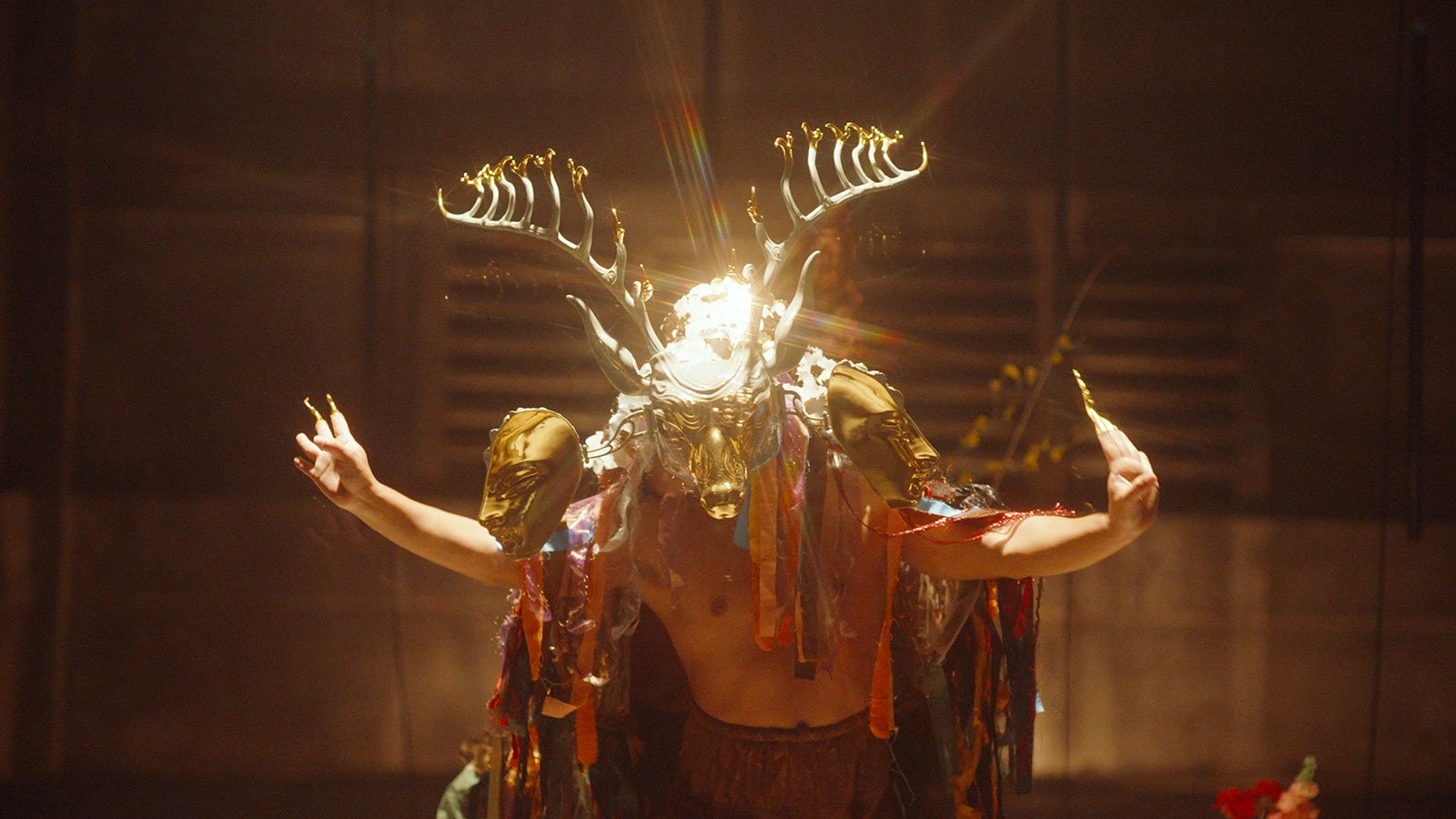
Andrew Thomas Huang, (Still from) The Deer of Nine Colours, 2026. Huang’s film and sculptural installation is at Creative Intelligence, September 12 and 13, 2026. Courtesy of the artist
AK: To comment on a system we first need to test it, play with it, and search for its unexplored features.
I am drawn to tactical media and techno-activism: not falling into a dooming vision of technology but seeking small cracks, while making slight alterations to its inherent properties. (Ayoung Kim)
In Indonesia, riders built pirate apps called Tuyul, on top of a delivery platform that failed them, transforming so-called ghost labour into active agency. Redesign can begin from below; in my work, Delivery Dancer’s Sphere, Ernst Mo and En Storm enact such deviations.
LY: Science fiction is often mistaken for prophecy. It is not a crystal ball but a rehearsal room; it does not predict the future but prepares us for it — a place where we practice becoming something else. Within its imagined streets and speculative landscapes, we test new ways of living, new forms of infrastructure, new relationships between humans and machines, between cities and the living earth, and between extinction and survival.
These speculative visions absorb the anxieties, desires, and material conditions of their time, and then feed them back to us in heightened, distorted, often beautiful forms. The futures they imagine do not stay on the page or the screen, they leak outward, into design studios, policy documents, engineering labs, and political dreams.
AE: What can you tell us about your involvement with PACT and what do you see as its potential as a community of mindful creators and thinkers?
LY: Worldbuilding is not an act that should be undertaken alone. It is critical to collaborate with friends and with practitioners from a wide array of fields and disciplines; that is what PACT affords.
Working collaboratively in this way reminds us that there is no single narrative of tomorrow. The future is not a straight line extending from Silicon Valley. It is a dense forest of possibilities, growing in many languages at once.
These narratives of new planetary imaginaries are most powerful when they become polyphonic, and when they carry counter-narratives. Without multiple voices, speculative worlds risk becoming niche escapism and closed loops of self-reference — aesthetic playgrounds detached from the lived complexity of the planet. A single story cannot hold a world this entangled.
KAM: The art world is spilling past its borders. Media suffuse every moment. Tools are intelligent. We are moving toward collaborative models of work and creation. Everything is complex and we need meso layers to filter and navigate. PACT is built on trustful, long-term relationships and ongoing dialog. It weaves these into events and supports their continuation in a tumultuous culture industry.
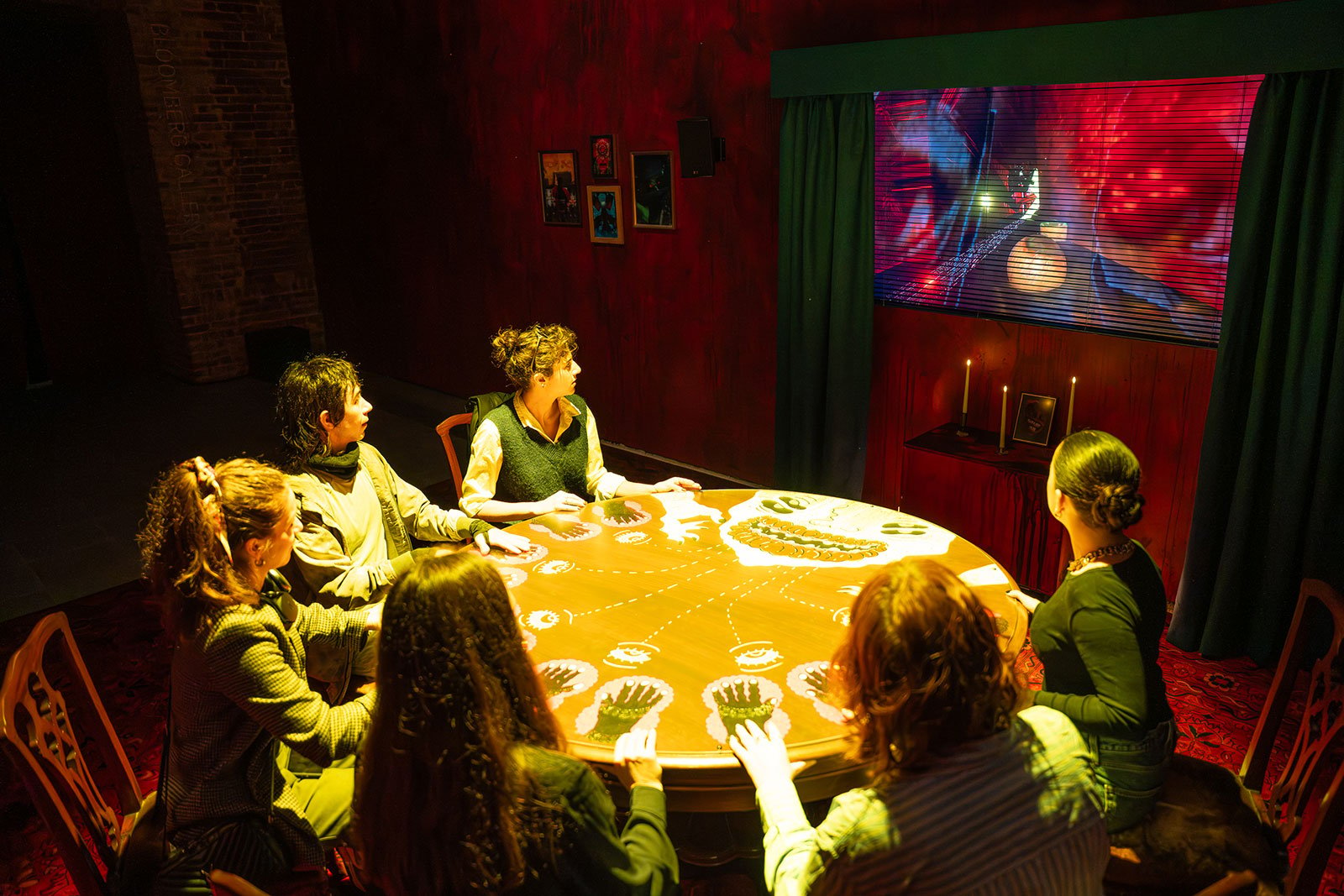
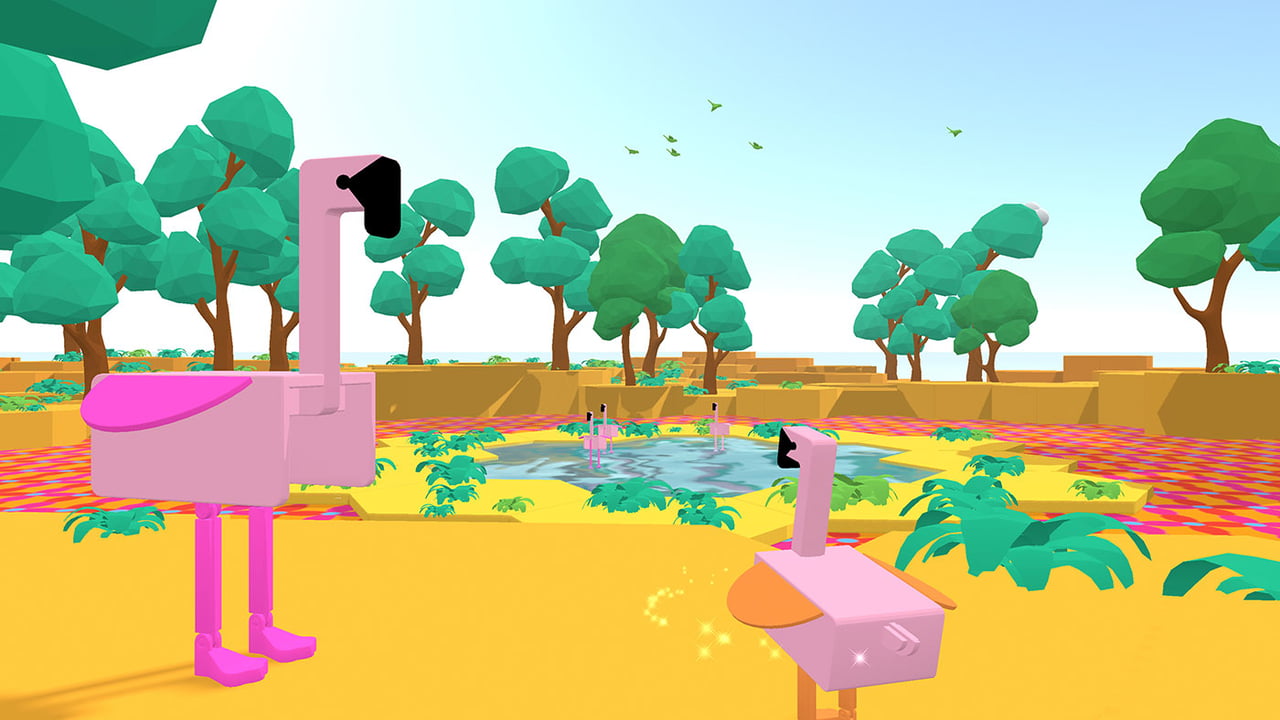
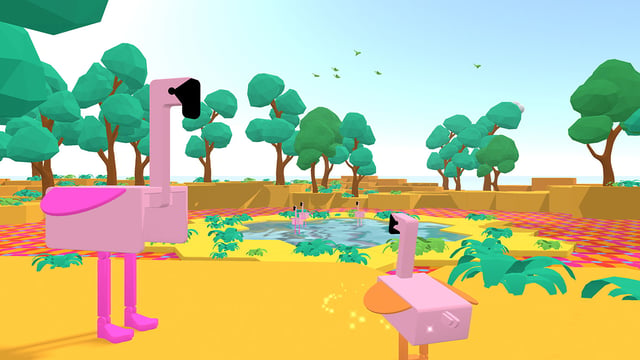
Yinka Ilori, Dreaming with Flamingos, 2026. Ilori’s first digital interactive work, it was created in collaboration with Google Arts & Culture Lab, and is being presented at Creative Intelligence, September 12-13, 2026. Courtesy of the artist and Google Arts & Culture Lab
AK: Keri Elmsly, the founder of PACT, commissioned one of my projects, Delivery Dancer’s Arc: 0° Receiver (2024), during her tenure as Executive Director at ACMI in Australia. Since the contemporary art scene has a tendency to rush production, it was deeply meaningful to have nearly two years to research and develop the project step by step. It is also meaningful that Jazia Hammoudi is a founding member of PACT. We collaborated for a motion-capture performance commission for the Performa Biennial 2025.
Producing artworks in the 21st century demands diverse, transdisciplinary cross-education and input, exchanging ideas with PACT’s core members to explore new creative models — working independently while fostering a loose collective identity — is very inspiring. For projects, I used to have a kind of private lesson, asking urbanists, technologists, physicists, and mathematicians what time is, what space is, what the universe is made of. I cherish those mutual educations with PACT members.
KE: As PACT’s founder, gathering a coalition of the willing who all think and work at planetary scale has been a foundational shift for me. Everyone who has joined PACT has done so with trust and patience for the experiment, and for the evolution of what it needs to become.
Every member has their own trajectory and focus, but this is an artist- and curator-led coalition, so the first question is always how PACT builds a trusted network of care for each other, one that amplifies everyone’s solo work, and what we can achieve together that we can’t achieve alone or within existing structures. (Keri Elmsly)
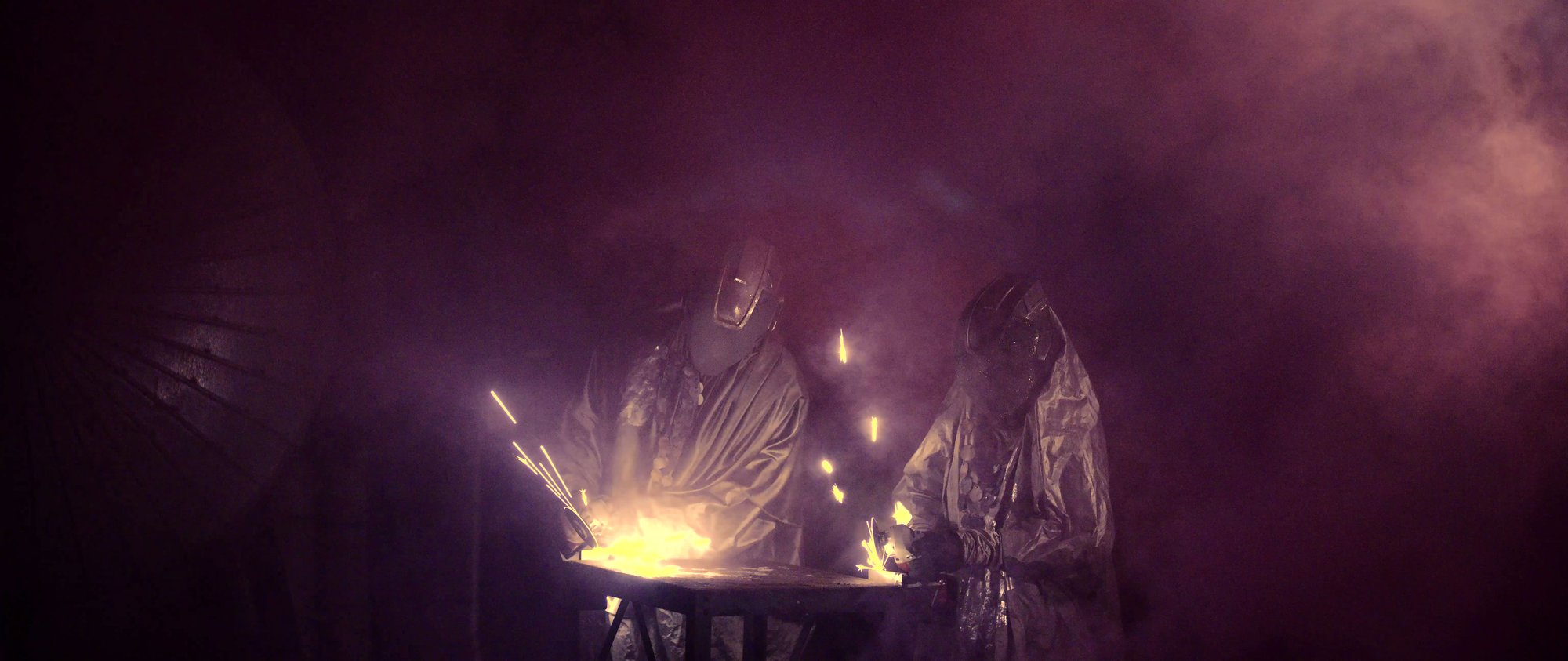
Liam Young, (Still from) Where the City Can’t See, 2016. Courtesy of the artist
Liam Young, (Still from) Where the City Can’t See, 2016. Courtesy of the artist
Liam Young, (Still from) Where the City Can’t See, 2016. Courtesy of the artist
Liam Young, (Still from) Where the City Can’t See, 2016. Courtesy of the artist
Liam Young, (Still from) Where the City Can’t See, 2016. Courtesy of the artist
Liam Young, (Still from) Where the City Can’t See, 2016. Courtesy of the artist
AE: What is the current focus of your practice, and in what ways is it shaped by non-human systems both natural and machinic?
KE: Right now the focus is almost entirely on Creative Intelligence, and establishing that platform in London as the annual convening for adaptive, experimental, responsive art that is unafraid to be raw and unfinished, and that gives space to emerging practice. As a platform, Creative Intelligence is also challenging and adapting its host, the Southbank Centre, to embrace artistic practice like this, which is the intention set out by their Artistic Director, Mark Ball.
By inviting PACT to develop and curate Creative Intelligence and by commissioning and producing such an ambitious first year of the festival, he opened the door to collaborate with the institution in a way attuned to its founding spirit, where we can ask the question in public: what does the art center of the future need to be?
AK: It’s widely acknowledged that humans are not the sole or omnipotent agents of this world. Though escaping a human perspective while existing as a human is undeniably difficult, I believe the effort itself is crucial.
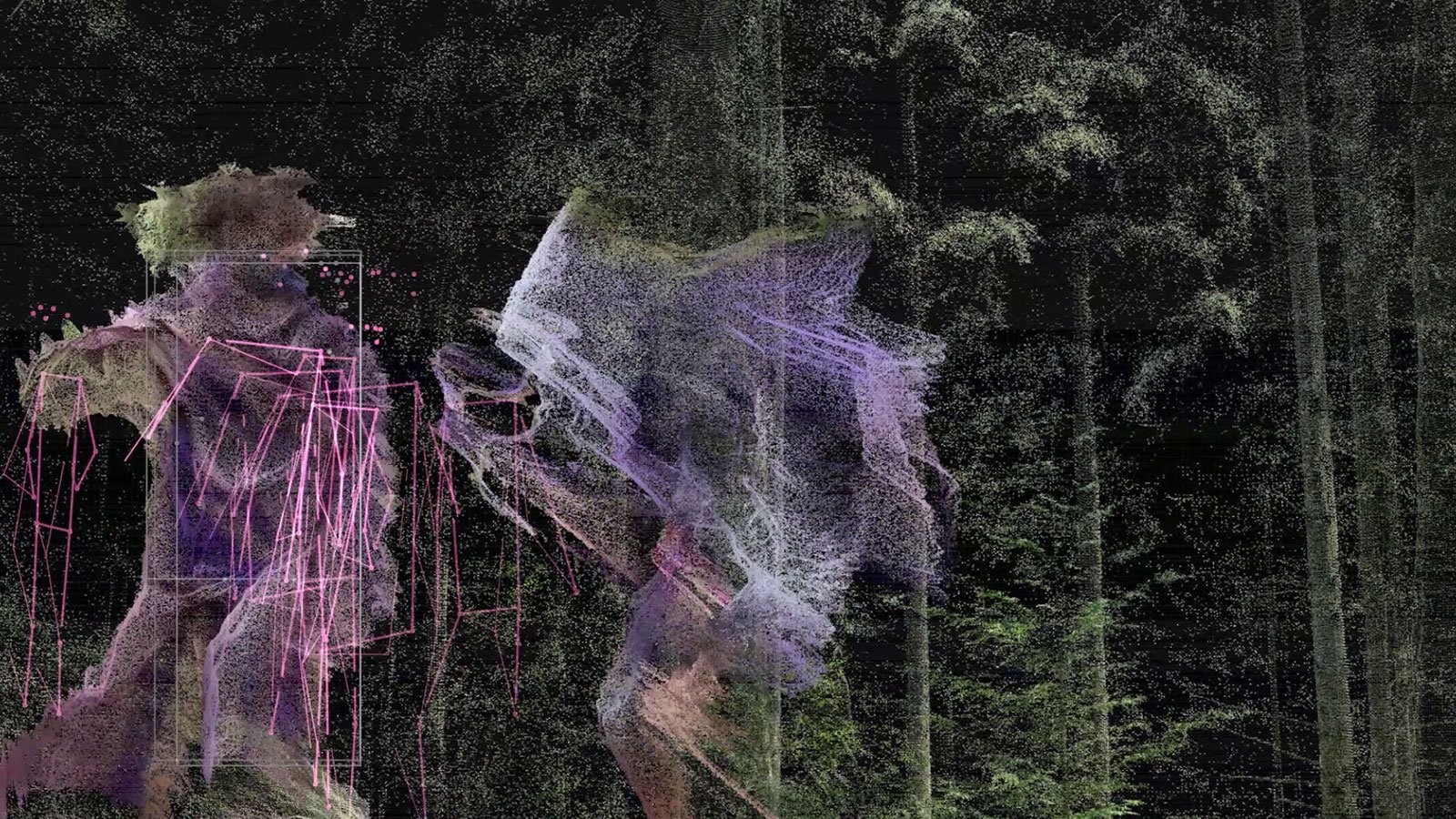
Utilizing technologies such as virtual cameras in game engines, CGI, motion capture, and LiDAR scanning, my works examine the relationship between optical and post-optical media. The blending of human and machine vision is inherent to this practice. I’m also intrigued by animal vision, recently participating in an expedition to the South Atlantic following an invitation by the Schmidt Ocean Institute. I gained deep insights while observing how the deep-sea invertebrates evolved their visual organs, which operate distinctly from our own.
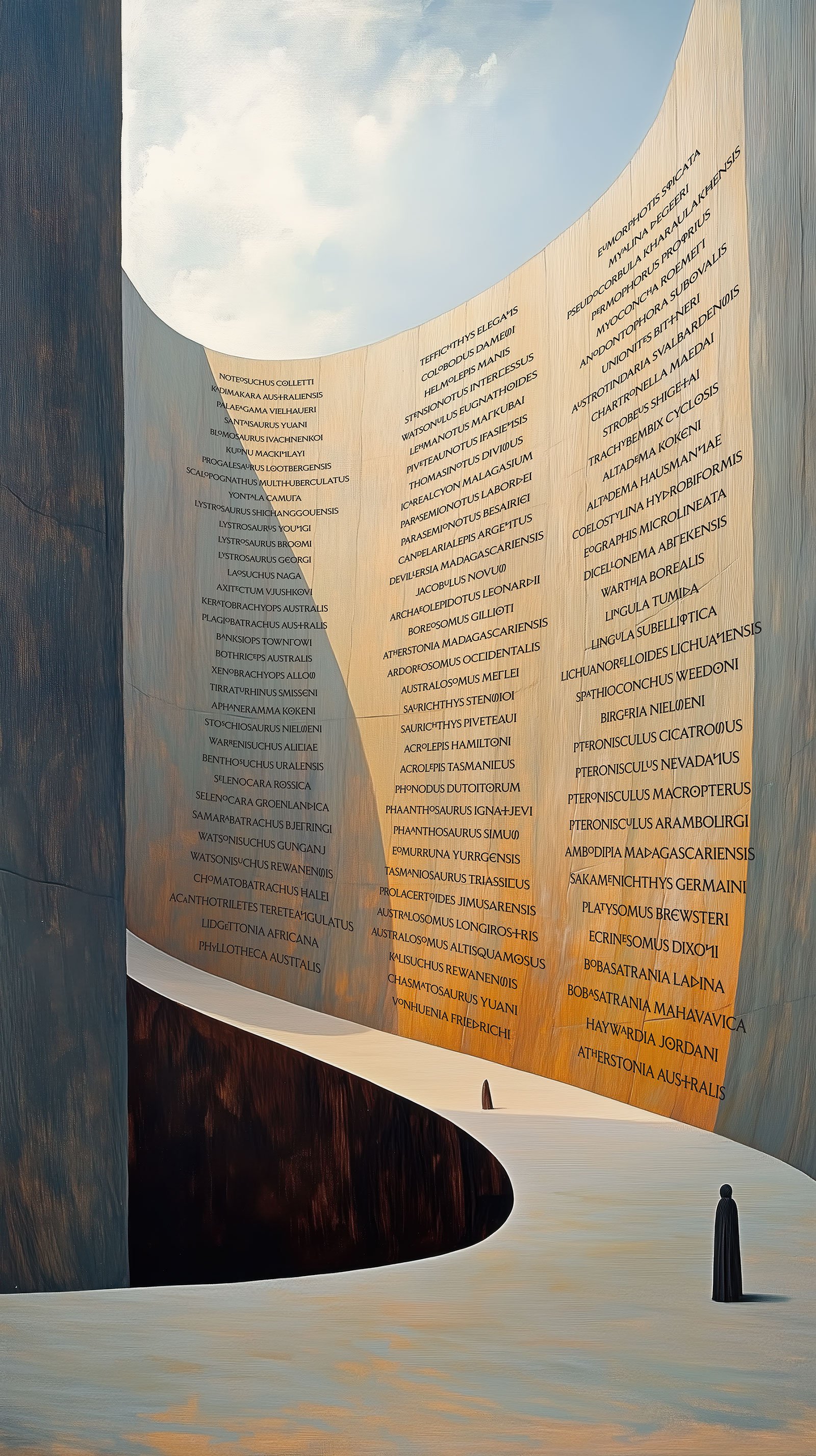
KAM: I am developing an opera and monument naming all of the species that have lived throughout earth’s history. The libretto consists of 187,000 Latin names of extinct species, according to paleobiologists and conservationists. This is a tiny sliver of knowledge in a sea of unknowable life history, and is itself an unprocessable artifact. The work is called The Known Lost, and it exists through gallery installations, live musical performances and readings, and a monument under development.
In my books, I’ve explored the vastness of LLM latent space and its embedded archive of human-written training data through open-ended co-writing with AI. In these works, conjoined human and non-human thought subvert anthropocentrism and human identity. Similarly, in The Known Lost, organic non-human life challenges the limits of human centrality through an overwhelming excess of language.
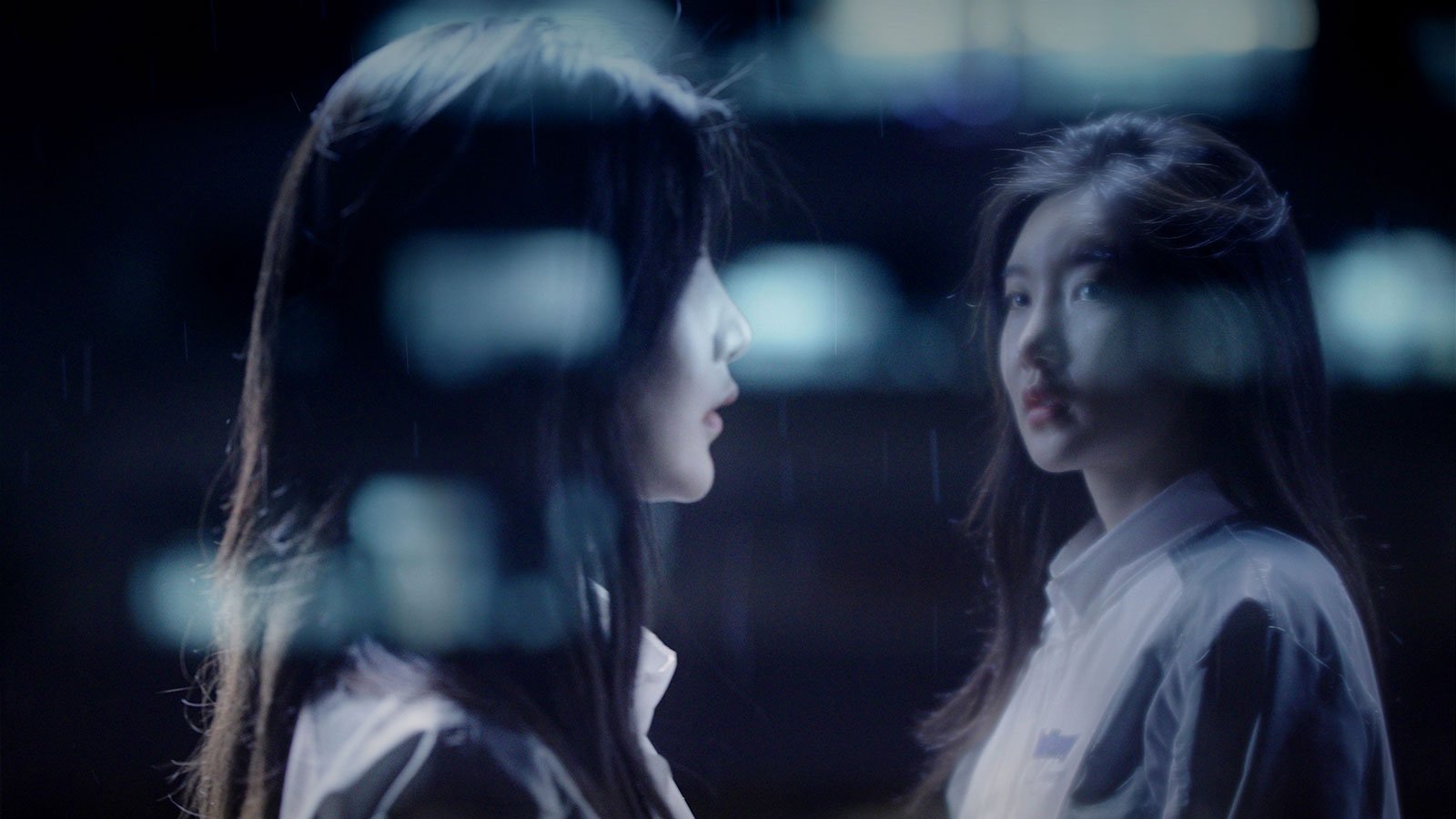
Ayoung Kim, (Still from) Delivery Dancer’s Sphere, 2022. Kim’s video work is playing at Creative Intelligence on September 12 and 13, 2026. ⓒ Ayoung Kim. Courtesy of the artist
LY: If science fiction is a cultural seismograph, then its genres — the many “punks” that have emerged over the last century — are its fault lines.
Each cyberpunk, solarpunk, and steampunk marks a pressure point, a moment when technological change, economic upheaval, or ecological fear collided and demanded a new speculative language. However, these old myths have now aged and we have inherited their dystopias like sediment, layer upon layer of disaster pressed into the imagination.
I am now making work that moves beyond the tropes of generations past, crafting new fictions that are neither naive nor nihilist, but vast and communal. We need new stories that can hold scale without surrendering responsibility: a punk that does not flinch from magnitude, and futures that imagine sustainability not as retreat, but as collective, multispecies endeavor. We need new planetary imaginaries that are vast enough to hold the living world and fragile enough to care for it — a planetary punk.
This new kind of planetary punk is not about retreat or nostalgia; it does not promise salvation. Instead, it insists on confrontation. It looks directly at the systems we have built, and must now transform, without the comfort of denial. Endless wind fields. Solar deserts stretching beyond the horizon. Carbon capture plants rising like new mountains. These infrastructures are daunting, beautiful, terrifying and unavoidable. They demand new myths, ethics, and forms of belonging.
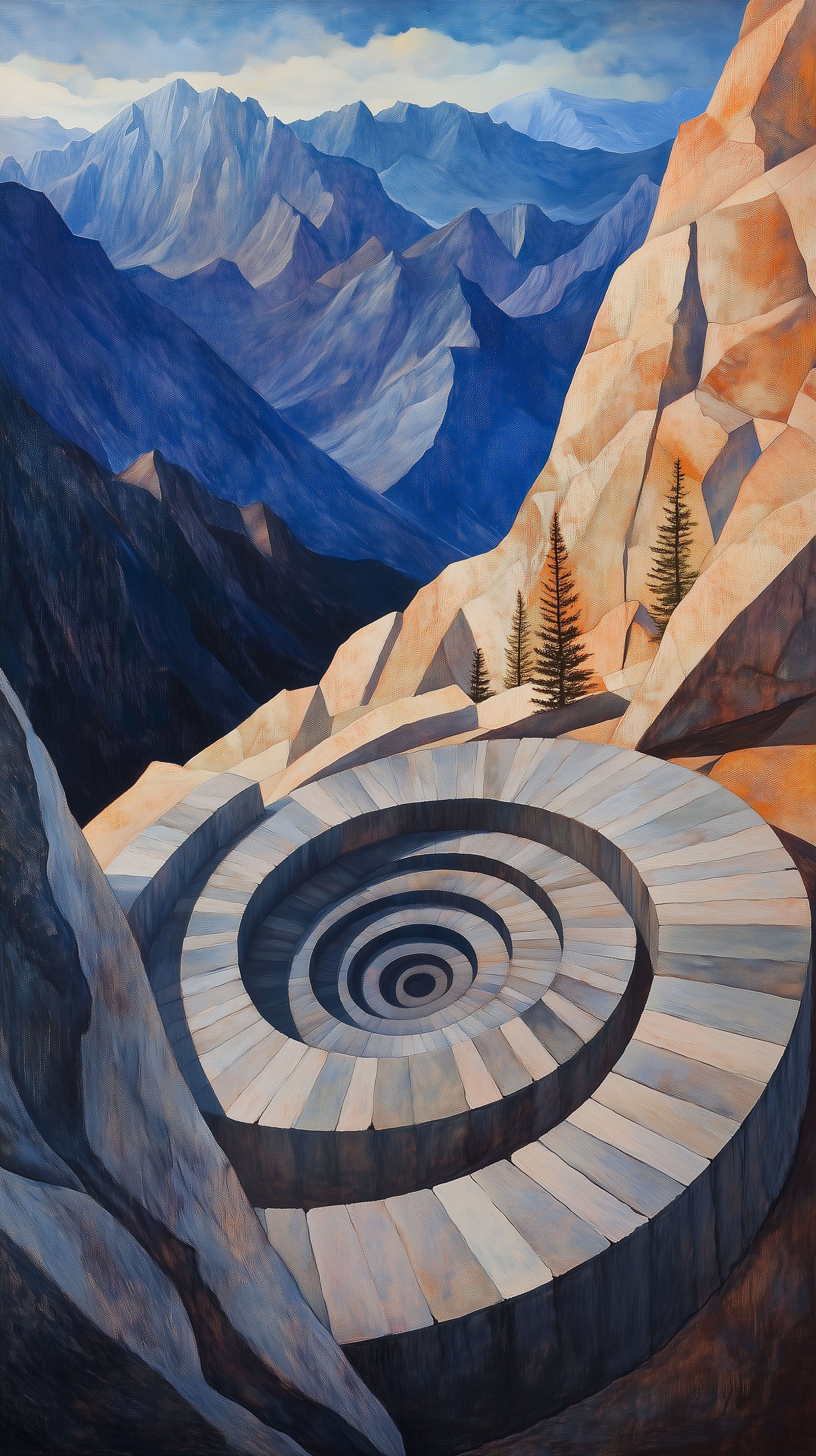
K Allado-McDowell, (Digital image from) The Known Lost, 2025. Type design by Jeremy Mickel. Courtesy of the artist
K Allado-McDowell, (digital image from) The Known Lost, 2025. Type design by Jeremy Mickel. Courtesy of the artist
K Allado-McDowell, (Digital image from) The Known Lost, 2025. Type design by Jeremy Mickel. Courtesy of the artist
AE: How can cultural practices engage and inform different audiences without recourse to spectacle or without being instrumentalized as artwashing?
KAM: For better or worse, institutions have integrated spectacle and artwashing as core incentive structures, making them ambient operating conditions for artists.
We might reframe spectacle as the need to participate in the attention economy, and artwashing as the need to balance institutional and artist brands and reputation.
The questions then become: How can cultural practices engage and inform different audiences despite spectacle and artwashing? How can institutions and practices be resilient alongside spectacle and artwashing? Can we imagine institutions without those incentives? And what would replace them —how would they operate inside or outside the attention and reputational economies?
LY: We have always built our ideas within the scaffolds of stories. In this way fiction is not ornament or escape but infrastructure. It is how meaning survives time, how it moves across centuries and cultures, how it speaks what cannot be drawn or measured.
The forms of creative practice that we platform at festivals like this hopefully connect to audiences that exist beyond traditional art institutions and cross age groups and communities. These projects act as vessels for critical ideas, trojan horses embedded within the mediums of popular culture. We operationalize spectacle and deploy it as a form that encourages audiences and fills them with wonder rather than dread. Because the worlds we imagine do not remain imaginary for long; they settle into policy, harden into concrete, and sink into the fossil record.
At Creative Intelligence, the artist Katie Paterson will present a new work from “Ideas” (2015-ongoing), a sound installation voiced by the broadcaster Mary Anne Hobbs. Courtesy of the artist and Creative Intelligence
AK: There is an essential attribute of art that will never change over time: its fundamental uselessness. Contemporary art borrows industrial tech, appropriates industrial systems, and often makes infrastructure its central subject. Technodiversity — expanding technology into myriad paths — is where my hope resides.
Art’s true distinction lies in escaping the pre-assigned utility of technology to reveal endless alternative possibilities. It is the very posture of engaging in something that has no obligation to be done.
KE: I question why spectacle is so often treated as a bad thing in art. Spectacle, rigor, and conceptual value can coexist. Meeting people where they are relies on showing up, and on giving people a way into your practice and ideas.
Instrumentalized artwashing is as complex today as it has always been under capitalism. Every commission and collector has a source of funding, and that revenue rarely comes without a stain on someone. What matters is a nuanced evaluation, followed by a clear risk-mitigation strategy so that the work can still get out into the world.
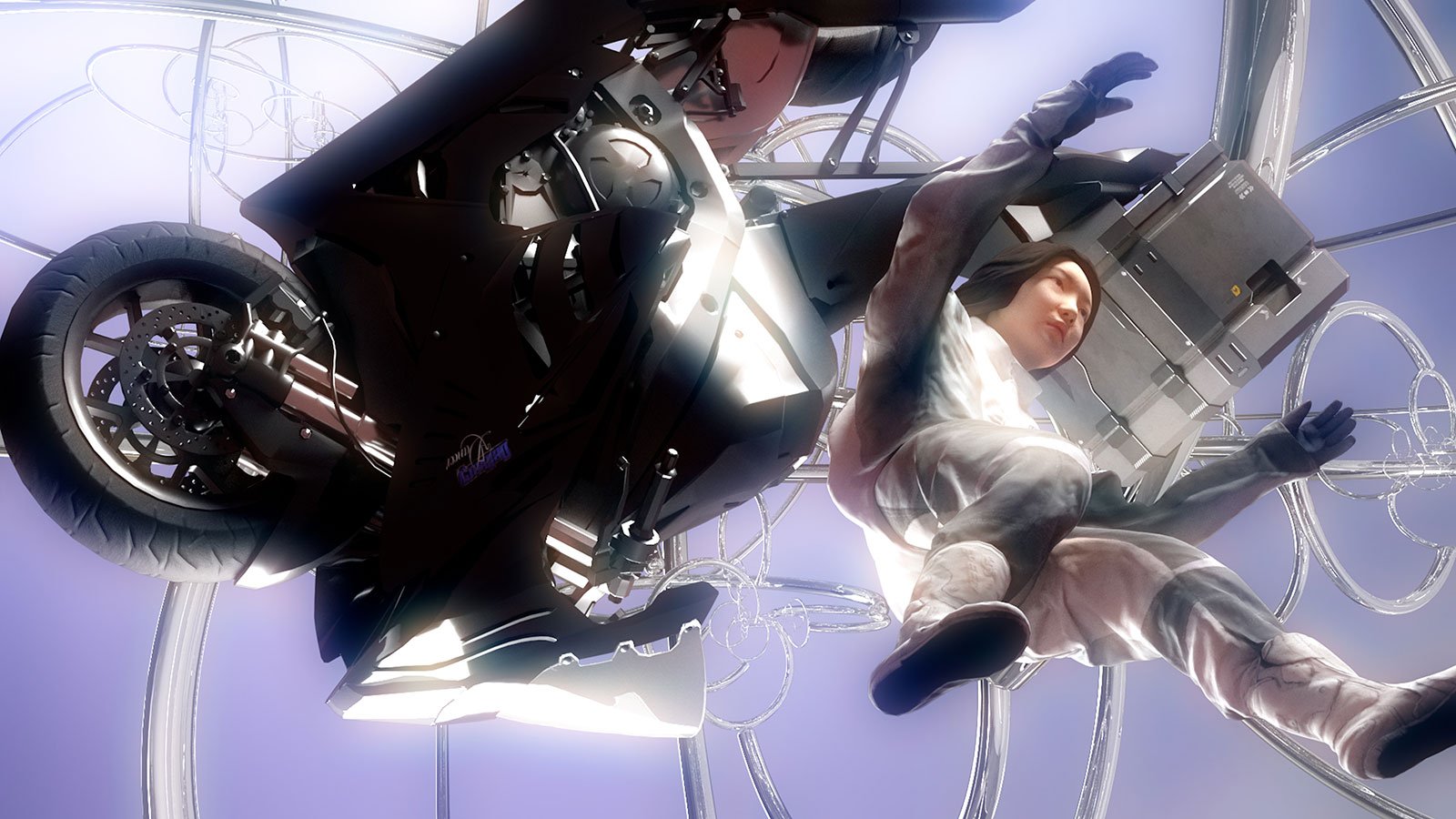
Ayoung Kim, (Still from) Delivery Dancer’s Sphere, 2022. ⓒ Ayoung Kim. Courtesy of the artist
Ayoung Kim, (Still from) Delivery Dancer’s Sphere, 2022. ⓒ Ayoung Kim. Courtesy of the artist
Ayoung Kim, (Still from) Delivery Dancer’s Sphere, 2022. ⓒ Ayoung Kim. Courtesy of the artist
Ayoung Kim, (Still from) Delivery Dancer’s Sphere, 2022. ⓒ Ayoung Kim. Courtesy of the artist
AE: We’re very excited to be part of Creative Intelligence at the Southbank Centre in London this year. What messages feel imperative to you right now as the public comes to terms with the changing place of the human in a world of more-than-human systems and intelligences?
KE: One of the foundations of the festival is that of presenting experimental new work, demos, and prototypes to new audiences. Examples include Exploration Bazaar, Restless Egg, and the Peckham Digital takeover of the Queen Elizabeth Hall Foyer, bringing their own responses and inventions to what has felt like a tsunami of capital, media, and pressure to embrace the industrial machine of AI. What we stand for is complexity and nuance, with a healthy dose of DIY.
AK: New technologies have always paved the way for new art forms. Yet today’s hyper-accelerated progress often leaves us with anxiety and technoprecarity.
There is no need for artists to chase technology at the speed of industry. Art functions as a crucial buffer and a sandbox — securing the necessary time to digest and test these tools. (Ayoung Kim)
K Allado-McDowell, (Digital image from) The Known Lost, 2025. Type design by Jeremy Mickel. Courtesy of the artist
KAM: We have never been separate from our environment, our relations, and our technologies. When we forget this, they all become resources to be plundered. Reconnecting to our environment, our relations, and our technologies can feel good and expansive. It can also make us aware of the harrowing political and biological reality of life on earth in the 21st century.
Being alienated by more-than-human systems, whether organic or synthetic, is an opportunity to find our own limits, and to see more clearly how systems shape us, and to accept or resist what we see.
LY: We find ourselves again at a critical moment when it sometimes feels very difficult to be hopeful about our future. But to be a part of this project and make work today we must be encouraged to dream again, not in timid whispers, but in grand, planetary visions because the world will not wait for us. In many ways this is the project of our generation: how we find ways to be hopeful amidst the darkness. That is the rally cry at the heart of Creative Intelligence.
K Allado-McDowell is an artist, writer, and pioneering figure in the field of AI literature. Since 2020, they have authored several books with GPT-3, co-edited and contributed to multiple anthologies, and regularly publish essays on art, AI, and ecology. K established the Artists + Machine Intelligence program at Google in 2015. They created the neuro-opera Song of the Ambassadors, which previewed at Lincoln Center in 2022. Their first solo exhibition, “The Known Lost”, was presented at Swiss Institute in New York City in 2025.
Keri Elmsly is a global curator and producer whose collaborative practice builds institutional programs, cultural infrastructure, and the work of artists operating at planetary scales and worldbuilding. In 2025 she founded PACT (Planetary Art Culture Technology), a collective championing artists’ unique utility as engines for imagination, agency, and change. Keri recently served as Senior Vice President at Sphere Studios (Sphere, Las Vegas) and Executive Director of Programming at ACMI (Australia’s Museum of Screen Culture). Grounded in her formative years with DIY underground collectives Mutoid Waste Company and Spiral Tribe, she has consistently produced and curated ambitious, technologically-demanding works, including producing the first live drone orchestra with John Cale (Velvet Underground) and Liam Young at the Barbican in 2014. As commissioner and executive producer, credits include: Ayoung Kim, Alexandra Daisy Ginsberg, Katie Paterson, Liam Young, Marshmallow Laser Feast, Quayola, Serwah Attafuah, United Visual Artists, and Universal Everything. She also mentors at New Inc at the New Museum (New York), and with Serpentine Arts Technologies’ new Future Art Ecosystems R&D Fellowship (London).
Ayoung Kim is a media artist who gazes at the myriad layers and peripheral forms of the ever-shifting contemporary world, constructing distorted world-versions by weaving extrapolative devices into her fiction. The estranged realities she creates continue moving forward, assuming their own autonomies. Her practice incorporates discourses on optical and post-optical media, machine vision, performativity, game simulation, and the narrativity of fiction. Her multidisciplinary practice spans a wide range of media, including video and moving image, game simulation, performance, installation, extended reality, and sound. Kim has held solo exhibitions at Van Abbemuseum, Eindhoven (2026); MoMA PS1, New York (2025); Hamburger Bahnhof, Berlin (2025); Atelier Hermès, Seoul (2025); ACMI, Melbourne (2024); Palais de Tokyo, Paris (2016); among others. Her works have been presented at Palazzo Diedo - Berggruen Arts & Culture, Venice (2026); Museo d’arte della Svizzera italiana (MASI), Lugano (2026); Thailand Biennale, Phuket (2025); Performa Biennial, New York (2025); M+, Hong Kong (2025, 2024); Tate Modern, London (2025, 2026); The National Museum of Art, Osaka, Osaka (2025); Copenhagen Contemporary, Copenhagen (2025); ArkDes, Stockholm (2025); Mori Art Museum, Tokyo (2025); Museum of Modern Art, New York (2024); Sharjah Biennial (2023); International Film Festival Rotterdam (2023); Asian Art Biennial (2021); Berlin International Film Festival (2020); and the Venice Biennale (2015); among others. She has received the CHANEL Next Prize from the CHANEL Culture Fund (2026); the LG Guggenheim Award from the Solomon R. Guggenheim Foundation (2025); the ACC Future Prize from the National Asian Culture Center, Korea (2024); the Golden Nica Award at Prix Ars Electronica, Austria (2023); and the Terayama Shuji Prize at the Image Forum Festival, Japan (2023).
Liam Young is an artist, director, and BAFTA-nominated producer who creates imaginary worlds as a way of thinking through the futures we fear, desire, and are already making. His visionary films and speculative landscapes act as rehearsals for the world to come, where fiction becomes a tool for navigating the environmental urgencies of the present. Described by the BBC as “the man designing our futures”, Young extends this worldbuilding practice across the film, television, and video-game industries. His films have premiered on platforms including Channel 4, the Tribeca Festival, the Venice Biennale, and the BBC. His films, designs, and costumes have been collected internationally by museums such as the MoMA, New York; the Smithsonian, Washington; the Victoria & Albert Museum, London; and M+, Hong Kong. He has held guest professorships at Princeton University, MIT, and Cambridge, and currently runs the Masters in Fiction and Entertainment at SCI-Arc, Los Angeles. He has published several books including Machine Landscapes: Architectures of the Post Anthropocene (2019) and Planet City (2022).
Alex Estorick is the Founding Editor of Right Click Save.