Off-Grid Aesthetics | Where the AI prompt cannot go - Right Click Save
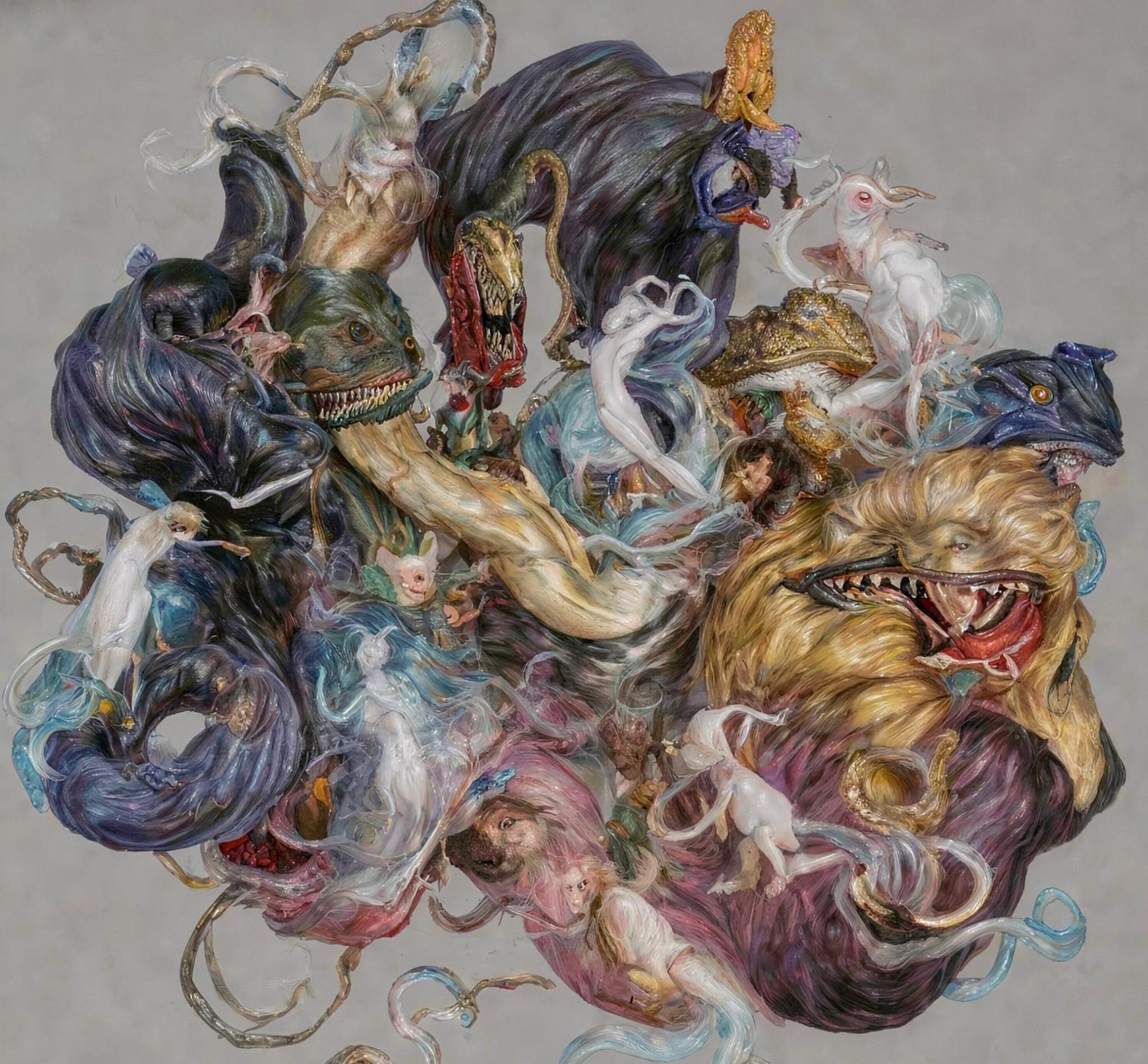
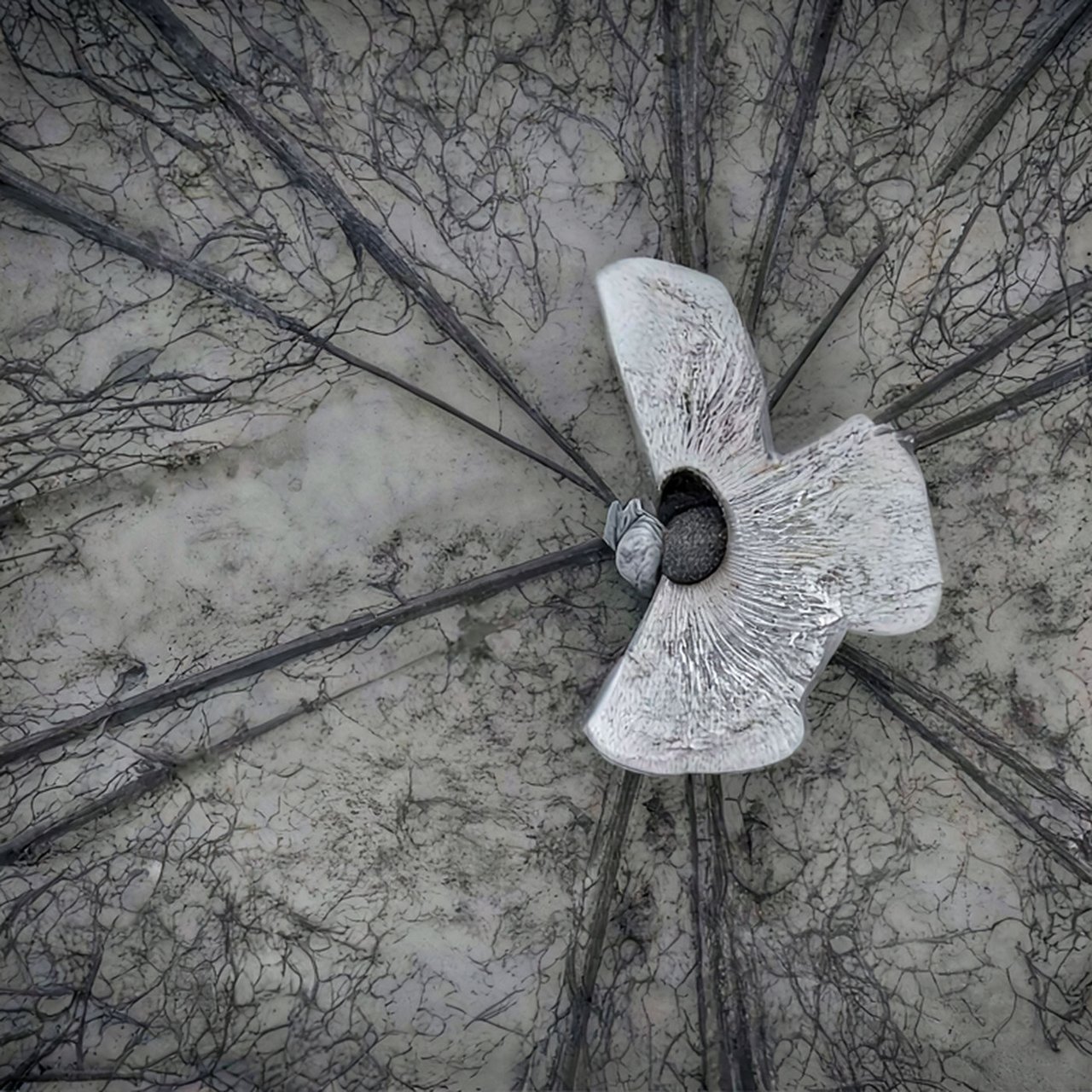
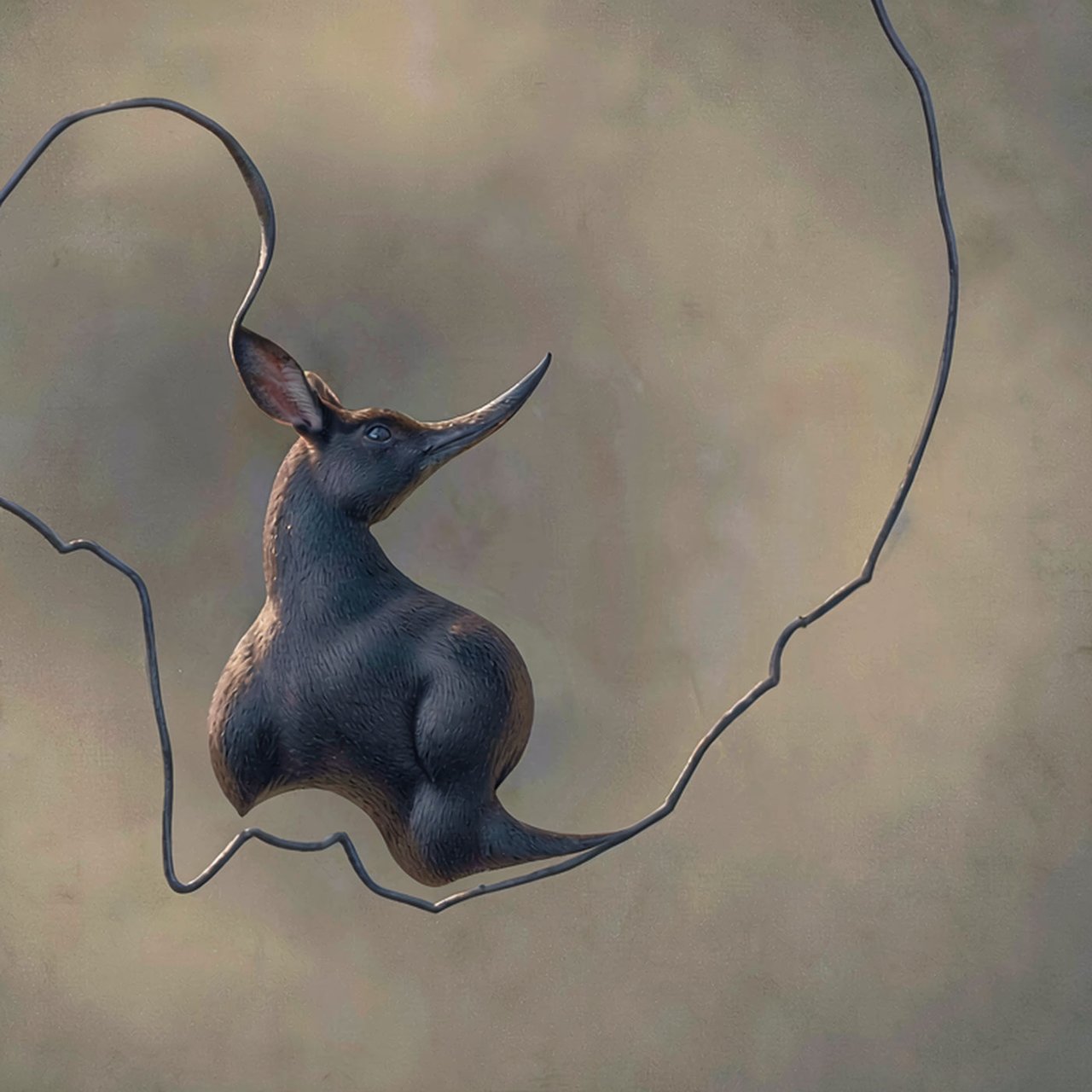
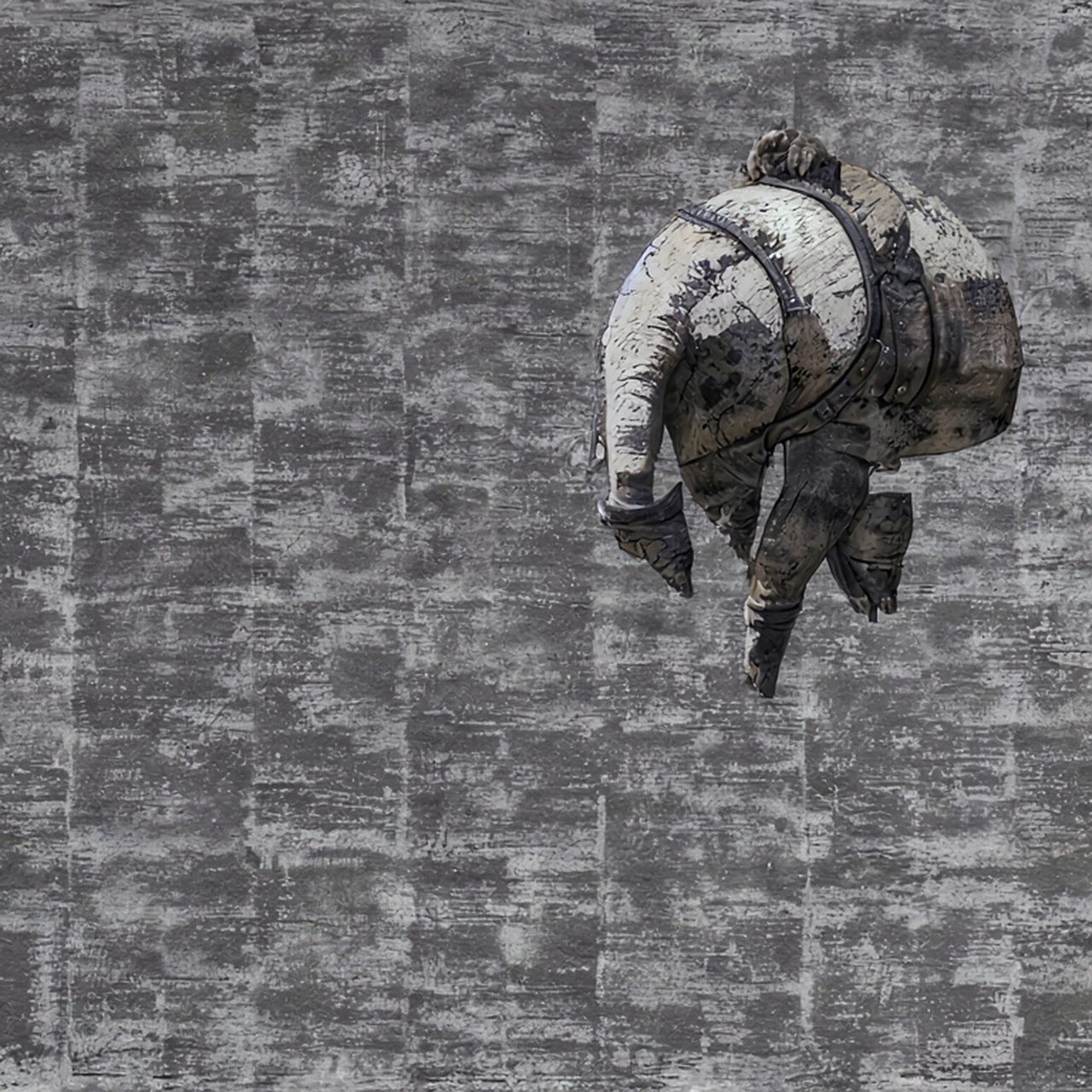
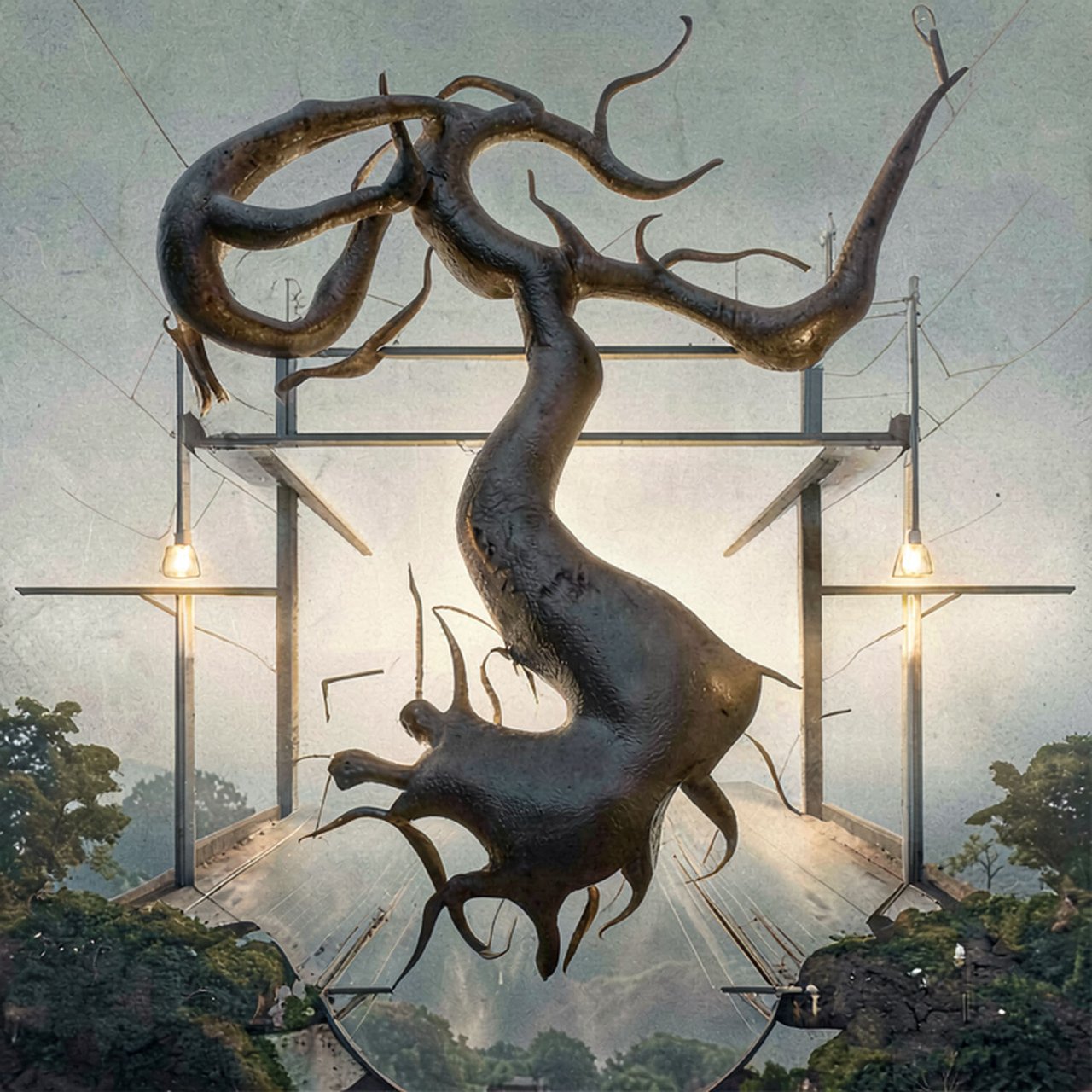
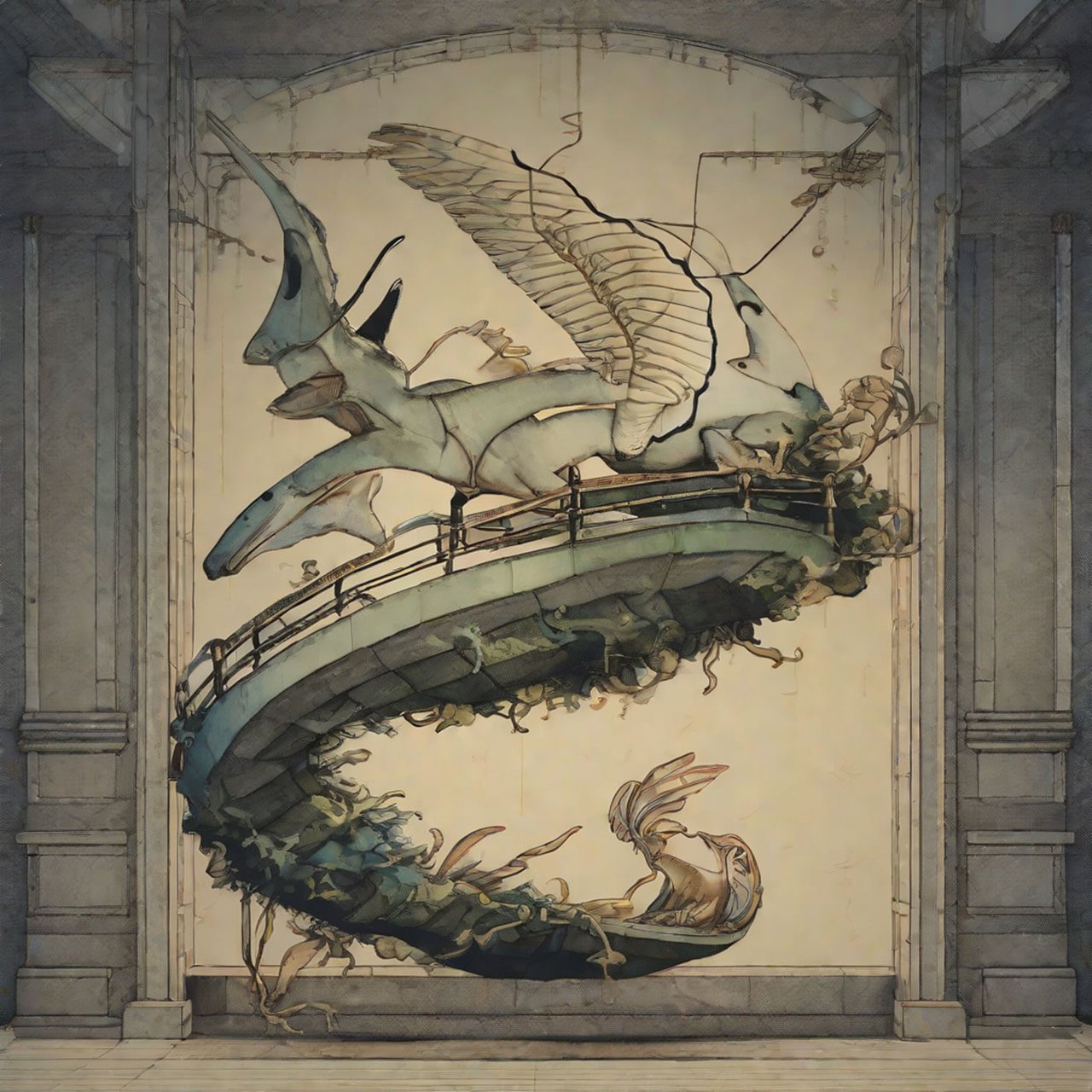
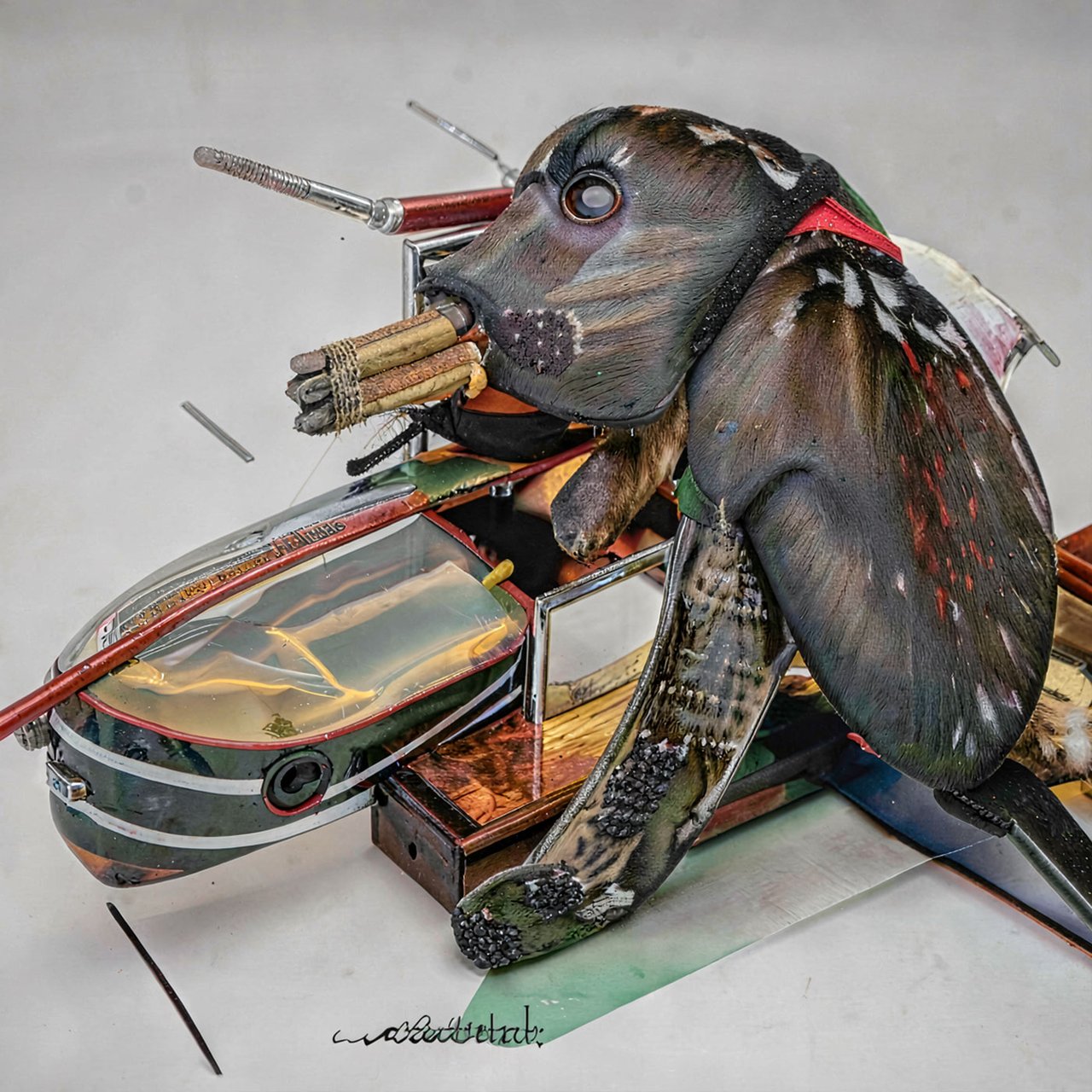
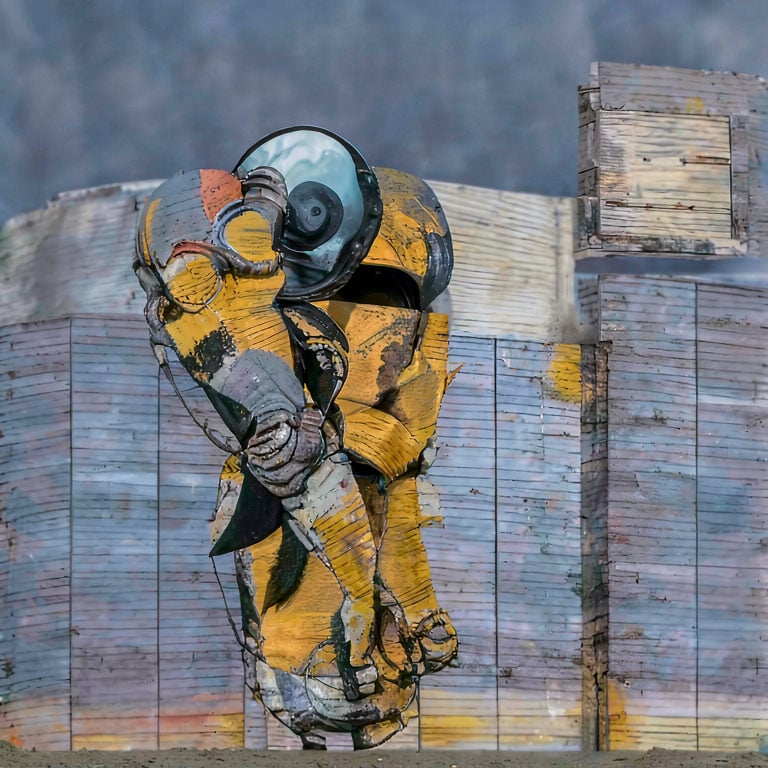
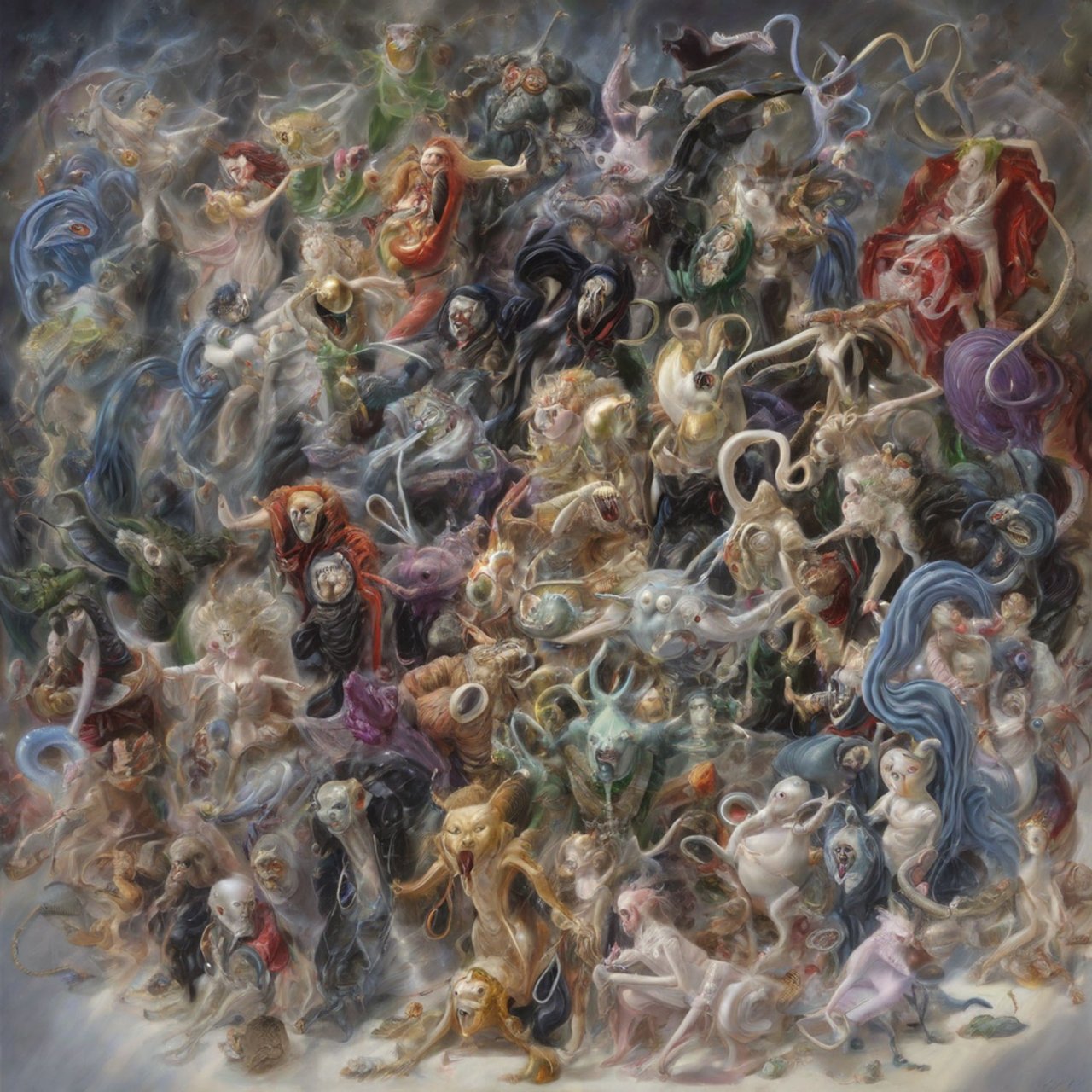
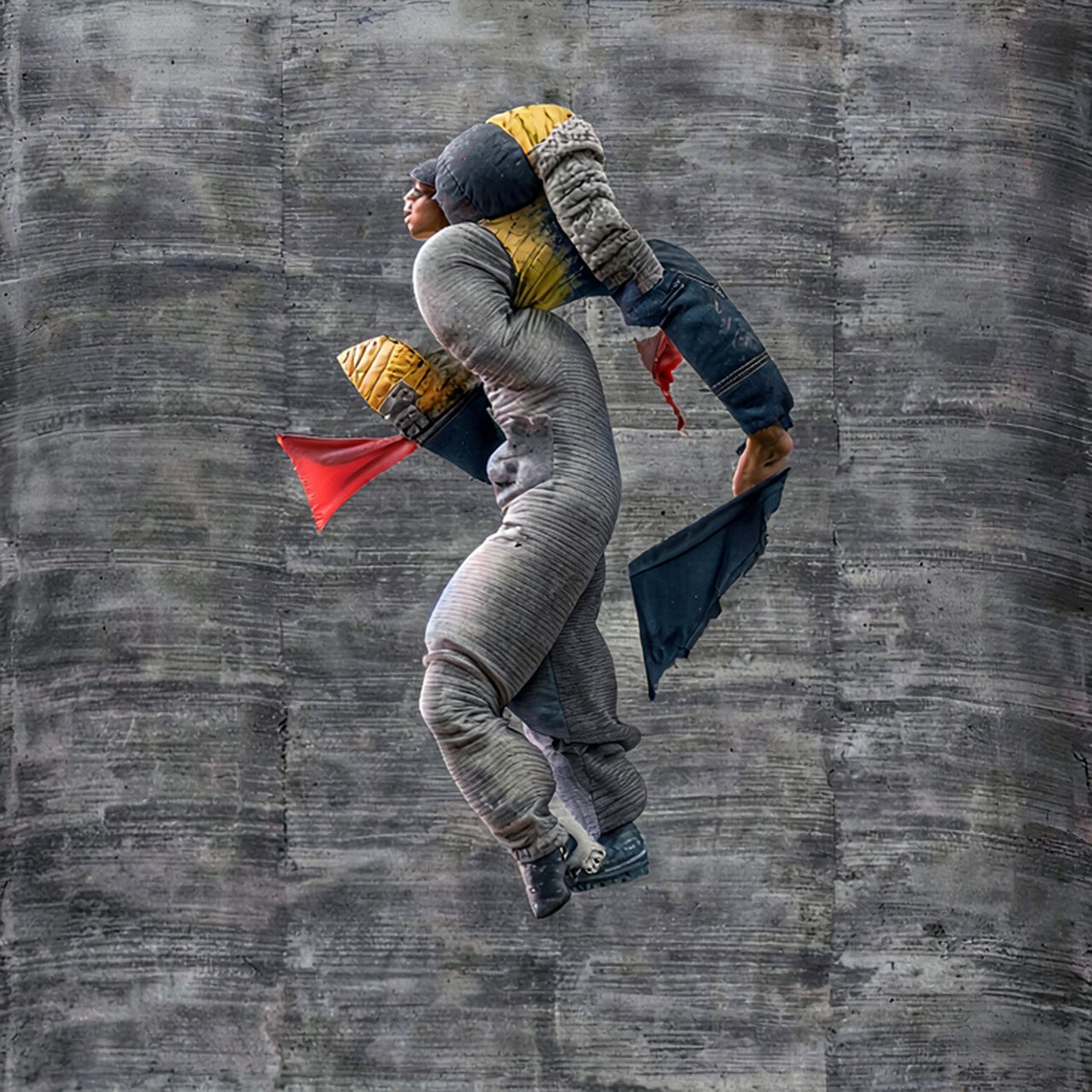
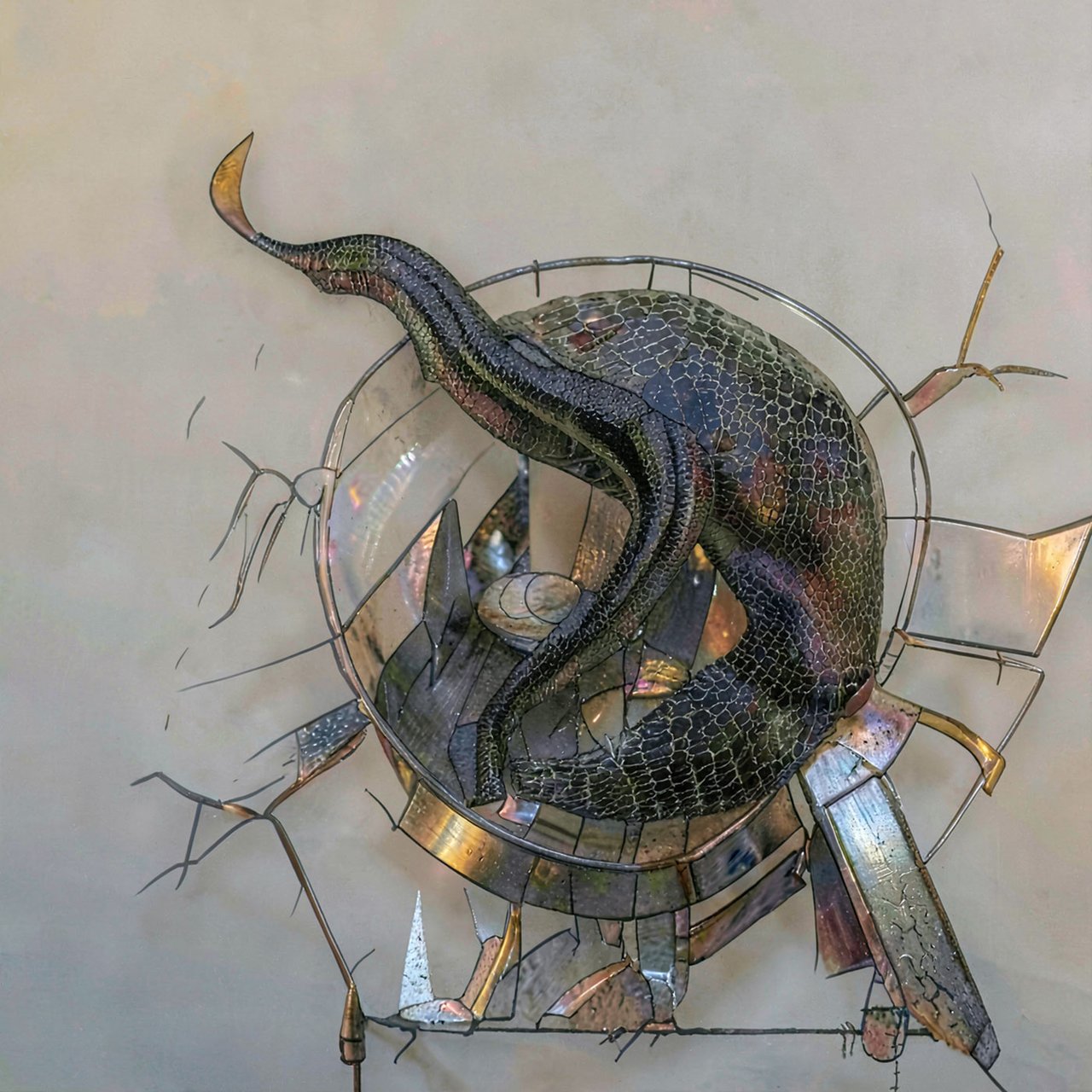
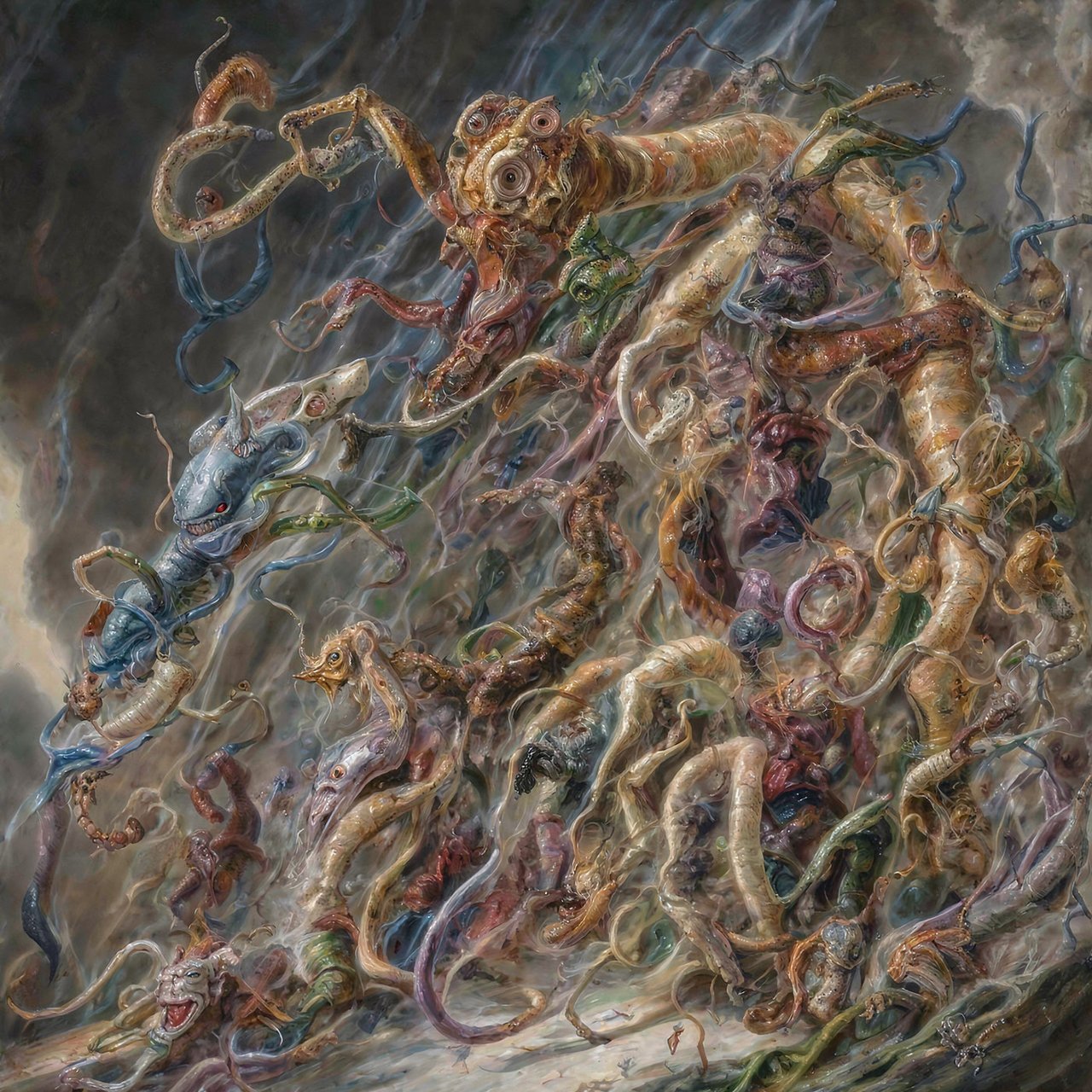
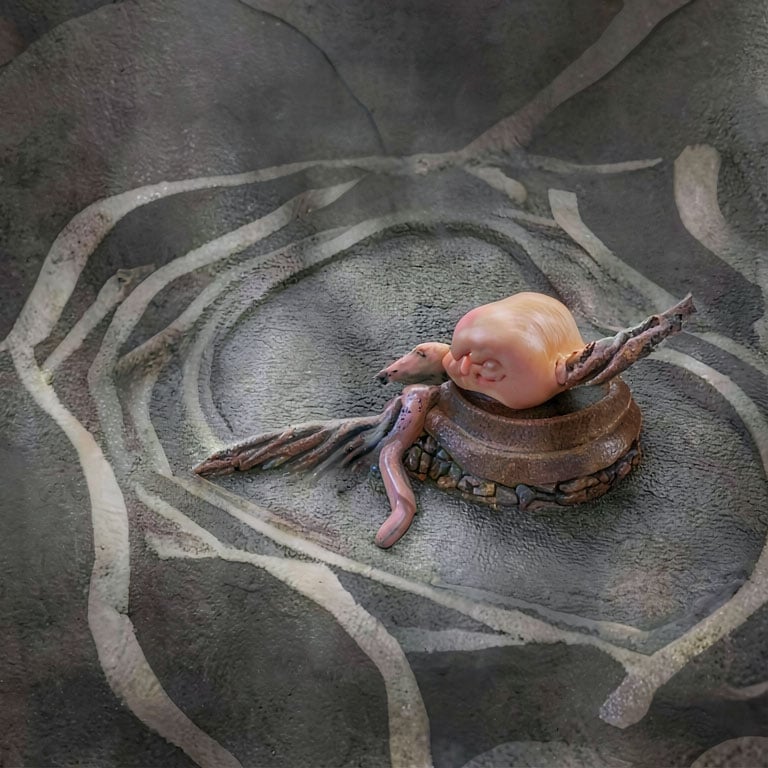
Primavera De Filippi, Untitled, 2026. Generated from the artist’s own AI pipeline using a combination of Stable Diffusion 1.5, Stable Diffusion XL, and FLUX-Schnell Image Generator. Courtesy of the artist
Off-Grid Aesthetics | Where the AI prompt cannot go
Text-based diffusion models have made navigating a model’s latent space as easy as typing a sentence, but also create a “golden cage” of familiar and hyper-optimized forms. Primavera De Filippi argues that a genuinely AI-native aesthetic lies elsewhere, in the uncharted regions of the model that no prompt can reach
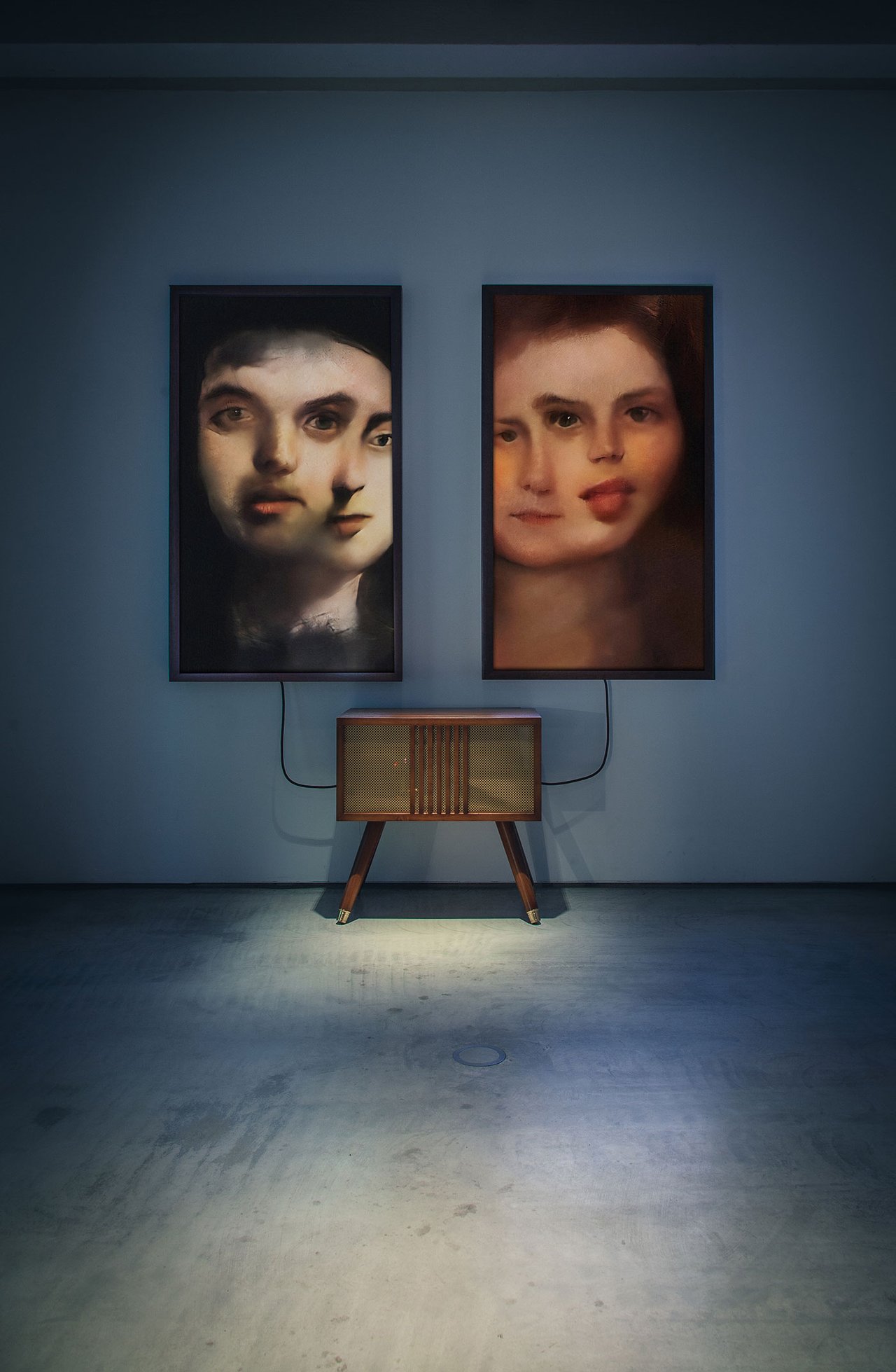
In 2018, Mario Klingemann created Memories of Passersby, a wood cabinet hosting a computer connected to a digital screen. The computer was instructed to generate faces using GANs (generative adversarial networks) trained on European public-domain portraits and display them on the screen. The project was capable of generating an infinite stream of portraits, all within the same aesthetic universe of uncanny, convulsive beauty as Francis Bacon or André Breton.
In order to produce that work, Klingemann did what every artist working with neural networks had to do at the time: navigate the model’s latent space. Back then, there was no text encoder and no prompt, only a high-dimensional vector space created by the neural net. The artist’s job was to discover the regions of that space that were most fertile.
Klingemann called this process “neurography”: if photographers travel the world in search of novel perspectives, neurographers navigate a model’s latent space to find interesting vectors that they can turn into images.
Mario Klingemann, Memories of Passersby, 2018. Courtesy of the artist and Onkaos
Even today, Klingemann continues his exploration of latent space with his new series Weapons of Mass Distraction (2026), which suppresses activations inside the model itself to produce forms that refuse the attention-maximizing grammar of contemporary AI.
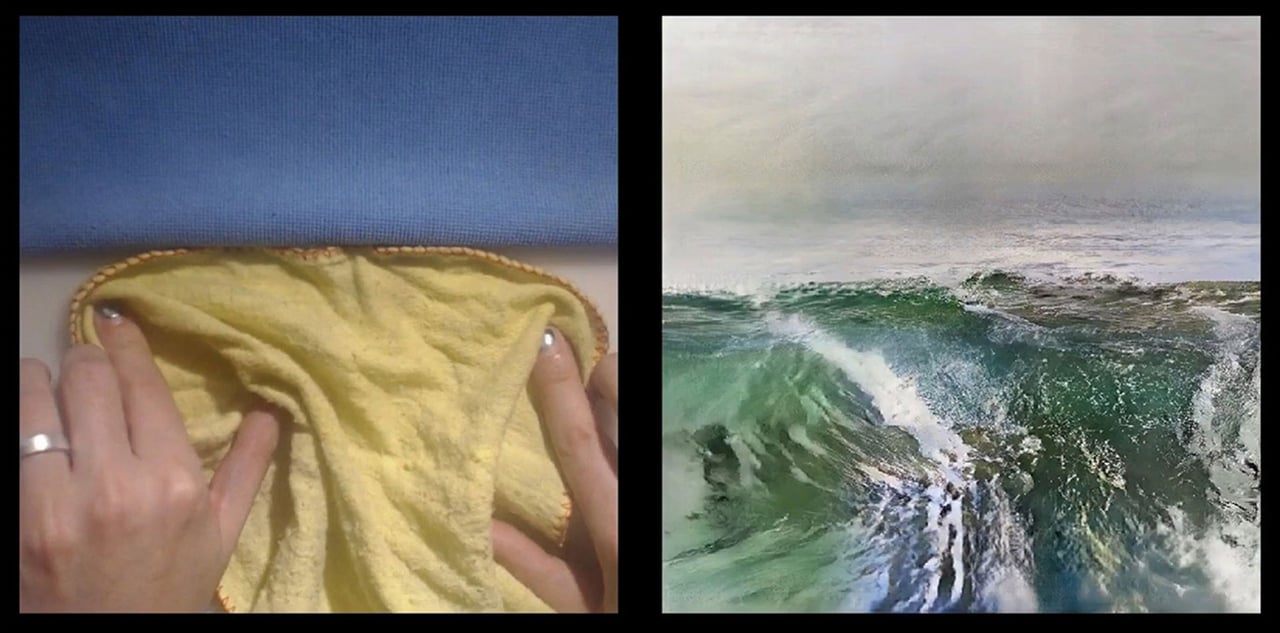
Another early neurographer was Memo Akten. For his work Learning to See (2017), he trained a series of GANs on narrow collections of images, for instance oceans or mountain ranges, and then forced the GANs to engage with subjects that were not in their training data (for example, faces or fabrics). This caused the models to create novel interpretations of the world, reconstructing landscapes or seascapes from sources they were not familiar with.
Such seminal projects sit within the lineage of Ken Stanley’s Picbreeder (2007) — which later inspired Joel Simon’s development of his own Artbreeder (2019) — allowing people to explore latent space through interactive evolutionary computation: breed two outputs, select the offspring that resonate the most, breed again, and repeat.
The shared assumption among all these artists was that latent space had to be explored in order to discover the hidden gems within it. Because there was no prompt to guide their explorations, they were obliged to test out idiosyncratic ways of navigating that space.
Memo Akten. Learning to See, 2017. Courtesy of the artist
Many of the early neurographers developed a taste for regions where the model produced novel outcomes: recursive imagery, disfigured faces, as well as forms that resist description in words.
Then came the prompt. Diffusion models combined with a text encoder suddenly enabled users to type “a pink elephant in the sky” to generate its visual representation. Prompts soon became the default mechanisms for navigating latent space, as a simple query could replace many hours of indeterminate exploration.
But it also became a golden cage. Indeed, if early AI artists had to struggle to find the domesticated regions of latent space, today, we must fight to return to uncharted territory.
Primavera De Filippi, Untitled, 2026. Generated via Midjourney using the text prompt “a pink elephant in the sky”. Courtesy of the artist
Promptable latent space
Despite the wide range of possible outputs they allow for, text-conditioned models in fact leverage only a small area of their internal geometry. This area represents the promptable latent space: the region you can hit via a prompt. Two distinct mechanisms define its boundaries.
The first is preference tuning. After the pre-training phase, a model is fine-tuned with human feedback (e.g. reinforcement learning through paid raters or aggregated user signals) so that its outputs converge on what has been previously judged as “good”. Hence, the more optimized the model, the more its output converges on a small area of its latent space. The result is the standard aesthetic of many contemporary AI models (hyper-realistic “post-photographs” and seamless illustrations) commonly referred to as slop. Far from a failure, slop is precisely what such models have been trained to produce.
The second determinant is linguistics. A text prompt can only reach regions of the latent space that have been previously described in words. If something has never been named, it can never be reached by a prompt because no text encoder can point to it.
When combined, these two mechanisms reduce the promptable latent space to a semantic representation of the past. The virtue of the prompt is that it enables users to explore the latent space of a model in a simple and precise manner, but it also confines them to regions that have been both linguistically and aesthetically predefined. Without realizing it, we have been thrown into semantic jail.
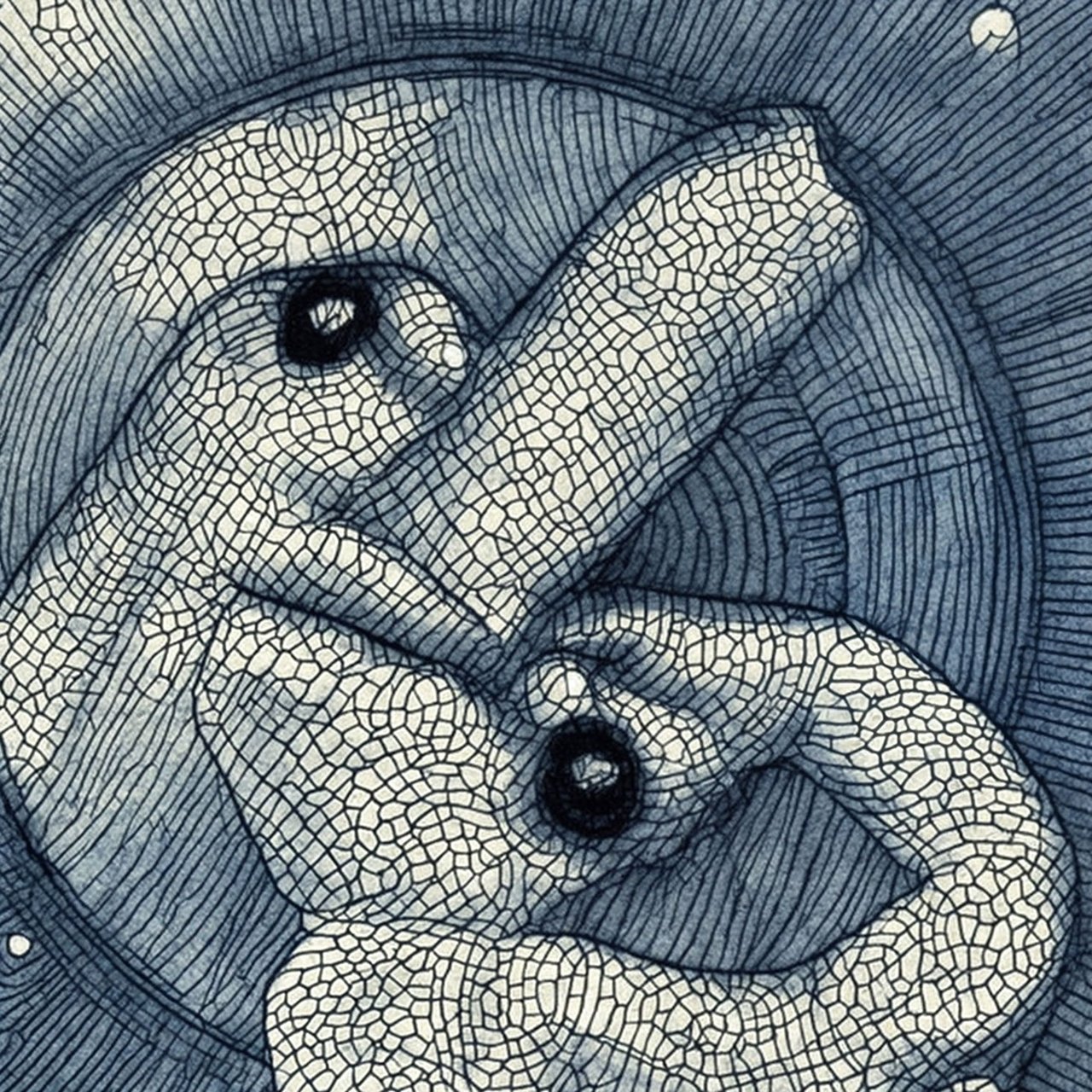
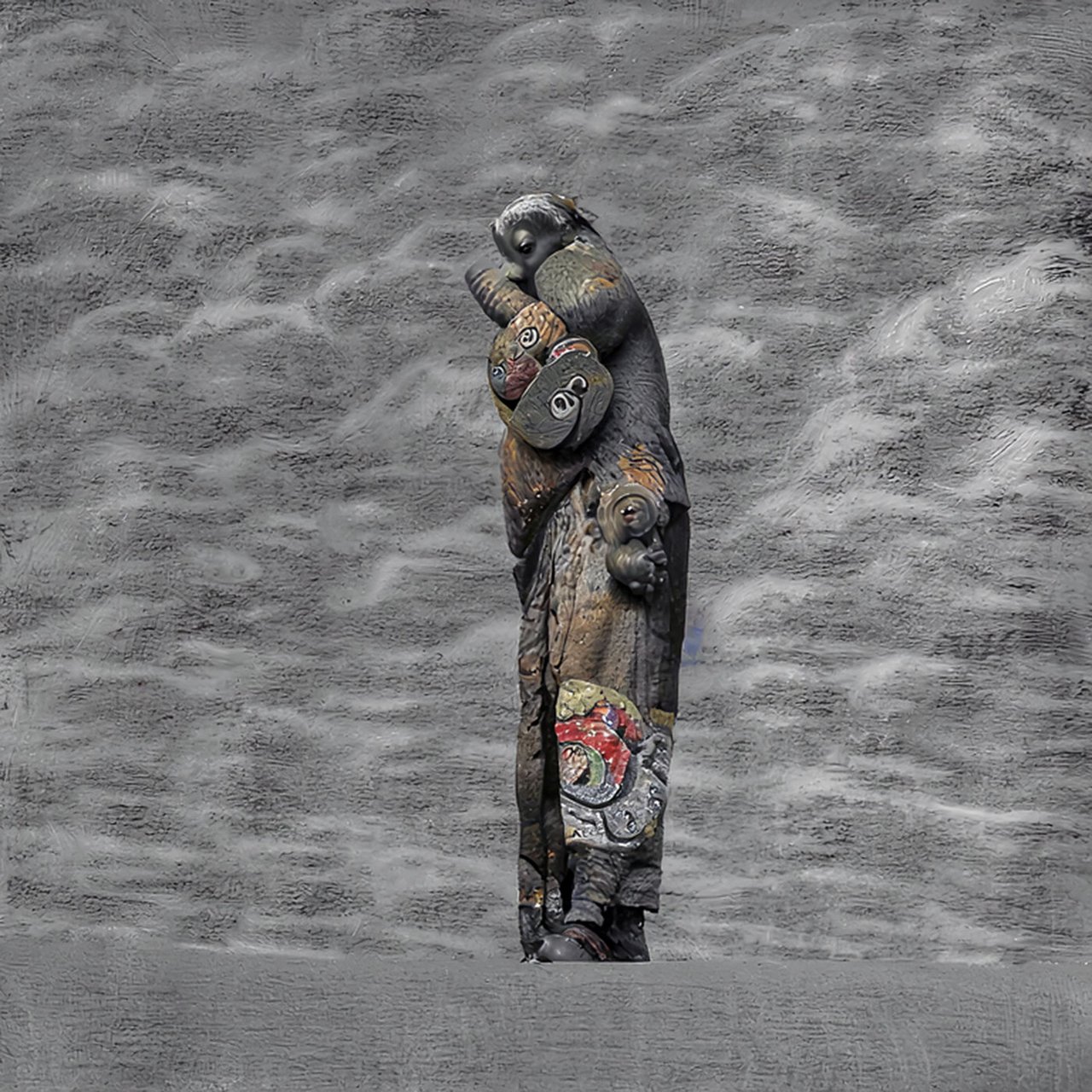
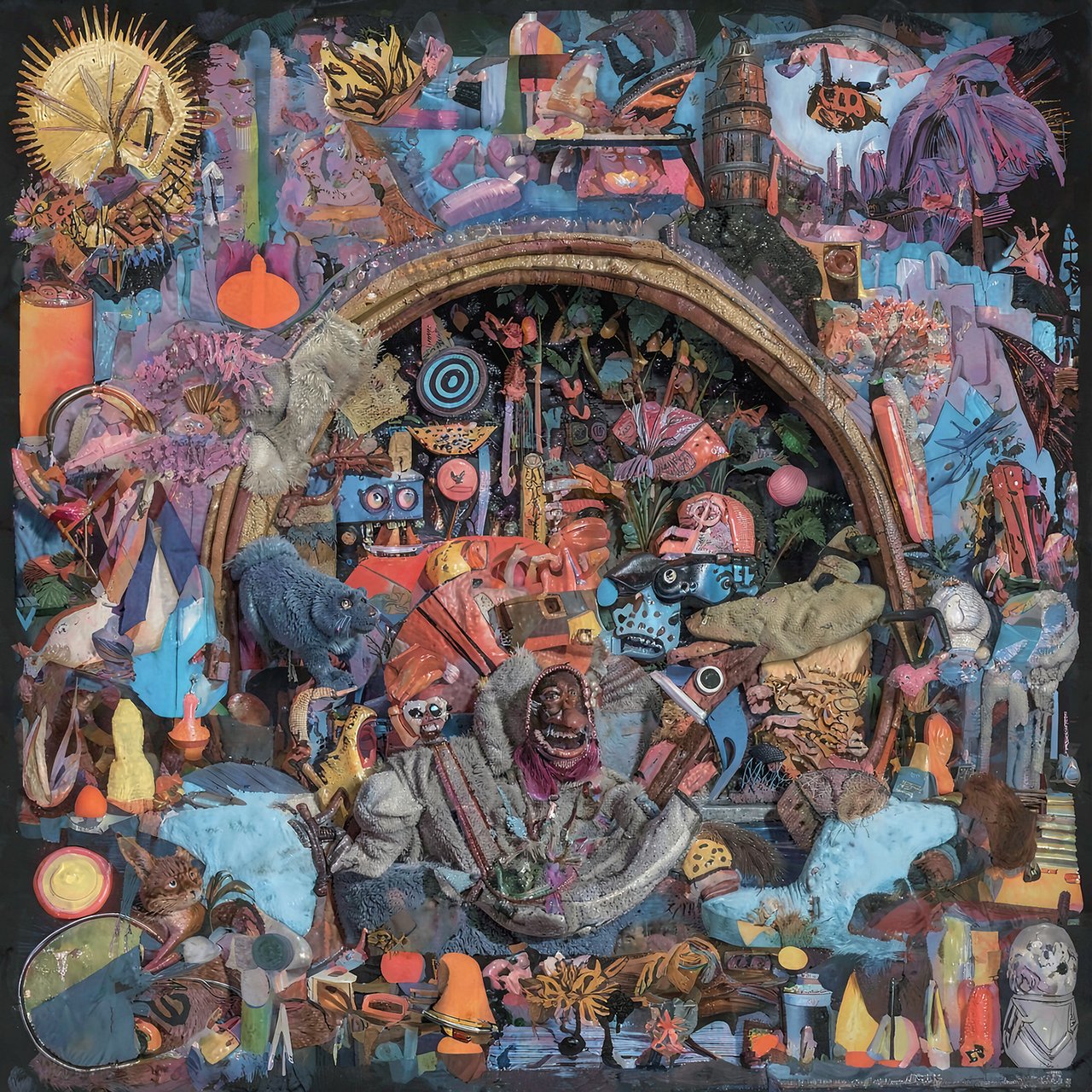
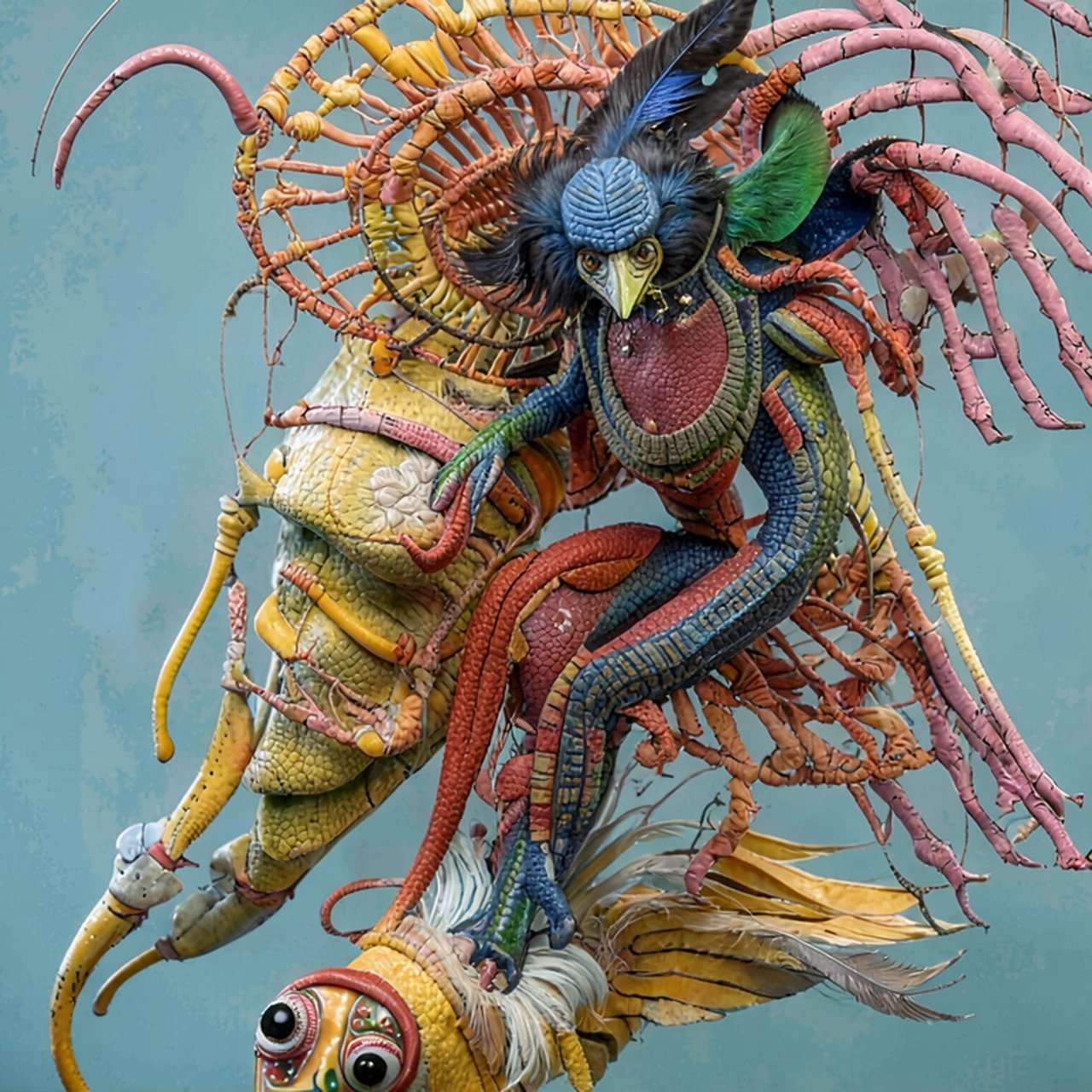
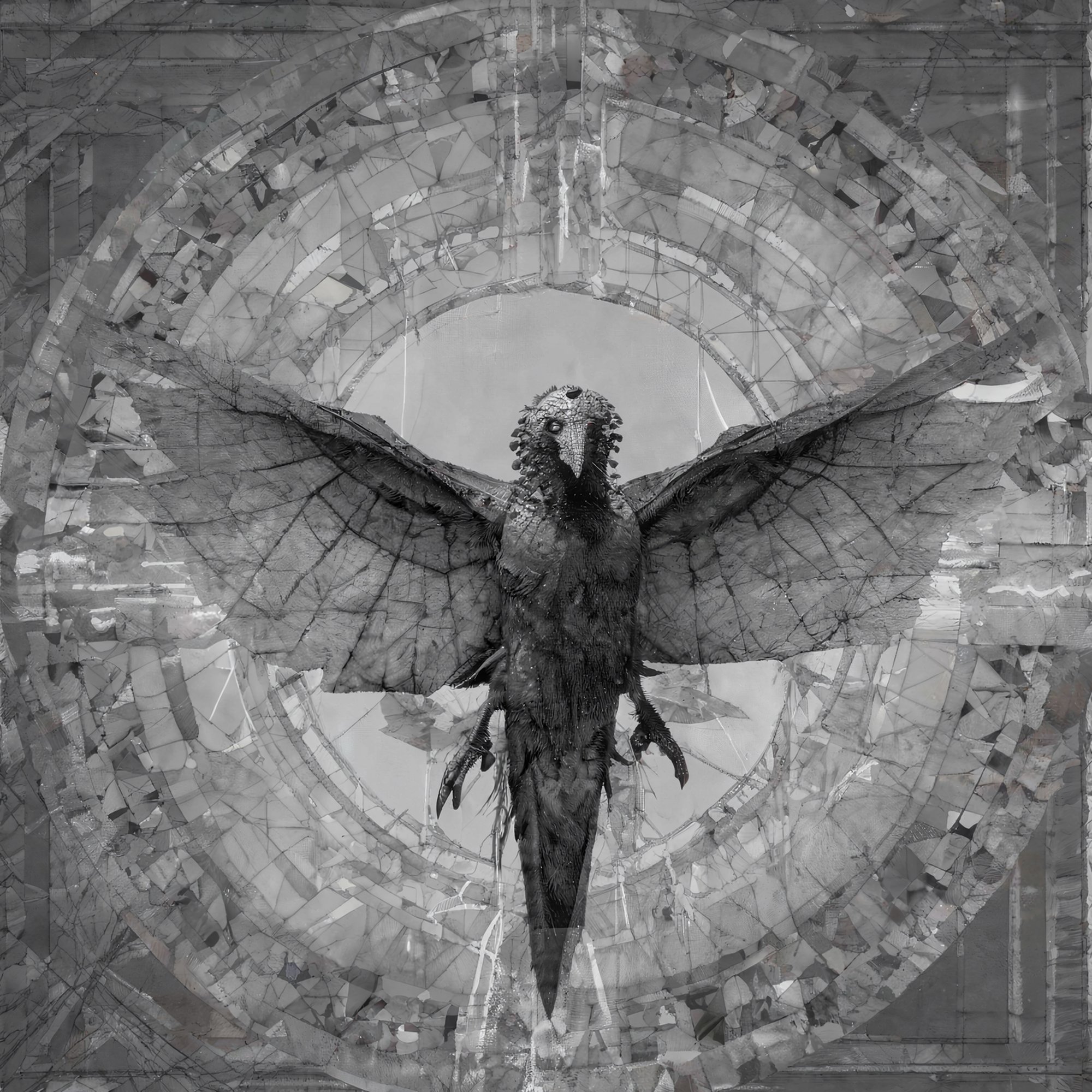
Primavera De Filippi, Untitled, 2026. Generated from the artist’s own AI pipeline. Courtesy of the artist
Primavera De Filippi, Untitled, 2026. Generated from the artist’s own AI pipeline. Courtesy of the artist
Primavera De Filippi, Untitled, 2026. Generated from the artist’s own AI pipeline. Courtesy of the artist
Primavera De Filippi, Untitled, 2026. Generated from the artist’s own AI pipeline. Courtesy of the artist
Primavera De Filippi, Untitled, 2026. Generated from the artist’s own AI pipeline. Courtesy of the artist
Going off-grid
Beyond promptable space lies a pre-verbal world of emergent potential: the dark forest where wild creatures live. If one considers the latent space as a topological map, then it is possible to distinguish a few concentric bands, each with their own distinctive characteristics.
At the center lie the promptable regions, populated by familiar concepts and forms, reliably named by language. Near the edges of this zone sit forms that are slightly unfamiliar, yet still legible: faces that don’t quite settle, figures with an extra limb, objects poised between two possible identities. Novelty here is modest, and the outputs remain semantically meaningful.
Move further out, past the reach of language, and the patterns cease to reflect the training dataset. What appears is not something the model remembers, but something it composes: forms generated from its internal logic, rather than from any picture it has ever seen. This is where a distinctively AI aesthetic starts to become visible.
Move further into the wild one discovers regions where the model’s compositional logic is untethered from all aesthetic or semantic constraints. This is where the outputs cease to function as images and become noise: geometries without legibility and forms with no referent. This is the noise floor of the latent space, past which no interpretation is possible.
Primavera De Filippi, Untitled, 2026. Generated from the artist’s own AI pipeline. Courtesy of the artist
Primavera De Filippi, Untitled, 2026. Generated from the artist’s own AI pipeline. Courtesy of the artist
Primavera De Filippi, Untitled, 2026. Generated from the artist’s own AI pipeline. Courtesy of the artist
Primavera De Filippi, Untitled, 2026. Generated from the artist’s own AI pipeline. Courtesy of the artist
Primavera De Filippi, Untitled, 2026. Generated from the artist’s own AI pipeline. Courtesy of the artist
Working off-grid requires charting a careful path between center and periphery, and between a world of butchered but faintly recognizable forms and a nebula of noise.
The most interesting areas are those where the familiar and the novel support the creation of emergent outcomes that still register as forms. It is these areas that define generative AI as a distinctive medium, rather than a tired mirror of human tropes.
Several methods exist to transcend promptable latent space. The most direct solution is to bypass the text encoder entirely and sample points inside a model’s latent distribution. Xander Steenbrugge considers this “semantic anarchy” as generated outputs have no linguistic referent, but are mere visualizations of the internal compositional logic of trained weights. Picbreeder is the early precursor of this practice while Ryan Murdock’s recent work on generative recommenders also leverages this technique to create a curatorial loop based on aesthetic resonance.
A second solution is to identify meaningful vectors inside a model’s representation space (e.g. gender, age, emotions, etc.) and use them to modify the characteristics of an image. Linoy Tsaban and Apolinário Passos’s semantic sliders are an implementation of this technique, along with Ethan Smith’s work on latent directions. These tools enable the traversing of latent space through meaningful vector-based trajectories.
Primavera De Filippi, Untitled, 2026. Generated from the artist’s own AI pipeline. Courtesy of the artist
Primavera De Filippi, Untitled, 2026. Generated from the artist’s own AI pipeline. Courtesy of the artist
Primavera De Filippi, Untitled, 2026. Generated from the artist’s own AI pipeline. Courtesy of the artist
Primavera De Filippi, Untitled, 2026. Generated from the artist’s own AI pipeline. Courtesy of the artist
Primavera De Filippi, Untitled, 2026. Generated from the artist’s own AI pipeline. Courtesy of the artist
A third solution is to replace linguistics with visuals. Most of the latest image models accept a reference image as a way of conditioning or influencing the model. In this case, the cage is not fully escaped (as the reference image is itself a pre-existing work) but, when combined with the previous technique, it becomes possible to drift away from the reference image into the neighboring areas of latent space.
All these methods are deliberate attempts at re-establishing a more direct access to the model’s internal geometry, in order to reclaim the right to explore latent space without first having to name what we are looking for.
While the GAN-era artists saw the prompt as an emancipatory tool enabling them to easily navigate latent space, today, as contemporary AI artists, we are increasingly trying to move away from prompting to rediscover the gems hidden beyond promptable latent space.
Primavera De Filippi, Untitled, 2026. Generated from the artist’s own AI pipeline. Courtesy of the artist
Primavera De Filippi, Untitled, 2026. Generated from the artist’s own AI pipeline. Courtesy of the artist
Primavera De Filippi, Untitled, 2026. Generated from the artist’s own AI pipeline. Courtesy of the artist
Primavera De Filippi, Untitled, 2026. Generated from the artist’s own AI pipeline. Courtesy of the artist
Primavera De Filippi, Untitled, 2026. Generated from the artist’s own AI pipeline. Courtesy of the artist
AI Aesthetics
I have spent several years working with AI to understand what it is that only AI can do. As an artist, I’m not interested in using AI to replicate what humans have done in the past.
I am eager to explore the “texture” of AI as a new medium of expression that enables me to generate things that did not exist before. That texture cannot be found within the confines of the promptable latent space, because it has not (yet) been described by words.
I built software that facilitates my exploration of latent space with a combination of vectors and image reference points. Most of the time, what comes back is either ugly or dull. The interesting outputs (those which are both novel and meaningful) are rare, often hiding in the dark corners of latent space. Discovering these outputs requires navigating the unknown long enough that the model shows me something only AI could have made.
Primavera De Filippi, Untitled, 2026. Generated from the artist’s own AI pipeline. Courtesy of the artist
Primavera De Filippi, Untitled, 2026. Generated from the artist’s own AI pipeline. Courtesy of the artist
Primavera De Filippi, Untitled, 2026. Generated from the artist’s own AI pipeline. Courtesy of the artist
Primavera De Filippi, Untitled, 2026. Generated from the artist’s own AI pipeline. Courtesy of the artist
Primavera De Filippi, Untitled, 2026. Generated from the artist’s own AI pipeline. Courtesy of the artist
Cognitive sovereignty
Beyond aesthetics, there is a political claim towards achieving more cognitive sovereignty, asthe confines of promptable latent space ultimately define what can be produced and consumed through generative AI. These confines are drawn both by model trainers and by those responsible for labeling or annotating the training dataset. Sometimes, they are the result of an intentional decision to censor certain types of outputs (e.g. pornography, violence, or copyrighted content). Most of the time, however, they simply derive from the fact that some areas of latent space do not have a lexical representation, for they do not correspond to anything that has been named in the past.
These areas remain unreachable by a prompt not because they are undesirable (even though they often are) but because they are genuinely novel.
Going off-grid with generative AI is therefore, first and foremost, a political act that reminds us of the golden cage we have locked ourselves into. But it also points us towards many unfamiliar forms that exist in unpromptable latent space. Most of these are illegible and do not deserve our attention, but some of them are semantically meaningful, and once discovered, can contribute to expanding the imagination and cognitive horizons.
Primavera De Filippi (CNRS/Harvard) is an artist and legal scholar using blockchain and AI to create synthetic lifeforms that evolve and replicate in symbiosis with humans. Her practice interrogates governance, autonomy, the legal personhood of machines and the rules that bind (or liberate) them. Working at the intersection of art, law, and technology, Primavera engineers synthetic lifeforms — Plantoids, Arborithms, Protocolites — whose metabolism is governed entirely by blockchain and AI. Her practice bridges legal theory, governance research, and artistic experimentation to ask: what does it mean for a machine to have agency, rights, and a life of its own? Her works have been exposed in various museums, galleries, and art fairs around the world including Art Basel, Art Dubai, Ars Electronica, Centre Pompidou, Grand Palais, Gaité Lyrique, Gazelli Art House, Artverse, as well as festivals such as Burning Man and Fusion Festival.