Art Basel Paris is at the Grand Palais, Paris, October 21-22 (VIP days) and October 23-25, 2026 (public days).
In the fifth year of the Art Basel Paris fair, held at the French capital’s splendidly renovated Grand Palais, and sandwiched in the global art calendar between Frieze London (until October 18, 2026) and Paris Photo (November 12-15, 2026), the City of Light has an ever stronger right to reclaim its early Modern title as the art capital of the world.
The headquarters of the Centre Pompidou, in Beaubourg, Paris, with its peerless collection of Modern and contemporary digital art, may be closed for renovation, but the fact that it is able to share its collection around the world through its network of sister museums — with “Computer Worlds” on show at West Bund Museum, Shanghai — is a reminder of the range and depth of institutional collections in Paris. That institutional reach and flexibility also emphasizes the promise that the Pompidou offers of rebooting the digital art world once the Beaubourg building reopens.
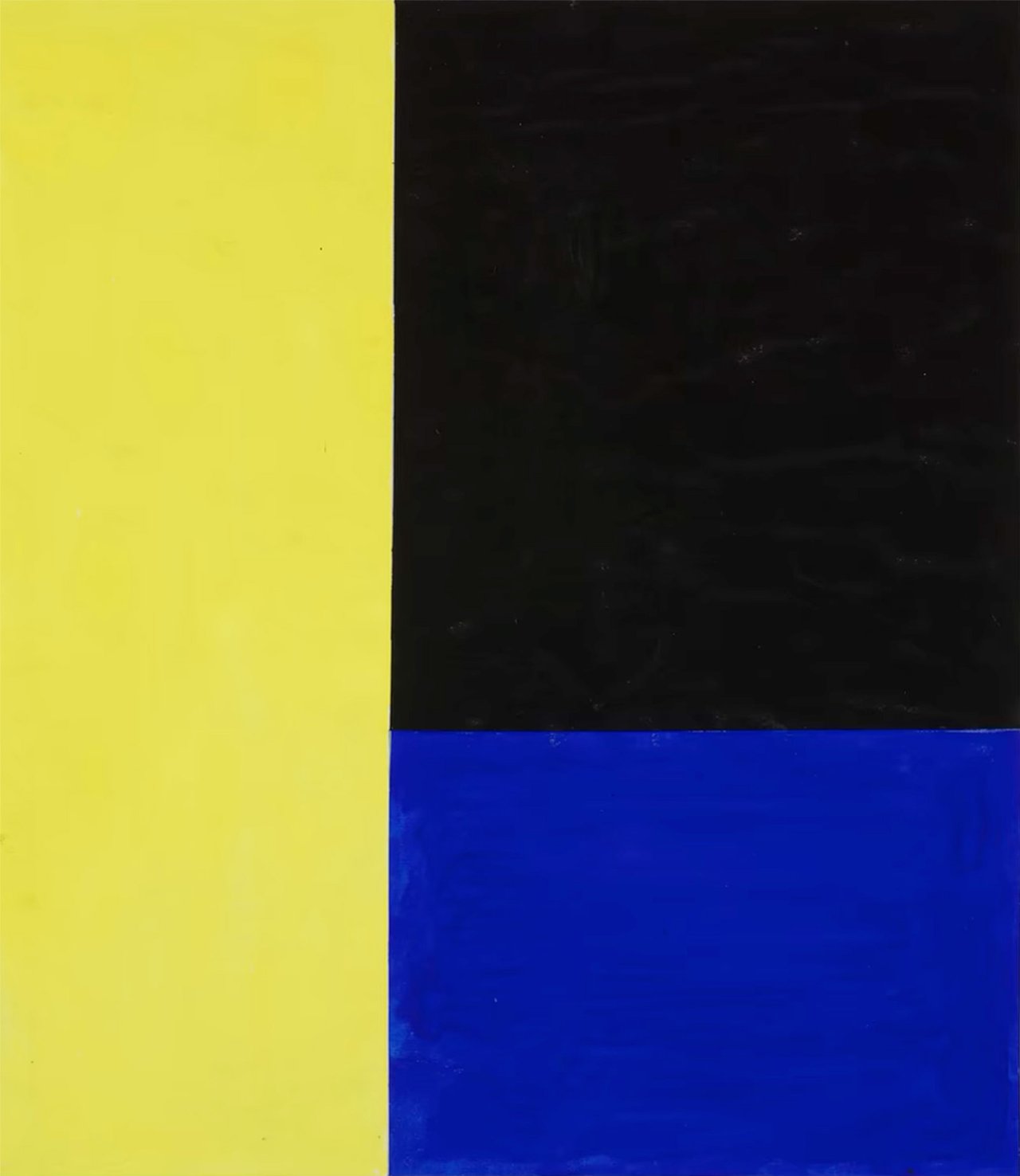
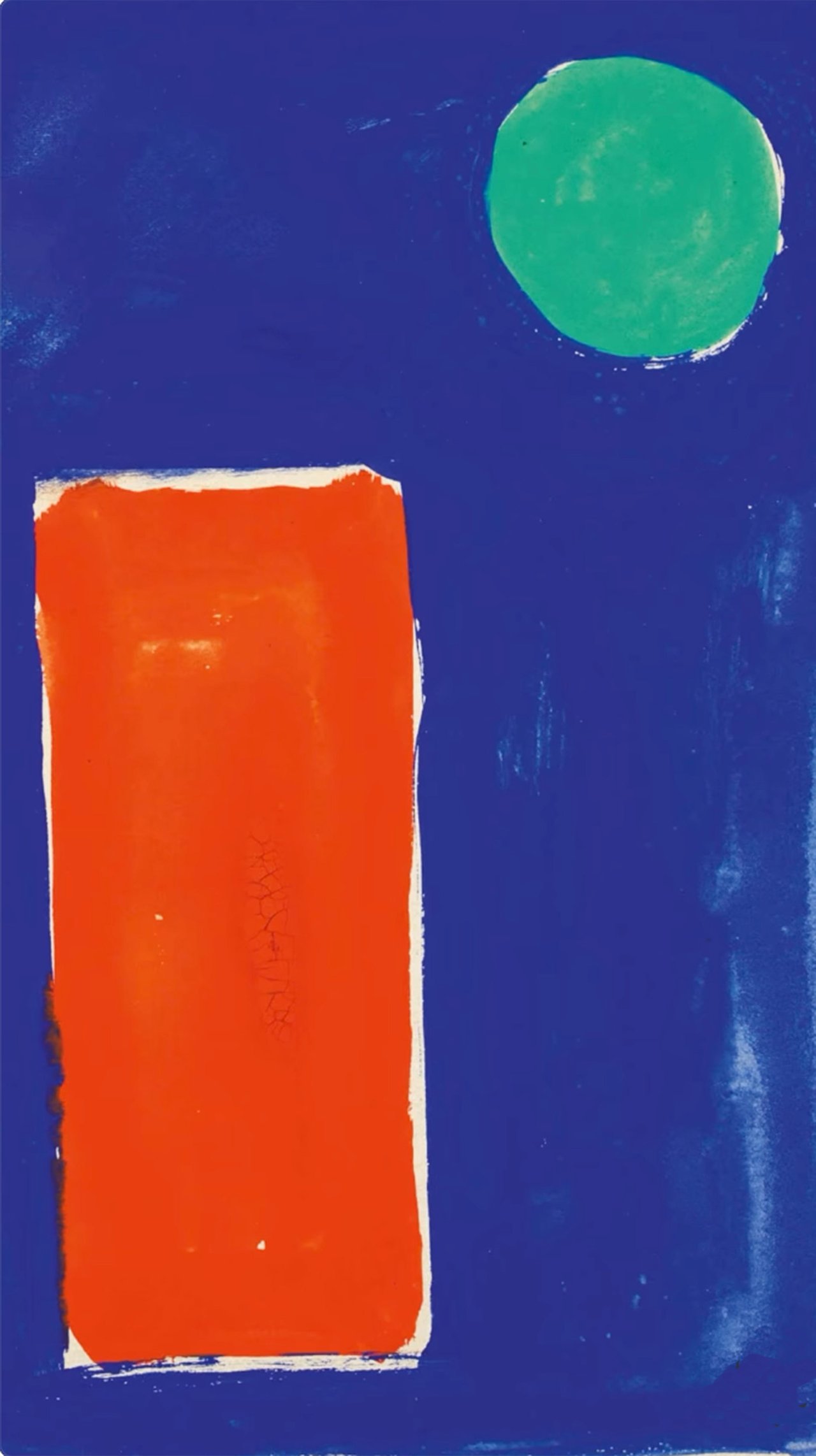
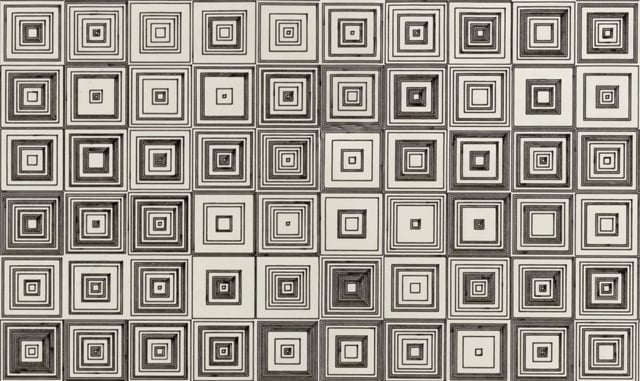
For followers of art made with technology, Art Basel Paris week has a broad range of exhibitions on offer. The connective tissue, as so often in any digital art history, is the work of Vera Molnar. The pioneering artist, who has a show at V&A South Kensington London, with her fluid, disruptive, feel for grids and geometries shown in conjunction with that of contemporary artists she has inspired, is the subject of two shows in Paris with Galerie Zlotowski. Both exhibit Molnar’s work from before 1968. One is in Art Basel Paris’s Premise section (dedicated to “broadening the margins of the art historical canon”); and one at the Zlotowski gallery in Rue De Seine, near the Pont Neuf.
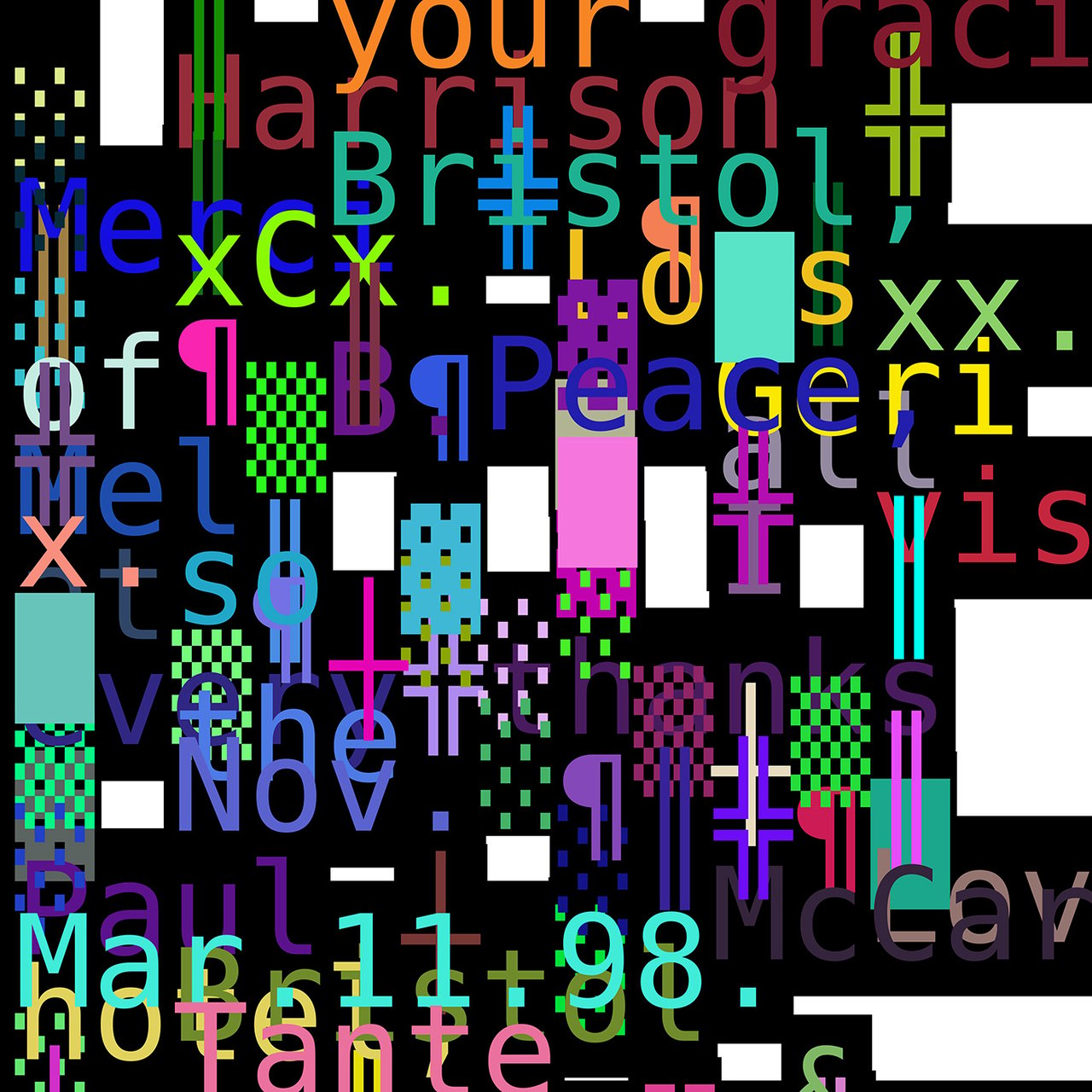
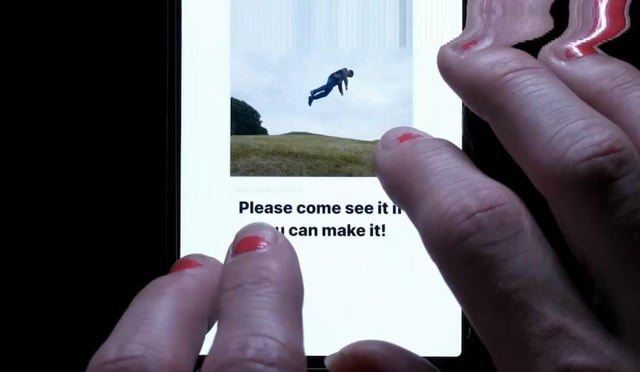
Wen New Atelier, Output #2 of Miniscriber, Le Bristol Paris edition, 2026. The work is on show at “Heterotopies”, DANAE, 17 rue du Bouloi, October 20 to December 30, 2026. Courtesy of the artists
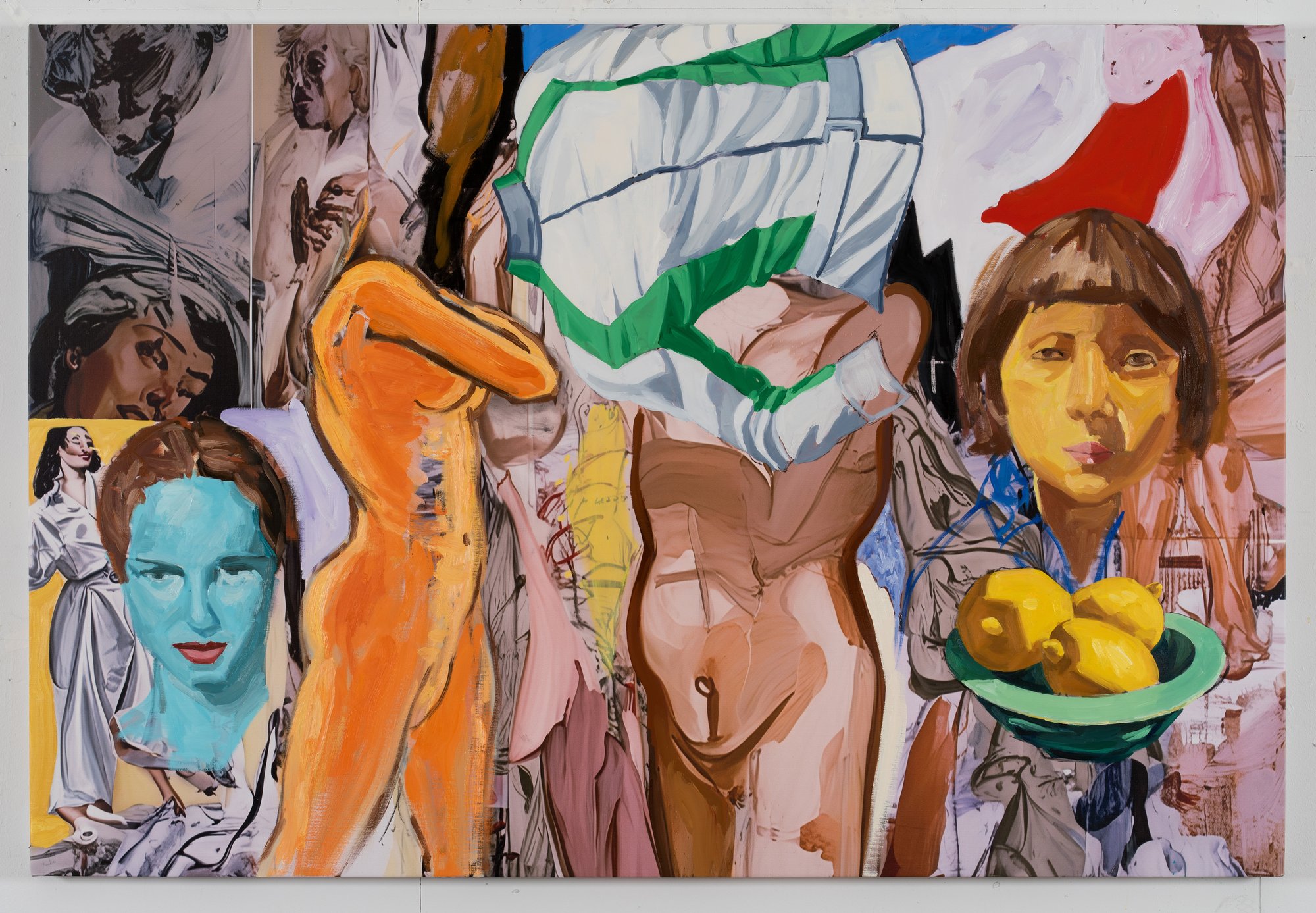
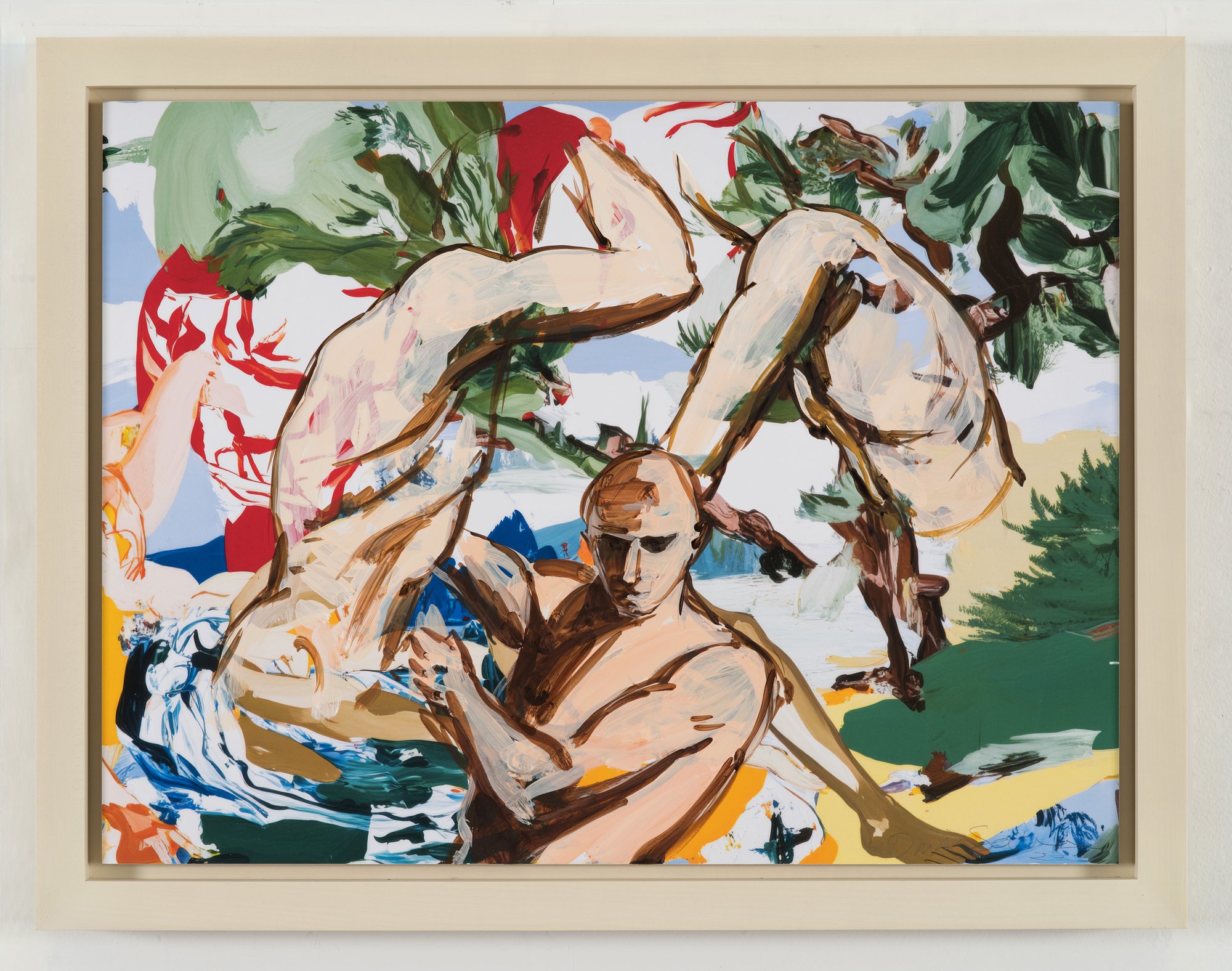
Artverse and DANAE, two of the city’s leading galleries dedicated to art made with emerging technologies, each have thought-provoking themed shows: the Foucault-inspired “Heterotopies” at DANAE, and the worldbuilding-based “To Make a World Out of Sediment and Sky” at Artverse. At Thaddaeus Ropac’s gallery in Pantin, northeast Paris, David Salle’s latest exhibition of paintings made in conjunction with his custom AI tool trained on his work from the 1980s to 2000s, is testament to what the integration of machine learning has meant to the artist and his work in the three years that he has been working with his AI “monster”.
For Karim Crippa, Art Basel Paris’s new director, a goal for the fair is to acknowledge “the popular fantasy of the city, recall its place in the history of Modern art, and show the reality of Paris today”. And that reality, with the strength of the city’s institutions, art colleges, and its burgeoning gallery scene addressing art engaged with technology, is of “a very young city, marked by genuine diversity and a desire for experimentation”.
“Vera Molnar”, Galerie Zlotowski, Stand 0.P6, Premise section, Art Basel Paris, Le Grand Palais, October 21-26, 2026
"Vera Molnar: A breach in the system, Works from 1947 to 1968", Galerie Zlotowski, 20 Rue de Seine, October 17 to December 8, 2026
In a stand in the Premise section of Art Basel, and at their own space in Rue de Seine, Galerie Zlotowski is presenting exhibitions of Vera Molnar’s abstract work — in gouaches, collage and oils — between 1947 and 1968, the years when the Hungarian-born pioneer was settling into life in Paris (her home until her death in 2023), and immediately before she started working with computers, including her work with the influential and innovative Atelier de Recherches en Techniques Avancées (ARTA), an experimental computer-art laboratory based in the Centre Pompidou.
Molnar explained the sequence of mediums in her formation, and the importance of her grounding in painting, in a 2022 interview with Right Click Save: “In life, you can’t do everything. You always have to choose. And for me, my primary interest was always painting — putting blobs onto a piece of paper in some sort of order. And then the algorithm comes in.”
At the same time, Molnar acknowledged the special serendipity that came with working with computers. “I think this is what’s paradoxical about the computer — it actually helps you to bring into the world what you had only imagined, even when you yourself don’t [yet] know what that is.”
So [the computer] actually humanizes your production — not dehumanizes, but humanizes. (Vera Molnar)
David Salle, “The Venice Paintings”, Thaddaeus Ropac Paris Pantin, 69 avenue du Général Leclerc 93500 Pantin, October 21 to December 23, 2026
“The Venice Paintings” is David Salle’s fifth exhibition in the past two years of work made using his proprietary AI model as a tool for visualizing his work. It is a re-hang of the canvases shown in “Painting in the Present Tense ” at Palazzo Cini Gallery, Venice (May 5 to September 27, 2026).
Salle uses his AI model to riff on data sets of his own post-Modernist paintings, and break those data sets down into fragmented, deconstructed, backgrounds that he prints out on canvas before painting over and into the outputs with high-key colors. The “Venice Paintings” were made in his studio at East Hampton, Long Island, in parallel to a set of canvases for the show “My Frankenstein” at Sprüth Magers, Los Angeles, (February 24 to April 25, 2026).
Both series were made with Salle’s AI tool using the artist’s “Tapestry” paintings (1989-92) as training data. The earlier exhibitions — “New Pastorals” at Gladstone Gallery, New York (2024), “Some Versions of Pastoral”, at Thaddaeus Ropac, London (2025) — were trained on his series “Pastorals” (1999-2000). “I’m calling the AI my Frankenstein,” Salle told Right Click Save in February 2026. “I’ve created this monster and now I’m kind of dealing with it.”
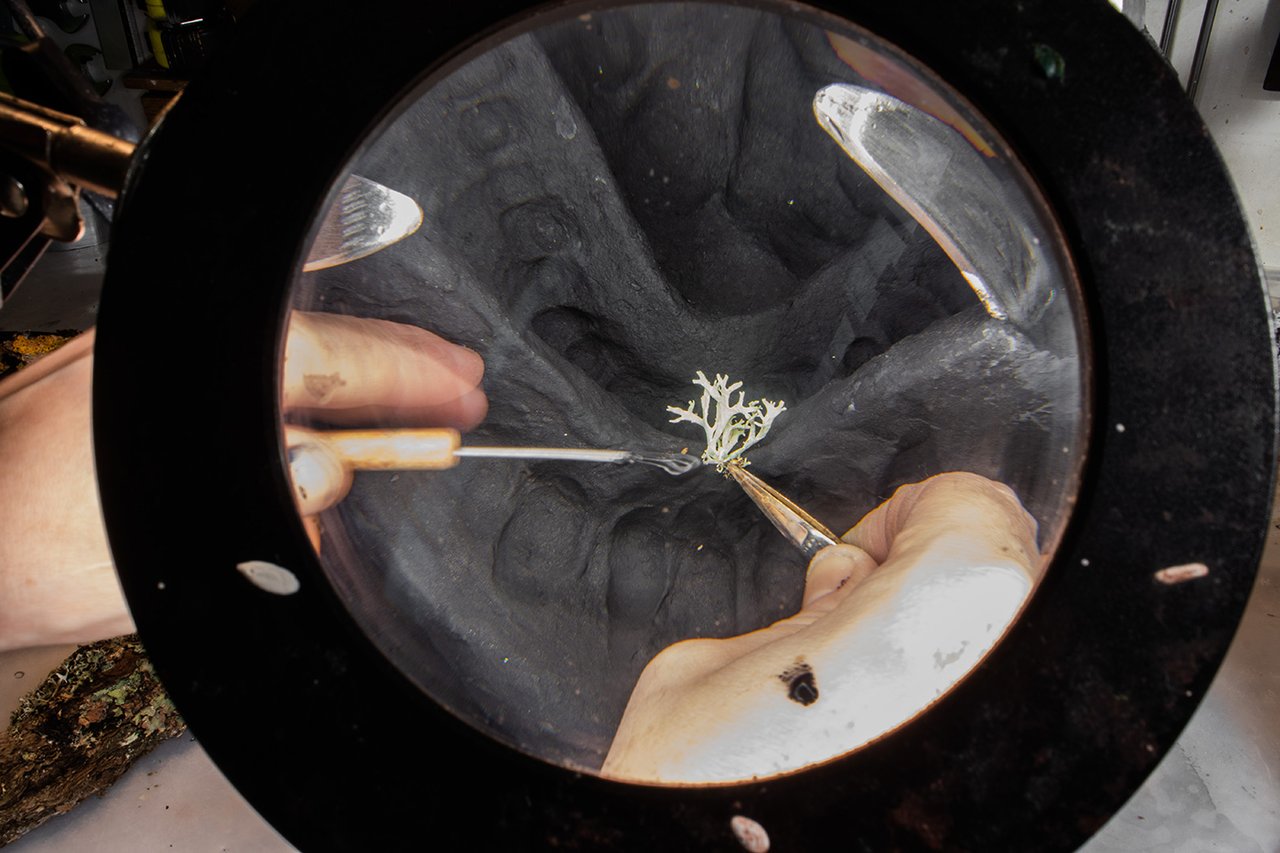
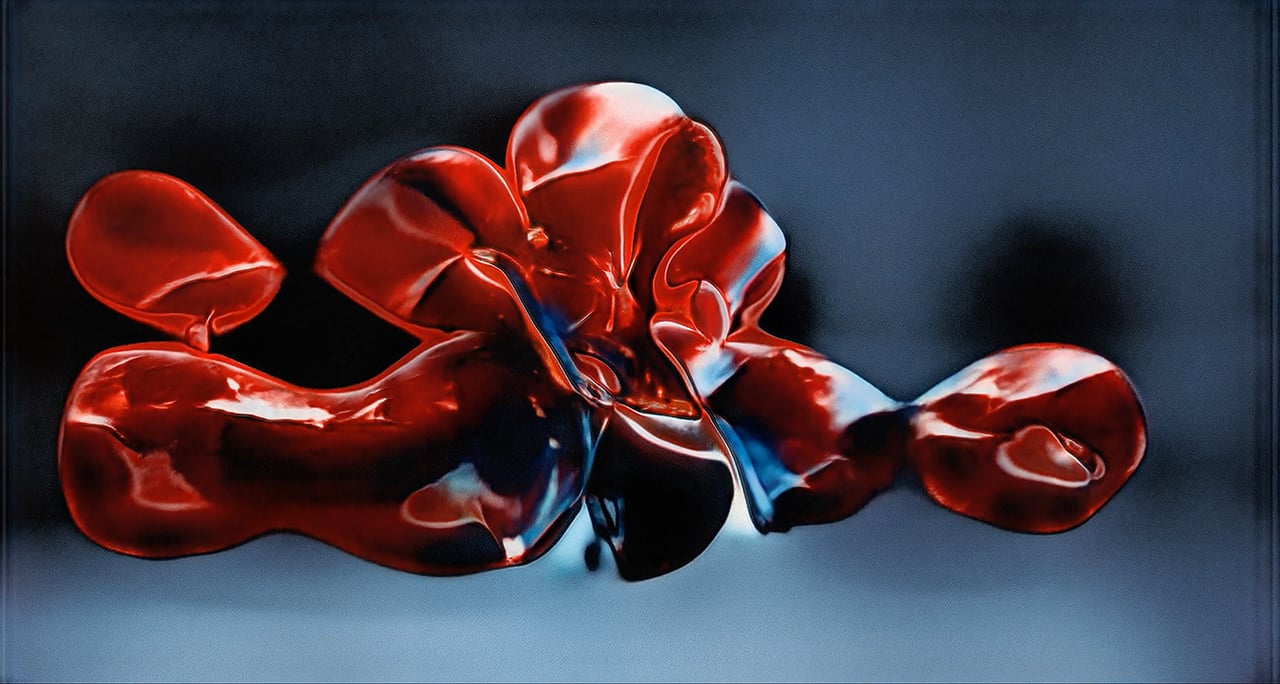
Camilla Alberti, Symbiotic Remains. Black Body 3 (2026) Steel, plaster, aluminum, charcoal, cellulose-based glue, lichens. Courtesy the artist and Galleria Studio G7, Bologna
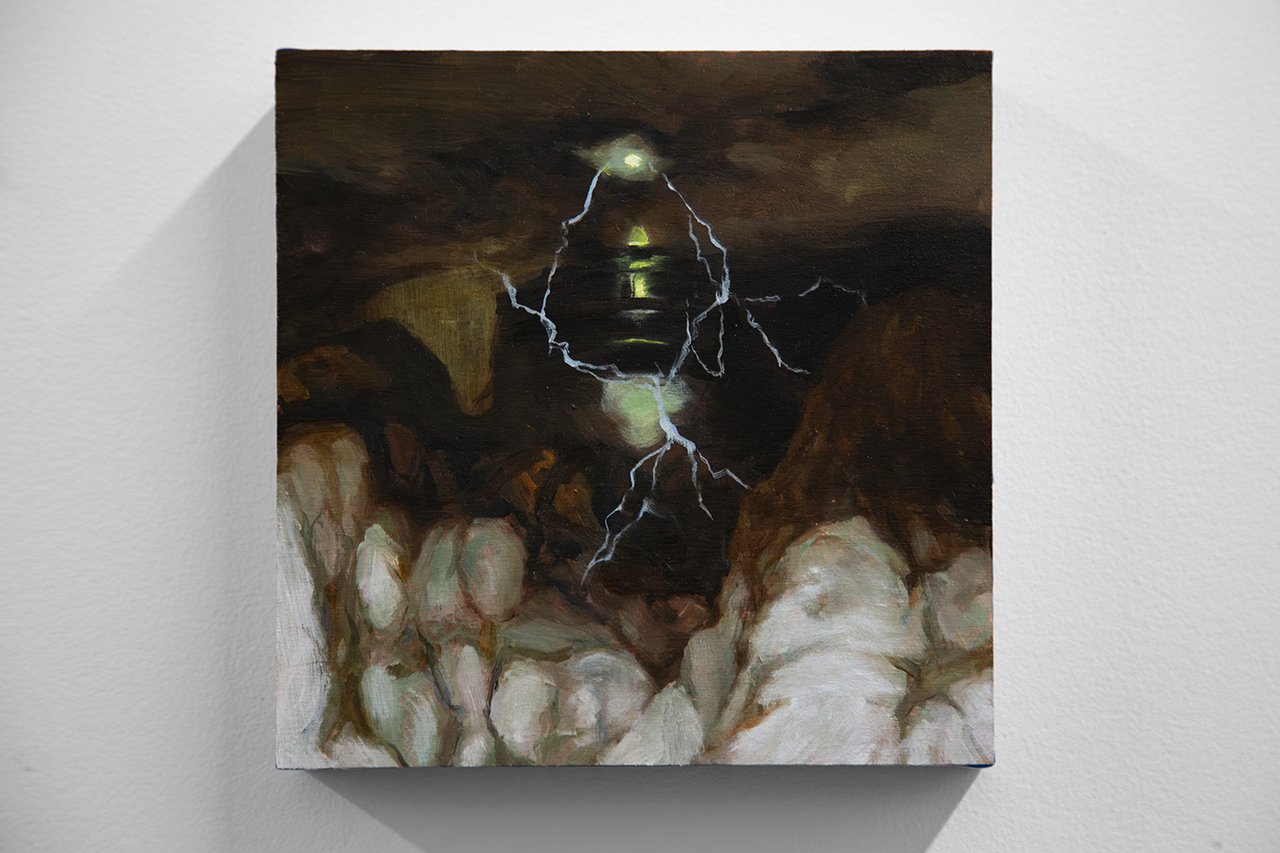
Wendi Yan, Does Abundance Short-Circuit Desire (2026). Oil on birch wood. Courtesy of the artist
Camilla Alberti & Wendi Yan, “To Make a World Out of Sediment and Sky”, Artverse Gallery, 5 bis Rue de Beauce, 75003 Paris, October 20 to December 19, 2026
Artverse Gallery, under the leadership of its founders, Sébastien Borget and Arthur Madrid, has made itself a central meeting space in the French capital for artists working with emergent technologies, whether through single-artist and group exhibitions or through gatherings that advance artistic discourse. Twelve months ago, Artverse hosted the 2025 edition of FEMGEN, which since 2022 has brought together female-identifying and non-binary artists who are shaping the language of generative art, curated by Micol Apruzzese and Alex Estorick, Founding Editor of Right Click Save.
In Art Basel Paris Week 2026, Artverse is showing “To Make a World Out of Sediment and Sky”, curated by Valentina Buzzi, an exhibition where, the gallery says in a statement, the artists Camilla Alberti and Wendi Yan “explore high-concept worldbuilding by bridging science and digital tech”. Alberti cultivates lichens on her “urban debris” sculptures, while Yan creates simulations using the Unreal gaming engine in company with photo-lithographed copper plates.
Ivona Tau, Egle Queen of Serpen†s, 2026. Generative Adversarial Network. Courtesy of the artist
“Heterotopies”, DANAE, 17 rue du Bouloi, 75001 Paris, October 20 to December 30, 2026
At the digital gallery DANAE, Marlène Corbun is curating a group show, “Heterotopies”, inspired by the term “heterotopie”, espoused by the philosopher and critic Michel Foucault in 1966-67 for spaces that are at once absolutely real and absolutely unreal; a concept captured in Foucault’s essay Des Espaces Autres (1967).
The artists in the exhibition include Wen New Atelier, who are showing their Miniscriber, Le Bristol Paris edition, 2026, and its outputs on paper; Benjamin Bardou and his grandly scaled AI architectural caprices; Louis-Paul Caron with his crepuscular, horizon-facing video compositions; Ivona Tau and her series Egle Queen of Serpen†s, 2026, created with a Generative Adversarial Network trained on custom imagery of water and plastics; The Time Within and their time-based meditations on architectural decay; and Alec Waxman with his dreamstruck desert scenes with accompanying videos.
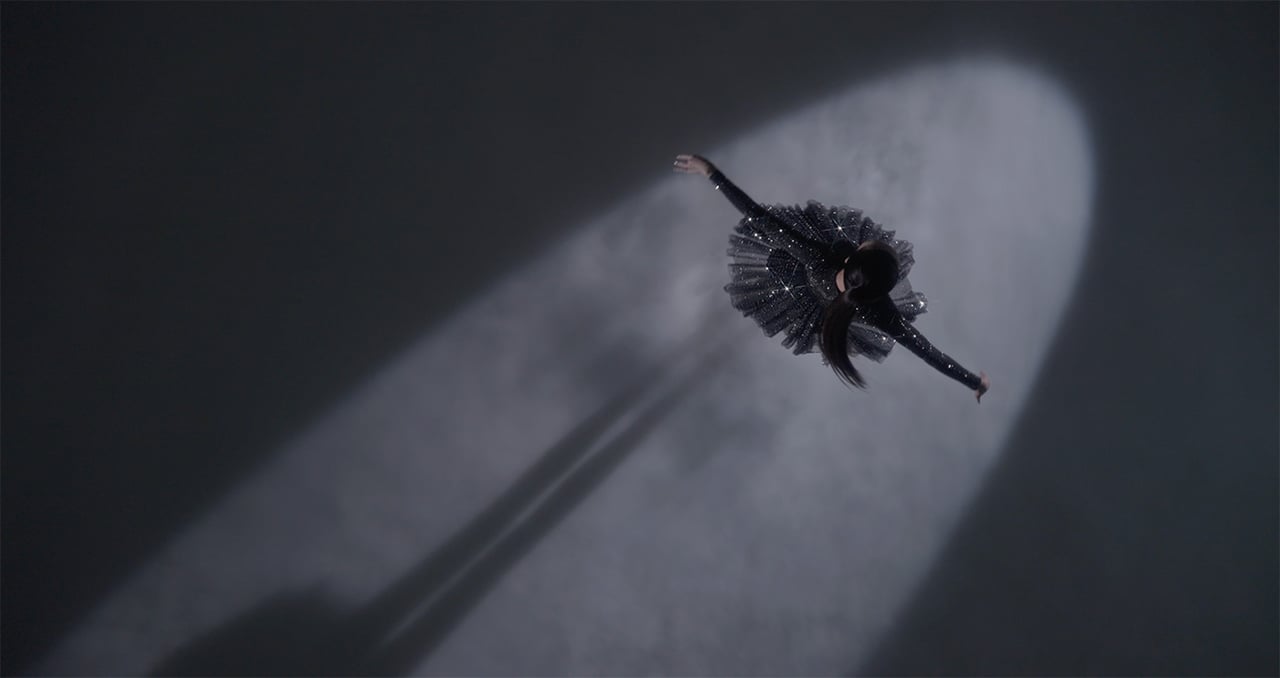
Kare, First Light (still), 2026. Courtesy of the artist
Kare, “Lunar Metamorphosis”, Hôtel de Montgascon, 73 Rue de Lille, 75007 Paris, October 20-22, 2026
The young Hong Kong-based multidisciplinary artist Kare is presenting a site-specific installation, five years in the making. The show is conceptually inspired by the eight phases of the moon, and by the exhibition’s location, the last Parisian home of the celebrated French novelist Françoise Sagan, author of the peerless fiction of youthful angst Bonjour Tristesse (1954). One of Kare’s series is devoted to Scars on the Soul (1972),Sagan’s experimental work of literary self-doubt. Another element of Kare’s installation, which is curated by Marlène Corbun, is the experimental film First Light (2026).
“The moon has always held a special place in the human imagination,” Corbun says in a curatorial statement. “Its changing phases reflect our own experiences of transformation, loss and renewal. In Lunar Metamorphosis … Kare explores the moon as humanity's witness and as a symbol of our capacity to change, reconnect and begin again.”
Louis Jebb is Managing Editor at Right Click Save.