Powerhouse Parramatta, Sydney, opens to the public, with five exhibitions, on November 7, 2026
New institution is fourth element in Powerhouse group dedicated to intersection of arts, design, science, and technology
Museum’s chief executive stands aside 10 weeks before opening, pending “investigations into governance and procurement” at Powerhouse
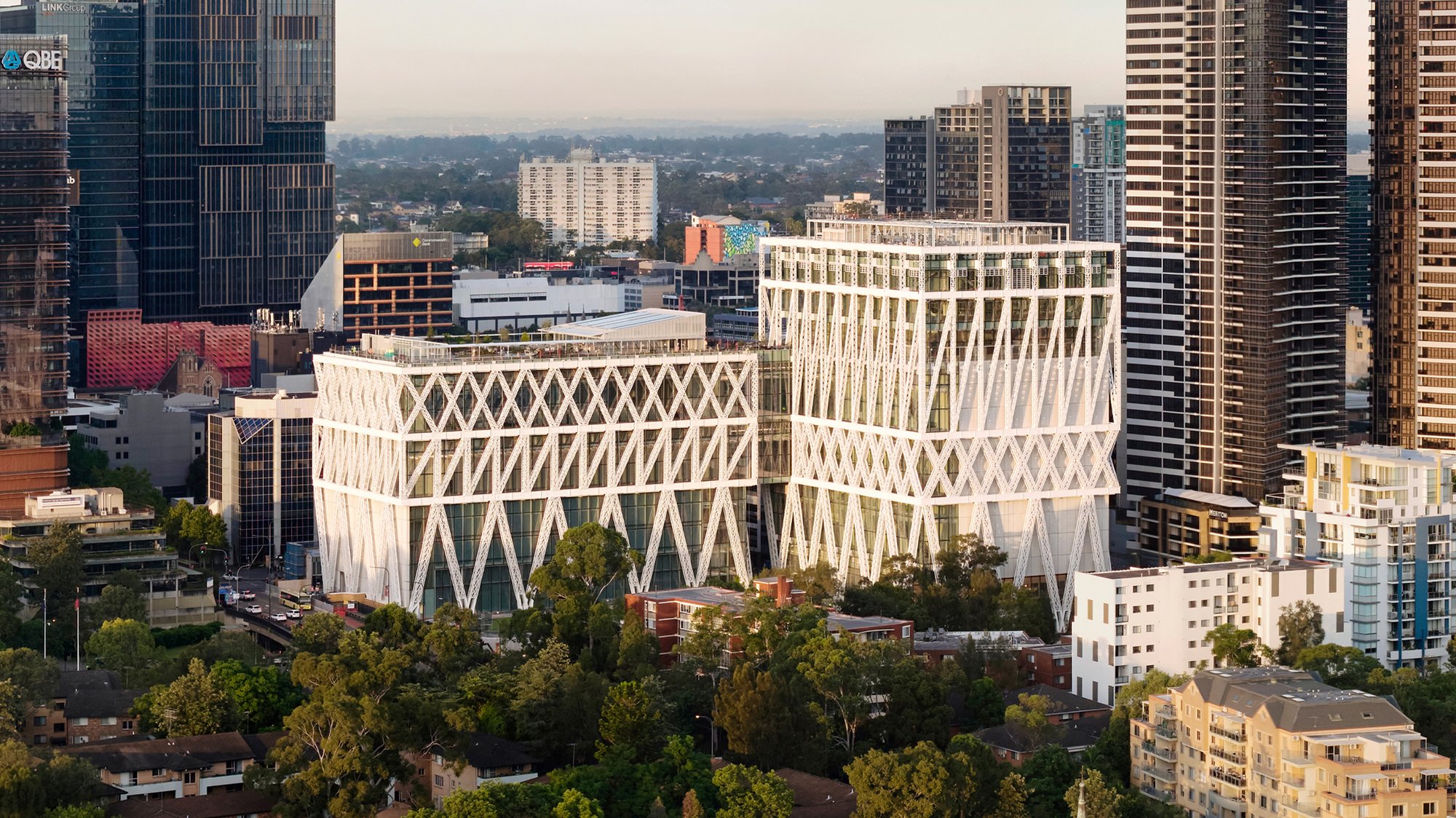
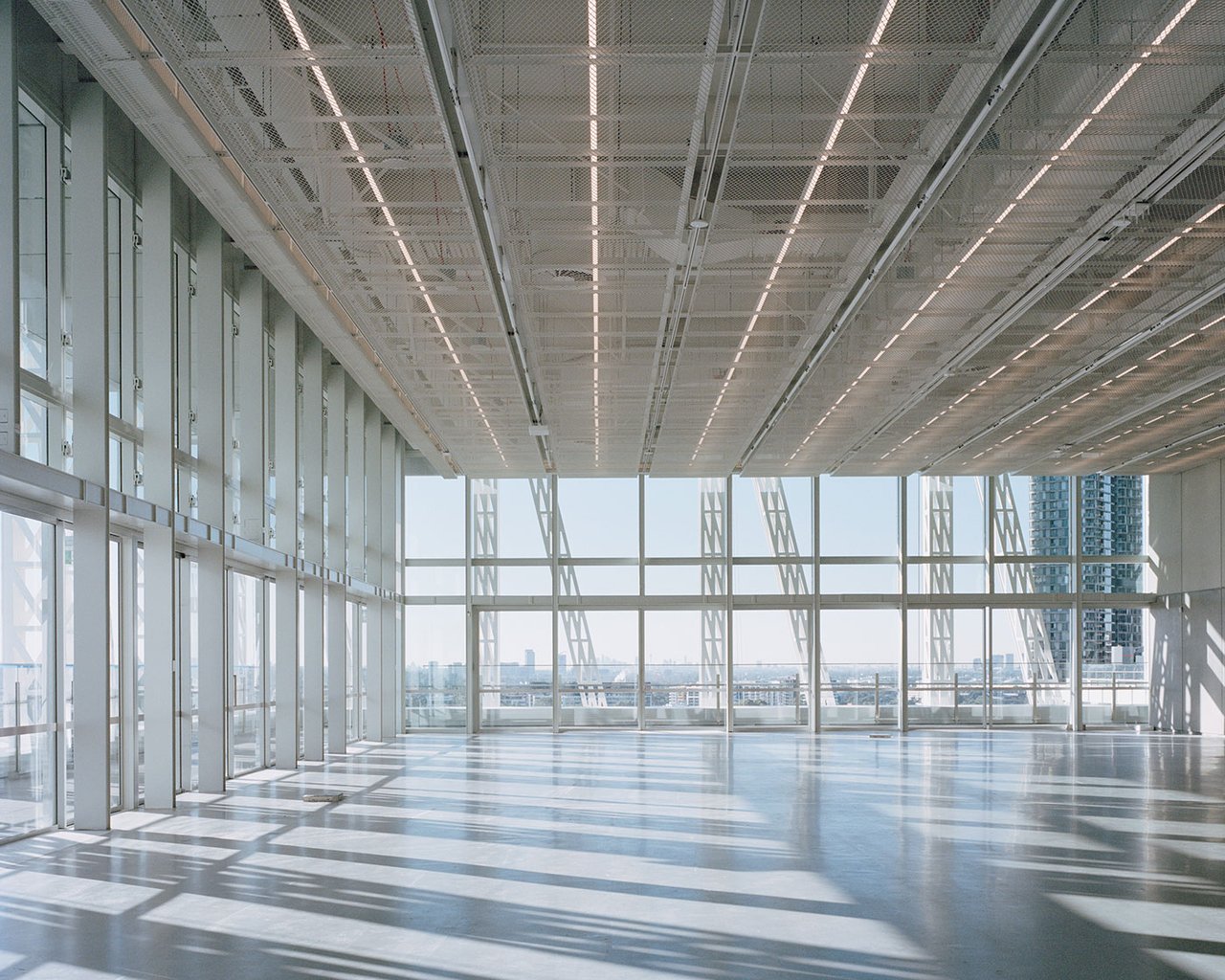
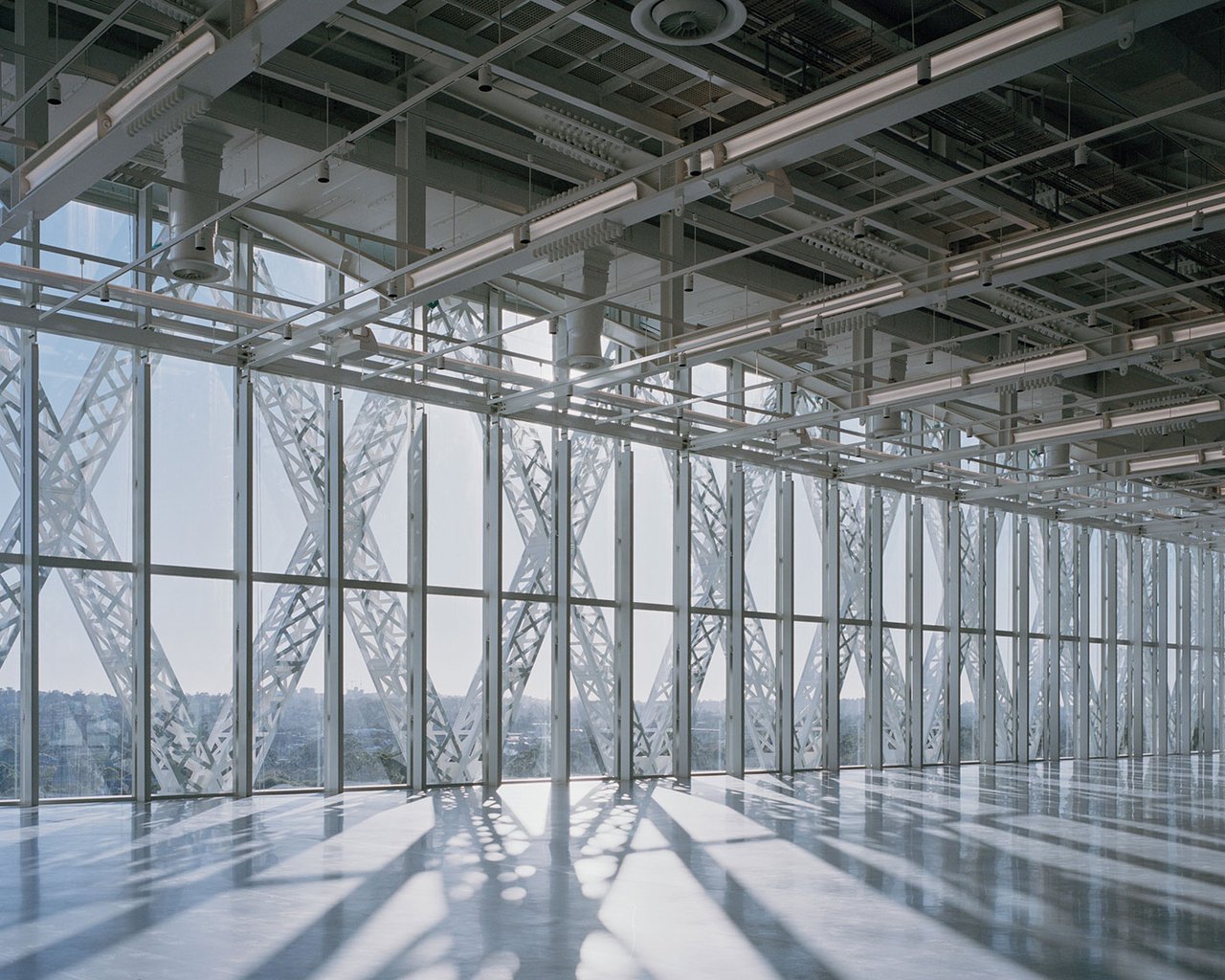
Powerhouse Parramatta will open in Sydney, Australia, on November 7, 2026. In what is one of the largest and most heralded museum launches of the year, the 30,000 square-metre building becomes the fourth element in the Powerhouse group of museums, based in in the state capital of New South Wales (NSW) and operating at the intersection of arts, design, science, and technology.
The opening of the museum will be marked by five large-scale exhibitions, containing artworks from the Powerhouse collection and from national and international loans.
Among the artists exhibiting work created with digital tools in the first group of Powerhouse Parramatta shows are James Turrell, with his grand-scale immersive work Shangri La (2026); Ayoung Kim with her film Dancer in the Mirror Field (2025); and Es Devlin who is presenting “The Turning” (2026), a five-part experiential exhibition dedicated to Sydney, its people and its ecologies.
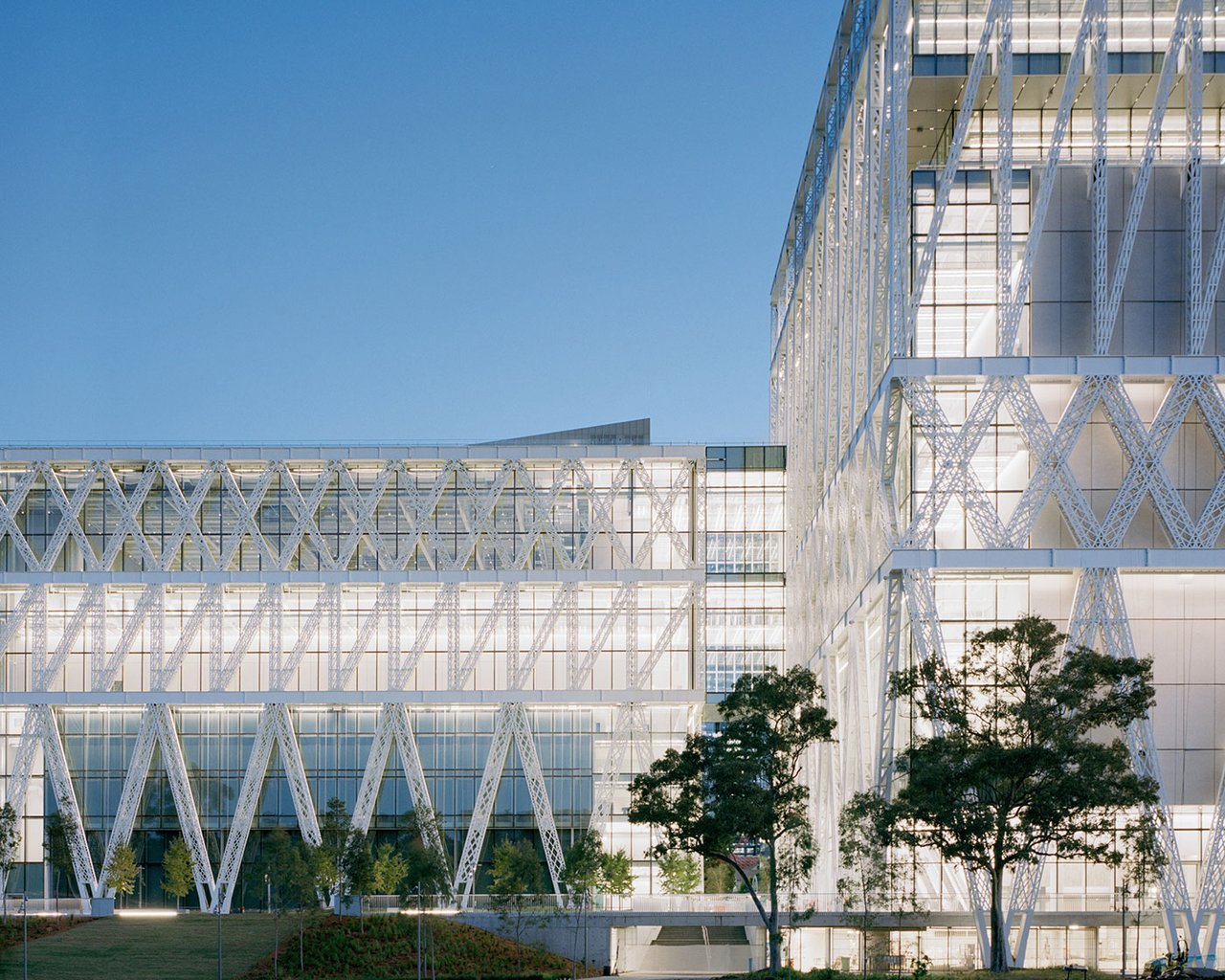
Powerhouse Parramatta, under construction, May 2026. Photography by Rory Gardiner
The opening of Powerhouse Parramatta is a significant landmark — regularly referred to, not without justification, as “a museum built for the future” — in a year characterised by the launch or reimagining of art institutions around the world dedicated to the digital era. Other milestones include the opening of the Schwarzman Centre for the Humanities, Oxford University; the remodelling and enlargement of Los Angeles County Museum of Art (LACMA) and the New Museum, New York; the opening of NODE, in Palo Alto, California, and Refik Anadol Studio’s Dataland museum of AI Arts, in Los Angeles; and the upcoming unveiling of Canyon in downtown Manhattan. There is also the inauguration of Creative Intelligence, a three-day London festival (September 11-13, 2026), that brings together artists, museums, scholars and creative coders to examine the role of digital innovation and AI in reshaping global society.
With a budget of AUS$915m (US$641m), Powerhouse Parramatta is the largest public investment in cultural development in Australia since the building of Jørn Utzon’s transformational Sydney Opera House (1959-73).
The other sites in the Powerhouse group are the historic Sydney Observatory, a museum and site of research; Powerhouse Ultimo, itself the subject of a AUS$250m (US$179m) investment from the NSW government for its renovation and redesign; and Powerhouse Castle Hill, home to Powerhouse’s permanent collection and to its conservation departments.
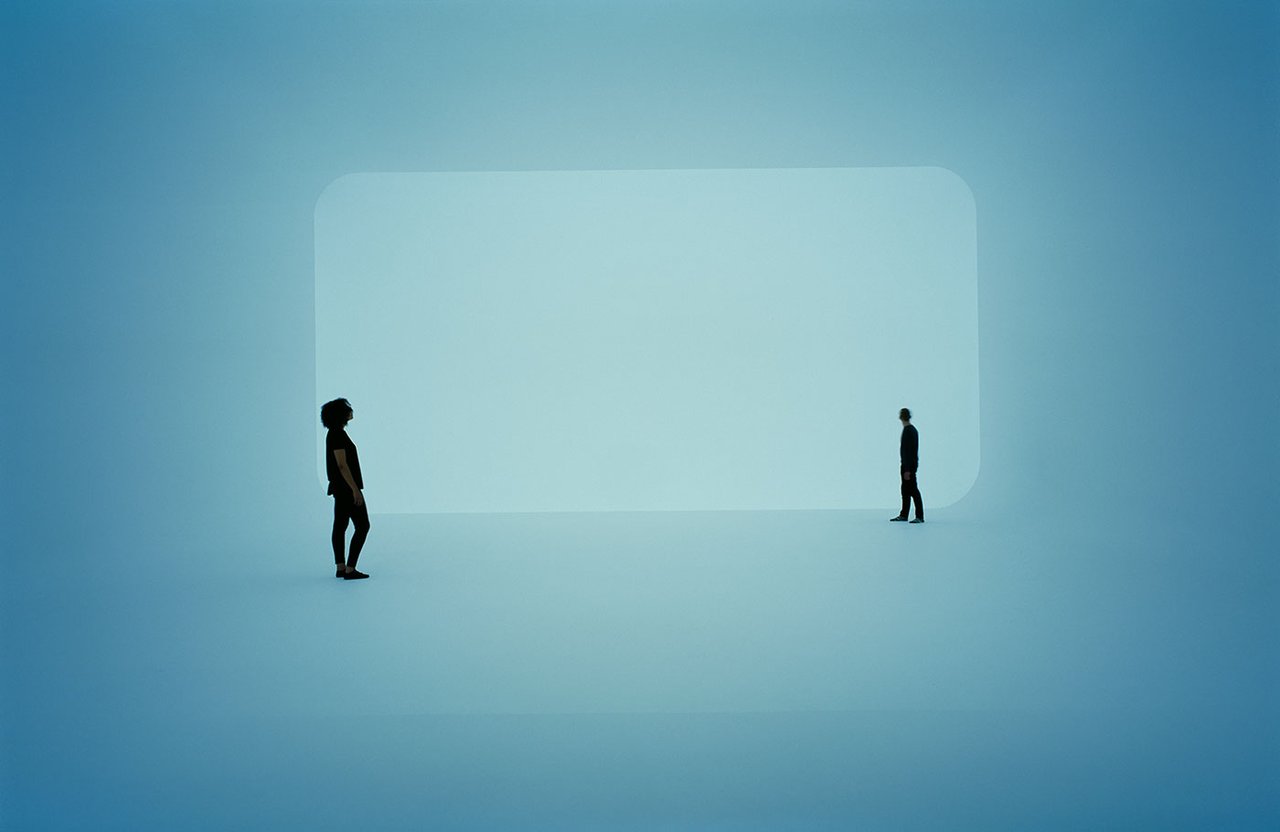
James Turrell, Shangri La (Over the Hump), 2026.Installation view at Long Museum West Bund, Shanghai, 2017. Photography by Yang Jiaxi, Zhu Zhe. Courtesy of Long Museum, Shanghai
From shopping malls to outer space
Turrell’s immersive work Shangri La (Over the Hump) (2026) forms part of “Task Eternal”, a launch exhibition at Powerhouse Parramatta exploring the history of aerospace, from Leonardo Da Vinci to the present day and consisting of 850 objects that include loans from institutions such as Nasa, the Smithsonian National Air and Space Museum, Washington DC; the British Museum, London; MIT, Boston; and the Australian Space Agency, based in Adelaide. The group exhibition, designed by the Beijing-based OPEN Architecture, led by Li Hu and Huang Wenjing, draws inspiration from First Nations sky knowledge and, for the installation design, from Ted Chiang’s science fiction story “The Tower of Babylon” (1990).
Turrell, the celebrated land artist, still working on his stupendously scaled Roden Crater Project in the Arizona desert, and a foundational figure in the Light and Space movement in California, has been an inspiration to many digital artists, including Erick Calderon (Snowfro) and Lawrence Lek.
Turrell showed two radiant, etched-glass, installations from his Glassworks series with Pace Gallery in the Zero 10 initiative at Art Basel in Miami Beach 2025. His piece for Powerhouse Paramatta will, the museum says in a website article, “envelop visitors and the entire space in cycles of changing, saturated colours that break down boundaries and perceptions of place and time”.
In 2022, Lek talked to Right Click Save about Turrell’s career trajectory, “which takes art out of the literal, out of the material, into the perceptual — into light and subjective experience. Fast forward 30 years, he’s creating physical, Land Art-scale architectural manifestations. [...] Part of that narrative of 1960s and ’70s California Land Art is that, instead of being trapped in the apartment, ‘Let’s drive out into the desert and see what we find. Let’s look at the horizon instead of the skyscraper.’ And I often ask myself, ‘What is the equivalent of that for digital native artists like us today? What is the equivalent of the permanent installation?’ Maybe the blockchain can achieve this.”
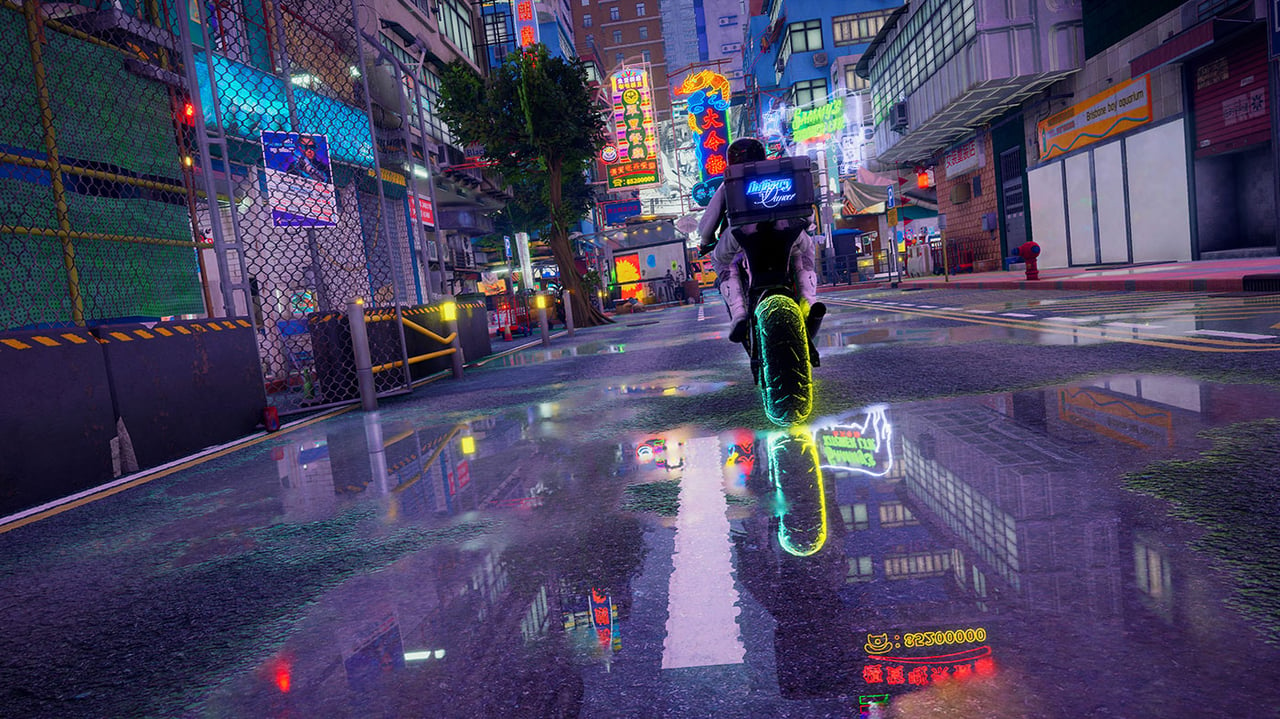
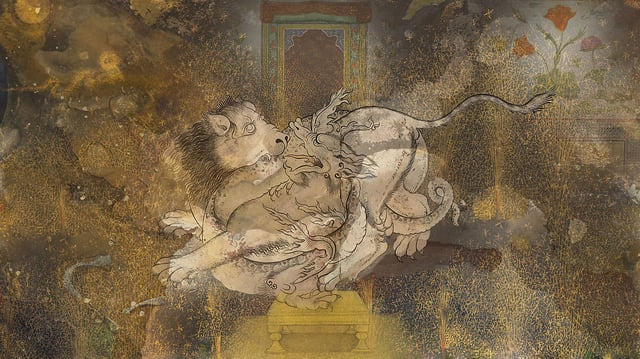
Ayoung Kim, (Still from) Dancer in the Mirror Field, 2025, a co-commission with M+ Hong-Kong. Courtesy of the artist
Ayoung Kim’s Dancer in the Mirror Field (2025), a speculative fiction film built around the story of an annual competition organised by a delivery service platform, will be shown as part of “The Mall”, an exhibition about the late 20th-century development of integrated shopping installations, including a focus on the phenomenon as it has presented itself in Parramatta, a suburb of West Sydney, where Westfield Parramatta (1975) was once Australia’s largest mall. The exhibition has been created by the museum in partnership with David Gianotten of the architecture, design and research studio OMA*AMO.
Dancer in the Mirror Field, a work that explores technology, labor, and identity, is co-commissioned with M+ Hong Kong. It was premiered as a Facade commission for M+ where it was shown, every night from October 3 to December 28, 2025, on that museum’s giant outdoor LED canvas, one of the largest media screens in the world, overlooking Victoria Harbour.
Kim, winner of the LG Guggenheim Award, New York, 2025, said at the time of the inauguration of the commission that she found the giant M+ screen “an extraordinary platform that amplifies the concept” of what is the latest installment of her fiction series Delivery Dancer (2022–ongoing) “and invites viewers to glimpse fragments of their everyday lives within it.”
Powerhouse Parramatta, under construction, May 2026. Photography by Rory Gardiner
The London-based designer and artist Es Devlin, who works across theatre, film language and performance will present a group of five commissions under the group title “The Turning”, 2026. The five experiential pieces, Forest of Us, Memory Palace, Collective Portrait, Screenshare and Redraw the Edges of Yourself, will focus on collective imagination, biodiversity and how memories are housed in places, including Sydney itself, its ecologies, and communities.
Devlin is no stranger to spectacle, having created kinetic stage designs for the Royal Opera House and National Theatre, London; the Metropolitan Opera, New York; and at Olympic ceremonies, and Super Bowl halftime shows. In September 2023, she co-organised the moving-image art programme for the U2 concerts at the opening season of the monumental immersive institution Sphere, Las Vegas.
For Nevada Ark, her work for Sphere, Devlin deployed a camera-shutter device that opened out to reveal a teeming array of local bird, fish, snake and butterfly species, that fanned out across the vast internal expanse of the 365-foot-tall dome as the choruses to U2’s “With or without you” were sung by an audience of 18,000 people.
Powerhouse Parramatta, under construction, May 2026. Photography by Rory Gardiner
Powerhouse chief executive stands aside
With 10 weeks to go to the opening of Powerhouse Parramatta, Lisa Havilah, chief executive officer of Powerhouse since 2019, has stood aside from her role, one that had seen her overseeing work on the Paramatta institution for the past seven years. John Graham, the arts minister for New South Wales (NSW), confirmed on August 27, 2026, that Havilah had stepped aside during “investigations into governance and procurement” at Powerhouse.
On the same day, Powerhouse staff received an email from Melanie Hawyes, secretary of the NSW Department of Creative Industries, Tourism, Hospitality and Sport (DCITHS), saying that Havilah would be “standing aside” amid an “ongoing investigation into matters relating to governance and procurement practices at the Powerhouse”.
“I recognise that this news comes at a significant time for the organisation, as we prepare for the opening of Powerhouse Parramatta,” Hawyes wrote. “I know how much work, commitment and personal energy all of you have invested in reaching this milestone, and I want to assure you that there will be no impact to the existing programs of work, or the opening on 7 November.”
Abbie Galvin, the NSW government architect, has taken over as chief executive officer of Powerhouse, with Louise Herron, former chief executive officer at Sydney Opera House, as strategic advisor.