Digital Art Shows to see in New York during Armory Week 2026
From Auriea Harvey at Heft, to Jennifer & Kevin McCoy at bitforms, and Arthur Jafa at New Museum, galleries and museums have a varied program on offer around this year’s Armory Show
The Armory Show is at Javits Center, New York City, September 24–27, 2026
An inquisitive visitor to New York City could be forgiven for thinking that this year’s Armory Week is largely about digital art. The sheer quantity of gallery openings, museum shows, pop-up events, performances, lectures, and talks devoted to art made with technology makes it hard to overlook.
There are, among many other shows to see, Jennifer and Kevin McCoy’s “ReLensing”, at bitforms gallery; “Malleable Archives” at Nguyen Wahed Gallery; the artist duo exonemo’s solo show “Terminal” at NowHere Gallery; Auriea Harvey’s “Ready to Die” at Heft Gallery; and “Websites Websites Websites!” — a sweeping net art survey to mark the New York-based Rhizome’s 30th anniversary as champions of born-digital art. Many of the “Websites” artists have other work showing in either gallery or institutional shows across the city.
That these shows opened largely during or around The Armory Show, the Big Apple’s largest art fair, is no coincidence. Digital art is becoming part of the canon internationally, and forming a meaningful part of the city’s art scene.
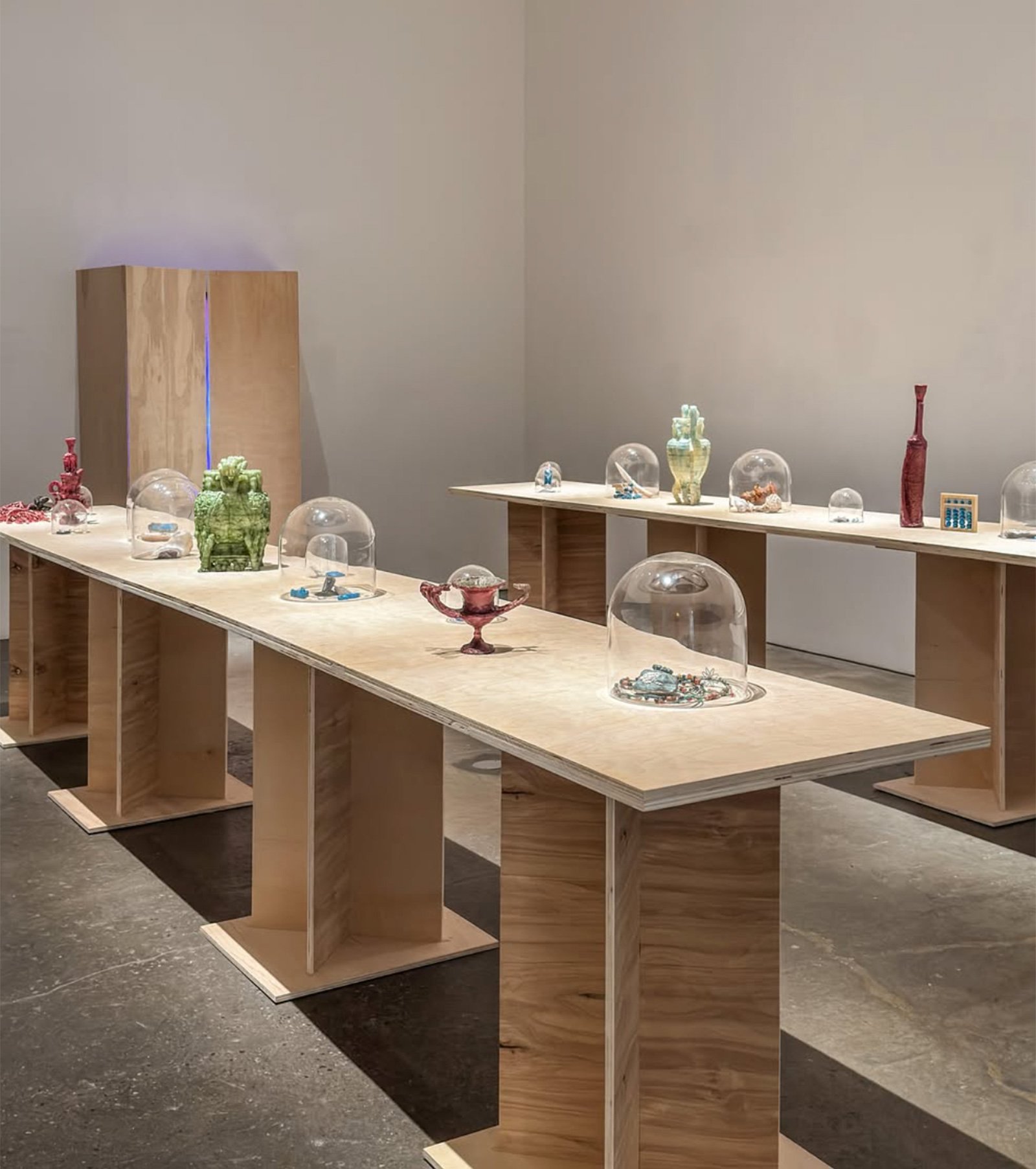
Installation view, Jennifer and Kevin McCoy, “ReLensing”, bitforms gallery, New York. Courtesy of the artists and bitforms. Photography via instagram.com/bitforms
That movement has been underpinned in New York by institutional developments in the city. These include the reopening of the New Museum, now the permanent home to Rhizome and to New Inc, the museum’s incubator for art, design, and technology; the move of the Onassis ONX studio, dedicated to cutting-edge digital art, to larger premises in Tribeca; and the upcoming opening of Canyon, a new home for showing and caring for digital art in Lower Manhattan.
The gallery shows of digital art are augmented by exhibitions at the city’s museums, with Arthur Jafa’s largest institutional survey to date at the New Museum; “Full Disclosure: The Edge of Information Design” at the Museum of Modern Art (MoMA); and one of the last chances to see a Whitney Biennial which has offered visitors a rich, cross-generational, mix of art made with technology.
This coming together of artists, galleries, curators and institutions during New York’s busiest art fair week represents a very particular episode in the chronology of a city that is at once a thriving home to the development of digital art and art world capital of the largest art market in the world.
Art Gallery Shows
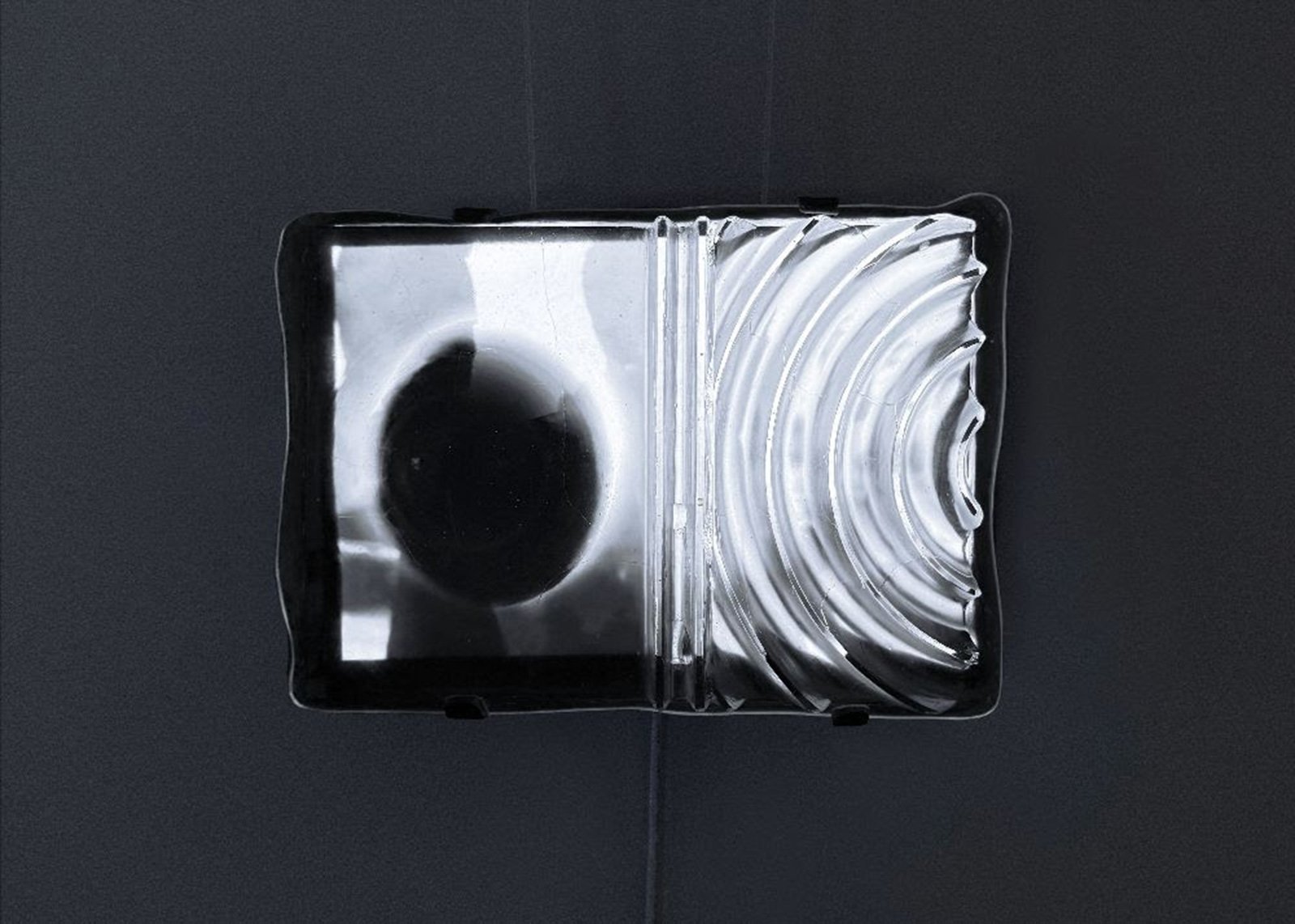
Jennifer & Kevin McCoy, Crystal Films #6 (tank), 2026. Courtesy of the artists and bitforms
Jennifer & Kevin McCoy, “ReLensing”
bitforms gallery, 131 Allen Street, New York, until October 17, 2026
ç, the New York-based pioneers of net art and the NFT, have a 30-year track record working with pixels across multiple media, from the blockchain to plotter drawings, to collage, film and video.
“ReLensing” at bitforms gallery — which is celebrating its 25th anniversary as a New York space championing new media art — brings together works that examine how machine-learning models and the optical science of cameras and glass remediate how a viewer experiences the act of vision.
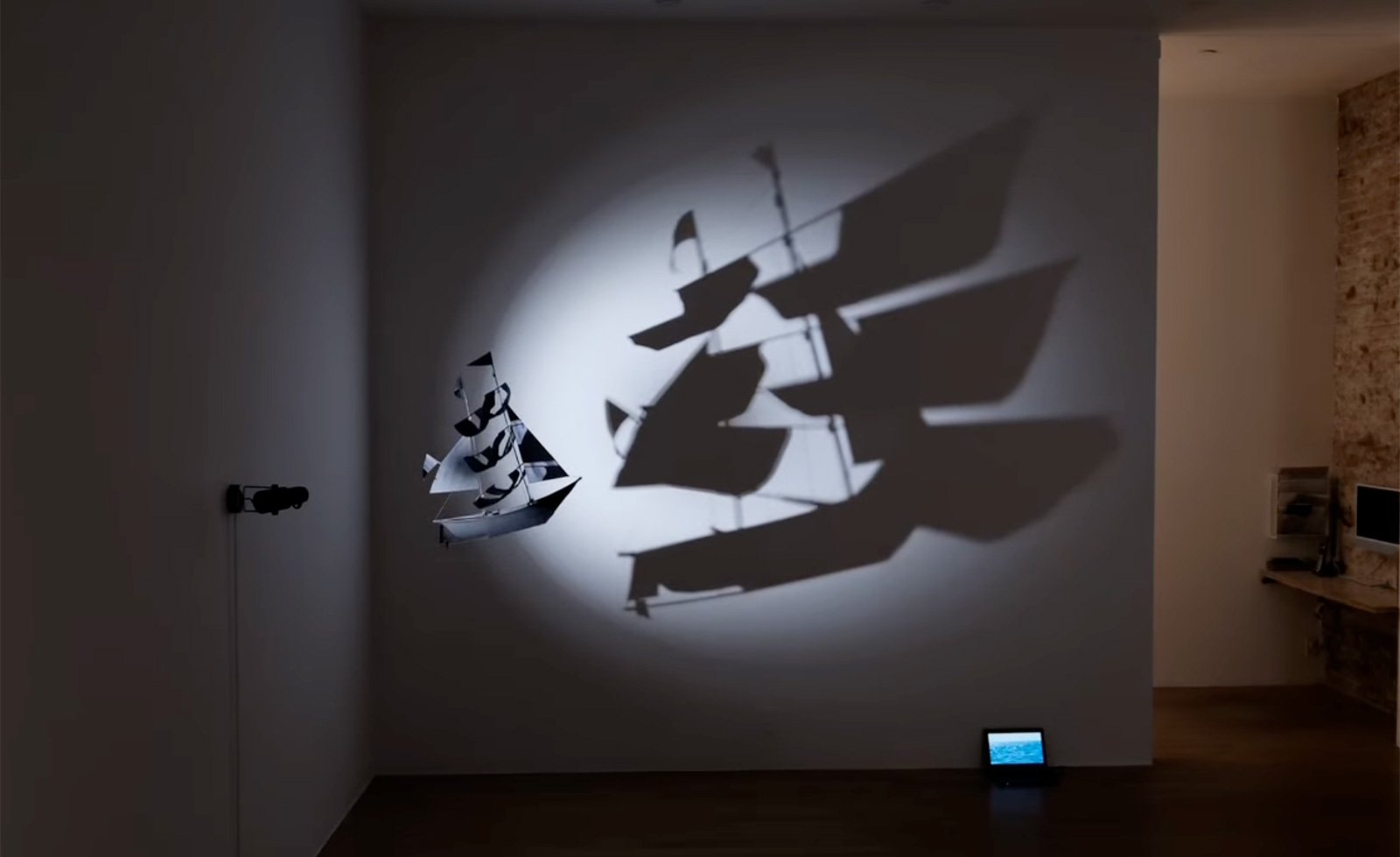
Jennifer and Kevin McCoy’s installation The Ghost Ship (2025) plays in retro fashion with the effects of shadow. The artists’ concern with cinema, and its use of sets and models, is reflected in their works from the series Crystal Films (2026), in which clips from the Orson Welles film The Lady from Shanghai (1947) are seen playing through 3D-printed digitally-generated cast glass sculptures.
The resulting compressed and fractured moving images, the McCoys say in their artist’s statement on Crystal Films, recalls moments in early cinema when “projection relied on the precise alignment of optics, surfaces, and light”.
“The screen is treated as momentarily arrested, its flow of images held in suspension, as if preserved in amber.” (Jennifer and Kevin McCoy)
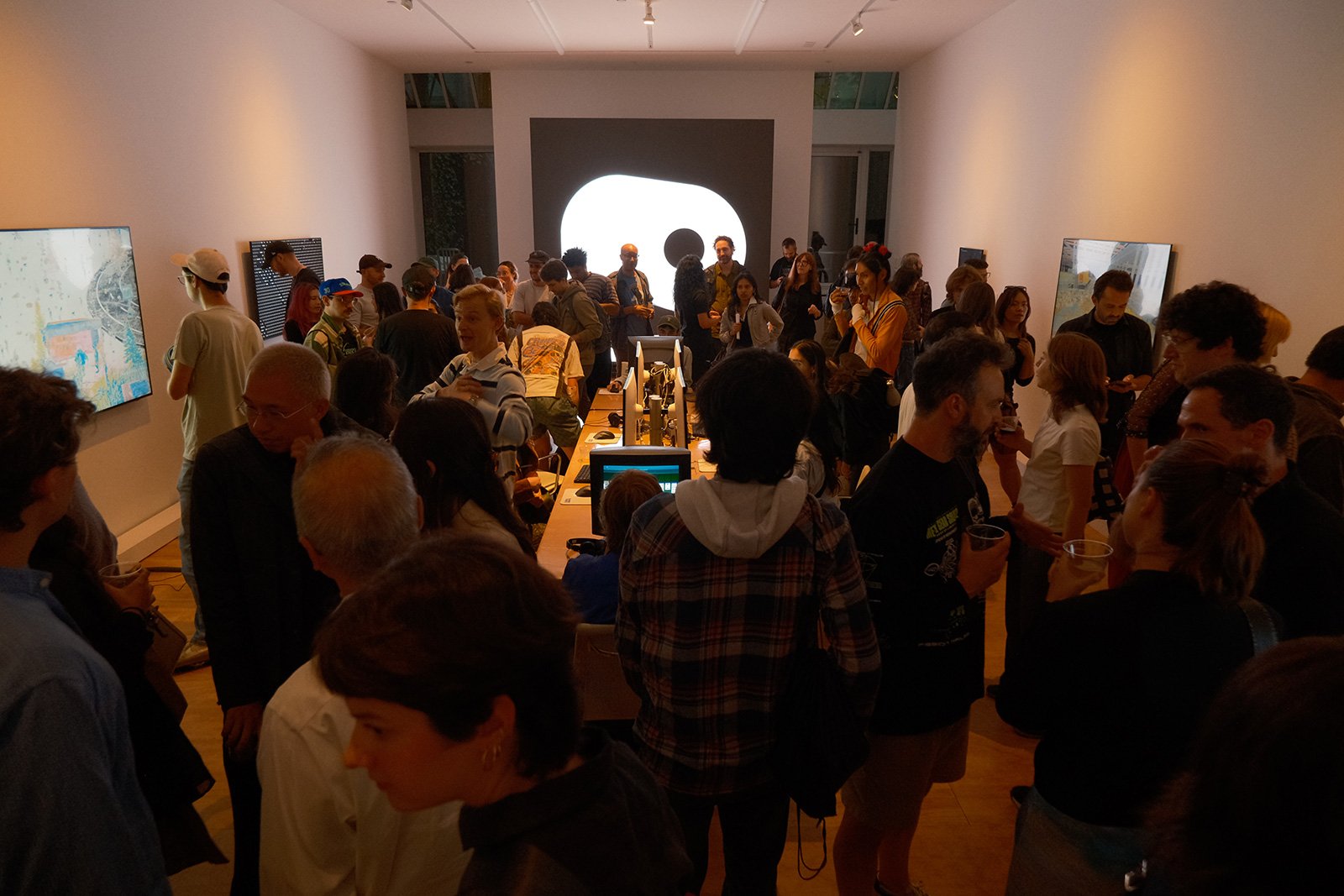
Installation view, “Websites Websites Websites!” Photography by Right Click Save
“Websites Websites Websites!”
Co-curated by Vienna Kim and Benoit Palop of LAN Party and Sofia Garcia of ARTXCODE. New Int. Picture Company, 39 Great Jones Street, New York, until September 27, 2026, and online.
The group exhibition “Websites Websites Websites!” is presented in honor of the New York-based Rhizome’s 30th anniversary, and sponsored by Fellowship.xyz. The exhibition takes a historic view of net art and explores the ways in which websites are an interface through which we experience the world in the age of the internet.
With works such as exonemo’s The Last Acres of the Internet (2026) that uses domain names as new inhabited spaces and Maya Man’s pureinformation.stream(2025), a playful exploration of the self as data sets, “Websites Websites Websites!” demonstrates how the net entwines with us and entwines us with one another in a virtual space — even if in solitary fashion, as in Nolen Royalty’s Solitaire Alone Together (2026), where visitors can play Solitaire and watch another visitor play on the same screen, but with no ability to interact with one another.
Auriea Harvey’s Wrong! (1999), and Jan Robert Leegte’s Untitled[rhizome] (2000), both use breakages to turn the viewer’s attention to the website as a “thing”, instead of a transparent medium for delivering content.
Displaying an error as in the case of the former, or stripping the website in the case of the latter, also reveals the fragility of the internet and of the hardware devices, like cathode-ray tube (CRT) monitors, that are exhibited in the show as historical artifacts.
The show includes work by other contemporary artists central to the space including Damjanski, Rafaël Rozendaal, Kim Asendorf, Sarah Friend, Simon Denny, Auriea Harvey, and Luke Shannon.
Installation view, Auriea Harvey, “Ready to Die”, Heft Gallery, New York. Photography via instagram.com/heft_gallery
Auriea Harvey, “Ready to Die”
Heft Gallery, New York, until October 9, 2026
Auriea Harvey, the Rome-based sculptor and pioneer in net art and “bringing 3D” into the world of NFTs, is having a moment on both sides of the Atlantic. In New York her work is on show in the group survey show “Websites Websites Websites!” and in “Ready to Die”,her solo show at Heft Gallery, while in London she recently received one of the first Future Art Ecosystems R&D Fellowships from Serpentine to work with how advances in artificial intelligence (AI) are reshaping global culture and society.
“Ready to Die” covers the artist’s recent work with her own likeness in both the self-portrait and the “mythic double”, and offers collectors the opportunity to collect The Amulets, a group of Harvey’s sculptural artifacts and vitrines, each of which has a digital companion. Harvey also offers digital companions for another series, the classically inspired “Vessels”, and is showing a set of three live-compositing films, The Dance of Death and Time.
Seeing Harvey’s work at Heft, which has developed a distinctive presence on the New York scene, championing digital art, and Web3’s community of blockchain natives, since opening in April 2025 — in a city where Harvey studied at Parsons, discovered HTML and worked on websites across the city’s cultural sector, including with musical luminaries like Lenny Kravitz — is a reminder of her role in the development of the city’s digital-art ecosystem.
In the late 1990s and early 2000s, Harvey championed net art as a form in itself, rather than as a sub-section of film studies, and exhibited at the Manhattan-based gallery Postmasters and in the landmark exhibition “010101: Art in Technological Times” (2001) at SF MoMA. Postmasters and the SF MoMA show ultimately helped inspire Steven Sacks to set up bitforms gallery, to champion media art, 25 years ago this year.
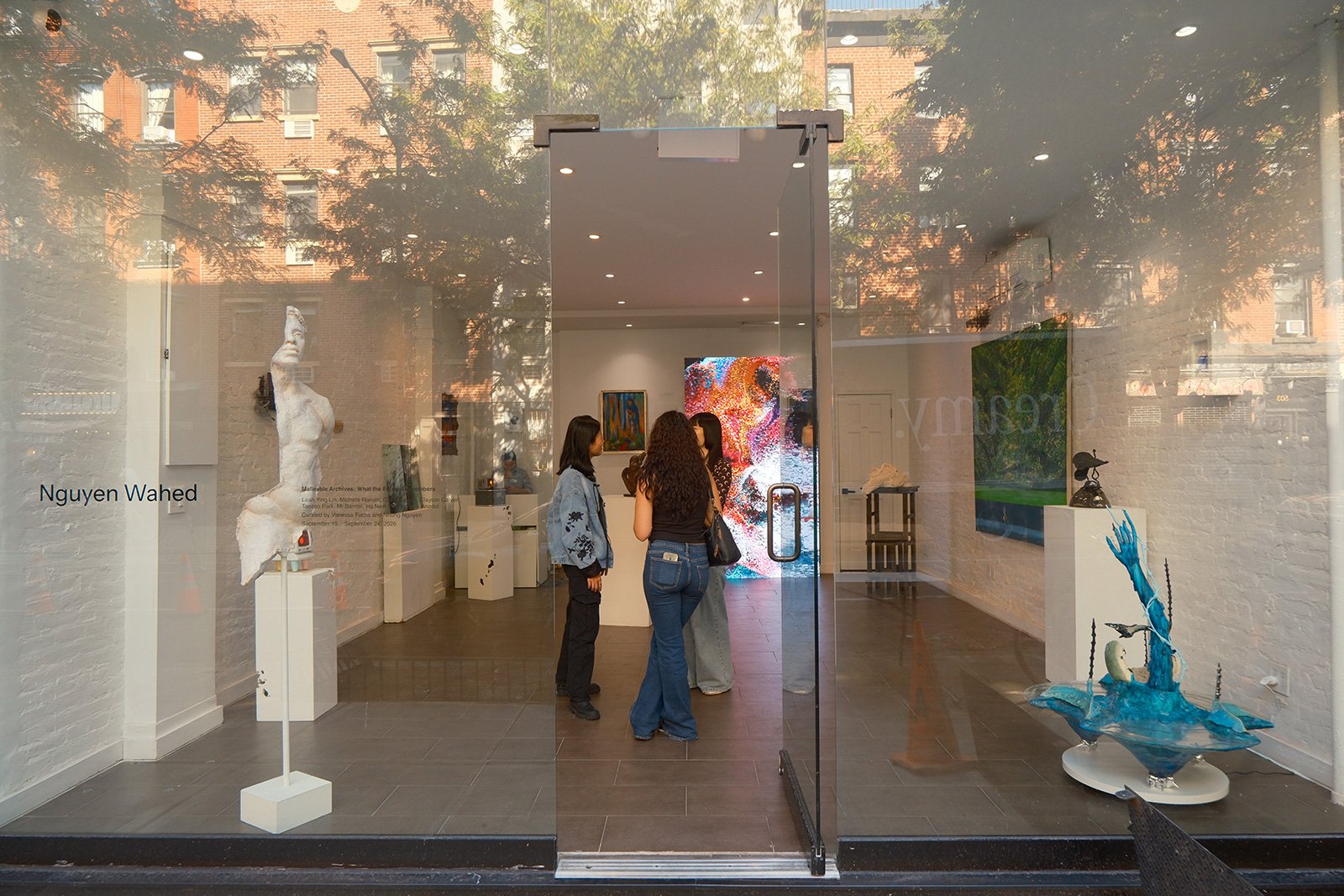
Exterior view, “Malleable Archives | What the Future Remembers”, Nguyen Wahed, New York. Photography by Right Click Save
“Malleable Archives | What the Future Remembers: Leah Ying Lin, Michela Roman, Cian Duggan, Clayton Calvert, Taezoo Park, Mr.Bambii, Hà Ninh Phạm, Refik Anadol”
Curated by Vanessa Fuchs and Nhung Nguyen. Nguyen Wahed, 504 E 12th St, New York, until September 24, 2026
“Malleable Archives” develops the emphasis of recent shows at Nguyen Wahed, New York, and at its London space: the intersections between digital and physical objects. Marble sculptures are juxtaposed with technological multimedia works, and works in clay and wax are set against a backdrop of a room-filling screen, displaying what is termed a “data painting”. The show inquires into the mechanisms that organize the past out of concern with the trajectories of the future. Works such as Michela Roman’s Nothing to be Afraid of (2024), a fabric-like textured marble that drapes and pools on the pedestal, becomes a metaphor for the archive by casting the sensation of change and malleability against the permanence of marble as a medium.
Taezoo Park’s work 2024-10-30 (Yellow Flame with Sony 5-303W) (2024) addresses the central question of the exhibition, what role do we play in shaping our histories? by highlighting the participatory nature of the archive that the exhibition develops. The work displays a moving flame on an LED panel encased in an old-timey transistor TV. Spectators need to blow on the work to extinguish the flame, which then reignites, forming a perpetual feedback loop. Nam June Paik had made a similar argument with TV Buddha (1974). For Paik, the TV was not just a device for passive consumption as viewers have a role in shaping its content as much as it shapes them.
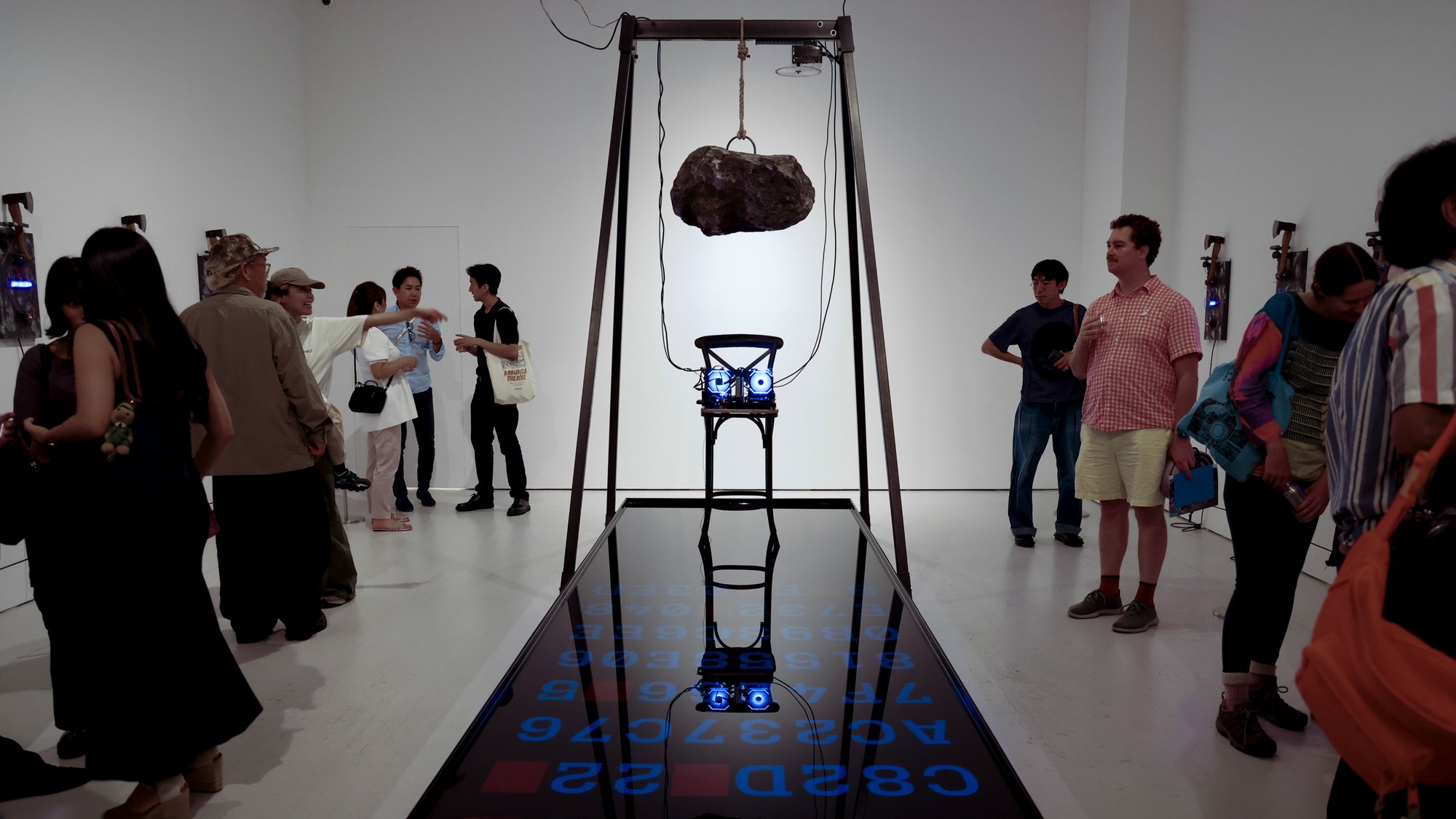
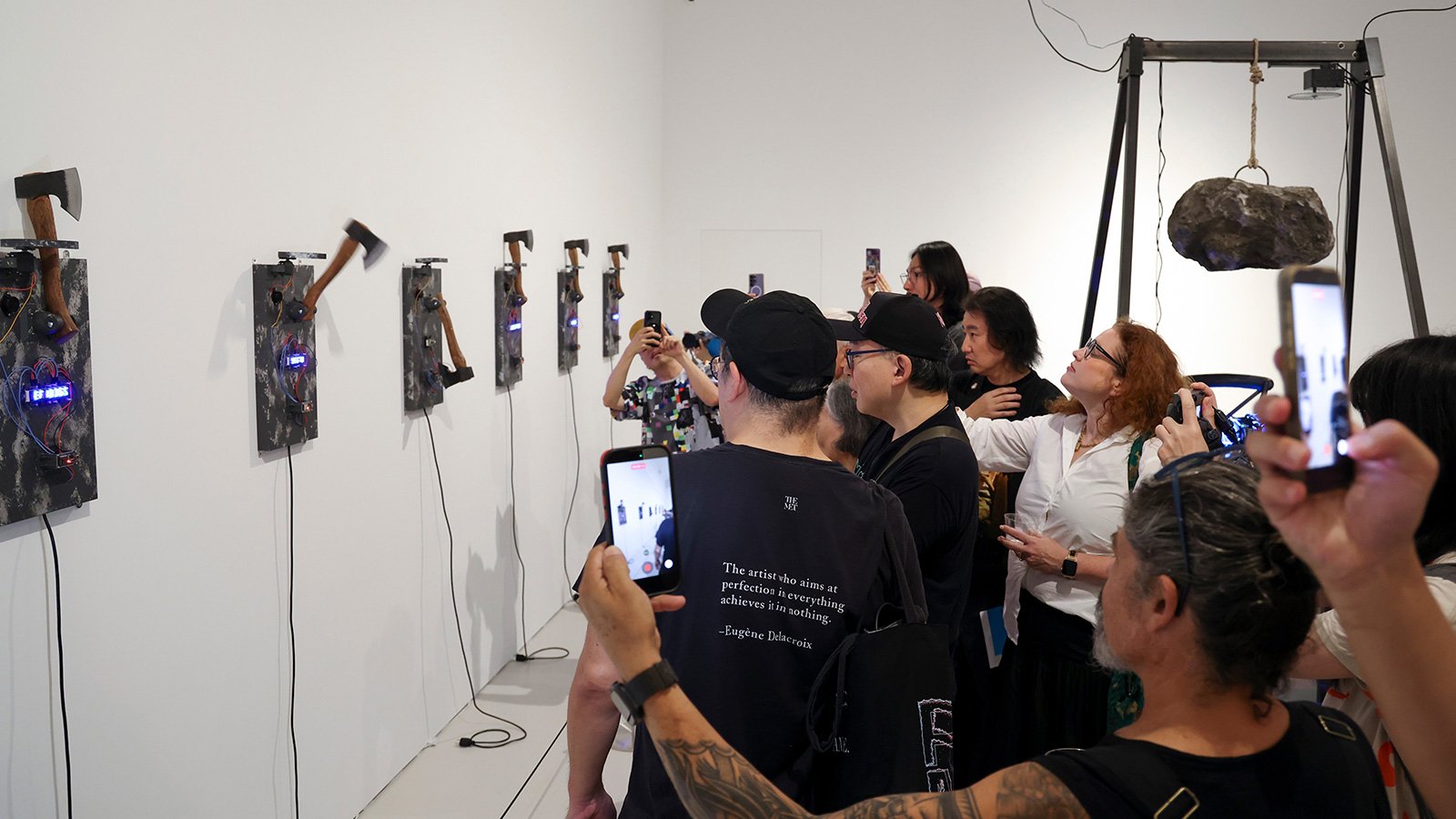
Installation view, exonemo, “Terminal”, NowHere gallery, New York, showing work: Hatch/et 2-12 (2026), left, and The Terminal, 2026, right. Courtesy of NowHere. Photography by Miki Yamato
exonemo, “Terminal”
NowHere, 40 Lispenard Street, New York, until November 7, 2026
As boundaries blur more and more between human and artificial intelligence, the artist duo Kensuke Sembo and Yae Akaiwa, known as exonemo, extend the question of life and death into the digital sphere, probing into the ways in which human existence has become entwined with that of machines, and how machines can be subject to the same mortality as humans, but using a different logic.
In exonemo’s show “Terminal”, their work As long as ******* is not ****** (2026) generates two sets of numbers. For as long as the sets do not match, the work continues to exist. The marquee piece, The Terminal (2026), is a machine trying to crack its own code — should it succeed, a rock menacingly hanging above it will fall and destroy it. When failing means survival, and success means death, exonemo ask whether the machines that play such a role in daily life have interests that align with those of humans.
Installation view, “Put the Kettle On”, Gazelli Art House, New York. Courtesy of Gazelli Art House
“Put the Kettle On”
Gazelli Art House, 545 West 25th Street, New York
Over the past decade, Gazelli Art House has built a tradition at its London gallery for presenting art of the digital era, from work presented in virtual reality headsets to discourse around the history of art made with artificial intelligence. Now it has opened a gallery in the Chelsea district of New York. The 10,000-square-foot space is home to the group show “Put the Kettle On”, with work by the artists Agil Abdullayev, Memo Akten, Derek Boshier, Pauline Boty, Harold Cohen, Brendan Dawes, Jake Elwes, Lilly Fenichel, Jann Haworth, Kalliopi Lemos and Recycle Group.
Gazelli’s work with the Harold Cohen estate, and the artist’s four-decade relationship with his drawing and painting program, AARON, is represented in “Put the Kettle On” by an early fully machine-made series, using color, TCM #4 (1995). Jake Elwes is presenting work including videos on custom LED screens from his series Zizi — Queering the Dataset(2019), the subject of a solo show at Gazelli’s London base in 2023,. In this series, Elwes addresses the lack of representation and diversity in the training datasets for facial recognition systems by re-training them using online images of drag and gender-fluid faces.
Gazelli is also showing at the Armory Show (Stand 424), with the group presentation “Continuous Abstraction”, focused on women artists across multiple generations who have worked with abstraction in painting, computer art, and light art. They include Gillian Ayres, Alice Baber, Sandra Blow, Lilly Fenichel, Perle Fine, Grace Hartigan, Helen Pashgian, and Joan Truckenbrod.
Sasha Stiles. Photography by Right Click Save
Sasha Stiles, “THIS PLACE WAS HOME BEFORE I LIVED HERE: POEMS AFTER JANGAR”
Sapar Contemporary, 9N Moore St, New York. Opening September 25, 2026
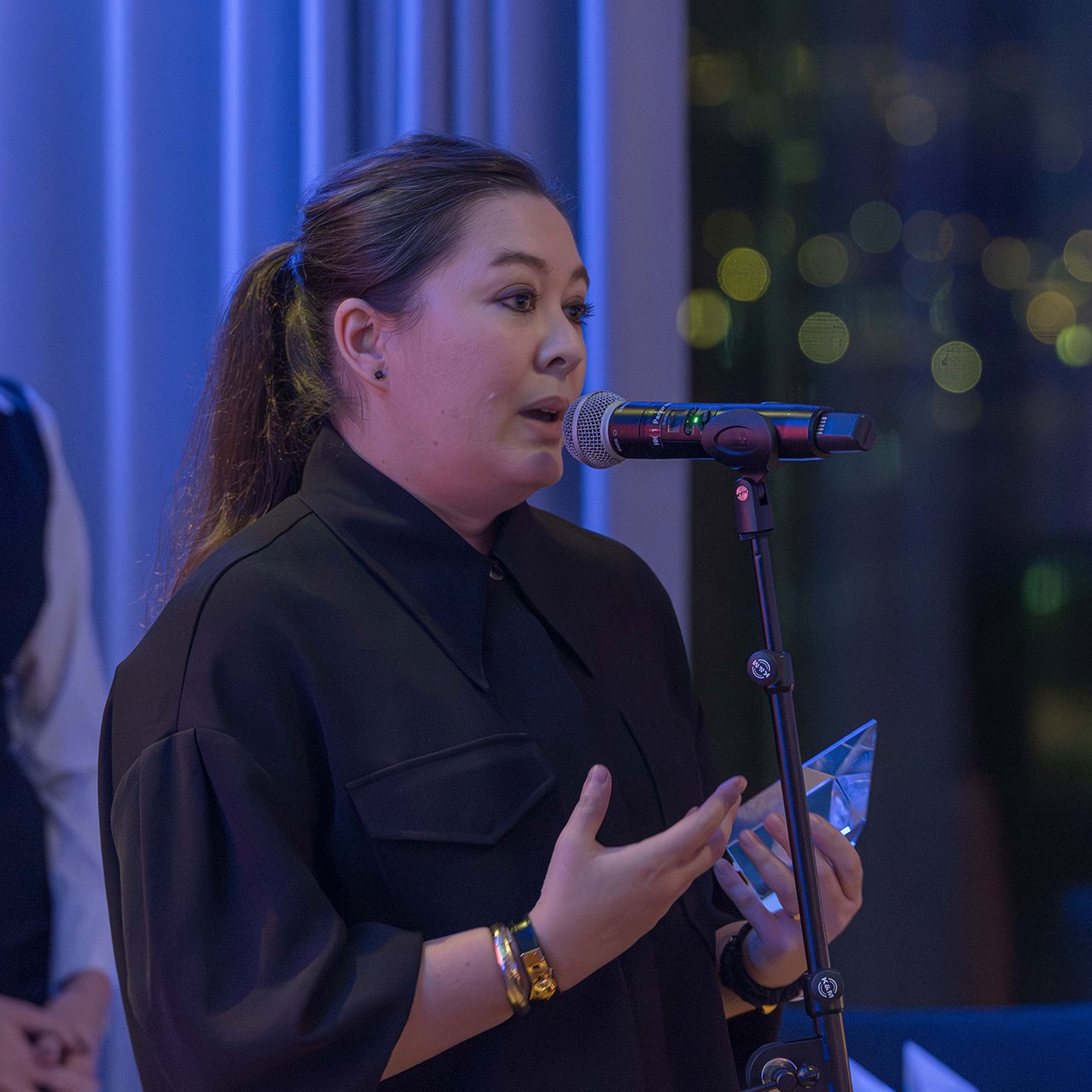
Sasha Stiles, a first generation Kalmyk-American artist, and innovator in the connection between poetry, technology and art, has a full program of exhibitions opening in September 2026. These include “THIS PLACE WAS HOME BEFORE I LIVED HERE: POEMS AFTER JANGAR”, at Sapar Contemporary, inspired by “Jangar” the heroic epic of the Kalmyks.
After nine years working with her alter ego, Technelegy, an AI system trained to emulate and augment her writing and voice, Stiles reached new audiences in 2025-26. The main conduit for this was her work “Living Poem”, which drew large crowds and applause from fellow poets, including Christian Bök, author of The Xenotext, when shown on the big screen in Agnes Gund Garden Lobby at MoMA.
When Stiles won the Literature & Poetry Award at the 2025 Lumen Prize, she explained her relationship with technology:
“I do what I do … because technology is about connection and inspiration and community and collaboration. It’s not about pulling off magic tricks with fancy tools. It's really about finding new ways to connect with each other, finding new ways to create relationships.” (Sasha Stiles)
Curated by Massimiliano Gioni, Toby Devan Lewis Director, and Gary Carrion-Murayari, Kraus Family Senior Curator, with Calvin Wang, Curatorial Assistant
New Museum, September 25, 2026 to January 4, 2027
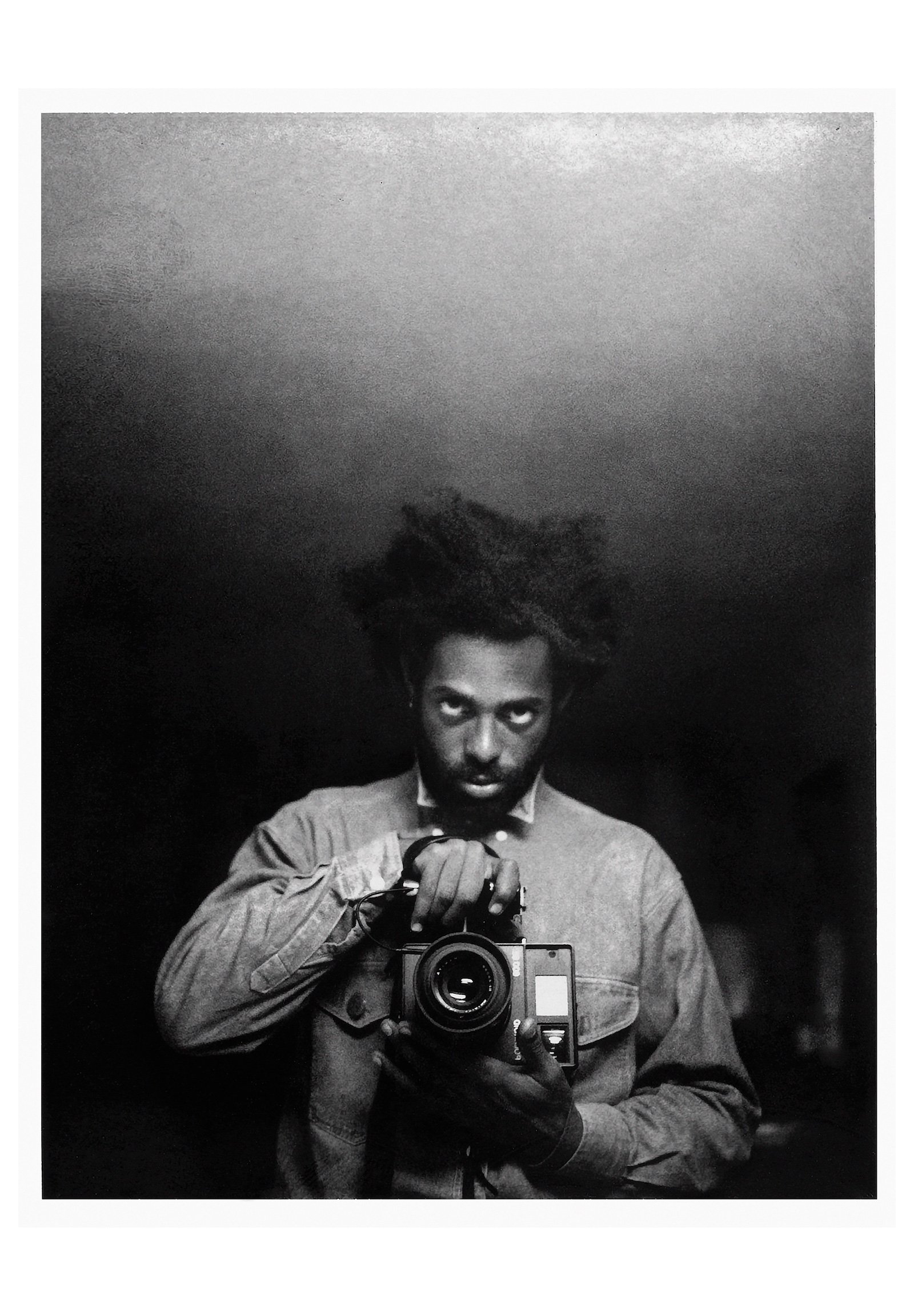
The New Museum reopened in March 2026 following a massive project of renovation and enlargement, with the themed group exhibition “New Humans: Memories of the Future”, which explored what it means to be human in the face of technological change. Now the museum turns to another of its central curatorial threads, the single-artist survey exhibition. “Arthur Jafa: I Am Tony” is the artist’s largest monograph show to date, covering the full range of work created by the artist and film-maker Arthur Jafa, an innovator with the moving image, and unflinching, shatteringly powerful, chronicler of the inequities of Black America seen through the prism of Black — and in particular African-American — culture. (The “Tony” of the show’s title is the great jazz drummer Tony Williams, a long-time collaborator with Miles Davis.)
Jafa’s work with found imagery, and the sampling and sequencing of still images, recoding pictures that are already heavily freighted with meaning, is found in work like his immersive video APEX (2013), where the artist creates what he has called fast-edited “spooky entanglements” brought together as Intuitive, sequential, compositions. APEX is showing in the New Museum loan exhibition and was featured in “Paradigm Shift” (2025), a show of avant garde moving-image work curated by Jefferson Hack and Susanna Davies-Crook at 180 Studios, London. Talking to Right Click Save about that exhibition, Hack said that experiments like Jafa’s with high-tempo juxtapositions in montage and Derek Jarman’s with Super 8 are artworks because of “the intention behind them, not the construct”.
The eminent intentionality of Jafa’s work is represented in a show, across two floors, and including new work, recent paintings, sculptural and photographic objects, video and film installations, and includes two of Jafa’s most celebrated recent video works, “Love is the Message, The Message is Death” (2016), which was an art world sensation at its release, first at Art Basel and then multiple gallery showings, three years into the Black Lives Matter movement, and the Golden Lion-winning "The White Album" (2019).
“I didn’t choose the art world,” Jafa said of the furore created by “Love is the Message, The Message is Death”, “The art world chose me.”
Ashley Zelinskie, Reverse Abstraction, 2016, 2026. Courtesy of the artist
“What Remains”
Onassis ONX, 390 Broadway, New York, September 25 to October 4, 2026
Onassis ONX, the Onassis Foundation’s incubator for art and advanced technologies, has been working at a new scale in New York since moving its studio in the city to a new, much larger, location in Tribeca, in January 2026. It has since also launched ONX Relay, a program for the commissioning and distributing of technology-driven art at museum scale. Its first cohort, working with Onassis ONX’s hubs in Athens and New York, is made up of the artists Maya Man, Trevor Paglen, and Ben Frost.
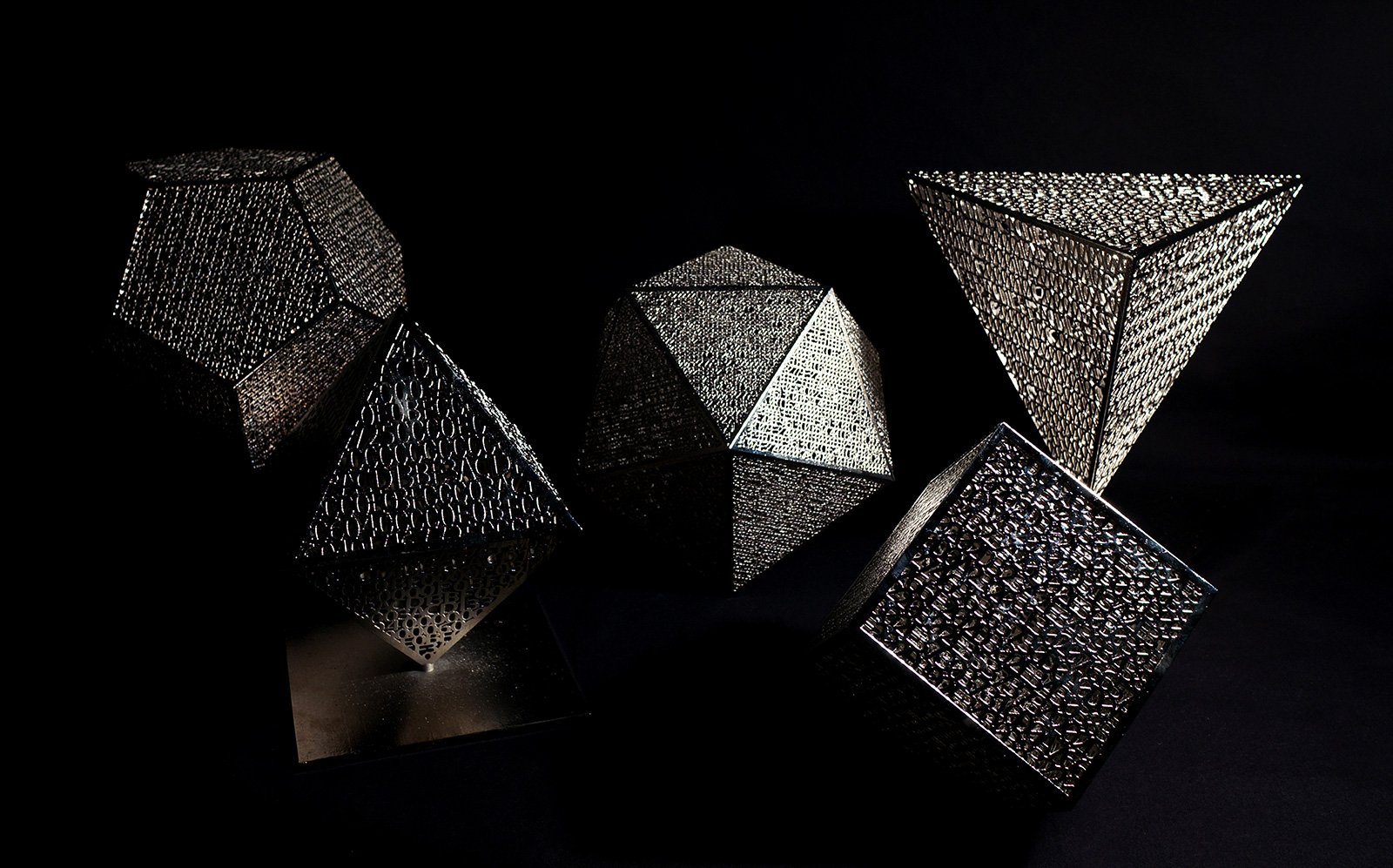
“What Remains” features seven artists from the ONX community working across a broad range of media at the intersection of art and technology, one that collectively offers a snapshot of the language and technical adventure of cutting-edge practice in 2026. Alejandro Moreno Jashés (Salón De Actos) is working with motion capture and 3D graphics engines; Jiabao Li (CryoScapes) with AI and 3D ice printers; Huntrezz Janos (Dis-ARMOUR-Machine) with Afrofuturism and digital fabrication; Margarita Athanasiou (A Brief Introduction to Alchemy) with film, collage, and technofeudalism; Ugo Arsac (with Katábasis, winner of Best Immersive Work at the 2026 Cannes Film Festival) with 3D scans and documentary format under the streets of New York; Chloe Alexandra Thompson (Untitling (field relations)) with satellite imagery and acoustic ecology; and Ashley Zelinskie (Reverse Abstraction) with sculpture, code and computer perception of physical objects.
“Onassis ONX supports artists who work with technology without being confined by it,” Afroditi Panagiotakou, Artistic Director of the Onassis Foundation, said in a press statement. “How might we move beyond the medium to the invisible threads that connect bodies, memories, and landscapes?”
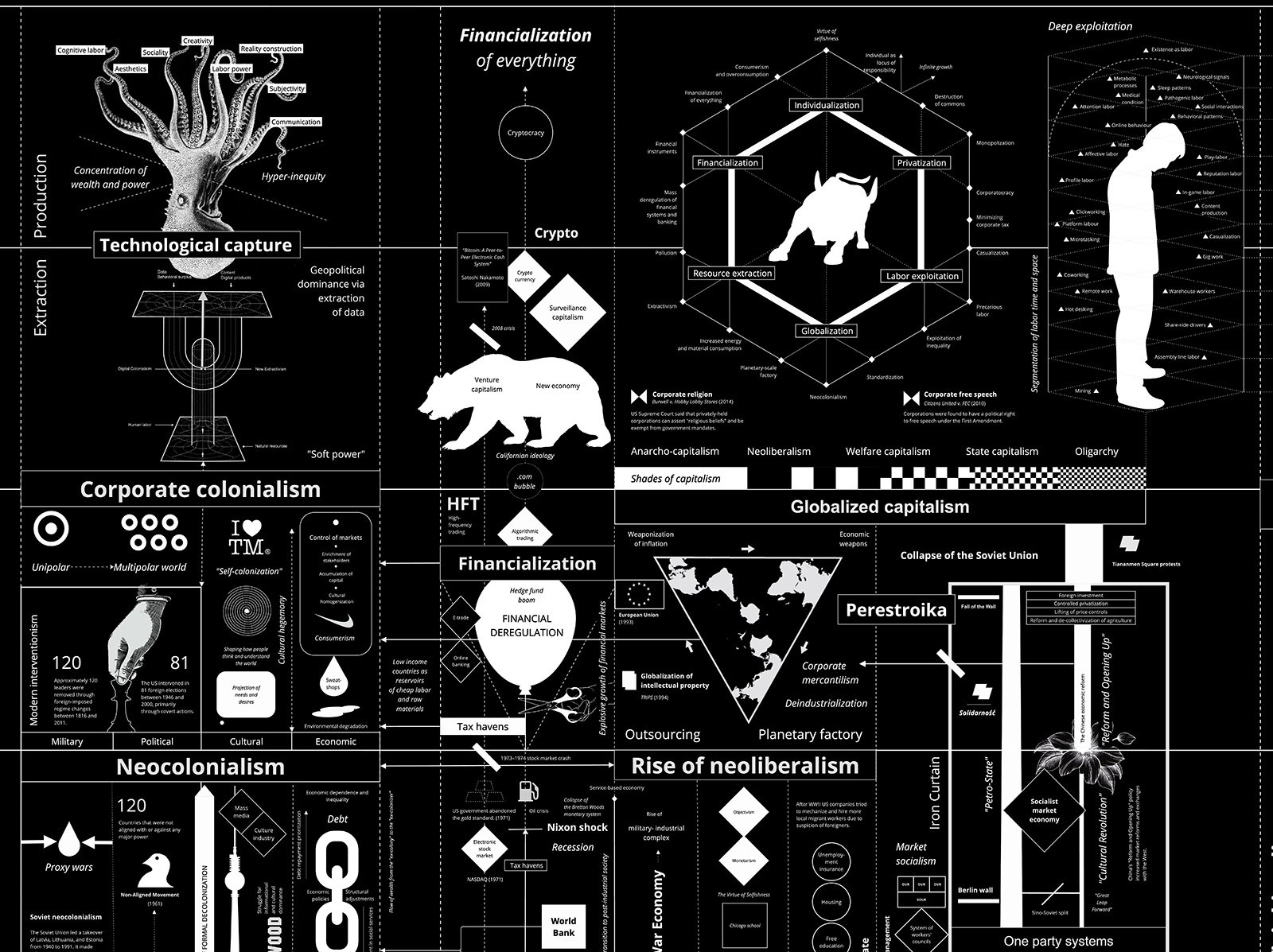
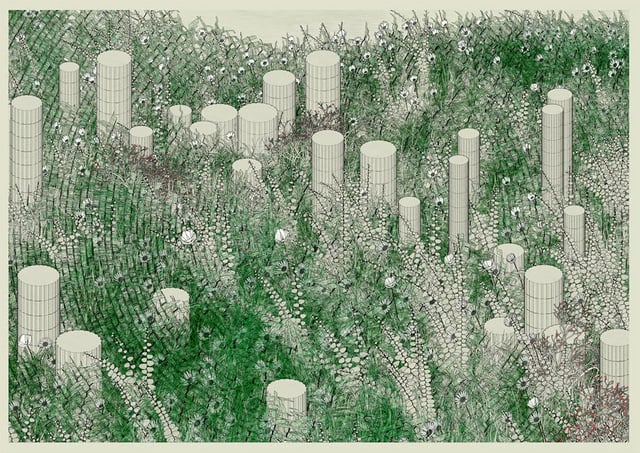
Kate Crawford and Vladan Joler, (Detail from) Calculating Empires: A Genealogy of Technology and Power Since 1500 (2023). Courtesy of the artists and MoMA
“Full Disclosure: The Edge of Information Design”
Curated by Paola Antonelli, Senior Curator, Department of Architecture and Design, Museum of Modern Art, and Jules Bernstein, Curatorial Assistant, Department of Architecture and Design
The Museum of Modern Art, September 27, 2026 to June 13, 2027
Seven recent MoMA acquisitions are at the heart of the museum’s new show on information design, or data visualization. The instant-history urgency of the subject, and the rise of data journalism, is represented by two pieces in the show that were acquired from The New York Times. One is a visual analysis of why the cathedral of Notre Dame in Paris was a tinderbox when it caught fire in 2019; the other is a 2021 interactive visualisation, What the Tulsa Race Massacre Destroyed, made a century after that harrowing event.
One of the new acquisitions on show will be Kate Crawford and Vladan Joler’s Calculating Empires: A Genealogy of Technology and Power Since 1500 (2023). This work, in two forms — a large-scale installation and as a digital file — traces the interlacing of technology and power in the five centuries since the invention of the Gutenberg press and the advent of printing that used movable type.
“As data has become a defining feature of contemporary life, its visualization has evolved into one of the most consequential design fields of our time,” the show’s curator, Paola Antonelli, said in a launch statement. “As a practice, information design allows us to dig deep into our reality, rendering complex phenomena and global infrastructures legible while also unveiling and clarifying systems of power.”
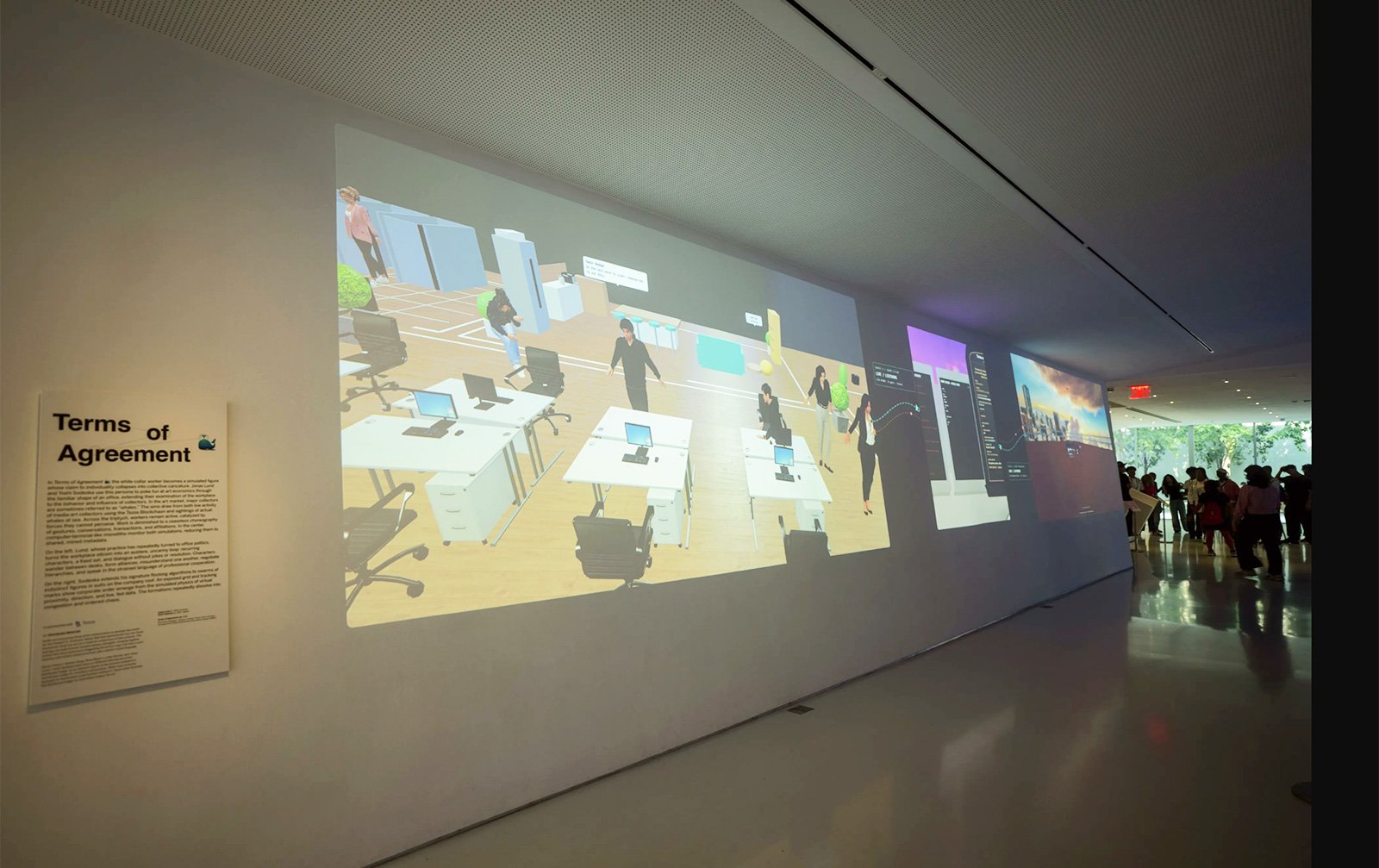
Installation view, “Terms of Agreement”. Photography via x.com/tezos
Jonas Lund and Yoshi Sodeoka, “Terms of Agreement”
Museum of the Moving Image, 36-01 35 Ave, Astoria, New York, until October 25, 2026
The Herbert S. Schlosser Media Wall at Museum of the Moving Image (MoMI) has become a landmark location for innovative digital art, one that offers artists the opportunity to interact with the public at a high-traffic area of the institution, not least in a series of commissions presented by the museum in partnership with the Tezos Foundation.
In the latest media wall commission, two marquee names, the conceptual artist Jonas Lund and the artist and musician Yoshi Sodeoka, have collaborated on “Terms of Agreement”. The work examines the role of the white-collar worker through the prism of the office environment, and mixes real-time wallet data from big-time digital art collectors (known as “whales”) with sighting data of actual whales and other cetaceans, including dolphins and orcas.
Sodeoka encapsulate the half natural, half artificial nature of such trans-species work when he told Right Click Savein 2025: “I usually think of humans as part of a much bigger system. Nature, materials, technology, weather, data: none of these feel separate to me. They affect us, and we affect them.”
The conclusion of “Terms of Agreement”, a bicameral work with the artists working on neighboring screens, and its subjects caught up in office alliances, misunderstandings, and hierarchies, is that its workers, despite their perpetual motion, end up producing nothing. It is an outcome, a satire on the craze for productivity, that feels at one with Lund’s realisation, after years of attempting to quantify an artist’s career, that art cannot be quantified.
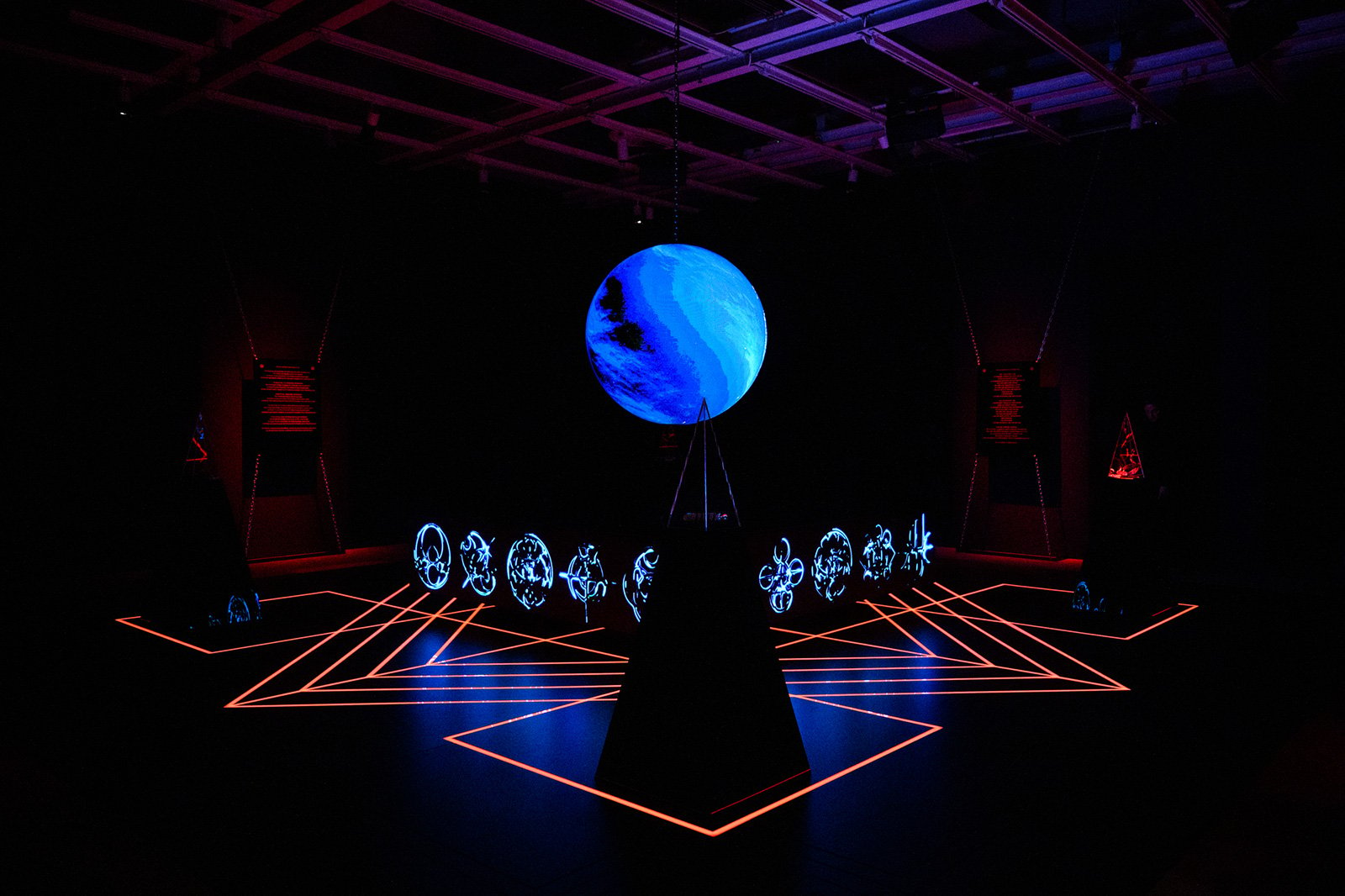
Installation view, Zach Blas, CULTUS (2023), Whitney Biennial, Whitney Museum of American Art. Photograph by Ron Amstutz
“Whitney Biennial 2026”
Curated by Marcela Guerrero and Drew Sawyer
Whitney Museum of American Art, on partial view until October 12, 2026
The 2026 edition of the Whitney Biennial, the longest-running and most-anticipated recurring exhibition of American contemporary art, has been notable for the mix of established names and grassroots practitioners, and the number of practitioners, 15 from a total of 56, making working art at the intersection of art and technology, among them the New York-based digital artists Samia Halaby and Joshua Citarella, and the Toronto-based Zach Blas.
For Halaby, having a group of her kinetic paintings shown in the biennial in her 90th year, came after a standout 2025, in which she showed at Frieze London; at the Museum of Modern Art (MoMA), New York; and, with her kinetic paintings, on the digital billboards at Moynihan Train Hall, Penn Station, in the city. She also received the 2025 MUNCH Award, a prize to recognize artistic courage and integrity presented by MUNCH Museum, Oslo.
Citarella’s inclusion came during growing recognition for Doomscroll, his podcast devoted to online culture and politics, marked by The New York Times asking “Is this artist the Joe Rogan of the art world?”. Live recordings of Doomscroll formed Citarella’s contributions to the biennial, during which he recorded a series of interviews at the Whitney Museum of American Art with the geographer and social theorist David Harvey, the filmmaker John Wilson, creator of the HBO series How To with John Wilson, and the political writer Bhaskar Sunkara, founding editor of Jacobin magazine.
For its remaining three weeks, the biennial exhibition, which was selected by two curators at the Whitney Museum of American Art, Marcela Guerrero and Drew Sawyer, is on partial view, now restricted to galleries on the museum’s sixth floor.