Manfred Mohr
artist, b. 1938.
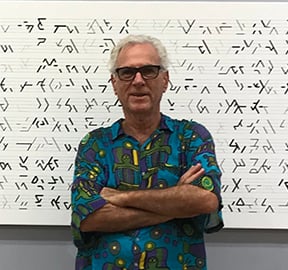
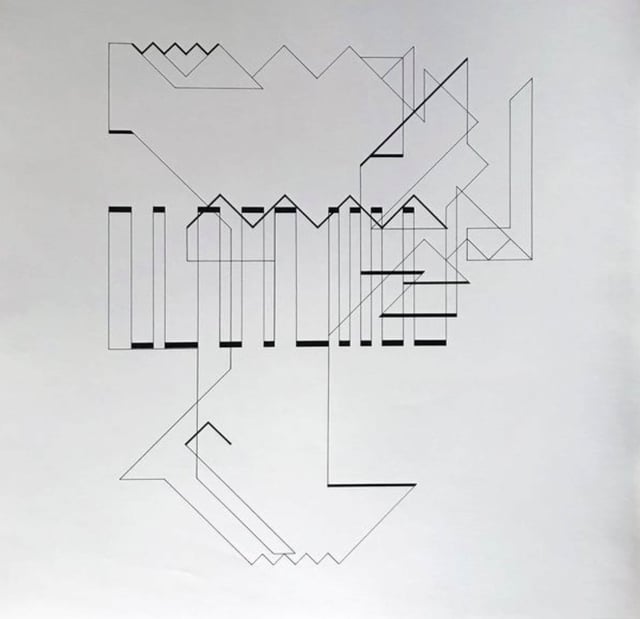
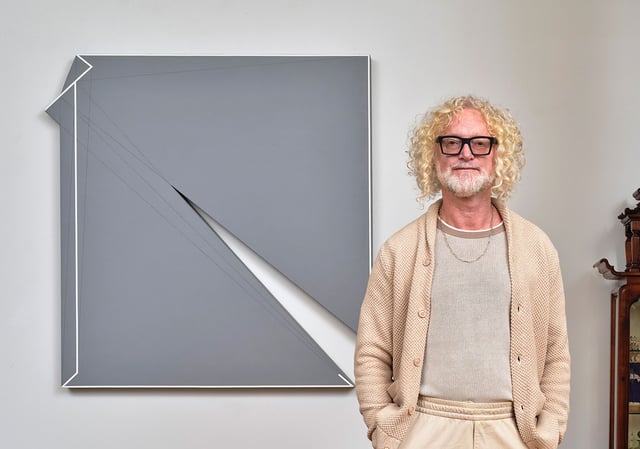
Manfred Mohr is a leader in the field of software-based art. In the early 1960s, he discovered Max Bense’s writing on information aesthetics. These texts radically changed Mohr’s artistic thinking, and within a few years, his art transformed from abstract expressionism to computer-generated algorithmic geometry. Encouraged by the composer Pierre Barbaud, whom he met in 1967, Mohr programmed his first computer drawings in 1969 after learning the Fortran IV programming language to create compositions that he executed as ink drawings on paper. He started his research in 1969 at the Faculty of Vincennes, Paris in the group “Art et Informatique,” where he co-founded the seminar.
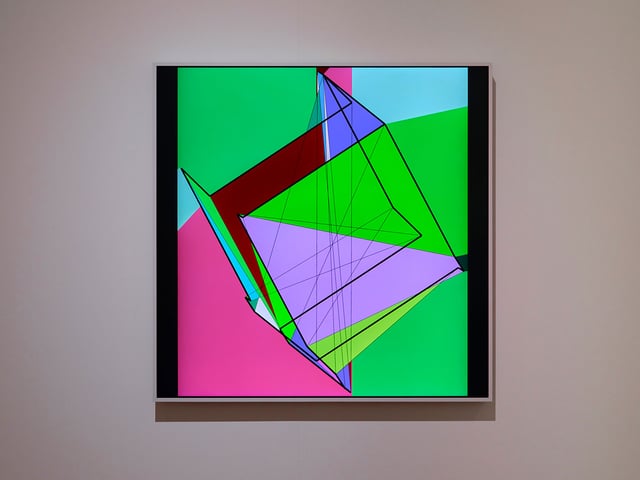
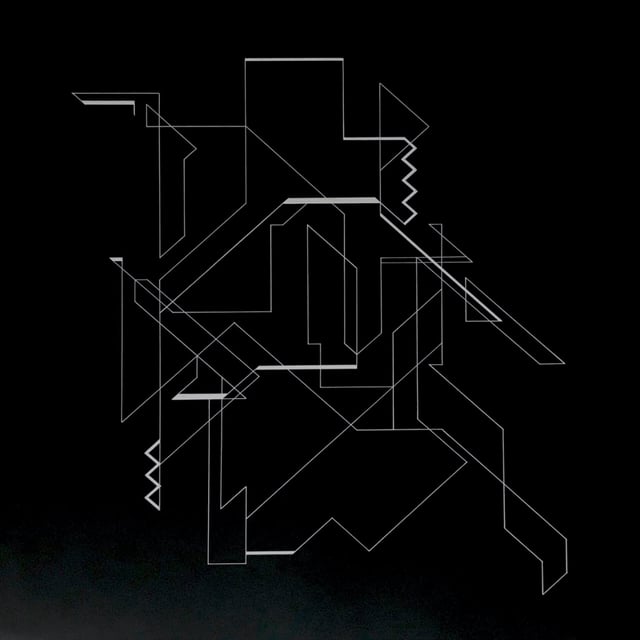
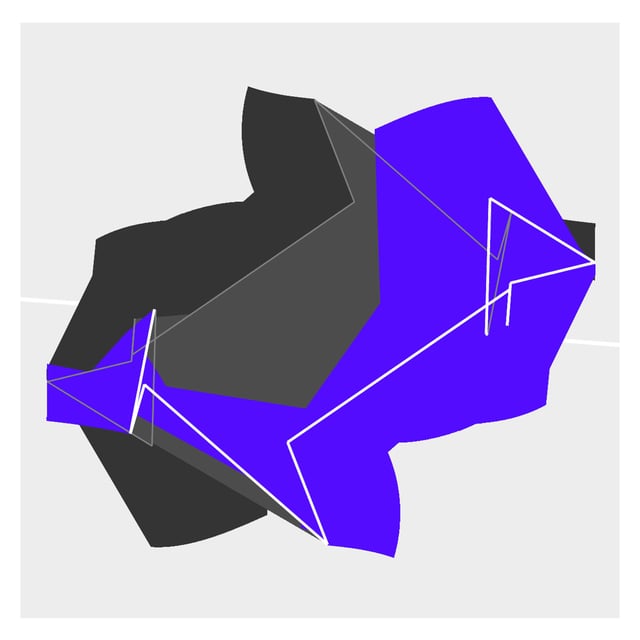
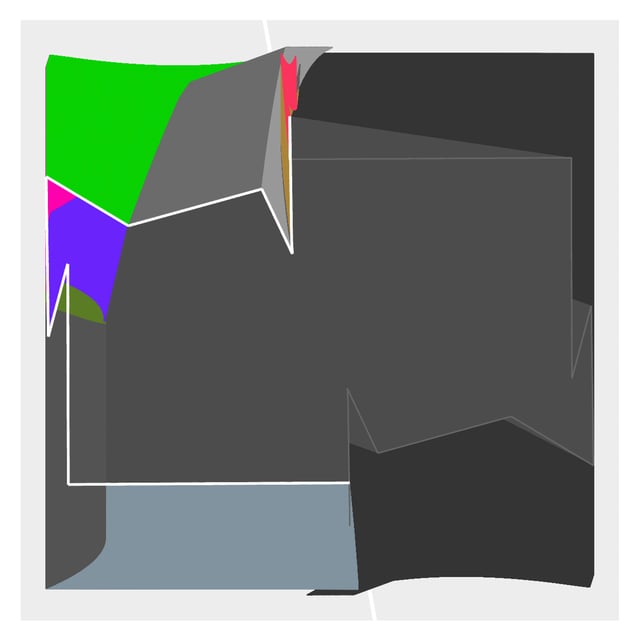
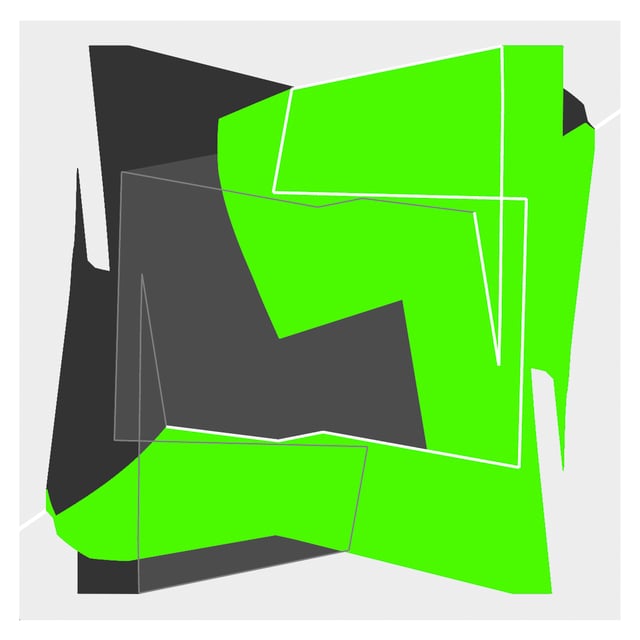
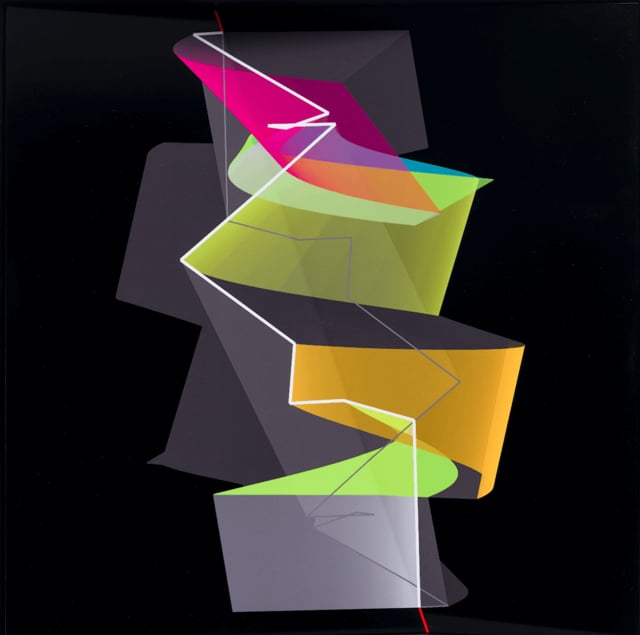
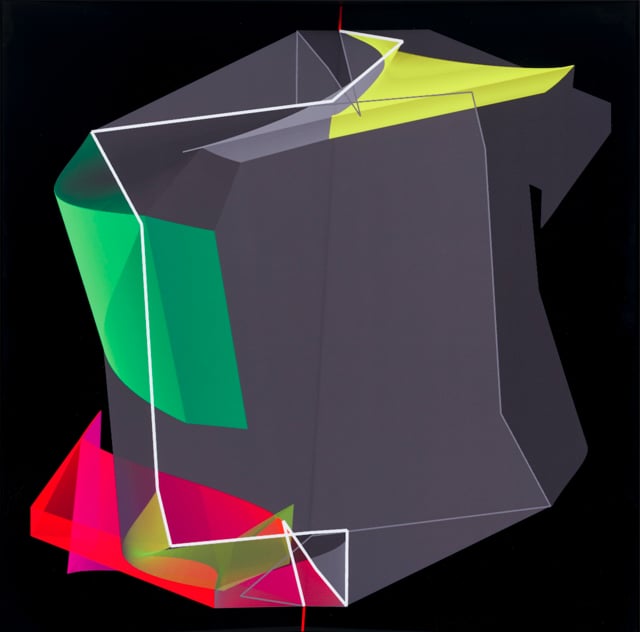
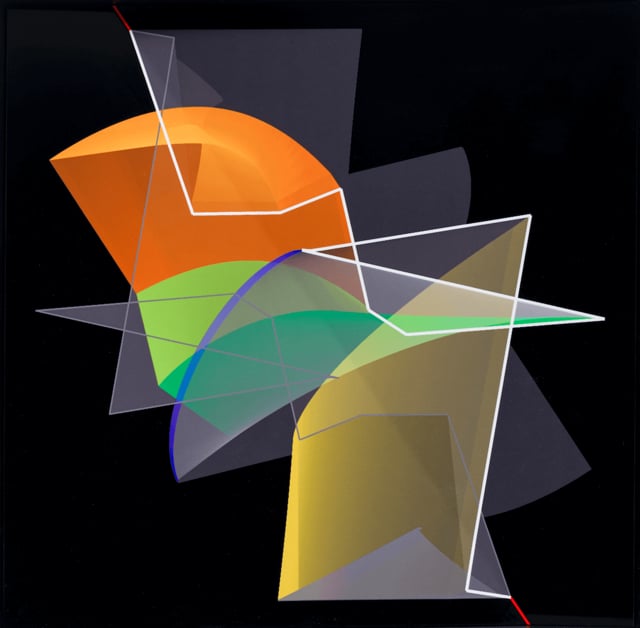
Some of Mohr’s earliest drawings were executed on a light pen plotter (1969) and also on a large Zuse flatbed plotter at the University of Darmstadt in Germany (1970). However, in 1970, he contacted the Institute of Meteorology in Paris, which granted him access to a Benson 1284 flatbed plotter and a CDC 6400 computer, the most powerful machines available at that time. Mohr’s first major museum exhibition, “Une esthétique programmée,” took place in 1971 at the Musée d’Art Moderne de la Ville de Paris. It has since become known as the first solo show in a museum of works entirely calculated and drawn by a digital computer. Mohr’s pieces have been based on the logical structure of cubes and hypercubes — including the lines, planes, and relationships among them — since 1973. Mohr’s work is in the collections of the , Paris; ZKM, Karlsruhe; , New York; Joseph Albers Museum, Bottrop; Mary and Leigh Block Museum of Art, Chicago; , London; and many others worldwide. Mohr is the recipient of an ACM SIGGRAPH Distinguished Artist Award for Lifetime Achievement in Digital Art; Golden Nica from , Linz, Austria; the Camille Graesser-Preis, Zurich; D.velop Digital Art Award, Berlin, and a New York Foundation for the Arts Fellowship.